

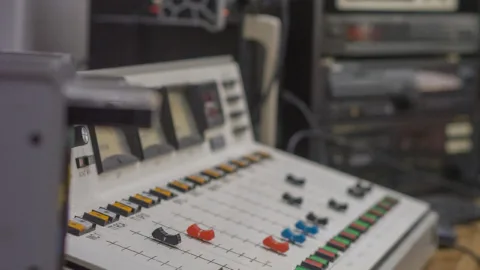
Dead air and silence detection: how radio keeps the air chain safe
Dead air, unexpected silence on the air, is every station's nightmare. We explain how a silence detector spots an abnormal gap, and…

Dead air, unexpected silence on the air, is every station's nightmare. We explain how a silence detector spots an abnormal gap, and…
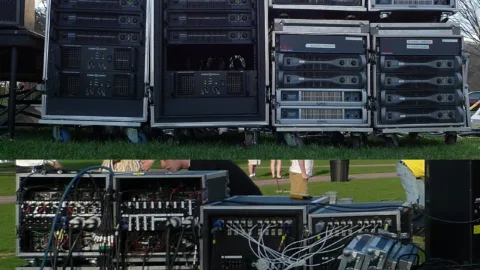
How many watts for your speakers? Do you really need an amp twice as powerful? What does bridged mode change? We untangle…
Between the studio and the tower, one link decides whether your station stays on air: the studio-to-transmitter link, or STL. Classic microwave,…

Floor wedges or in-ear monitors? Your monitoring choice shapes stage volume, front-of-house clarity and player comfort. Here, without dogma, is what each…
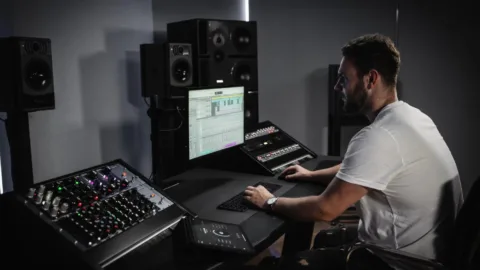
Your monitors are the one reference that judges every mix decision you make. Woofer size, sealed vs ported, listening distance, room correction:…

Point source and line array aren't two price tiers but two physics of sound radiation. Understanding how each one radiates, throws and…

In radio and podcasting, the spoken voice almost always runs on the same type of mic: a large-diaphragm dynamic. Here's why, which…
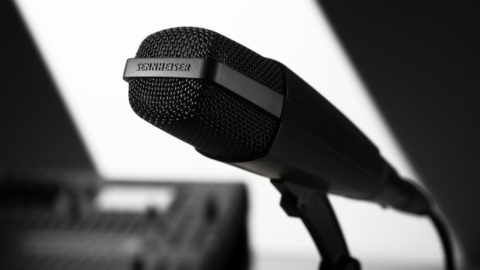
Miking drums on stage is nothing like the studio: a noisy stage, bleed everywhere, and an absolute priority on kick and snare.…
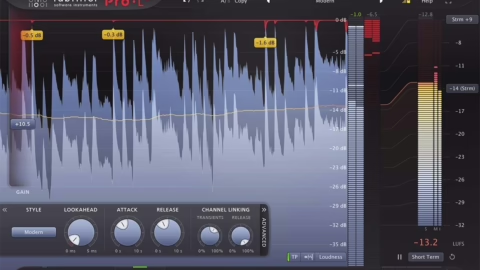
A limiter is the last line of defence in your chain: it sets a ceiling the signal can't cross. Dialed in well,…

Multiplexes, COFDM, HE-AAC, single-frequency networks: behind the DAB+ logo sits a broadcast mechanism very unlike FM. Here is how digital terrestrial radio…
Every Thursday,
your audio week
in 5 minutes.
Get the essentials of audio news in a single email.Consoles, software, studio and live: the week’s news in 5 minutes.
Gear announcements and updates as soon as they are published, without waiting for the Thursday newsletter.
In Thursday Mixdown: the essentials of the pro audio week, every Thursday.
Discover the newsletter →