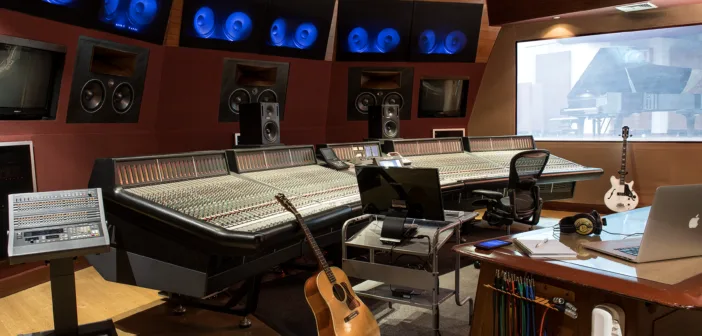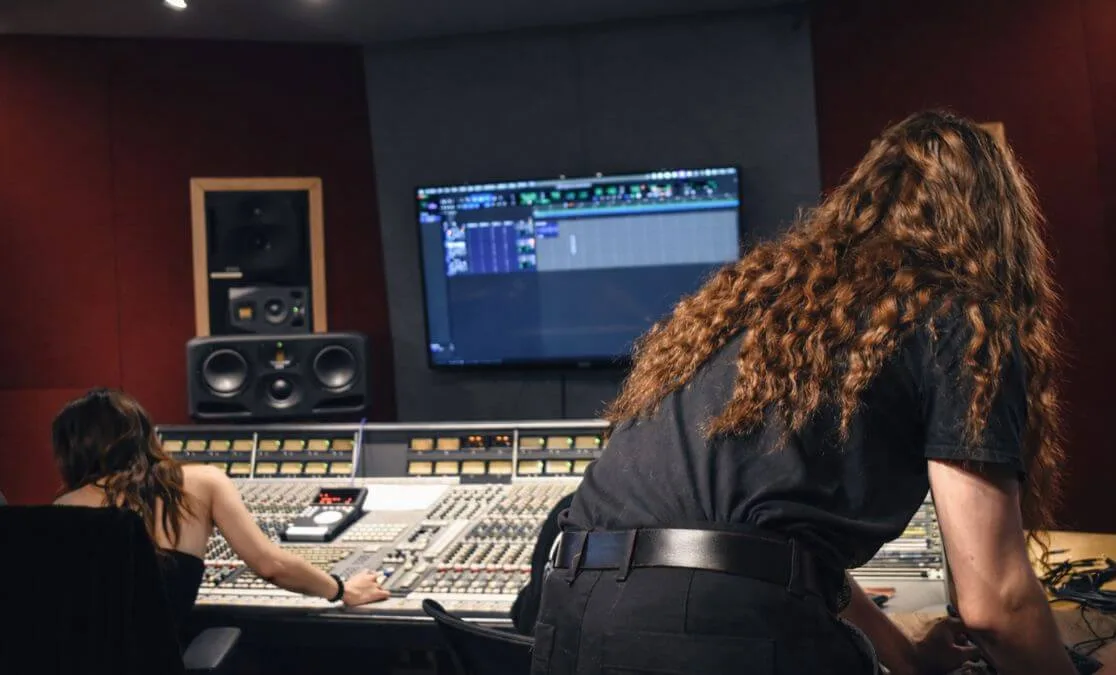
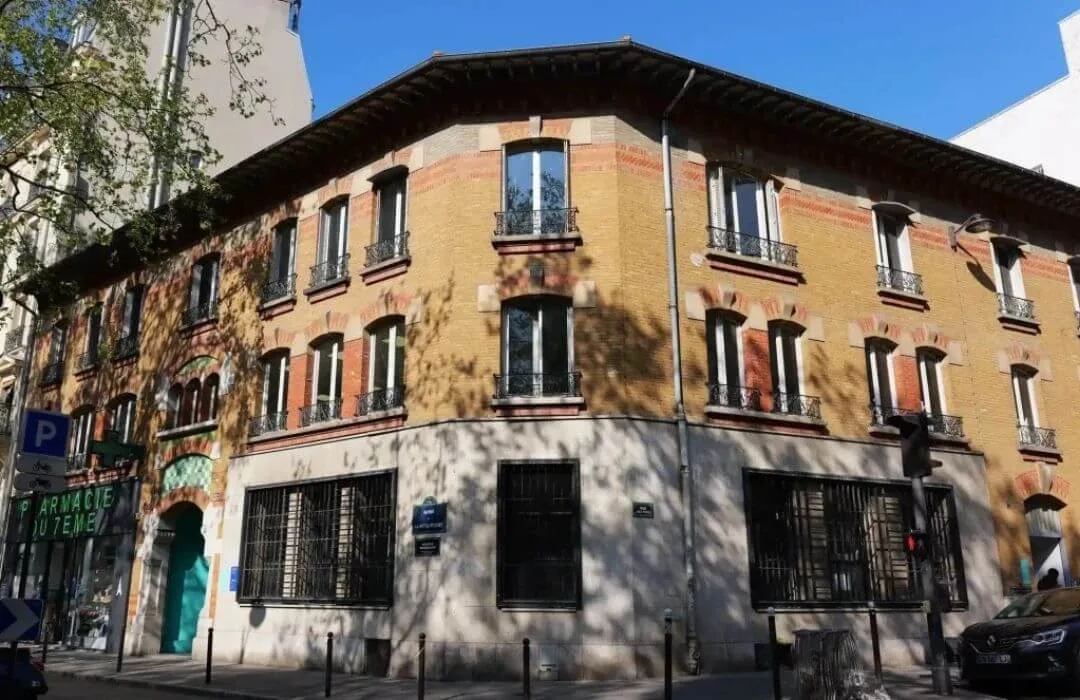
SAE Institute has trained audio engineers since 1976 and runs a worldwide network of campuses. In Paris, the school occupies 1,500 m² on avenue de la Motte-Picquet, with four studios. For English speakers drawn to the city, one point needs clearing up before anything else: the Paris audio programme is taught entirely in French. Here is what the course offers, and which SAE alternatives make more sense if your French is not yet fluent.
Who it is for and prerequisites
Admission requires a high-school diploma or equivalent, an application file and an interview, with an answer within about thirty days. International applicants must hold a TCF certificate at B2 level, the French-language test, because every class is taught in French. Direct entry into the second year is possible for applicants who already have solid experience.
What the course actually covers
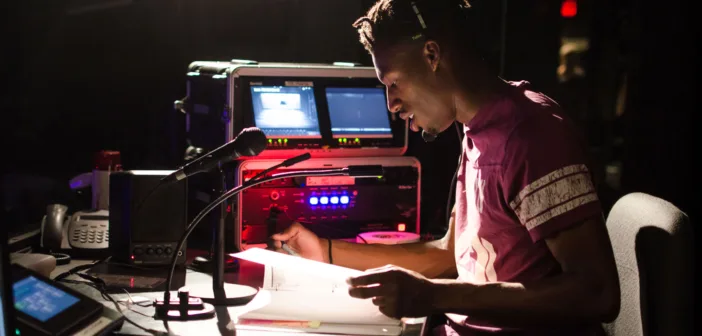
The Music Production course runs over two years and 900 hours, split into four blocks: recording, editing and post-production, mixing, and live sound. Including live sound in the core curriculum sets SAE apart from many studio-focused schools. Students learn stage patching, front-of-house and monitor mixing, and the logic of a PA system.
A third year, Audio Studio & Live, adds 450 hours and an internship of at least two months. It leads to a school diploma and is the only year open to apprenticeship contracts.
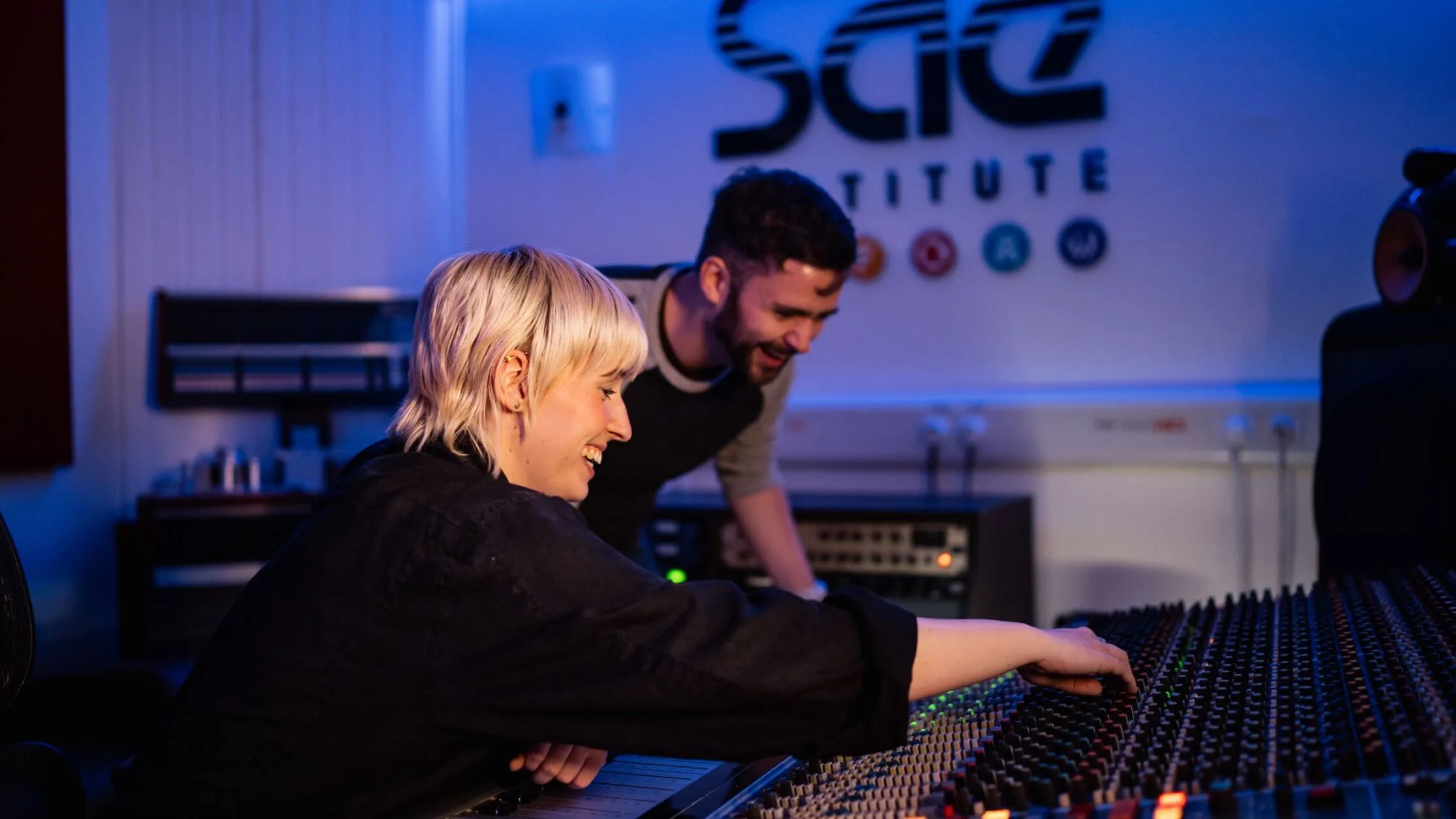
The live strand matters more than it seems. Large touring productions run on engineers who understand both the console and the system, a culture shaped by companies such as Clair Global.
Format and qualification
The course is taught on site, full time, in Paris or Toulouse. The first two years lead to the RNCP39963 Technicien son title, a level 5 qualification on the French national register, valid until 18 December 2029. The 2025 cohort reported 75.76% certified graduates and 90.91% in employment six months later. The next intake starts in September 2027.
Price and funding
For 2026/27, tuition is €8,500 for the first year and €8,650 for each of the second and third years in Paris, payable in three or six instalments, plus a €350 application fee. Bordeaux, Lyon and Toulouse are slightly cheaper, at €8,100 and €8,250. A one-year apprenticeship track, Technicien·ne du son (620 hours), is funded by the employer’s OPCO training fund, but it requires a French employment contract. The school holds the Qualiopi certification.
If your French is not ready
SAE does not currently offer a fully online audio programme. For English speakers, the realistic options sit elsewhere in the network:
- SAE Dubai runs a six-week mixing and mastering course taught in English, priced at AED 4,500 excluding VAT.
- SAE USA campuses offer hybrid degree formats combining online and on-site study.
- SAE Germany runs an online Top-Up Bachelor with the University of Hertfordshire, which is not audio-specific.
Another route is to reach B2 French first, then join the Paris programme: the RNCP title carries real weight with French employers, especially in live and broadcast work, where productions like the Super Bowl halftime show show how intertwined the two have become.
Verdict
A balanced, state-recognised course that takes live sound seriously, at a yearly cost well below the most expensive private schools. It suits English speakers who plan to work in France and are ready to study in French. Everyone else will find a better fit at an English-speaking SAE campus.
In practice
Price: €8,500 (year 1), then €8,650 per year in Paris, plus a €350 application fee
Duration: 2 years (900 h) for the RNCP title, optional third year (450 h plus internship)
Language: French only, TCF B2 required for international applicants
Location: 18 bis avenue de la Motte-Picquet, Paris 7th; also Toulouse, Bordeaux, Lyon
Link: SAE Institute France sound and music courses
Verified on: 13 November 2026
My take
Studying audio in Paris is an attractive idea, and SAE delivers a serious, recognised programme with a real live sound strand. The language barrier is not a detail, though: mixing classes, studio vocabulary and internship interviews all happen in French. If you are aiming for a career in France, investing a year in the language first pays off. If not, an English-speaking SAE campus will give you the same method without the handicap.
SAE Institute’s official channel presents its music production training.