


Berklee Online sells something rare in audio education: credit-bearing coursework from an accredited college, taught asynchronously, with no audition and no application. Three of its certificates matter to working engineers and producers: Sound Engineering for Live Events, Game Audio Design and Production and Electronic Music Production and Sound Design. They differ widely in length and price, and they are not aimed at the same person.
Who these certificates are for
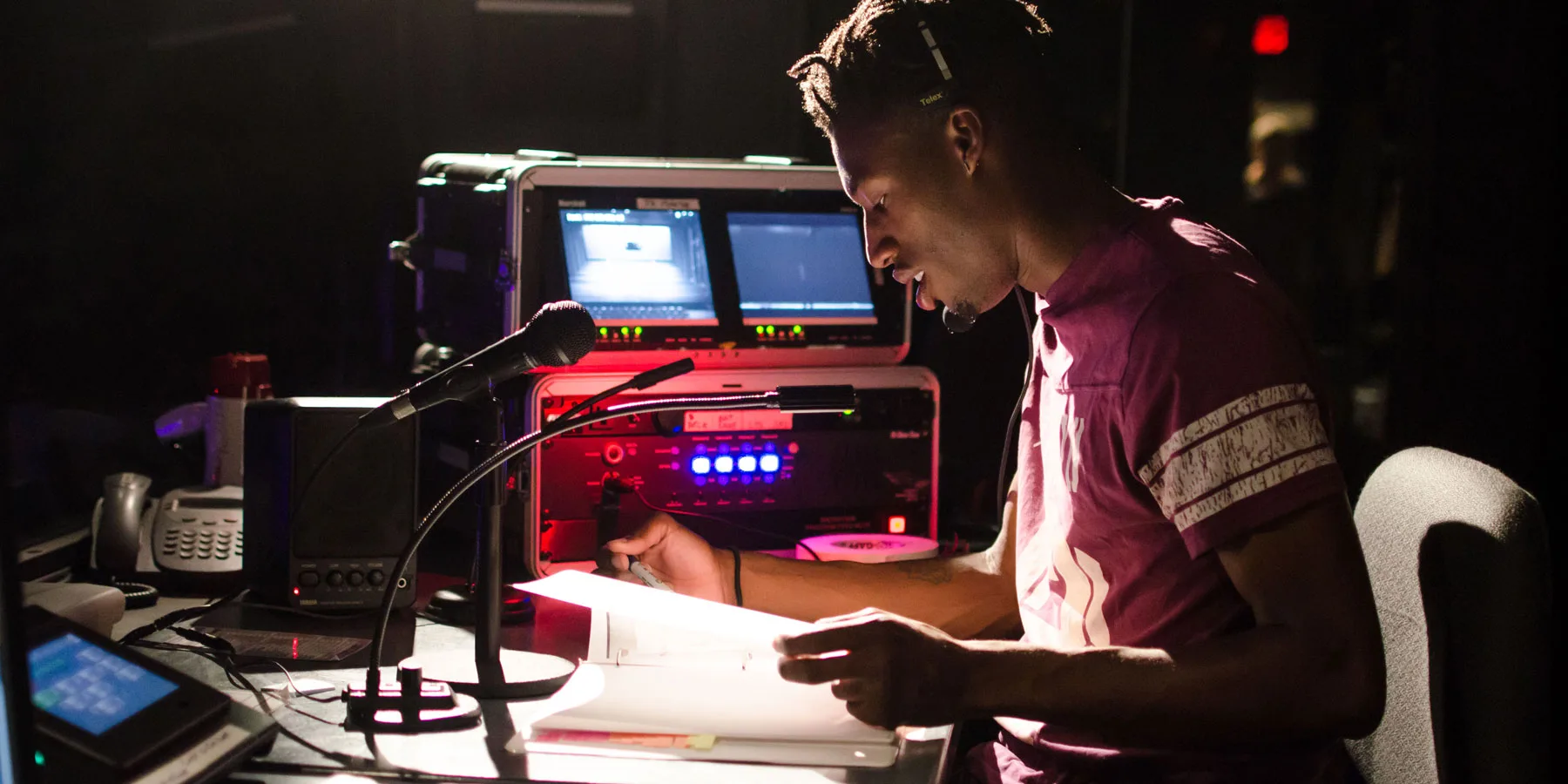
Enrolment is open: no portfolio, no entrance exam. The real filter sits at course level. The live sound track expects you to be comfortable in a full DAW (GarageBand is explicitly not enough), and Game Audio 101 asks for Pro Tools, Logic or Ableton fundamentals plus solid MIDI and harmony. In practice these programmes suit three profiles: a musician-producer who wants structure, a studio engineer moving toward live or interactive work, and a working tech who needs college credits on paper.
Credits come from an institution accredited by NECHE, the New England regional accreditor. Berklee states that they may transfer to another school, which leaves the final call to the receiving institution.
What you actually study
Live Events is three courses: Microphone Techniques for Live Sound Production, Live Event Sound Engineering and Concert Production 101, then Concert Mixing 201. The 101 course is authored by Toby Francis, a front-of-house engineer with more than four decades of touring. Students work in their DAW and in Yamaha’s free RIVAGE PM Editor, which means console workflow is taught on a real flagship desk file, not on a generic simulation.
Game Audio also runs three courses: Game Design Principles, Game Audio 101 and Game Audio Production with Wwise. The toolset is the industry one: Unity, FMOD Studio and Wwise, with a field recorder for your own source material. Gina Zdanowicz authored and teaches the 101 course with a team of three instructors.

Electronic Music Production and Sound Design is a different animal: an Advanced Professional certificate of nine courses. Six are fixed (Music Production 101, Producing Music with Logic, Sound Design for the Electronic Musician, Composing and Producing Electronic Music 1 and 2, Mixing and Mastering for the Electronic Musician) and three are electives from the catalogue. The sound design course, by Michael Bierylo and David Mash, uses Reason, Vital and VCV Rack, so synthesis is taught across subtractive, wavetable and modular environments rather than through one plugin.
Format and workload
Each course lasts twelve weeks, with weekly lessons, assignments and instructor feedback. Courses can be stacked or spread out, so Berklee gives no fixed total duration for a certificate. A three-course track realistically takes two or three terms; nine courses is a two-year commitment for anyone with a job. Plan for gear as well: an audio interface, an XLR mic and closed headphones for live sound, a MIDI keyboard and around 400 GB of free disk space for game audio.
Price and funding
| Certificate | Courses / credits | Listed price | Paid upfront |
|---|---|---|---|
| Sound Engineering for Live Events, Professional | 3 / 9 | $4,725 | $4,253 |
| Game Audio Design and Production, Professional | 3 / 9 | $4,725 | $4,253 |
| Electronic Music Production and Sound Design, Advanced Professional | 9 / 27 | $14,175 | $12,758 |
Each course is billed $1,575 and a one-time $175 certificate registration fee applies. Software, books and hardware are extra. For readers in France, these are not RNCP or RS registered qualifications, so CPF does not apply; an employer can still fund them as non-certifying training through its skills development plan and its OPCO.
The professional view
The live track is the most directly useful of the three for a working engineer: miking for stage, gain structure, system thinking and a real console editor. It will not replace hours behind a desk on a festival changeover (see our piece on turning bands around fast), but it gives a vocabulary and a method. The game audio track is well aligned with studio hiring tests, since middleware fluency in Wwise and FMOD is the usual entry ticket. The electronic music certificate is the most complete and the most expensive: worth it if you want a structured curriculum and credits, overkill if you only need sound design technique.
Verdict
For a working professional, the three-course certificates are the sweet spot: focused, taught by people with real credits, and priced like a serious piece of gear rather than a degree. The nine-course track makes sense if the credits themselves have value to you. Next term starts on 11 January, and Berklee is running a discount of $200 or more until 14 December.
Practical details
Price: $1,575 per course, $175 registration; $4,725 (Live Events, Game Audio) and $14,175 (Electronic Music), discounted when paid upfront
Duration: 12 weeks per course; 3 or 9 courses
Language: English, online and asynchronous
Links: Live Events, Game Audio, Electronic Music Production and Sound Design
Checked on: 13 November 2026
My take
The live sound certificate is the one to watch: Toby Francis teaching on a RIVAGE PM file is closer to a real gig than most classroom setups manage. Game audio is a smart bet too, because Wwise and FMOD skills open doors that a mixing reel alone does not. The big electronic music track is excellent but long; buy it for the curriculum and the credits, not for the badge. If budget is tight, start with Sound Design for the Electronic Musician as a single course and see how the Berklee format suits your schedule.
Berklee Online’s own overview of a course from the electronic music track gives a good sense of the teaching style.

