Ableton unveiled Live 13 on 10 November 2026. The public beta is open to everyone right now, and the Berlin company has set the full release for early 2027. Live 12 stays on sale during the transition, with a free upgrade to the matching Live 13 edition once it ships. Here is what is new, sorted by how you will use it.
A Drum Synth and a Step Sequencer for rhythm
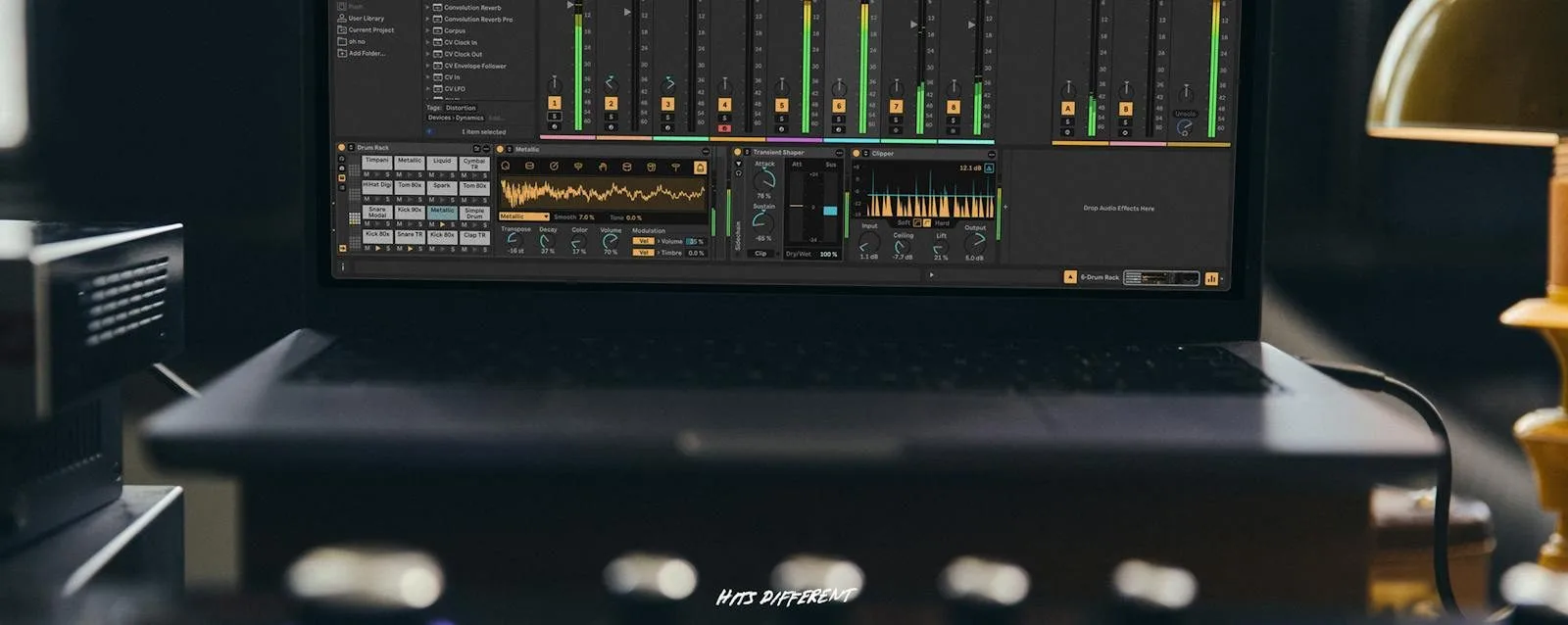
The headline is a pair of complementary tools. The Drum Synth is a single instrument covering kick, snare, rimshot, hi-hat, clap, tom, cymbal and bell. Each sound type offers several algorithms with their own parameters, and the kick ships with modes inspired by the TR-909, TR-808 and CR-78. You synthesise a full kit from scratch, no samples required.
The Step Sequencer is built around the Drum Rack, where each pad keeps its own device chain. Per-track settings cover sequence length, rate, direction and swing, so two tracks can run at different speeds and in different directions. Per step you get velocity, offset, length, repeat, pitch and chance. On Push 3 the sequencer takes a playable physical form with expressive step editing.
ARA 2, Capture Automation and contextual browsing
On the production side, Live 13 finally supports ARA 2. Compatible plug-ins such as Melodyne edit pitch and timing straight inside Live’s window, with no export-then-reimport round trip. Capture Automation records the knob moves you just made after the fact, in the spirit of the Capture MIDI feature users already know.
Contextual Browsing adds a button in the device chain to load an instrument or effect and swap presets without opening the full browser. A small thing that changes your pace once you start stacking processing.
Reworked Racks, a Clipper and a Transient Shaper
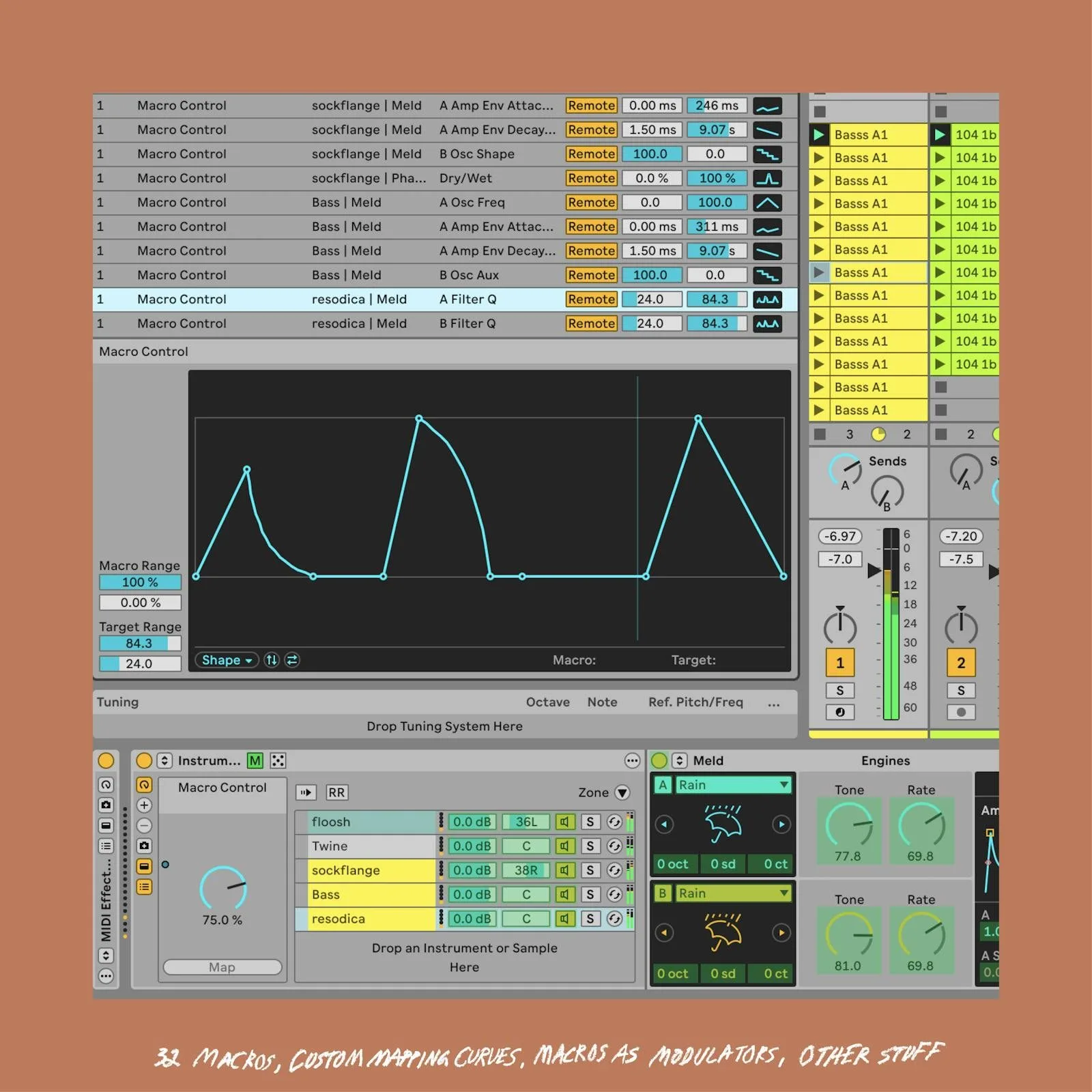
Racks now take up to 32 Macros, and two new types appear, the Multiband Rack and the Mid-Side Rack, which open up band or mid-and-sides processing with no routing gymnastics. The mixer gains Device Slots to hang processing close to the channel strip.
Two effects join the toolbox. The Clipper clips the signal and offers an artifacts-only listen mode, handy for dialling in distortion honestly. The Transient Shaper, previously locked to the Drum Bus, becomes a standalone device you can place anywhere. Suite also adds the Looplet device and the Classic Dynamics & EQ pack by Softube, which brings a classic console colour.
Editions, price and availability
Live 13 comes, as before, in Intro, Standard and Suite. Suite bundles Melodyne essential for ARA 2 editing, the Softube Classic Dynamics & EQ pack and Looplet as free downloads at release. Ableton has not announced Live 13 pricing yet. For now, every Live 12 edition is 20% off until release, with the free upgrade mentioned above, and Push 3 and Move get the same discount until 30 November.
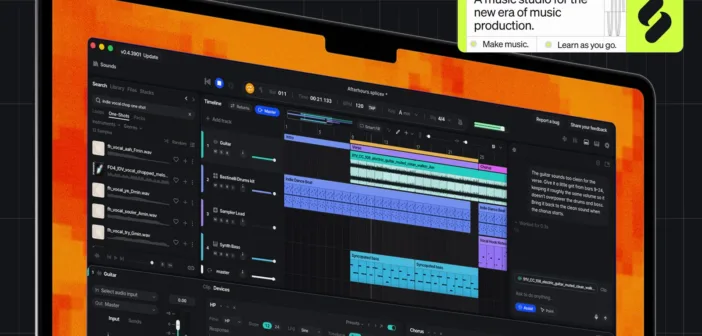
The public beta installs alongside a stable version of Live rather than replacing it. For anyone tracking the shift of DAWs toward AI and stem separation, it is a busy stretch: Splice just launched its own Create DAW, Steinberg shipped Cubase 16 and Avid updated Pro Tools. Live 13 answers on its own ground, sequencing and the stage. Full release notes are posted on Ableton’s website.
My take
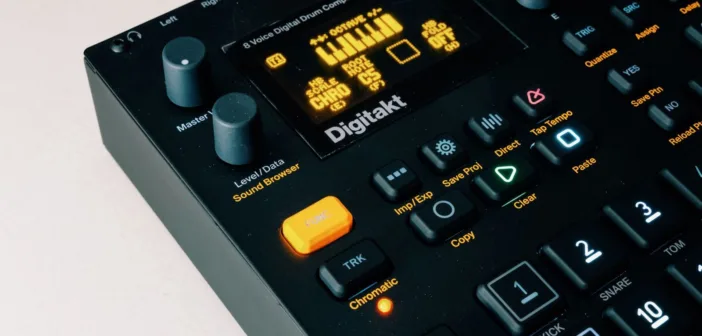
The Step Sequencer is the real surprise. Ableton had an unbeatable clip-and-scene model but left step programming a notch behind an Elektron or a well-driven Push. With a native Drum Synth and steps that carry chance, repeat and pitch, Live closes that specific gap. The rest reads as a strong update rather than a reinvention, and that is plenty. One question still hangs in the air, the price of Live 13, still unspoken: it will tell us whether Suite keeps its content-to-cost ratio against DAWs that give away more and more for next to nothing.