There’s an old studio trick engineers have passed down since the 1970s: run a vocal through a Dolby A noise reduction unit, but use ONLY the encode side and never decode the signal. The machine’s multiband processing then lifts certain high-frequency zones and dresses the voice in a silky sheen you can’t dial in on an EQ. With A-Class Vocal, Bogren puts that secret into a plug-in—and adds a colour of its own.
The Dolby A trick, finally within reach
The so-called “Dolby A trick” rests on a happy misuse. A Dolby A 361 or 363 is meant to cut tape hiss: it compresses four frequency bands on the way in, then restores them on playback. Encode without decoding and that correction stays in place, shaping the top end in a very musical way. The catch is that a working Dolby A is now rare and expensive. A-Class Vocal models it faithfully and boils it down to what matters for vocals.
Two engines: Rec and MOD
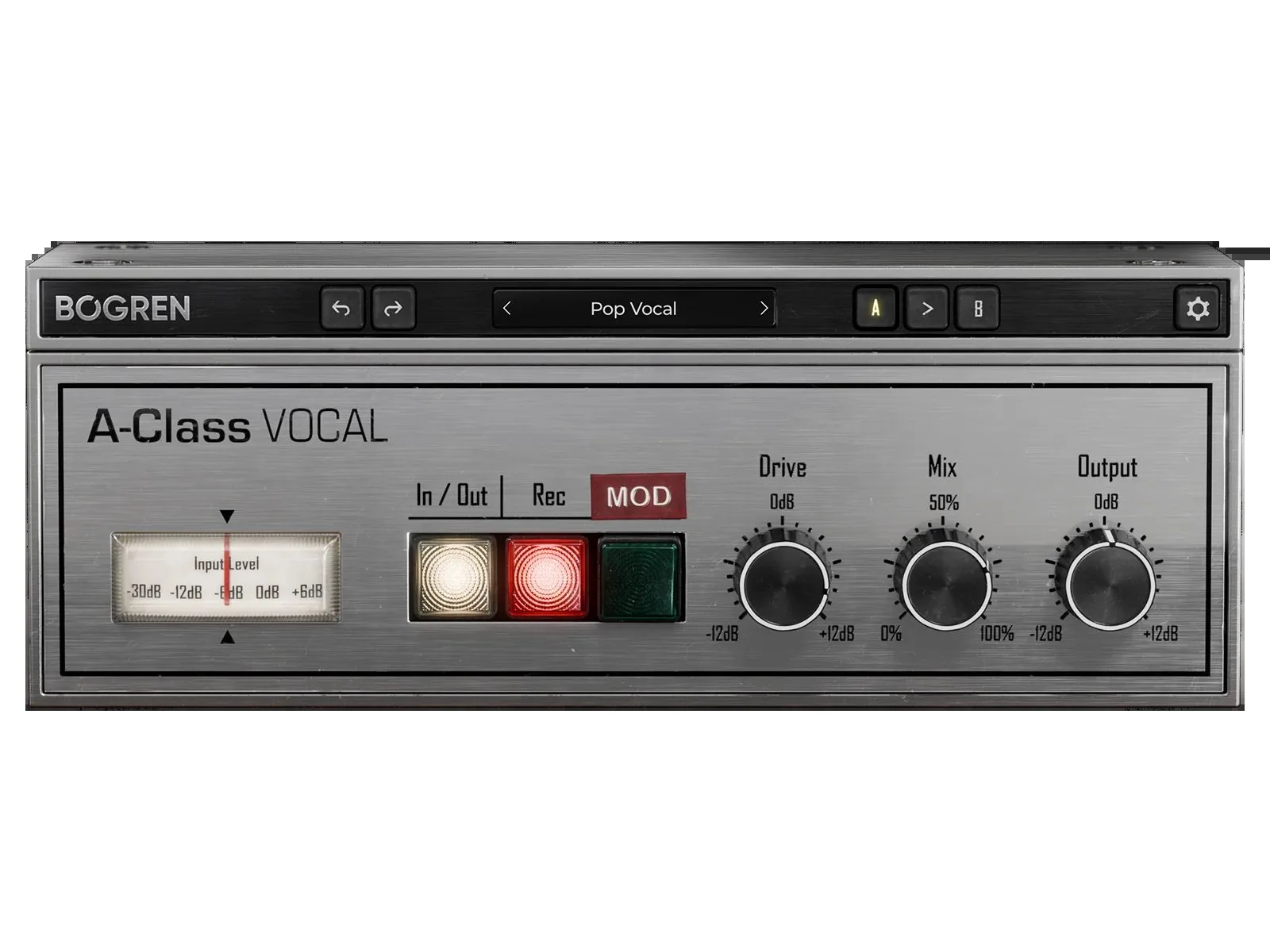
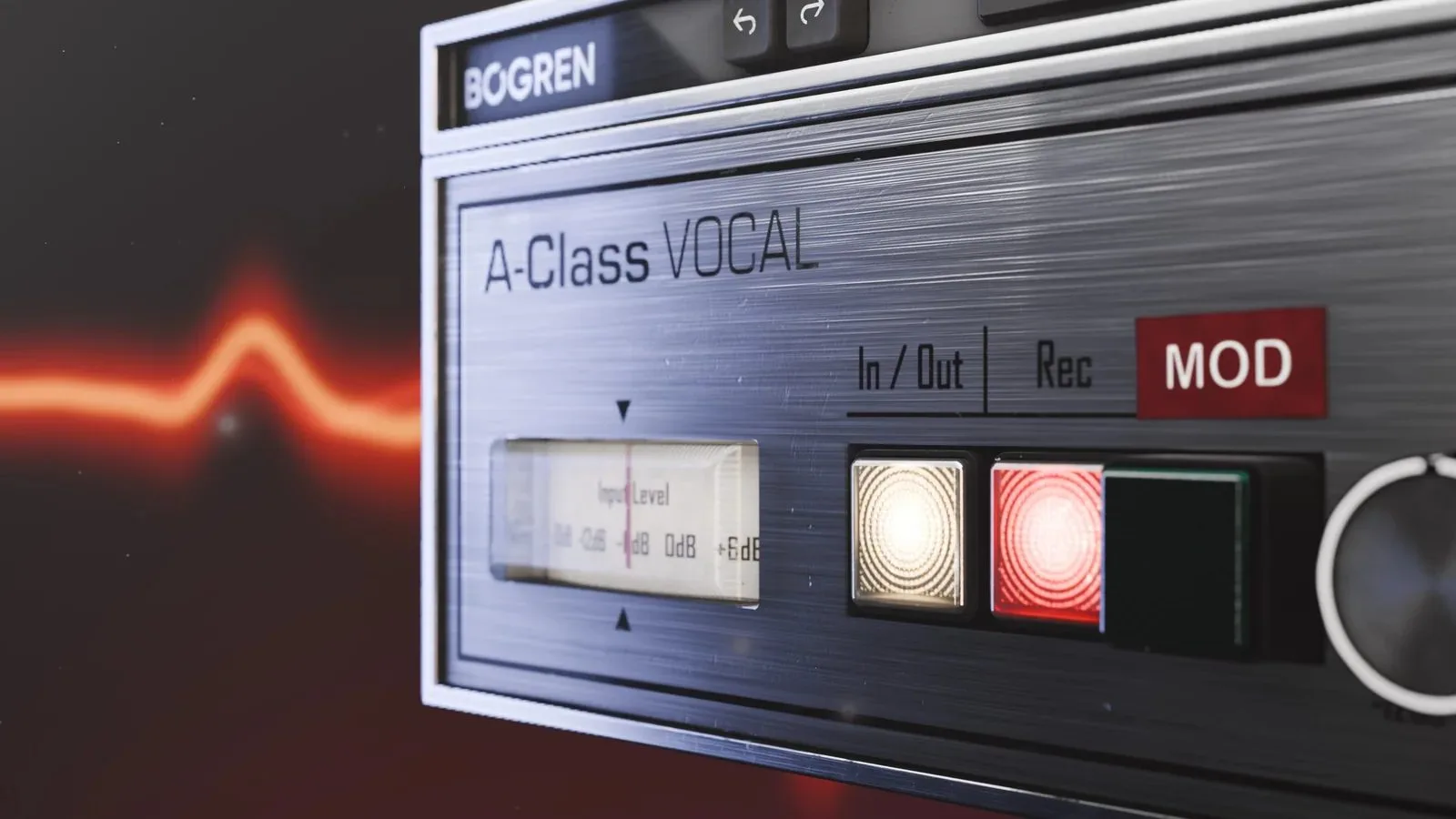
The plug-in offers two characters. Rec mode reproduces the behaviour of the original hardware, for anyone chasing the classic sheen heard on countless records. MOD mode is Bogren’s reworked version: a modified chain that pushes the effect further and makes it more flattering on modern voices. You switch between them with a button, and the A/B lets you compare two settings on the spot.
Three controls, not one too many
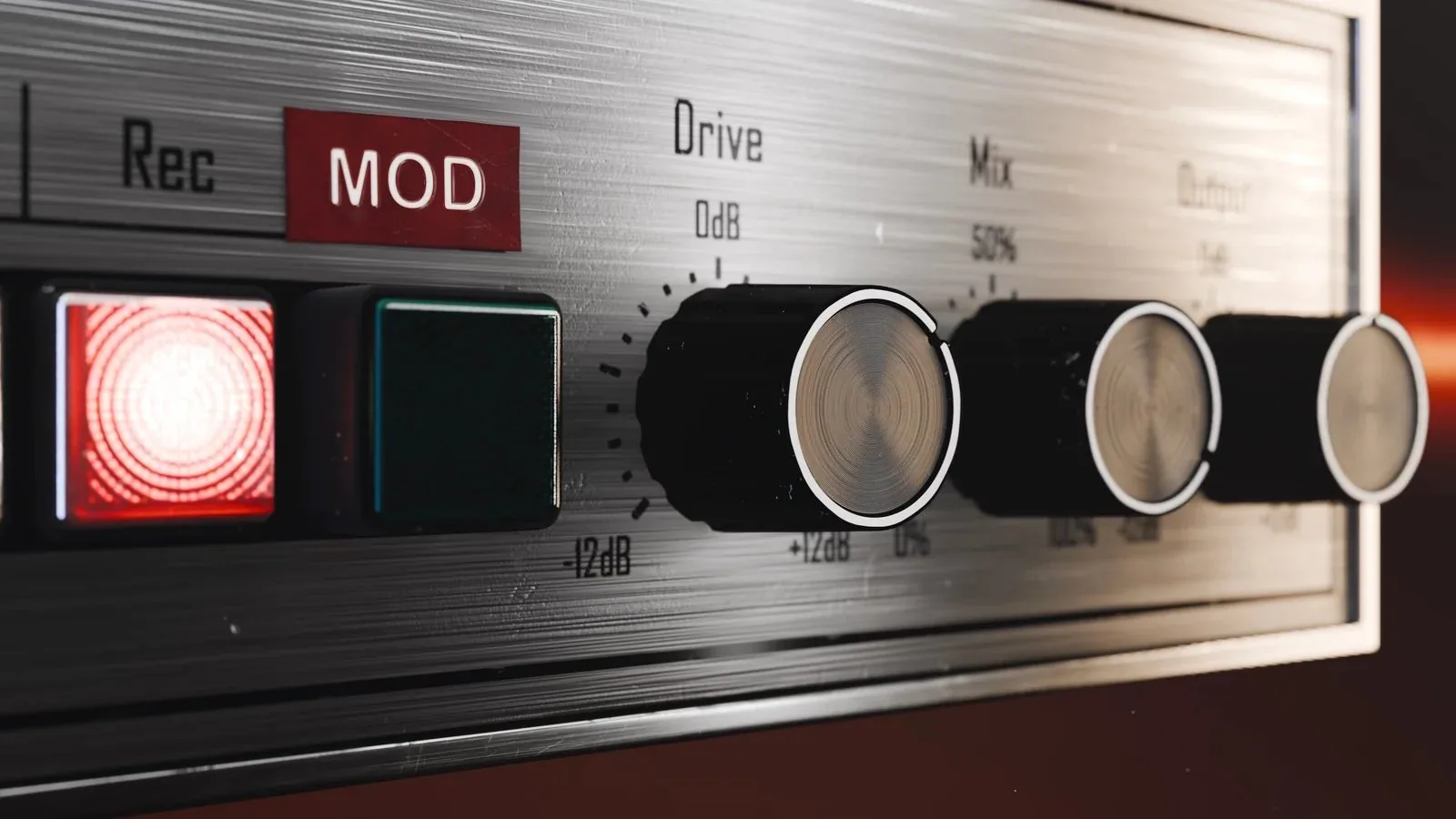
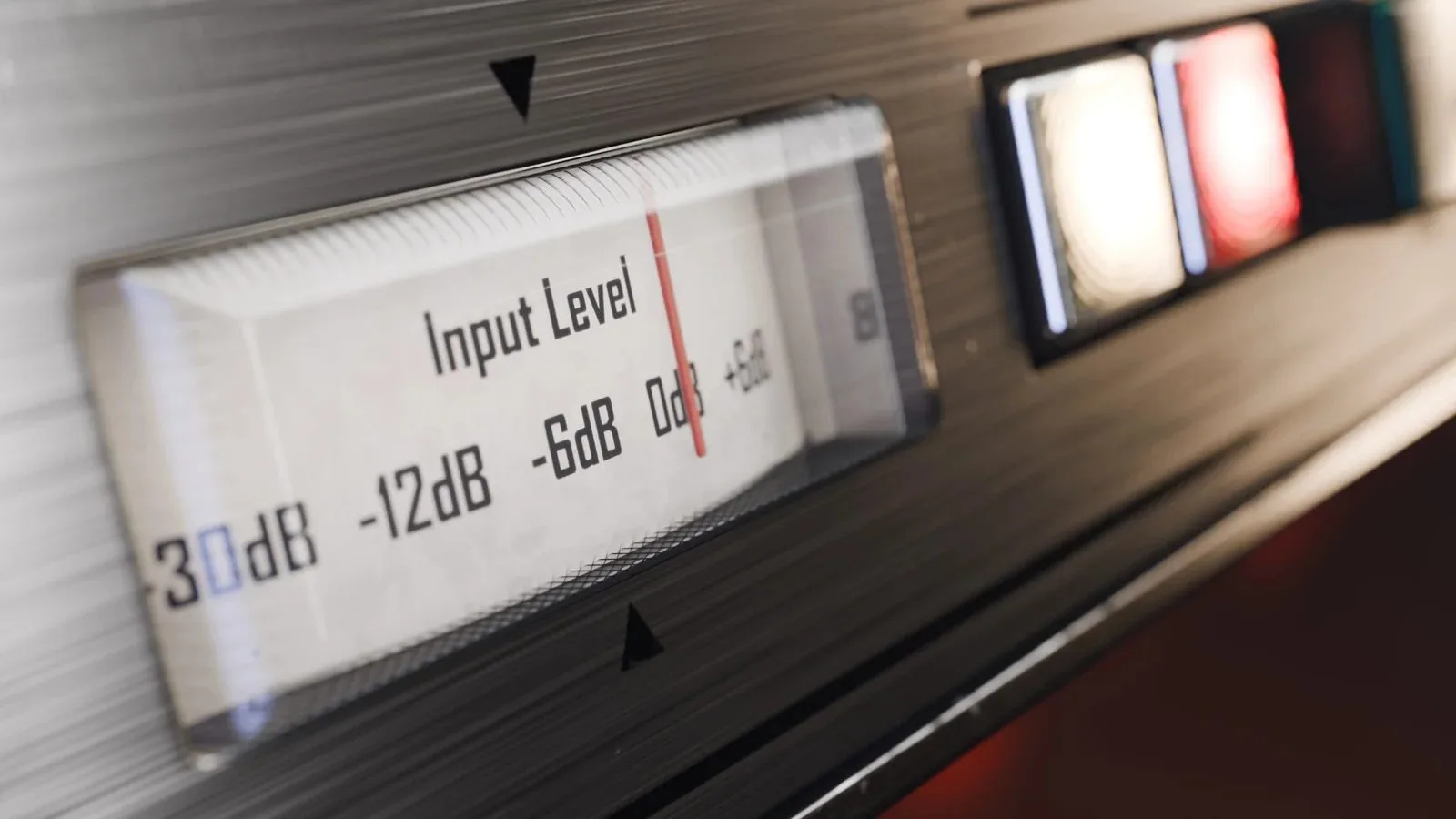
The interface fits on a single row: an input-level VU meter, then three knobs. Drive sets how hard the processing hits—push it and the air and presence rise with it. Mix is internal parallel processing, so you keep the body of the voice while adding just enough sheen. Output makes up the gain. That’s it, and deliberately so: the tool does one thing and does it well, with no menus or hidden pages.
Not just for the lead vocal
Bogren aims A-Class Vocal first at the lead vocal, where that extra top helps it sit in front of a dense mix without an aggressive EQ move or heavier compression. But the brand also lists acoustic guitars, drum overheads, synth pads and even the mix bus, where a touch of this sheen opens the whole thing up. It’s a colour effect: add it in small doses, alongside a well-built vocal chain, not instead of one.
Mind the trade-off
Lifting the top end has a cost: on an already sibilant voice, the effect can wake up the “s” and “sh” sounds. A de-esser placed after A-Class Vocal—much like the dedicated stages in a full vocal chain—settles it without effort. It’s the habit to build so you get the sheen without paying for the sibilance.
Price and availability
A-Class Vocal shipped in October 2026 at €89 (that launch price followed a short pre-release promo). It installs as VST3, AU and AAX, and a 14-day free trial lets you judge it on your own tracks before buying. Behind the brand is Jens Bogren, a mix and mastering engineer best known for his metal work—a sign this is about colour, not a gimmick.
My take
This is exactly the kind of plug-in you keep: one effect, three knobs, and a result you hear in two seconds. The Dolby A trick is nothing new, but lifting it out of a pricey rack and dropping it onto a €89 channel is smart. MOD mode is the real draw—more modern and more open than the straight copy. The thing is to keep a light hand: sheen is like salt, you rarely add less next time. Try it on a lead vocal that won’t cut through, and that’s where it lands.
Frequently asked questions
What is the “Dolby A trick” that A-Class Vocal recreates?
It’s running a signal through the encode side of a Dolby A noise reduction unit without decoding it. The multiband processing stays applied and lifts certain high bands, giving the voice a characteristic sheen. A-Class Vocal models that behaviour in a plug-in.
What’s the difference between Rec and MOD modes?
Rec mode faithfully reproduces the original hardware for the classic reference sheen. MOD mode is Bogren’s reworked chain: it pushes the effect further and is often more flattering on current productions.
Can I use it on anything besides vocals?
Yes. Bogren aims it primarily at the lead vocal, but also lists acoustic guitar, drum overheads, synths and the mix bus. In small doses it opens up the top end of most sources.
Do I need a de-esser with A-Class Vocal?
It’s recommended on a sibilant voice. By lifting the highs, the effect can emphasise sibilance; a de-esser right after the plug-in tames it without dulling the sheen you’re after.