You receive a file, a contribution feed or a tape, and the first question is always the same: where is zero? Not the digital zero that marks the ceiling, but the reference level everyone agrees on. The answer fits in a one-second signal, a 1 kHz sine tone placed at the head of a programme. That is the line-up tone, and it rests on a simple but often misunderstood idea, the alignment level.
Two zeros that mean different things
In digital, 0 dBFS is full scale, the point beyond which the signal clips. It is an absolute ceiling, not a target. In the analog broadcast world, the reference sits elsewhere: a working level the programme breathes around, with margin above for peaks. Moving to digital production raised a practical question: what dBFS value do you map that analog reference to? That is the whole logic of alignment. You do not pin the reference to the ceiling, you deliberately place it below to keep dynamic reserve, the headroom.
The alignment level, EBU R68 and SMPTE
Two schools coexist. In Europe, EBU recommendation R68 sets the alignment level 18 dB below full scale, that is minus 18 dBFS, and defines a permitted maximum level, the PML, at minus 9 dBFS. That leaves 9 dB of reserve above alignment for programme peaks. In the United States, SMPTE practice places the reference at minus 20 dBFS, leaving 20 dB of margin. These figures are not trivia: a programme set to a minus 20 dBFS reference and played back on a chain aligned to minus 18 dBFS will land 2 dB off if nobody checks the tone.
The 1 kHz tone and bars and tone
The line-up tone is simply a 1 kHz sine sent at the alignment level. You place it at the head of a file, a tape or a link, often alongside colour bars on the video side, hence the expression bars and tone. On reception, the operator trims gains so that 1 kHz lands exactly on the agreed mark, PPM 4 on the BBC scale for instance, or the alignment mark on a bargraph. Once the tone is set, the whole programme that follows sits at the right height. It is a technical handshake between two links that never spoke to each other.
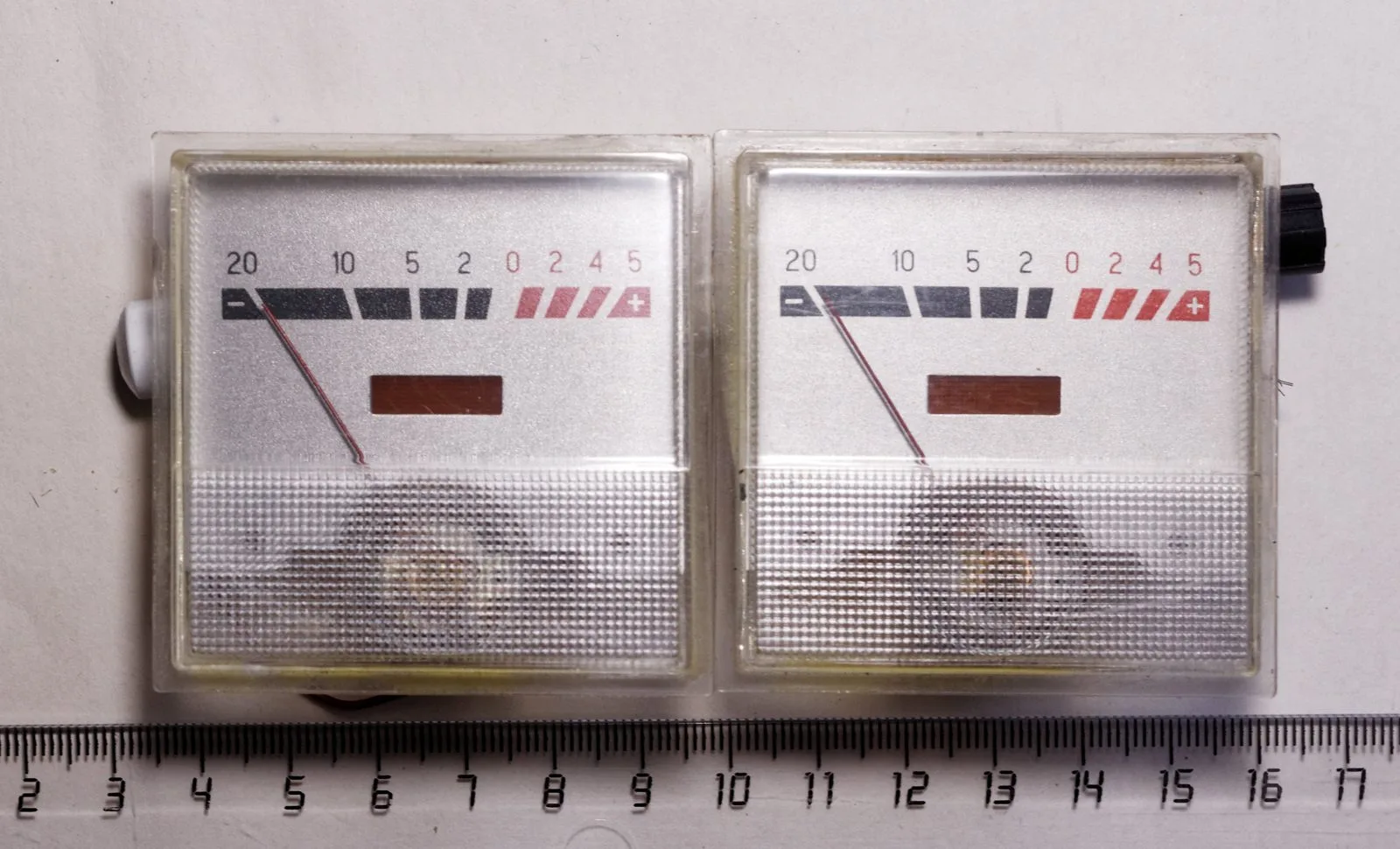
The moving-coil VU meter, like the ones in the photo, already answered this need, but its slow ballistics hid the true peaks. Broadcast long preferred the peak meter, the PPM, which is stricter on transients. On a PPM, the alignment mark and the permitted maximum level are engraved references, not an eyeball estimate.
Why it still matters in the file and loudness era
You might think the tone is obsolete now that EBU R128 loudness governs programme level. In fact, the two ideas do not overlap. Loudness, in LUFS, describes how loud a whole programme feels, its integrated value. The alignment level describes where the reference sits on the scale, the anchor of the chain. You need both: one frames perception, the other guarantees that peaks and gains stay consistent from one device to the next. When exchanging a file, a tone at the head and clean metadata, like those carried by the Broadcast Wave Format, save a lot of grief. Upstream, clean gain staging makes the reference land in the right place without forcing.
My take
The 1 kHz tone is reassuring: one second of signal that replaces ten minutes of arguing about levels. Too many production chains skip it, then wonder why a report arrives 6 dB too low. Set your alignment at minus 18 dBFS if you work to the European standard, check the tone at every exchange, and note the reference in your metadata. Three habits that cost ten seconds and spare you from redoing a mix because one person’s zero was not the other’s.