It’s one of the first decisions on a tech rider, and one of the most far-reaching: will the players listen on floor wedges or on in-ear monitors (IEMs, the “ears”)? The answer changes stage volume, how clean front-of-house sounds, frequency coordination and the comfort — sometimes the hearing — of the artists. There’s no right camp: there’s a context. Let’s go through what each approach really brings, and the questions to ask before choosing.
The wedge: a shared reference, with its flaws
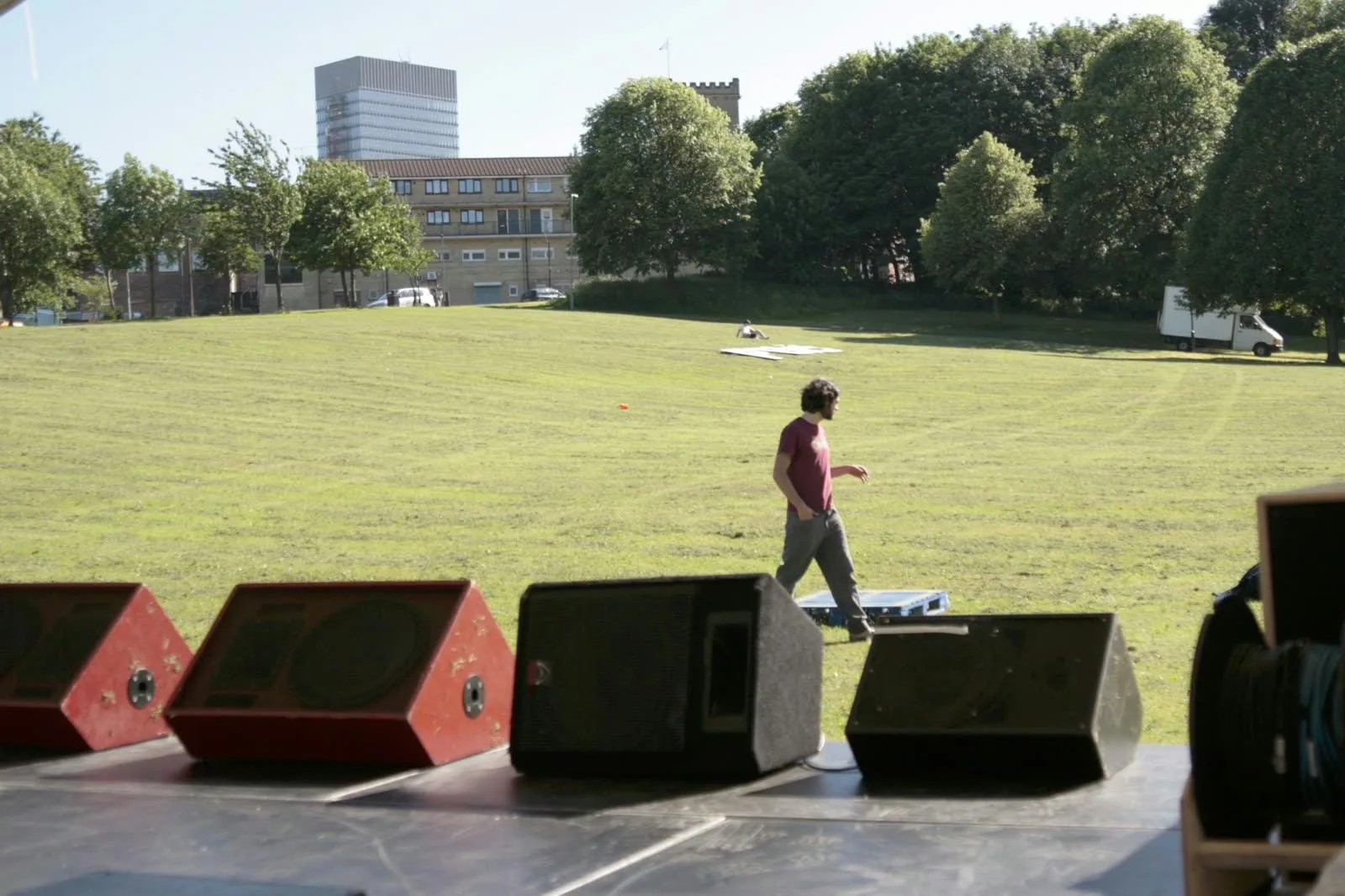
The floor wedge has simplicity on its side. The player hears sound “in the air”, shared with their neighbours, nothing in the ears: you keep the physical contact with the stage, the snare hitting your chest, the feel of the room. Operationally it’s robust and quick to set up, and a musician who refuses ears instantly gets their bearings back.
The trade-offs are well known. Wedges raise stage volume: every monitor adds acoustic energy that vocal mics pick back up, smearing front-of-house and pushing dangerously close to the feedback threshold. Coverage is uneven too: one step sideways and the mix changes. And the more players there are, the more the wedges pile into an acoustic mush that FOH has to cut through.
In-ears: isolation, consistency and a silent stage
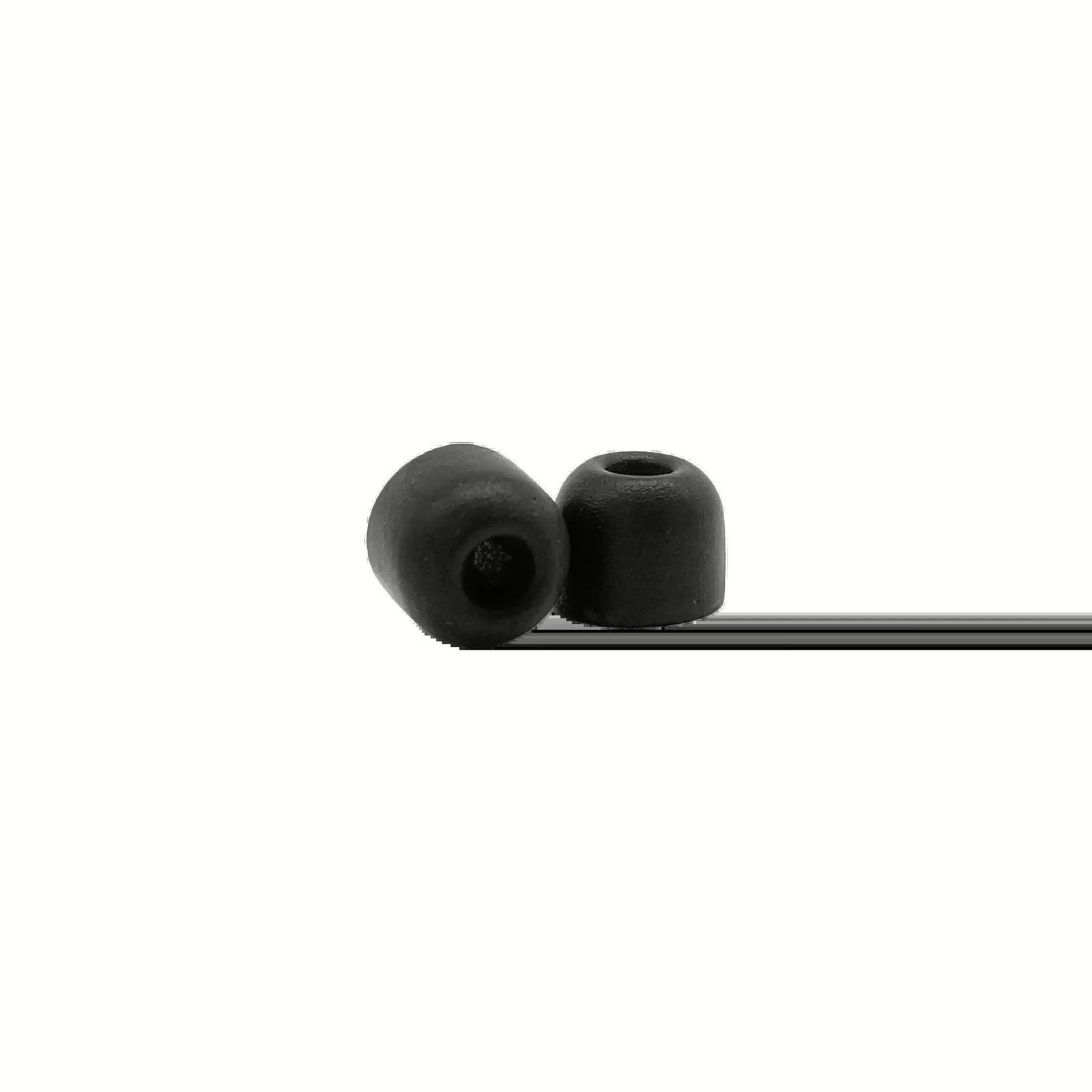
In-ears flip the logic. By isolating the ear, they give each musician a consistent personal mix, identical wherever they stand, and protect hearing if levels stay sensible. Above all, they drain the stage of acoustic energy: less volume on deck, less bleed into mics, a cleaner FOH and far more comfortable gain before feedback. For the overall sound of a show, it’s often the most audible change you can make.
But isolation has a price. Cut off from the room’s air, players can feel “boxed in”: you often have to reopen the outside world with one or two ambience mics fed back into the mix. Every musician wants their own blend, which multiplies sends and console work. You need quality IEMs, a good fit (custom tips change everything), serious hygiene, and — the moment you go wireless — proper RF frequency coordination. Budget climbs, operation gets more technical.
What it changes at the console
Both approaches rely on aux sends, but the workload differs. A few shared wedges need few mixes; an all-ears stage demands a mix per ear, sometimes handled by the musicians themselves via personal mixers. In terms of tuning, a wedge is tamed mostly through EQ to win level without ringing — that’s the whole point of our guide to setting stage monitor level and EQ. In-ears are played more on balance, panning and the stereo of the personal mix, detailed in our piece on setting up an in-ear monitor system.
It isn’t always either/or
In the field, many stages are hybrid. The singer moves to ears while the drummer keeps a wedge or a comfort sub; side-fills top up the energy stage-left and stage-right; a stubborn guitarist keeps a floor wedge when the rest of the band is on IEMs. Nothing forbids mixing approaches, as long as you control the resulting stage volume: it’s the end result that matters, not the purity of the method.
For the drummer, a special case, in-ears often pair with a bass transducer (under the throne or a small dedicated sub) to get back the physical impact of the kick that an isolated ear won’t carry. It’s the kind of detail that gets ears accepted by a player who used to refuse them.
How to decide
Ask the right questions, in order. How many separate mixes do you need, and does your console provide them? How much stage volume can the room and FOH tolerate? What budget and prep time, knowing wireless IEMs add receivers, antennas and coordination? What are the musicians used to — forcing ears on a band that never rehearsed with them is the surest way to wreck a show? And finally, the hearing stakes: on tour, well-managed in-ears protect ears better than a wall of wedges.
To go further on IEM gear, our round-up of the best in-ear monitors for the stage sweeps the options from budget to custom.
My take
Well-done in-ears are still the biggest quality jump available to a live show: silent stage, clean FOH, hearing preserved. But “well-done” isn’t optional — ambience mics, careful mixes, RF coordination, proper tips — otherwise you just swap one problem for another. The wedge is far from obsolete: for a quick line check, a band that hasn’t rehearsed on ears, or an all-acoustic stage, it stays relevant and unbeatable for simplicity. The real pro doesn’t pick a camp, they pick the right combination for that night, then set stage volume as if the whole mix depended on it. It does.