In theatre and musicals, the whole game is making the mic disappear while keeping it reliable from curtain up to the bow. Between the discreet lavalier and the more consistent headset, here is how to choose, where to place it and how to rig it so it survives a full performance, sweat and costume changes included.
Lavalier or headset, two schools
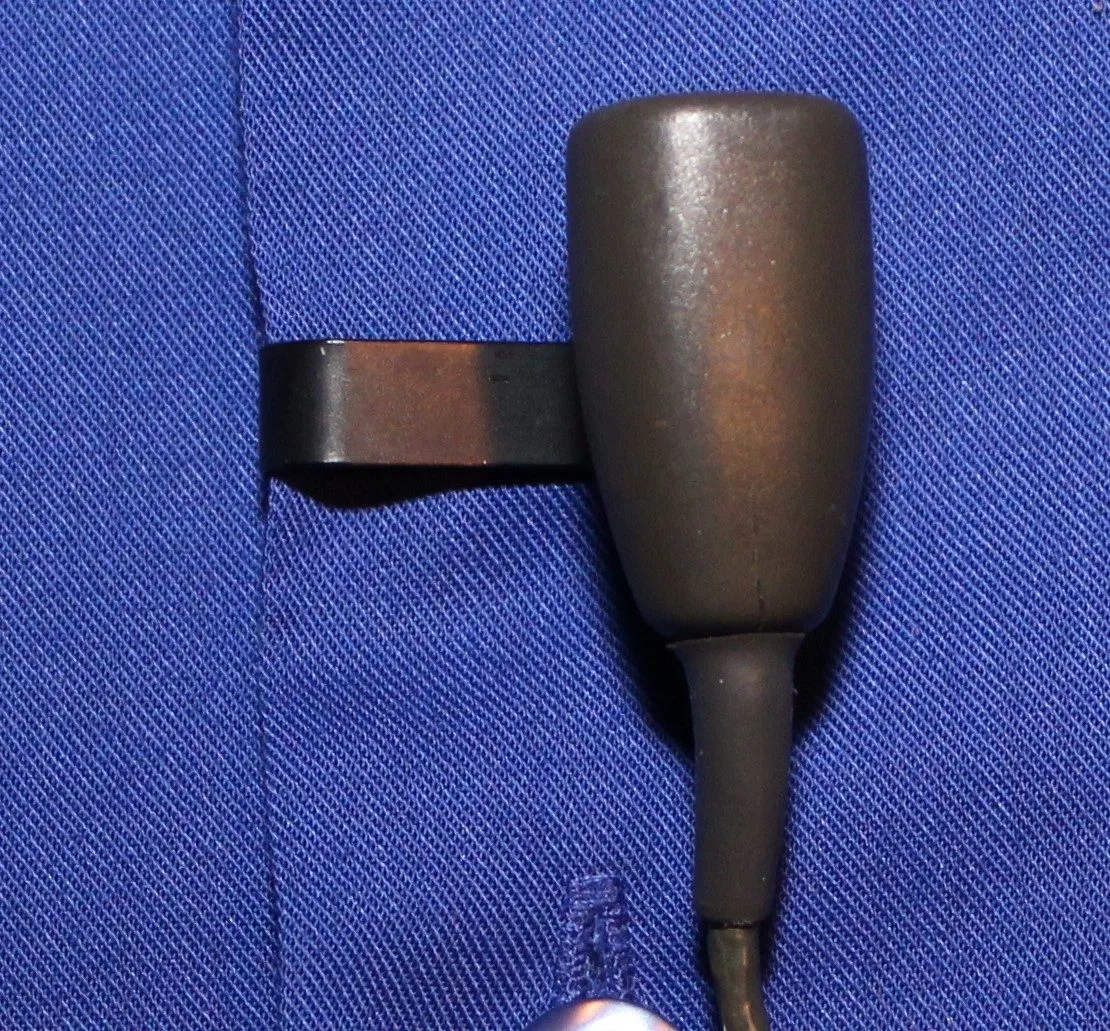
The lavalier is a miniature capsule hidden in the hair, on the forehead or inside the costume. It vanishes from view, but its distance to the mouth shifts with head position, so the level drifts and forces you to work closer to feedback. The headset, or earset, instead places the capsule at the end of a boom, a few centimetres from the corner of the mouth. The distance stays fixed whatever the performer does, the level is stable and the gain before feedback climbs clearly.
The choice follows the show. A musical with orchestra, chorus and high sound pressure calls for the headset and its extra level: it is the norm on big productions. A more intimate spoken play, where you want total invisibility, often makes do with a lav hidden in the wig. The capsule type matters too: an omnidirectional sounds natural and forgives placement errors, a directional gains isolation but turns fussy about orientation. For an overview of the systems, our guide to wireless mics for the stage breaks down the available families.
Where to place the mic
Capsule position decides timbre as much as level. Three spots come up again and again for a lav.
The hairline, at the centre of the forehead, gives the most balanced sound and hides easily under a wig: it is the default choice on careful productions. The cheek, near the corner of the mouth, brings the capsule closer and gains level, at the cost of extra sensitivity to plosives and popping “p” sounds, fixed with a small foam. The spot above the ear offers a discreet, stable compromise, less colored by jaw movement. In every case, keep the capsule away from greasy makeup and rubbing strands of hair.
Making it last the whole show
Reliability is decided when you rig, in the dressing room, long before the entrance. You fix the capsule with thin, transparent tape, sometimes a skin-safe double-sided mastic, and leave a small strain-relief loop so the cable does not pull on the capsule at the first head turn. The wire then runs through the hair or along a seam, invisible, to the transmitter tucked into a belt, a sewn pocket or a thigh harness. Sweat is enemy number one: it lifts the fixings and can drown a capsule, hence the waterproof covers and foams you plan for physical numbers. A role that changes costume several times forces you to think the cable path for each outfit.
Redundancy, insurance for the leads
On a lead role, a mic failure in the middle of a number cannot be recovered. Big productions therefore fit key characters with two systems, a main capsule and a backup, which the operator can switch in a second if the first crackles or drowns. Spare transmitters, already paired and charged, wait at the desk for a quick swap during a blackout. That backup discipline turns a potentially catastrophic incident into a non-event for the audience. In the same logic, each pack is numbered and labelled per character, so a swap happens without thinking, even in the gloom of the wings and under the pressure of a tight sequence.
The frequency headache
A musical can mean thirty to forty transmitters on at once, plus the in-ear monitors and the orchestra links. All those carriers have to coexist without disturbing each other, or you get dropouts and noise live. Preparing a clean frequency plan, one that avoids intermodulation products and spreads the antennas, becomes a job in itself, which we break down in our guide to RF frequency coordination for live shows. Add to that battery management, with cells changed or recharged for every performance, because a mic that dies in act two is a full failure.
At the console
The work does not stop at rigging. Each character gets its own EQ and compression, to even out very different voices and hold intelligibility over the orchestra. Muting discipline is critical: an open mic that is not in use brings feedback and spill, so you close it the moment a performer leaves the stage. On a show with many mics, automatic mixing and scene recall lighten the load, the operator following the script to open the right mic at the right moment. Our feature on automatic mic mixing explains those automatics, and the upstream prep runs through a solid tech rider. On the hardware side, specialized headsets like the DPA 6388 show how far discretion and endurance have become design criteria.
My take
Rigging a stage mic is a craft that always gets underestimated, yet it makes the difference between a present voice and a sabotaged number. The headset has won the level battle on big productions, but the hidden lav keeps all its sense whenever you want invisibility in theatre. The real luxury is not the most expensive capsule, it is the time spent in the dressing room taping, routing and testing each mic. Plan redundancy on your leads and fresh batteries at every curtain: the rest is care and attention.