Founded in 1964 in an old Yorkshire mill, Calrec first made microphones before becoming a world reference in radio and television consoles. Along the way the brand built the first Soundfield mic and, in 1981, the first digitally controlled assignable mixing console. A look back at a quiet company that shaped the sound of the big live broadcasts.
From a mill to the BBC
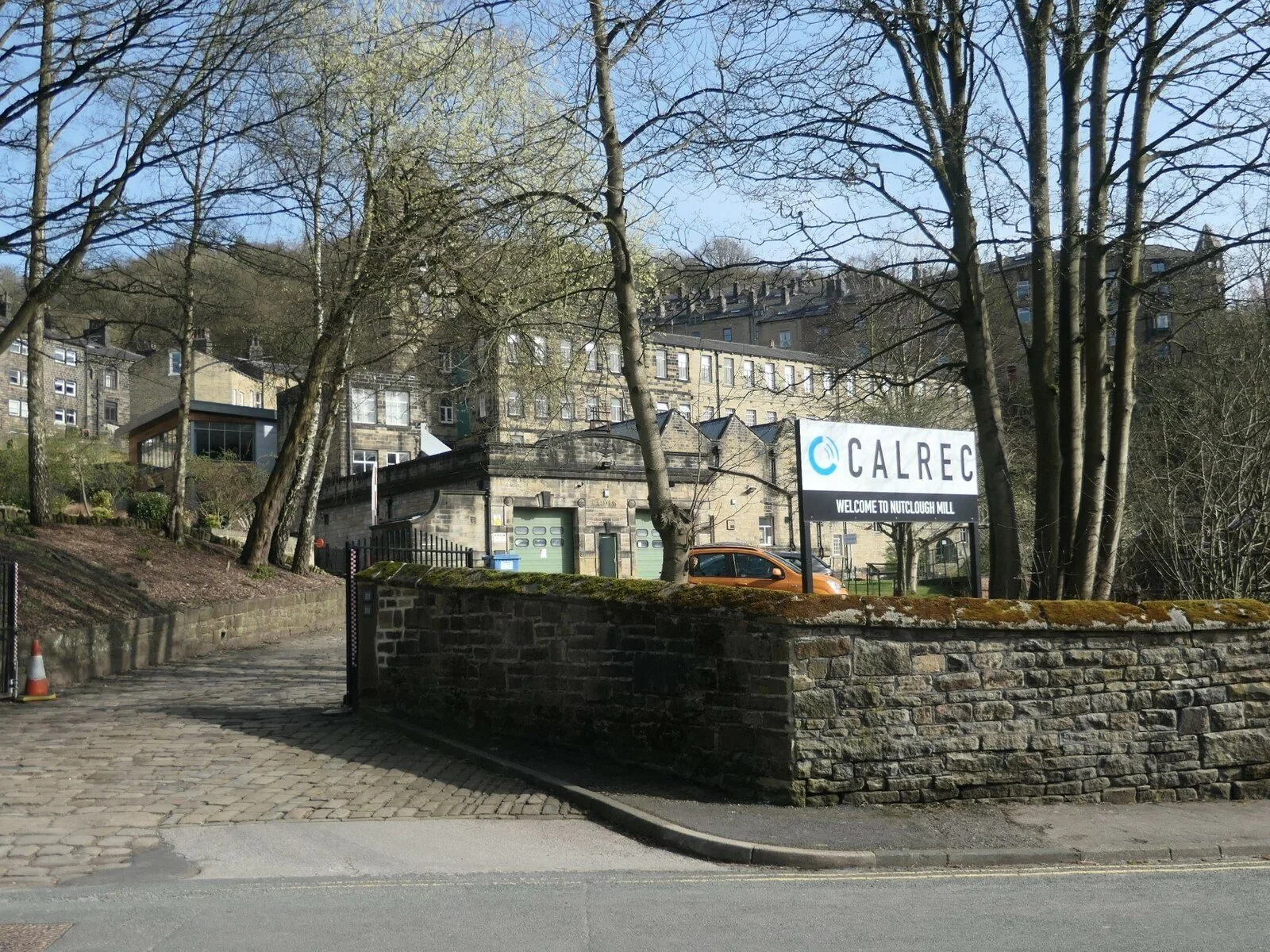
The name comes from “Calder Recordings”, after the Calder valley where it all begins, in Hebden Bridge. The company settles into Nutclough Mill, an old industrial building it still occupies today. The early work is on microphones, but the meeting with the BBC changes the trajectory: the public broadcaster wants custom consoles, reliable and built for live, and Calrec earns a reputation by delivering them. Working for the BBC in those years means bending to the strictest specifications in the trade, a schooling that will mark the brand’s philosophy for good.
The Soundfield, a mic that captures space
In 1978 Calrec launches the Soundfield, a microphone like no other. Where a stereo pair captures two channels, the Soundfield records a three-dimensional sound image from a single point, thanks to an array of capsules and a matrix process that rebuilds the scene afterwards. In the edit you can re-aim the take or change its width without moving the mic. This principle, a cousin of ambisonics, finds a second life decades later with immersive audio and virtual reality, proof that Calrec aimed right well ahead of time.
The detail is not trivial for a console maker. By natively capturing a full scene, the Soundfield foreshadowed the needs that would become central in television: the surround sound of sports broadcasts, then object-based immersive audio. A brand thinking about spatializing a single take as early as 1978 starts with an edge when, thirty years later, it has to manage 5.1 buses and then immersive renders inside its desks. The coherence of the journey rests on this constant attention to sound space, from the mic to the on-air output.
1981, the console that tidies its controls
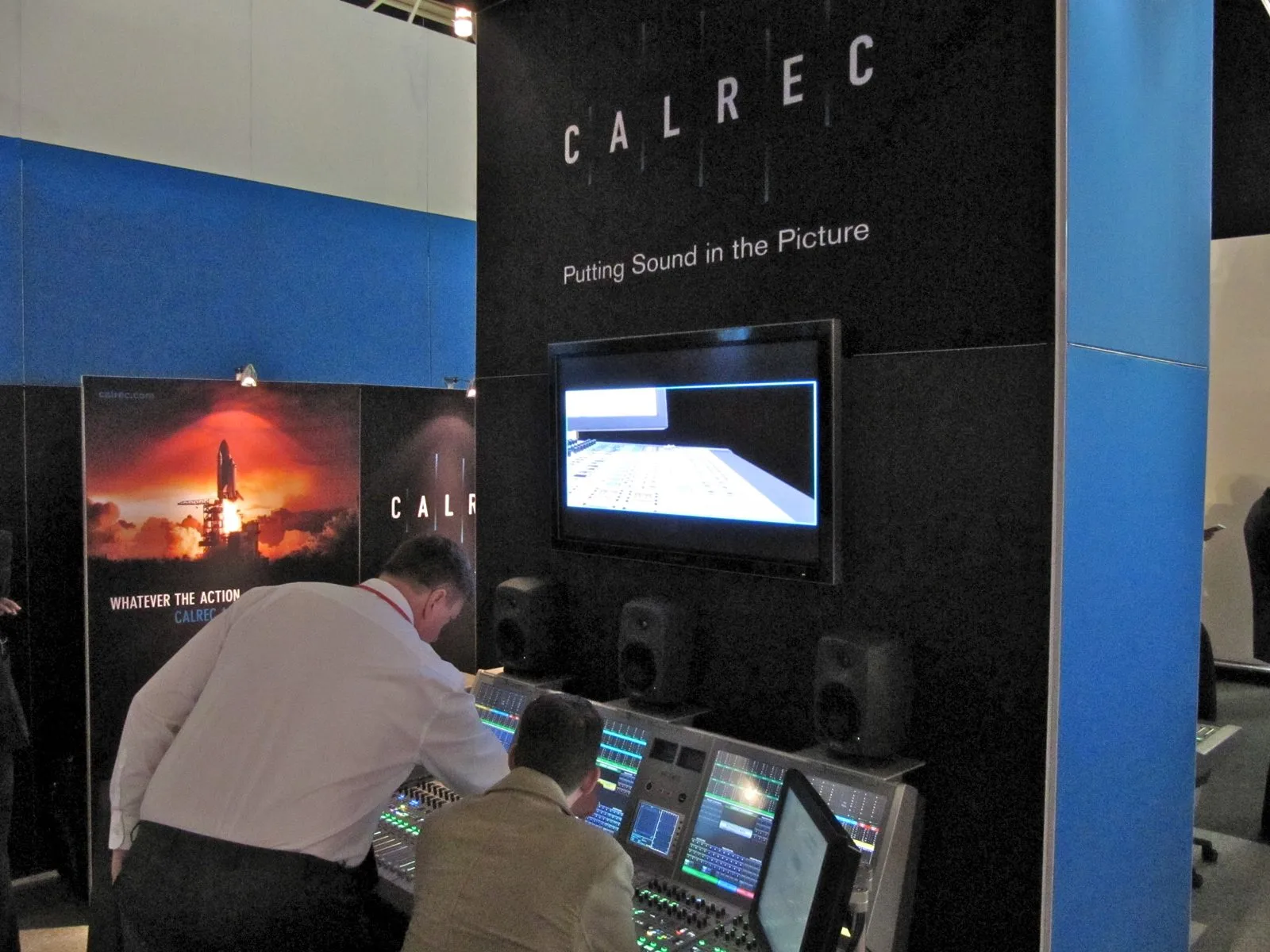
The real break comes in 1981 with the world’s first digitally controlled assignable mixing console. The idea is simple to state and fearsome to pull off: instead of giving each channel its own row of knobs, you share a single set of controls recalled channel by channel. The surface shrinks, the number of sources handled explodes, and a single operator keeps control of a live mix juggling hundreds of inputs. For radio and television, where control-room space is tight and a presenter expects everything to work first time, the gain is decisive. Most of today’s broadcast consoles, at Calrec and its rivals alike, descend from that insight.
That assignable logic soon pairs with a focus on operational safety: redundant power, backup DSP engines, glitch-free changeover. On air, a console that goes down is a national disaster, and the brand makes it a central argument. The big desks in the current range, like the Calrec Apollo or the Artemis, inherit that zero-fault obsession directly.
This know-how finds its playground in OB trucks and major events. A sports broadcast mobilizes hundreds of mics, from stadium ambiences to commentators, and demands clean routing to air, to the monitors and to the various international versions. The assignable console, compact and secured, becomes the centerpiece of a truck that has to fit in a single parking space and run without interruption for hours. That is exactly the kind of mission Calrec has targeted since its first BBC orders.
Bluefin and the race for channels
At the turn of the 2000s, the battleground becomes processing density. Calrec answers with Bluefin in 2007, then Bluefin2 in 2009, a DSP technology that packs a very large channel count into little hardware. In practice, a single frame handles the equivalent of a whole rack, with less power draw and footprint. The brand then rolls its engines across a whole family of consoles, from the compact Argo to the big OB-truck desks, and shifts to audio-over-IP as television adopts networked transport standards. The recent generations carry an IP-minded processing core able to talk ST 2110 and AES67 with the rest of a video infrastructure, where the older desks still thought in point-to-point links. To understand this modern plumbing, our feature on PTP timing in audio-over-IP networks lays out the stakes of that transition.
Inside Audiotonix
Calrec is now part of the Audiotonix group, which brings together several premium pro-audio brands. Belonging to a larger whole has not diluted the company’s identity, still based in Hebden Bridge and still focused on broadcast. The range keeps growing toward the compact and the IP, as shown by the recent Calrec Type RT, an all-in-one desk aimed at small control rooms and local studios. Intercom, codecs and the rest of the production chain orbit around these consoles, a world we detail in our guide to intercom in broadcast production.
Sixty years after its first mics, Calrec remains that industrial rarity: a specialist maker, rooted in a small town, that imposed its ideas worldwide without ever leaving its mill. In a trade where reliability beats showmanship, that may be the best business card of all.