


Calrec Apollo
Calrec’s broadcast flagship, a colossal processing reserve for critical production
Description
Technical
Specifications
Inputs / Outputs
| Total inputs | 1,020 |
|---|
Processing
| Mix buses | 128 |
|---|---|
| Aux sends | 48 |
| DSP engine | Calrec Bluefin2 (high-density processing) |
| Max sample rate | 96 kHz |
| DSP engine — details | Bluefin2 engine: up to 1020 processing paths, 128 program buses, 96 IFB/Track outputs and 48 auxiliaries at 48 kHz · At 96 kHz: 510 paths, 64 program buses, 48 IFB/Track, 24 auxiliaries · Hydra2 audio network: 8192×8192 crosspoint router, I/O units for analogue, AES, MADI, SDI, Dolby E |
Surface
| Motorized faders | Yes |
|---|---|
| Fader layers | 1 |
| Screens | 4 |
| Touchscreen | Yes |
| Faders | Modular surface configurable from 8 to 320 faders |
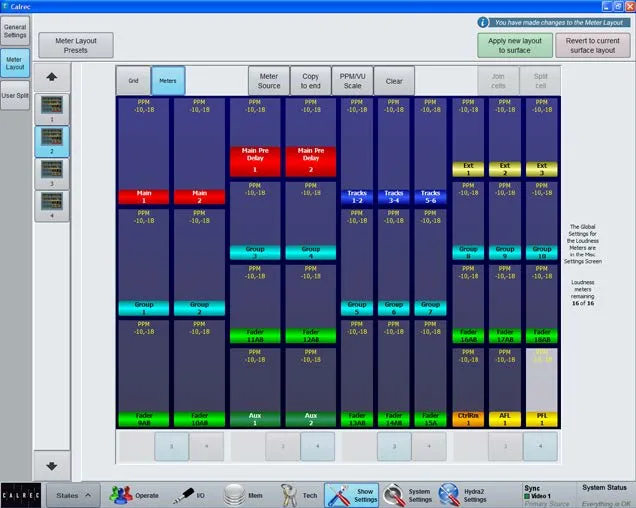
| Metering | TFT meter bridges and assignable control screen; workflow designed for live on-air |
Recording
| Onboard recording | No |
|---|
Networking
| Networking & protocols | MADI / AES/EBU / Network |
|---|---|
| Redundant PSU | Yes |
| Redundant networking | Yes |
| Redundancy | Redundant design (processing, network, power) for critical on-air use |
Strip & details
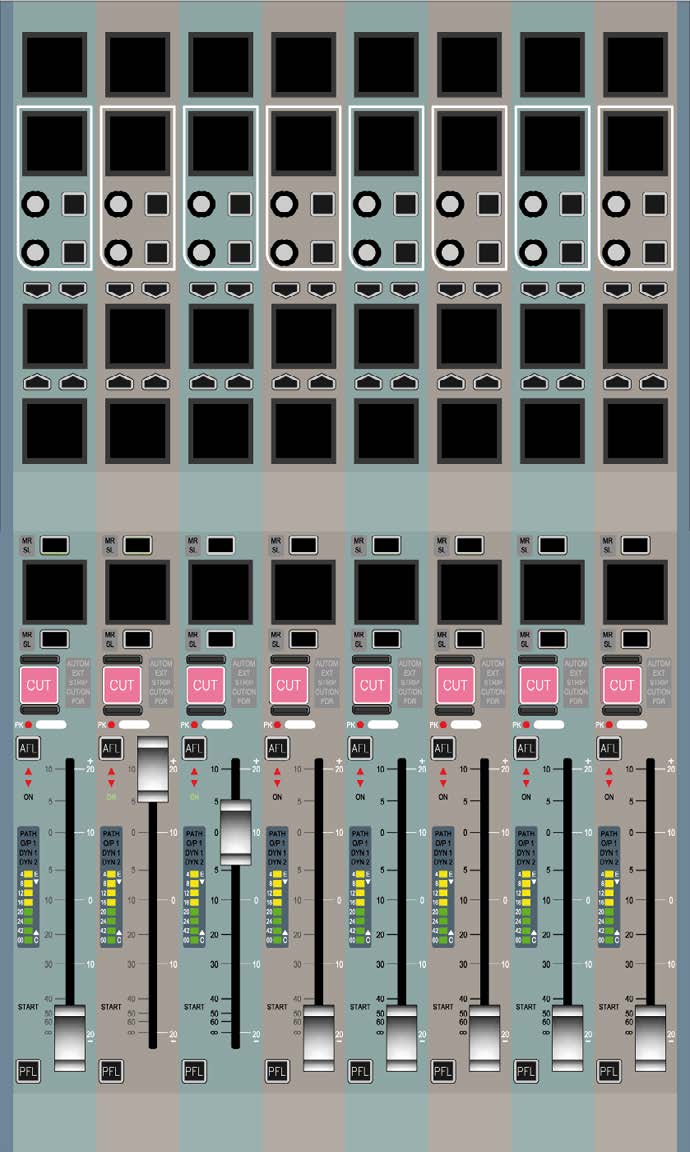
Rotate your phone to landscape for a better view of the strip.
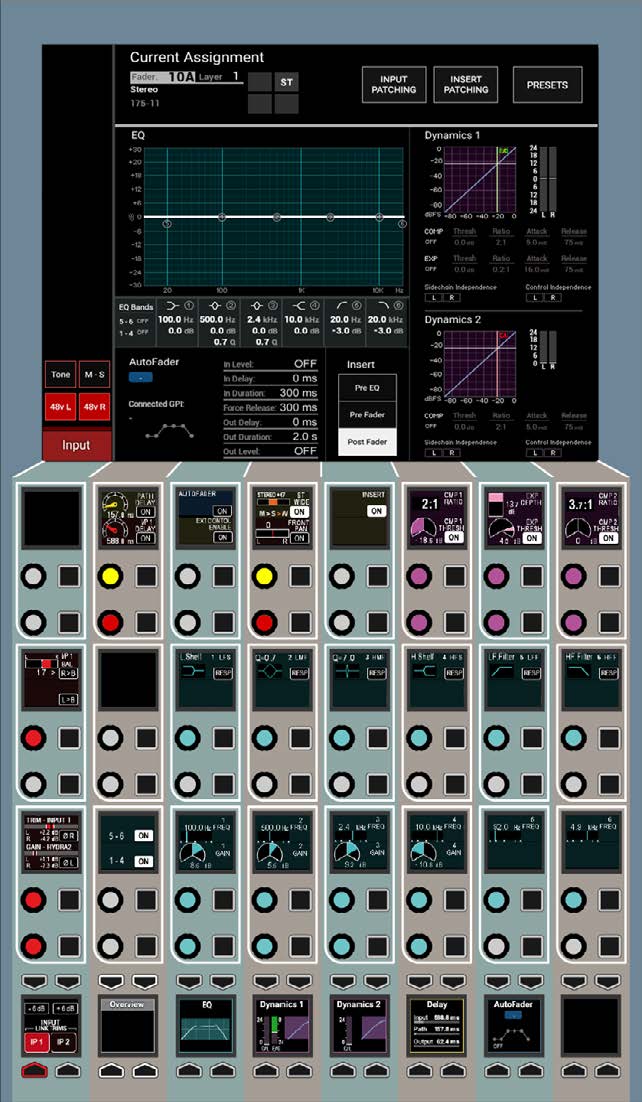
Rotate your phone to landscape for a better view of the strip.
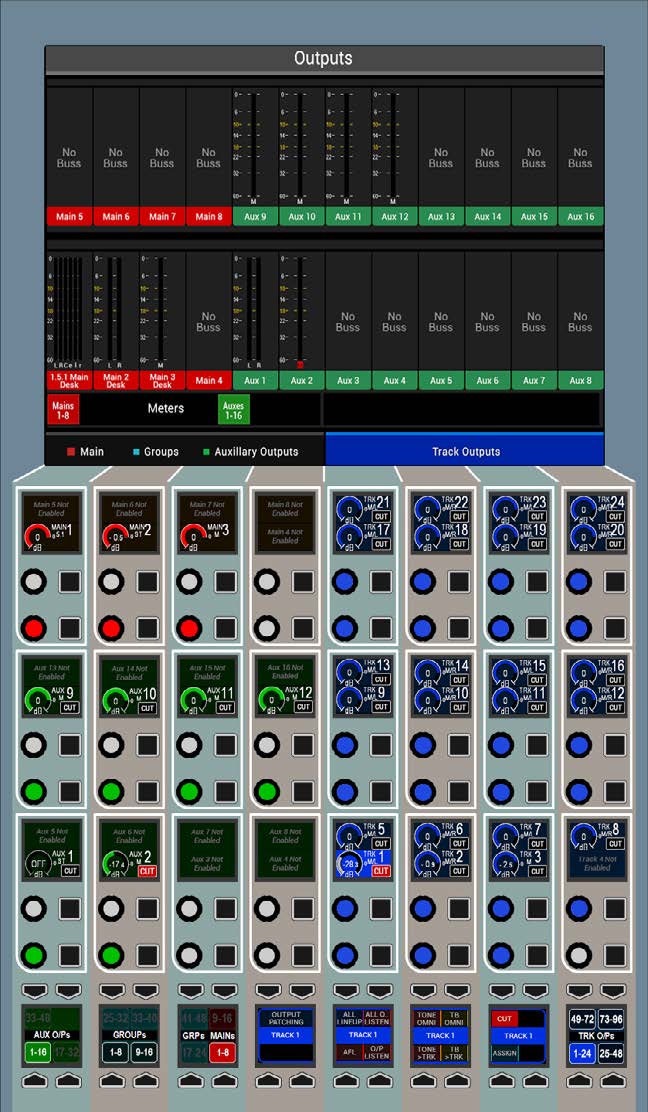
Rotate your phone to landscape for a better view of the strip.
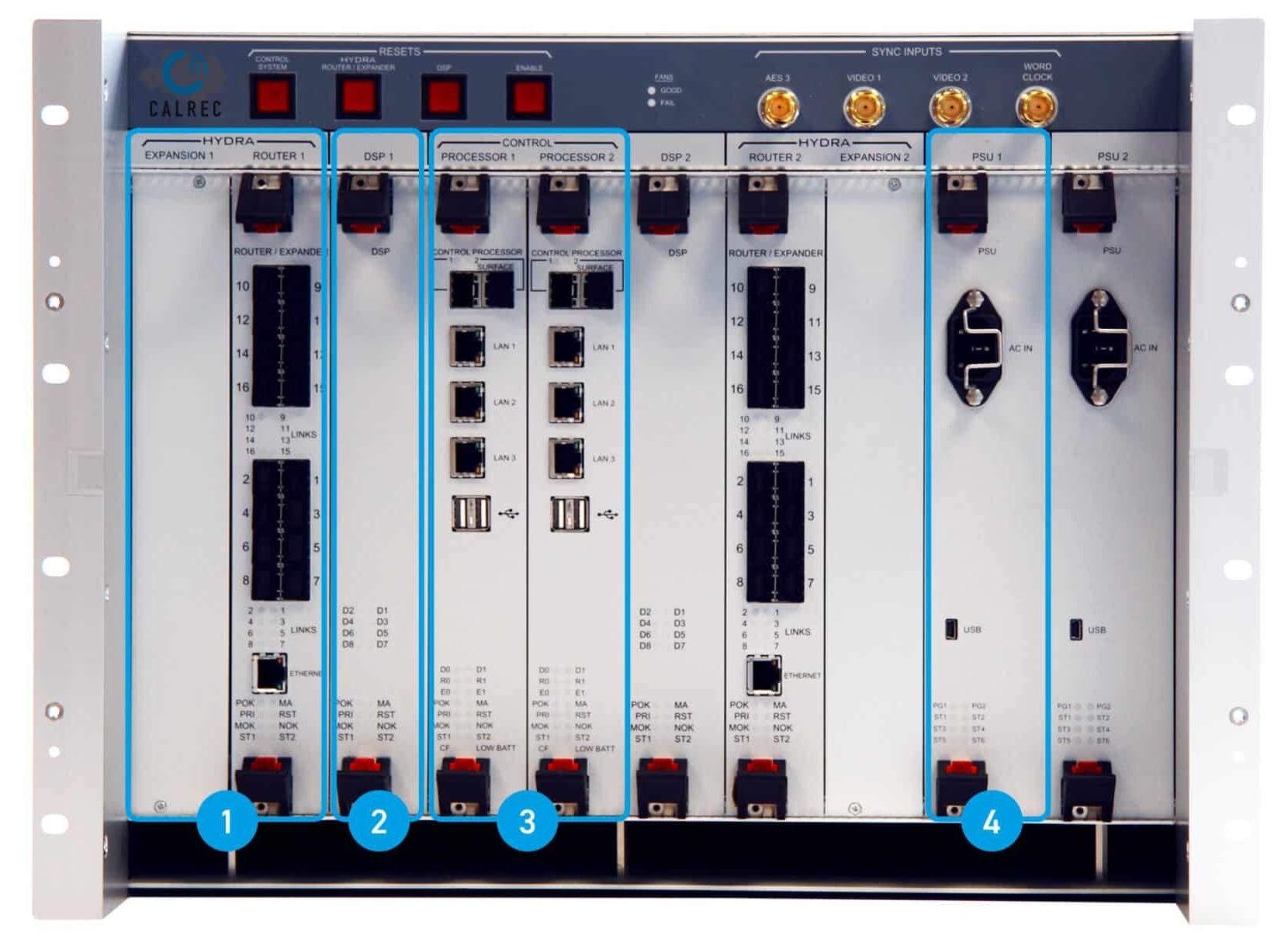
Rotate your phone to landscape for a better view of the strip.
Software
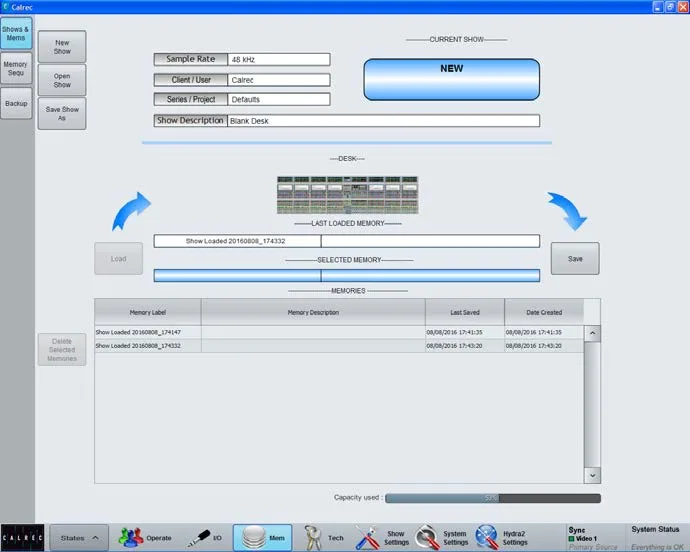
 Calrec PC application
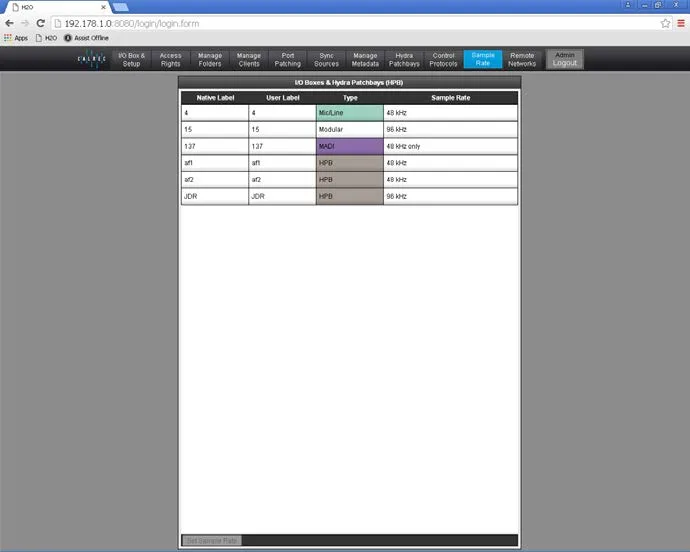 H2O (Hydra2 Organiser)
Other screenshots
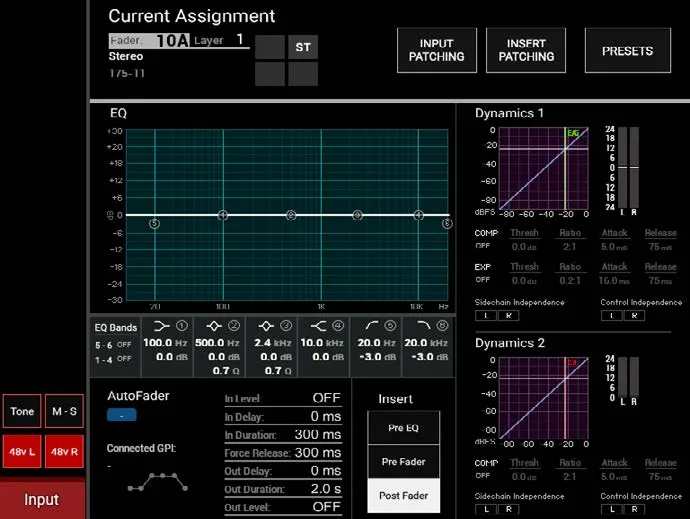
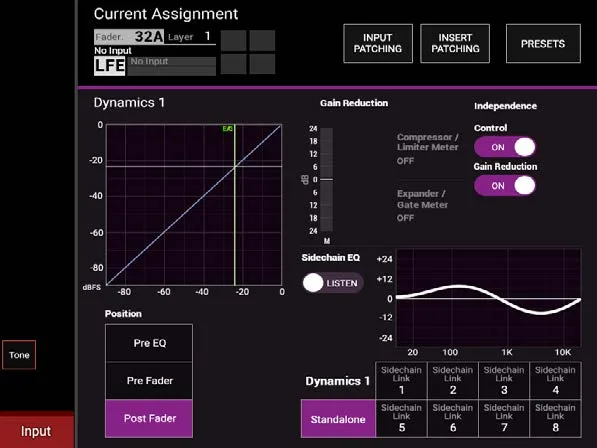
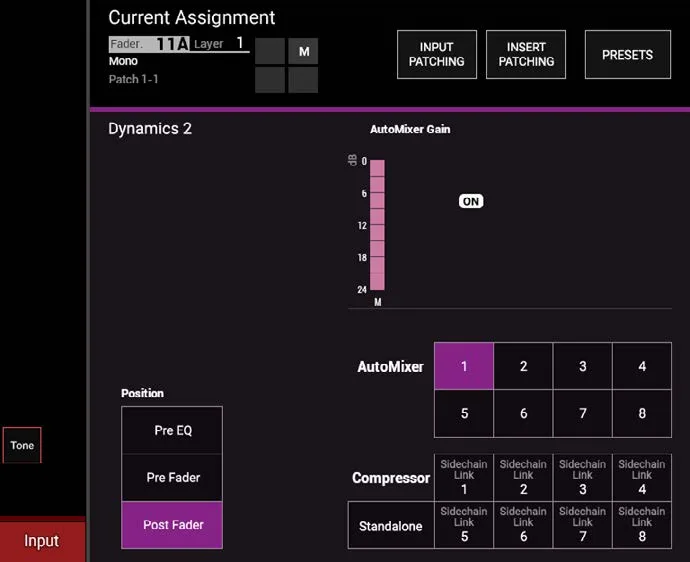
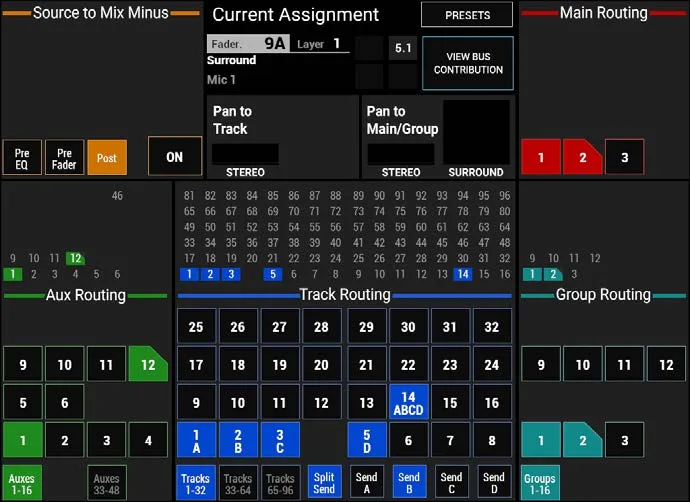
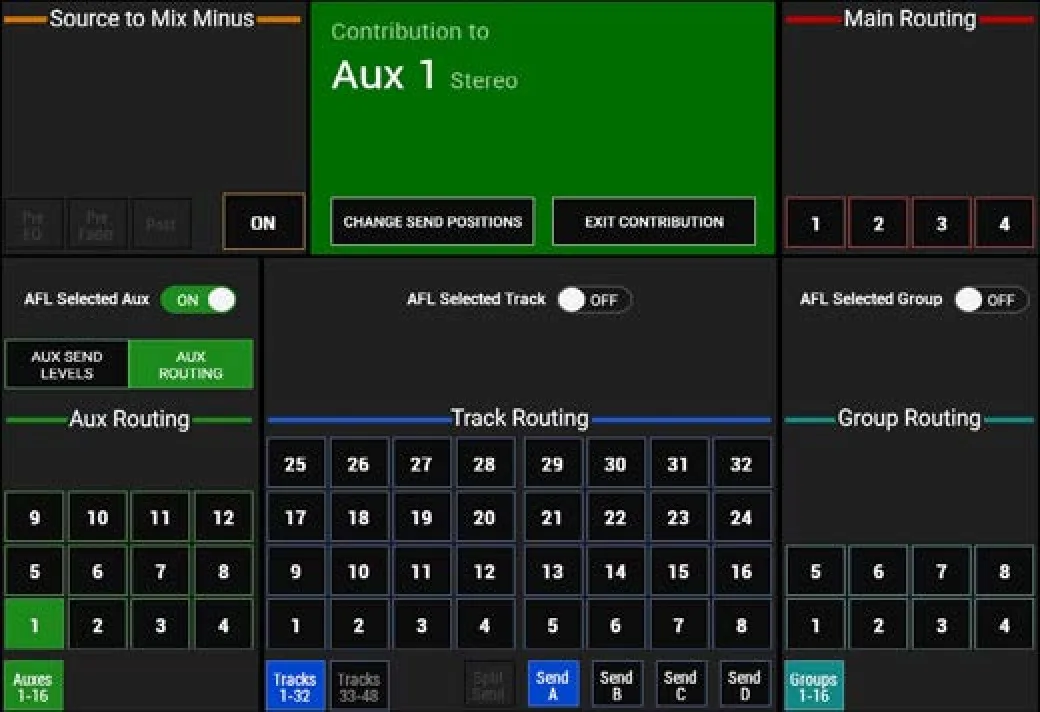
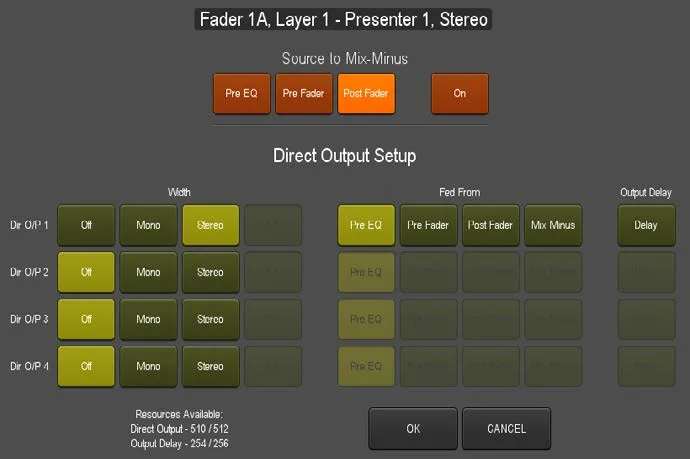
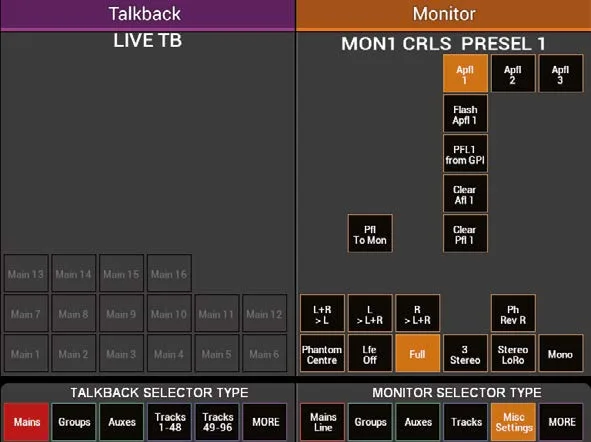
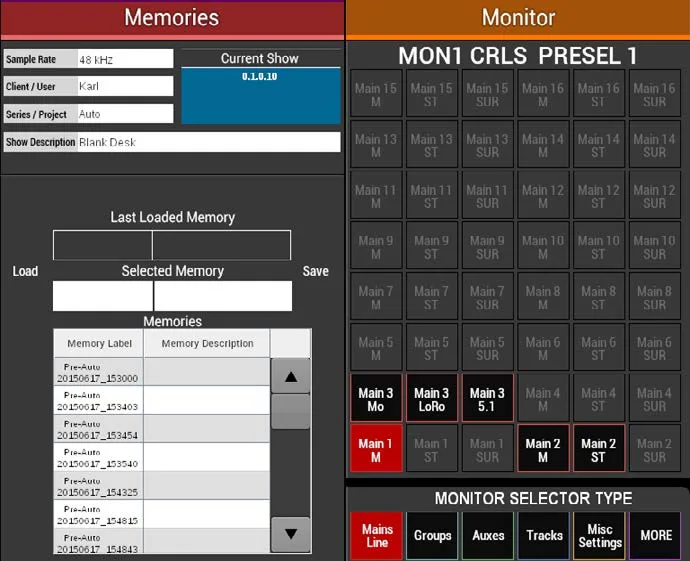
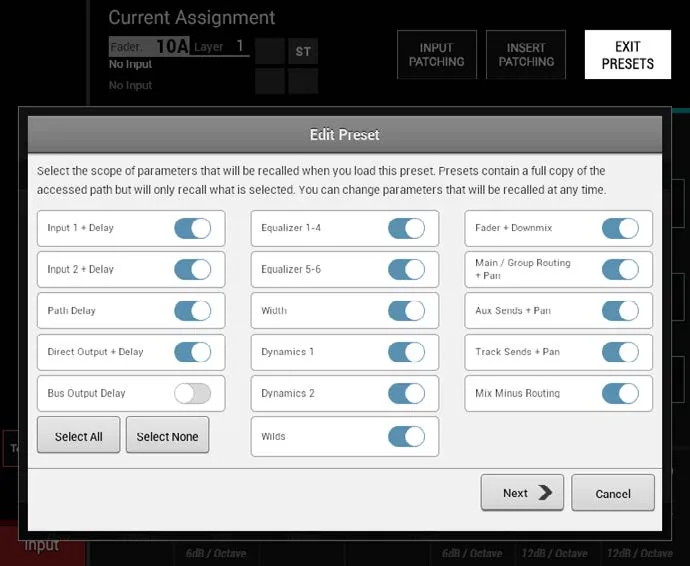
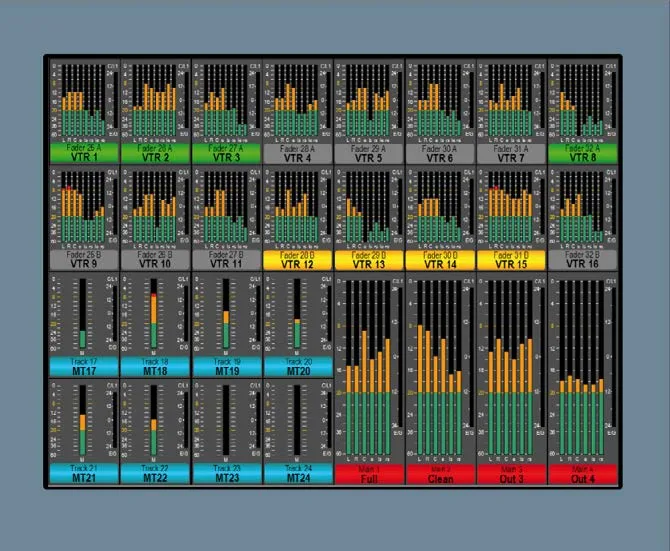
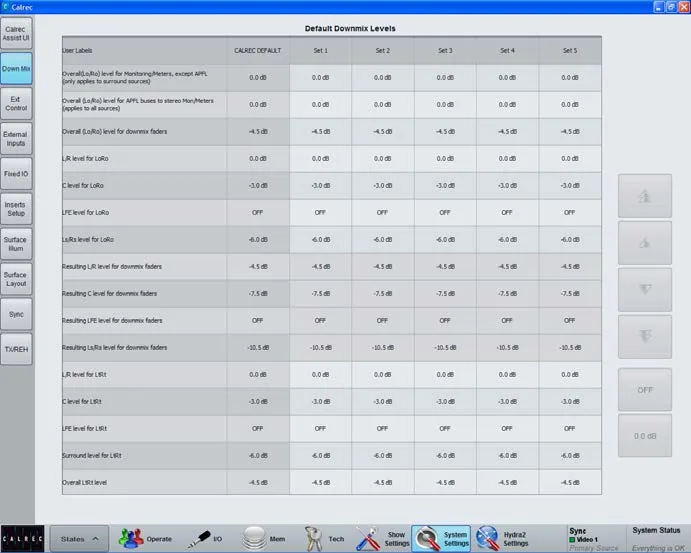
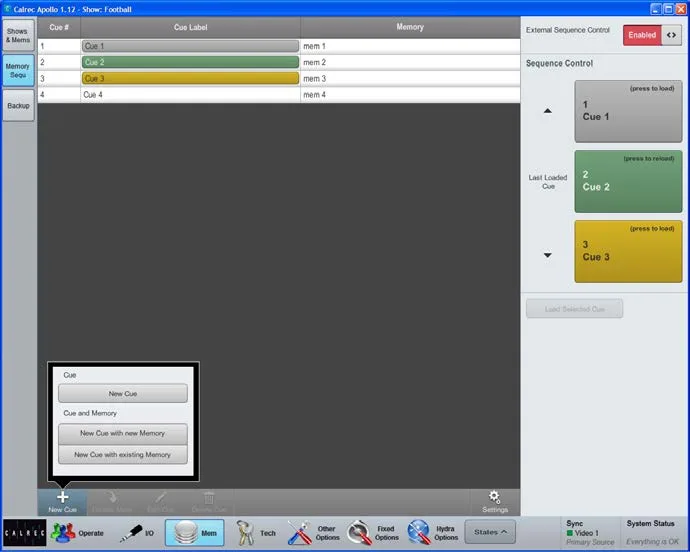
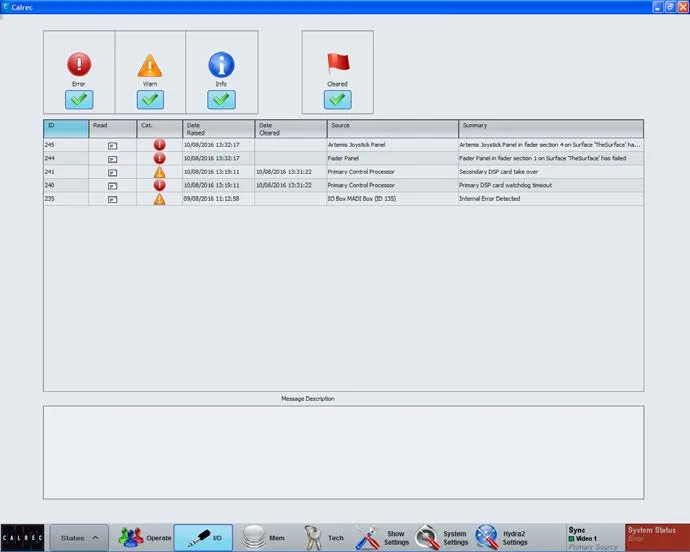
Accessories
I/O card
- Hydra2 I/O units
Hydra2 network I/O boxes (analogue, AES, MADI, SDI, Dolby E).
Documents
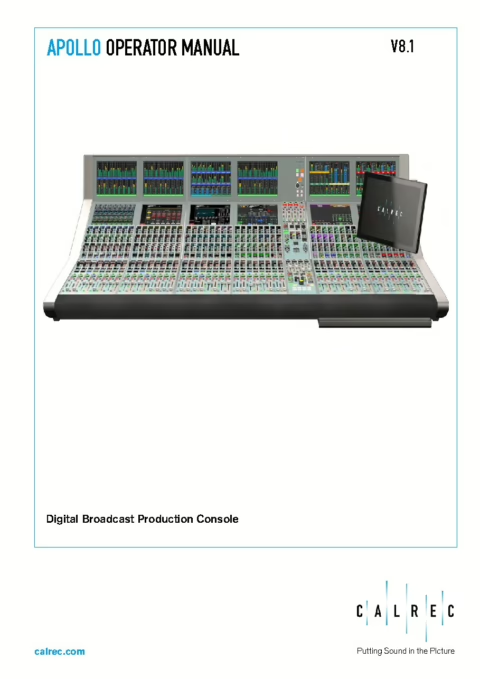
Editorial & artists
Our take
History & design
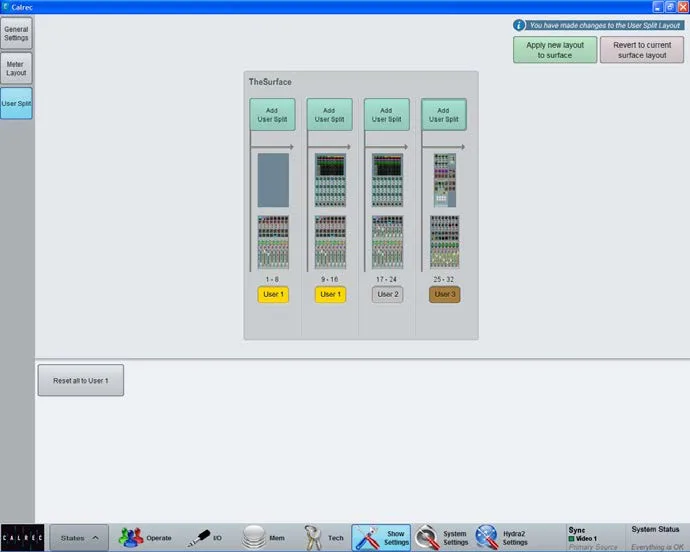
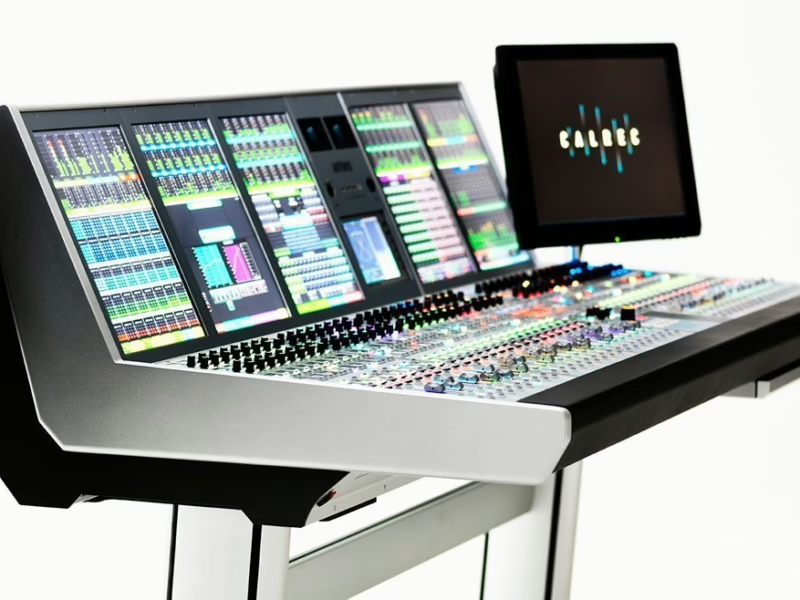
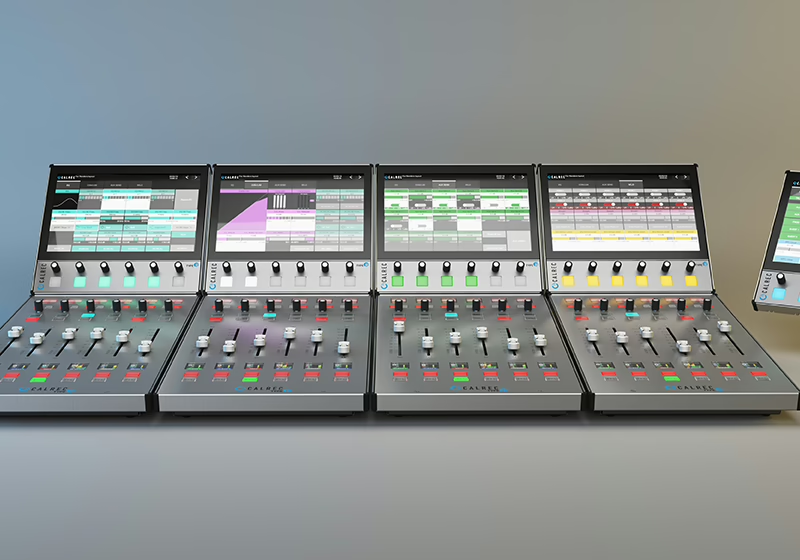
The Calrec Apollo is a broadcast-production digital mixing console launched in 2009. It is built on Bluefin2, the second generation of Calrec’s high-density processing, offering up to 1020 processing paths, 128 program buses, 96 IFB/Track outputs and 48 auxiliaries at 48 kHz (510, 64, 48 and 24 respectively at 96 kHz). The surface is highly modular and can be configured from 8 to 320 faders, with TFT meter bridges and an assignable control screen.
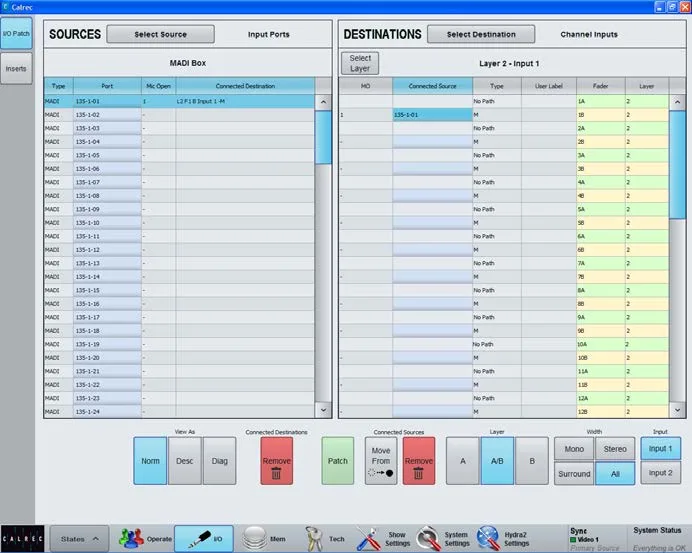
Routing uses the Hydra2 audio network, built around an 8192×8192 crosspoint router and a range of I/O units offering analogue, AES, MADI, SDI and Dolby E formats — enough to build complex software-controlled broadcast infrastructures. Like any Calrec of this rank, the Apollo is designed for critical on-air use: redundant processing, network and power.
Notable users
Links
Related consoles
Some merchant links are affiliate links. Purchases may support Digital Mixing at no extra cost.
Documents are archived locally for preservation. Source credited. Takedown requests: [email protected]