A transducer is always a compromise. A big driver moves a lot of air to reach the low end but turns directional and struggles up high; a small diaphragm reaches the top but distorts on the first kick drum. The answer, in live sound as in the studio, is to hand each frequency band to the driver built for it. What remains is to split the signal cleanly and amplify it: that is the whole point of the crossover and bi-amplification.
The crossover: carving up the spectrum
The crossover splits the signal into several bands around crossover frequencies. A two-way box typically crosses around 1.5 to 2.5 kHz between the low-mid and the high; a three-way system adds a split in the low-mid. Each split has a slope, in decibels per octave: 12, 24 or 48 dB/octave. The steeper the slope, the less the two bands overlap, but the trickier the phase behaviour at the crossover point.
Because at the crossover point both drivers reproduce the same frequency at the same time. If they are not in phase, they sum badly: a dip, a bump, or a lobe firing at the ceiling. A good crossover manages that handover so the sum stays flat and the energy goes to the audience. That is why you do not set a crossover frequency at random.
Passive or active: two places to filter
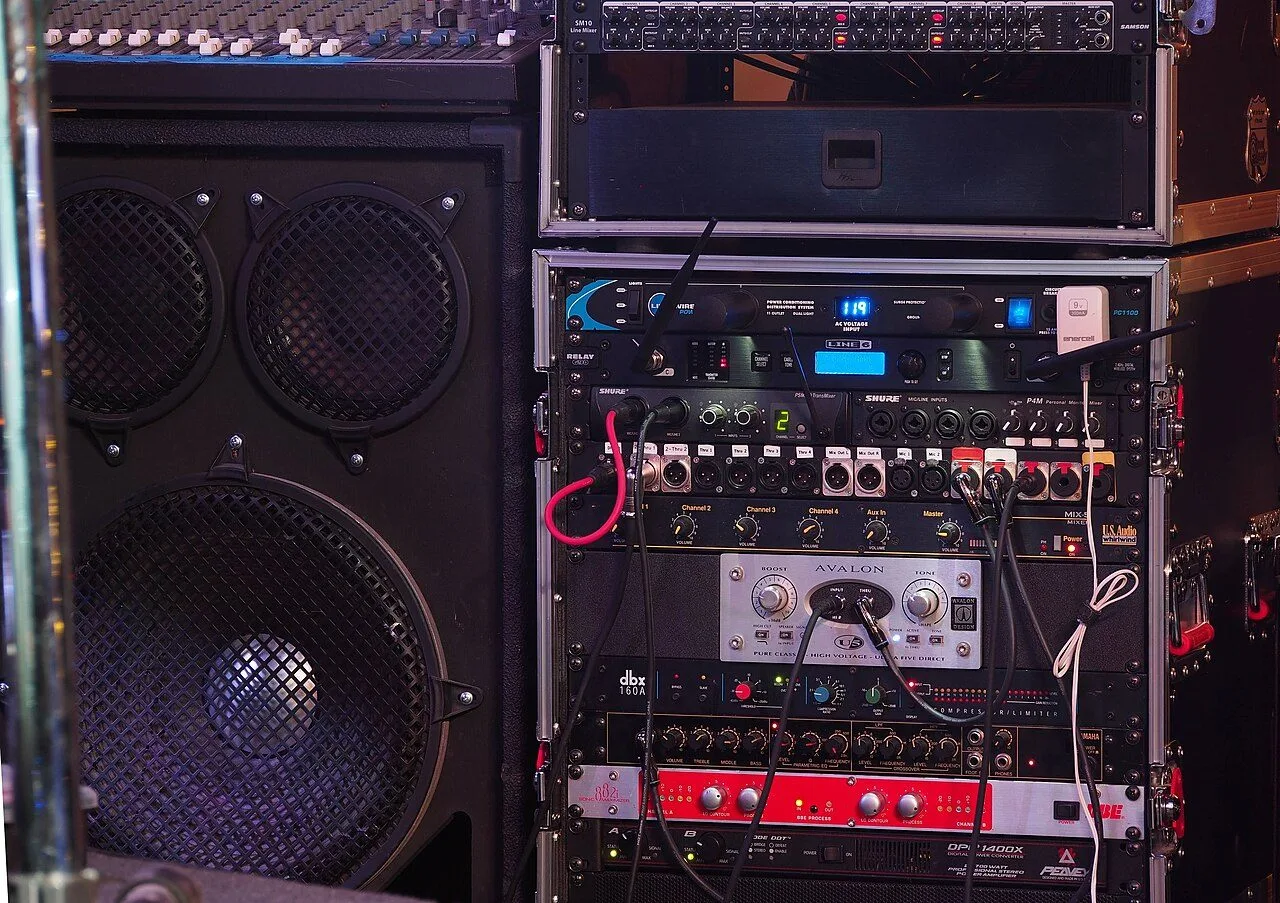
Passive filtering sits inside the cabinet, after the amp: one amp drives the box and a network of coils and capacitors splits the signal between the drivers. It is simple to wire, but you dissipate energy in the filter and lose control. Active filtering sits before the amps, at low level, in a processor. Each band then gets its own amplifier: that is bi-amplification.
Bi- and tri-amplification: one amp per band
Bi-amping means dedicating one amp channel to the low band and another to the high, after an active crossover. Tri-amping adds a channel for the mids. The benefits are concrete:
- Control: each amp only sees its band, without a passive filter eating power.
- Efficiency and headroom: power goes where it is needed; a low-end transient no longer robs the highs.
- Protection: you set limiters per band, matched to each driver’s limits.
- Alignment precision: you tune gain, delay and EQ band by band.
In return, you need more amp channels, careful wiring and a well-set processor. The choice depends on the system: a small powered box lives happily passive, while a touring line array is almost always multi-amped. To match amp power and drivers, our notes on matching amplifiers and speakers still apply.
The crossover now lives in the processor
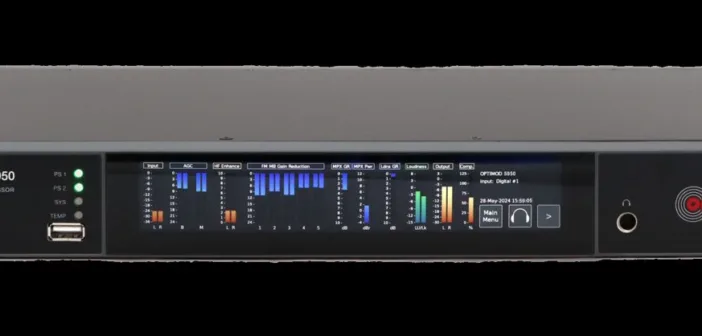
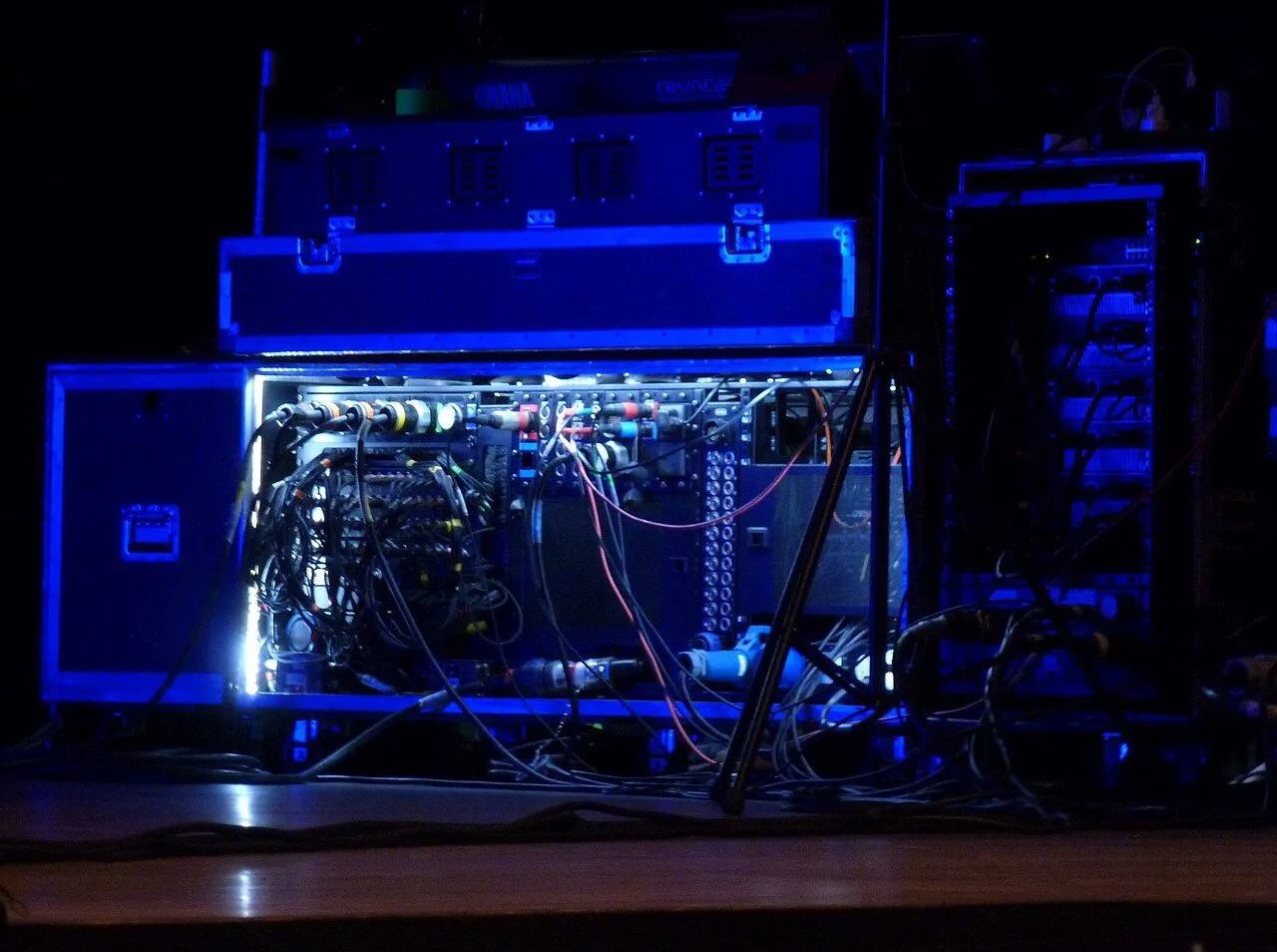
On a modern system, the crossover, delays, EQ and limiters are gathered in a processor or built into the amp (from Lake, Powersoft, d&b or L-Acoustics, for example). The manufacturer supplies validated presets for each box: crossover points, phase and protection are already coherent. Starting from that preset, then adjusting, avoids many mistakes. Changing a crossover frequency without understanding the phase at the handover, however, usually makes things worse.
This is also where alignment between bands and between the system’s boxes happens. Bi-amplification only makes sense if the bands are aligned to each other; system alignment on the ground extends that work to the whole room, and the choice between point source and line array follows from it.
Field pitfalls
- Swapped bands: sending highs to the low driver happens fast on a multicore. Always check at line check.
- Phase at the handover: an inverted band creates a clear dip at the crossover. You hear it, you measure it.
- Badly set limiters: too tight and they choke; too loose and they no longer protect the HF drivers, the most fragile ones.
- Ignored presets: starting from scratch when the manufacturer already did the work only creates trouble. The same goes when you chase line array coverage without sacrificing a clean system.
My take
Bi-amplification is not an audiophile luxury, it is what lets a system play loud and clean without mistreating its drivers. The real gain is not magic: it comes from per-band control and limiters placed in the right spot. One tip that saves hours: start from the manufacturer preset, measure the handover, and only touch a crossover frequency when you know what you are doing to the phase. The rest is method.