In live sound, level is a constant balancing act: loud enough for the show to exist, not so loud that it harms the audience or lands you a formal warning. Between dB SPL, weightings, LAeq and the regulations, here is what you need to read a sound level properly and keep control of your front of house.
dB SPL: what are we measuring
dB SPL measures acoustic pressure against a reference close to the threshold of hearing. It is a logarithmic scale: +3 dB is twice the energy; +10 dB is a roughly doubled sense of loudness. The field consequence: squeezing out the last few decibels costs a huge amount of power and headroom for a modest perceived gain. A well-aligned system beats a system pushed into the red.
Distance matters too: in free field, the level drops by about 6 dB each time you double the distance to the source. That is why the front row and the back of the room never get the same dose, and why the console, often set back, reads a lower level than the most exposed audience members. Reading a single figure without knowing where it was taken therefore means very little.
A and C weighting, LAeq and peak
A level figure means nothing without saying how it was measured. A-weighting mimics the ear’s sensitivity and is the regulatory reference for average level. C-weighting, flatter in the low end, is used to watch the bass, which is often where the real danger lies at a gig. We also distinguish:
- LAeq: the A-weighted average level over a set time (often a rolling 15 minutes). This is what frames the dose the audience receives.
- Peak level (C-weighted): the instantaneous peak, which guards against violent transients.
Confusing an instantaneous level with an average is the classic mistake: a meter showing 100 dB at one moment tells you nothing about the dose over a quarter of an hour.
What the regulations look like
Many countries now cap amplified-music venues. In France, the 2017 decree on amplified sound sets 102 dB(A) as a rolling 15-minute average and 118 dB(C) as peak, with lower limits in spaces for young children. The UK and other territories lean on workplace noise rules and event-specific limits instead. Beyond the numbers, the duties are concrete: continuous level logging, informing the audience, free hearing protection and, in some setups, quiet rest areas. These rules are not an artistic constraint but a responsibility, and the engineer is on the front line of meeting them.
Measuring in the field
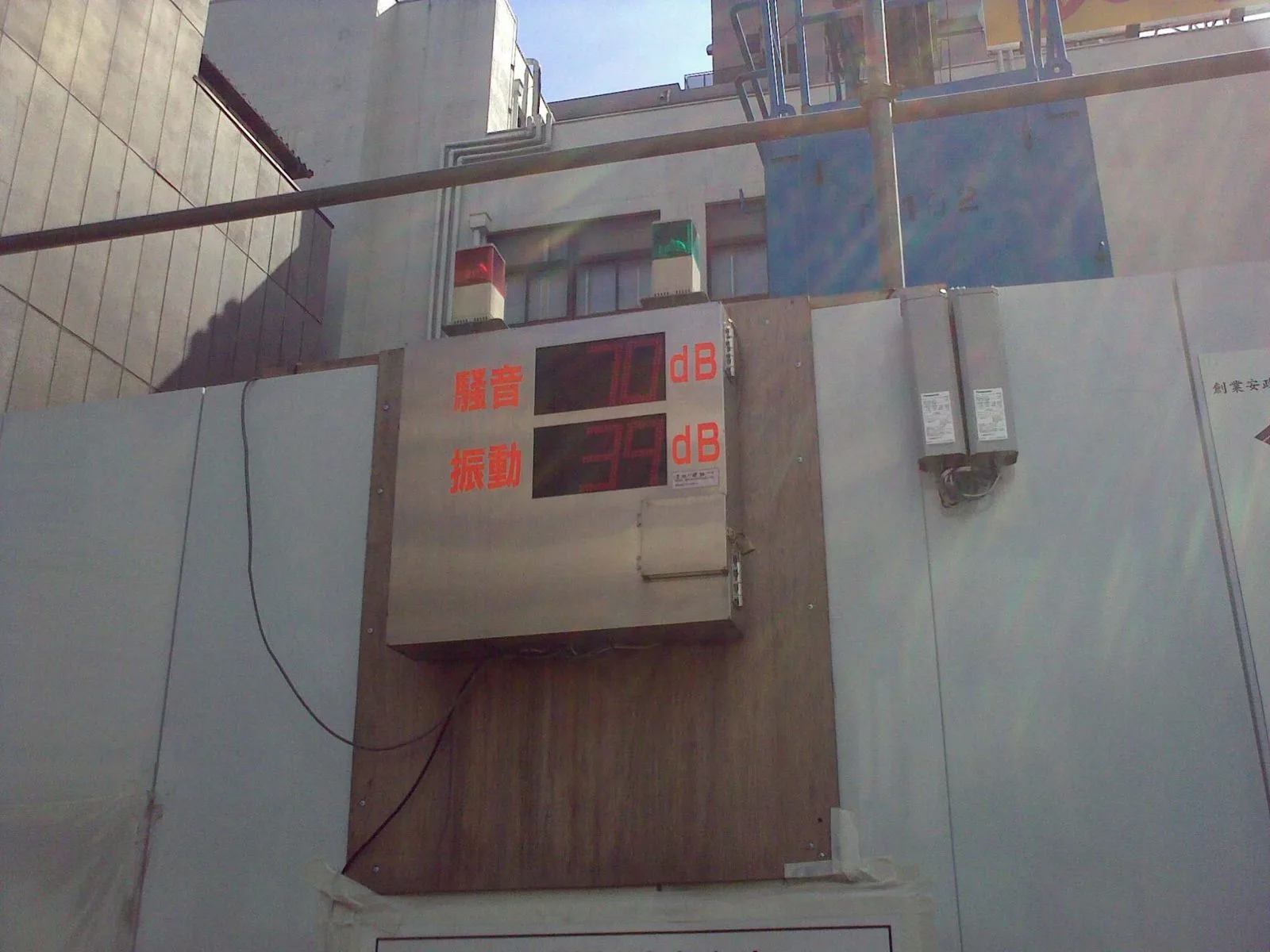
The reference measurement is taken at the most exposed point of the audience, not at the console, which is often further back and lower. An integrating sound level meter, or a measurement system tied to front of house, shows the rolling LAeq in real time: that is your dashboard. The goal is not to sit on the ceiling but to keep headroom, because pulling the level down mid-set never goes well.
Keeping headroom without losing impact
Dropping the level without killing the energy is an art. A few concrete levers:
- A properly sized and well-aligned system: even coverage means you do not have to push front of house to feed the back of the room.
- The right kind of PA: the choice between point source and line array drives how even the level is from the first to the last row.
- Amplification with headroom: matching amps and speakers with headroom avoids clipping, which tires the ear far more than level itself.
- Control of the low end: bass drives the peak dB(C) up without always adding intelligibility. Clean subwoofer alignment buys impact at constant level.
- Input gain: good management of gain before feedback delivers useful level without pushing everything up.
Reference levels and crew exposure
To put the numbers in context, a few telling markers:
| Situation | Approximate level |
|---|---|
| Normal conversation | 60 dB(A) |
| Busy street | 80 dB(A) |
| Concert, regulatory ceiling (15-min average) | 102 dB(A) |
| Threshold of pain | 120 dB(A) |
The audience is not the only concern. The crew is exposed night after night: it is a matter of cumulative dose, not a single show. The higher the level, the faster the safe exposure time drops — a few extra decibels halve the acceptable duration. Hence the value of good linear-filter earplugs, which lower the level without colouring the sound: a good engineer protects the ear that is their working tool.
On the organisational side, a simple routine protects everyone: check the measurement calibration before doors, keep headroom under the ceiling from soundcheck on, watch the rolling LAeq during the set and have protection available at the entrance. None of this holds the show back; above all it stops you discovering an overshoot once the night is over, when it is too late to fix.
My take
Regulatory ceilings are not the enemy of the show: a well-aligned gig at 102 dB(A) hits harder than a mushy one at 106 dB(A). The real skill today is making a loud, clean sound live inside a controlled envelope, not scraping three decibels over the limit. The meter at front of house is not a punishment, it is a mixing tool like any other — it tells you when you are paying dearly for a volume the audience no longer even registers. Better to put that energy into alignment and dynamics.