In the studio you fuss over reverb for hours. At front of house you have a few minutes before the room fills up — and a venue that often reverberates all by itself. Knowing how to dose reverb and delay in a live mix means adding depth and supporting a vocal without drowning intelligibility. Here is how to do it in practice, bus by bus.
Why effects live, and which ones
An empty room is nothing like a full one: the audience absorbs the highs and shortens the natural reverberation. Your effects are not there to “make it pretty,” but to rebuild spatial coherence and give body to dry sources — the vocal first. Two families cover the vast majority of cases: reverb for space, delay for depth and rhythmic support.
Effects buses on a digital console
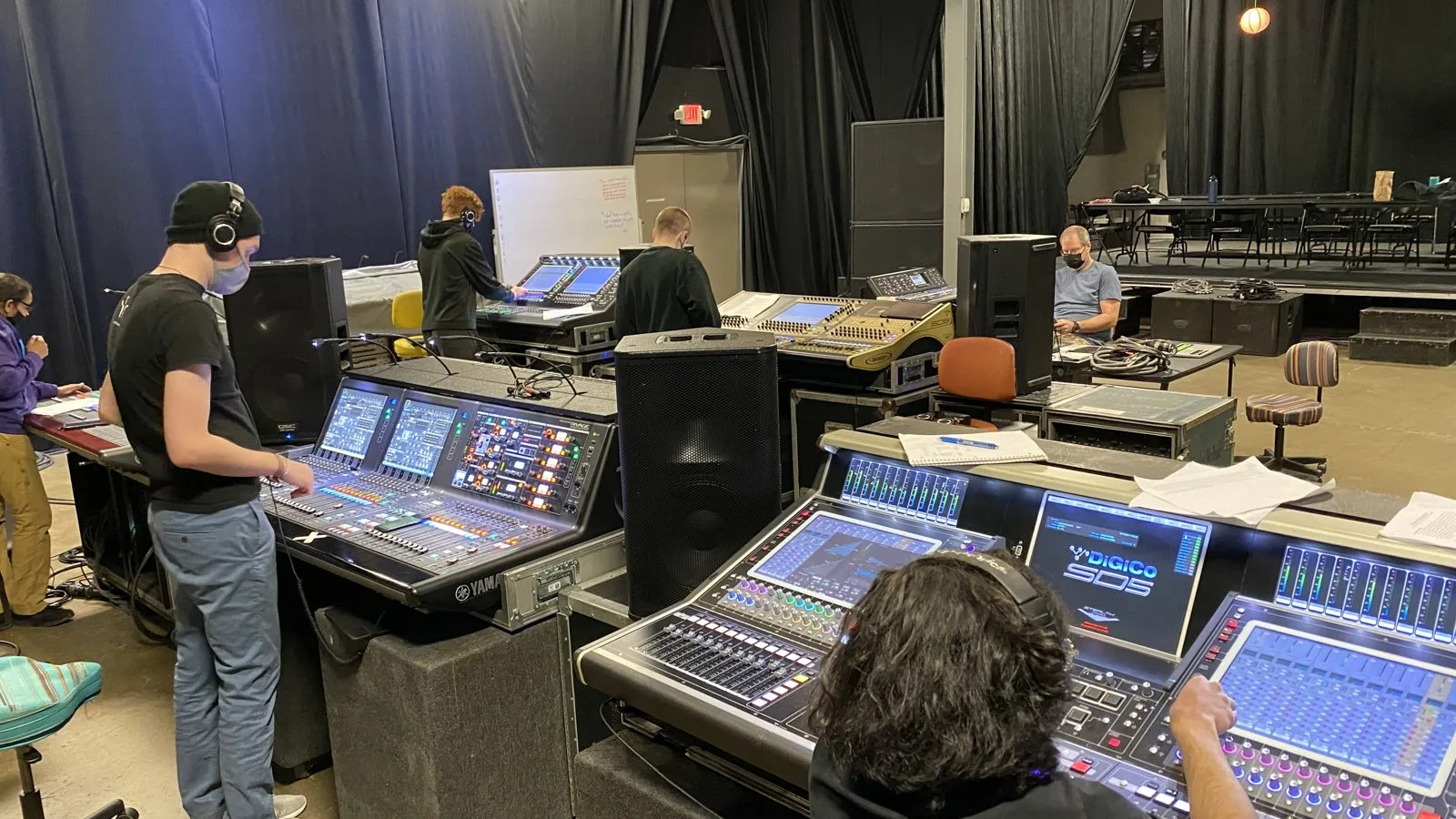
The principle is the same on every console: create an effects bus (an aux send feeding a processor), send each channel you want into that bus, and bring the effect return up on a dedicated fader. Work post-fader so the effect follows the vocal’s level as you push or pull it. Keeping effects on return faders lets you dose them globally with one move — handy between songs. For managing sends and buses, our front-of-house mixing method lays the groundwork.
Setting a reverb that does not drown the mix
Pick a suitable type: a short room to thicken without lengthening, a plate for a vocal that shines, a hall reserved for ballads. Live, shorten decay times compared with the studio: too long a reverb quickly turns a reverberant room into mush. Three controls do most of the work:
- Pre-delay: 20 to 40 ms separates the reverb from the vocal and preserves intelligibility.
- Decay time: short in an already reverberant venue, a little longer in a dry room.
- Filters on the return: a high-pass around 300–400 Hz so the reverb does not muddy the low end, a low-pass to take off the hiss.
Always judge reverb in the context of the full mix, never soloed: on its own it will always seem too quiet.
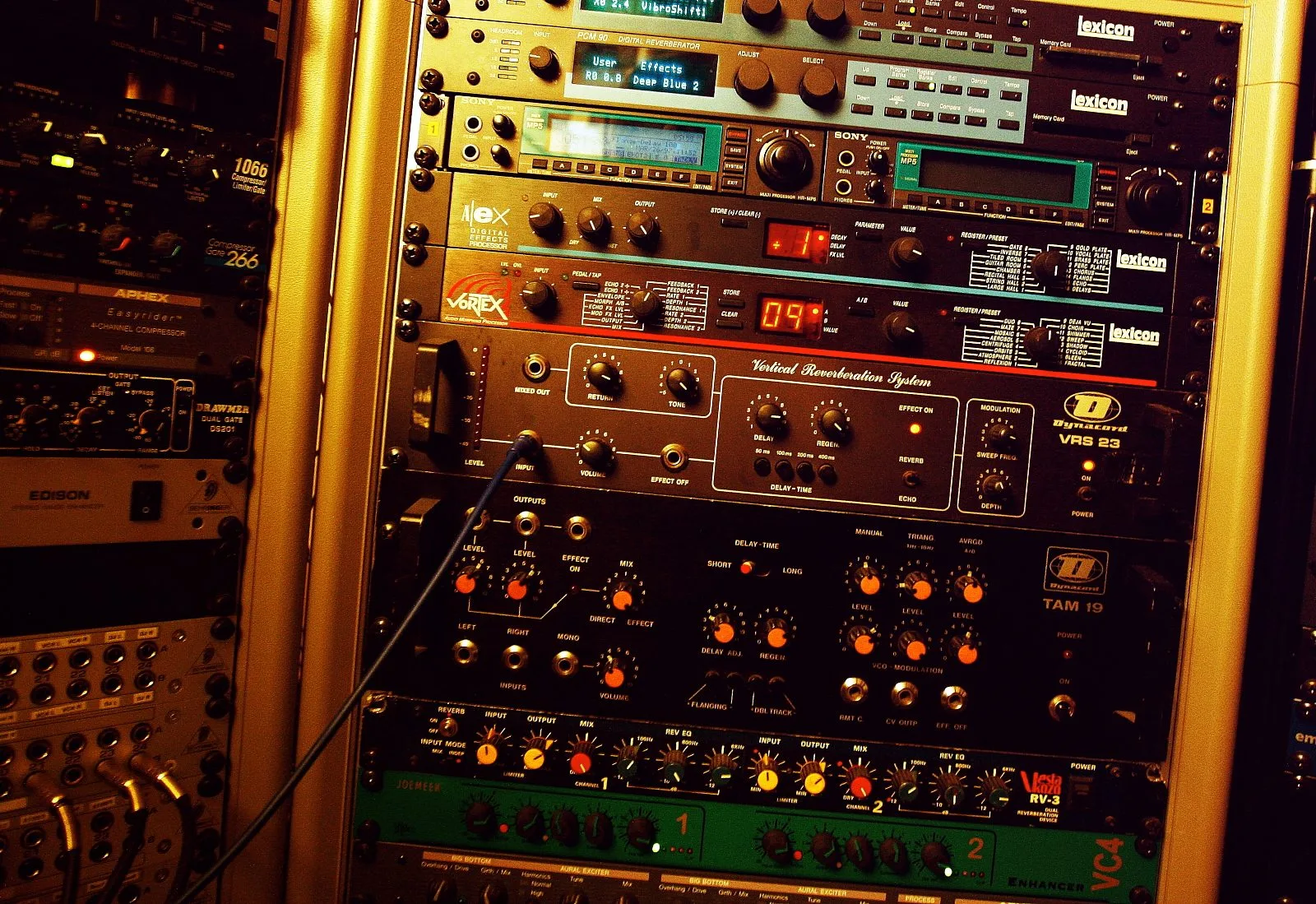
Delay on the vocal: lock it to tempo
Delay adds a depth reverb cannot, and it “fills” the ends of phrases without lengthening the tail. The key is to lock it to the song’s tempo: use the console’s tap tempo to pin the delay to the beat, then choose a rhythmic division (a quarter note for a marked effect, a dotted eighth for a subtle bounce). Keep feedback to a few repeats, filter the return so it sits behind the direct vocal, and remember slapback (a single very short delay) to thicken a voice with no audible effect.
Beyond the lead vocal
The lead vocal gets most of the effects, but a few touches elsewhere enrich the mix without weighing it down. A short room reverb on the snare gives it body without sounding “studio”; backing vocals take a slightly longer reverb than the lead, which sets them a touch further back. On brass or a solo, a subtle tempo-locked delay adds scale. Keep the bass and kick perfectly dry, though: any effect in the low end muddies the mix and tires the PA. The rule fits in one line: add effect where the ear looks for space, never where it looks for solidity.
Riding the effects during the show
Pre-listen to your effect returns on headphones (PFL) to set them without touching the house, then store different amounts per song in your scenes and snapshots. A chorus often wants more reverb than a spoken verse; a ballad has different needs from an up-tempo number. A delay pushed up just before the last syllable of a line and pulled down afterwards keeps the mix uncluttered.
Traps to avoid
Too much effect is mistake number one: in a full room, what felt “just enough” at soundcheck becomes excessive. Be careful, too, not to send effects into the stage monitors, where they eat into your gain before feedback and distract the musicians. Finally, do not confuse these artistic effects with the delay applied to fill speakers, which is about time-aligning the system, not about musical depth.
My take
Live effects are judged on intelligibility first: if the singer is harder to understand, there is too much of them. A short, well-filtered reverb and a tempo-locked delay are enough to dress 90% of shows — the rest is overkill. The real luxury of a digital console is being able to change those amounts from one song to the next with a single scene recall. Prepare them in advance, and you will mix the music instead of chasing your buses.