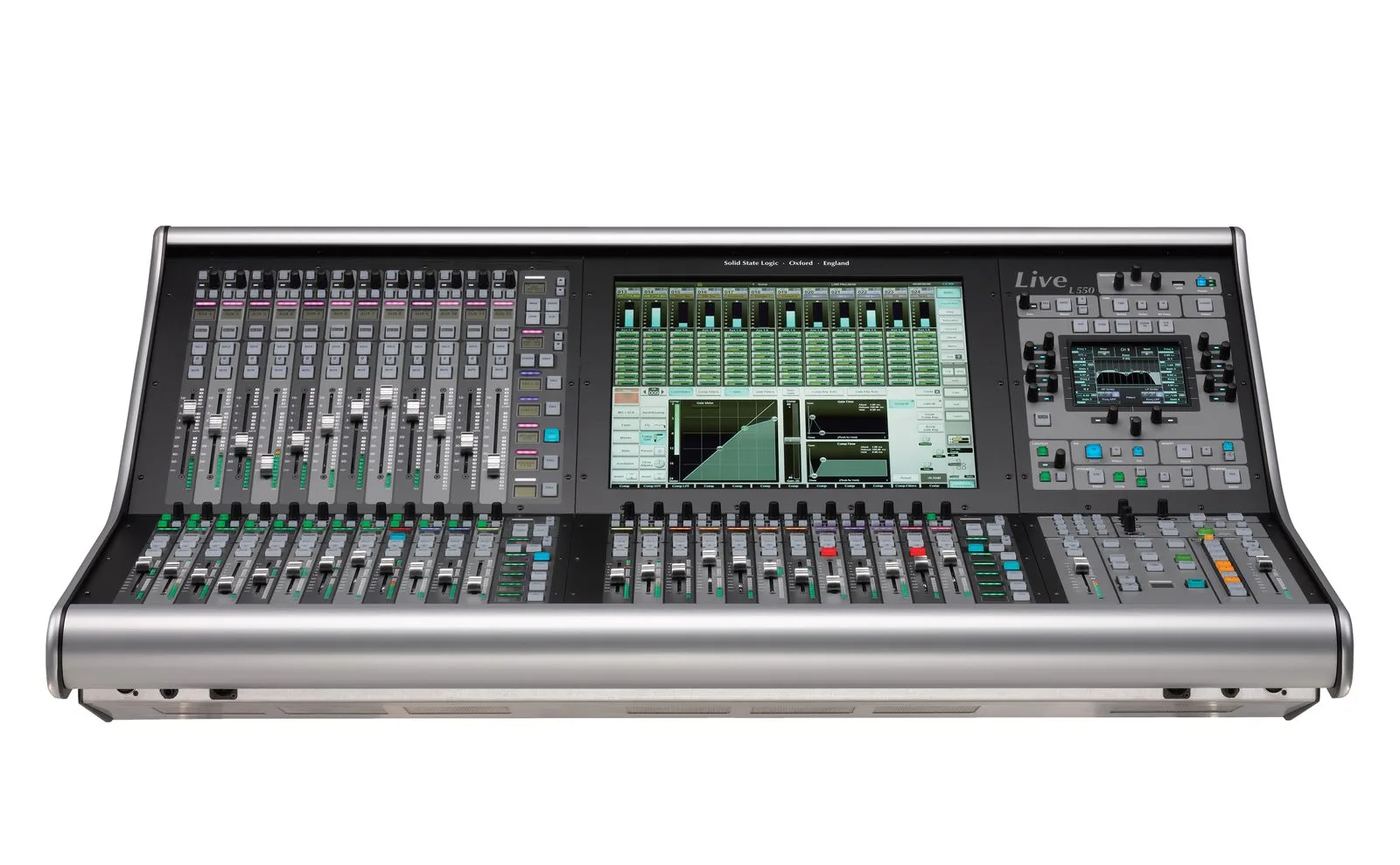
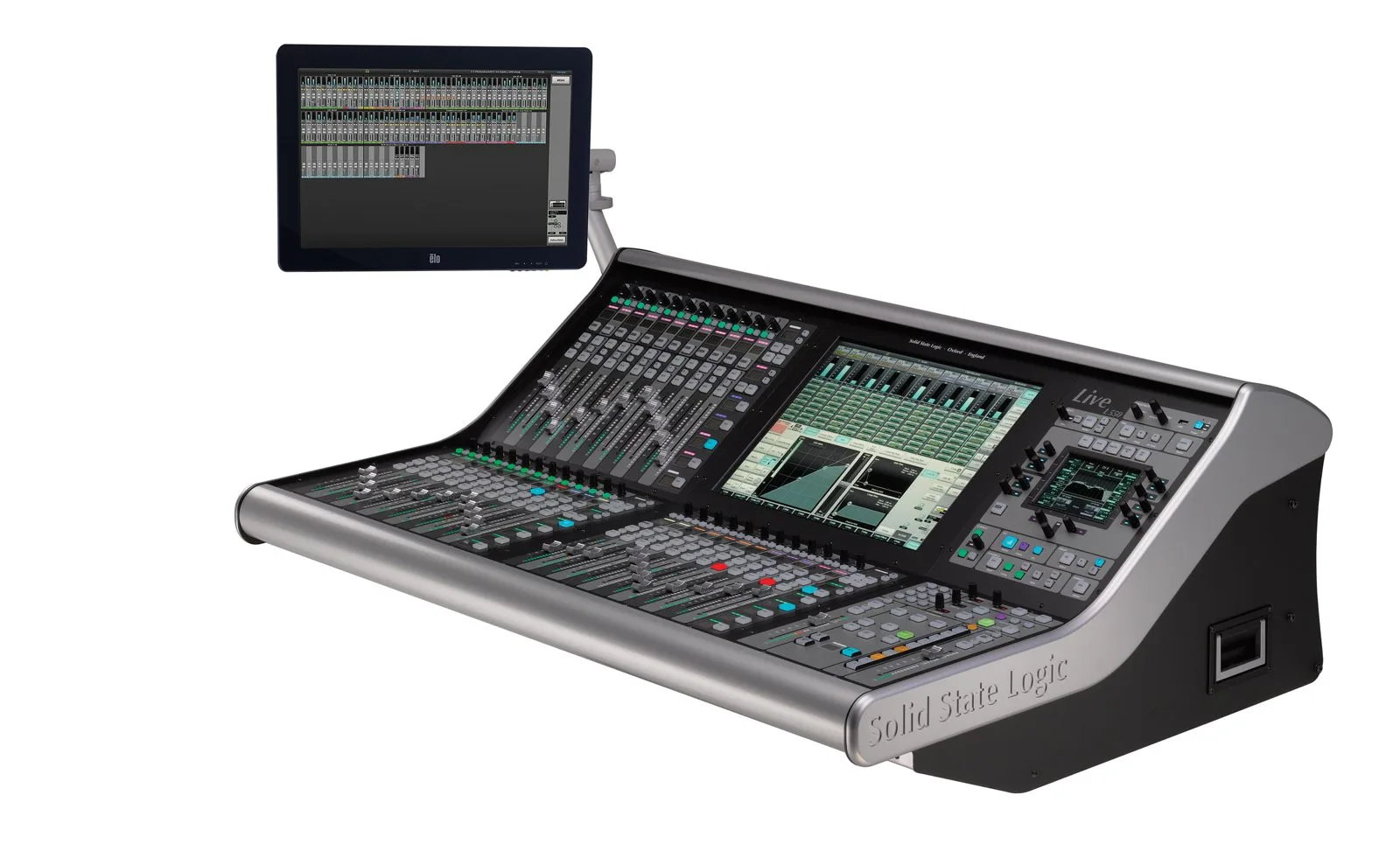
Switching front-of-house consoles mid-career on a tour is never a small call. Ron Gardner, FOH engineer and tour manager for Jelly Roll, did exactly that: for the 2026 Little Ass Shed Tour he now mixes on an SSL Live L550 Plus. The decision came from a methodical comparison, not a trade-show crush.
Four consoles and a Stagecoach line check
Before committing, Gardner ran four consoles at Sound Image, the vendor providing the system. He then put the SSL to the test during a line check at the Stagecoach Festival, with system engineer Brendan Hines. The two brought two consoles and two racks to compare the desks on the tour’s real microphones and inputs, not on a demo. The reasons he gives come down to three points: EQ, summing groups and low latency.
Summing comes up often with Gardner. He calls the summing groups one of the things that make the console so strong. The parallel compression he already ran on his previous desk takes on another dimension, he says, on the SSL. For a FOH engineer, that kind of detail weighs as much as a spec sheet: how the console behaves under the fingers, night after night, is what decides.
In practice, a summing group gathers several channels onto a bus, then processes them together before the main mix. Parallel compression blends that heavily compressed bus with the direct sound: you keep the natural attack and add body. On drums or a rock vocal, the technique thickens without crushing. When an engineer stresses the quality of a console’s summing groups, it is because the sound of that coloured bus is part of their front-of-house signature.
Around 90 inputs over MADI
The rig is built on ML 32.32 MADI analogue stageboxes and a Blacklight II MADI Concentrator, the transport backbone of the SSL Live range. In all, Gardner handles about 90 inputs: drums, keyboards, DJ gear, vocals, backing tracks, click tracks and talkback. It is a dense stage, where a single patch mistake is paid for live. For the detail of those links, our guide to patch and stageboxes in live sound lays out the terms.
The choice of MADI for transport deserves a word. On a tour that changes venue every night, a point-to-point optical MADI link cables up fast, can be diagnosed by ear and does not depend on a switch to configure. The Blacklight II carries several stageboxes over one fibre, with redundancy that is simple to set up. Many FOH engineers prefer that field ruggedness to the flexibility of an audio-over-IP network, more at home in fixed installs.
SSL Revival 4000 strips on the vocals
On the lead vocal and the guests, Gardner leans on the SSL Revival 4000 channel strips, built into the console. Brendan Hines points out that they are part of the system, not an outboard rack. The engineer uses them to manage vocal dynamics: de-esser, sidechain compression to win gain before feedback when the singer heads out onto the catwalk, and a ducking gate he describes as very natural. Nothing flashy on paper, but a toolset that keeps a voice in place without freezing it.
The rest of the method comes down to one word: organic. Gardner mixes by hand and is wary of leaning on snapshots. On this tour, guests are often confirmed on the day, the setlist moves night to night, and an over-automated console would become a trap. He prefers to keep the desk open and react, even if it means giving up the comfort of automatic recall. This is a long way from the locked musical-theatre mix, closer to live radio.
An L550 Plus built for the road
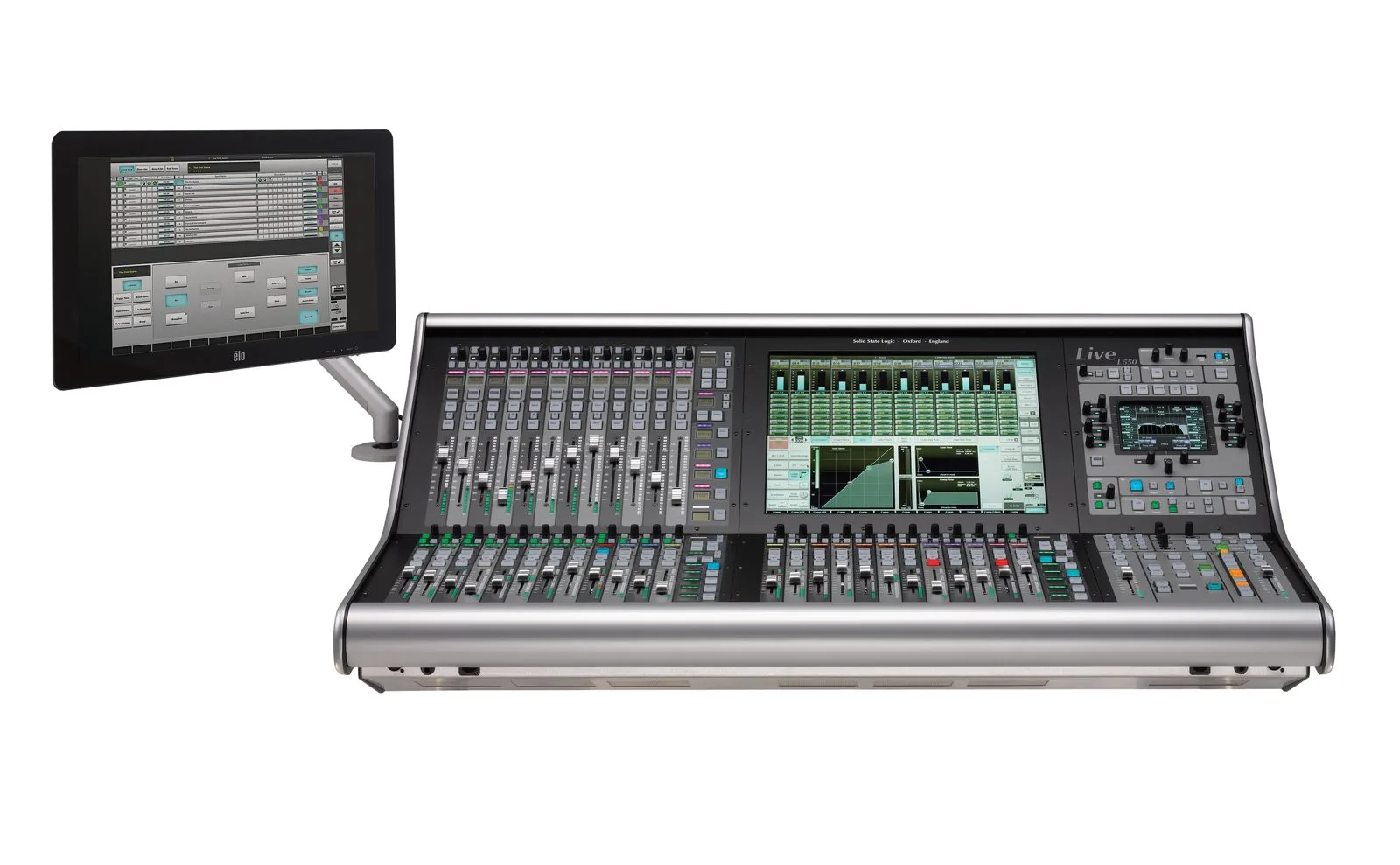
The SSL Live L550 Plus suits that use. The surface lines up 36 faders and a 19-inch touchscreen, driven by an Optimal Core Processing engine that opens up to 96 processing paths and a 1136-in by 1136-out matrix. That is room for Jelly Roll’s 90 channels and headroom for effects, groups and monitor sends. The range has already proven its portability: the System T in flight cases played the same card on the mobile broadcast side.
The Plus in the name refers to the Plus Processing Pack, a software upgrade that unlocks the full processing power of the desk. On the road, that means enough compressors, EQs and effects to never ration a channel. The SSL Live range has toured large productions for a decade, and its reputation rests on that mix of claimed analogue colour and digital flexibility.
Gardner is no beginner: he started mixing in the clubs of Richmond, Virginia, around 2004, before touring with The Pretty Reckless, Underoath, Paramore and Good Charlotte. That history of rooms and stages shows in his choices, far from showcase consoles. The detailed account of this rig was published by the trade outlet ProSoundWeb. For how other large tours structure their systems, revisit our portrait of Clair Global.
My take
The real lesson here is the selection method: four consoles lined up on the tour’s actual microphones, then a test in real conditions at Stagecoach. We talk a lot about a desk’s specs, rarely about how it gets stress-tested before it goes on the road. The organic-mix bet, without a snapshot safety net, asks for confidence and a close read of the show. On a tour where guests land on the day, it holds up better than automation that breaks at the first surprise.