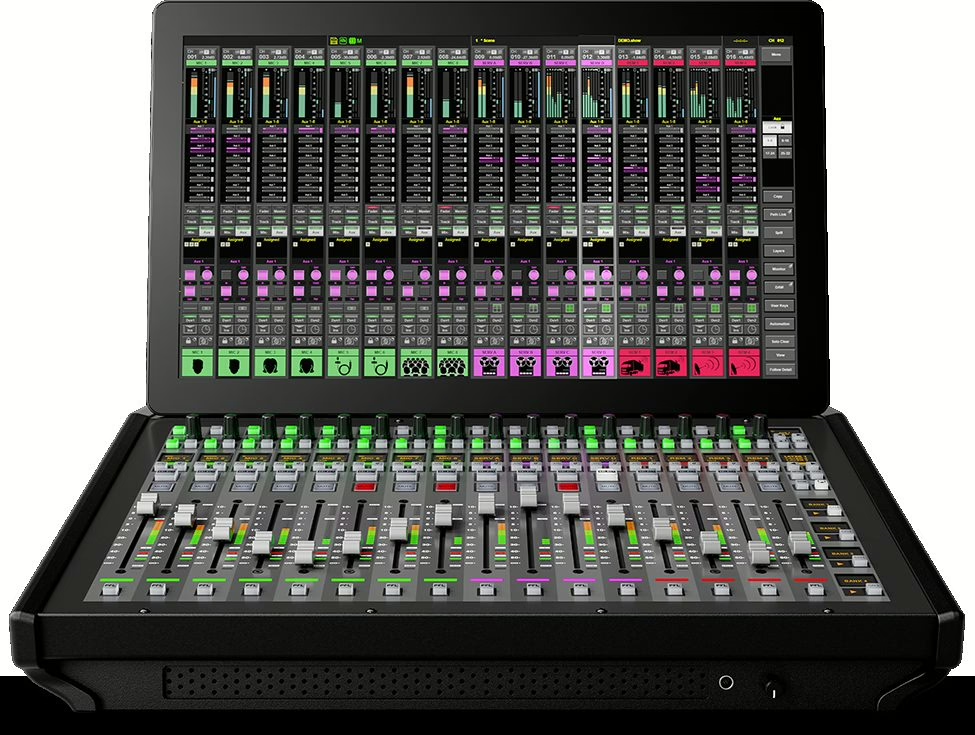
Solid State Logic built its reputation in the broadcast gallery and the OB truck. With the TCA Tour, the company folds that same System T platform into a desktop package that fits in two or three flight cases, each one under 23 kilos. The pitch is simple: take the horsepower of a top-tier IP console out of the truck and drop it onto a control desk, on tour or in remote production.
A full System T that travels
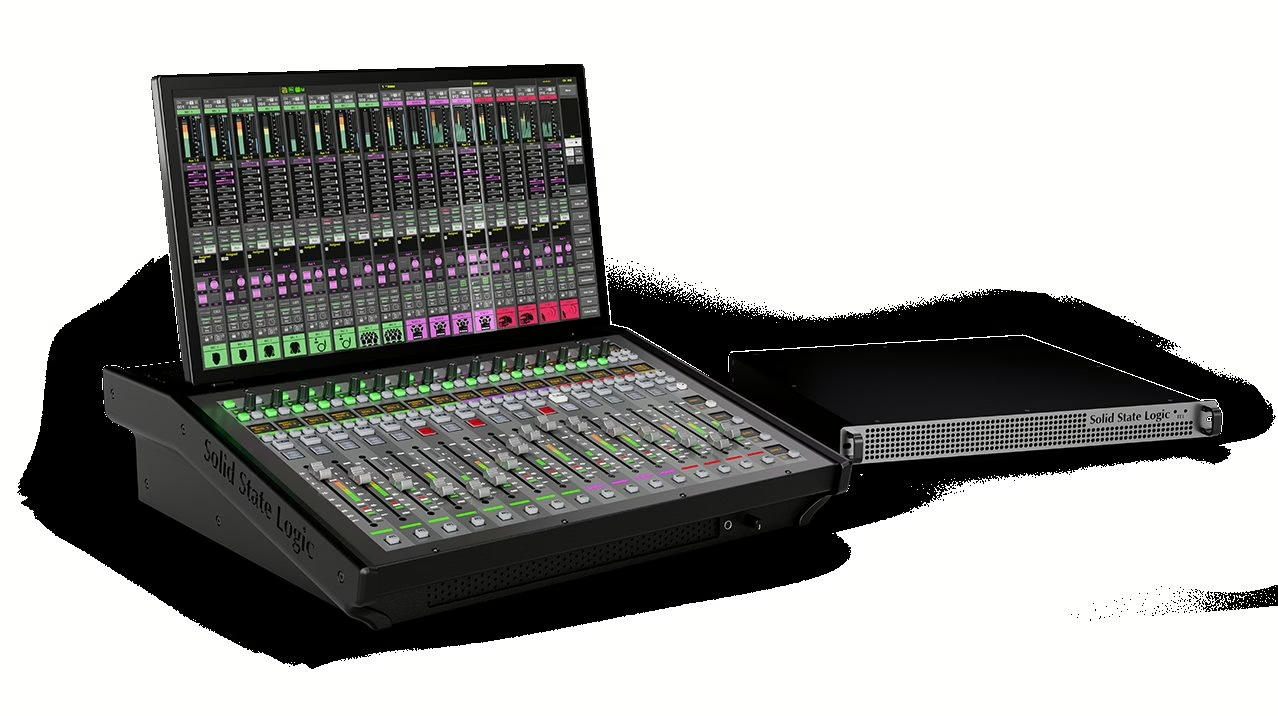
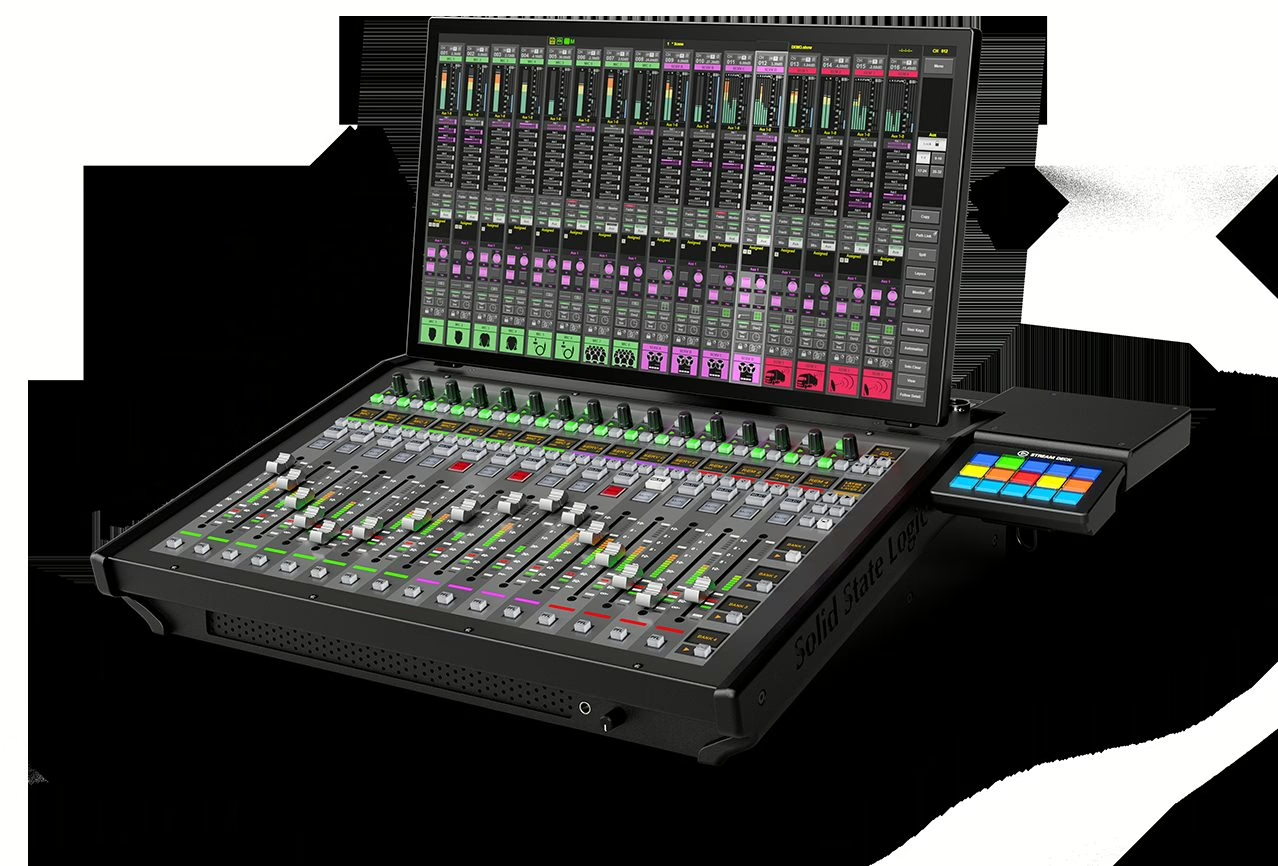
The TCA Tour is not an entry-level console in disguise. It is genuine System T, running the same software architecture and the same Tempest engine as the range’s larger surfaces. What changes is the form factor. You get a desktop control frame with sixteen faders, fully pre-wired and ready to go, with onboard I/O: eight mic/line inputs, four line outputs, headphone monitoring and a built-in network switch. An adjustable mount holds the touchscreen and the PC running SSL’s Tempest Control App.
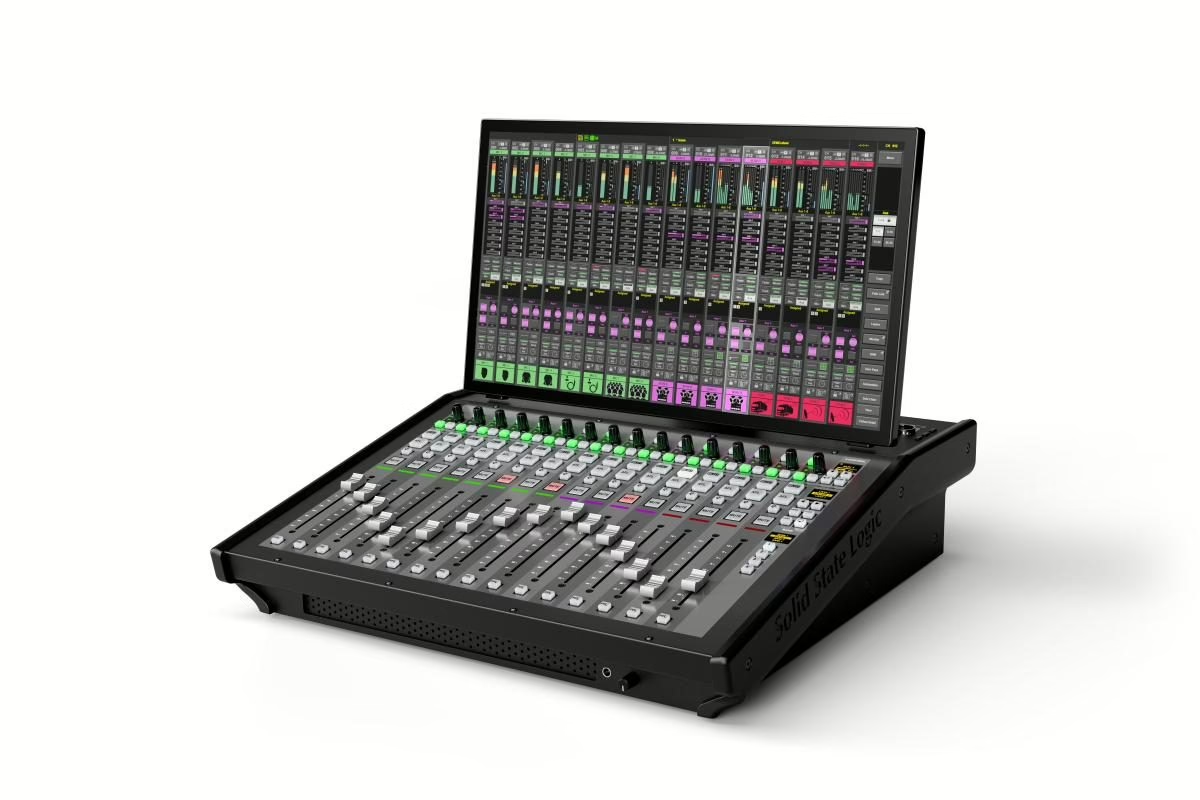
SSL offers two fader tile options. The DFT keeps it lean; the DFT+ adds a per-channel OLED display and individual fader metering, which matters when you are working blind across dozens of buses on a festival mix. The surface stays compatible with System T Remote Fader Tiles and the Remote Master Tile, so you can grow the work surface when space allows.
The engine stays at the core
For processing, the TCA Tour connects to any System T engine: TE1, TE2 or the Virtual Tempest Engine (VTE) that runs on a server. In other words, the surface does not lock down your DSP: you pick the engine to suit the job, from a small corporate event to a touring show that needs hundreds of paths. That clean split between surface and engine is what makes the platform coherent, and the TCA Tour inherits all of it.
Connectivity is built for the road: ruggedised etherCON and opticalCON connectors made for repeated patching and abused cables. On the audio network side, the system speaks SSL Network I/O natively, plus Dante, AES67 and SMPTE ST 2110, so it slots into a touring rig or an all-IP broadcast chain without exotic gateways. Splitting into two or three flight-cased modules, depending on I/O needs, gives you a fly-pack that checks into the hold and rebuilds in minutes.
Why this format matters
The touring console has long straddled two worlds: big live surfaces built for front-of-house and monitors, and broadcast consoles built for on-air. The TCA Tour blurs that line on purpose. It targets remote production, concert capture and events that mix live sound, multitrack recording and feeds back to a central gallery. SSL points to its deployment on Calvin Harris’s Ushuaia Ibiza residency, across recurring shows: exactly the profile where you want the reliability of a proven engine without the bulk of a truck.
Having spent years rigging and de-rigging festival control positions, I know what a system that fits in three cases and re-patches identically night after night is worth: on tour, the real luxury is not the fader count, it is repeatability. A pre-wired surface that recalls the same patch every evening saves precious time at soundcheck and heads off half the last-minute mistakes. On that ground, building on an ecosystem you already run in a fixed gallery beats yet another fader colour.
Where it sits in the range
The TCA Tour does not replace a large System T surface or a large-format analogue studio console: it is their mobile extension. It fits a strategy SSL is pushing across the line, from DAW-based automation on the Oracle to fully IP galleries. It is the surface brick that was missing for lightweight deployments of the kind seen behind a redundant all-IP audio backbone. The system has been shipping since July 2026; the full spec sheet is available from Solid State Logic.