KLANG has worked the same ground for years: give every musician a monitor mix placed in a three-dimensional space rather than a flat mono or stereo blend. The German company from Aachen, now part of Audiotonix alongside DiGiCo, has released KOS 6.1, a free update to its operating system and the KLANG:app. It answers a long-standing request from musicians and monitor engineers alike: a little reverb in the ears.
A reverb of its own for each mix
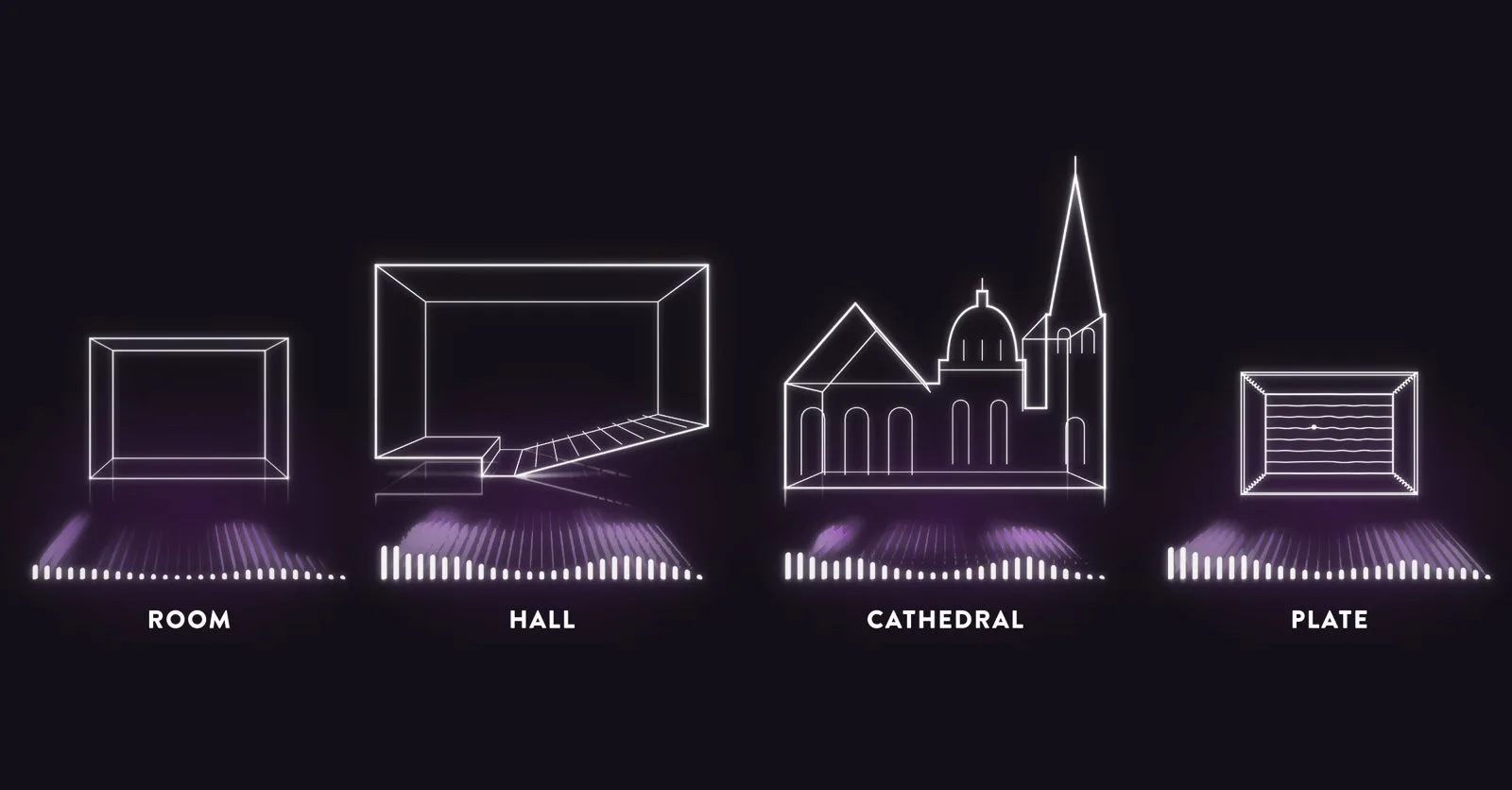
Until now a KLANG mix stayed dry. With KOS 6.1 every mix gets its own reverb, independent from the others. You pick one of four characters, Room, Hall, Cathedral or Plate, then set its time, its return level and a four-band EQ. Each channel has a reverb send, so a vocal can sit in a room while kick and bass stay dry. The processing runs directly on the processor, with no outboard box.
The split of duties stays clear. The monitor engineer sets each mix’s reverb in KLANG:app. The musician adjusts their own from the KLANG:kontroller or the app, without touching anyone else’s mix. One detail matters on the road: existing shows load with the reverb off, so installing the update never changes a mix that was signed off the night before.
Two safeguards added to the kontroller
KOS 6.1 also drops two features into the KLANG:kontroller. The safety limiter, on by default, catches full-scale bursts before they reach the in-ears, from a dropped cable to a feedback spike. The ambience ducker lowers the audience mics while the band plays and brings them back up between songs, keeping contact with the crowd without masking the music.
Nothing dramatic on paper, but these three additions touch the real comfort of a stage. A well-judged reverb helps a singer settle their pitch, a safety limiter protects hearing, and a ducker handles ambience without constant moves from the console. KLANG keeps its personal-monitoring logic on the big multitrack, networked shows where every musician steers their own soundfield.
My take
Plenty of engineers wanted reverb in the ears without quite saying so, wary of sounding like wedge nostalgics. KLANG makes it clean and, better still, local to each mix, which sidesteps the shared reverb bath that smears pitch. The nice touch is the reverb-off load: you update without breaking anything, then decide song by song. For a monitor engineer, it is the kind of addition that slots into the reflexes fast, and then you never give it back.