With the Solidcom M1 Pro, Hollyland pushes its wireless comms toward serious productions: a full-duplex intercom that no longer just lets a small crew chat, but ties into the wired infrastructure of broadcast and live events. The point here isn’t the novelty of wireless radio — it’s the ability to talk to the rest of the rig.
Full-duplex, wireless and built for noise
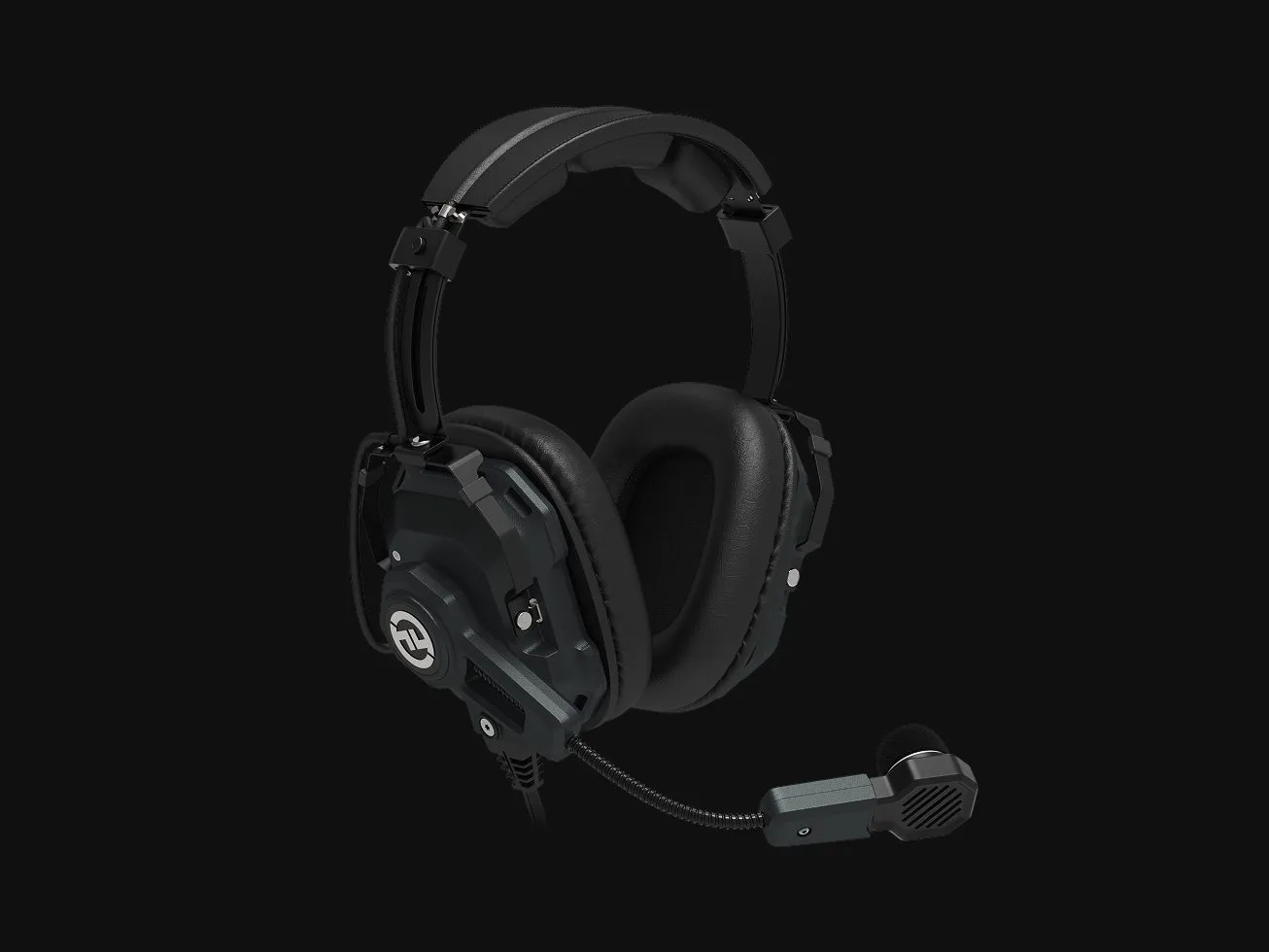
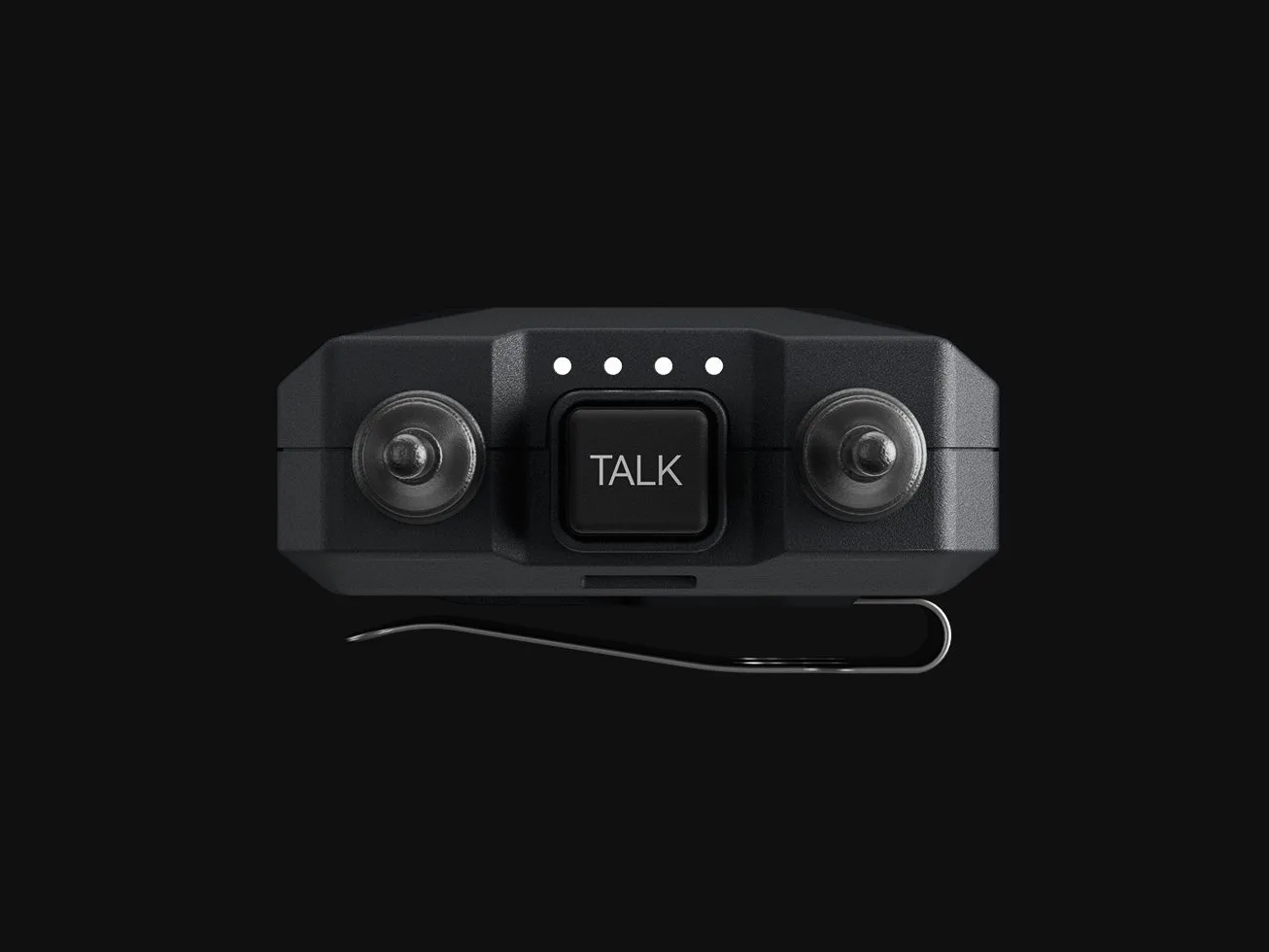
Full-duplex is the baseline of a good intercom: everyone talks and listens at once, with no button to press, like a phone call. The Solidcom M1 Pro runs at 1.9 GHz and comes in four- or eight-beltpack kits, each paired with an over-ear headset and a boom mic. On a noisy set, the dual-mic ENC noise cancellation does the sorting: a supercardioid mic picks up the voice, an omnidirectional mic measures the ambience, and the system strips up to 20 dB of noise before transmitting. Each beltpack runs up to six hours on two removable 1,500 mAh lithium batteries, allowing a hot swap mid-day.
Scaling up without changing systems
Stated range is 400 m line-of-sight for the beltpacks, and external fiberglass antennas cover about 300 m in all directions. But a professional intercom is really judged on how it grows. Here you can cascade a “virtually unlimited” number of base stations over IP or 4-wire, and organize comms into three groups set from the base or a web page. Each beltpack has eight preset modes, marked by a color, to keep things clear as crews multiply.
That vocabulary — partyline, matrix, groups — is the language of production intercom, which we broke down in our feature on Hollyland’s wireless gear. The Solidcom M1 Pro doesn’t reinvent these principles; it makes them reachable for crews that couldn’t justify a full matrix.
The real argument: plugging into what’s already there
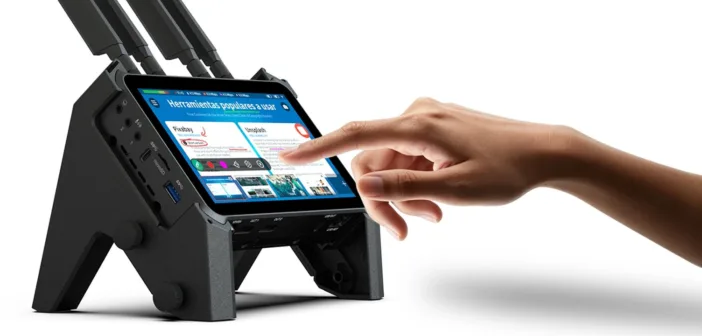
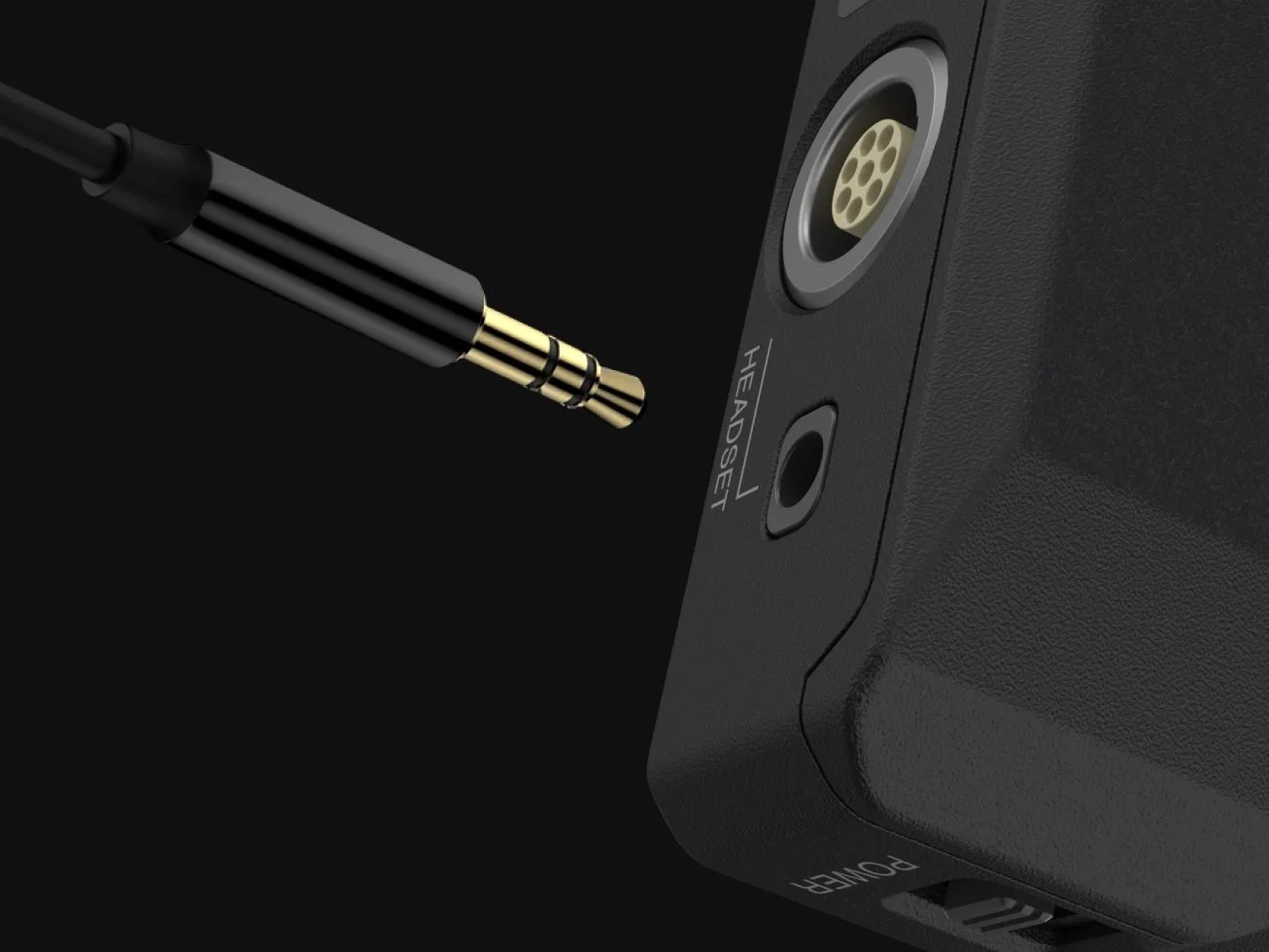
It’s the base station’s connectivity that makes the Solidcom M1 Pro make sense. It carries 2-wire, 4-wire, USB, IP and POE power. In other words, the wireless system isn’t an island: it hooks into an existing wired intercom, a venue’s 2-wire or a broadcast truck’s 4-wire, and can even talk to other Hollyland intercoms or, via a converter, to walkie-talkies. For a production mixing cabled fixed positions with mobile crews, that’s exactly the bridge consumer wireless usually lacks. The same gateway thinking drives products like Pliant’s IP intercom matrix, at a different tier.
Setup runs through the base station, the Hollyvox app or a web page, and the kits explicitly target stage, house of worship, sports events and broadcast. It stays a proprietary ecosystem, but one open to the trade’s wired standards.
My take
2-wire and 4-wire on a wireless base is what separates a gadget from a production tool. Plenty of radio systems can get a crew talking to each other; few can graft cleanly onto the wired comms already run in a venue or a truck. The Solidcom M1 Pro ticks that box, with serious noise cancellation and cascade scaling that make it credible beyond the small crew. What’s left is the price, which puts it against established references: you decide whether the bridge to what’s already there is worth the step away from a comms heritage brand.
Frequently asked questions
How many users does the system handle?
Kits come with four or eight beltpacks per base station. Beyond that, cascading base stations over IP or 4-wire extends comms to what Hollyland calls a virtually unlimited count, organized into three configurable groups.
Can it link to an existing wired intercom?
Yes, and it’s one of its strengths. The base station has 2-wire and 4-wire interfaces, on top of IP and USB, to hook into an existing wired comms line. It can also talk to other Hollyland intercoms and, through a converter, to walkie-talkies.
How does the ENC noise cancellation work?
Each beltpack uses two mics: a supercardioid for the voice and an omnidirectional one to measure the ambience. The ENC processing strips up to 20 dB of noise before transmission, which helps stay intelligible on a loud stage or sports event.
What’s the battery life and recharge time?
A beltpack runs up to six hours on two removable 1,500 mAh lithium batteries, hot-swappable. The charging base refills eight beltpacks and eight batteries in about 2.5 hours, covering a rotation across a long production day.