Switching to in-ears isn’t just handing out earpieces to the band. An in-ear monitor is a full mix in its own right, built for one person, in an ear sealed off from the outside world. Done well, it transforms a stage: no feedback, a controlled sound level, a new kind of playing comfort. Done badly, it unsettles the musicians and cuts them off from the crowd. Here’s how to build in-ear mixes that stand up, from the console to the ear.
One mix per ear, not a shared wedge
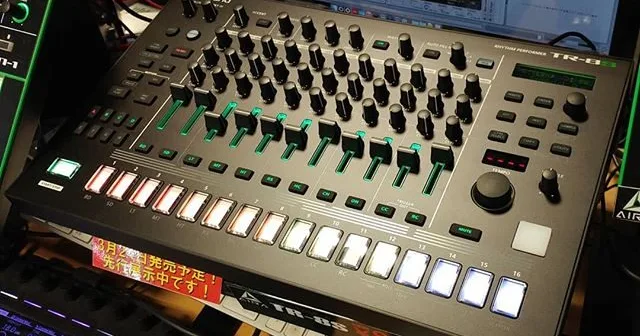
The first shift is mental. A wedge sprays a zone of the stage; an in-ear speaks to a single person, and that person hears only what you send. So each musician needs their own send, built around what they play to: the drummer wants kick and bass, the singer wants their voice and a harmonic reference, the guitarist wants to hear themselves without drowning. Don’t copy the front-of-house mix into the ears — it’s a different job. Using the right send (pre-fader, so your FOH moves don’t change the monitors) is the foundation of a healthy system, as we explain in our guide to stage monitoring.
Mono or stereo: choose by need
A stereo mix offers better listening comfort: you place elements in space, clear the centre for the voice, and breathe. But it uses two monitor buses per musician and assumes both earpieces stay seated. Mono saves resources and stays robust if a musician pulls one earpiece to keep a foot in the room. The field rule: stereo for those who ask and justify it (singers, keys), mono wherever simplicity wins. And keep consistent naming on the console so you can find your way mid-soundcheck — your scenes and snapshots will thank you.
The ambient mic, the missing ingredient
The most common complaint about in-ears: “I feel cut off from the crowd.” The isolation that protects hearing also isolates you from the room’s energy. The fix is one or two ambient mics placed at the front of the stage, sent quietly into the mixes. They bring back applause, the room’s natural reverberation and that connection to the audience that wedge-trained musicians miss so much. A well-judged ambient send often does more for in-ear adoption than any EQ tweak.
Protecting hearing: the limiter isn’t optional
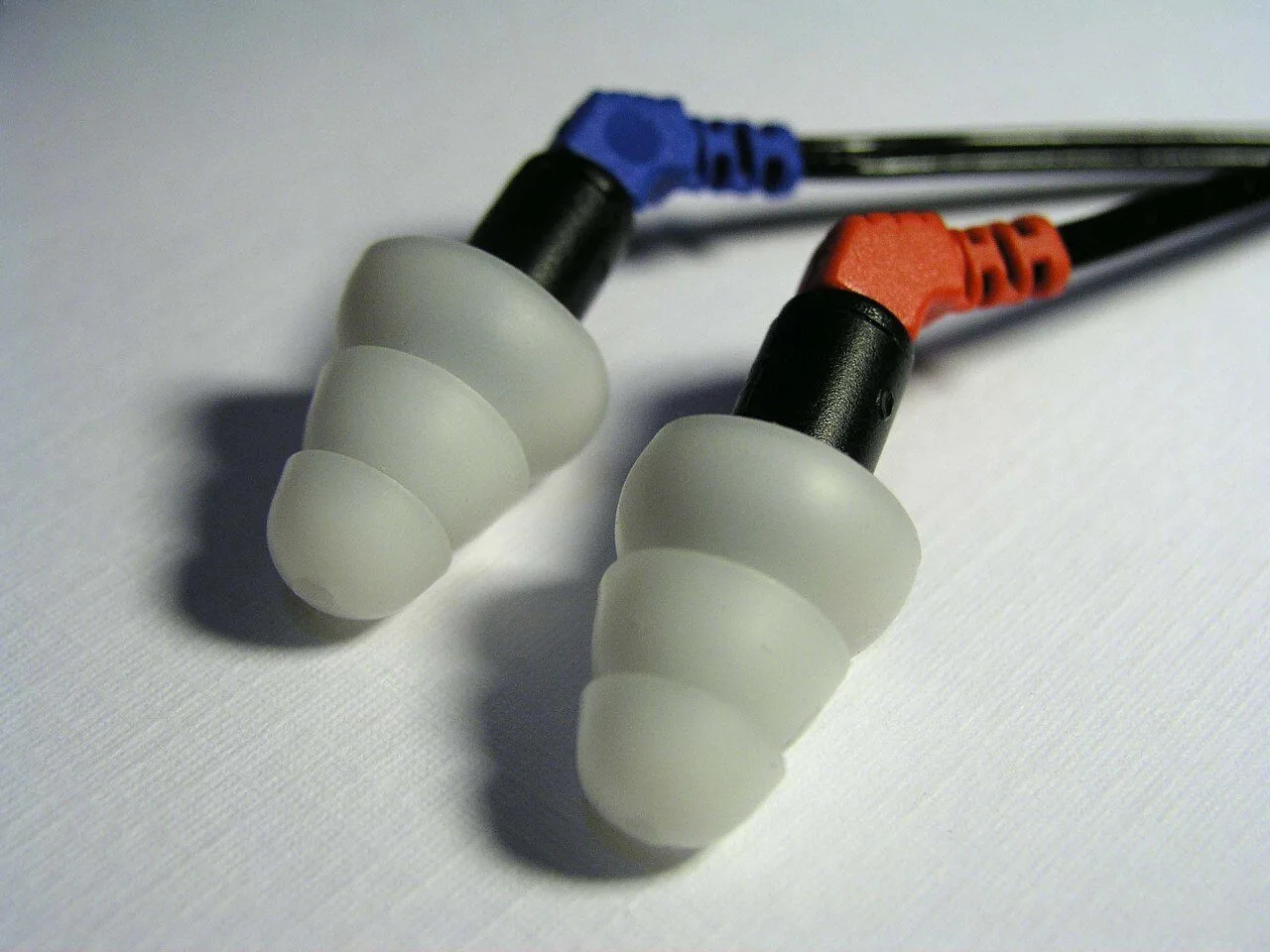
An in-ear sends sound straight into the ear canal, as close as it gets to the eardrum. An accidental feedback, a yanked cable, a digital clip — and that’s a brutal spike in the ear. A limiter on every monitor output — on the console or on the musician’s personal pack — caps those accidents. It isn’t a comfort setting, it’s a matter of hearing health, and it should be an automatic reflex. Remind musicians too that a well-fitted in-ear lets them play quieter: isolation does the job that volume used to, which echoes the logic of gain before feedback out front.
Wired or wireless, and personal mixers
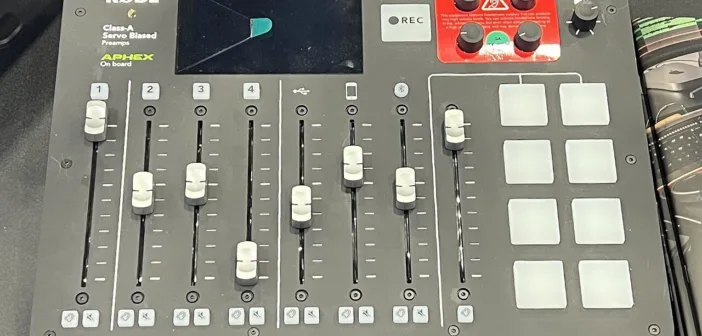
Wired stays unbeatable for reliability and latency, ideal for a static musician (drummer, keys). Wireless frees movement but demands rigorous frequency management and battery watching. Between the two, personal monitor mixers give each musician control over their own balance from the groups you send them: you provide the ingredients, they adjust the recipe. It’s an excellent way to ease the soundcheck crush, provided you prepare the groups properly upstream.
My take
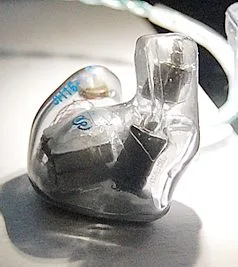
Moving to in-ears succeeds or fails on two details people overlook: the ambient mic and the limiter. The first because it gives musicians back the crowd connection they think they’ve lost, the second because it protects what can’t be repaired. The rest — mono or stereo, wired or wireless — is decided case by case, by the stage and the budget. If you’re new to this, start simple: one clean mono mix per musician, a shared ambient send, a limiter everywhere. You’ll refine from there, and the choice of the earpiece itself will round it all off.