Dreamtonics made its name on synthesis with Synthesizer V and Vocoflex. The Japanese studio now switches fields with Instrument X, an orchestral engine that drops sample playback entirely. Where a classic orchestral library triggers frozen audio files, Instrument X computes the performance: fluid legato, breath swells, room interaction. Announced in late August 2026, it is now reaching the European market.
An engine, not a sample library
The idea is simple: Instrument X turns your notation into acoustic waveforms generated by a neural network, instead of streaming gigabytes of samples. Each expansion was trained on professional session players, captured through 8 to 11 microphones — from close spots to a Decca tree and room ambience pairs. The result barely touches your disk and loads instantly, a real argument for anyone juggling several drafts at once.
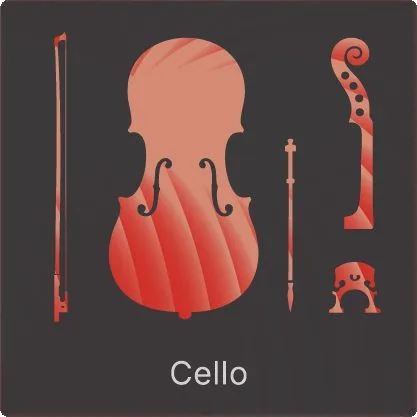
Fifteen expansions ship at launch across three families: strings (violin, viola, cello, double bass), woodwinds (flute, piccolo, oboe, clarinet in A, bassoon) and brass (trumpet, trombone, horn, tuba). The Instrument X editor itself is free the moment you buy a single expansion.
What changes for composers
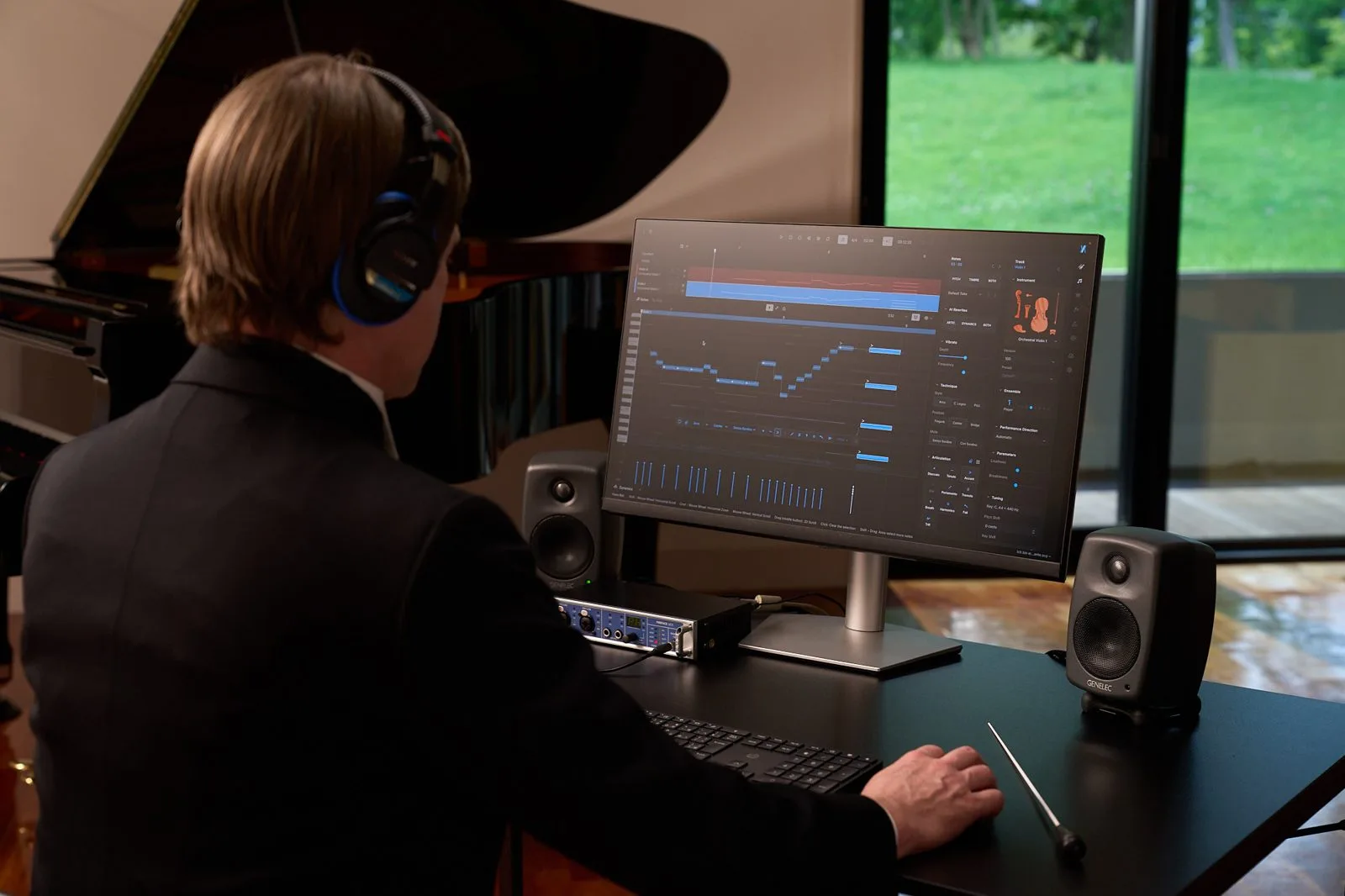
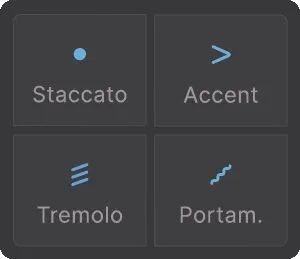
Three tools stand out. The Unified Articulation Editor brings together symphonic expressions (staccato, legato, tenuto) and instrument-specific techniques (string col legno, brass mutes). You can stack them on a single note — a sharp accent dropped onto an ongoing tremolo, say — which no sample playback truly allows.
The Predictive Dynamics Lane spreads coherent dynamics across the whole arrangement, with a manual lane to take back control. Crucially, bending the curve doesn’t just change level: it morphs the instrument’s physical timbre, harmonic saturation and response — exactly what a real player does when pushing a phrase.
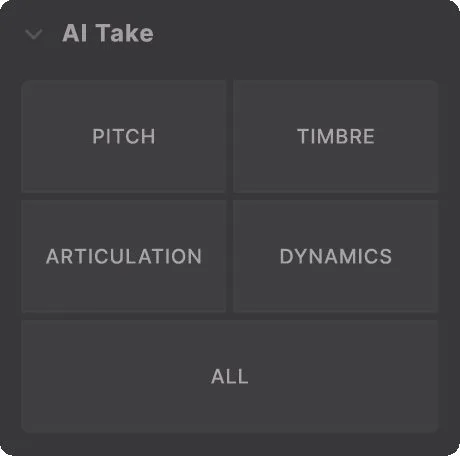
Finally, AI performance retakes let you re-roll an entire phrase or nudge a single parameter: timbre drift, micro-pitch curves, vibrato, intensity. It’s the perfect cure for a line that sounds too mechanical.
The impressive part: the engineering
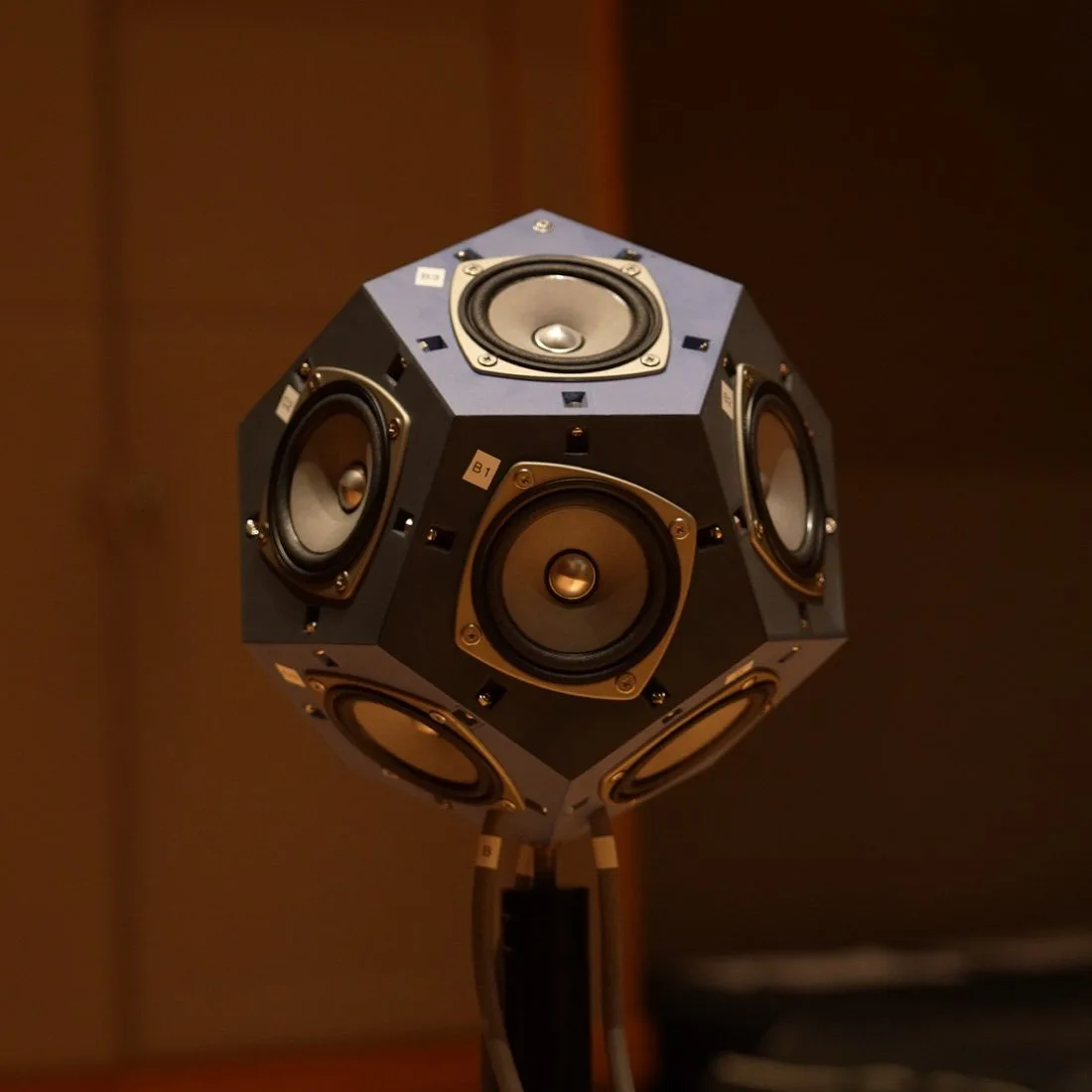
Keeping 8 to 11 simultaneous feeds phase-coherent is exactly where standard neural architectures fall apart. Dreamtonics’ patent-pending approach relies on a custom-built dodecahedral speaker array that measures the recording room’s spatial acoustics and decouples its directional impulse responses from the dry source. The engine can then render the instrument in any direction while running on a standard laptop, 100% locally and offline, with no dedicated GPU.
On the integration side, Instrument X shares the Synthesizer V Studio 2 Pro and Vocoflex workflow, accepts MusicXML import (tempos, time signatures, articulations and dynamics carry straight over) and comes as a standalone app and as VST3, AU and AAX plugins.
What it costs
- Instrument X editor: free with any expansion purchase
- Single expansion: around $99
- Strings and Brass collections: around $249 each; Woodwinds: around $279
- Complete Collection 2026: around $649 (roughly 679 EUR in Europe)
A 14-day evaluation is offered, alongside 7-day per-expansion trials capped at 150 notes.
My take
Neural modeling of acoustic instruments is the kind of claim that usually smells of a demo too good to be true — except Dreamtonics already proved with Synthesizer V that it can ship an engine that delivers. The real leap isn’t the tiny disk footprint, welcome as it is: it’s that dynamics act on timbre and not just level, and that articulations stack on a single note. One question will settle everything: does it still sound right on an exposed sustained string line, where the ear forgives nothing? Audition the strings expansion first. If it holds up, sample-based orchestral libraries finally have a serious rival on expression.
Frequently asked questions
Does Instrument X need a dedicated graphics card?
No. The engine runs entirely locally on a standard laptop, with no dedicated GPU and no connection required. It’s one of the headline points: Dreamtonics built the network to stay light on computation.
Do I buy the editor and the instruments separately?
The editor is free as soon as you buy one expansion, either singly (around $99) or as a collection. The fifteen launch expansions split into strings, woodwinds and brass, and the Complete Collection 2026 sits around $649.
Can I import an existing score?
Yes, via MusicXML: tempos, time signatures, articulations and dynamics are translated into performance data. You can move a project over from a notation program without re-entering everything.
How does it compare with a sample-based orchestral library?
It triggers no audio files at all: it generates sound through neural modeling. In practice that means a very small disk footprint, short load times and articulations that combine on a single note, where a sample library stays bound to what was recorded.
Which formats does it run in?
As a standalone app and as VST3, AU and AAX plugins, on macOS and Windows. It shares the Synthesizer V Studio 2 Pro and Vocoflex workflow for those already in the Dreamtonics ecosystem.