Two engineers hear the same mix. The first calls it over-compressed, the second calls it limp. The gap is not always the ear: often one listens loud and the other quiet. How we hear lows and highs depends on level, as the equal-loudness curves describe. At low volume the extremes seem to recede; loud, everything feels more present and more flattering. Working without a reference level means aiming at a target that moves every session.
Two levels you should not confuse
First comes the digital level, in dBFS, which measures the signal inside the machine, with 0 dBFS as the ceiling. Then comes the acoustic level, in dB SPL, the real sound pressure in the room, readable on an SPL meter. A reference monitoring level is a fixed link between the two: for a given dBFS signal, you decide once and for all the pressure your monitors produce. Once that link is set, the volume knob stops moving during the decisions that matter.
This reasoning extends digital gain structure: gain staging handles levels along the chain, monitor calibration handles the level that reaches your ears. The two work together.
Setting the level with pink noise
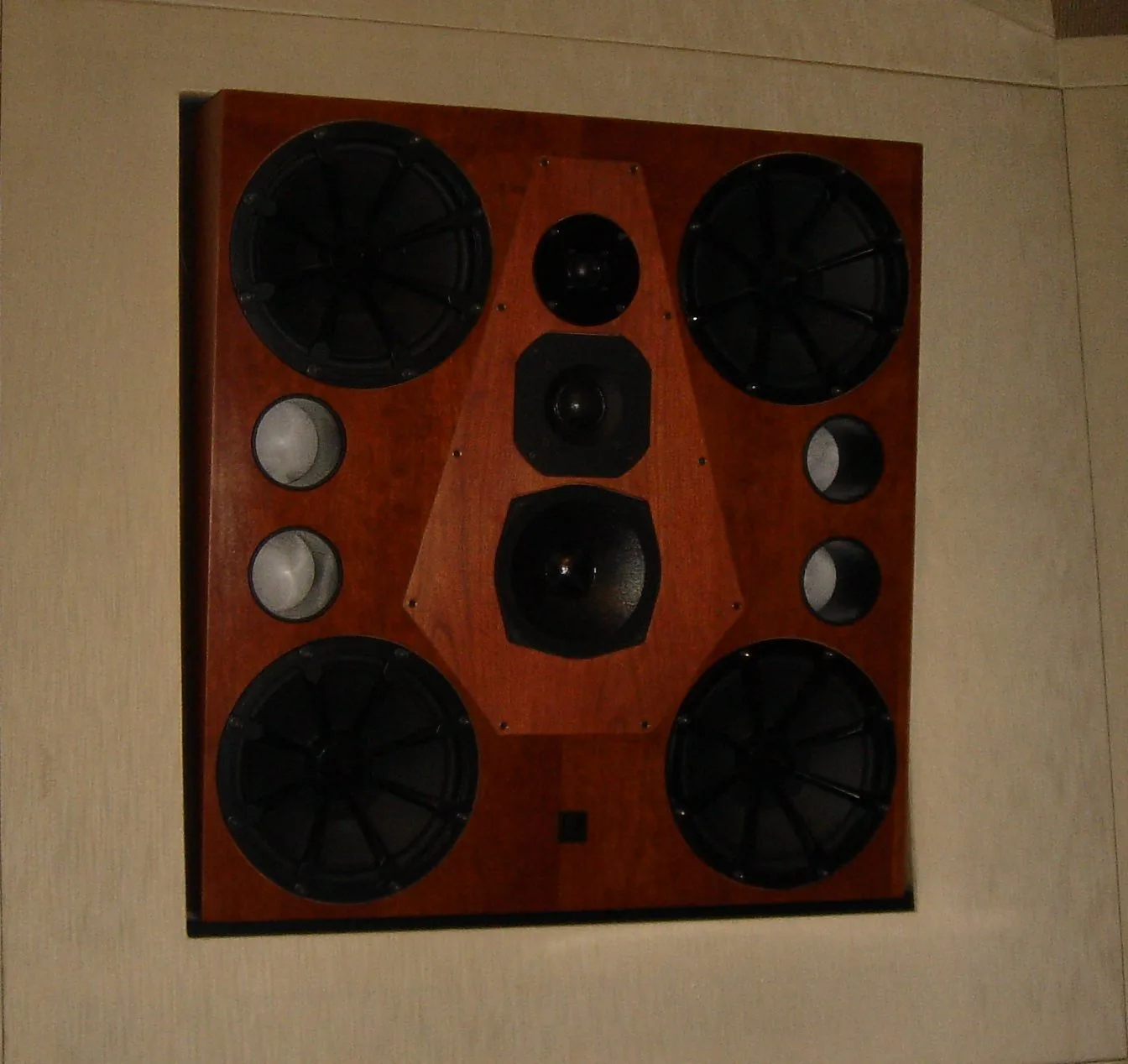
The method takes a few moves. Send calibrated pink noise at a reference dBFS level, say -20 dBFS RMS. Put an SPL meter at the listening position, on C-weighting and slow response. Then set each monitor’s gain, one speaker at a time, until you read the target pressure. Film uses 85 dB SPL per channel as its reference standard. In music, many engineers go lower, often 79 to 83 dB SPL per channel, for a smaller room and ears working for hours.
Calibrate each speaker on its own, then check the pair. Listening position, distance and early reflections weigh as much as the setting itself: a clean calibration in an untreated room stays fragile. A little careful monitor placement gives the measurement real meaning.
Bob Katz’s K-system
Bob Katz formalised this idea by tying monitoring to metering. His K-system offers three scales, by the headroom you want. K-20 puts the 0 VU mark at -20 dBFS and keeps twenty decibels of headroom, for film and wide dynamics. K-14 puts it at -14 dBFS, a compromise for pop, rock and mastering. K-12 puts it at -12 dBFS, built for radio and broadcast. In each case the 0 VU point maps to the same listening pressure, around 83 dB SPL per channel: you change the crest headroom, not the listening comfort.
The practical gain is twofold. You keep crest headroom suited to the target format, handy when you reach the order of mastering moves, and you always listen at the same pressure. A mix judged at 83 dB SPL keeps the same spectral balance from one day to the next, and compression calls stop depending on the mood of the hour.
The habits that go with it
A reference level does not sentence you to silence. Turn it up to feel the low end and the energy, turn it down to check balance and vocal intelligibility, but always return to the mark to decide. Spend part of the time at low volume: a mix that holds up quiet holds up almost anywhere. Check mono at the same level. Take breaks, since a tired ear pulls the highs down and tempts you to overcompensate. And remember that the listening level and the delivery loudness target are two separate things: one is for judging, the other for delivering.
My take
Monitor calibration sounds like a fussy engineer’s detail, and it is one of the settings that lifts a mix fastest. Set 83 dB SPL once, then leave the volume alone while you decide, and you beat the best pair of monitors used badly. The SPL meter costs next to nothing, the habit lands in a week, and your mixes suddenly travel from system to system without surprises. Rare for such a simple move to give back so much.