


Yamaha DMC1000
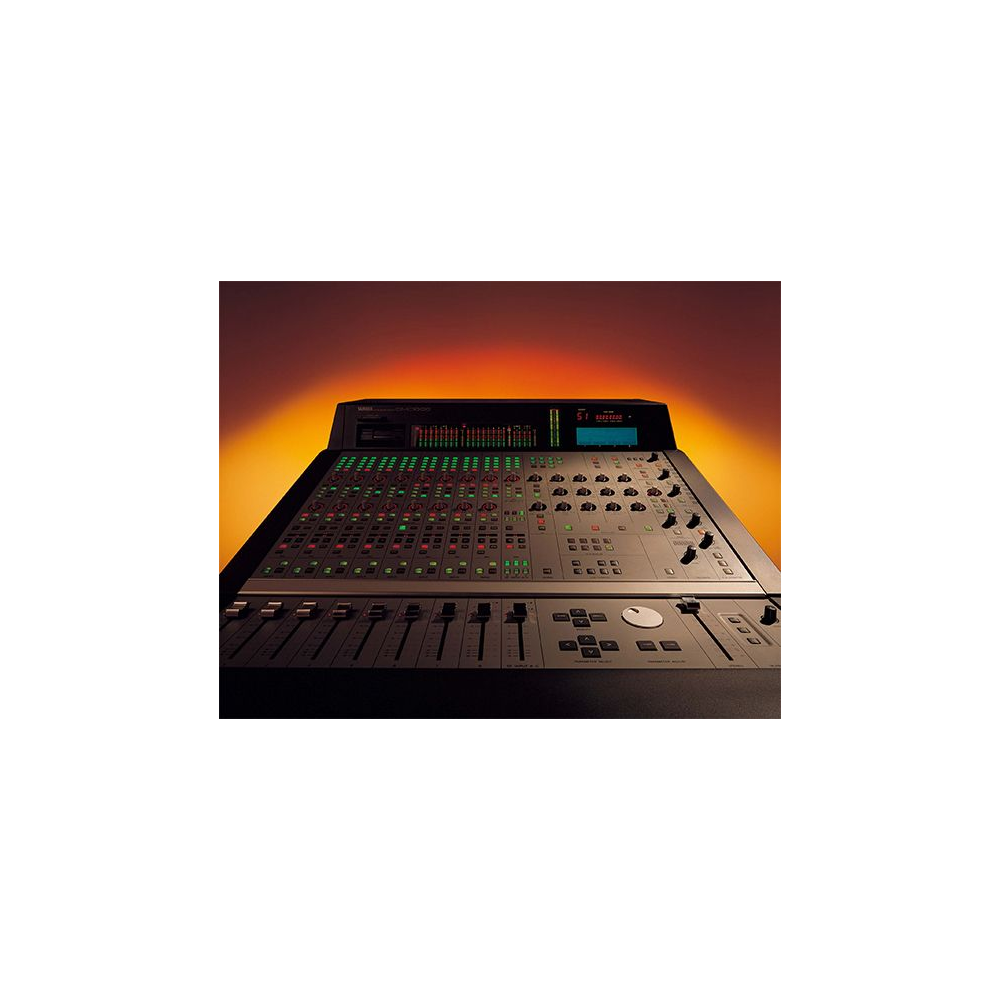
Yamaha's high-end 1991 digital studio console, conceptual ancestor of the 02R and Rivage PM
Description
Technical
Specifications
Inputs / Outputs
| Total inputs | 22 |
|---|---|
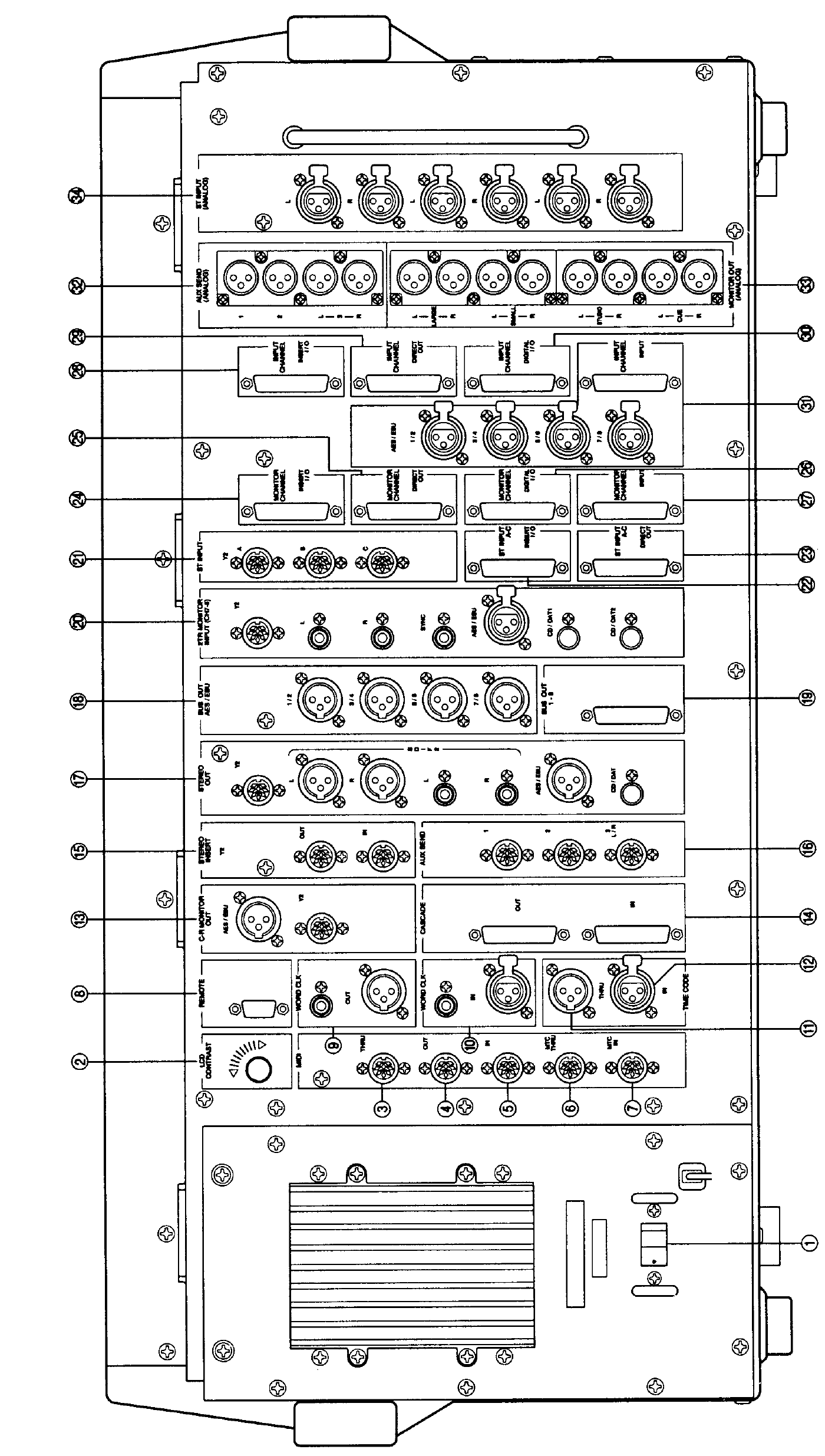
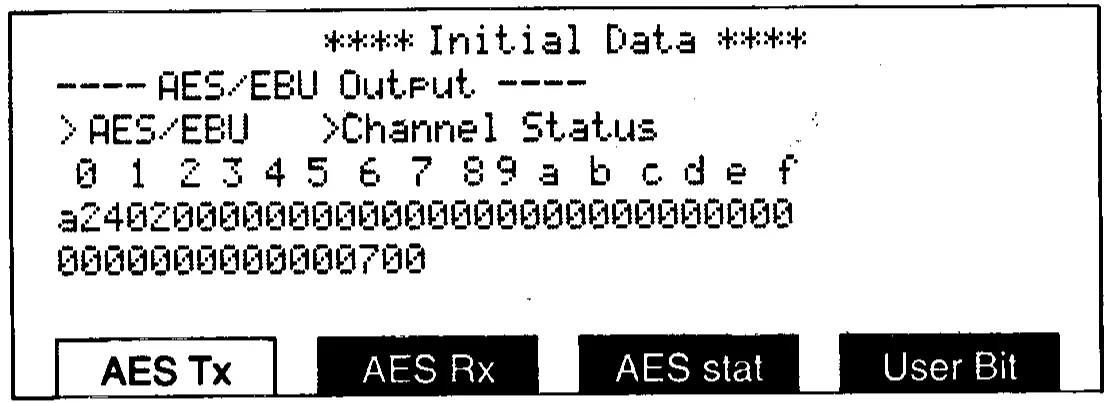
| Inputs / outputs | Supported digital formats: Yamaha Y2, AES/EBU, SDIF-2 (Sony), ProDigi/Melco (Mitsubishi). |
| Mic preamps | Digital attenuation of up to 96 dB in 1.3 dB steps, with no degradation. |
Processing
| Mix buses | 8 |
|---|---|
| Aux sends | 4 |
| DSP engine | 28-bit digital engine, 2 built-in SPX1000-type processors (reverb, delay, echo, flanger, etc.) |
| Max sample rate | 48 kHz |
| Bit depth | 19 bits |
| Processing resolution | 28 bits |
| Architecture | Pure digital mixing console, dedicated to high-end mixing and designed to connect to the studio digital multitracks of the time (Sony PCM-3324, Mitsubishi X-850) via Y2, AES/EBU, SDIF-2 (Sony) and ProDigi/Melco (Mitsubishi). |
| Channels | 22 channels: 8 mono + 3 stereo + 8 monitor returns. |
| Buses | 8 programme buses + 1 stereo master + 4 auxes. |
| Sample rate | Switchable 32 / 44.1 / 48 kHz; word clock slave from 32 to 48 kHz +/-10%. |
| Bit depth — details | 28-bit internal DSP processing; 19-bit A/D and 20-bit D/A converters. |
| EQ | 4-band parametric EQ per channel. |
| Effects and plug-ins | 2 internal SPX1000-type effects processors (reverb, delay, echo, flanger, etc.). |
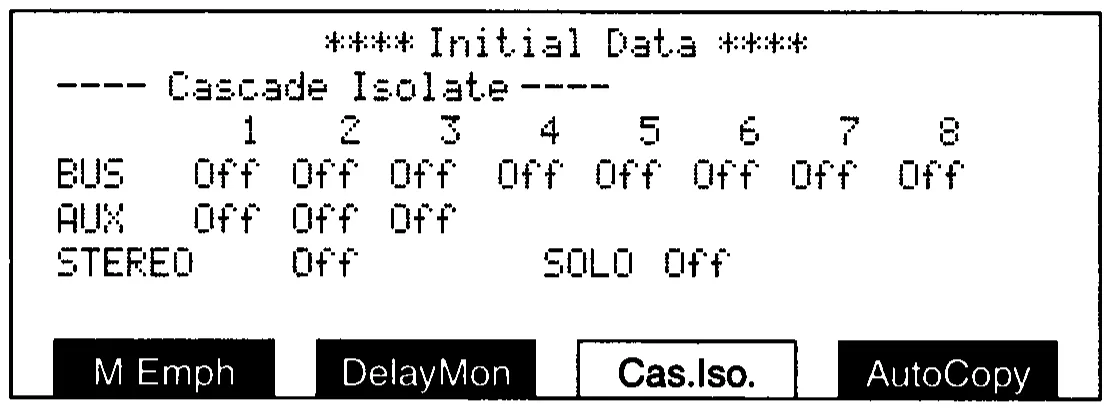
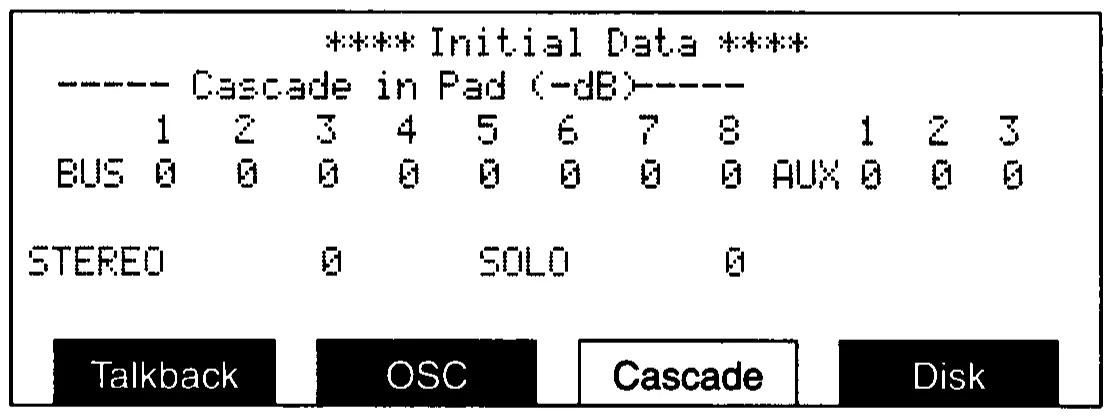
| Modularity and expansion | Cascade of up to 4 consoles (1 master + 3 slaves). |
Surface
| Physical faders | 14 |
|---|---|
| Motorized faders | Yes |
| Screens | 1 |
| Touchscreen | No |
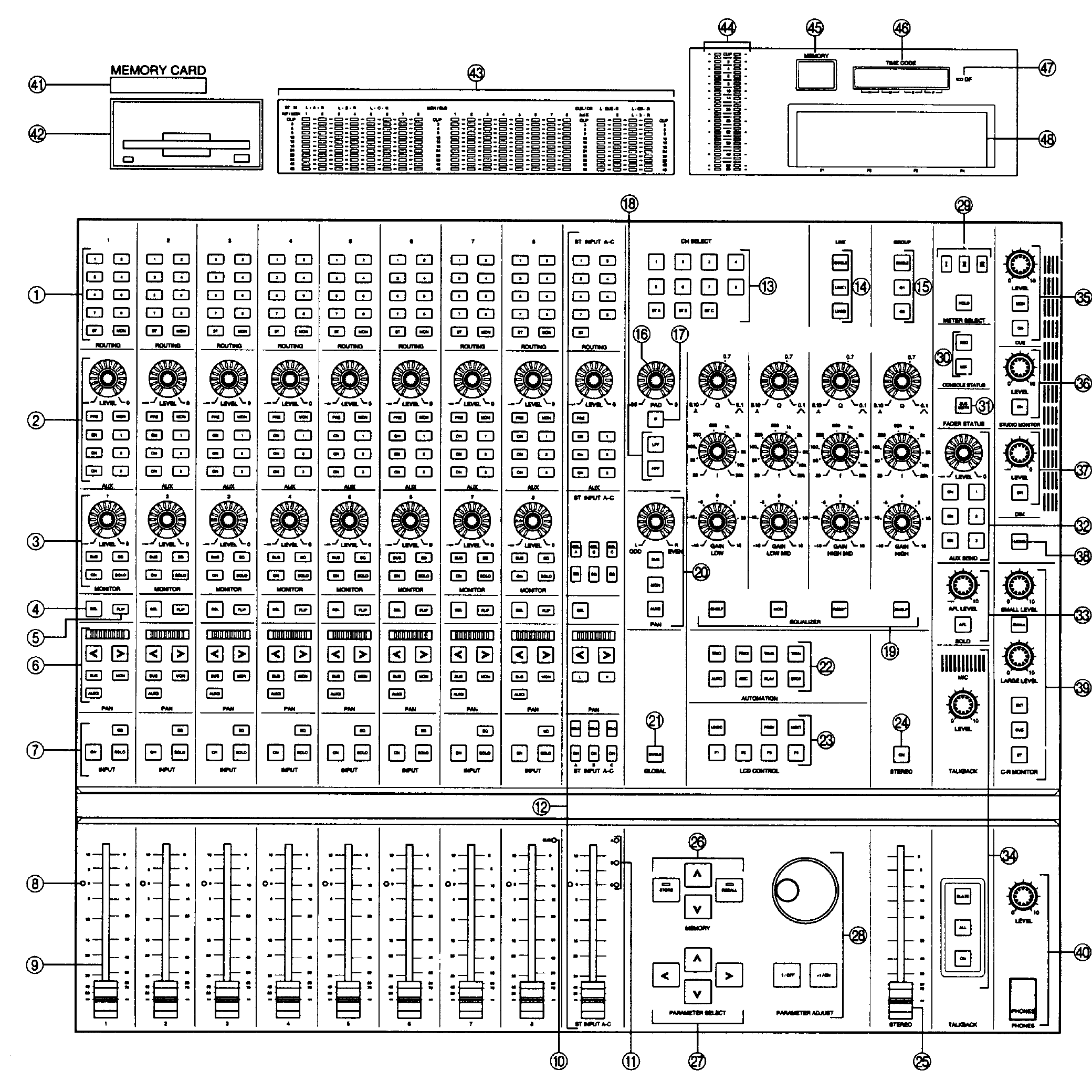
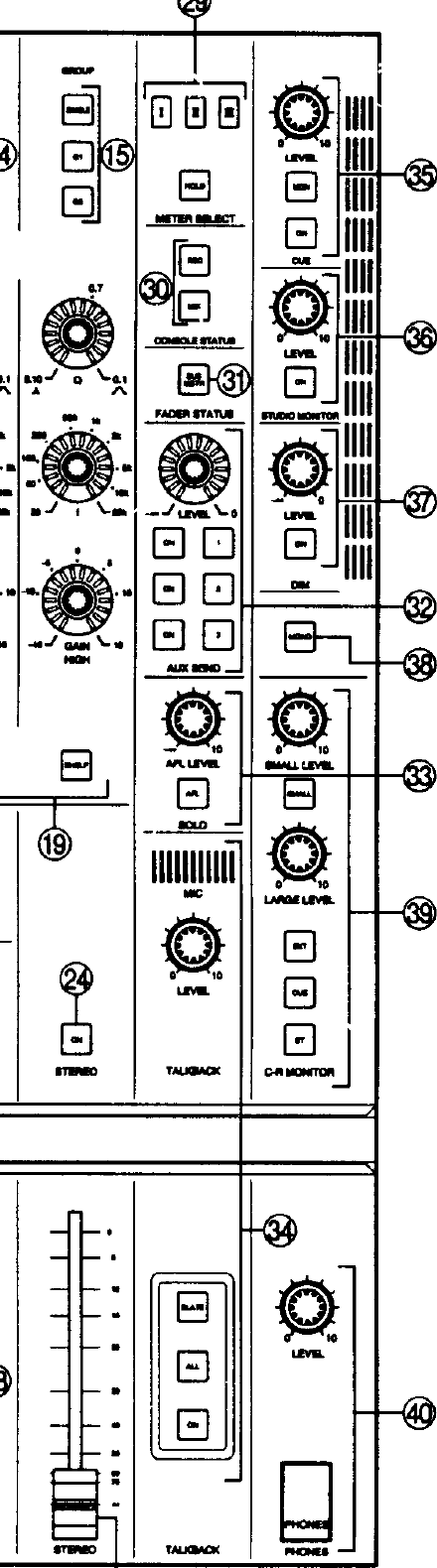
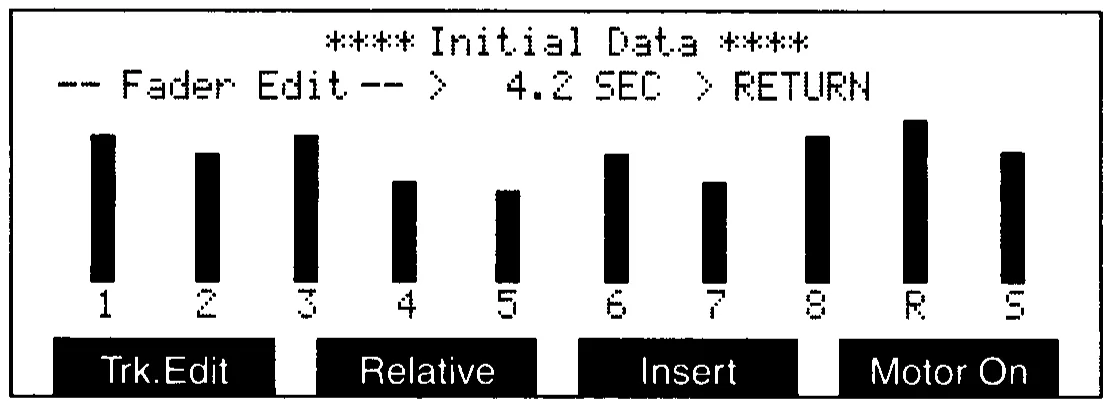
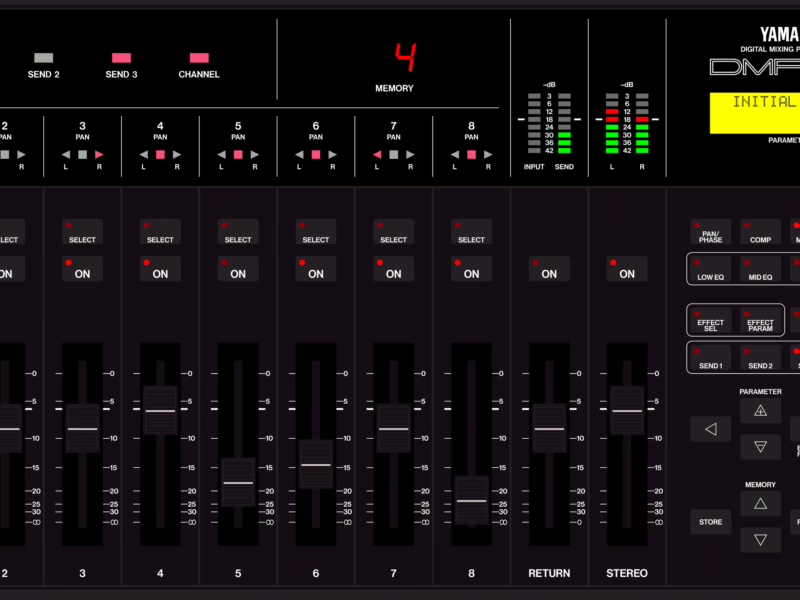
| Faders | 14 touch-sensitive motorised 100 mm faders (strips) + 8 rotary encoders for monitor levels, with a 'flip' function between channel and return. |
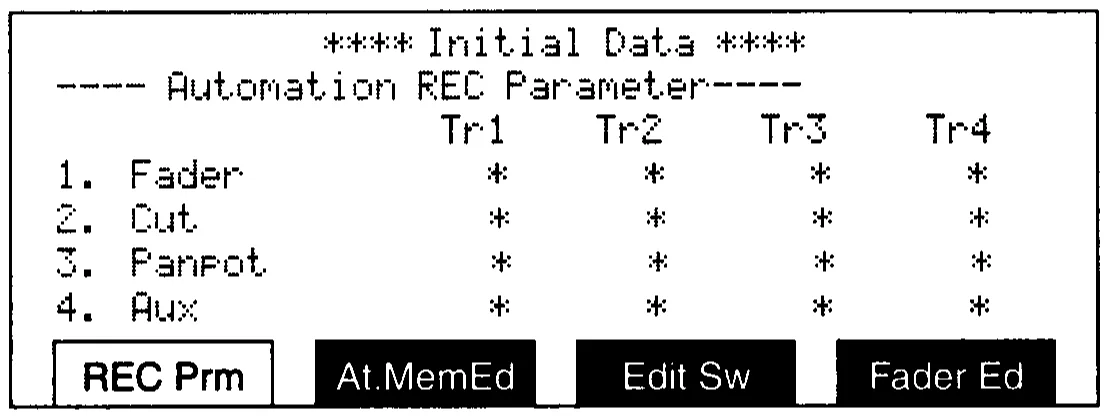
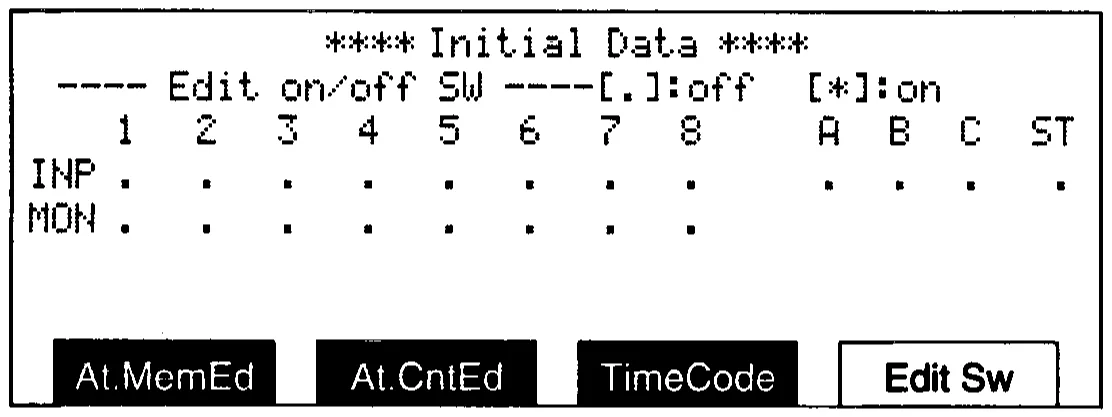
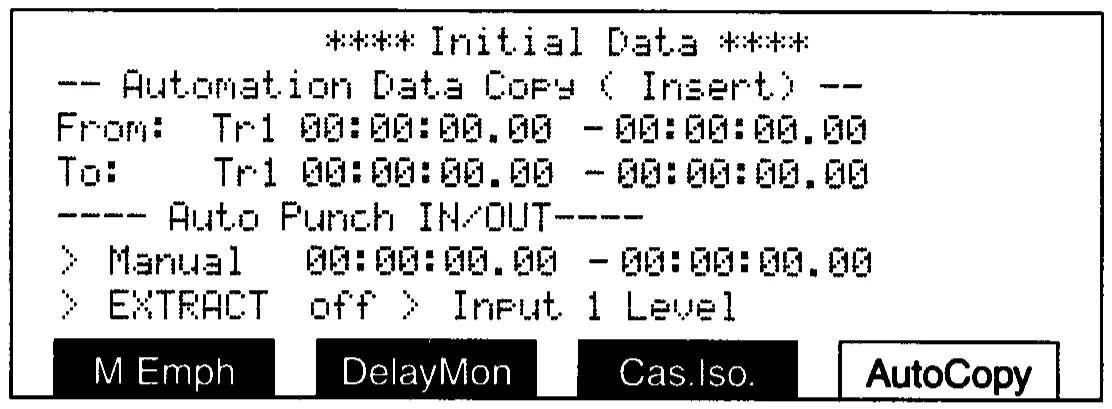
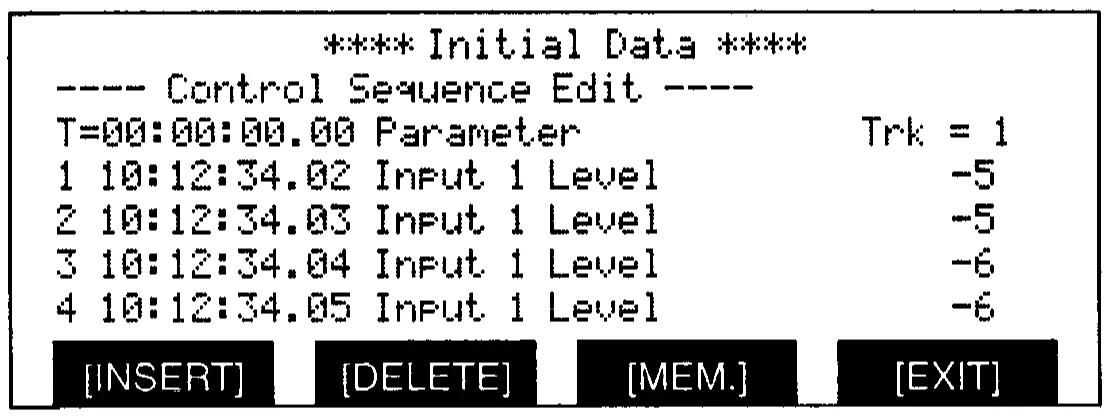
| Automation | AutoMix: timecode-referenced dynamic automation (level, EQ, pan, aux sends, bus assignment, on/off); scene memory with floppy disk backup. |
| Remote and tablet control | RS-422 9-pin D-sub (video editor compatibility), MIDI IN/OUT/THRU. |
| Ergonomics | Origin of Yamaha's 'Selected Channel' concept (direct access to the selected channel's parameters), a legacy carried over to every later Yamaha console (02R, DM2000, CL/QL, PM, Rivage). |
Recording
| Onboard recording | No |
|---|
Networking
| Networking & protocols | AES/EBU |
|---|---|
| Redundant PSU | No |
| Redundant networking | No |
Strip & details
Rotate your phone to landscape for a better view of the strip.
Rotate your phone to landscape for a better view of the strip.

Rotate your phone to landscape for a better view of the strip.
Rotate your phone to landscape for a better view of the strip.
Rotate your phone to landscape for a better view of the strip.
Software
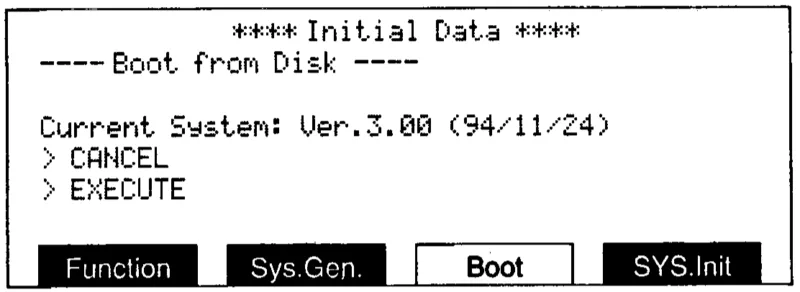
 DMC1000 System Software V3.0On-board operating system, distributed on floppy disk. V3.0 is the last documented revision, covered by the Yamaha operating manual.
- DMC1000 System Software V1.30G (Deutsche Grammophon)Special build co-developed with Deutsche Grammophon for the 4-D recording process. Public availability to be verified.
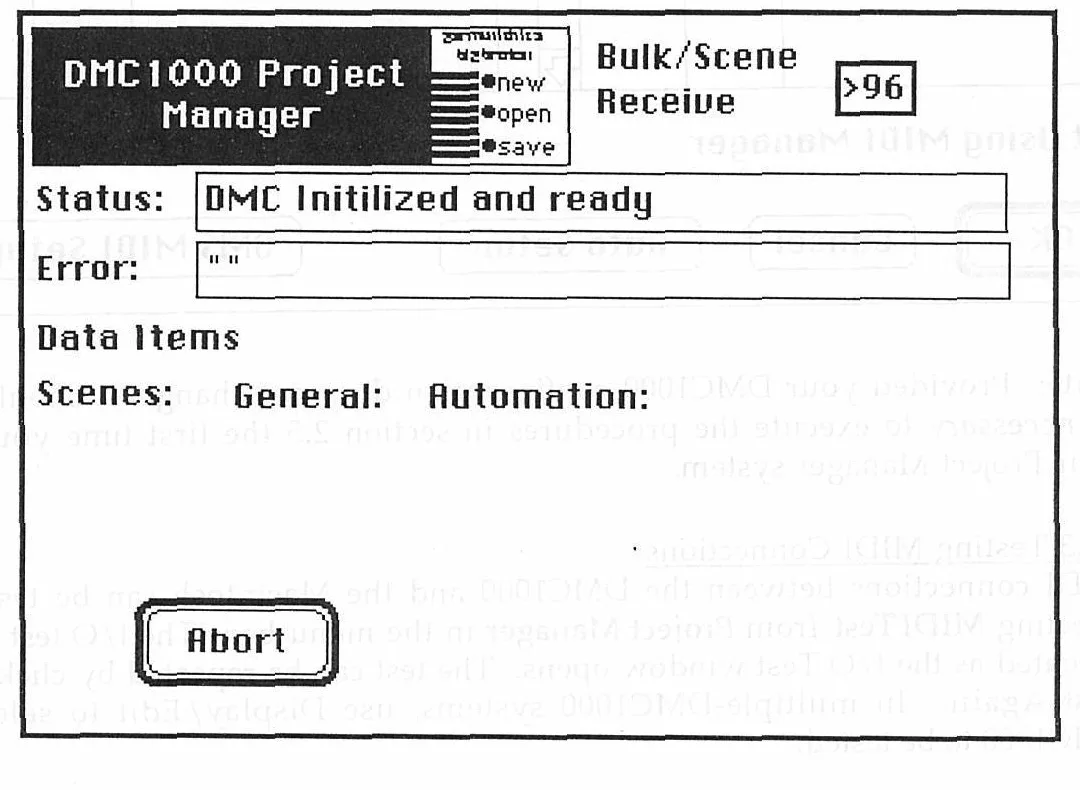
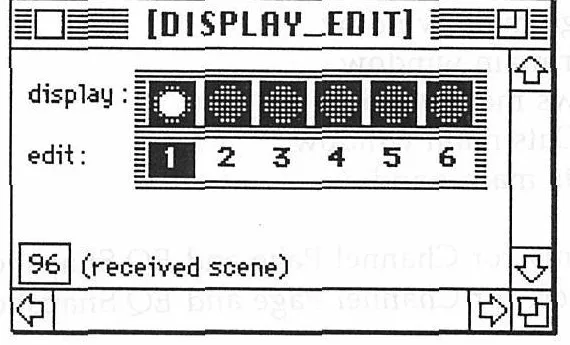
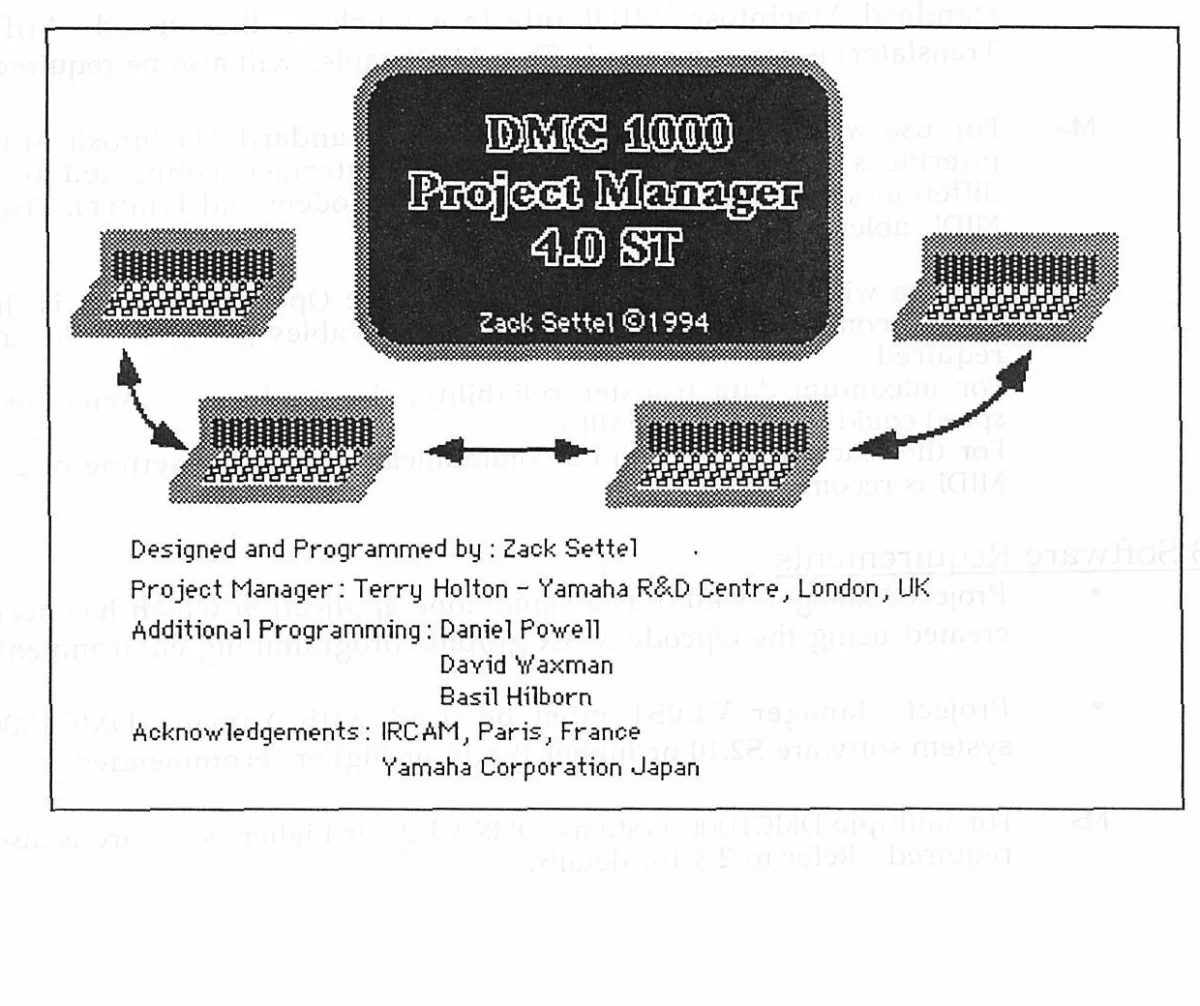
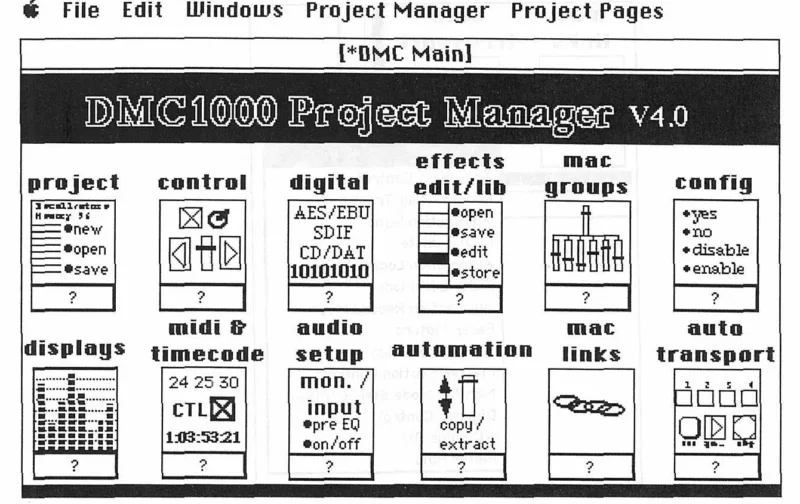 DMC1000 Project Manager V4.0STDownload
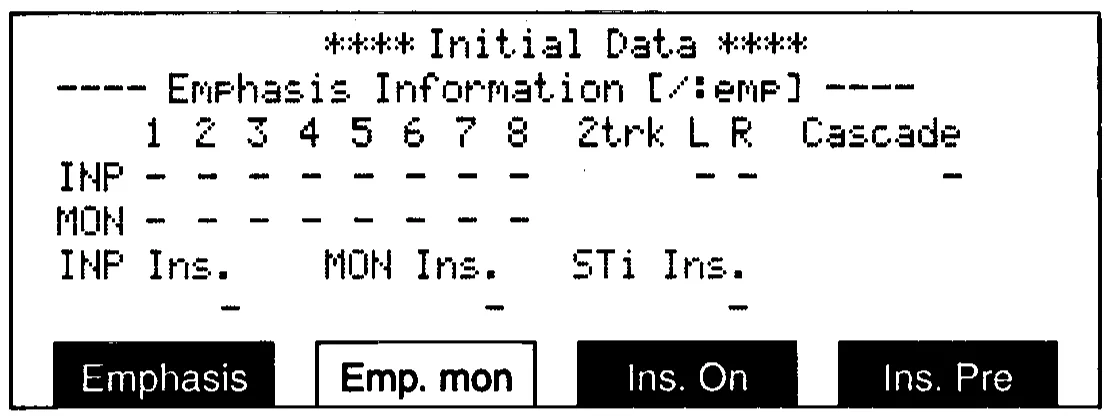
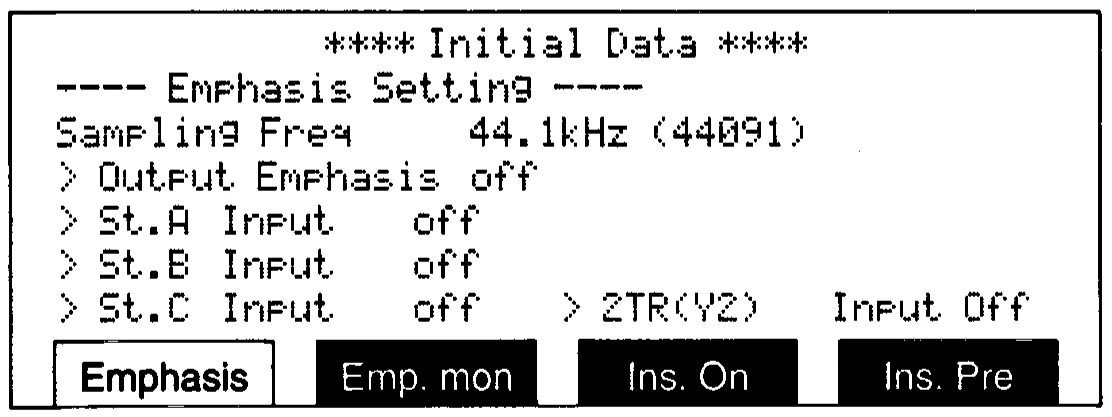
Other screenshots
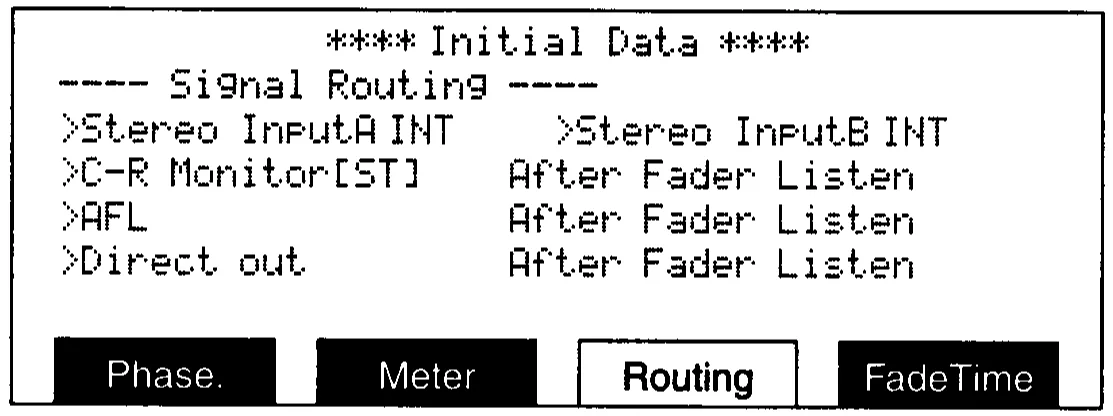
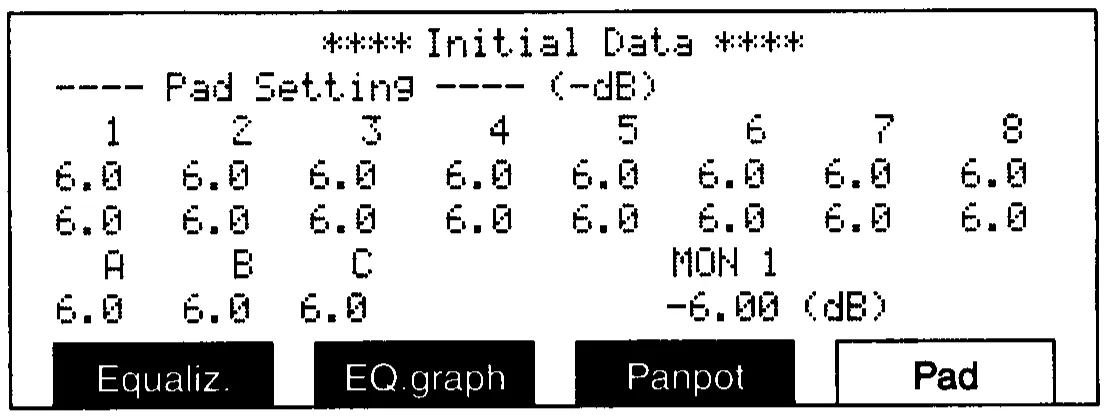
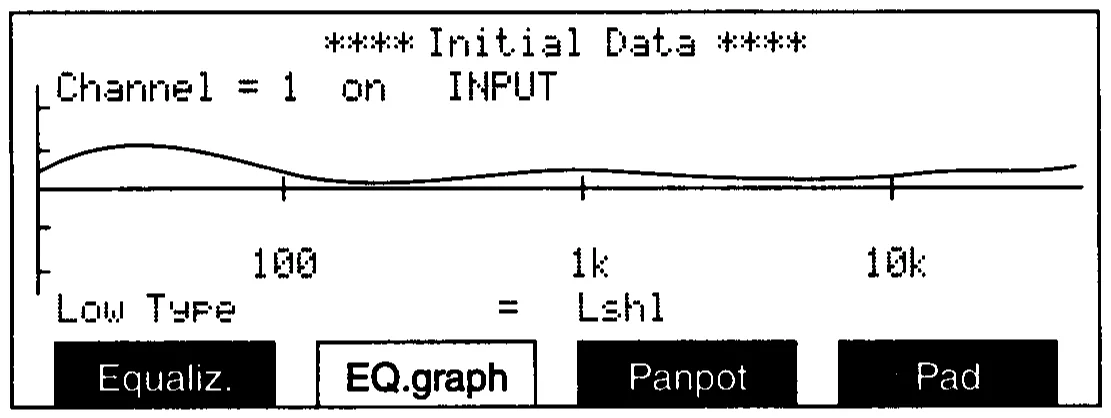
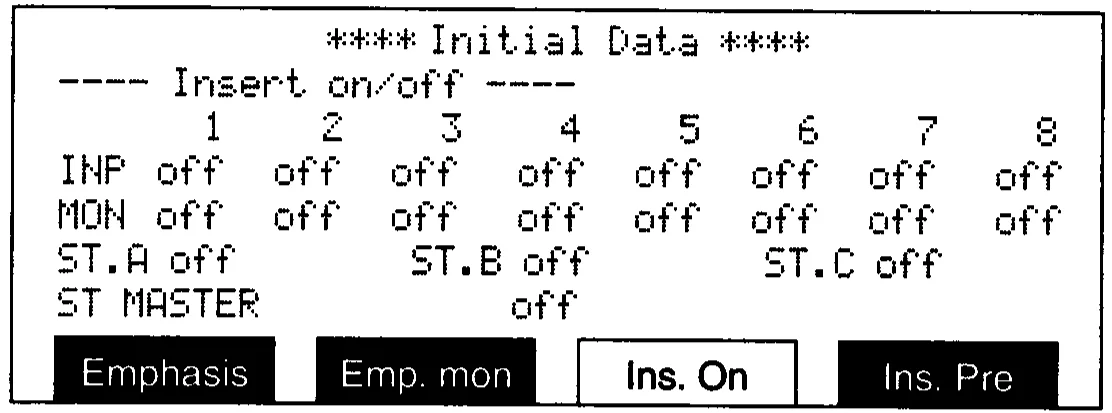
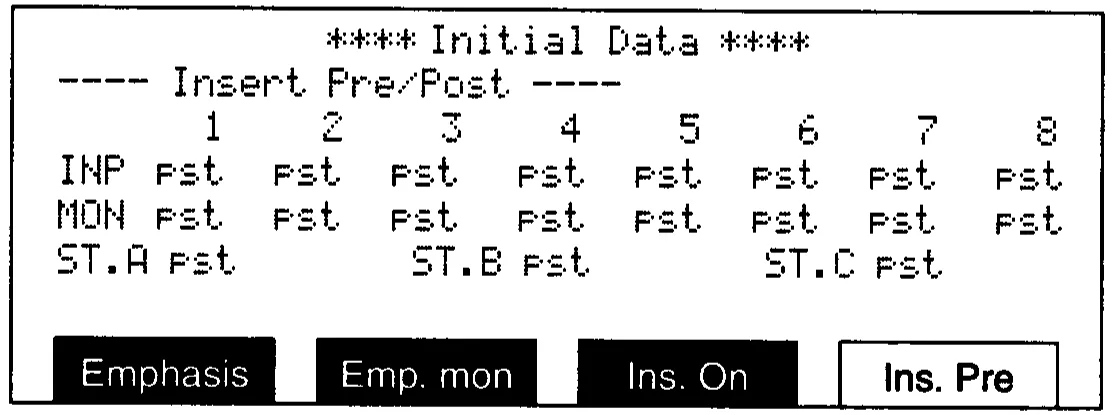
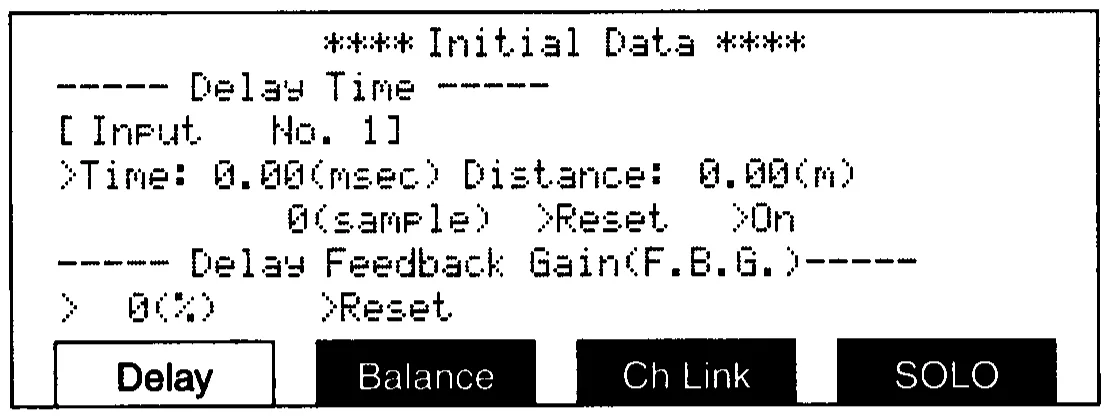
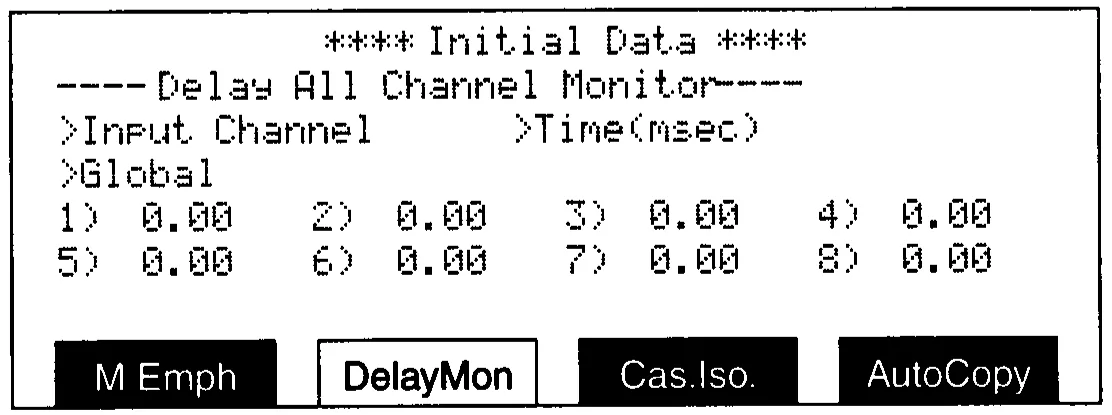
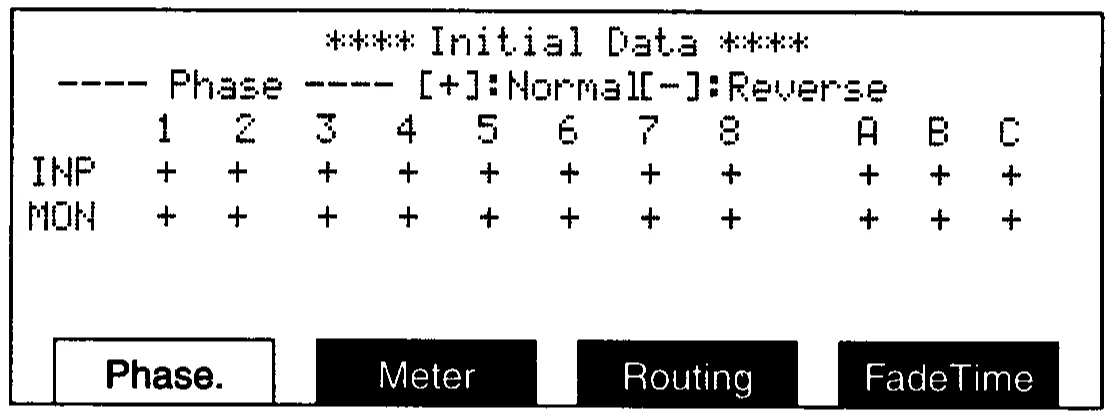
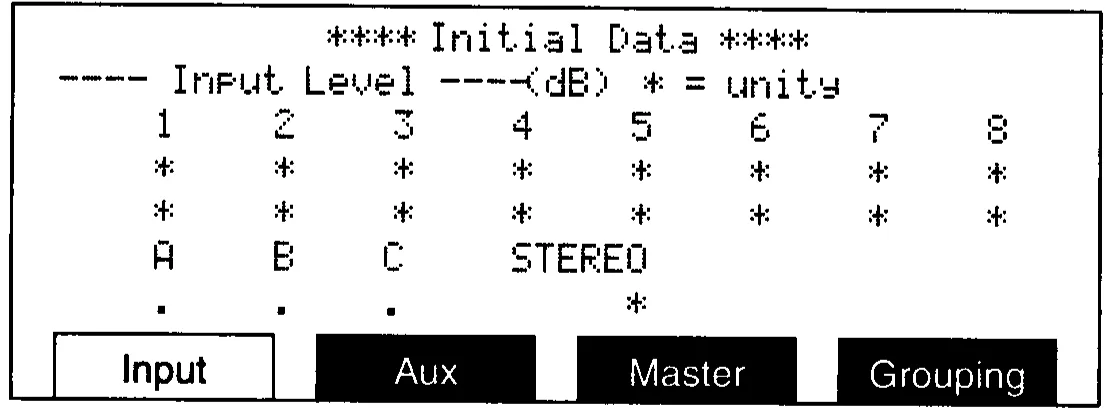
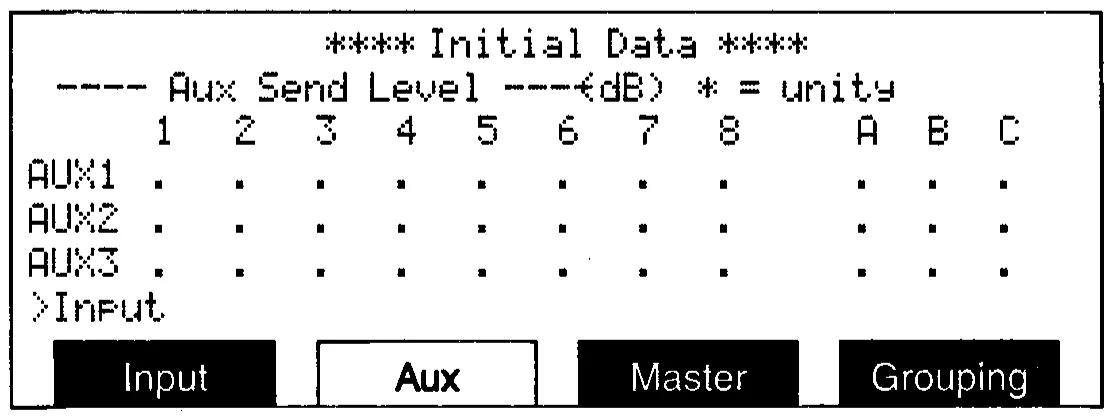
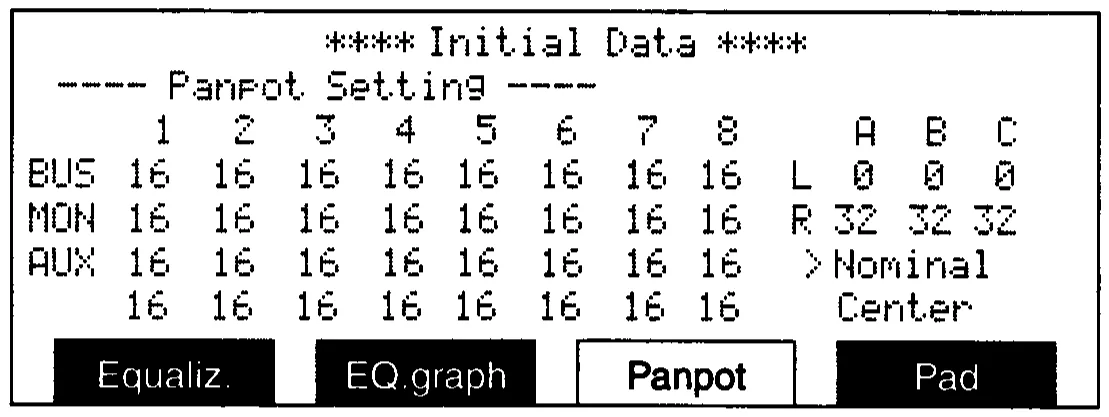
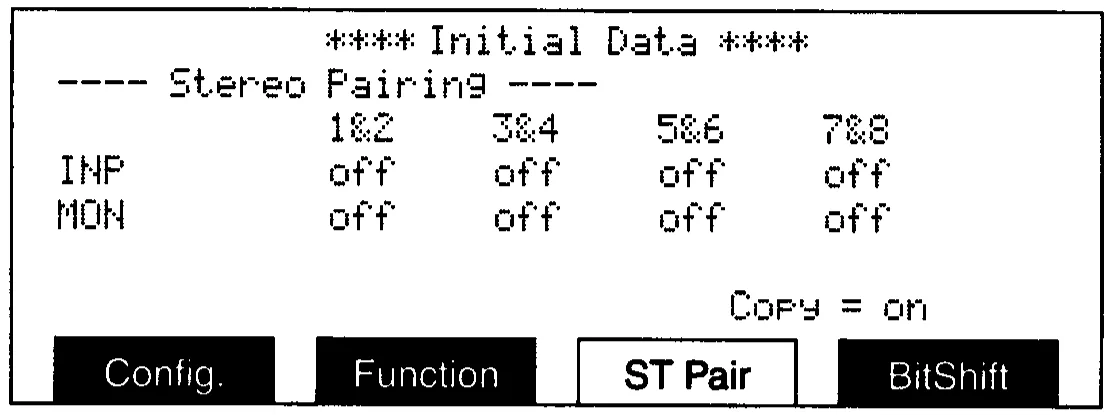
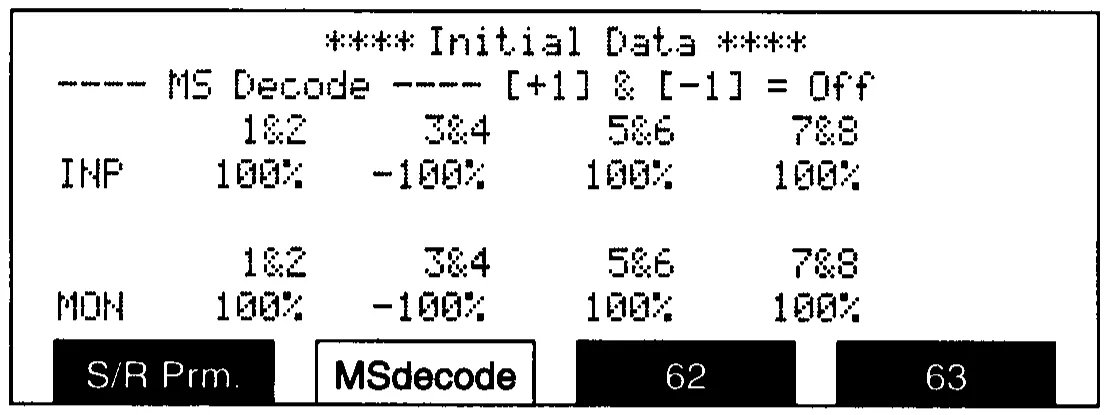
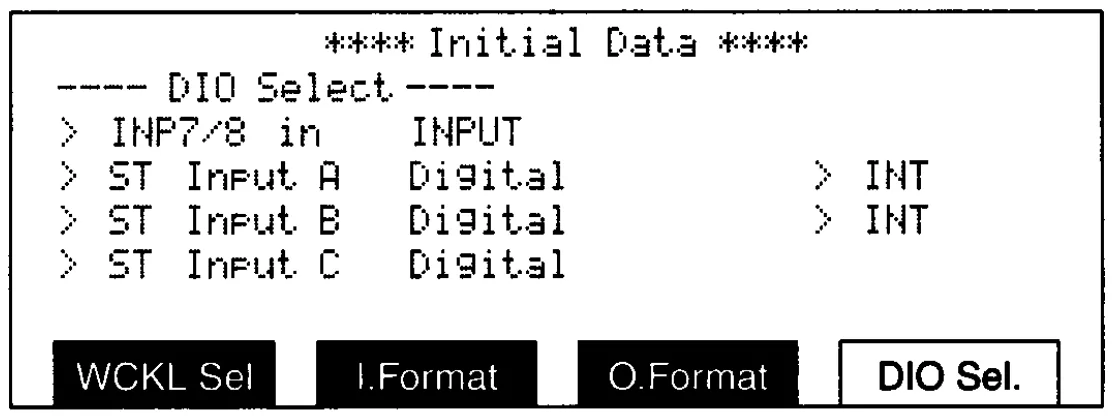
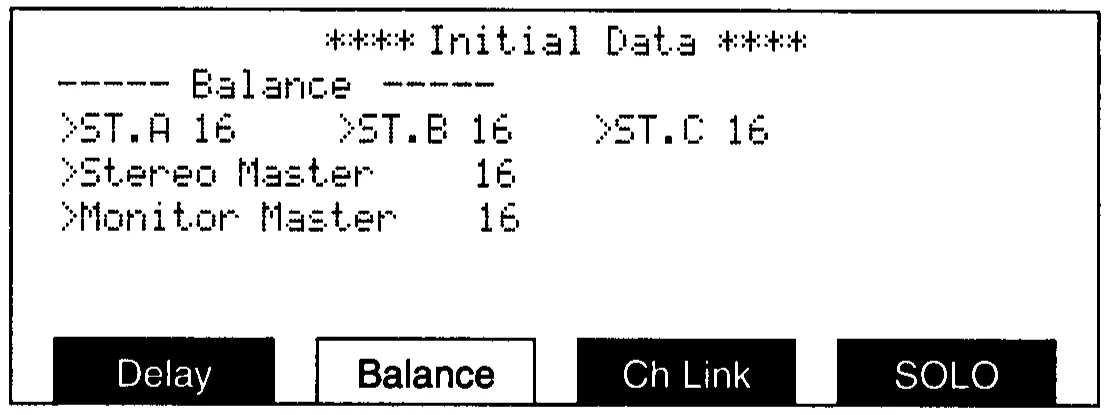

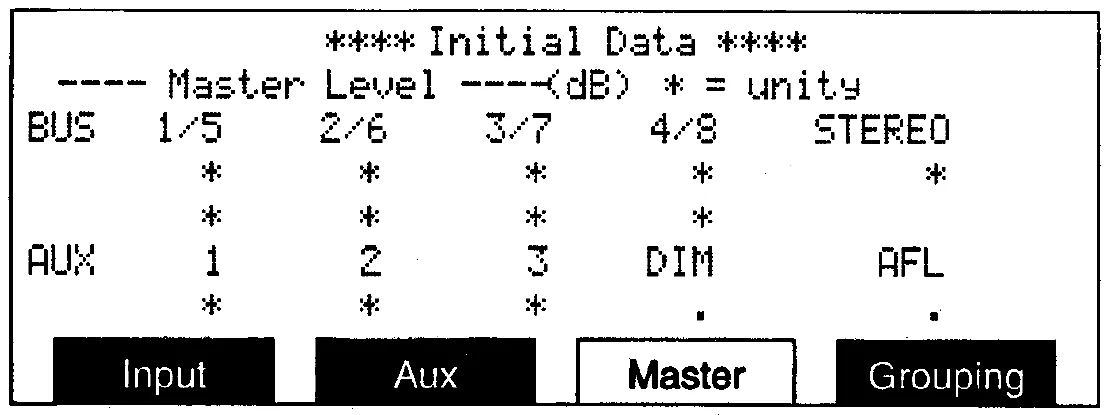
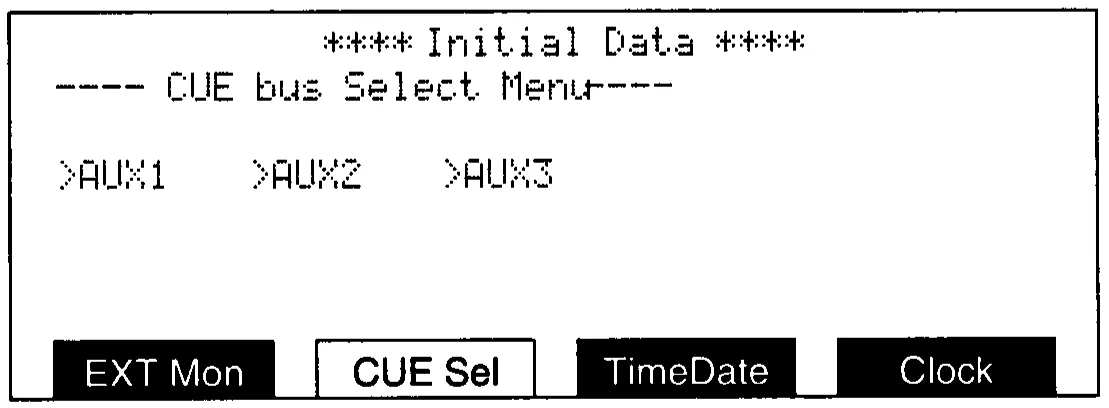
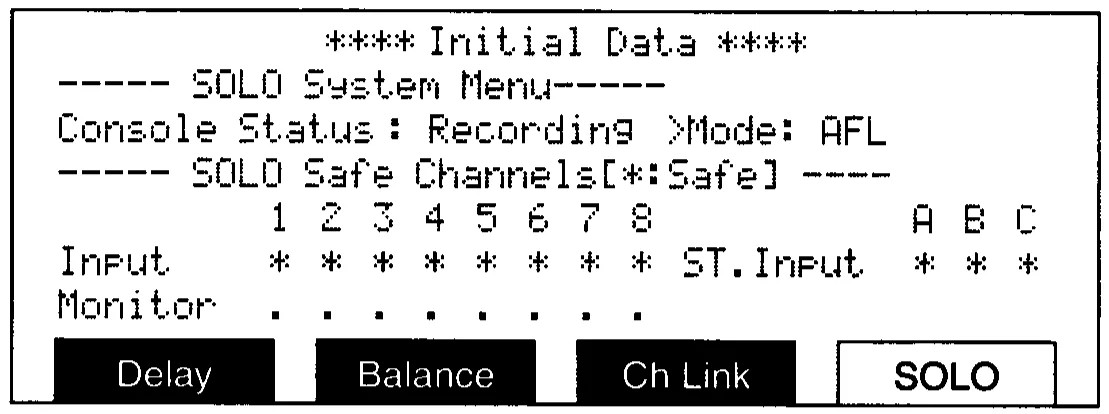
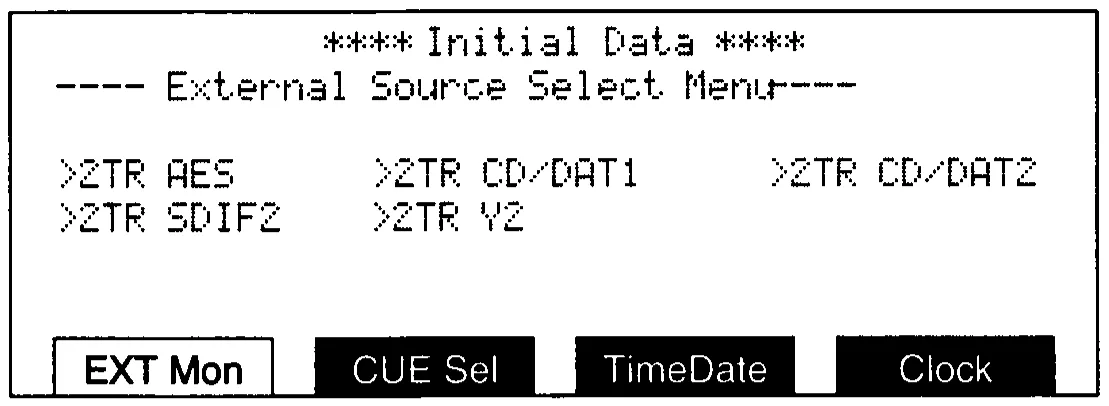
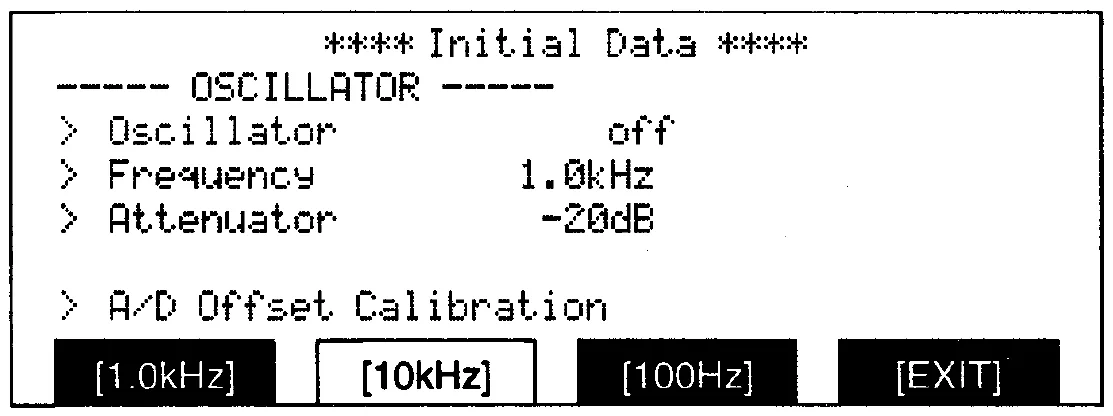
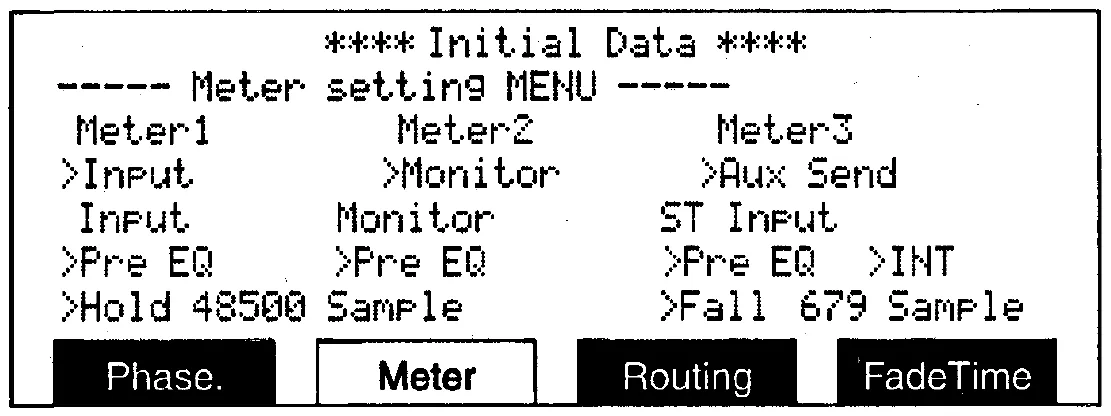
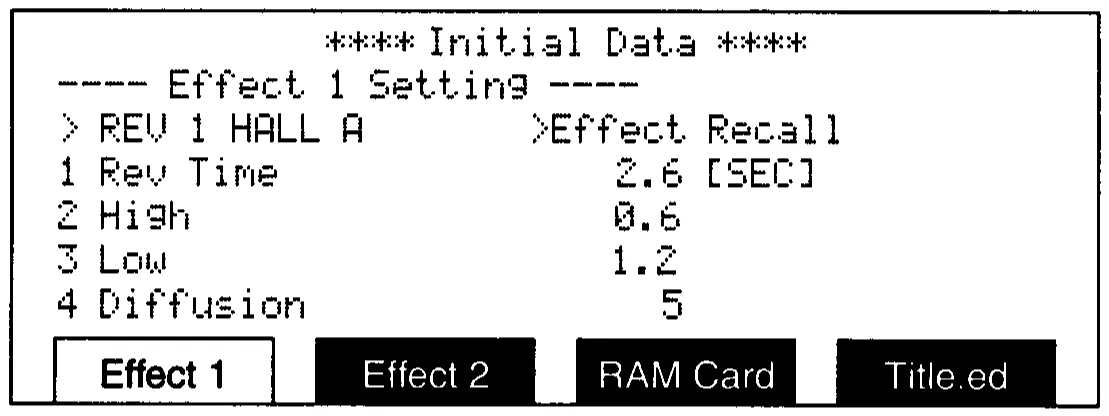
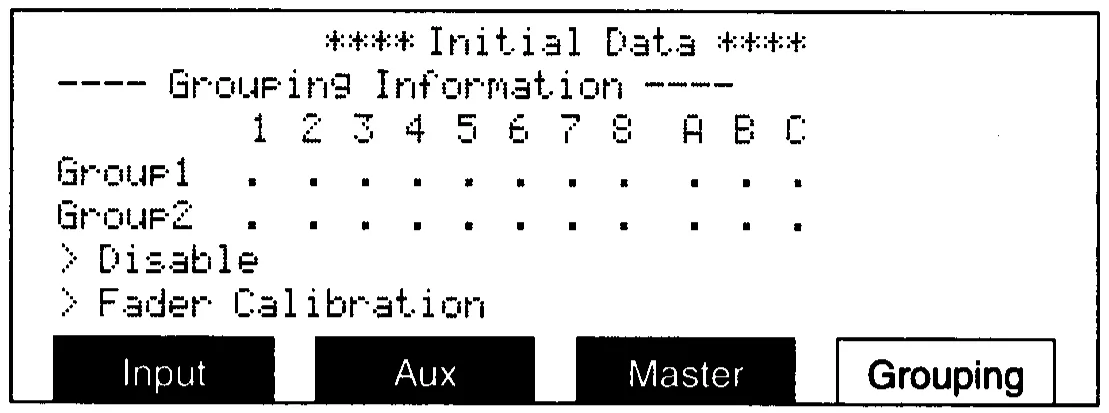
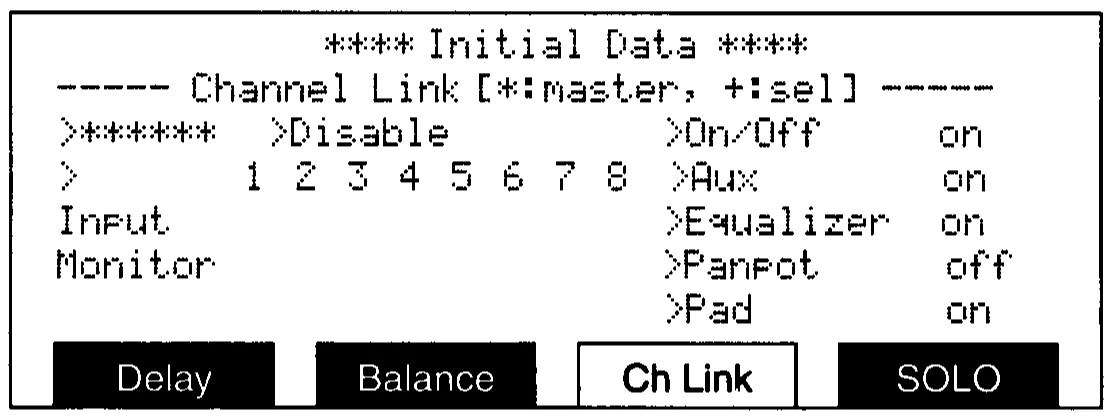
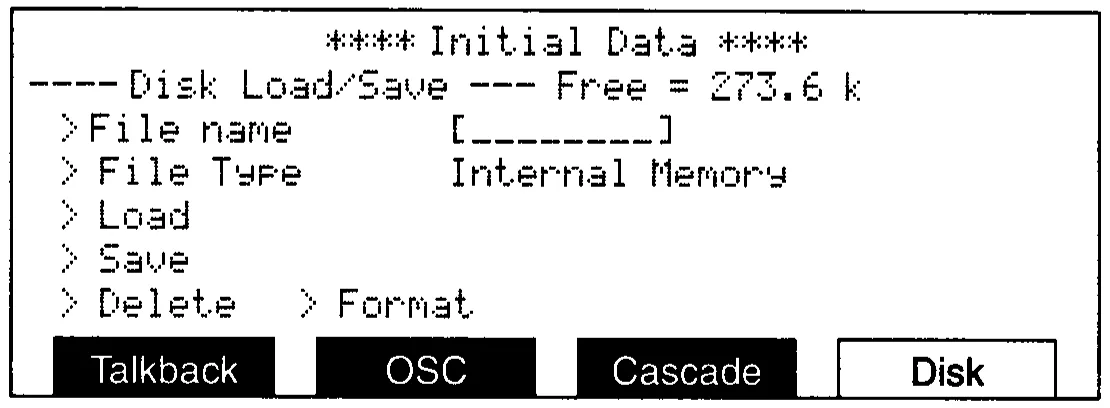
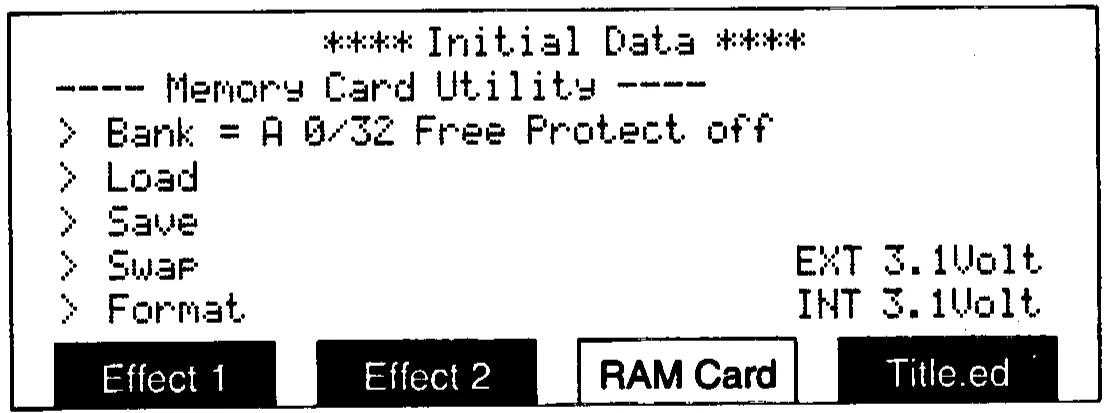
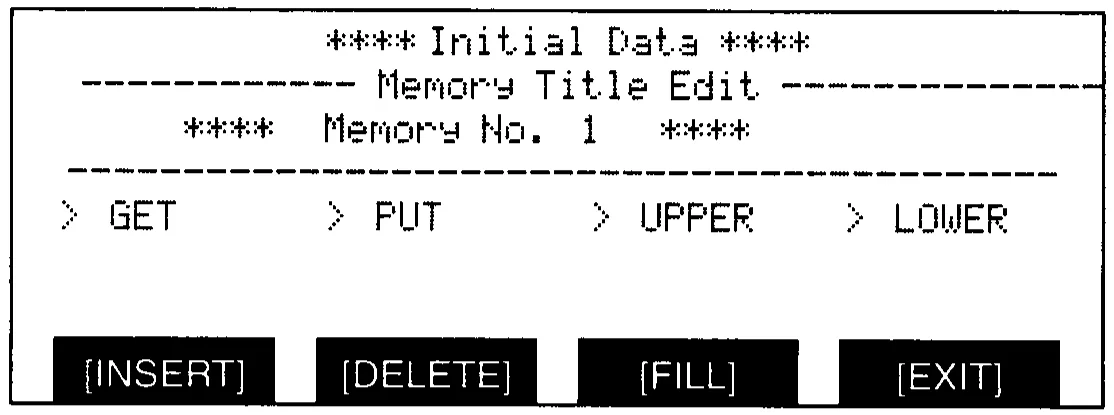
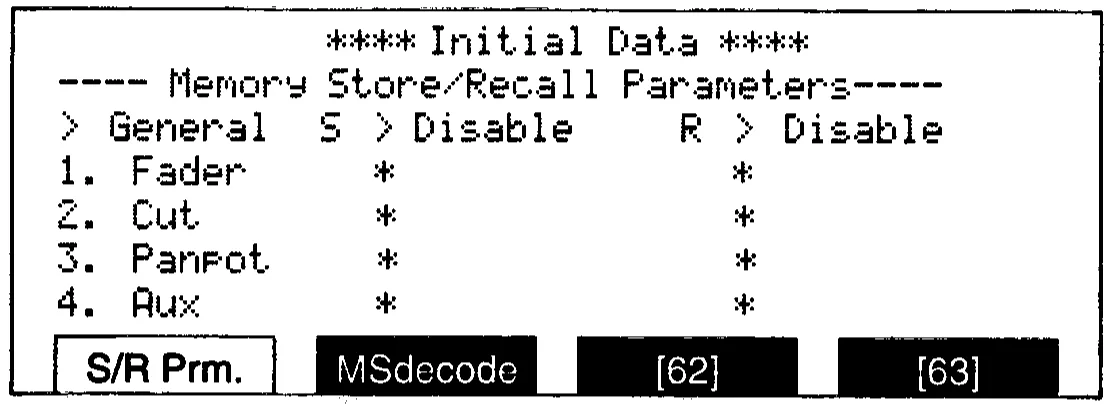
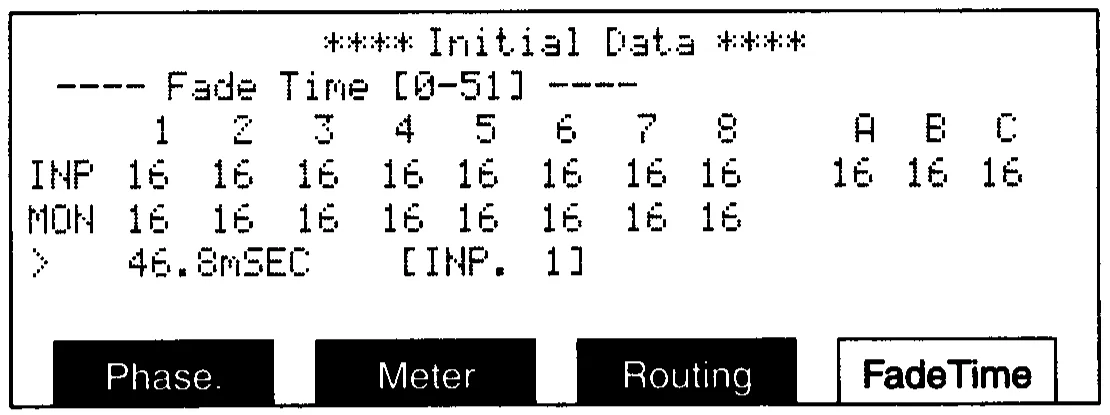
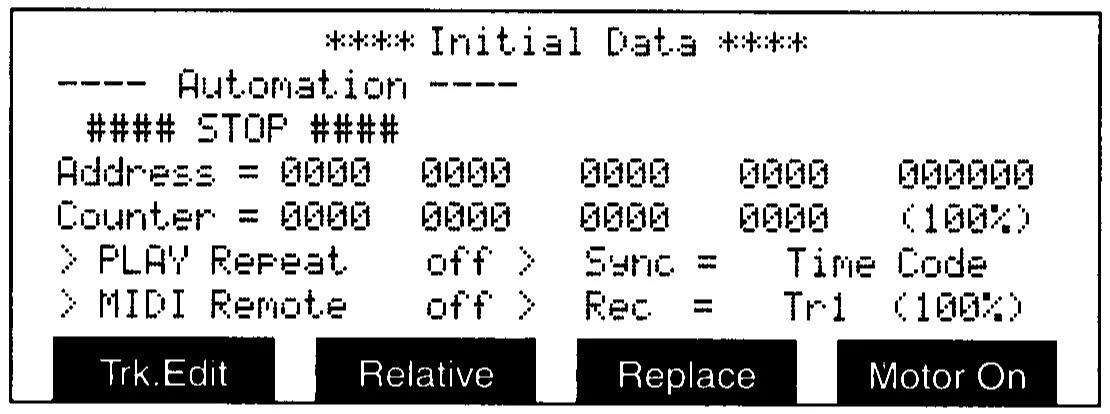
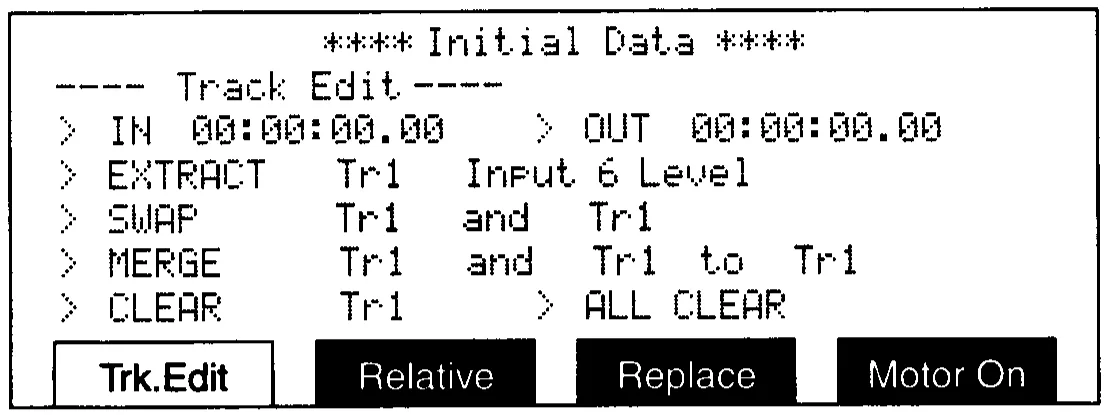
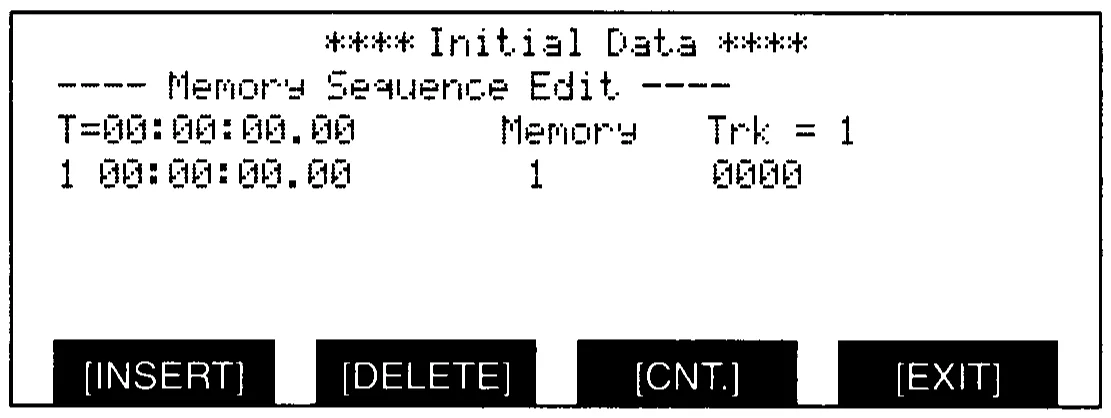
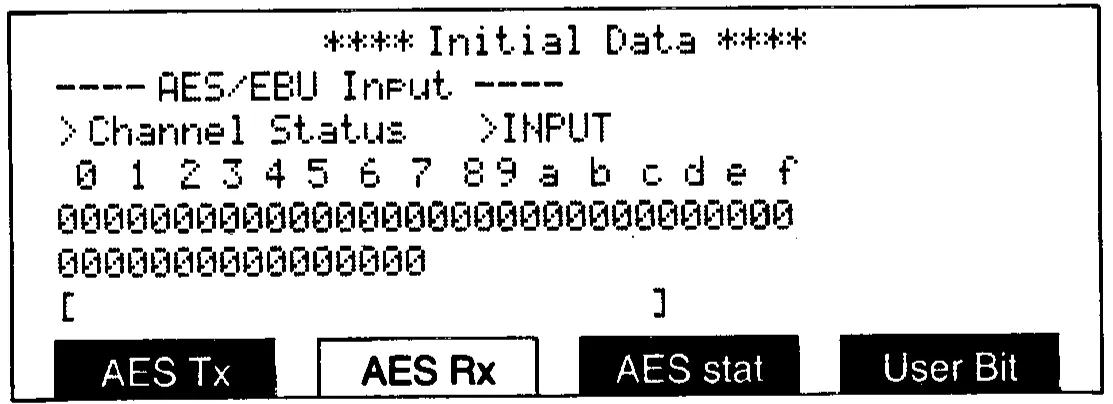
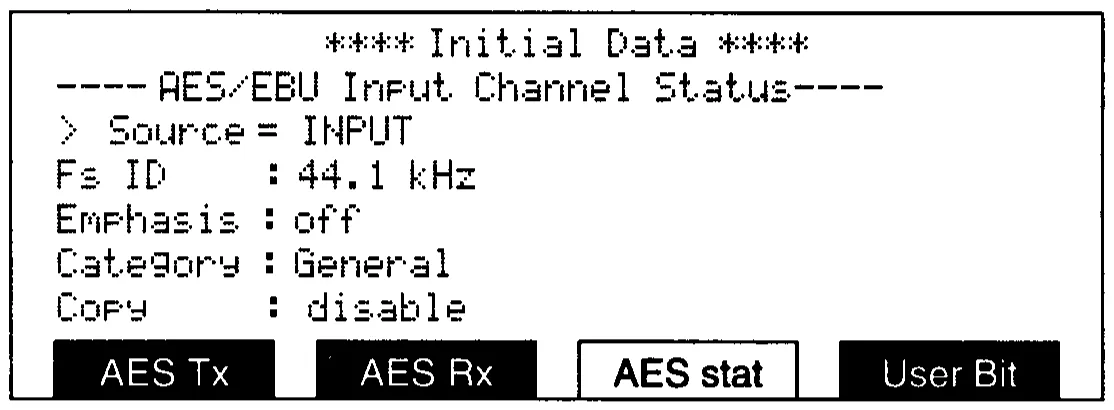
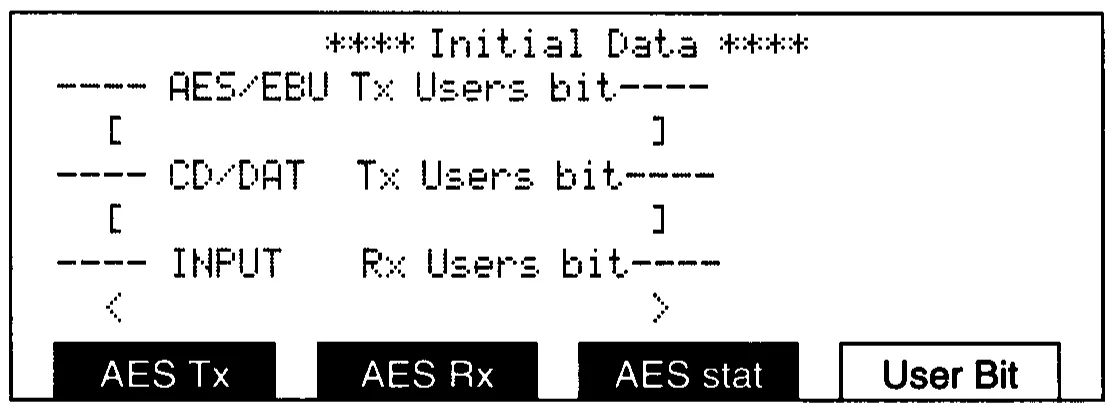
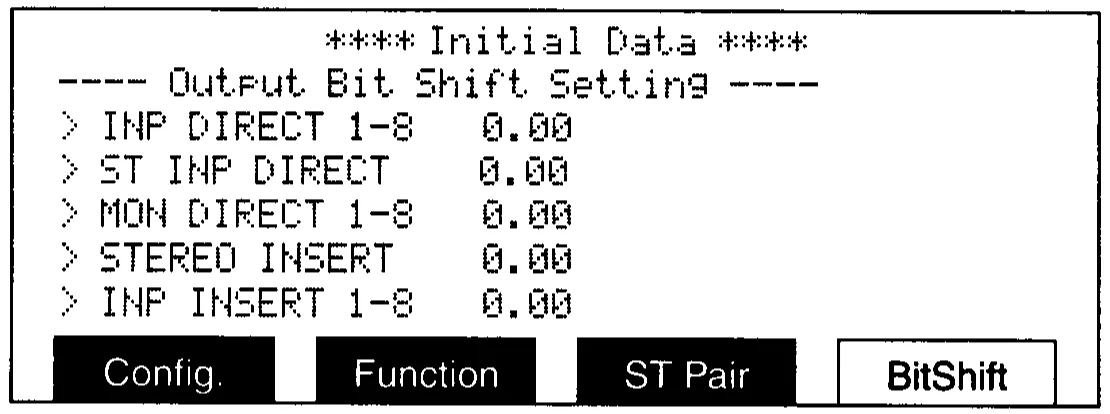
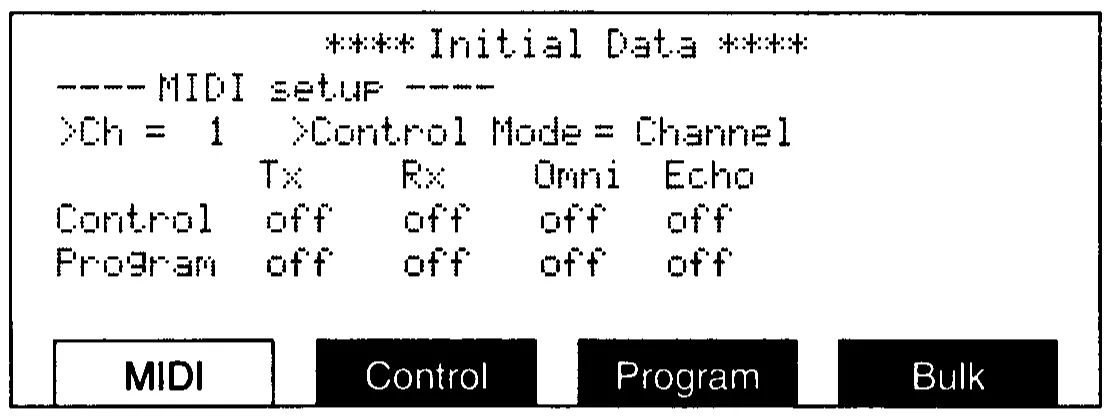
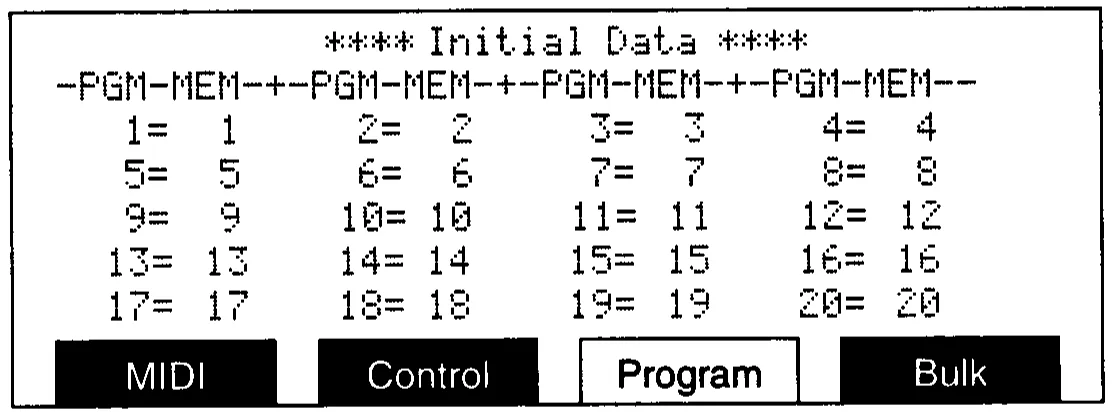
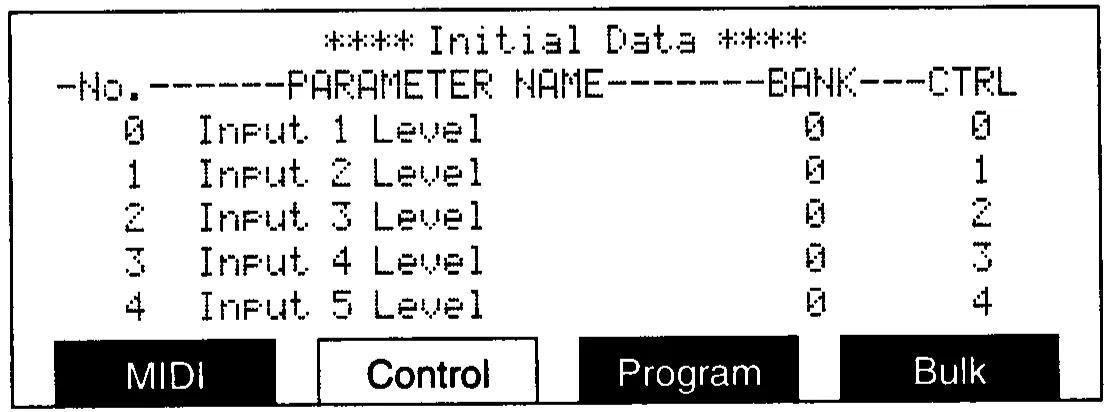
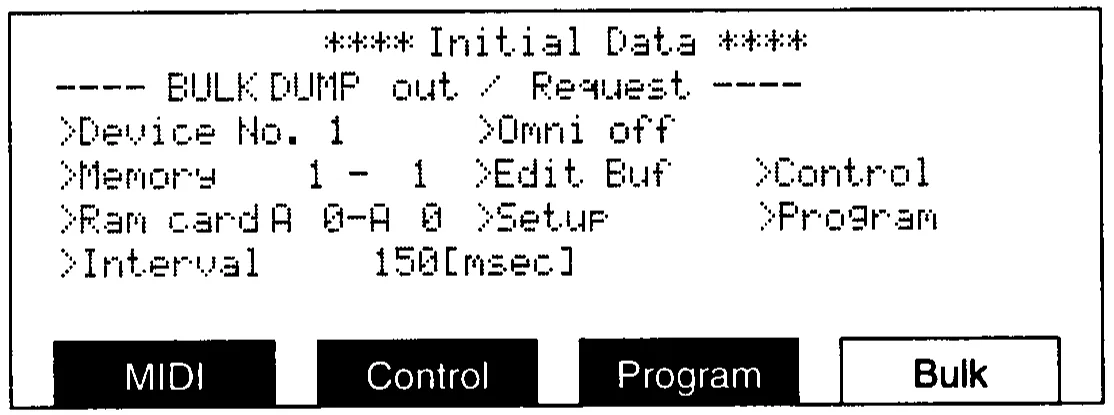
Accessories
I/O card
- Digital I/O cards (Y2 / AES-EBU / SDIF-2 / ProDigi)
Multi-format digital rear-panel interfaces for direct hookup with the era's studio digital multitracks (Sony PCM-3324, Mitsubishi X-850) and various DAT/2-track machines.
Flight case
- Manufacturer flight case
Some broadcast units shipped in a dedicated road case.
Editorial & artists
Our take
History & design
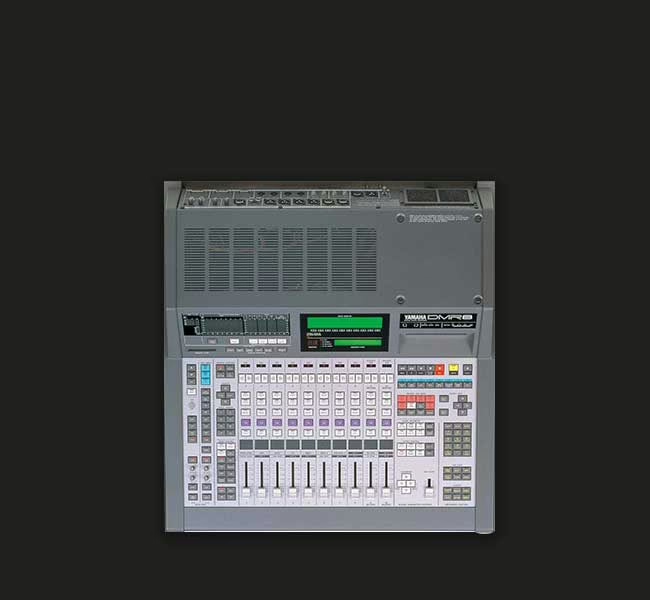
The Yamaha DMC1000 (1991) is the console counterpart to the DMR8 (1990): where the DMR8 embeds a 20-bit recorder, the DMC1000 specialises in digital mixing and connects to the era's studio digital multitracks via Y2, AES/EBU, SDIF-2 (Sony) and ProDigi/Melco (Mitsubishi).
It offers 22 channels (8 mono + 3 stereo + 8 monitor returns), 14 100 mm touch-sensitive motorized faders + 8 rotary monitor encoders, 8 buses + stereo master + 4 aux, per-channel 4-band parametric EQ, two internal SPX1000-class effects processors and dynamic AutoMix automation timecode-referenced (level, EQ, pan, aux, on/off) with floppy-disk storage. The signal path runs at 28-bit internal with 19-bit A/D and 20-bit D/A converters, and a digital pad up to 96 dB in 1.3 dB steps. Up to 4 consoles cascade (1 master + 3 slaves).
The DMC1000 is also the console on which Yamaha invents the 'Selected Channel' principle (direct access to the selected channel's parameters), an ergonomic archetype found on the 02R, DM2000, CL/QL, PM and Rivage PM. Deutsche Grammophon co-developed a special firmware build (V1.30G) and integrated it into the heart of its 4-D process and the Karajan Gold series.
Notable users
- Deutsche Grammophon
The label co-developed the DMC1000 specification and built it into its 4D classical recording process. System software 1.30G was developed specially with Yamaha, and the console was the basis of the CAR (Computer Aided Recording) workflow and the “Authentic Bit Imaging” dithering used notably on the Karajan Gold series.
Links
- Manufacturer Yamaha USA - Digital Mixer History (DMC1000, DMR8, DMP7) usa.yamaha.com
- Manufacturer Yamaha 30th Anniversary Mixers - DMR8 / DMC1000 specs yamaha.com
- Forum Sound On Sound forum - Yamaha DMC-1000 soundonsound.com
- Forum Gearspace - DMC1000 community page gearspace.com
- Press article J-GLOBAL - 'Yamaha digital mixer/recorder - Development of the DMR8', Vol. 77 No. 8, August 1990 jglobal.jst.go.jp
- Press article Studio Sound, April 1993 - Deutsche Grammophon 4-D and DMC1000 worldradiohistory.com
Related consoles
Some merchant links are affiliate links. Purchases may support Digital Mixing at no extra cost.
Documents are archived locally for preservation. Source credited. Takedown requests: [email protected]