


Yamaha DMP7D
The all-digital variant of Yamaha's first digital mixer, with no internal converters
Description
Technical
Specifications
Inputs / Outputs
| Total inputs | 8 |
|---|---|
| Inputs | 8-channel digital input in Yamaha Y2 format (25-pin D-sub), compatible with the AD808 and IFU1-4 interface boxes (Sony PCM-3324, PCM-1610/1630, Mitsubishi X-850, Otari DTR-900); consumer stereo input (RCA) for CD/DAT on channels 7-8. |
| Outputs | Sony-format digital output (SDIF) at RS-422 level on XLR-3-32 or TTL on BNC; consumer stereo output for DAT; AES/EBU (confirmed by Yamaha documentation). |
Processing
| Mix buses | 2 |
|---|---|
| Aux sends | 3 |
| DSP engine | Processing/effects engine inherited from the Yamaha SPX (17 internal algorithms) |
| Max sample rate | 48 kHz |
| Bit depth | 16 bits |
| Channels | 8 mono channels + stereo return, 2 buses, 8 motorised 100 mm faders. |
| EQ | 3-band digital parametric EQ per channel, +/-15 dB, Q 0.1-0.5. |
| Aux sends — details | 3 sends per channel, switchable pre/post-fader. |
| Effects and plug-ins | 17 internal digital effects derived from the SPX engine (reverb, gate reverb, delay, echo, flanger, chorus, phasing, tremolo, symphonic, early reflections, stereo echo). |
| Dynamics | Digital stereo compressor on the output bus. |
| Modularity and expansion | Digital cascade of up to 2 additional units (3 m cable supplied). |
Surface
| Physical faders | 8 |
|---|---|
| Motorized faders | Yes |
| Touchscreen | No |
| Scenes and recall | 30 internal scenes + 67 additional slots via the RAM4 cartridge. |
| Remote and tablet control | Optional dedicated RTC1 remote; optional FC7 foot controller; real-time control of all parameters over MIDI. |
Recording
| Onboard recording | No |
|---|
Networking
| Networking & protocols | AES/EBU / Network |
|---|---|
| Redundant PSU | No |
| Redundant networking | No |
Other
| Variants and configurations | All-digital variant of the DMP7 (1987): 8-channel 16-bit digital mixing with the same internal functions, but no internal A/D or D/A conversion. The DMP7D only talks to the outside world digitally (Y2, AES/EBU, Sony SDIF). |
|---|---|
| Price | Launch price: around ¥500,000 (August 1988). |
Strip & details
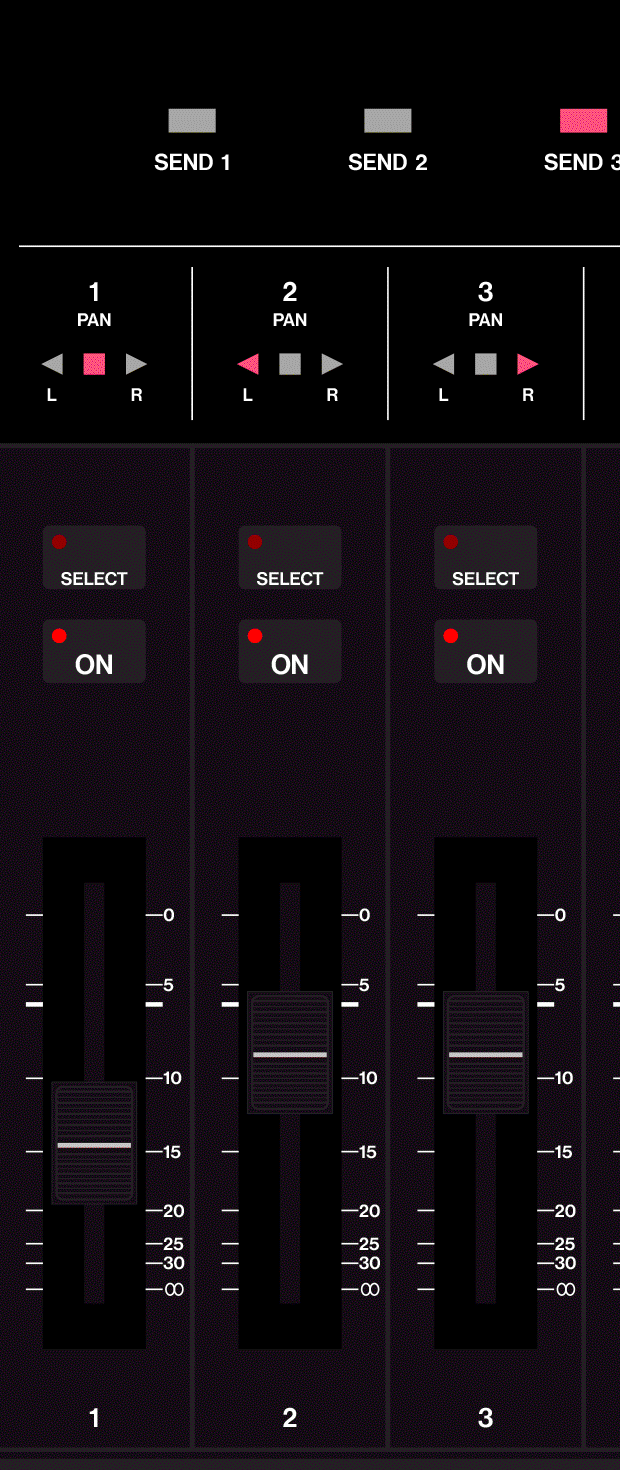
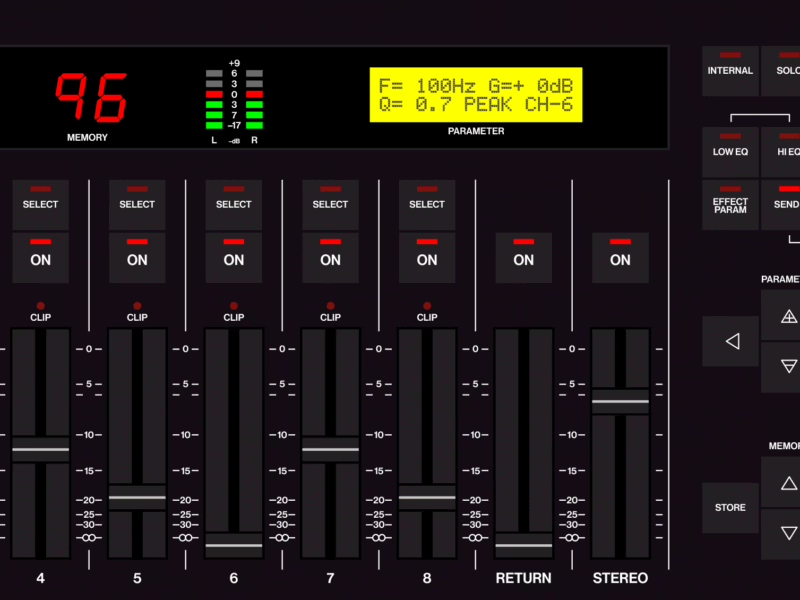
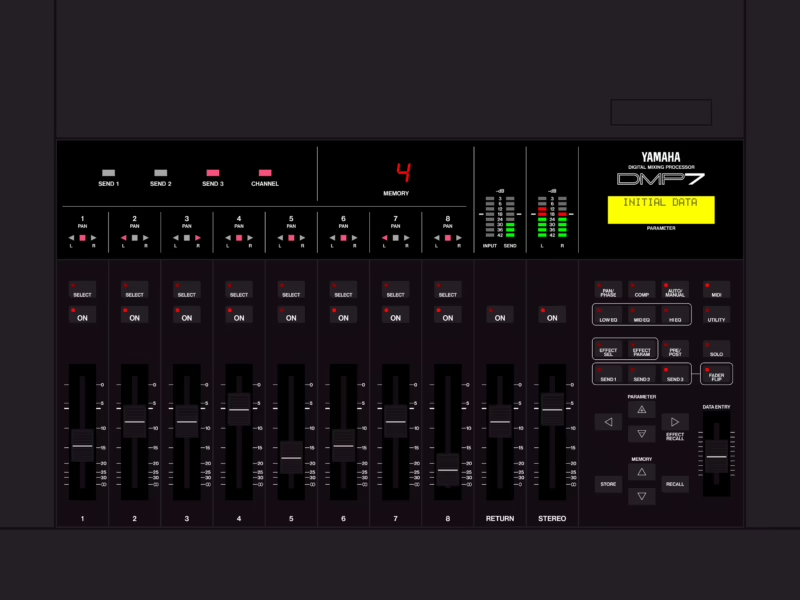
Rotate your phone to landscape for a better view of the strip.
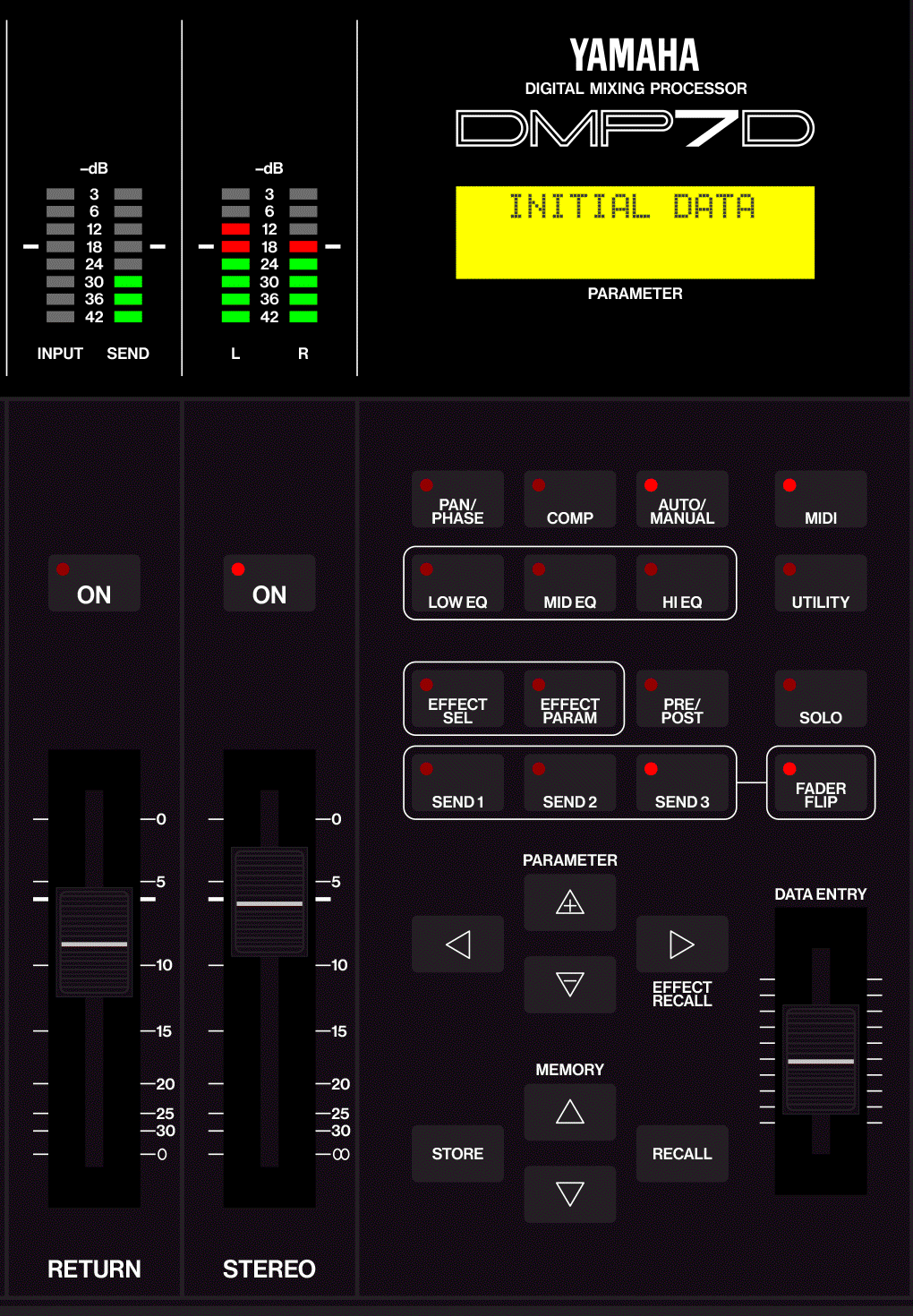
Rotate your phone to landscape for a better view of the strip.
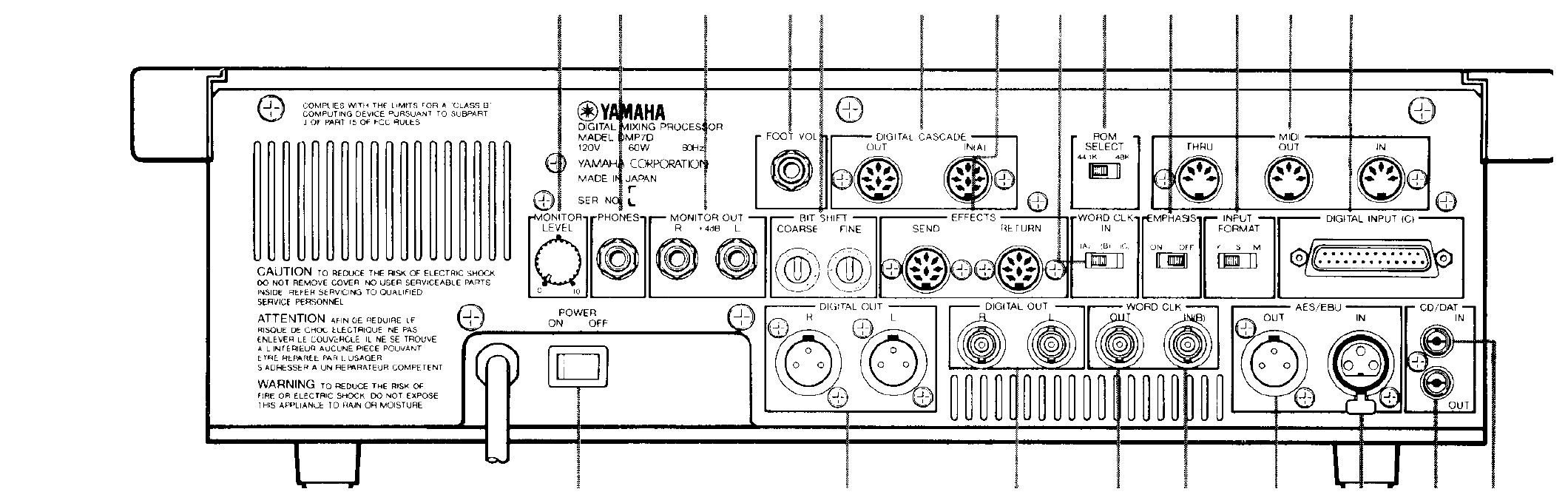
Rotate your phone to landscape for a better view of the strip.
Software
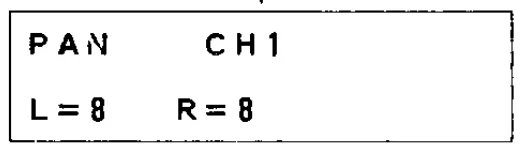
- Steinberg Desktop Mixing DMP7Graphical editor/automation software commissioned by Yamaha from Steinberg in 1987, driving the DMP7 (and by extension the DMP7D) over MIDI with MTC/SMPTE sync (Steinberg SMP 24 or Time-Lock). Scene recall and real-time motorized-fader automation from the Atari ST. Now rare.
Other screenshots
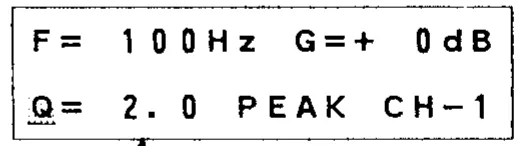
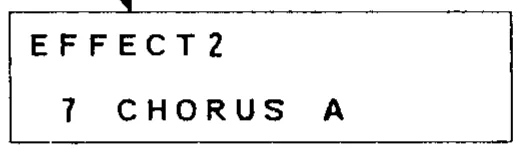
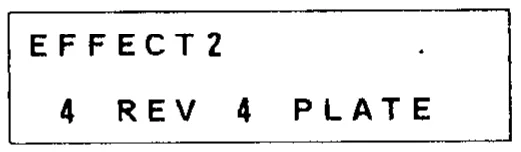
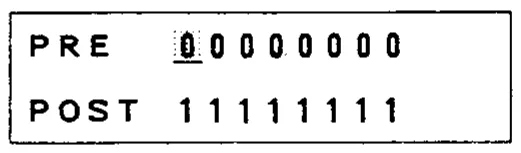
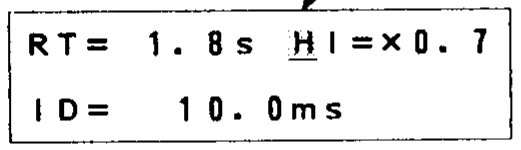
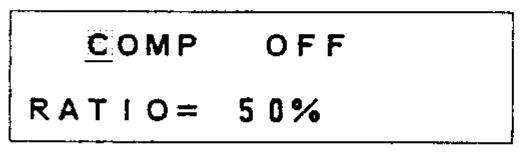


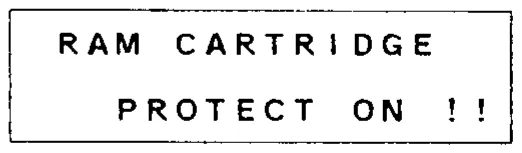


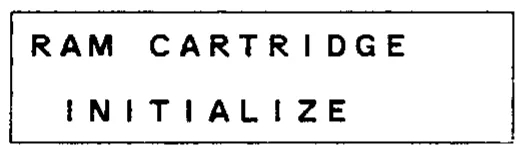
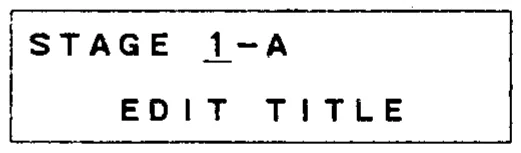
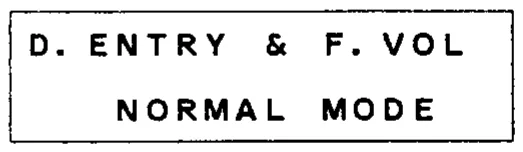
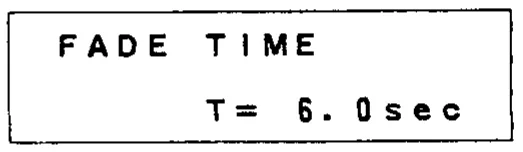
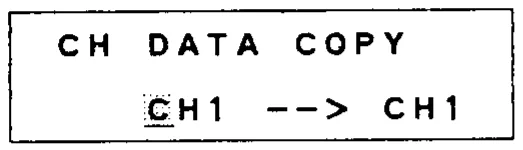
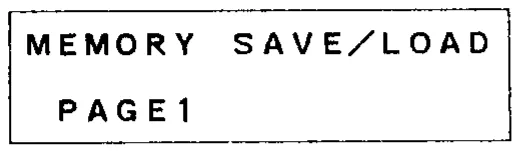
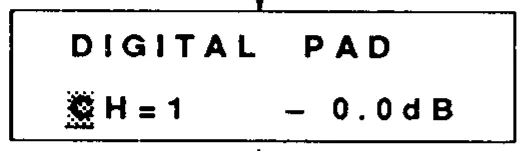

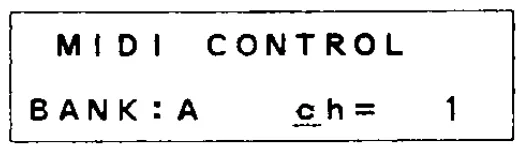
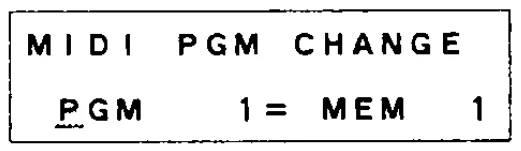
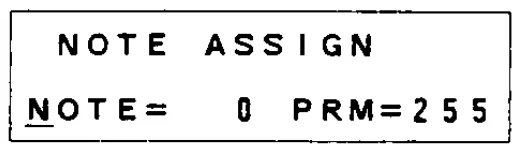
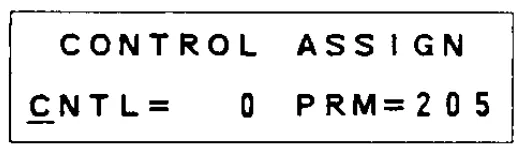
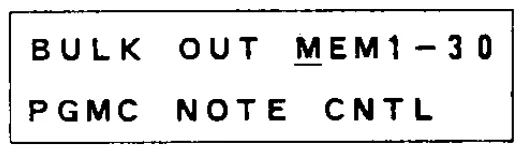
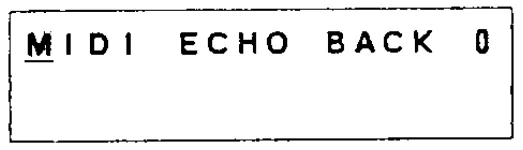
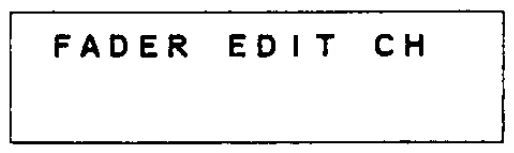
Accessories
I/O card
- Yamaha AD808
External 8-channel A/D converter (XLR in, 25-pin sub-D Y2/DSP-LSI out): the standard analog-to-digital front end for the DMP7D.
- Yamaha DA202
2-channel D/A converter with an AES/EBU input (from the DMP7D): recovers the stereo master in the analog domain.
- Yamaha IFU1 / IFU2 / IFU3 / IFU4
Digital interface units letting the DMP7D talk to the era's digital multitracks (Sony PCM-3324, PCM-1610/1630, Mitsubishi X-850, Otari DTR-900).
- Yamaha FMC1 / FMC2
Y2-to-AES/EBU (and reverse) format converters, letting the DMP7D fit into an AES-standard studio.
- Yamaha MLA7
External 8-channel microphone head amp, extending mic connectivity for the DMP7/DMP7D onstage or in the studio.
Other
- Yamaha RAM4
Optional RAM cartridge adding 67 extra scene slots on top of the 30 internal memories.
- Yamaha FC7
Continuous expression pedal, usable as a real-time controller on the DMP7/DMP7D.
Surface / module
- Yamaha RTC1
Dedicated remote controller for the DMP7/DMP7D.
Editorial & artists
Our take
History & design
The DMP7D (August 1988) is the fully digital variant of the DMP7 (1987), Yamaha's first production digital mixer. Same internal features (8 mono channels + stereo return, 2 buses, 8 motorized 100 mm faders, 3-band parametric EQ, 17 SPX effects, digital master compressor, 30 scene memories + RAM4 cartridge), but with one radical technical choice: no internal A/D or D/A conversion, the connectivity is fully digital.
The DMP7D talks to the outside world via Yamaha's proprietary Y2 format (25-pin sub-D, inherited from the Electone/MEL world), Sony SDIF and AES/EBU. It was designed as the hub of a Yamaha converter ecosystem (AD808, DA202, IFU1-4, FMC1/FMC2, MLA7) able to interface with Sony PCM-3324, Mitsubishi X-850 and Otari DTR-900 digital multitracks. Automation and scene recall via MIDI; editing through Steinberg's 'Desktop Mixing DMP7' software on Atari ST (shared with the DMP7).
Links
- Archive Yamaha Black Boxes - DMP7D datasheet yamahablackboxes.com
- Manufacturer Yamaha USA - YGDAI micro-tutorial (digital formats, DMP7D, Y2) usa.yamaha.com
- Press article Sound On Sound (July 1987) - DMP7 review by David Mellor muzines.co.uk
- Manufacturer Yamaha Innovation Road - DMP7 collection page yamaha.com
- Forum Gearspace - modern use of the DMP7D gearspace.com
- Forum Atari-Forum - search for the Steinberg Desktop Mixing DMP7 software atari-forum.com
Related consoles
Some merchant links are affiliate links. Purchases may support Digital Mixing at no extra cost.
Documents are archived locally for preservation. Source credited. Takedown requests: [email protected]