


Sony OXF-R3
Sony Oxford's 'million-dollar' digital console, the sonic blueprint of the Sonnox plugins.
Description
Technical
Specifications
Processing
| Mix buses | 48 |
|---|---|
| Aux sends | 24 |
| DSP engine | DSP Sony/Oxford propriétaire, architecture modulaire (rack DSP + rack I/O séparés) |
| Max sample rate | 48 kHz |
| Bit depth | 24 bits |
| Processing resolution | 32 bits |
| Voies D Entr E Compl Tes | 96 voies d'entrée « full » (in-line), plus voies de retour (jusqu'à 120 voies au total selon les configurations citées) |
Surface
| Physical faders | 48 |
|---|---|
| Motorized faders | Yes |
| Fader layers | 2 |
| Screens | 1 |
| Touchscreen | No |
| Surface De Contr Le | Panneaux de commande OXF-CP3048 (48 faders) et OXF-CP3024 (24 faders) ; accès aux 96 voies par banques via boutons de banking dédiés |
Recording
| Onboard recording | No |
|---|
Networking
| Networking & protocols | MADI |
|---|---|
| Redundant PSU | Yes |
| Redundant networking | No |
Physical
| Alimentation | OXF-CP3048 : AC 100–240 V, 50/60 Hz, 2 × 500 W (double alimentation) ; OXF-CP3024 : 1 × 500 W |
|---|
Power
| Power draw | 1,000 W |
|---|
Other
| Bus Multipiste | 48 bus multipiste accessibles depuis toutes les voies |
|---|---|
| Bus De D Part Aux | 24 bus de départ (side-chain) accessibles au bouton, chacun avec ses propres filtres passe-haut et passe-bas dédiés |
| Conversion A N | Conversion analogique-numérique citée à 20 bits (documentation Sony) ; système documenté jusqu'à 24 bits dans la brochure |
| Traitement Interne | Traitement interne en virgule fixe 32 bits (à confirmer sur doc primaire) |
| Fr Quences D Chantillonnage | 44,1 kHz à 48 kHz ; réponse en fréquence 20 Hz–20 kHz ±0,2 dB à 48 kHz |
| Traitement Par Voie | EQ paramétrique et dynamique numériques dédiés sur chaque voie, avec algorithmes de pointe pour l'époque ; busing et panning surround |
| Automation Rappel | Automation dynamique de tous les paramètres utiles, snapshots enregistrables/rappelables, rappel total quasi instantané de tous les réglages de la console |
| Interconnexion Num Rique | Interface MADI 24 bits et interconnexion numérique vers enregistreurs multipiste DASH (PCM-3348) ; consoles de transport multiples |
| Diagnostic | Système de diagnostic intégré pour maintenance et dépannage |
Strip & details
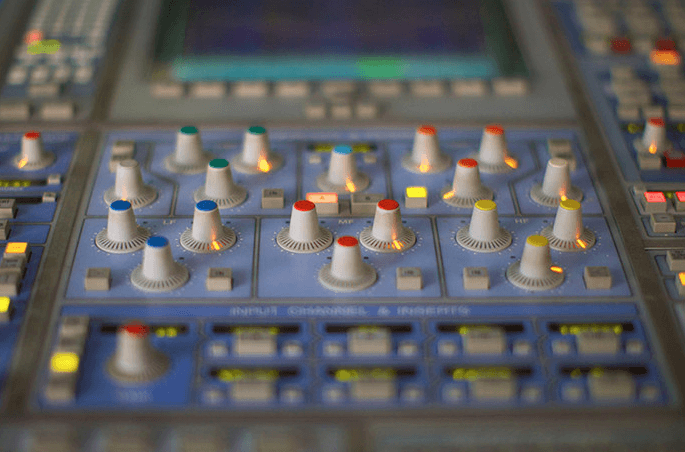
Rotate your phone to landscape for a better view of the strip.
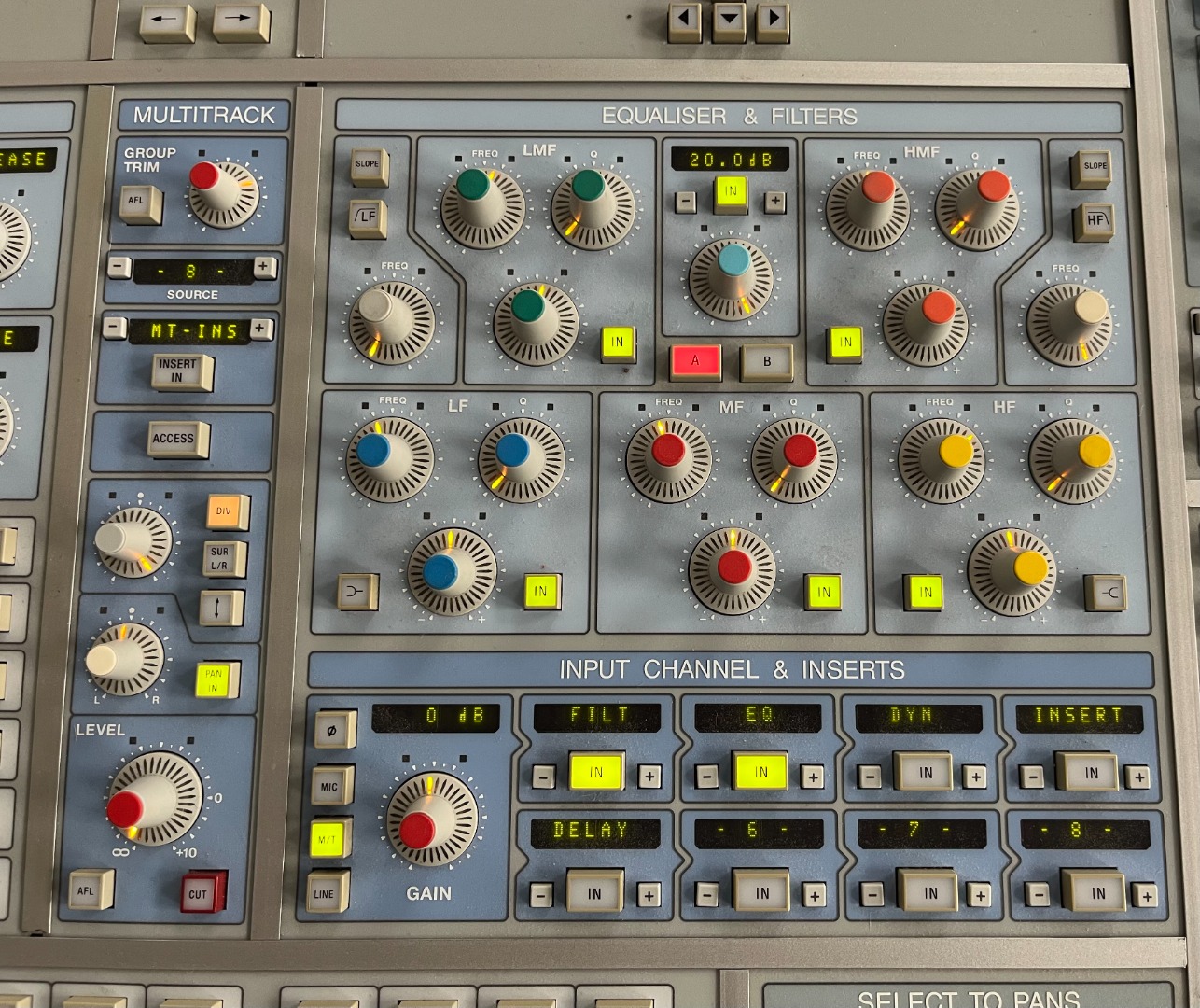
Rotate your phone to landscape for a better view of the strip.
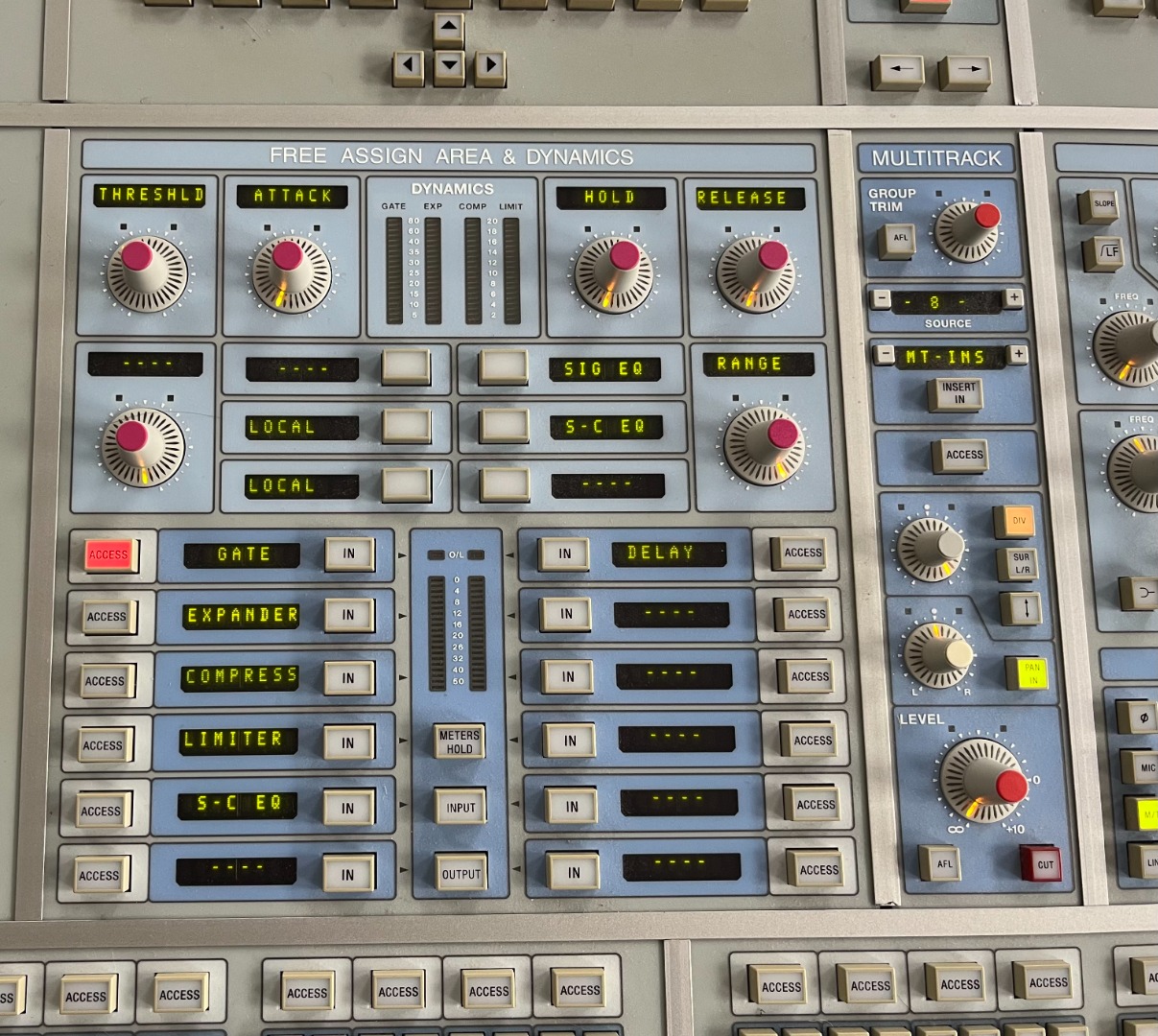
Rotate your phone to landscape for a better view of the strip.
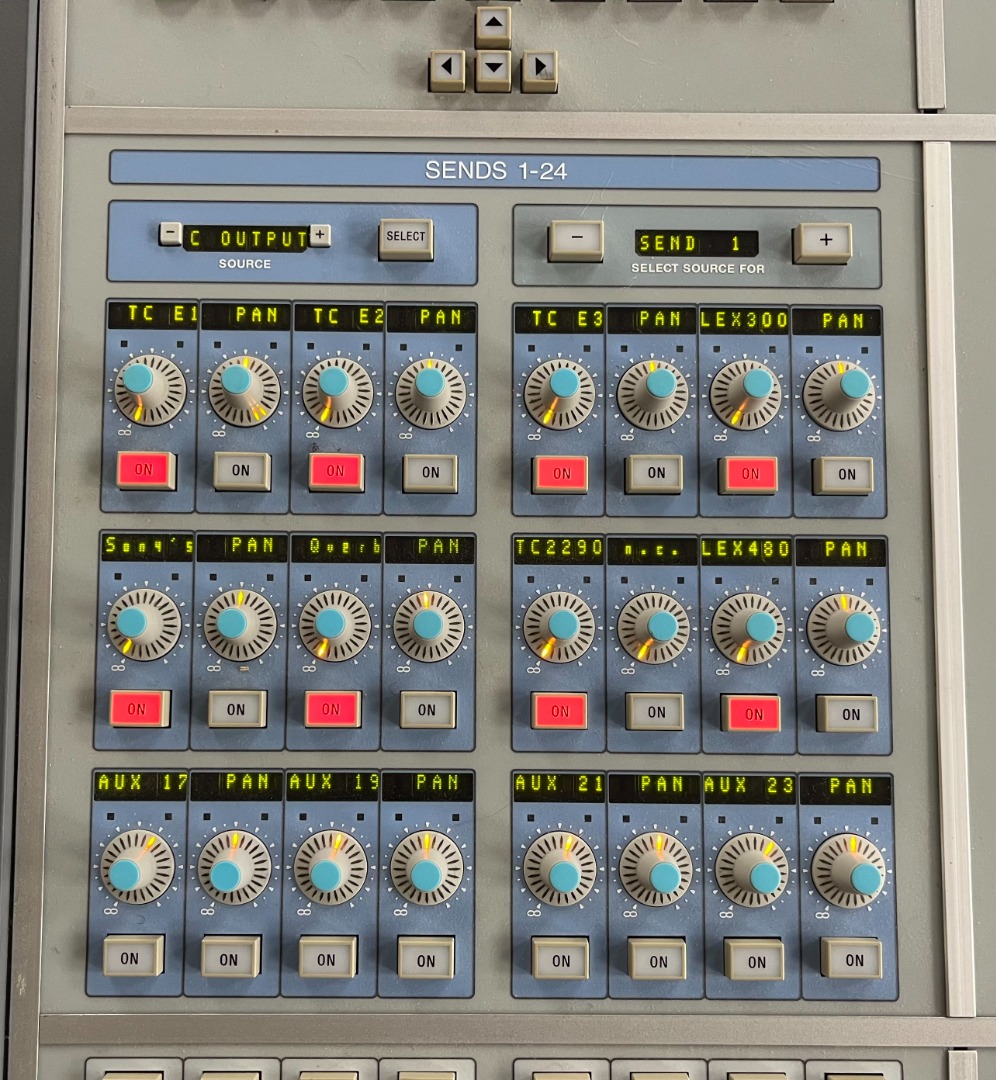
Rotate your phone to landscape for a better view of the strip.
Software
Other screenshots
Editorial & artists
Our take
History & design
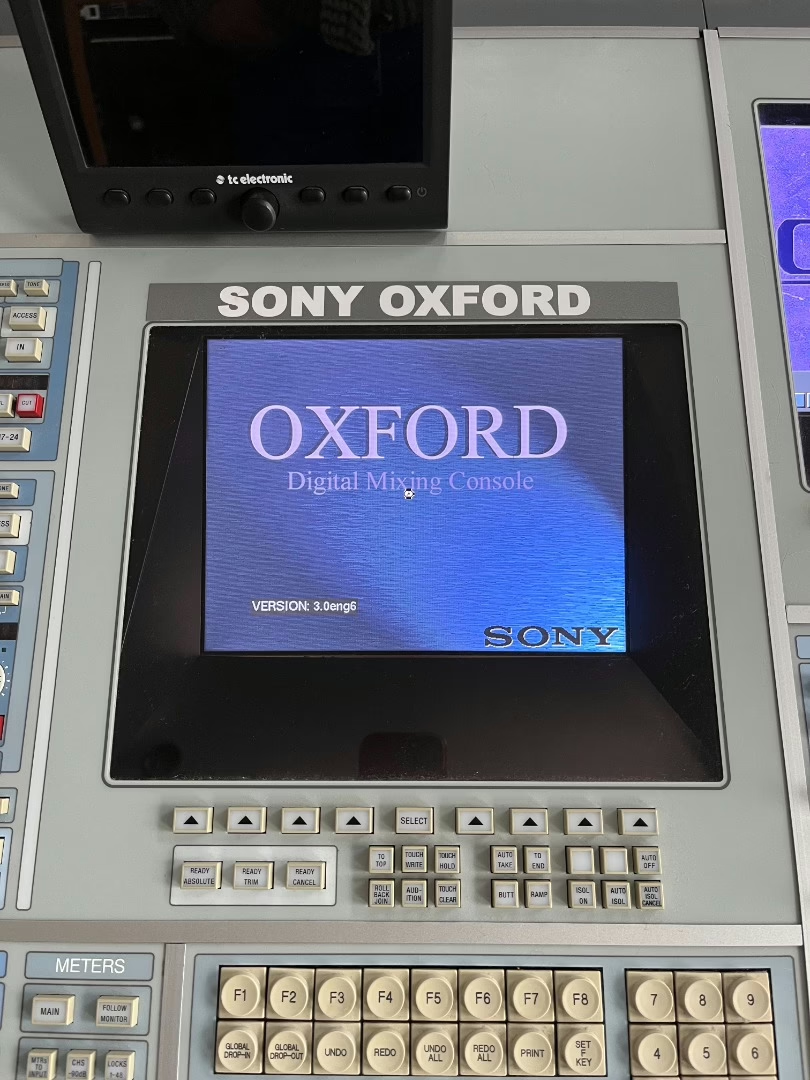
The Sony OXF-R3 'Oxford' was born of a technological gamble. In 1988, five engineers from Solid State Logic — Chris McCullough, Rod Densham, John East, Peter Eastty and Paul Frindle — founded Oxford Digital in Oxford, UK, to build a fully digital console at a time when the industry remained staunchly analogue. Paul Frindle, who had designed the SSL 4000 G-series channel strip among other things, led the project. In 1993 Sony Pro Audio Japan formalized the partnership and the entity became Sony Oxford.
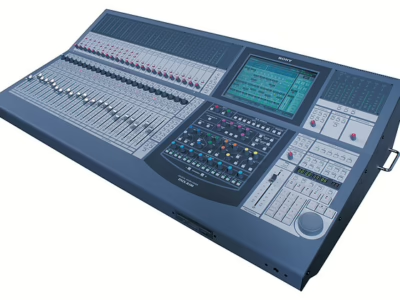
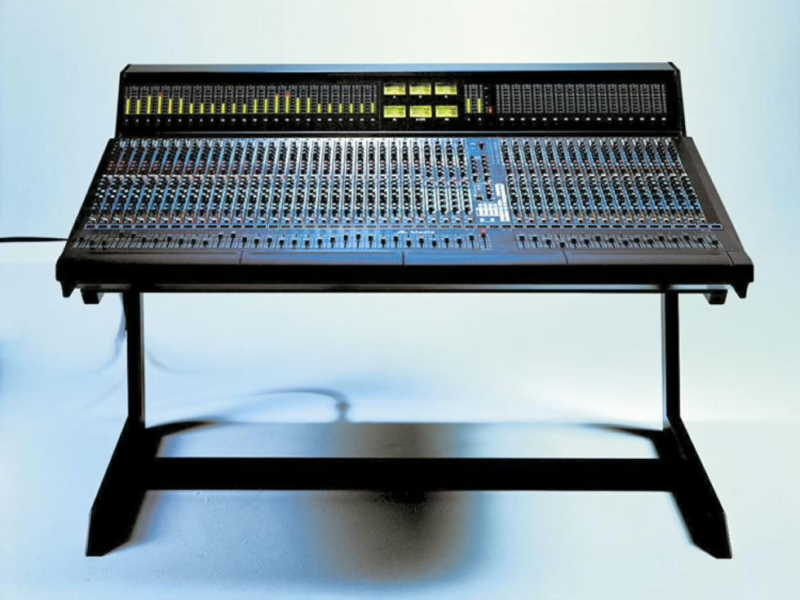
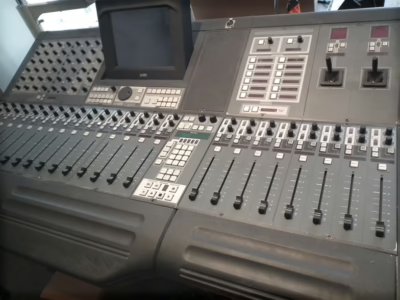
Unveiled at the 1995 AES show, the OXF-R3 was a digital behemoth: 96 full channels, 48 multitrack buses, 24 aux/side-chain buses each with dedicated filters, per-channel digital EQ and dynamics, surround busing and panning, dynamic automation and near-instant total recall. A modular architecture (I/O rack, DSP rack, and a 48- or 24-fader control surface), a MADI interface to DASH recorders, and a built-in diagnostics system all targeted the very top of studio and broadcast work.
Its price became legendary — on the order of a million dollars, making it one of the most expensive consoles ever produced and confining it to a handful of prestige studios. Frindle himself acknowledged that the pace of digital would render the machine obsolete almost at launch: the arrival of DAWs (Pro Tools) and plugins was about to shift the center of gravity of production.
That is exactly where its legacy lies. In the late 1990s, Paul Ryder, a member of the development team, ported the OXF-R3's channel processing to plugins, first sold under the Sony Oxford brand on TC Electronic and Digidesign platforms. After the Sony Oxford venture ended in 2006, Frindle and Ryder carried on, and those processors live today as Sonnox Oxford (Oxford EQ, Oxford Dynamics, etc.). The vendor explicitly claims that lineage: the Oxford EQ 'traces its heritage back to the revered, million-dollar Sony OXF-R3 digital console.'
- Paul Frindle — Ingénieur en chef / concepteur du traitement audio
- Paul Ryder — Membre de l'équipe de développement / portage plugins
- John East — Ergonomie / aspects opérationnels
- Peter Eastty — Cofondateur Oxford Digital
- Chris McCullough — Cofondateur Oxford Digital
- Rod Densham — Cofondateur Oxford Digital
Notable users
Videos
Sony Oxford Digital Audio Mixing Console — vidéo de présentation (promo Sony)
Sony OXF-R3 Digital Console — démonstration
Links
- Manufacturer Sony Professional Audio — Story chapitre 4 (OXF-R3) sony.co.jp
- Press article Sound on Sound — Richard Chappell: Recording Peter Gabriel's Up (usage OXF-R3 à Real World) soundonsound.com
- Personal site Little Devil Studios — histoire détaillée de l'OXF-R3 littledevilstudios.com.au
- Forum Gearspace — Sony OXF-R3 (Oxford) Console thoughts gearspace.com
- Archive Genesis: A Gear Revelation Wiki — Sony Oxford OXF-R3 genesisgearrevelation.miraheze.org
- Manufacturer Sonnox Oxford EQ — héritage de l'OXF-R3 sonnox.com
Related consoles
Some merchant links are affiliate links. Purchases may support Digital Mixing at no extra cost.
Documents are archived locally for preservation. Source credited. Takedown requests: [email protected]