


Description
Technical
Specifications
Inputs / Outputs
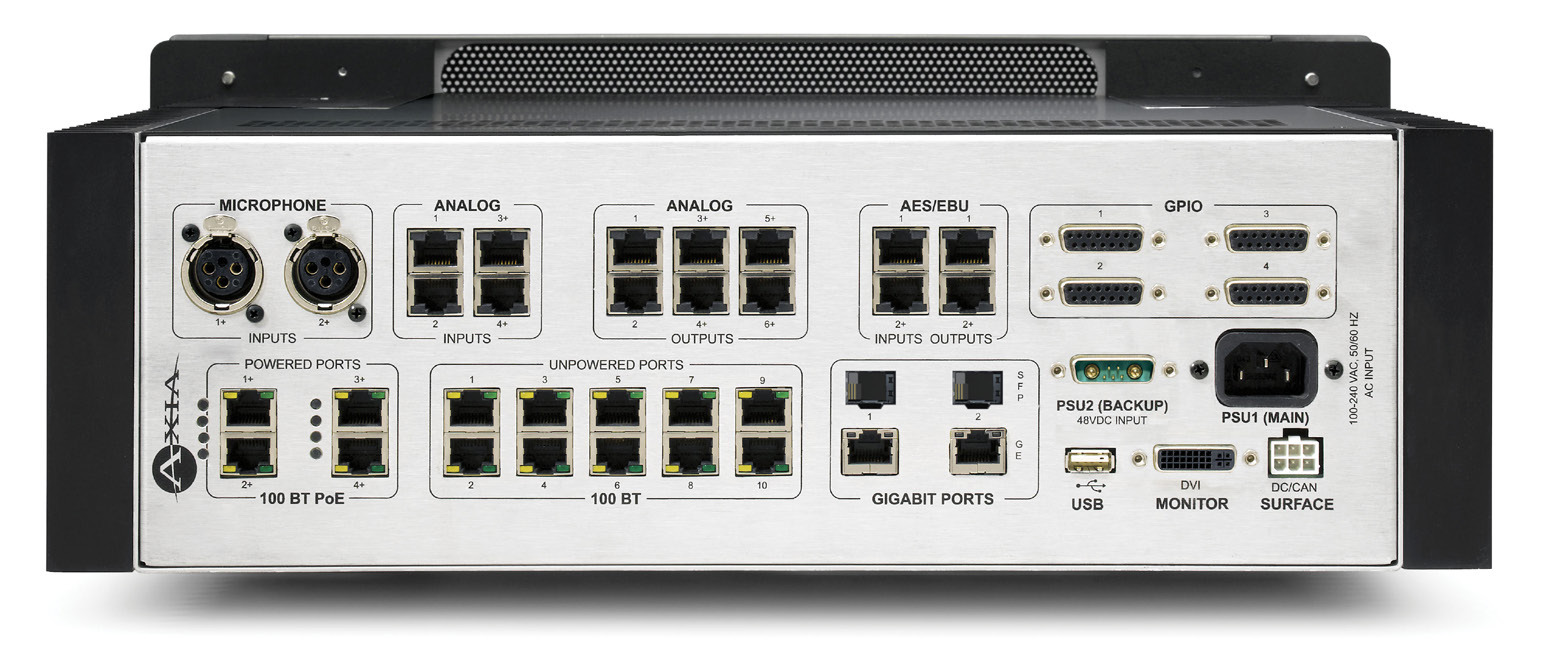
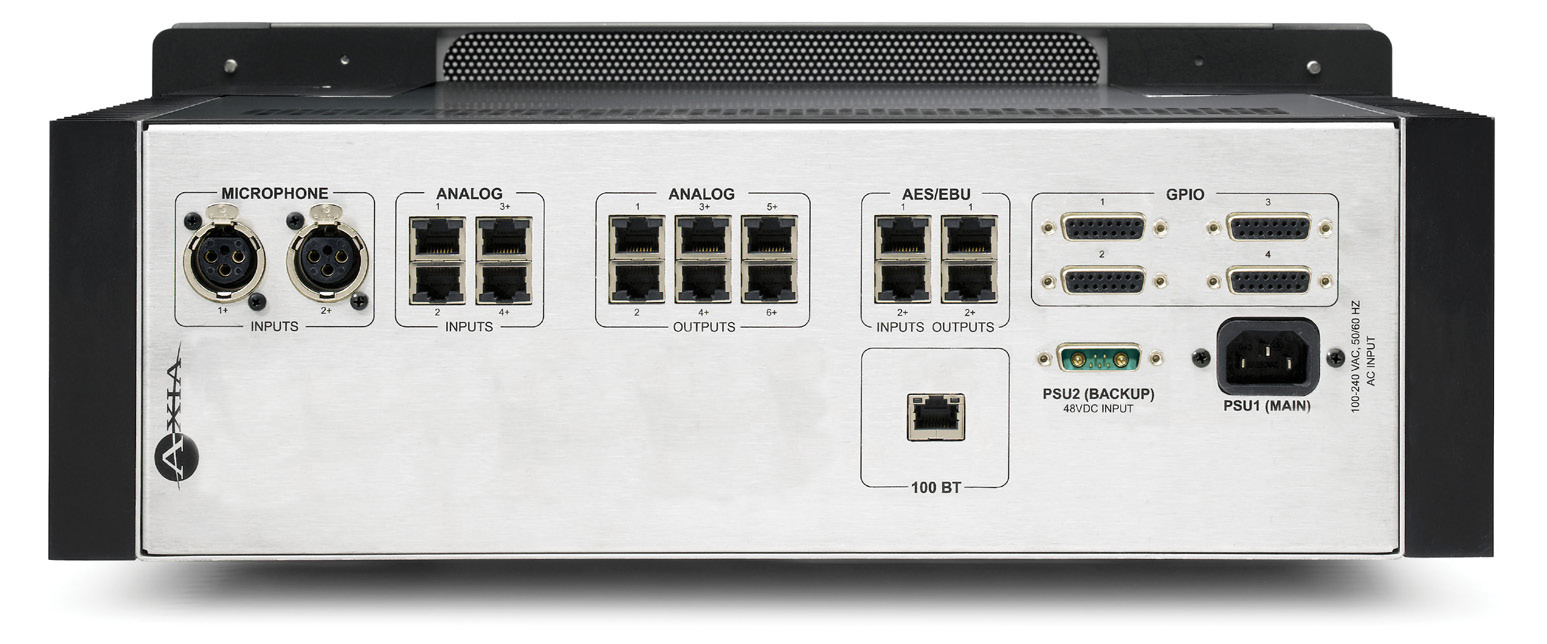
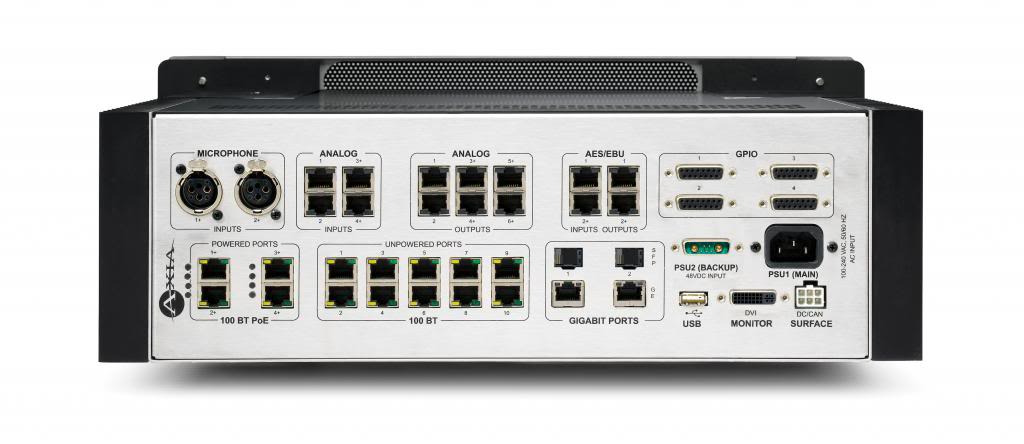
| Inputs / outputs | Analog and AES/EBU I/O, mic inputs (switchable 48 V), Livewire ports, GPIO |
|---|
Processing
| Modularity and expansion | Interchangeable modules: channels, controller, monitor, call control |
|---|---|
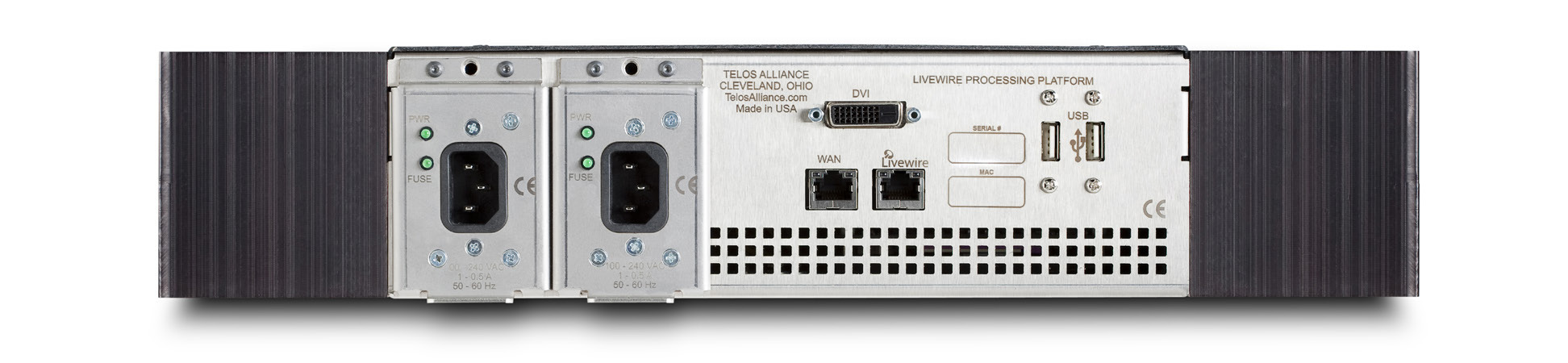
| Processing engine | PowerStation or StudioEngine DSP engines, AES67-compliant |
| Routing and patching | Built-in zero-config Gigabit Ethernet switch (PowerStation) |
Surface
| Physical faders | 40 |
|---|---|
| Motorized faders | No |
| Touchscreen | No |
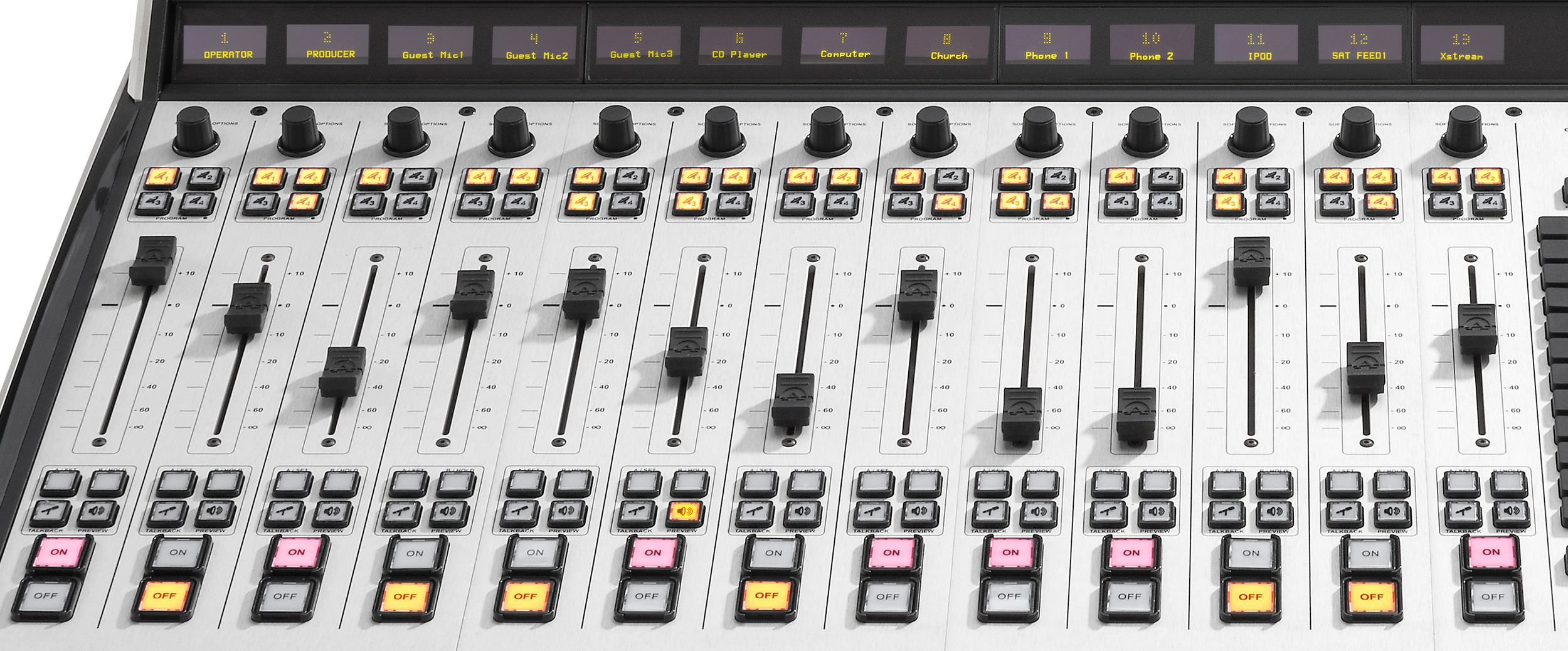
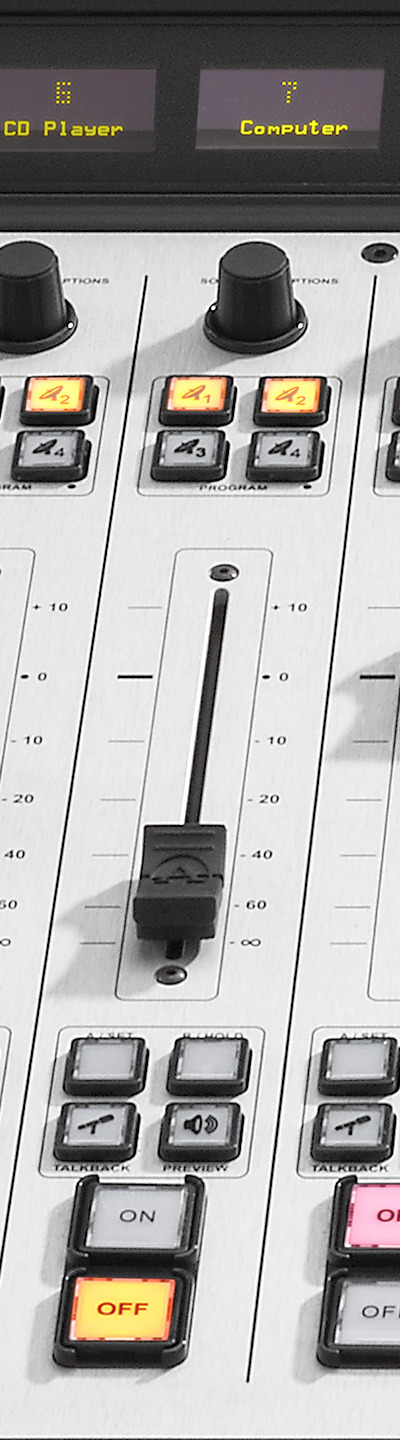
| Faders | Up to 40 faders (single or linked frames) · Long-life conductive-plastic faders, aircraft-grade backlit switches |
Recording
| Onboard recording | No |
|---|
Networking
| Networking & protocols | AES/EBU / Network |
|---|---|
| Redundant PSU | Optional |
| Audio networking | Livewire+ / AES67, single CAT-6 cable connection |
Power
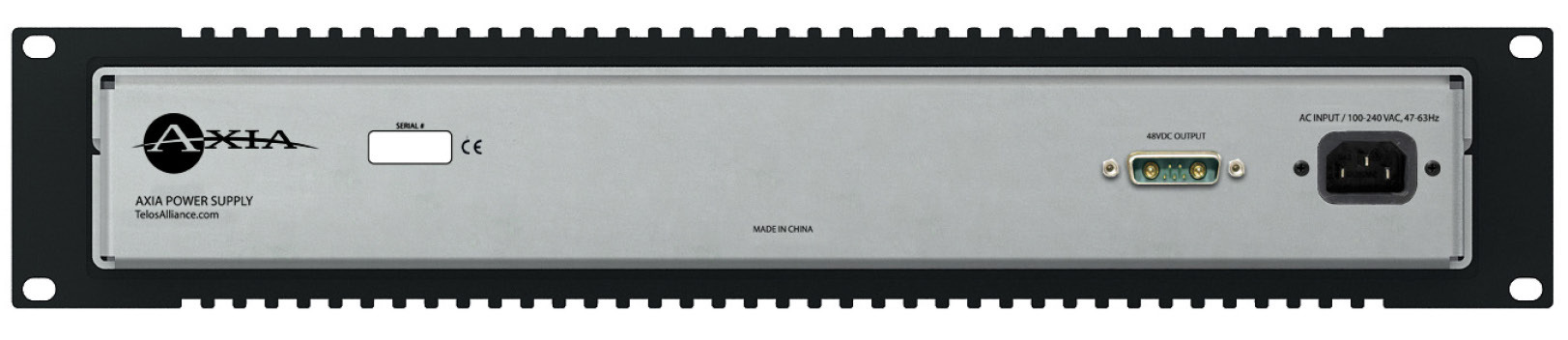
| Power supply | Telecom-grade hardened PSU, optional auto-switching backup |
|---|
Strip & details
Rotate your phone to landscape for a better view of the strip.
Rotate your phone to landscape for a better view of the strip.
Rotate your phone to landscape for a better view of the strip.
Rotate your phone to landscape for a better view of the strip.
Rotate your phone to landscape for a better view of the strip.
Rotate your phone to landscape for a better view of the strip.
Rotate your phone to landscape for a better view of the strip.
Rotate your phone to landscape for a better view of the strip.
Diagrams
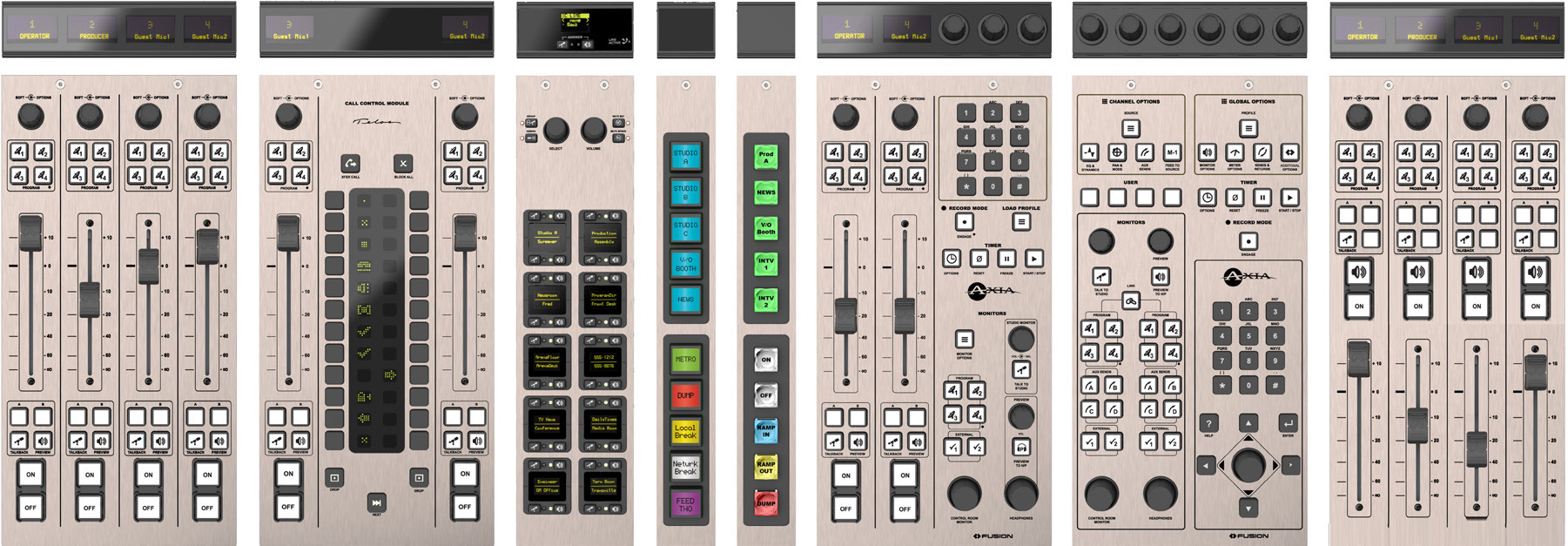
Rotate your phone to landscape for a better view of the diagram.
Software
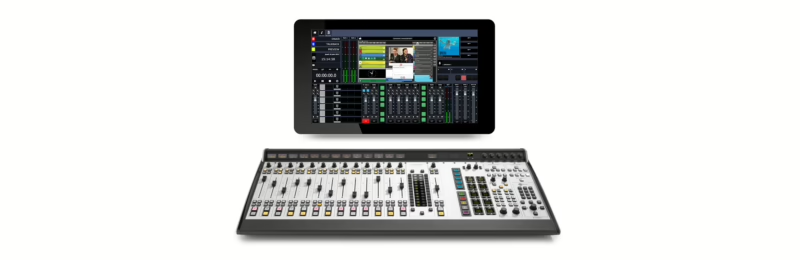
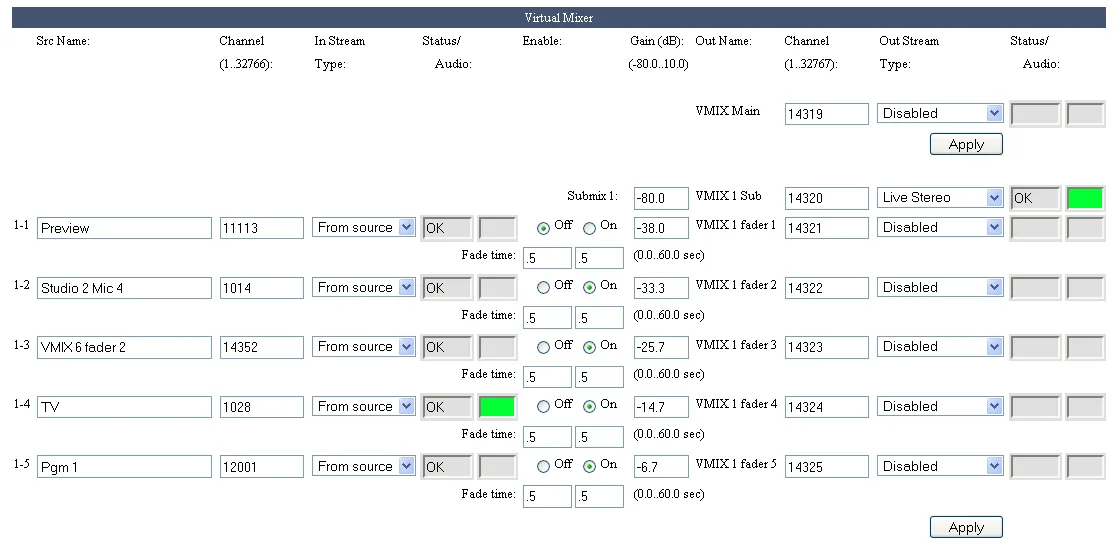
 Axia IP-Tablet Virtual RadioOptional software suite that virtualises Fusion monitoring and control on a Windows tablet.Download
- Livewire+ AES67 IP-Audio DriverDriver exposing Livewire+/AES67 channels to the PC for audio exchange with the Axia network.Download
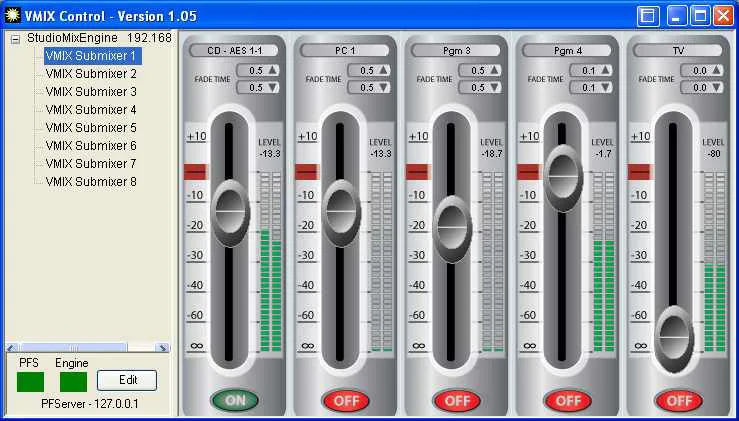 PathfinderPC (VMix Control)Download
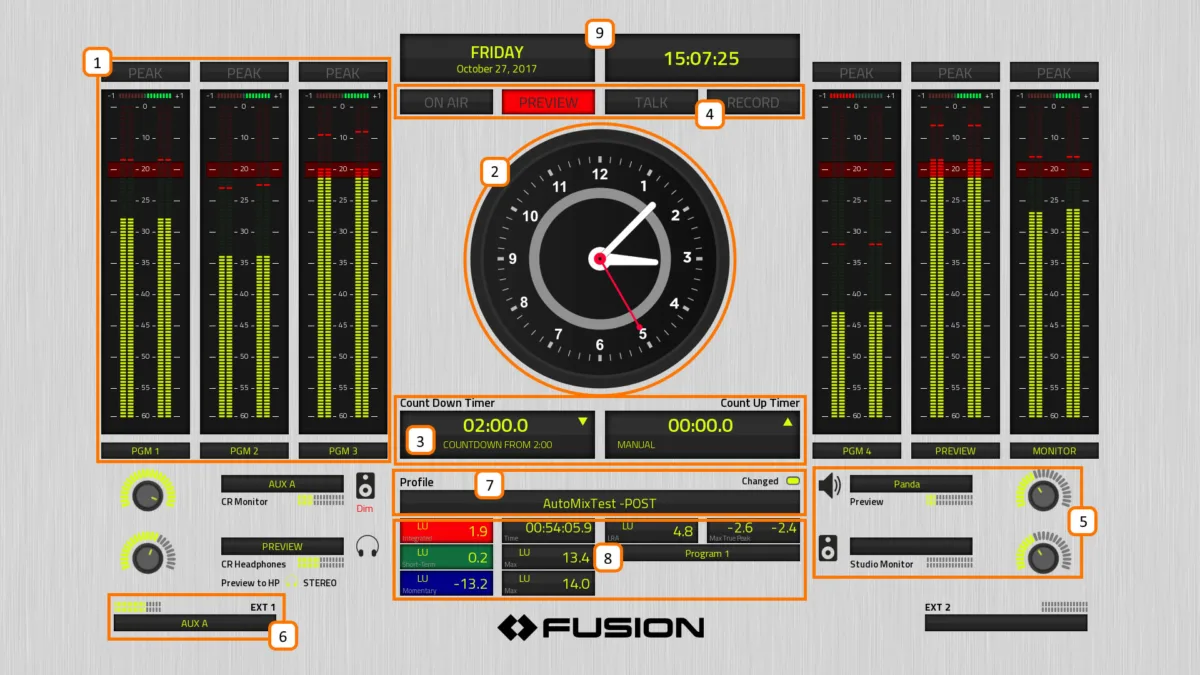
Other screenshots
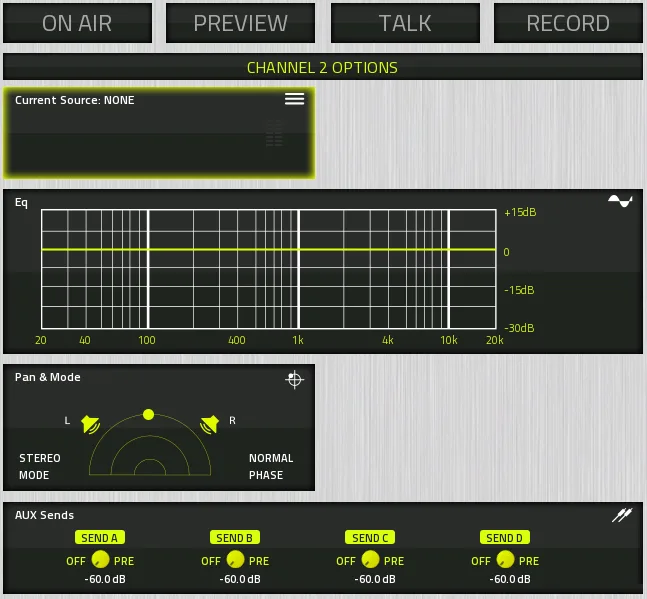
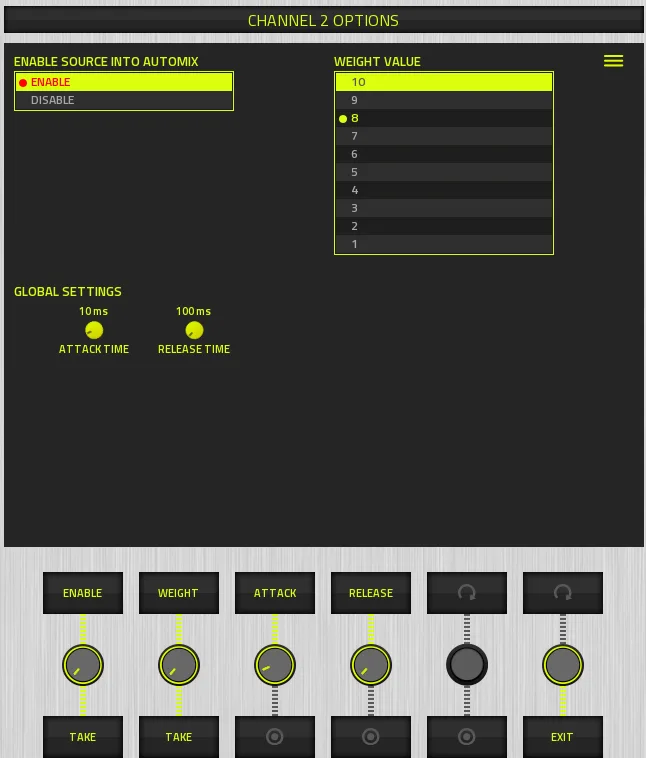
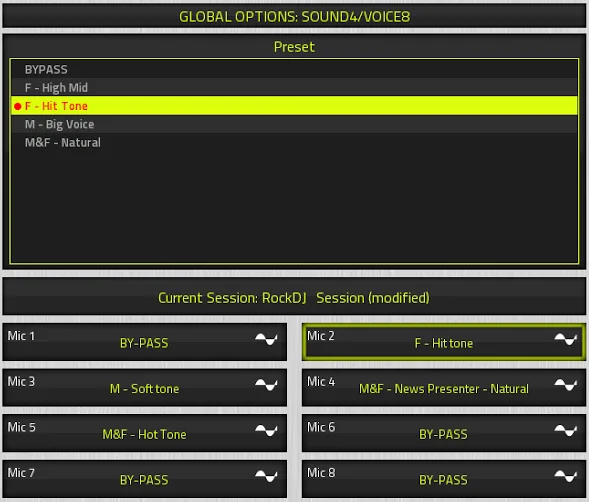
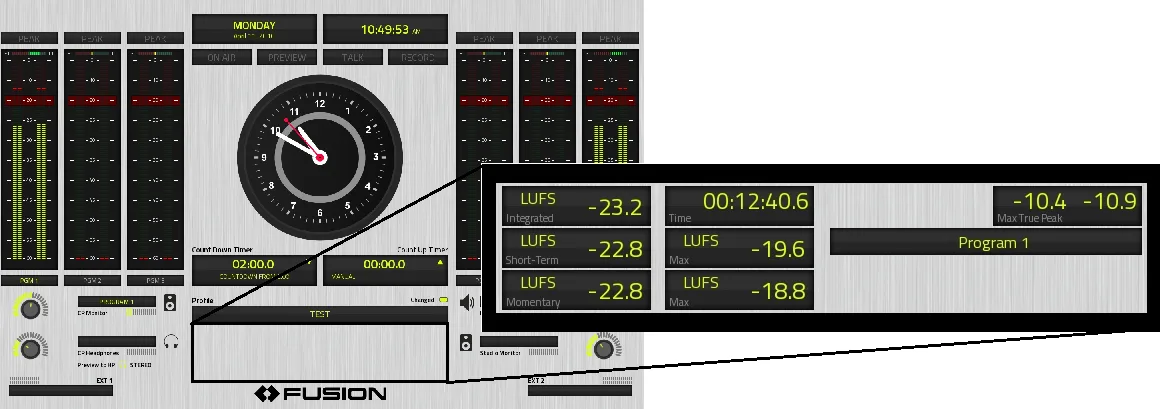
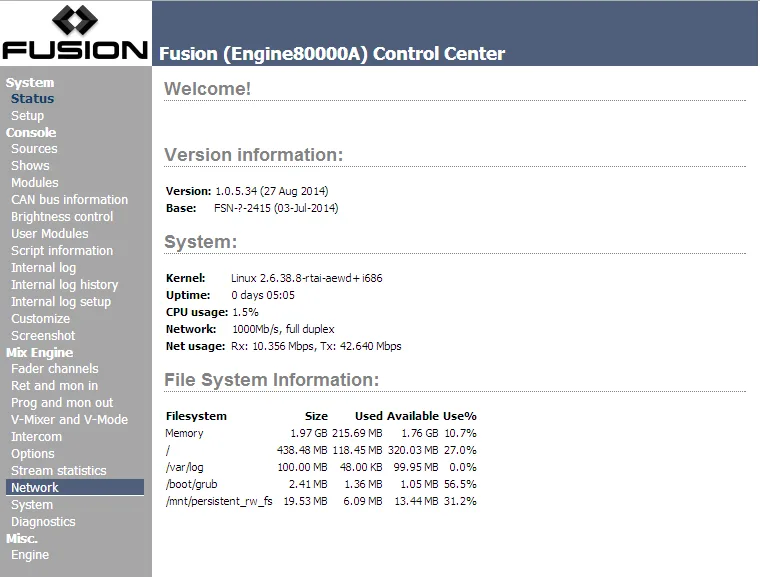
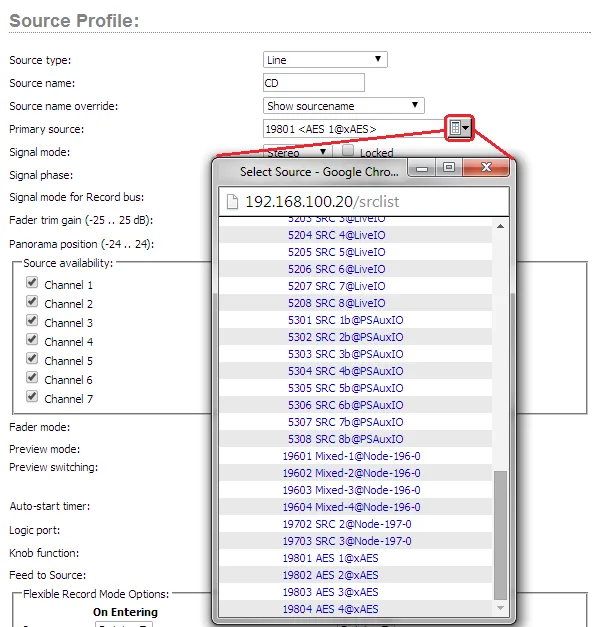
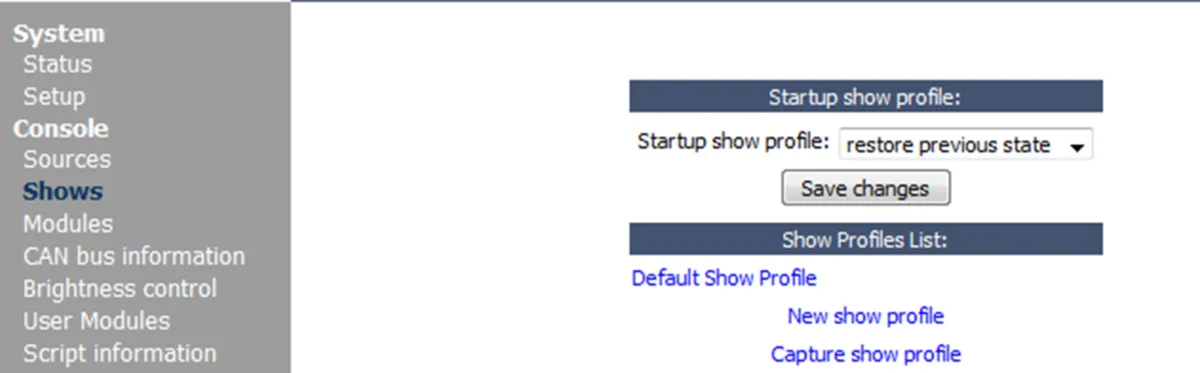
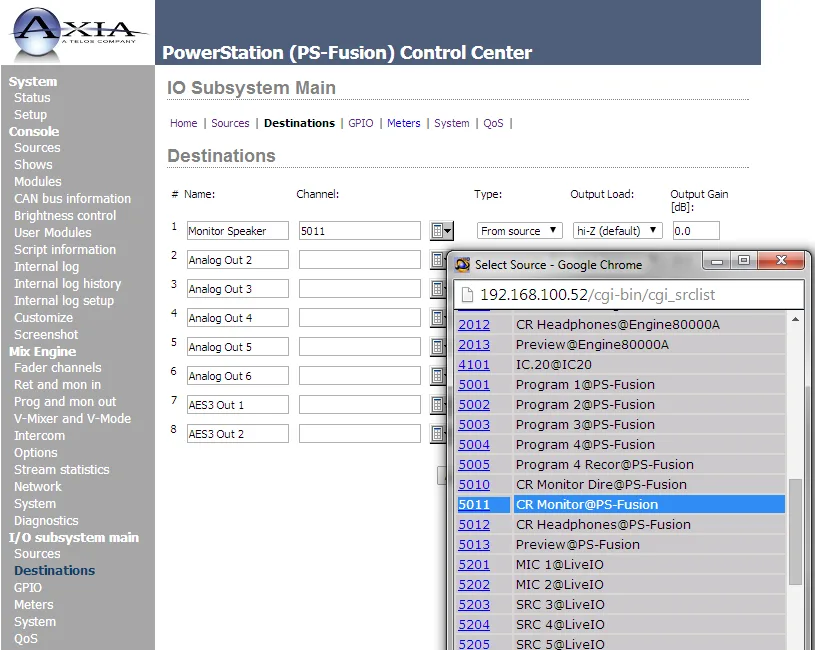
Documents
Editorial & artists
Our take
History & design
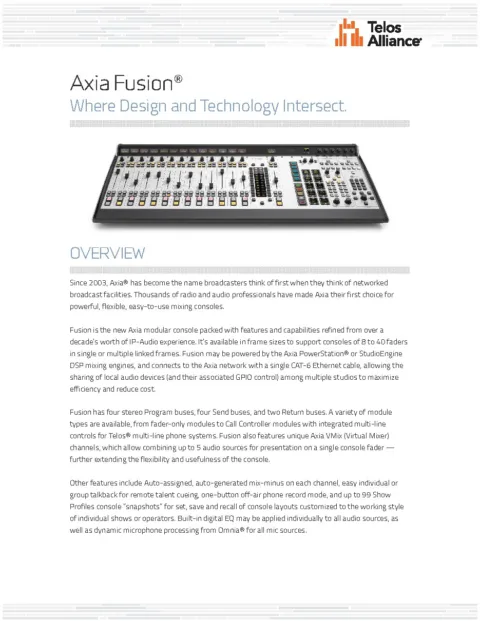
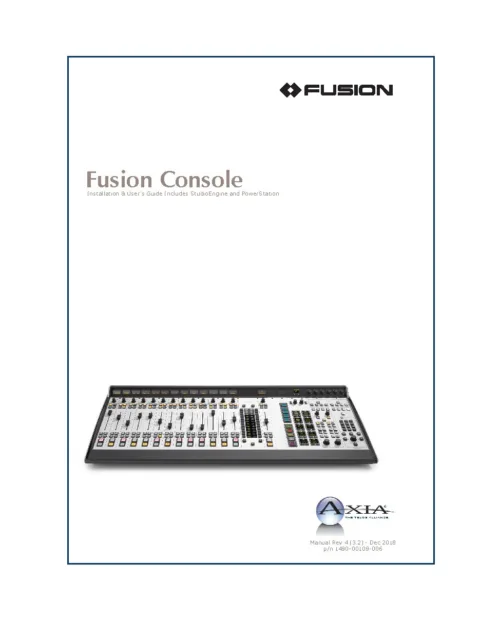
The Axia Fusion is a modular broadcast mixing console designed for audio over IP. It comes in frame sizes up to forty faders, in a single frame or multiple linked frames, and connects to the Axia network over a single CAT-6 cable, letting local audio devices and their GPIO control be shared across studios.
Mixing and processing are handled by the Axia PowerStation or StudioEngine DSP engines, making the system AES67-compliant. PowerStation includes analog and AES/EBU I/O, mic inputs with switchable phantom power, Livewire ports for direct device connection, GPIO ports, a telecom-grade hardened power supply with optional auto-switching backup, and a zero-configuration Gigabit Ethernet switch.
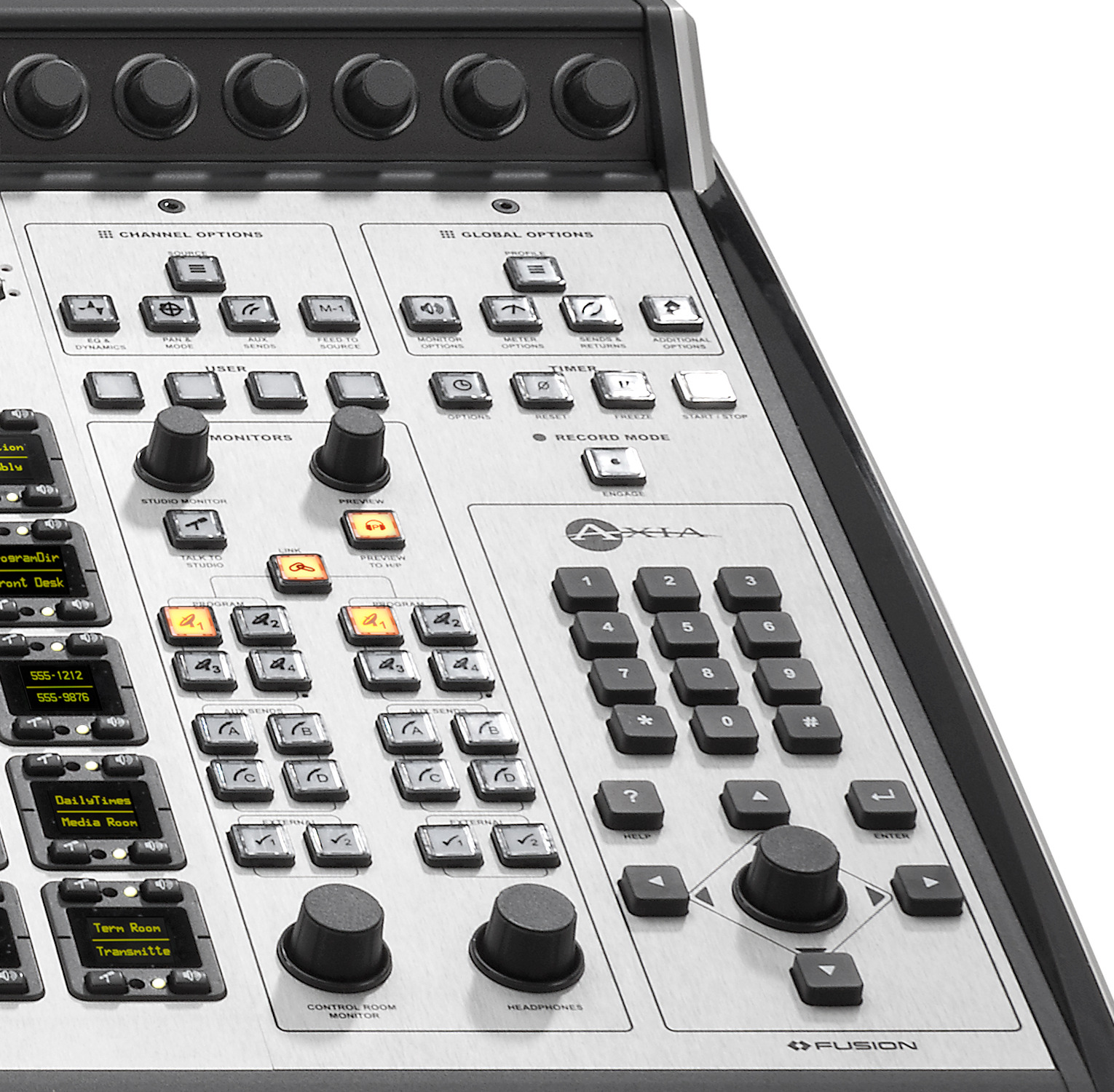
The surface is built from interchangeable modules: standard channels, a console controller module, a monitor section, and call-control modules. The long-life conductive-plastic faders and aircraft-grade backlit switches are rated for millions of operations. Optional IP-Tablet Virtual Radio software virtualises monitoring and control on a Windows tablet.
Links
Related consoles
Some merchant links are affiliate links. Purchases may support Digital Mixing at no extra cost.
Documents are archived locally for preservation. Source credited. Takedown requests: [email protected]