


Description
Technical
Specifications
Processing
| Mix buses | 4 |
|---|---|
| Aux sends | 4 |
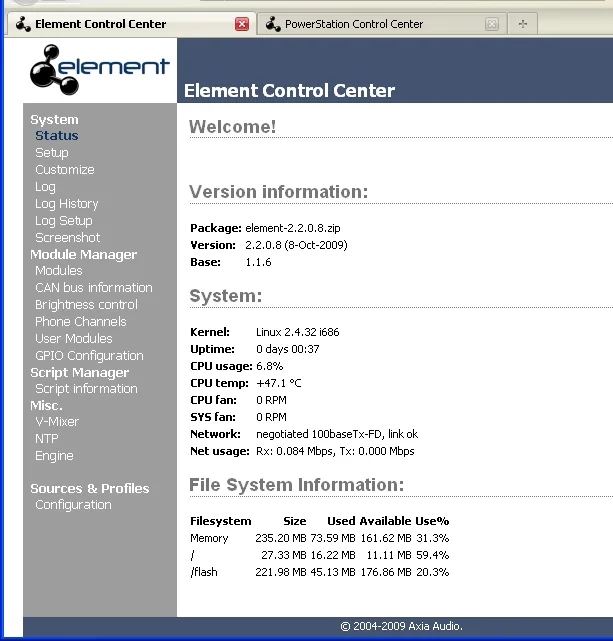
| DSP engine | External PowerStation / StudioEngine mix engine (Intel, real-time Linux) |
| Max sample rate | 48 kHz |
| Bit depth | 24 bits |
| Architecture | Modular control surface + remote DSP engine, linked by a single CAT-6 cable over the Livewire network. |
| DSP engine (details) | Mixing and processing in the PowerStation or StudioEngine engine (Intel platform, real-time Linux). |
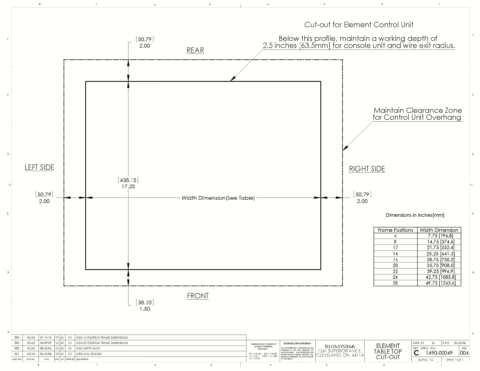
| Modularity and expansion | Frames from 8 to 28 positions; up to 40 faders across linked frames. |
| Buses | 4 stereo Program buses. |
| Aux sends (details) | 4 stereo Aux sends and 2 Aux returns. |
| EQ | 3-band digital parametric EQ available on every source. |
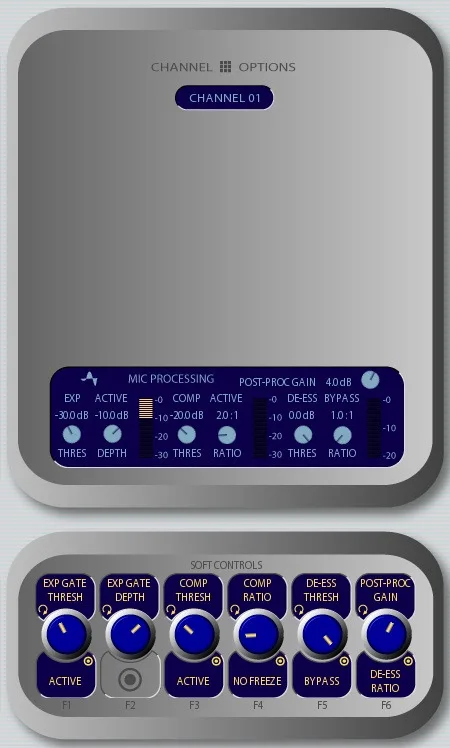
| Dynamics | Omnia mic dynamics: compression, de-essing, expansion. |
Surface
| Motorized faders | Optional |
|---|---|
| Touchscreen | No |
| Monitoring and talkback | Automatic mix-minus generation for every phone caller or remote codec source |
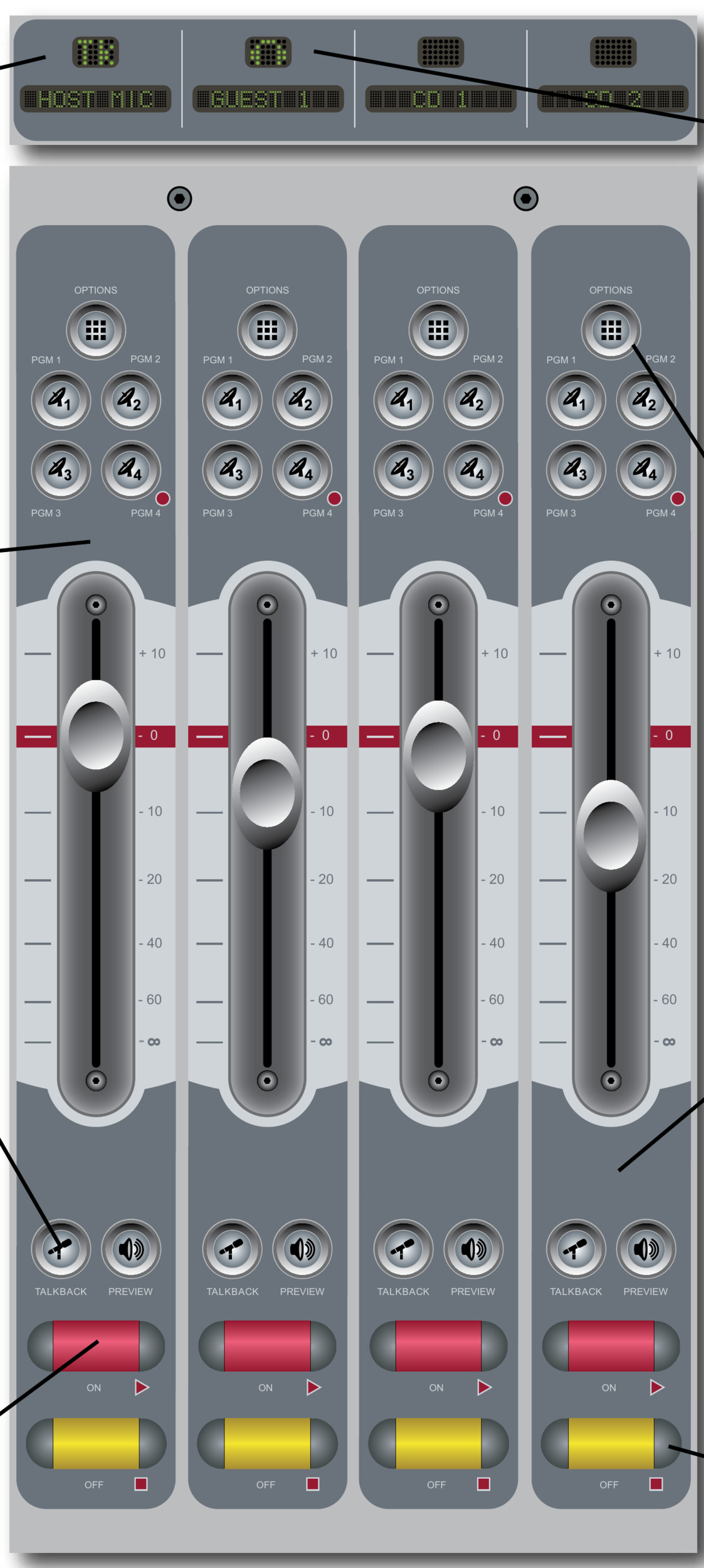
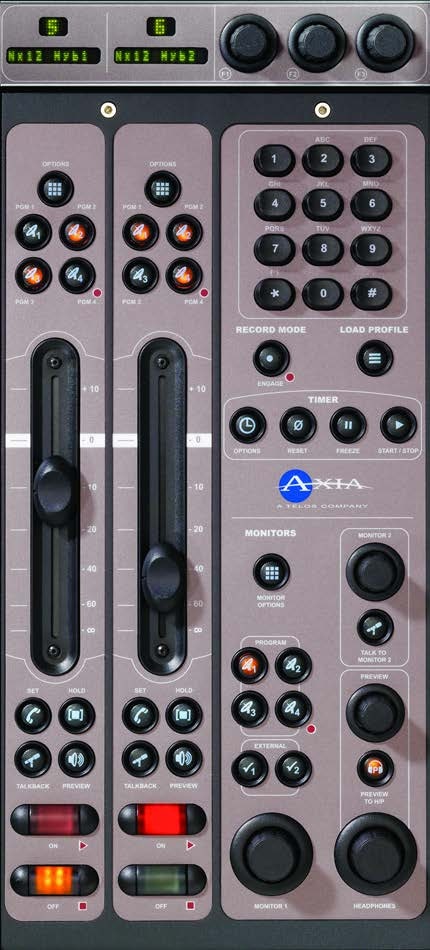
| Faders | Conductive-plastic, side-actuated faders; optional Motor-Fader module (4 moving faders). |
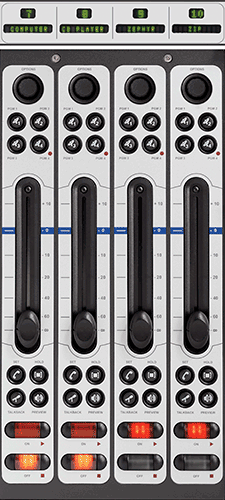
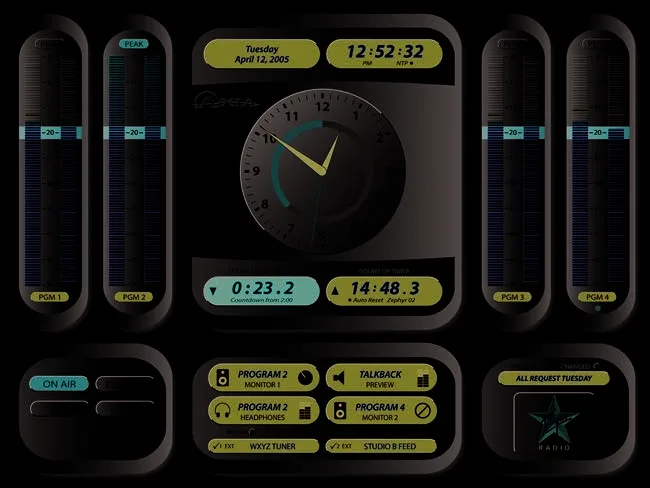
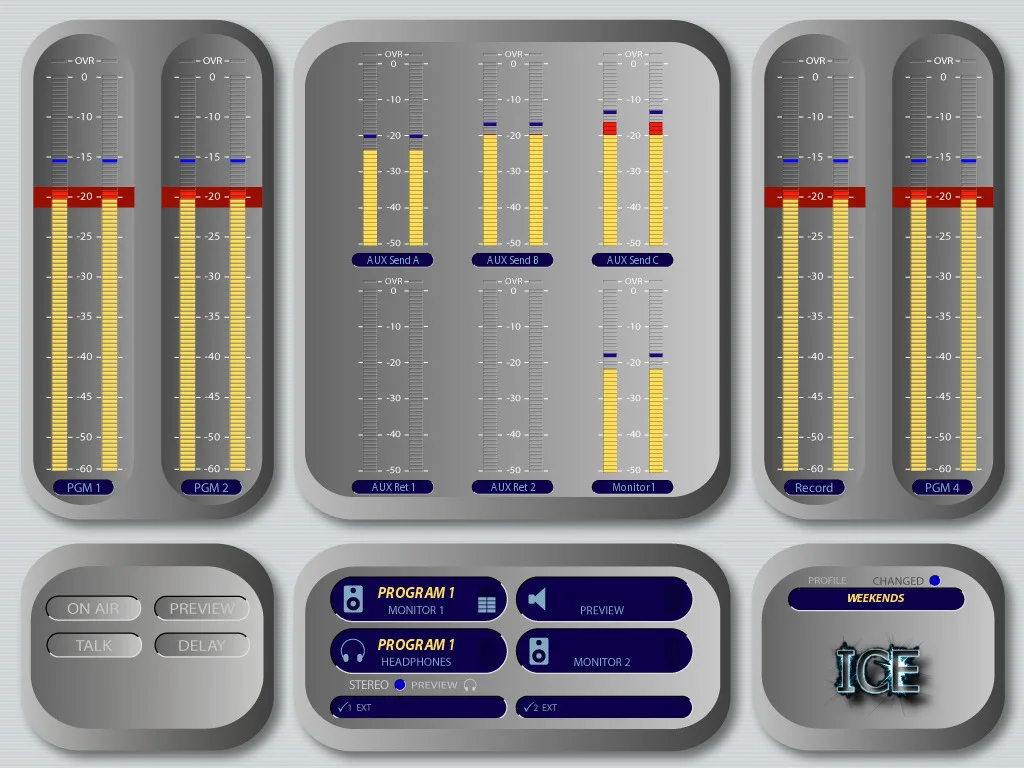
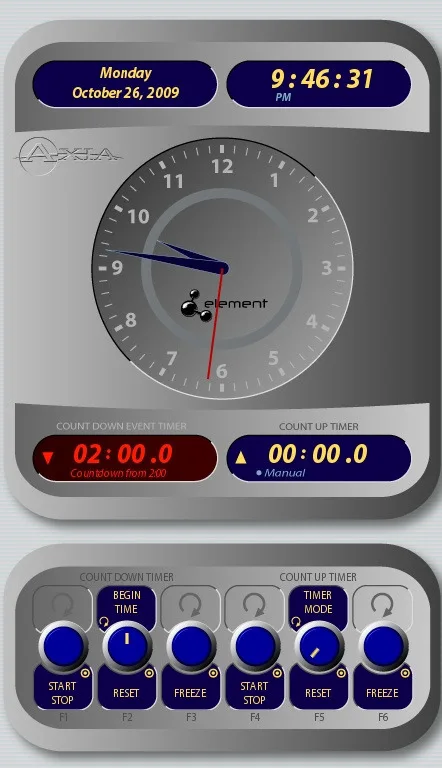
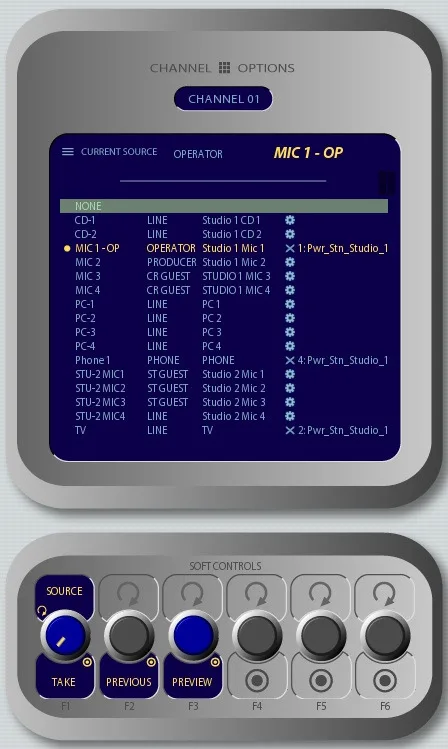
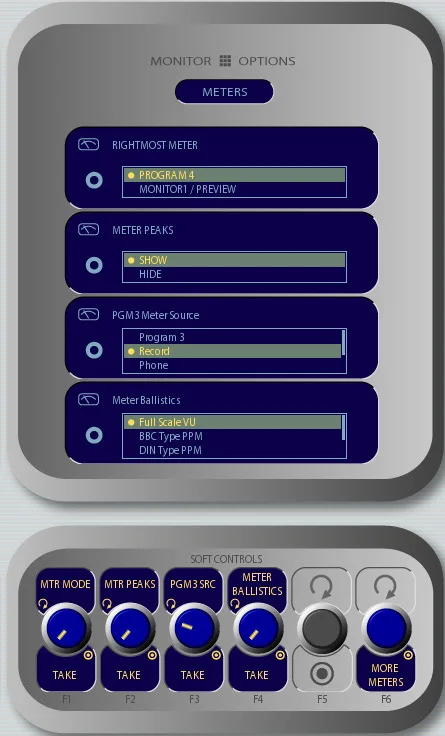
| Screens | 10-character alphanumeric display per channel; metering, clock and timers on an external VGA monitor. |
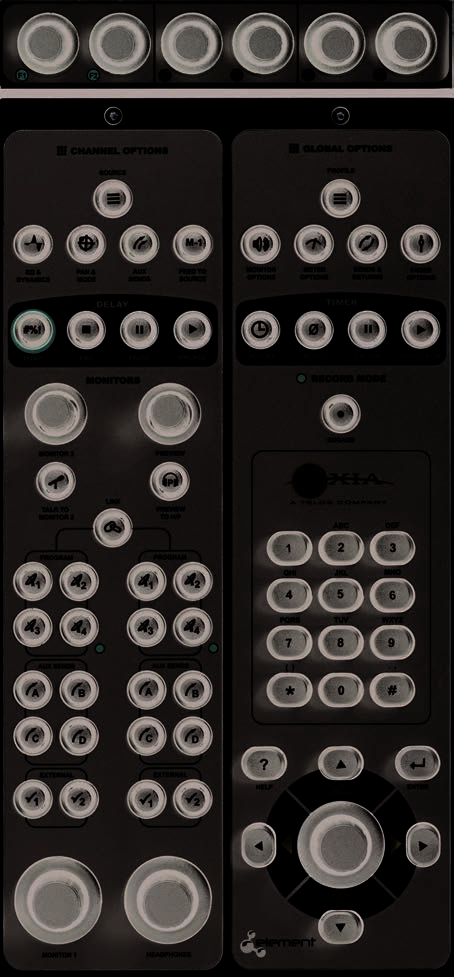
| Scenes and recall | Show Profiles: up to 99 instantly recallable setup snapshots. |
Recording
| Onboard recording | No |
|---|
Networking
| Networking & protocols | Network |
|---|---|
| Redundant PSU | No |
| Redundant networking | No |
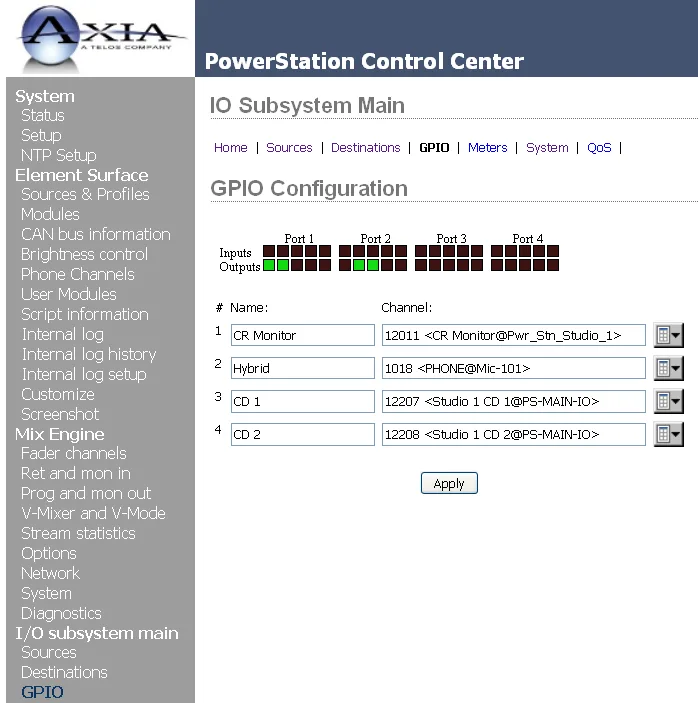
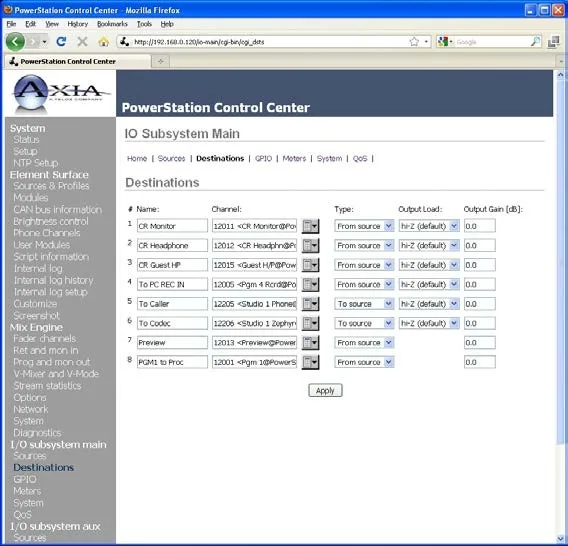
| Audio networking | Livewire (audio-over-IP, Ethernet); recent engines AES67-compatible. |
Physical
| Build | Long-life conductive-plastic side-loading faders; aircraft-grade LED-lit switches tested to millions of operations |
|---|
Other
| Year / dates | Introduced at NAB 2005. A flagship of AoIP radio, now a legacy product. |
|---|---|
| Applications | Radio: on-air and production studios. |
| Broadcast features | Automatic per-channel mix-minus, talkback, one-button Record Mode, Telos phone and codec integration. |
Strip & details
Rotate your phone to landscape for a better view of the strip.
Rotate your phone to landscape for a better view of the strip.

Rotate your phone to landscape for a better view of the strip.
Rotate your phone to landscape for a better view of the strip.
Rotate your phone to landscape for a better view of the strip.
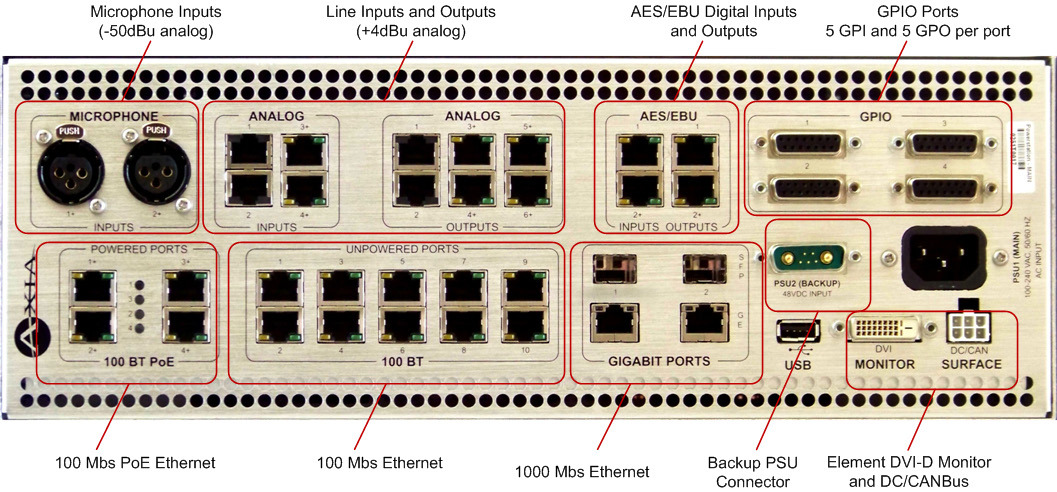
Rotate your phone to landscape for a better view of the strip.
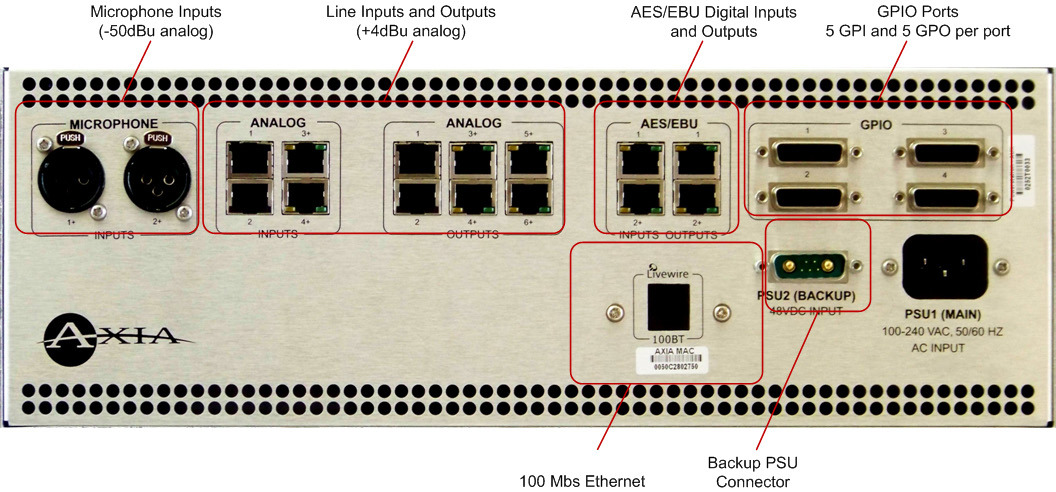
Rotate your phone to landscape for a better view of the strip.
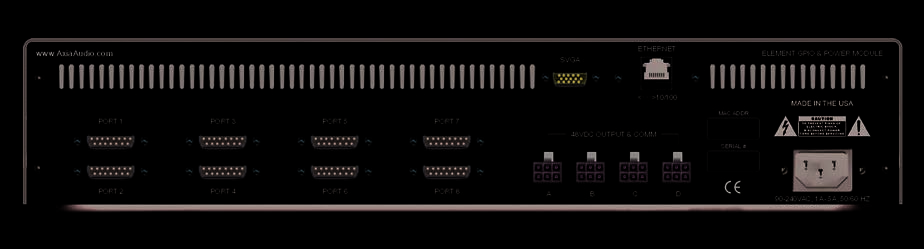
Rotate your phone to landscape for a better view of the strip.
Diagrams
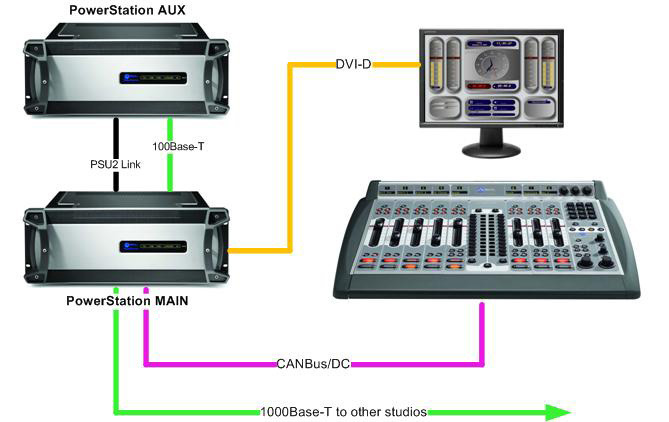
Rotate your phone to landscape for a better view of the diagram.
Software
- Axia IP-TabletAxia virtual surface and control tools for tablet and browser, driving the Livewire resources tied to the Element.Download
Other screenshots
Documents
Editorial & artists
Our take
History & design
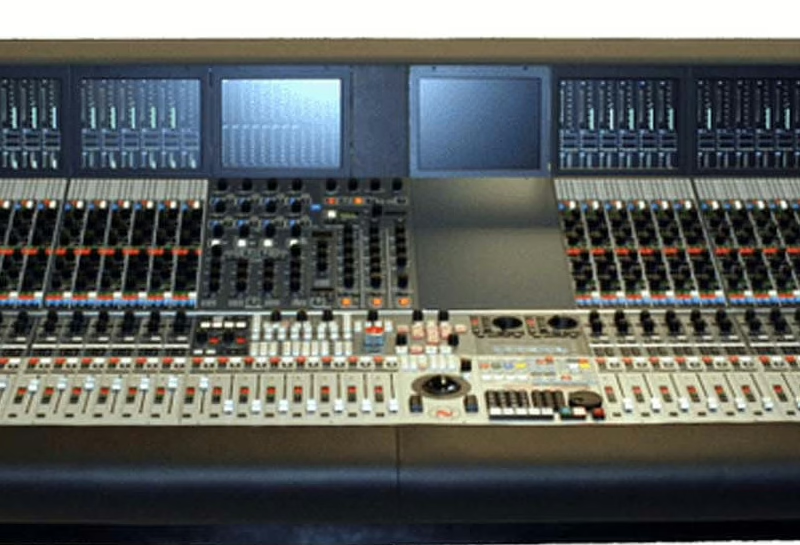
The Axia Element is a digital mixing console for radio, built around the Livewire audio-over-IP network. The control surface, in frames of 8 to 28 positions (up to 40 faders across linked frames), holds no processing: mixing and DSP live in a remote PowerStation or StudioEngine mix engine, connected by a single CAT-6 cable. All audio sources and GPIO control are shared across the network, from one studio to the next.
Every channel has a 3-band parametric EQ, an alphanumeric source display, a Status Symbol for talkback and mix-minus, and a Preview (cue) function. Mic sources get Omnia dynamics processing (compression, de-essing, expansion). Show Profiles store up to 99 instantly recallable setups. A one-button Record Mode prepares record mixes for phone bits or off-air interviews. The console integrates Telos phone-line control and automatic mix-minus generation for every caller or codec.
The surface is machined from thick aluminium extrusions for rigidity and RF immunity; faders are conductive-plastic, and an optional Motor-Fader module adds four moving faders. Metering, clock and timers are shown on an external VGA monitor of the operator's choice.
- Michael Dosch, Designer of Axia consoles, Axia Audio co-founder
Notable users
- Univision Radio (Austin)
AoIP radio studios equipped with Axia Element consoles
Links
- Manufacturer Telos Alliance : Axia Element (Legacy) telosalliance.com
- Manufacturer Axia Element product page (Telos Alliance) telosalliance.com
- Press article Radio World : AoIP Consoles and Systems radioworld.com
- Press article Axia debuts the Element modular control surface (2005) telosalliance.com
- Archive Wikipedia : Livewire (networking) en.wikipedia.org
- Press article Axia Element Modular Control Surface (Mix) mixonline.com
Related consoles
Some merchant links are affiliate links. Purchases may support Digital Mixing at no extra cost.
Documents are archived locally for preservation. Source credited. Takedown requests: [email protected]