


Description
Technical
Specifications
Inputs / Outputs
| Total inputs | 160 |
|---|---|
| Total outputs | 40 |
Processing
| Mix buses | 40 |
|---|---|
| Aux sends | 36 |
| DCA/VCA groups | 16 |
| DSP engine | D-Series DSP engine based on Analog Devices SHARC processors (generation preceding the FPGA-based Stealth Digital Processing of the SD range, 2007) |
| Max sample rate | 48 kHz |
| Bit depth | 24 bits |
| Channels | Simultaneous processing of 64 mono/stereo channels, expandable up to 160 channels (any mono/stereo mix), with access to 224 inputs and 224 outputs. Source: D-Series spec sheet. · Up to 160 input channels (V4 software) · Up to ~160 input channels depending on software version (to be confirmed on the original D1 spec sheet) |
| Buses | 40 output buses; up to 36 mono/stereo auxes, LCR, 5.1 · 40 flexible output buses |
| DSP engine — details | Up to 32 IPCs (Insertable Processing Channels, V4 software): 6-band parametric EQ + compressor + up to 510 ms delay, insertable on any input/output or as output processors. Source: spec sheet. |
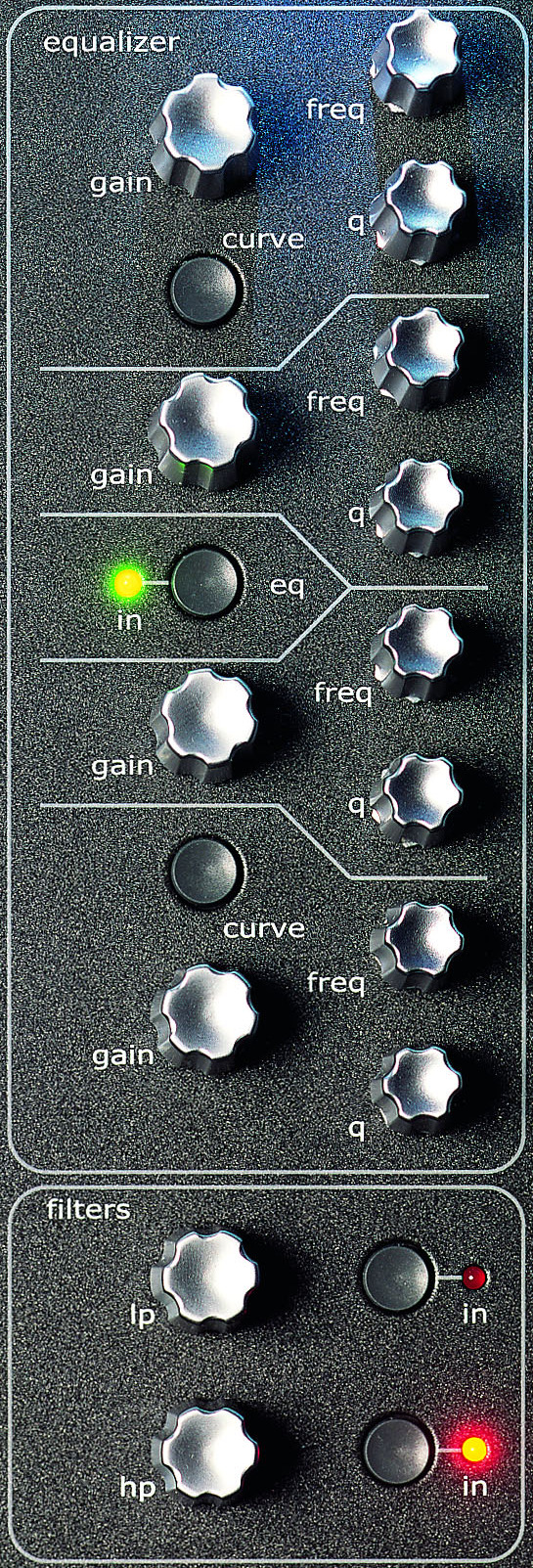
| EQ | 4-band parametric EQ, HP/LP filters, per-channel sidechain dynamics |
| Channel processing | Per channel: 4-band parametric EQ, high-/low-pass filters, dynamics |
| Matrices | 40 flexible output buses: up to 36 mono/stereo/LCR(S)/5.1 auxes, each with limiter and insert point; user-configurable 38×8 matrix with inserts. Source: spec sheet. |
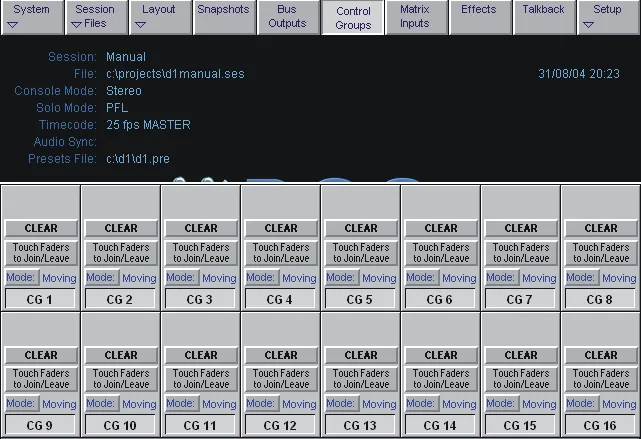
| Groups and VCA/DCA | 16 VCA-style control/mute groups (up to 24 in V4 software on the D1 Live 40 package). Source: spec sheet. |
| Effects and plug-ins | Dedicated digital effects card (own DSP): up to 6 effects per channel (reverbs, delays, pitch, dynamics, 28-band graphic EQ). Source: spec sheet. |
| Sample rate | 48 kHz (resolution moved to 96 kHz with the SD range in 2007) |
| Audio performance | 24-bit quantization; 20 Hz–20 kHz ±0.2 dB; THD <0.004% (100 Hz–10 kHz); separation >90 dB; mic EIN -127.5 dB (150 Ω, 60 dB gain); max analogue gain +60 dB; max input +22 dBu. Source: spec sheet. |
Surface
| Physical faders | 33 |
|---|---|
| Motorized faders | Yes |
| Fader layers | 6 |
| Screens | 3 |
| Touchscreen | Yes |
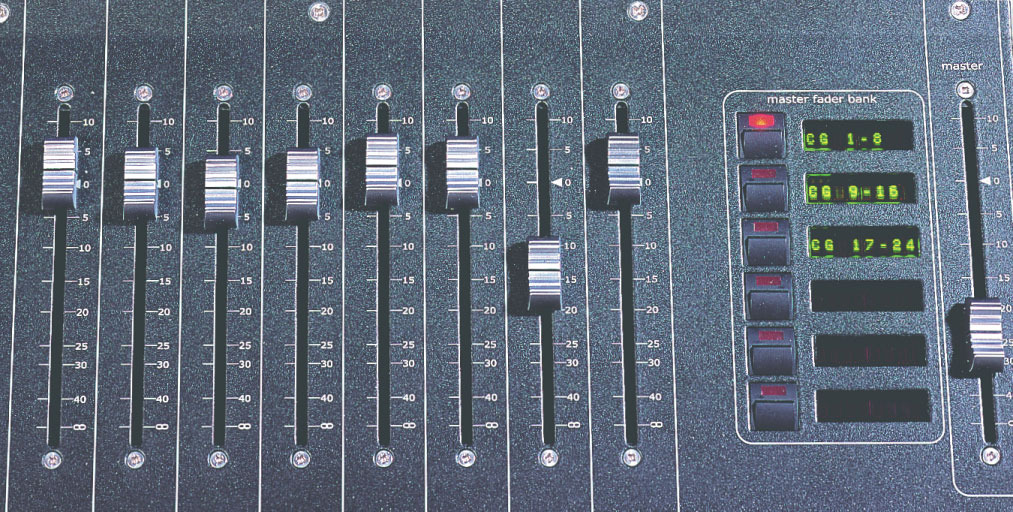
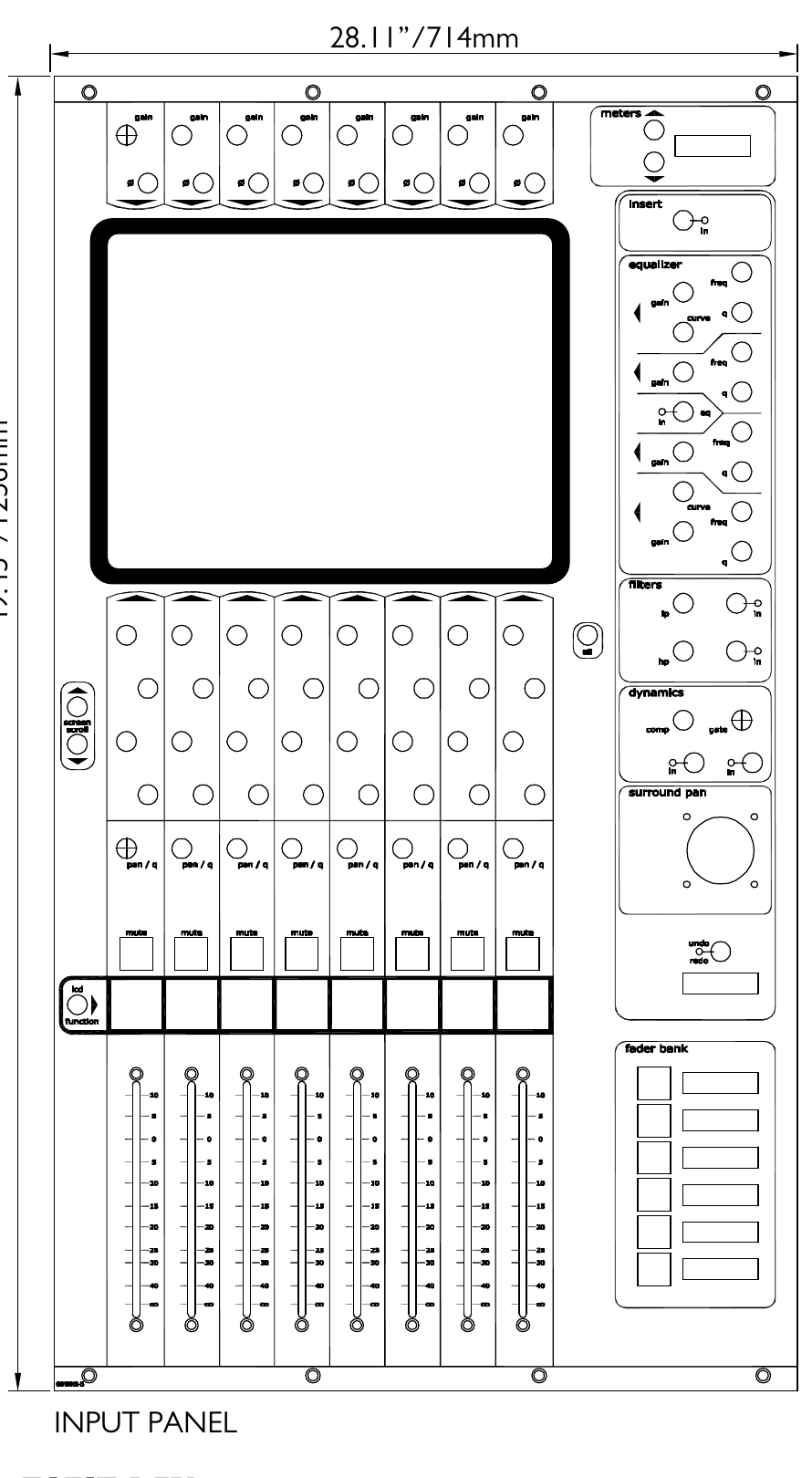
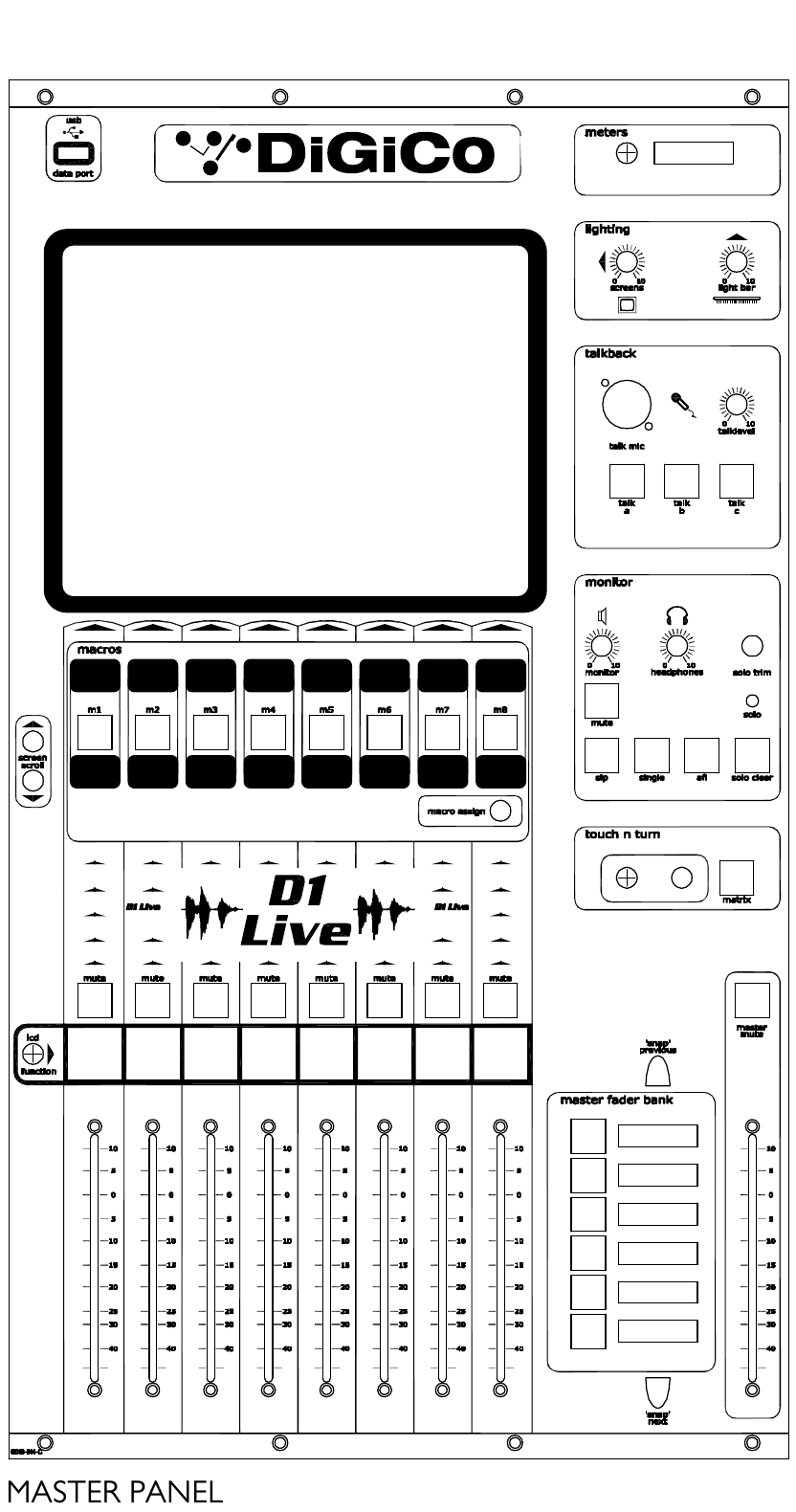
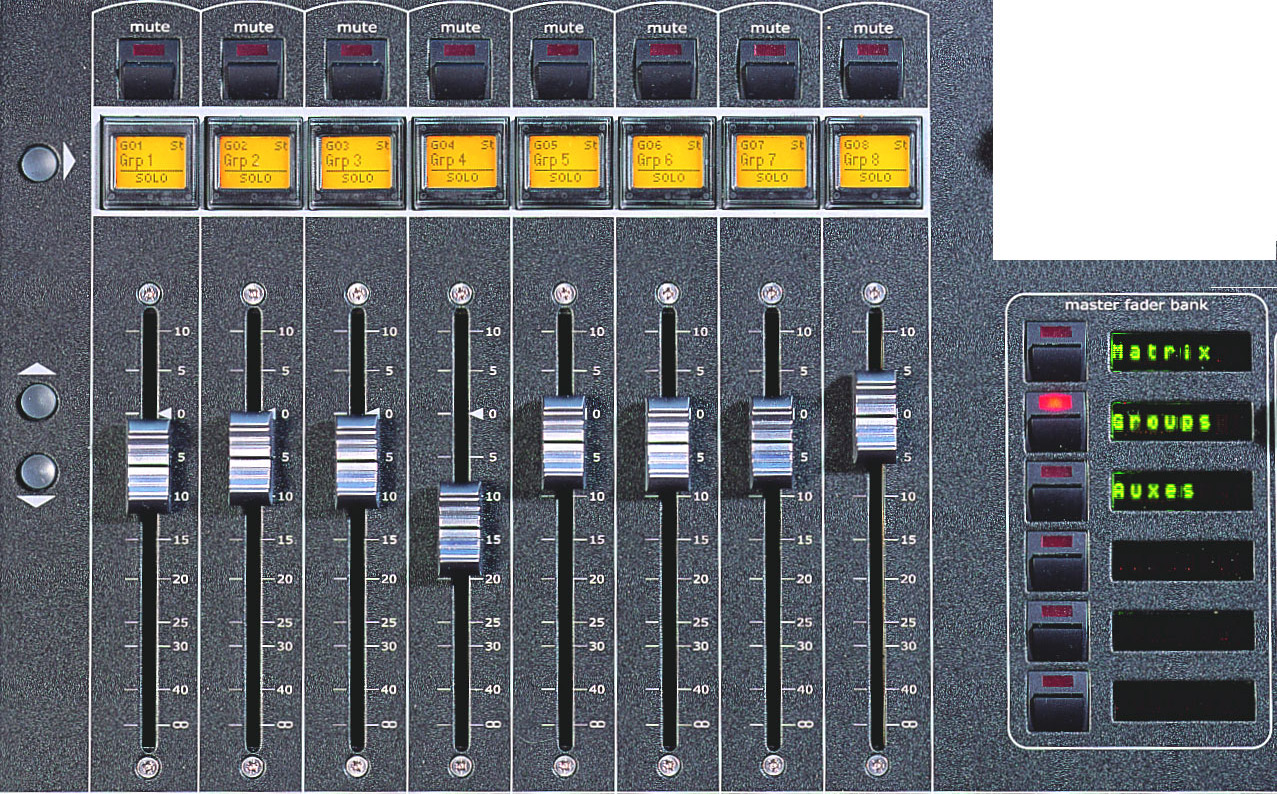
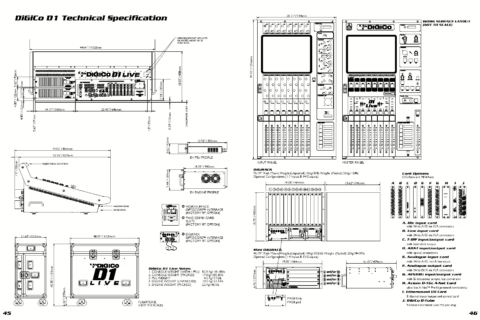
| Control surface | 25 motorised faders (two touchscreen input sections) + 8-fader master; 3 screens |
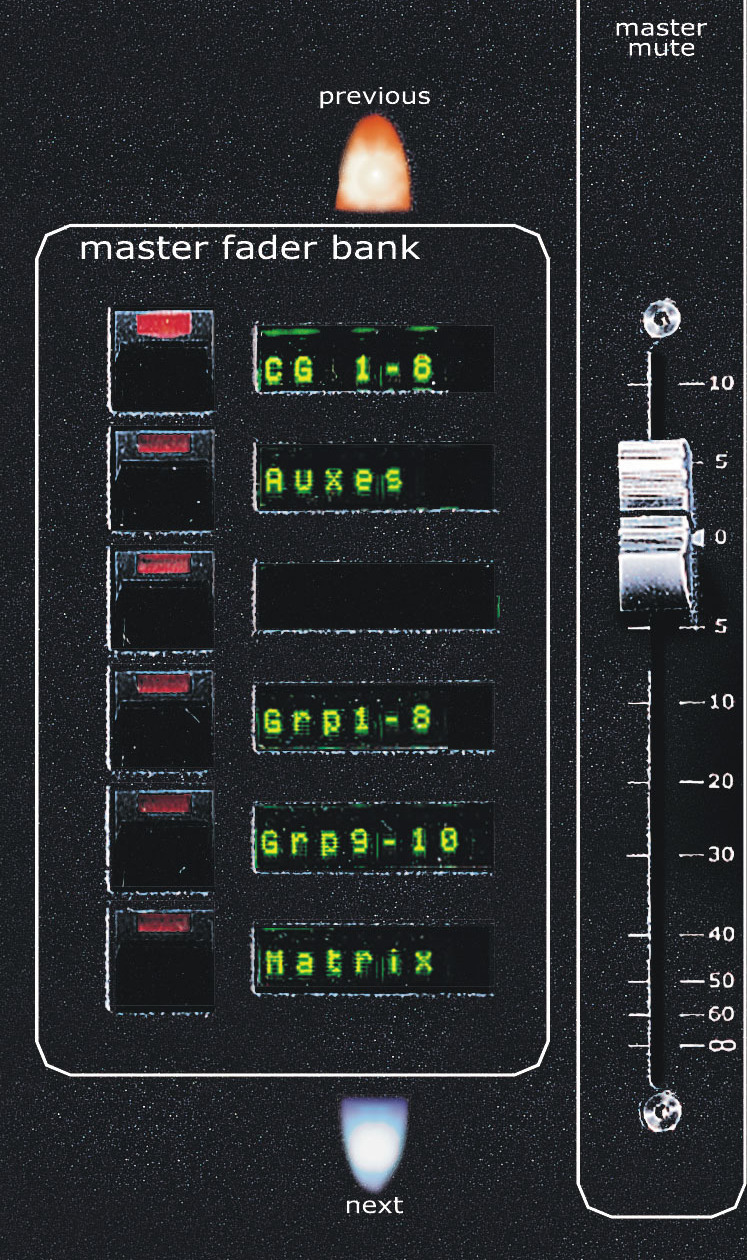
| Faders | 25 layered motorised faders (blocks of 8, six user-definable fader banks per section) + 8 master faders. Three colour TFT touchscreens. Source: spec sheet. |
Recording
| Onboard recording | No |
|---|
Networking
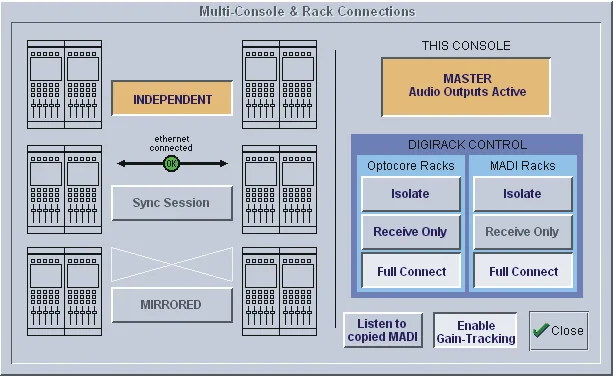
| Networking & protocols | MADI / Optocore |
|---|---|
| Redundant PSU | Yes |
| Redundant networking | Yes |
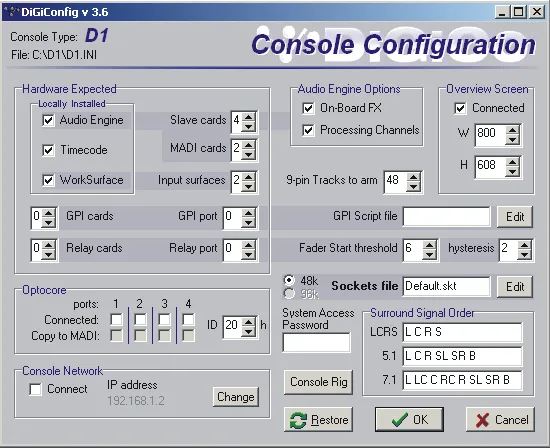
| Audio networking | Optocore optical + MADI card (stage-to-FOH over 100 m coax); DiGiRack stageracks · MADI stage-to-FOH link (coax, up to 100 m) or optical fibre to DiGiRack stage racks · Up to 4 × 56-channel MADI ports (24-bit) → 4 DiGiRacks, i.e. 224 I/O max. 512-channel redundant Optocore optical loop (factory option). Optional AES/EBU, ADAT, T-DIF, Ethersound, Aviom A-Net cards. Source: spec sheet. |
| Redundancy | Dual redundant PSU and dual storage flash. Direct recording to a MADI HD recorder; show setup saved to USB key. Console (with 1 PSU): 82.5 kg. Source: spec sheet. |
Physical
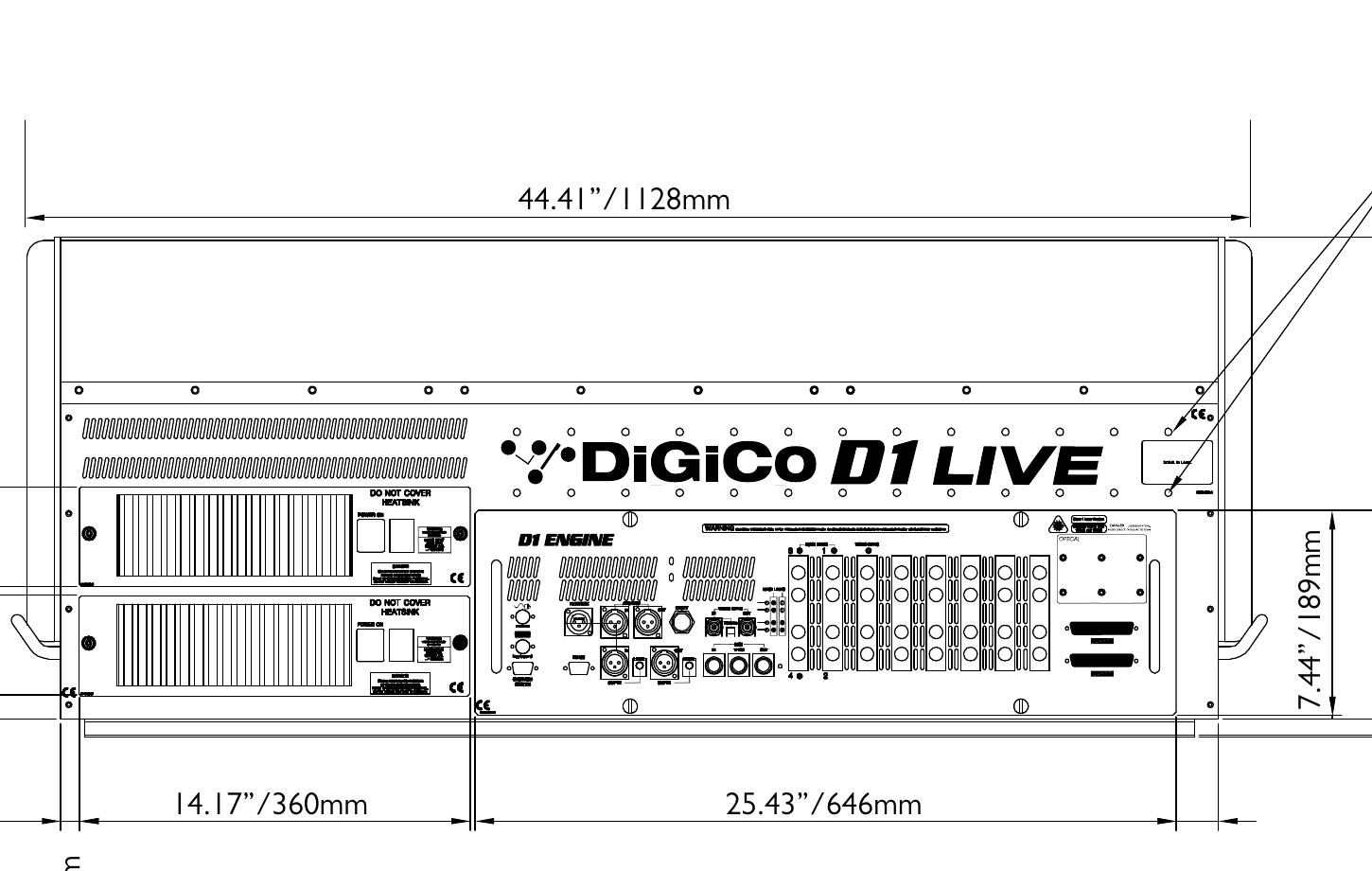
| Weight | 82.5 kg |
|---|---|
| Weight — details | ≈ 82.5 kg (with one PSU) |
Power
| Power draw | 300 W |
|---|
Other
| Lineage | D-Series, DiGiCo's first generation (2002-2007), preceding the SD range |
|---|---|
| Year / dates | Launched circa 2005 (D Series opened by the D5 in 2002) — to be confirmed |
Strip & details
Rotate your phone to landscape for a better view of the strip.
Rotate your phone to landscape for a better view of the strip.
Rotate your phone to landscape for a better view of the strip.
Rotate your phone to landscape for a better view of the strip.
Rotate your phone to landscape for a better view of the strip.
Rotate your phone to landscape for a better view of the strip.
Rotate your phone to landscape for a better view of the strip.
Software
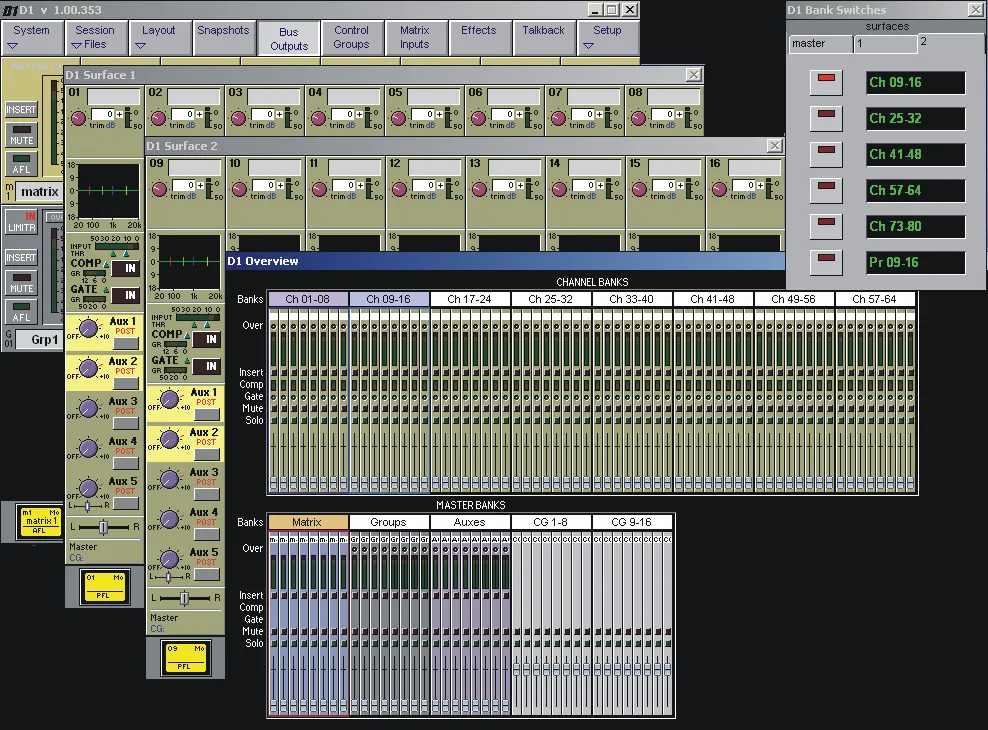
Other screenshots
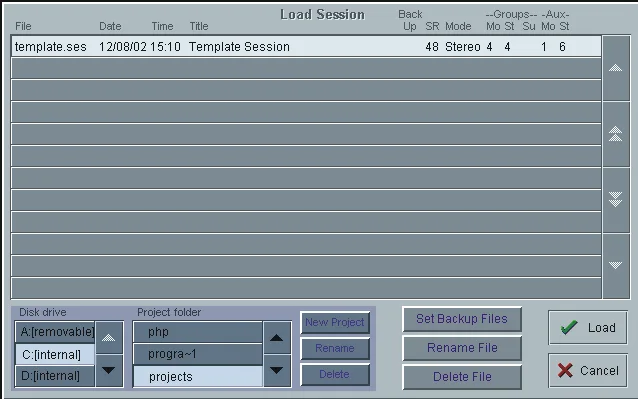
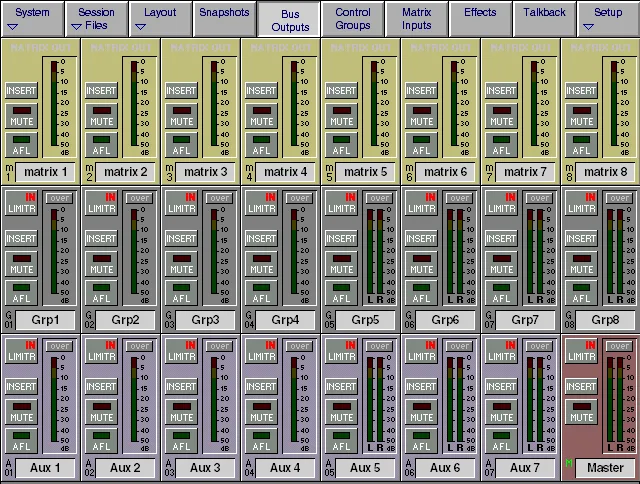
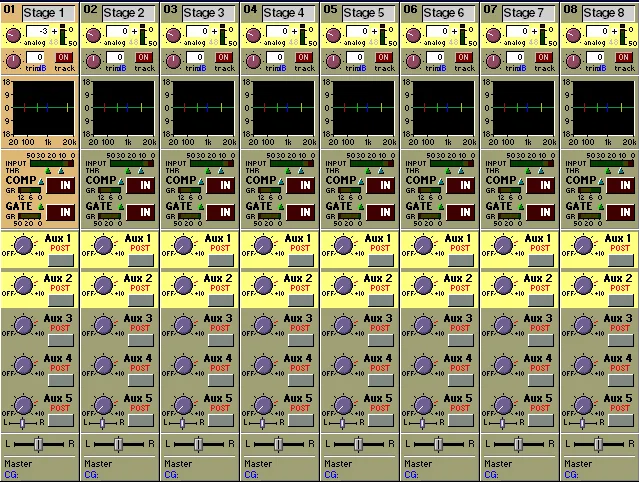
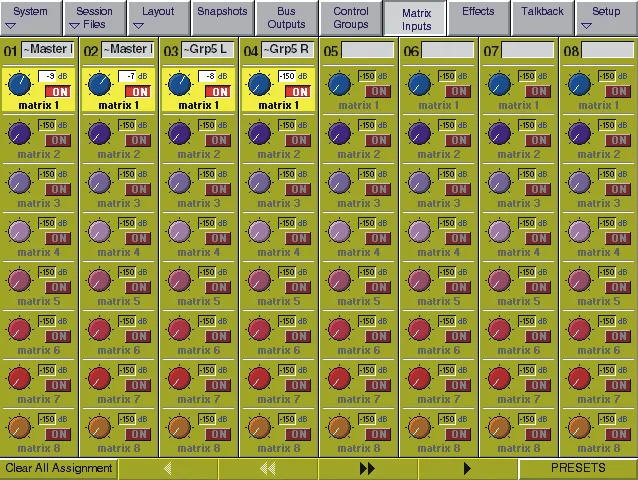
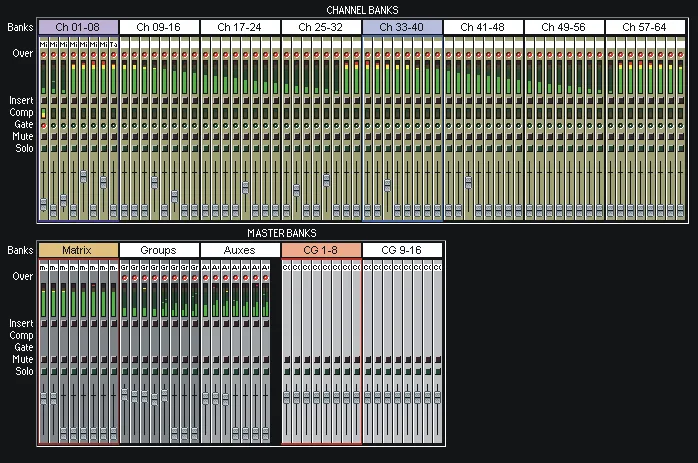
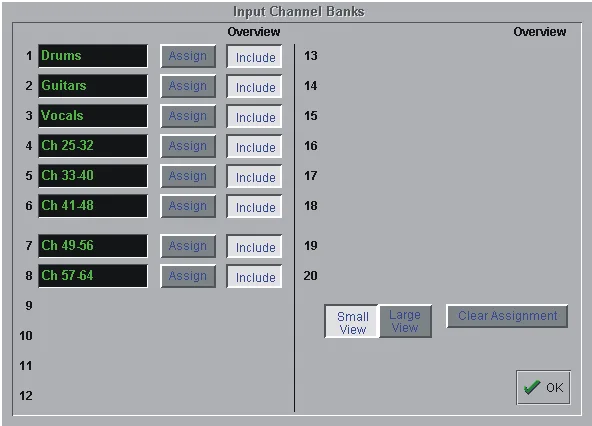
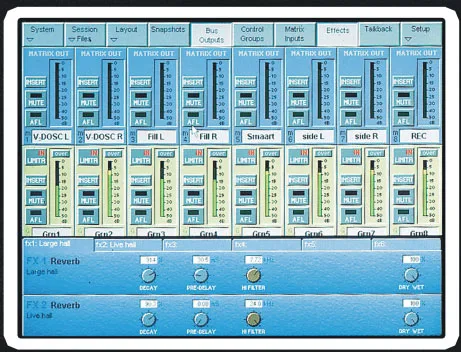
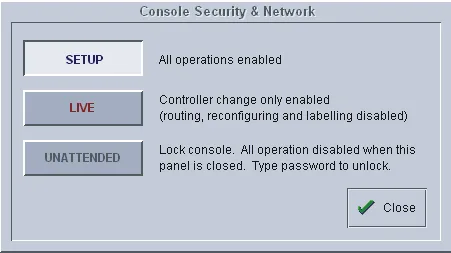
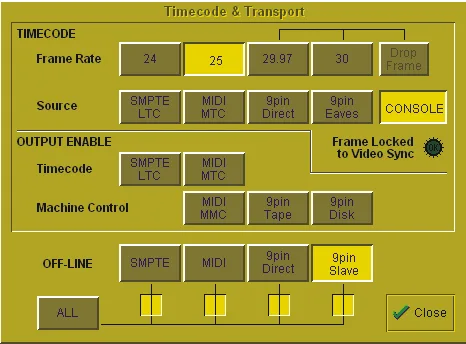
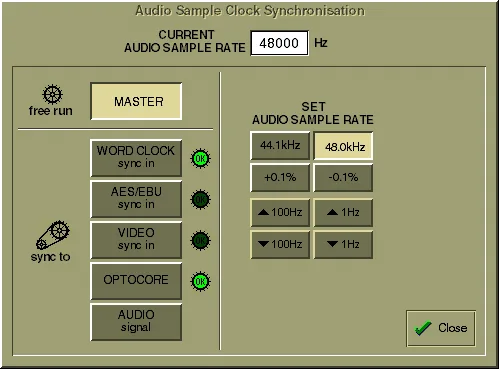
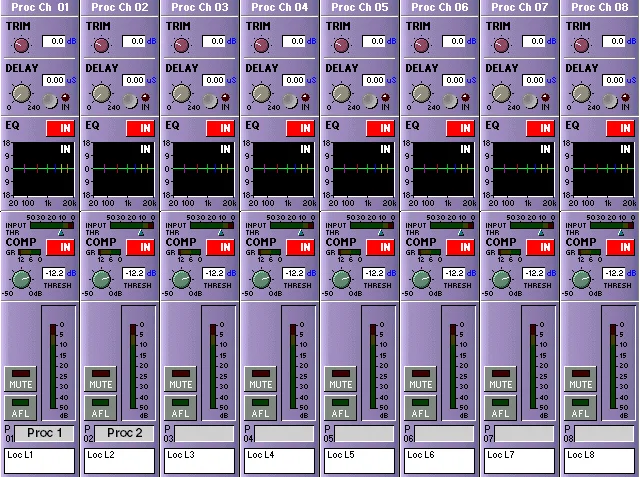
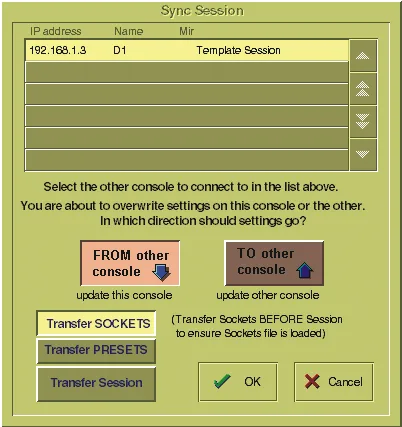
Accessories
Stagebox / rack
- DiGiRack
D-series I/O stagerack connected to the console over Optocore optical fibre.
I/O card
- Combi Card
Optional card providing 16 GPIs, 16 GPOs and an extra MIDI port. Source: spec sheet.
Documents
Editorial & artists
Our take
History & design
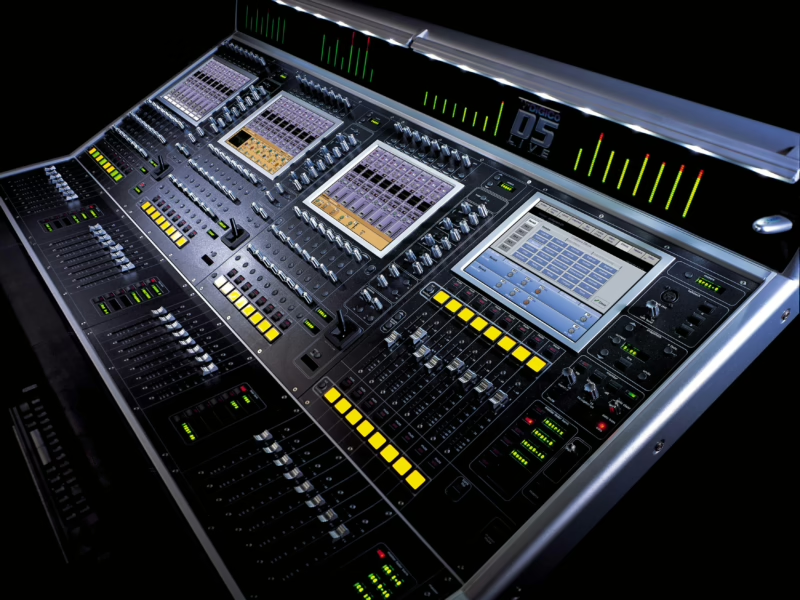
The D1 Live is the smaller sibling of the D5 Live, carrying over most of its features in a more compact, lighter package. The surface offers 25 motorised faders split into two input sections, each with its own touchscreen, plus an eight-fader master section with its own master control — three screens in total. Running V4 software, it handles up to 160 input channels with delay, high/low-pass filters, 4-band parametric EQ and sidechain dynamics, feeding 40 configurable output buses (up to 36 mono/stereo auxes, LCR, 5.1), each with limiter and insert points.
For transport, the D1 links to DiGiRacks over Optocore optical fibre and — a notable step for its generation — a MADI card that allows a digital stage-to-FOH link over 100 m of coax, double the previous reach, while sharply lowering the entry price. A rugged touring console (about 82.5 kg with one PSU), it brought D-series power to productions that didn't need the scale of a D5.
- James Gordon — Founder and CEO of DiGiCo
- John Stadius — Console engineer (DiGiCo / Soundtracs)
Notable users
Links
Related consoles
Some merchant links are affiliate links. Purchases may support Digital Mixing at no extra cost.
Documents are archived locally for preservation. Source credited. Takedown requests: [email protected]