


Description
Technical
Specifications
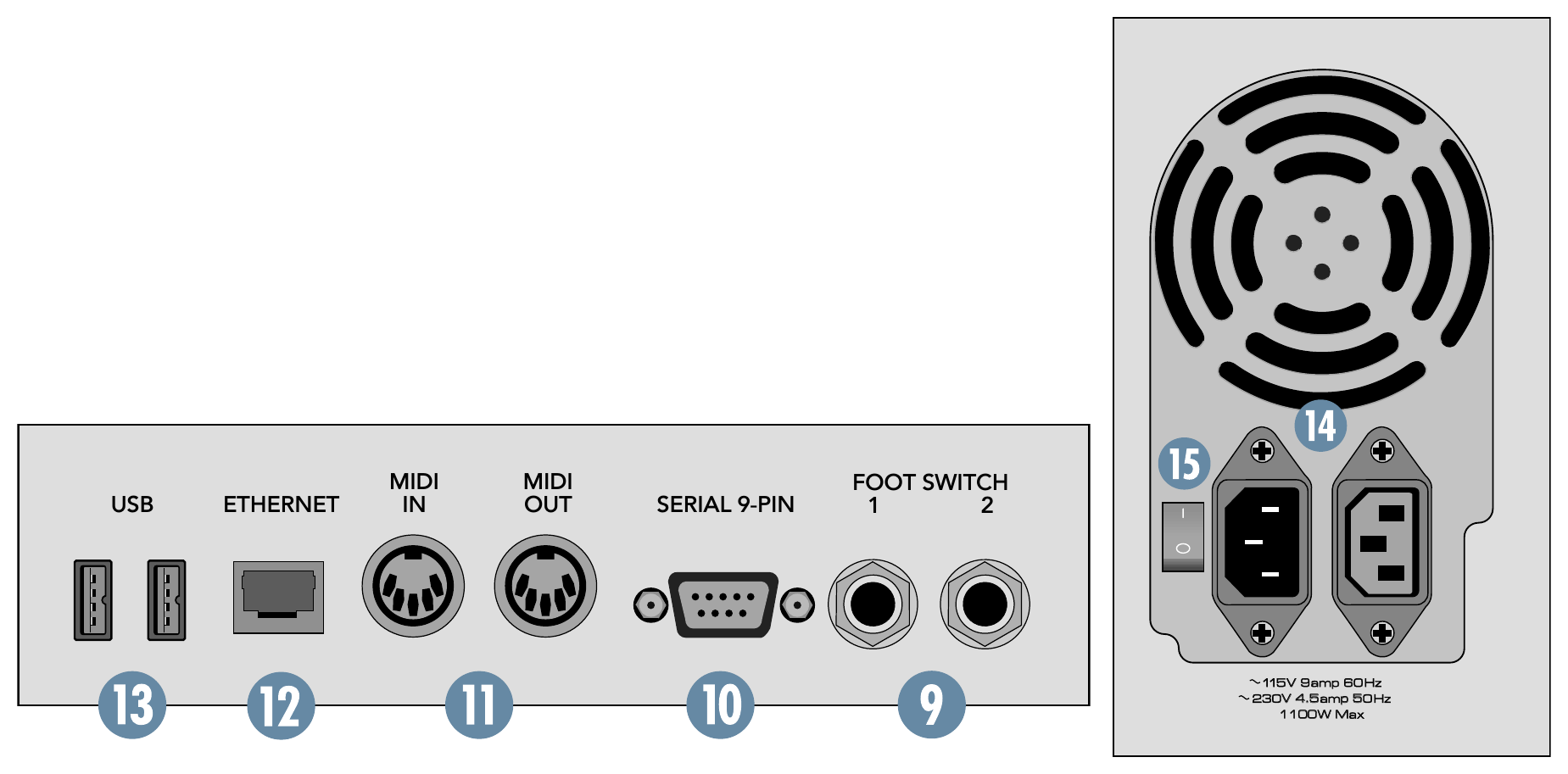
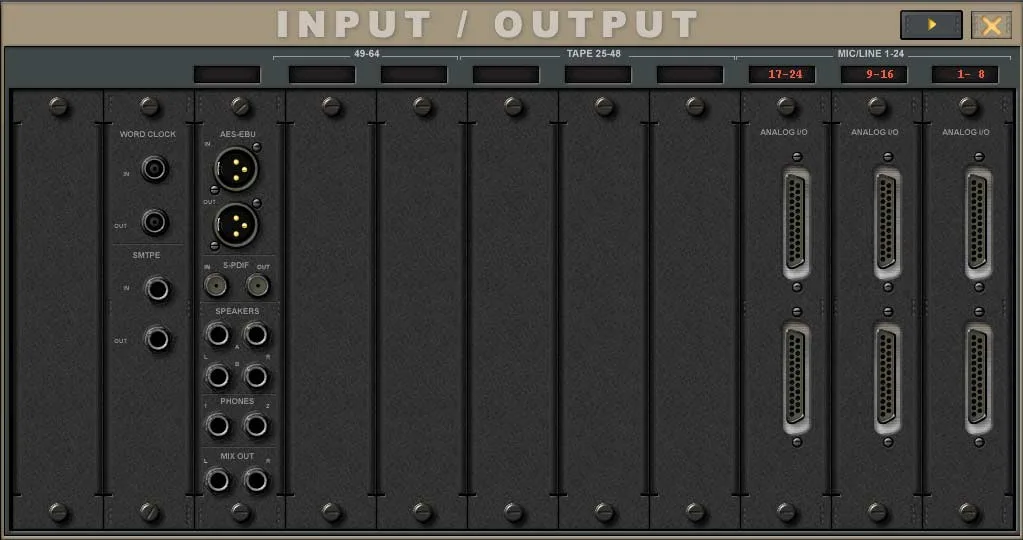
Inputs / Outputs
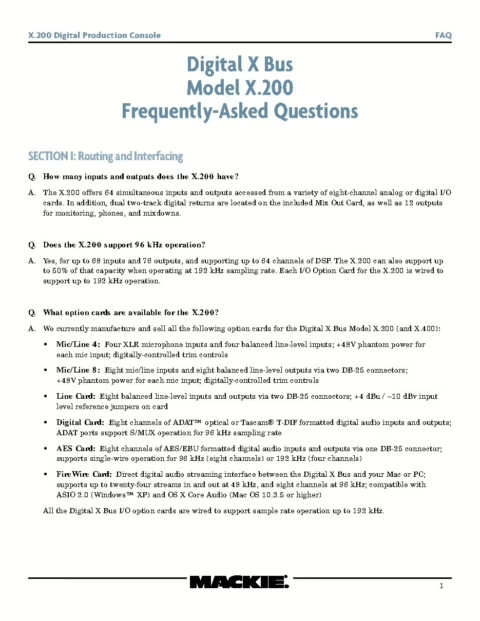
| Total inputs | 68 |
|---|---|
| Total outputs | 76 |
| Mic preamps | Digitally controlled, recallable mic preamps built around TI/Burr-Brown PGA2500 chips |
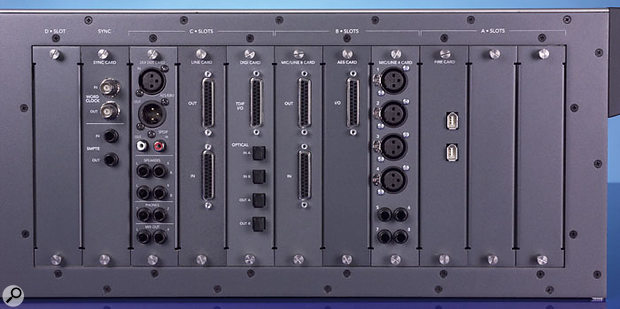
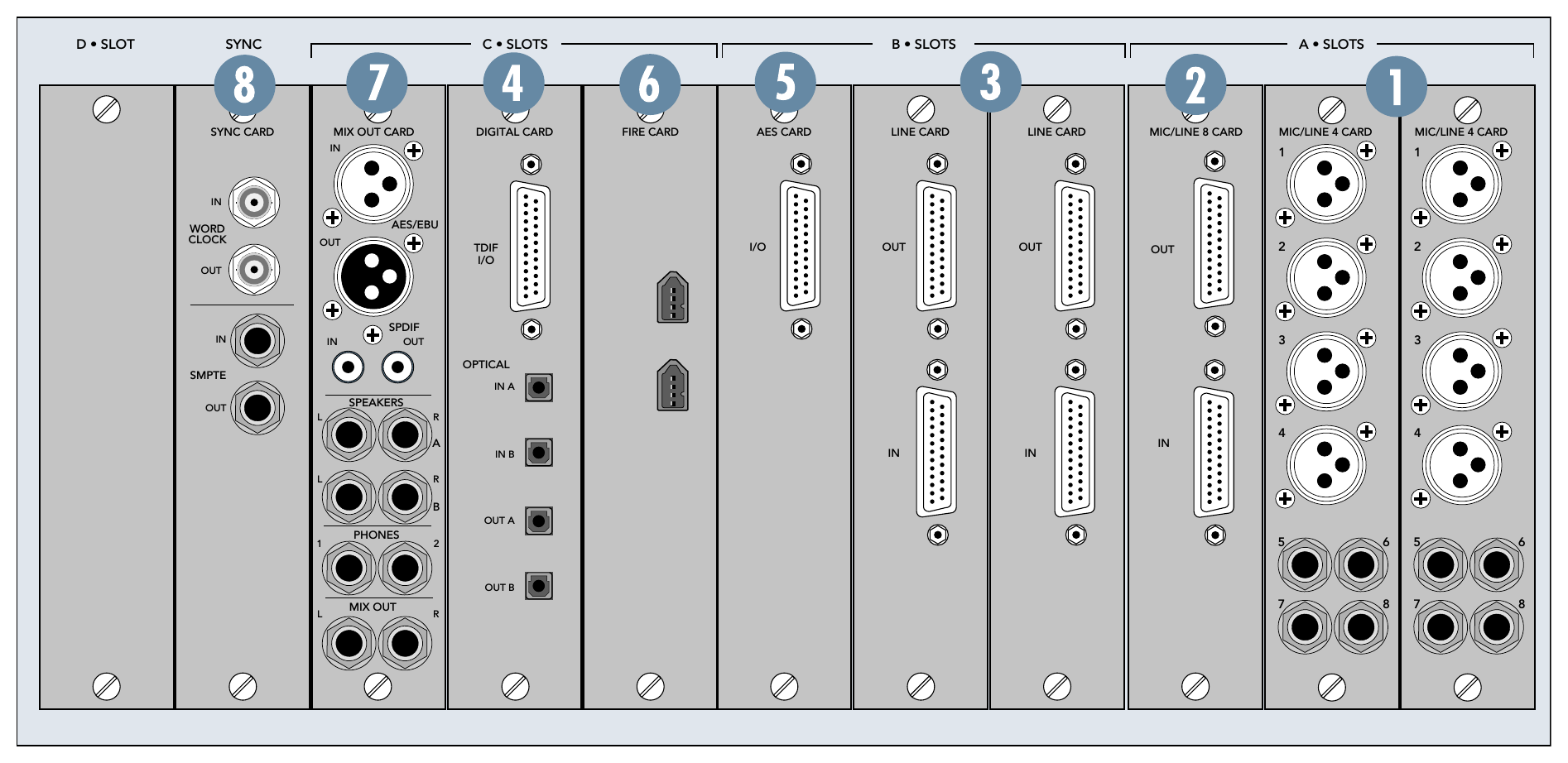
| Expansion cards | Modular cage: Sync, Mix Out, Line, Digital, Mic/Line 8, Mic/Line 4, AES, FireWire |
Processing
| Mix buses | 8 |
|---|---|
| DSP engine | Pentium 4 3 GHz host (32-bit floating-point mix) + dedicated dynamics/EQ DSP; UAD-1 card optional/standard |
| Max sample rate | 192 kHz |
| Bit depth | 24 bits |
| Processing resolution | 32 bits |
| Architecture | Standard PC architecture: 3 GHz Pentium 4, 1 GB RAM (expandable to 2 GB), Windows XP, hard drive |
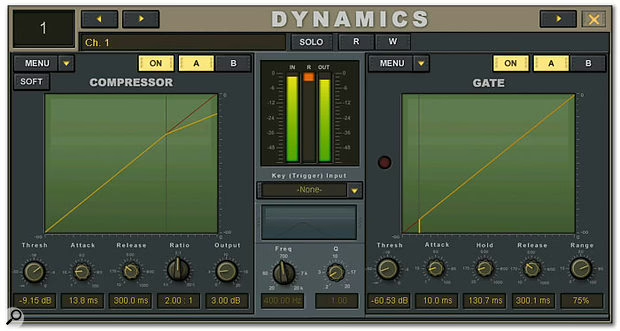
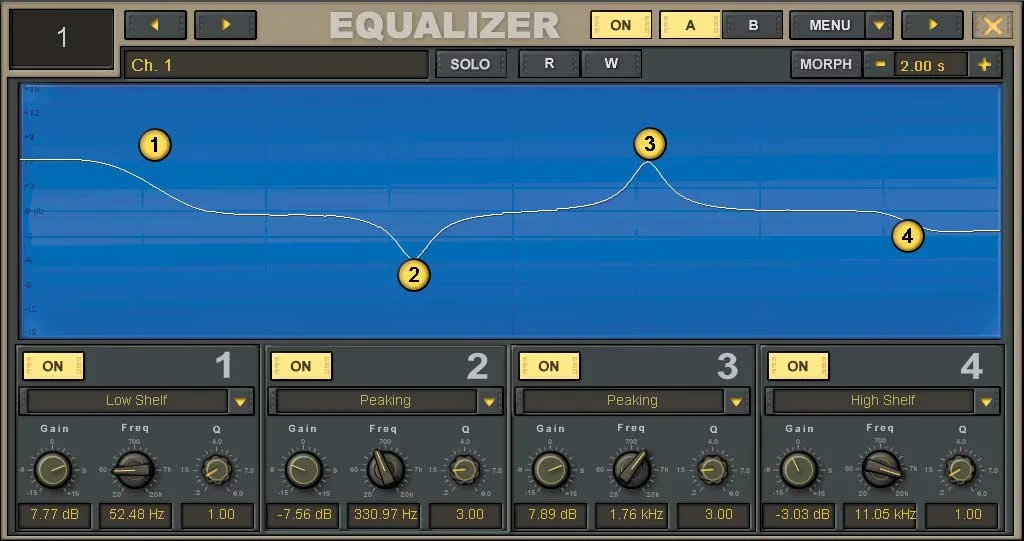
| Channel processing | 24 channel strips · Per channel: compressor/limiter, gate/expander, 4-band parametric EQ |
| Channels | 64 channels with DSP processing at 96 kHz (32 at 192 kHz), 72 x 72 I/O matrix · 64 channels with DSP at 96 kHz (32 at 192 kHz) |
| DSP engine — details | Host Pentium 4 3 GHz mixing in 32-bit floating point + dedicated DSP (dynamics/EQ) |
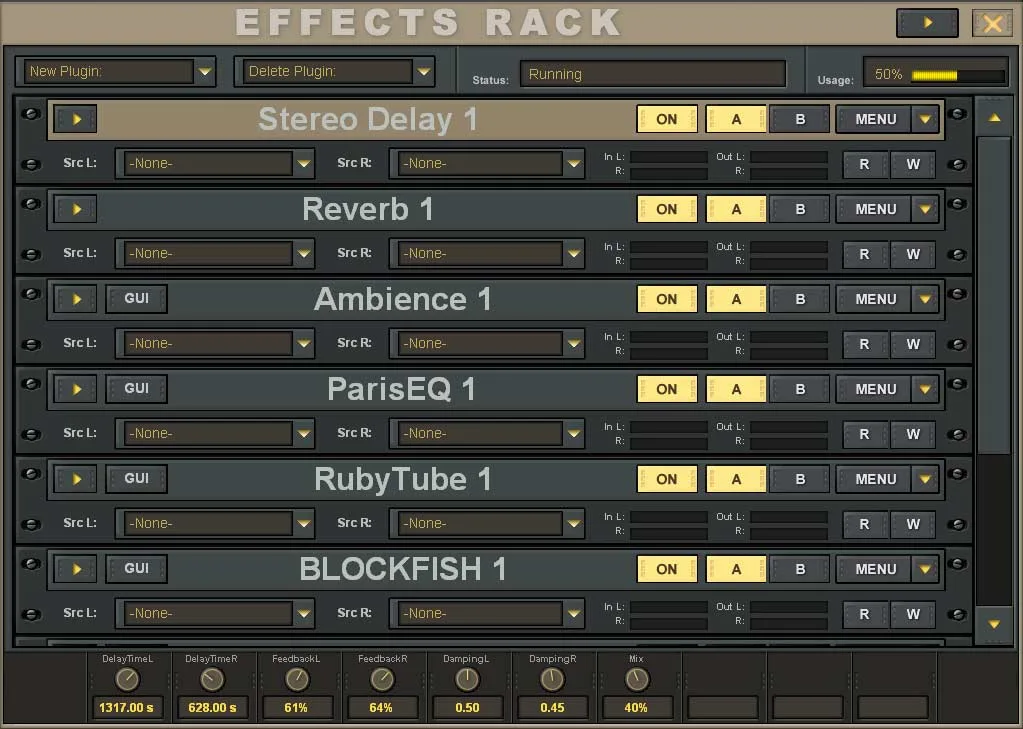
| Effects and plug-ins | Hosts VST plug-ins (Waves, etc.) on the host CPU plus a Universal Audio UAD-1 card (standard on the X.400, optional on the X.200) · Universal Audio UAD-1 card standard on X.400, optional on X.200 · Runs third-party VST plug-ins; Mackie Control Universal integration (Pro Tools, Logic…) |
| Matrices | 72x72 I/O matrix (36x36 at 192 kHz) · 72×72 I/O matrix (36×36 at 192 kHz); 64 channels with DSP at 96 kHz (32 at 192 kHz) |
| Bit depth — details | 96 kHz operation as standard, optional 192 kHz |
| Sample rate | 96 and 192 kHz capable |
Surface
| Physical faders | 24 |
|---|---|
| Motorized faders | Yes |
| Screens | 2 |
| Touchscreen | Yes |
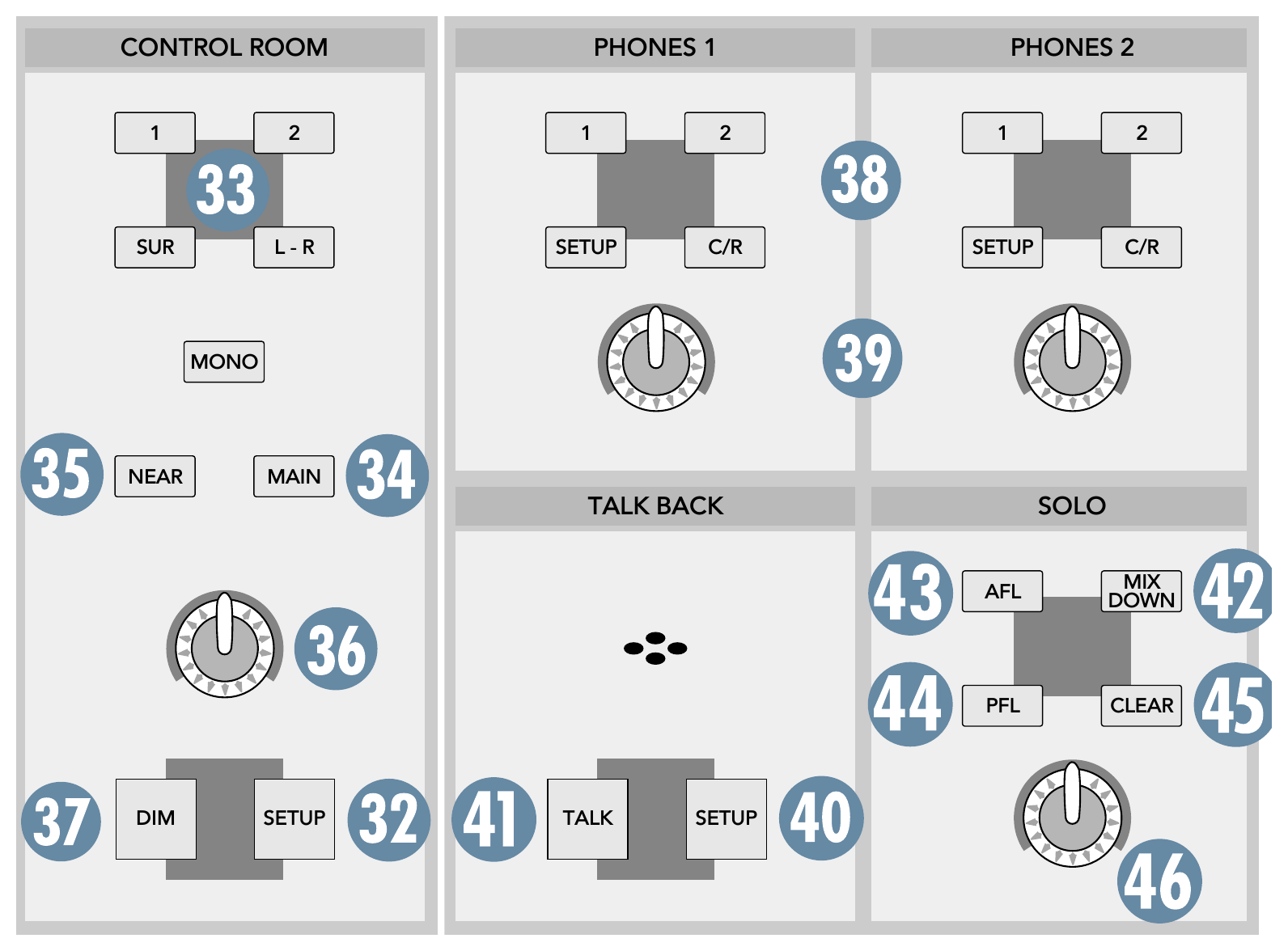
| Encoders | 24 assignable rotary V-Pots |
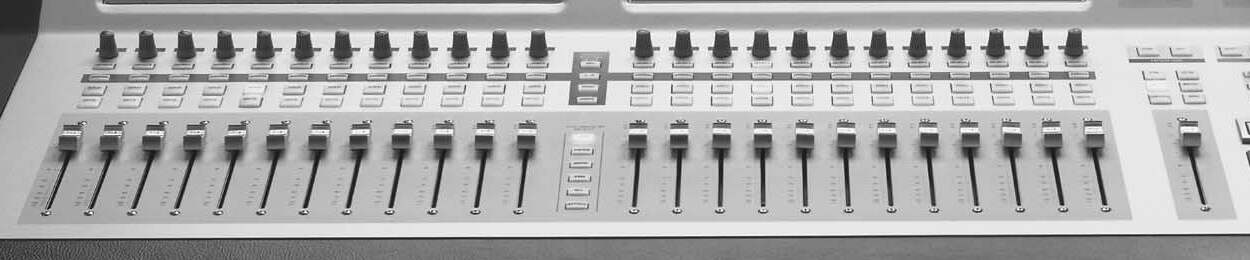
| Faders | 100 mm Penny & Giles optical touch-sensitive faders, 1024-step resolution |
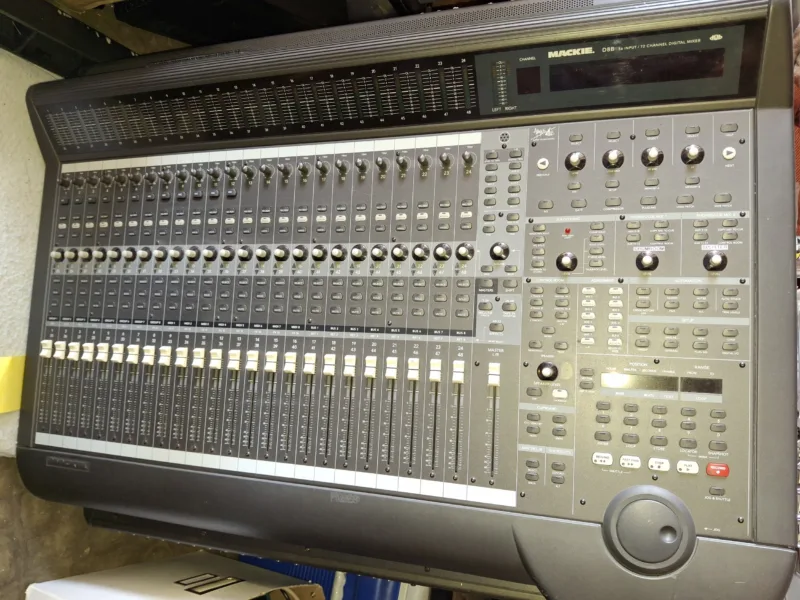
| Control surface | 24 motorised 100 mm Penny + Giles faders + master fader, 24 V-Pots, dual 15-inch touchscreens |
| Screens — details | Dual integrated touchscreen |
| DAW control | Mackie Control Universal emulation mode (Pro Tools, Logic, Nuendo, Cubase, Sonar… personalities), optional FireWire card for audio streaming to a DAW |
Recording
| Onboard recording | Yes |
|---|---|
| Recording type | Internal hard drive (PC architecture, Windows XP) |
Networking
| Networking & protocols | ADAT / AES/EBU |
|---|---|
| Redundant PSU | No |
| Redundant networking | No |
Physical
| Width | 1,107 mm |
|---|---|
| Depth | 808 mm |
| Height | 234 mm |
| Weight | 33 kg |
| Dimensions | Approx. 1107 x 808 x 234 mm (W x D x H), ~33 kg |
Other
| Variants and configurations | Two models: X.200 and X.400 (same architecture) · Two versions: X.200 and X.400 (X.400: greater I/O, extended surround, bundled UAD-1 card) |
|---|---|
| Software | Embedded Windows XP, 1 GB RAM (2 GB max), 60 GB hard drive |
| Year / dates | Developed with SaneWave, 2+ years of R&D; shipped from June 2004 |
Strip & details
Rotate your phone to landscape for a better view of the strip.
Rotate your phone to landscape for a better view of the strip.
Rotate your phone to landscape for a better view of the strip.
Rotate your phone to landscape for a better view of the strip.
Rotate your phone to landscape for a better view of the strip.
Software
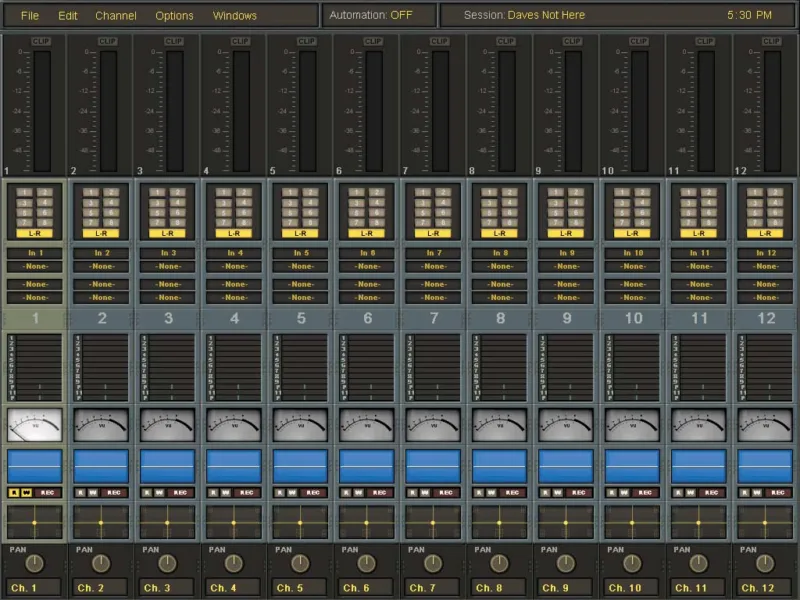
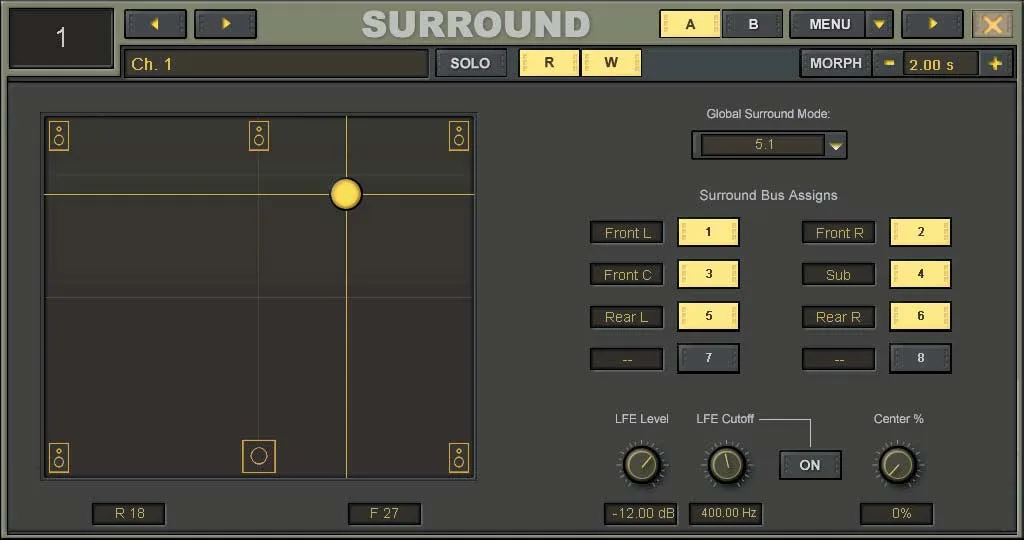
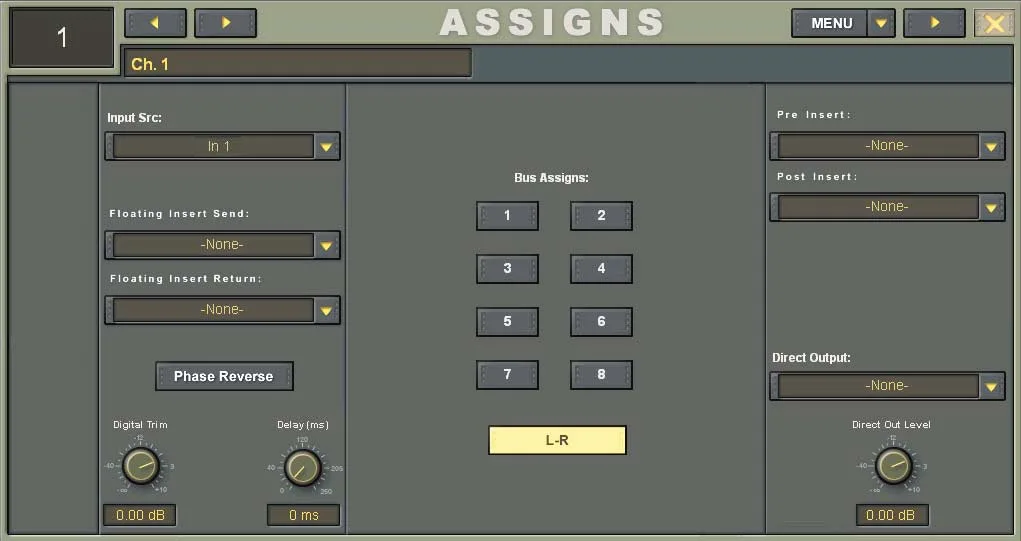
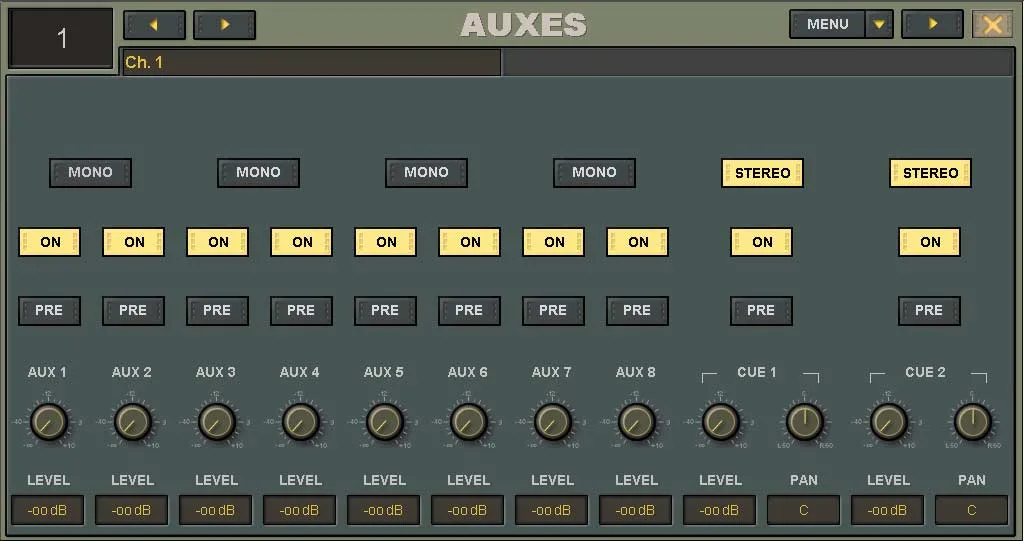
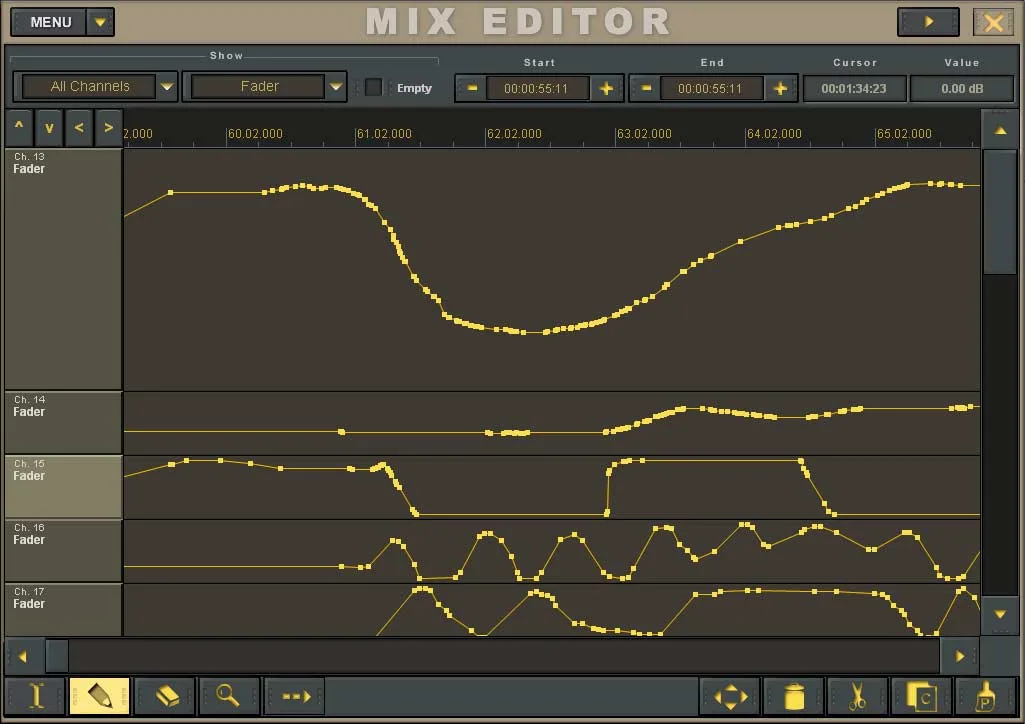
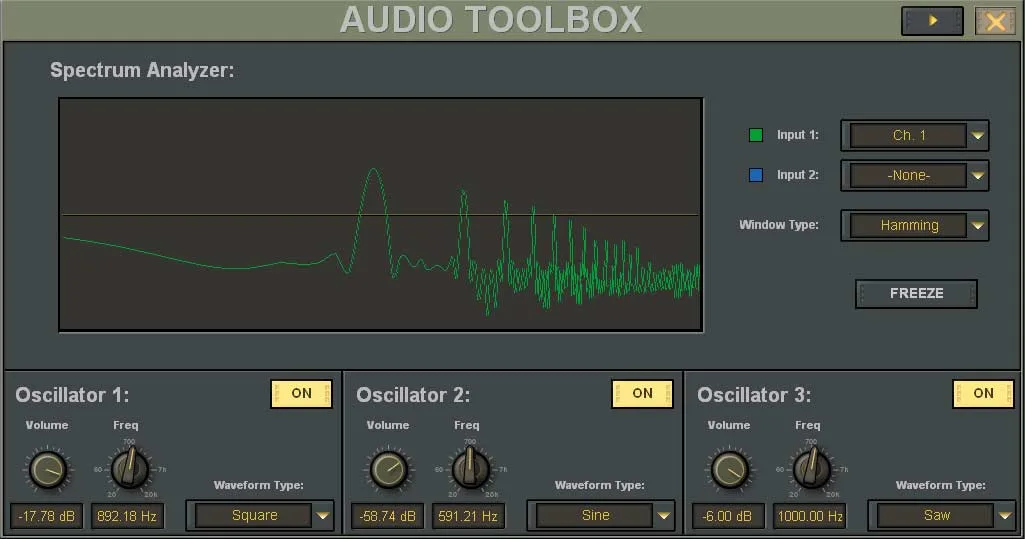
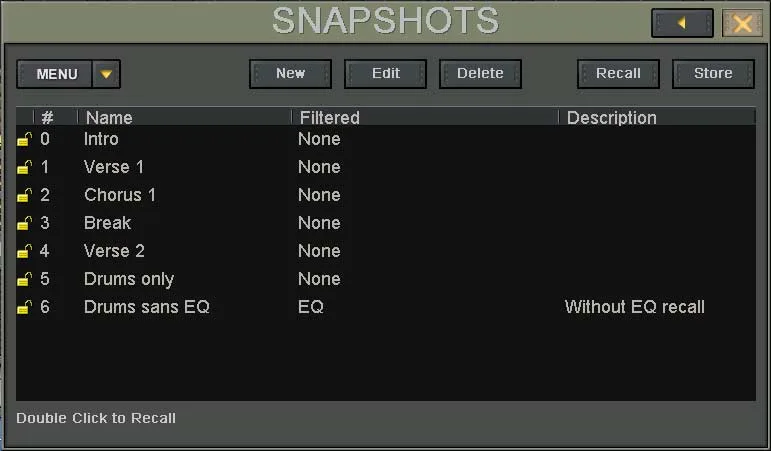
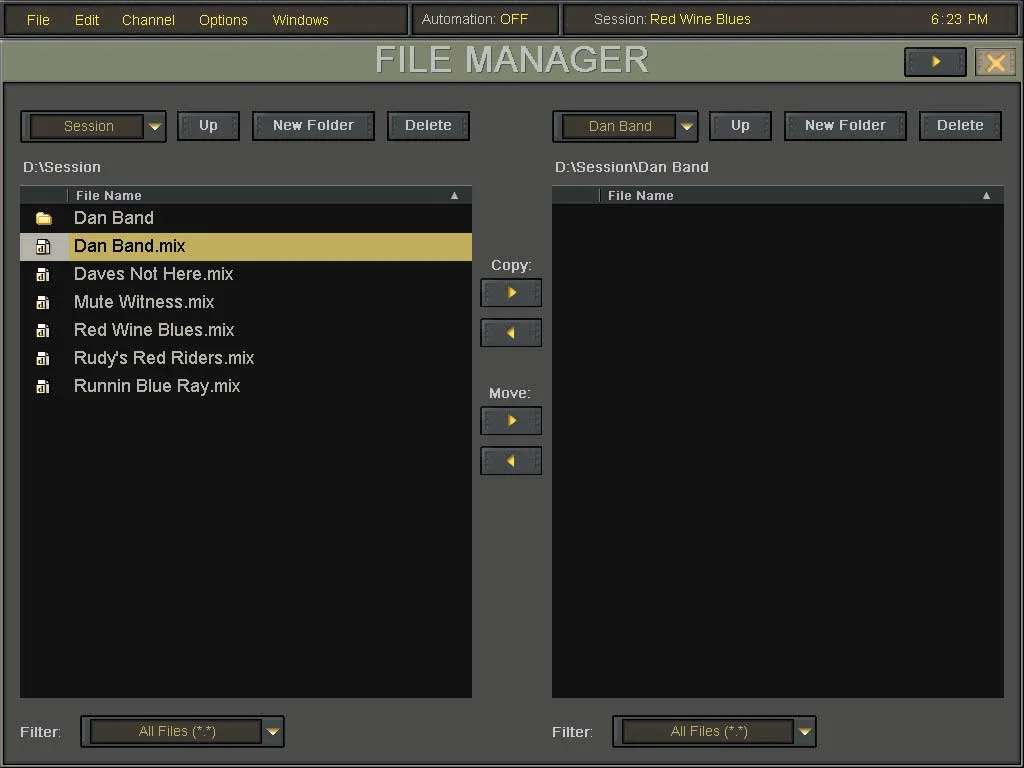
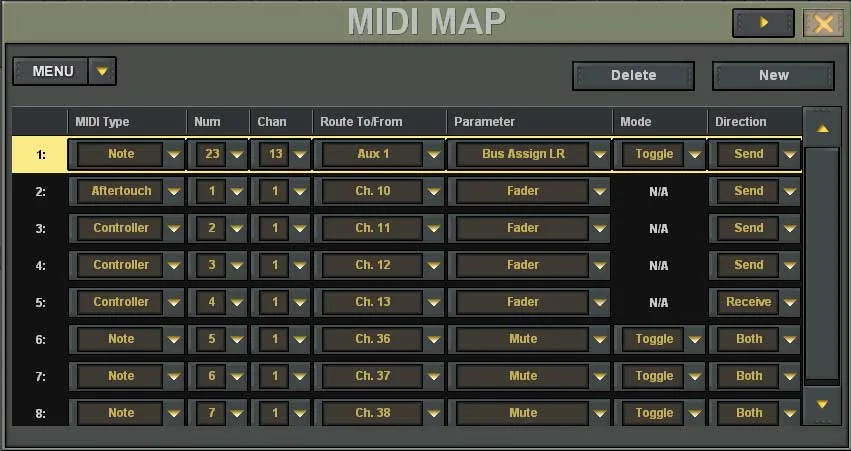
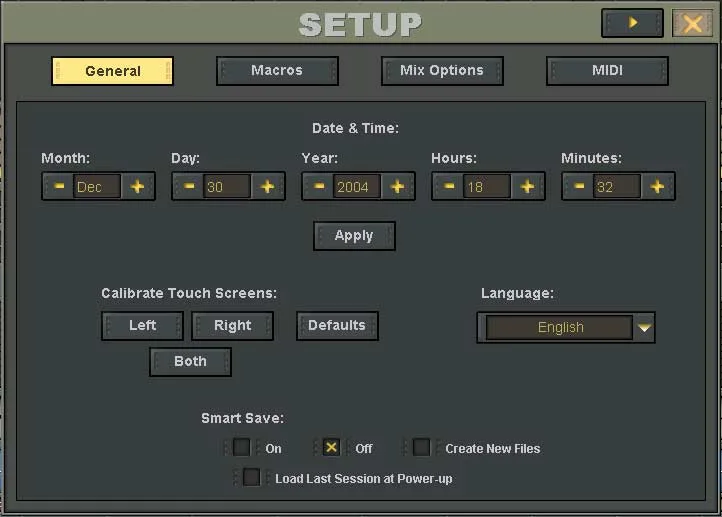
 Digital X Bus embedded applicationConsole embedded application/OS (Windows XP) driving the surface, automation and VST/UAD plug-in hosting.
Other screenshots
Accessories
I/O card
- DXB 8-channel digital I/O card
8-channel digital I/O expansion card for the Digital X Bus chassis.
Documents
Editorial & artists
Our take
History & design
The Digital X Bus (dXb) is a digital production console unveiled by Mackie in the early 2000s and shipped from 2004. It pairs a 24-strip surface with 100 mm Penny & Giles optical faders (1024-step resolution) and two integrated 15-inch touchscreens driving an internal DSP engine. The machine is 96 and 192 kHz capable, with a 72x72 I/O matrix (dropping to 36x36 at 192 kHz).
Two variants existed: the X.200 and the X.400, the latter offering more I/O, better surround support and a bundled Universal Audio UAD-1 card for processing. Conceived as an early console/DAW hybrid, the dXb suffered from a high price point and a debated software platform; its commercial life was short, which makes it a rare console today.
- Bob Tudor — Designer (Sanewave, former Digital 8-Bus team)
- Greg Mackie — Founder of Mackie
Links
- Press article Sound On Sound review (X.200, 2005) soundonsound.com
- Press article Mix - Field Test: Mackie Digital X Bus mixonline.com
- Press article NAMM 2004 announcement — Sweetwater InSync sweetwater.com
- Press article LSi/PLASA - Mackie introduces dXb ftp.plasa.org
- Press article Synthtopia — Mackie ships dXb.200 synthtopia.com
- Press article Hands-on — Barry Rudolph barryrudolph.com
Related consoles
Some merchant links are affiliate links. Purchases may support Digital Mixing at no extra cost.
Documents are archived locally for preservation. Source credited. Takedown requests: [email protected]