

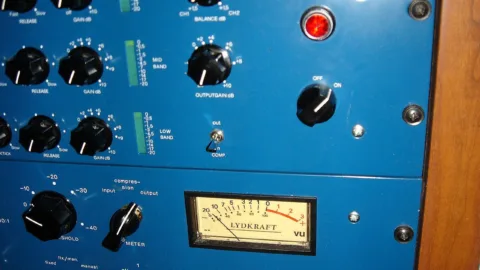
Noise gate and expander explained: threshold, range, hysteresis and clean gating
The mirror of the compressor, the noise gate and expander work the bottom of the signal: hiss, spill, silence. Threshold, range, attack,…

The mirror of the compressor, the noise gate and expander work the bottom of the signal: hiss, spill, silence. Threshold, range, attack,…
The transfer function sits at the heart of modern system tuning. Magnitude, phase, coherence: here is how dual-FFT measurement works and, above…
A recording runs non-stop in every radio and TV station: compliance logging. What this timestamped capture of the on-air signal is for,…
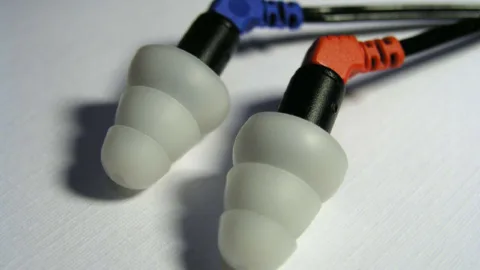
An in-ear monitor isn't a wedge: it's a mix per musician, in a sealed ear. A method to build solid in-ear mixes…
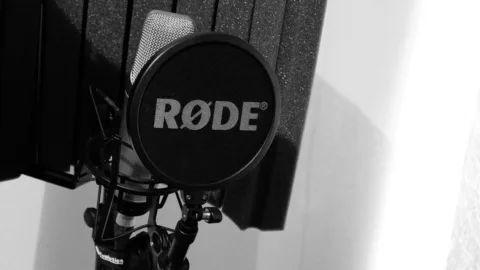
A vocal that sits in the mix is a sequence of processors in the right order, not one miracle plug-in. A link-by-link…
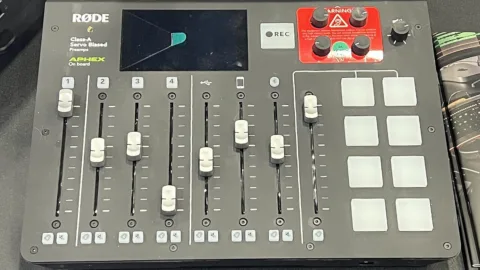
Once the voices are recorded, everything happens in editing and mixing. EQ, compression, balancing speakers, laying in music and hitting the right…
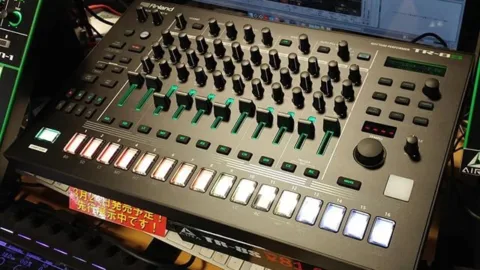
A sequence locked to the grid often sounds stiff. Quantization, swing, groove templates, humanization: here is how to work rhythmic placement so…
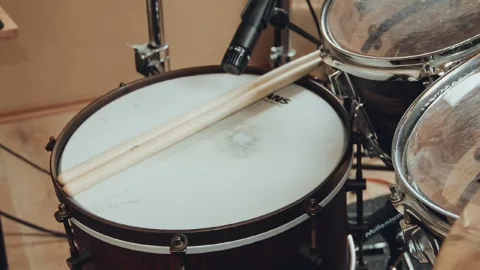
Miking a drum kit on stage means juggling close mics, bleed and monitors. Mic choice, placement, phase and gating: the method for…
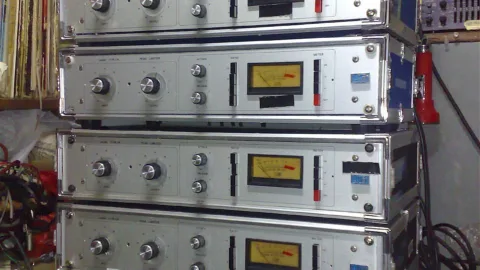
The compressor is the most powerful tool in a mix, and the one most often set wrong. Threshold, ratio, attack, release, knee,…
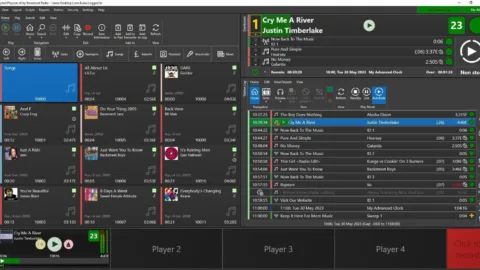
Behind a station running 24/7 sits a playout system. Logs, clock wheels, full automation, live assist, voice-tracking, network triggers and as-run proof:…
Every Thursday,
your audio week
in 5 minutes.
Get the essentials of audio news in a single email.Consoles, software, studio and live: the week’s news in 5 minutes.
Gear announcements and updates as soon as they are published, without waiting for the Thursday newsletter.
In Thursday Mixdown: the essentials of the pro audio week, every Thursday.
Discover the newsletter →