


Description
Technical
Specifications
Processing
| Channels | Channel count depends on configuration — to be confirmed |
|---|---|
| Sample rate | Sample rate to be confirmed |
Surface
| Touchscreen | No |
|---|
Recording
| Onboard recording | No |
|---|
Networking
| Networking & protocols | MADI / AES/EBU |
|---|---|
| Redundant PSU | No |
| Redundant networking | No |
Other
| Lineage | Studer's first large-scale digital mixing console · Superseded in 1997 by the SHARC-DSP D950 |
|---|---|
| Variants and configurations | D941 broadcast/on-air variant derived from the D940 |
Strip & details
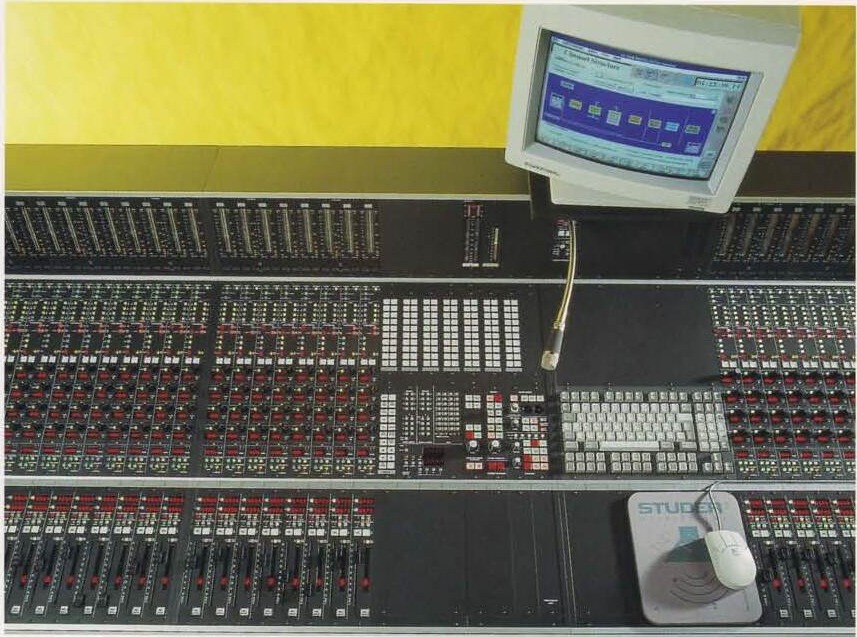
Rotate your phone to landscape for a better view of the strip.
Editorial & artists
Our take
History & design
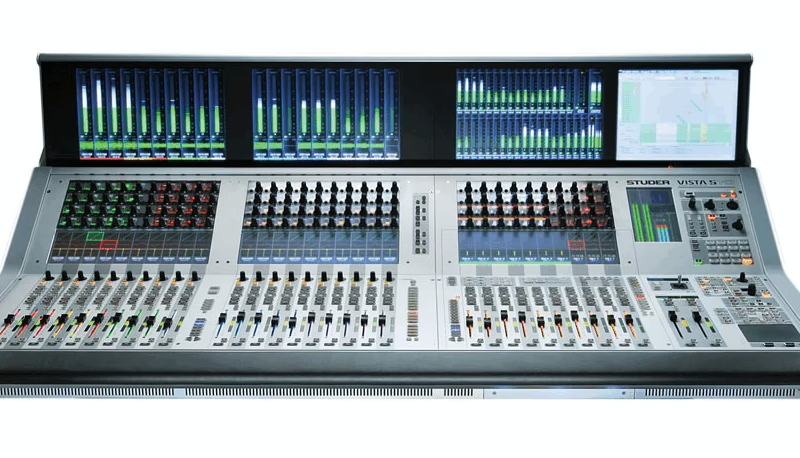
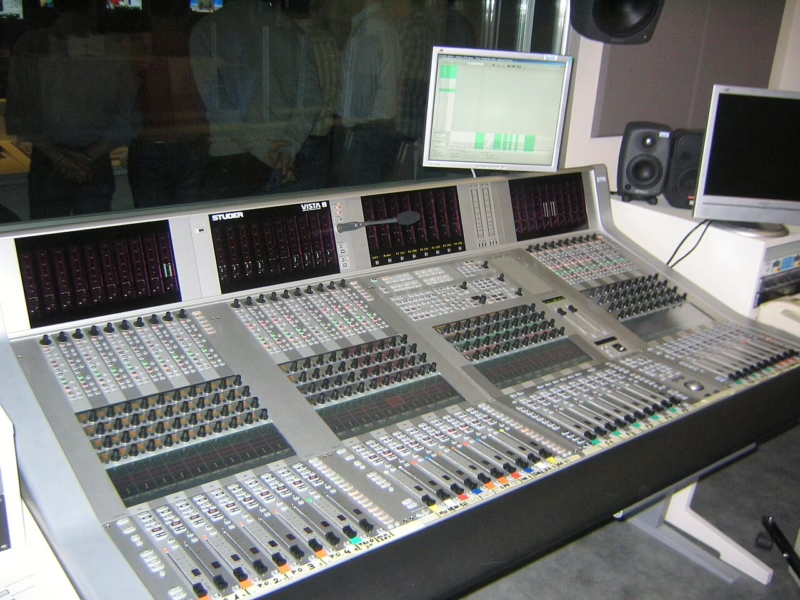
The Studer D940 is Studer's first large-scale digital mixing console, launched in 1993; the first unit went to broadcaster WDR Cologne. Aimed at music production and broadcast, it was offered in an on-air D941 variant. Acquired that same year by Harman, Studer built on the D940/D941 to develop, in 1997, the D950 with far more extensive SHARC DSP processing. The D940 relies on a MADI infrastructure for audio routing and interconnection in large installations.
Notable users
Links
Related consoles
Some merchant links are affiliate links. Purchases may support Digital Mixing at no extra cost.
Documents are archived locally for preservation. Source credited. Takedown requests: [email protected]