This is a move plenty of people were waiting for. Universal Audio is adding the EMT 250 and EMT 140 to its UAD Native range, the versions that run straight on your computer’s CPU. In practice, these two cult reverbs no longer need an Apollo interface or an accelerator card: they install like any other plug-in in VST3, AU and AAX, on macOS (Apple Silicon included) and Windows.
Two reverbs that wrote history
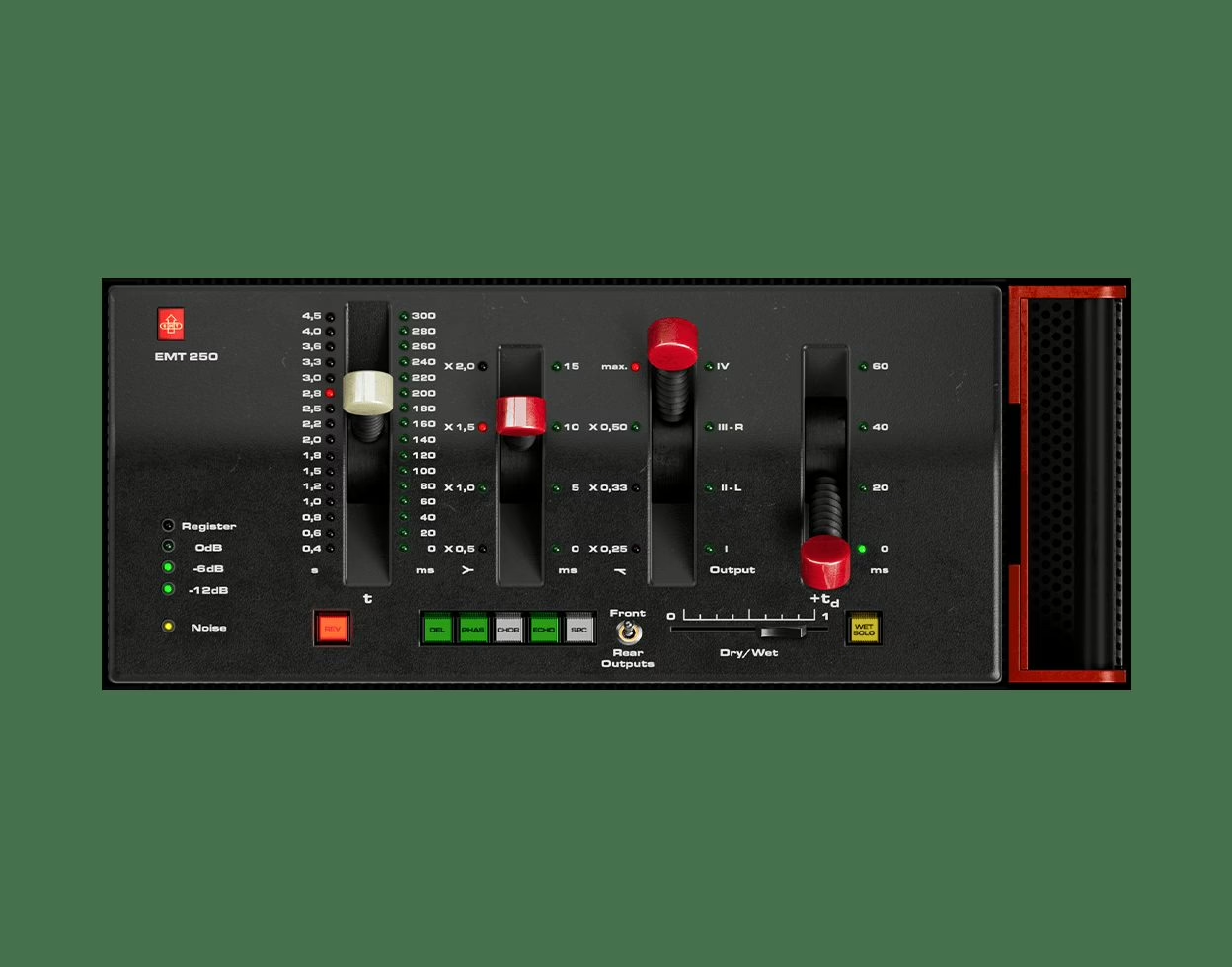
The EMT 250 is no ordinary reverb: released in 1976, it was the first digital reverb ever made. Beyond reverberation, the original unit already offered a whole set of effects — delay, phasing, chorus and echo — which the emulation carries over. Its character is clear and open, with an airy sense of space that shines on vocals, drums and acoustic instruments. Universal Audio says it uses the same algorithm as the original hardware.
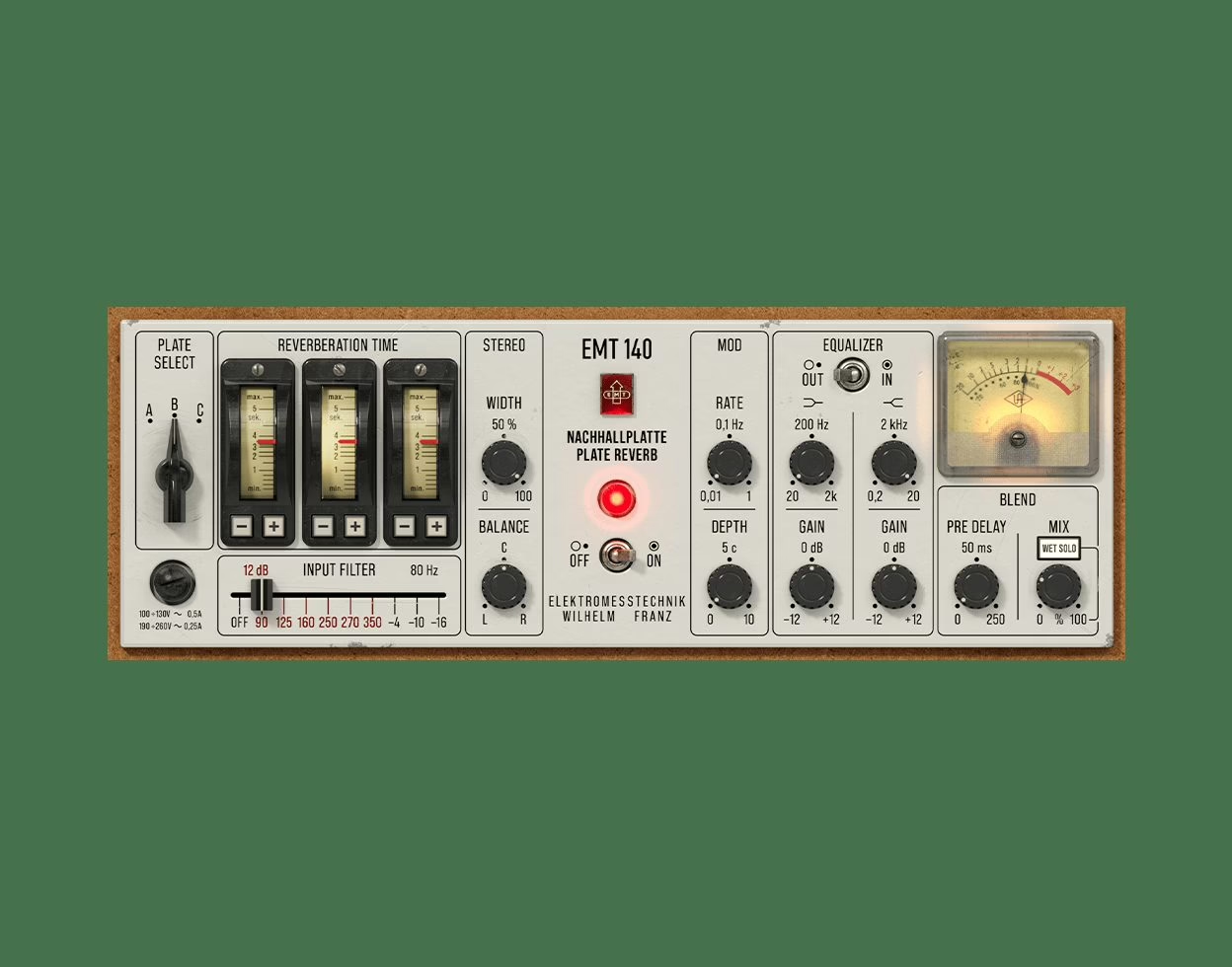
The EMT 140 goes back to 1957. It is an electromechanical plate reverb: a large sheet of steel set into vibration, whose resonance is picked up. The result is dense, warm and slightly coloured — a signature heard on countless records that has never really left the studio. Where the 250 opens things up, the 140 thickens and wraps around the sound. The two complement each other rather than compete.
What the native version really changes
Sonically, nothing changes: these are the same models as the accelerated versions. What changes is access. By breaking free of the in-house DSP, these reverbs become usable on any rig, Apple Silicon Macs included, with no Apollo required. Universal Audio also takes the chance to add two welcome controls the original units lacked: a Dry/Wet mix and a Wet Solo, which make life on an effects bus much easier.
- EMT 250: first digital reverb (1976), six effects (reverb, delay, phasing, chorus, echo), clear and spacious sound.
- EMT 140: plate reverb (1957), dense and warm grain, analogue colour.
- Platform: UAD Native, VST3 / AU / AAX, macOS (Apple Silicon) and Windows, no UAD hardware.
- Modern additions: Dry/Wet and Wet Solo controls.
Price and availability
Both plug-ins launch at $79 each, up to $149 afterwards, with the intro deal running until the end of August. Universal Audio is also pushing a $119 UAD Mix Tape Pro bundle that packs the EMT 140, the EMT 250 and eight more titles for the month. Nothing mandatory, but the entry point is far more affordable than back when you had to buy into the proprietary hardware.
I have long argued that going fully in-the-box is entirely viable in the studio. These algorithms have proven themselves on hundreds of productions; the only thing that matters is the sound, not the platform running it. Freeing them from proprietary DSP is therefore good news, especially for anyone on an Apple Silicon machine. My instinct is still to reach for the 250 on vocals, for its openness, and keep the 140 to thicken a snare or a piano.
A reverb lives inside a wider signal chain. To dig deeper, see how to tame peaks before your limiters, our guide to audio compression, or final-bus processors like the Elysia XMAX and the Dangerous Music BAX EQ. Details and audio demos are on Universal Audio’s site.