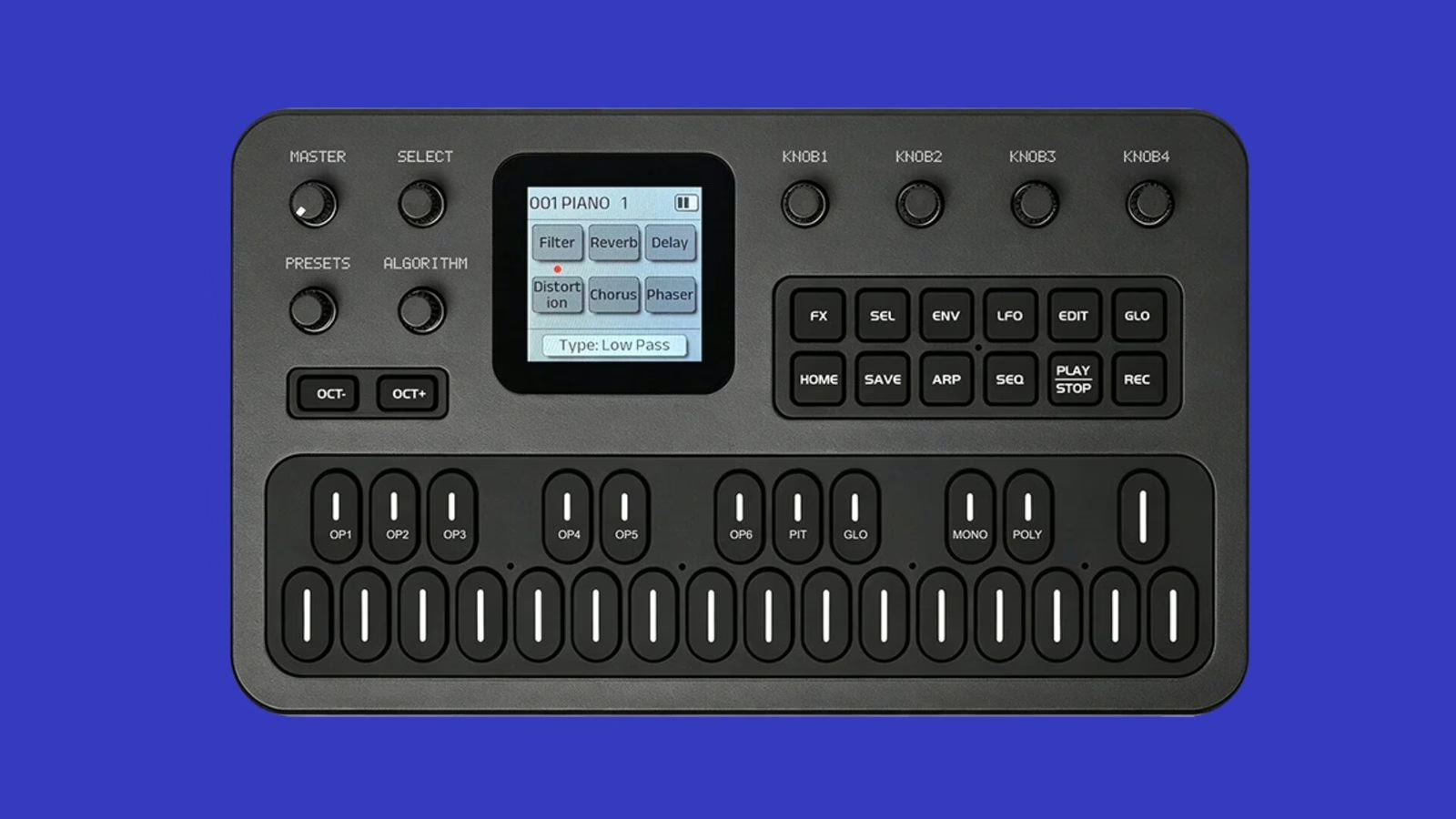
The M-VAVE FM-1 didn’t look like a cult object: a pocket FM synthesizer, sold for around $67, built as an affordable nod to the Yamaha DX-7. A few months after launch, though, it sits at the heart of a small frenzy. A community of developers is writing alternative firmware for it that widens its abilities considerably, to the point of turning it into a multitrack groovebox. Quite a trajectory for a machine many filed under “toy”.
A pocket DX-7 at a tiny price
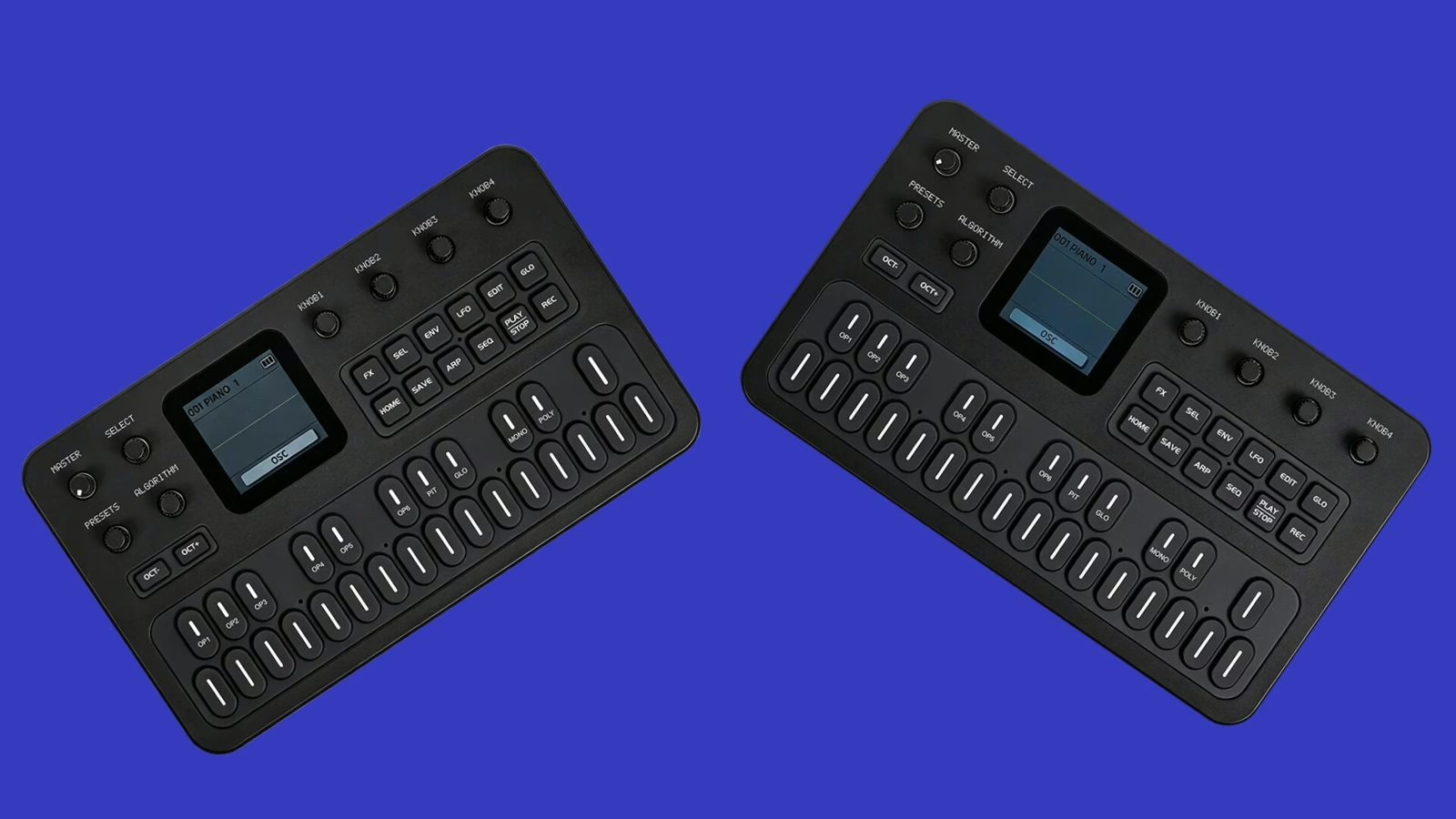
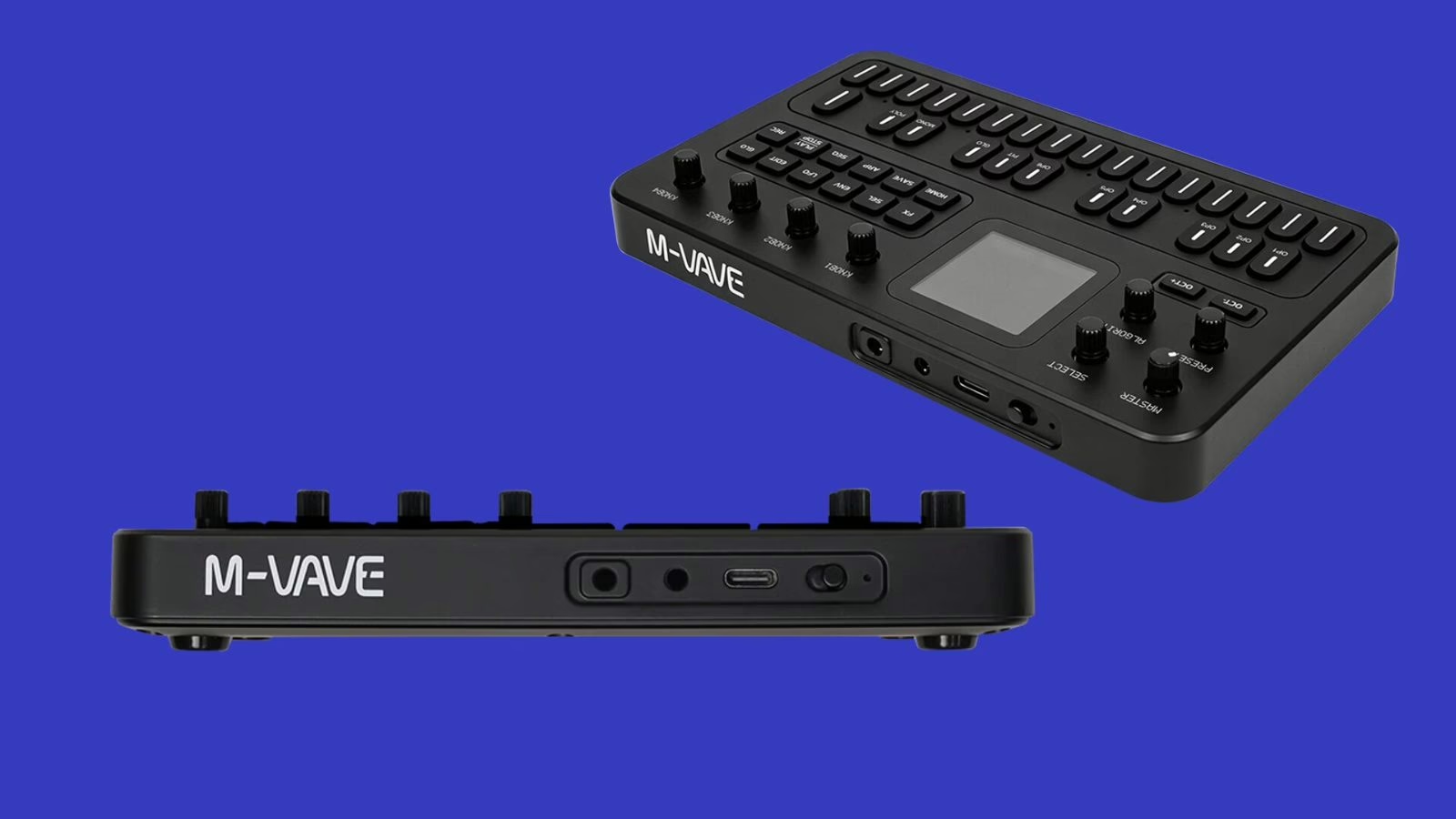
The FM-1 is built on a six-operator FM engine with 32 algorithms, twelve-voice polyphony, a 27-key silicone keyboard, a colour screen, seven encoders, an arpeggiator, a step sequencer and onboard effects. It fits in a gig bag, runs on battery and takes MIDI over USB, Bluetooth and mini-jack. We covered it in full in our M-VAVE FM-1 article: a rare feature-to-price ratio, at the cost of a few ergonomic compromises. To understand what those “operators” and “algorithms” actually mean, our guide to FM synthesis is the best way in.
The trigger: an alternative-firmware scene
It starts with a technical quirk: the FM-1 updates through a web flasher, straight from Chrome or Edge, with the unit connected over USB. Which, technically, opens the door to third-party code. M-VAVE first fed the machine officially, with a V15 firmware that beefed up the sequencer (long notes, pattern chaining, custom step length) and voice editing. But it’s the independent developers who really changed the game.
Several projects now coexist. One community firmware takes an “engine” angle, VA-style, rewriting the screens, MIDI handling and part of the sound rendering. Others aim squarely at beat-making: a system called SLOOP turns the FM-1 into a four-track groovebox, while another, Groove OS, pushes to eight tracks. The common thread: making this small monotimbral synth stack multiple sequences and build a whole track, well beyond a single melodic line.
What it changes in use
An FM engine that can deliver percussive, metallic sounds and biting basses, driven by a multitrack sequencer: that’s a self-contained little FM groove box, exactly the kind of instrument makers charge far more for. If step sequencing is still fuzzy to you, our explainer on the step sequencer lays the groundwork these firmwares lean on.
- More tracks: stack FM drums, bass and pads on a single pocket machine.
- A rethought sequencer: chained patterns, variable step lengths, a workflow built for live play.
- Zero cost: these firmwares are free, built by enthusiasts.
The trade-off is clear and worth stating: this is unofficial software, installed at your own risk. The process usually requires a recent official firmware first, the flash runs with the browser open and the cable connected to the end, and a misstep can mean a reinstall. Nothing insurmountable, but not a playground for anyone who refuses to tinker.
Why it’s an interesting signal
Beyond the FM-1 itself, the episode shows a deeper trend: low-cost machines, open to browser updates, becoming platforms the community evolves far past their original brief. For a few dozen euros, you get a living instrument whose abilities grow after purchase. That’s rarely true at the high end, where firmware stays locked down.
My take
The FM-1 was already a fun curiosity; now it’s genuinely endearing. Watching a $67 machine gain a multitrack sequencer thanks to volunteer developers is the kind of story that explains why the electronic scene stays so alive. Keep a cool head: this firmware takes patience and won’t replace a proper groovebox with polished ergonomics. But to explore FM on a budget, if you’re willing to get your hands dirty, the fun-per-dollar ratio becomes hard to beat. One thing to watch: how stable these projects stay over time.