


Yamaha DMP11
8×2 rack digital mixing processor, the DMP7's little brother
List price at launch 198,000 JPY as of 1988
Description
Technical
Specifications
Inputs / Outputs
| Total inputs | 8 |
|---|---|
| Mic inputs | 0 |
| Line inputs | 8 |
| Total outputs | 2 |
Processing
| Mix buses | 2 |
|---|---|
| Aux sends | 2 |
| Matrices | 0 |
| DCA/VCA groups | 0 |
| DSP engine | Yamaha digital engine (SPX-generation effects) |
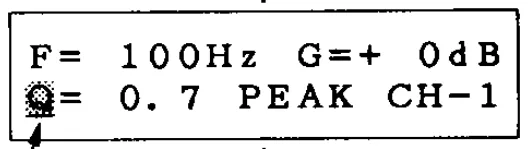
| EQ | 2-band digital EQ per channel: frequency, ±15 dB gain, Q from 0.1 to 5.0, peaking / shelving / dynamic modes |
| Effects and plug-ins | 2 internal effect systems: EFFECT 1 (20 types: reverb, gate reverb, delay, echo, flanger, phasing, tremolo, symphonic, pitch…) and EFFECT 2 (5 types) |
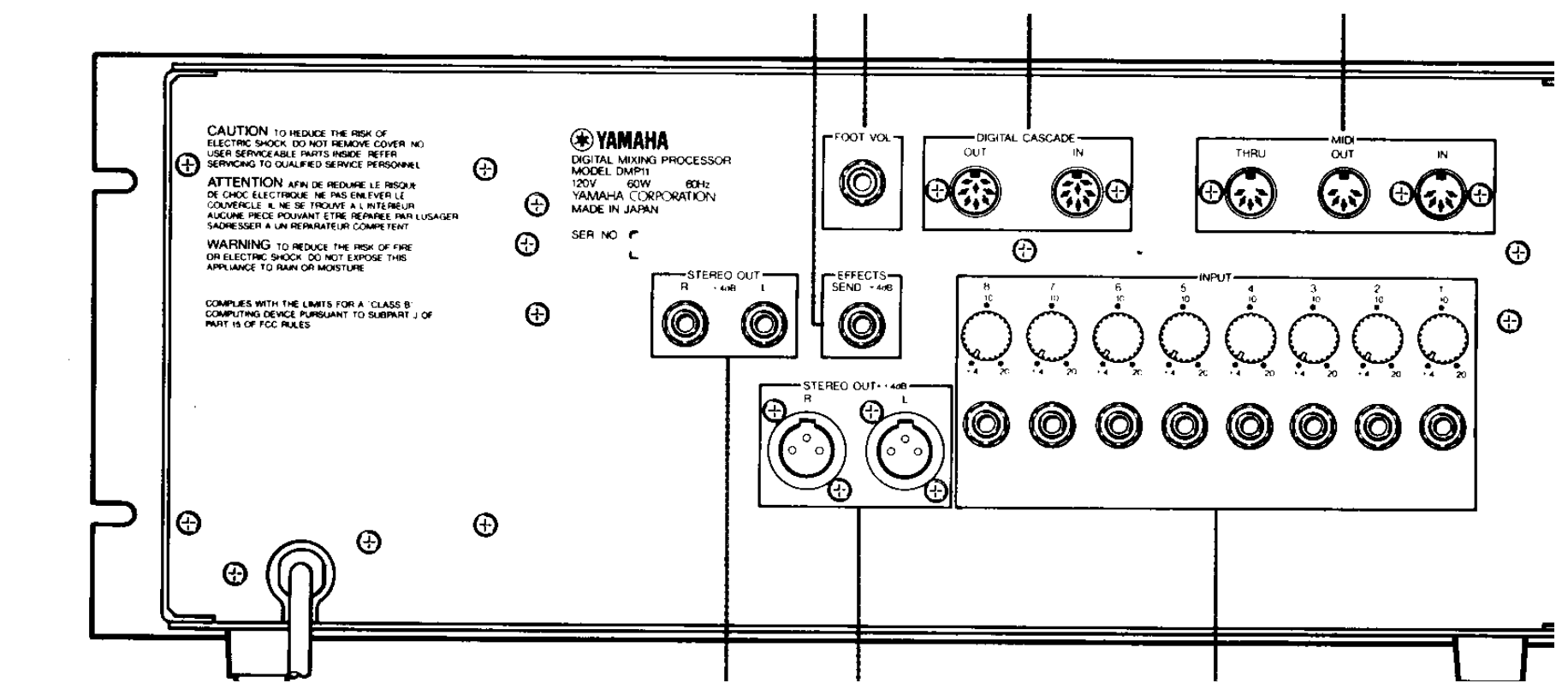
| Modularity and expansion | Digital cascade of several DMP11 units via an 8-pin DIN connector (master summed into slave) |
| Architecture | Rack format (fully digital processing, line-level inputs, A/D on input and D/A on the stereo output) |
Surface
| Physical faders | 10 |
|---|---|
| Motorized faders | No |
| Fader layers | 1 |
| Screens | 1 |
| Touchscreen | No |
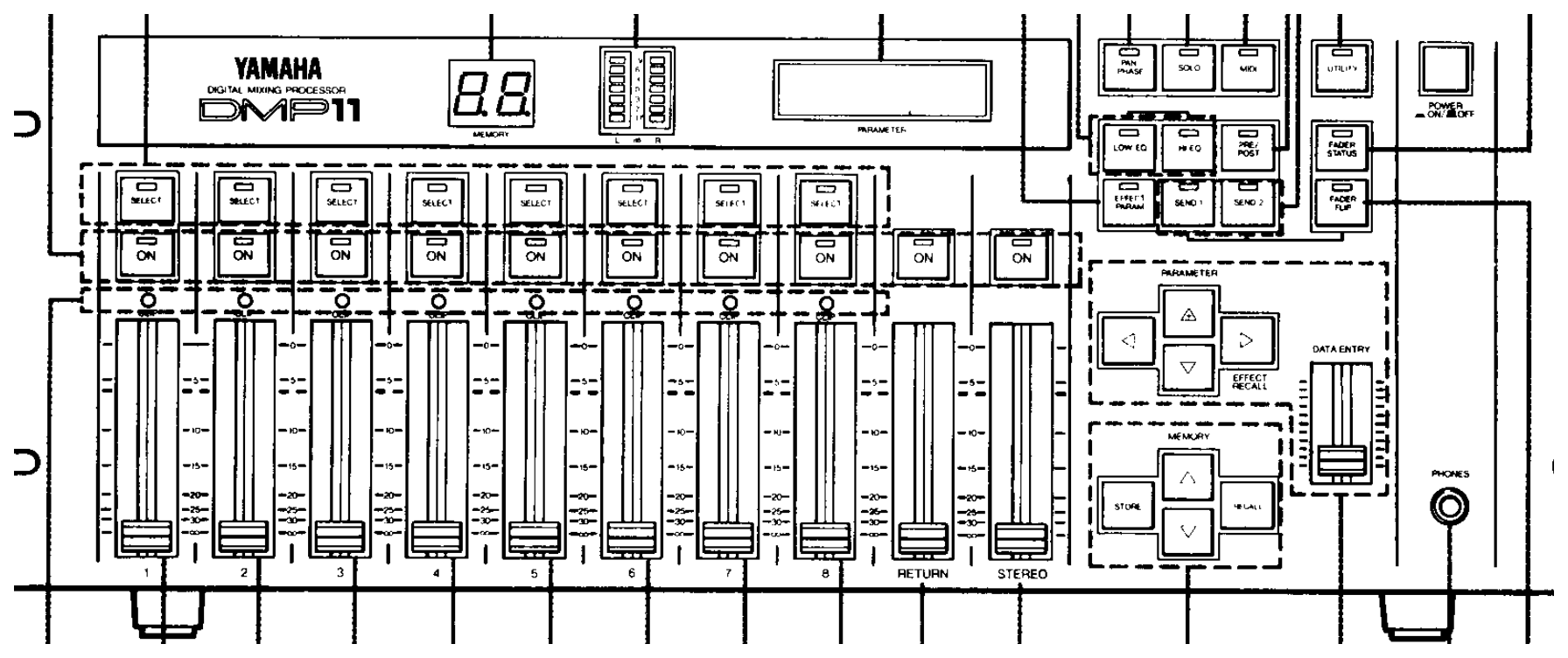
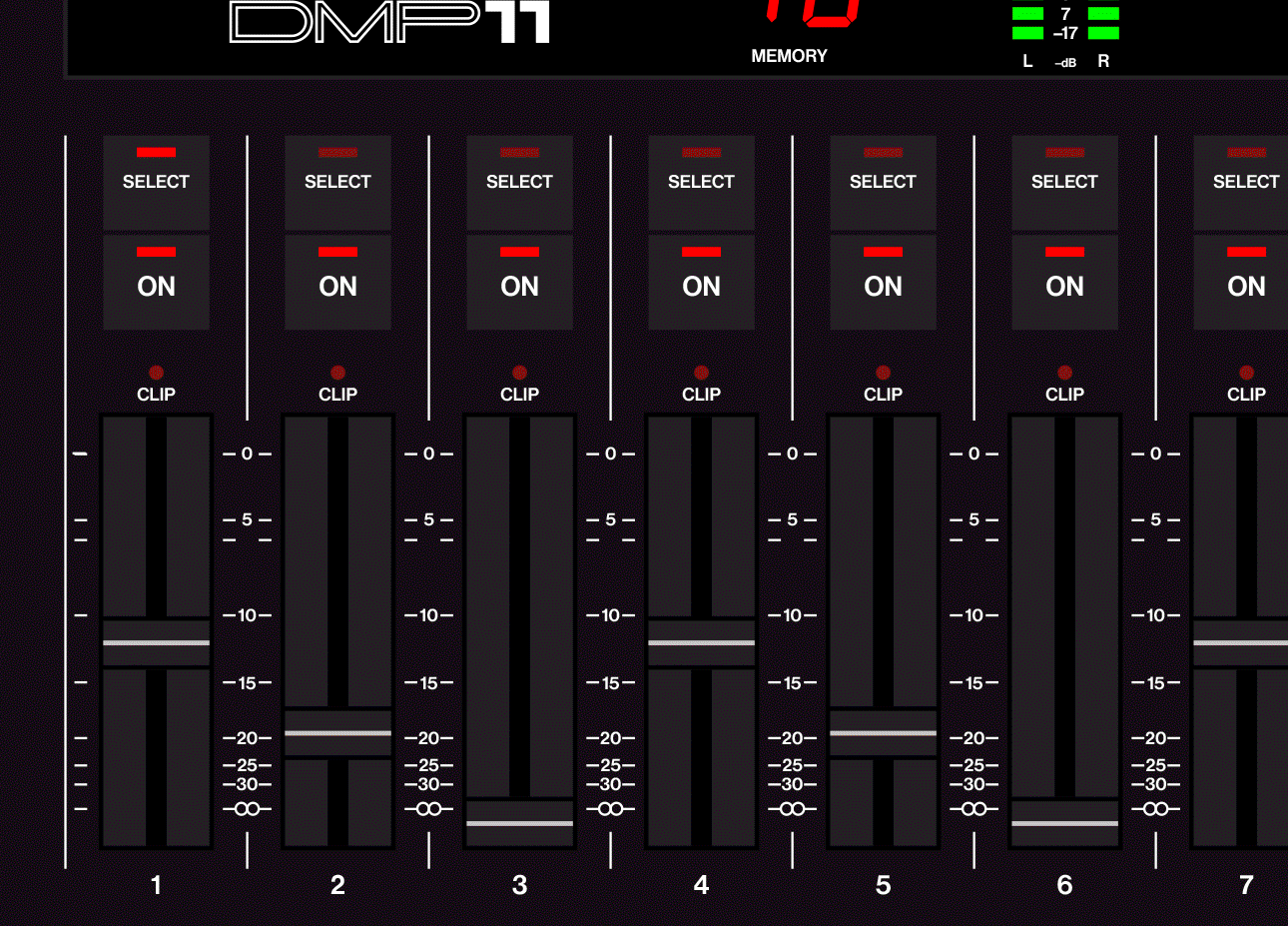
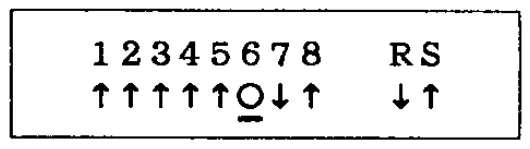
| Faders | 10 non-motorised faders (8 channels + RETURN + STEREO), multi-function (level / effect sends) |
| Scenes and recall | 96 scene memories (total recall of all parameters), switchable via MIDI Program Change |
| Ergonomics | MIDI control; optional RLC1 remote |
Recording
| Onboard recording | No |
|---|
Networking
| Redundant PSU | No |
|---|---|
| Redundant networking | No |
Other
| Variants and configurations | 8 mono line channels → stereo bus (8×2), plus one effect return |
|---|
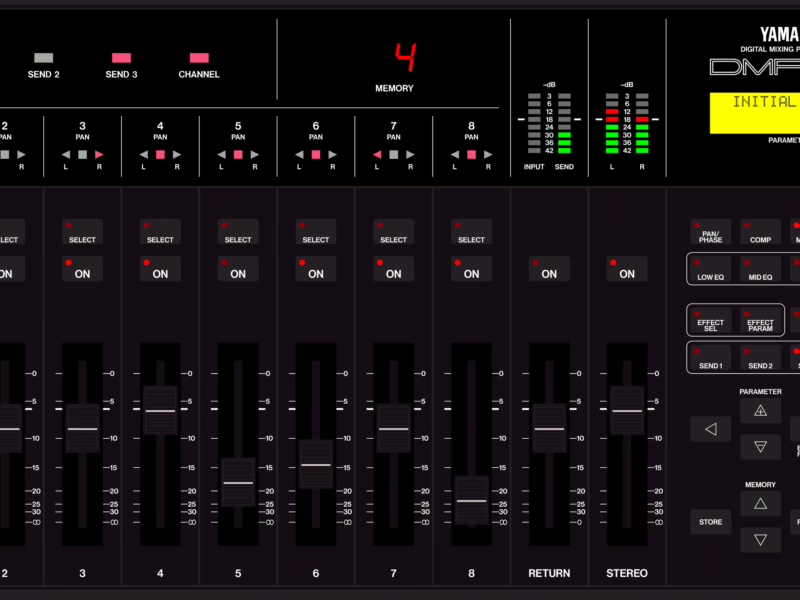
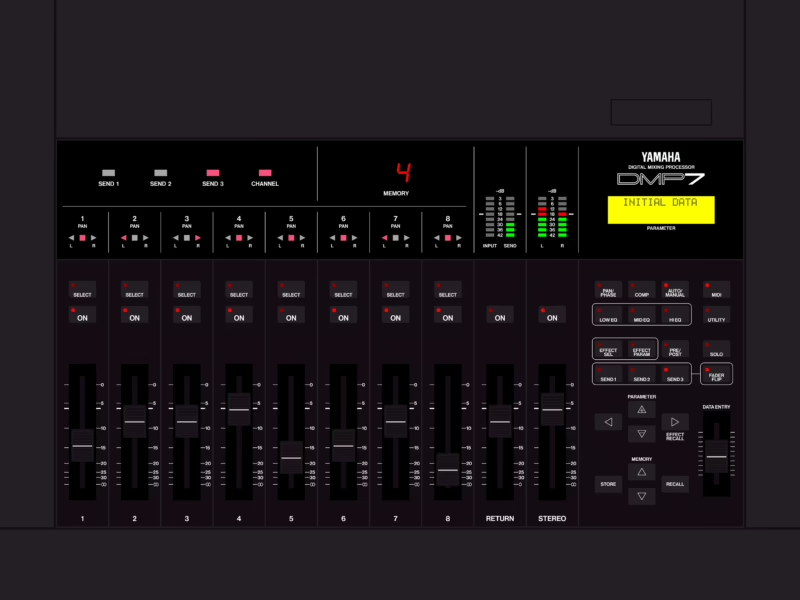
Strip & details
Rotate your phone to landscape for a better view of the strip.
Rotate your phone to landscape for a better view of the strip.
Rotate your phone to landscape for a better view of the strip.
Software
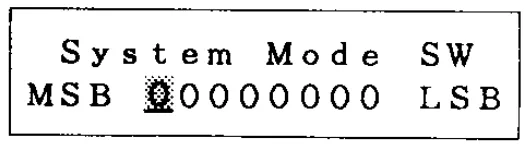
Other screenshots
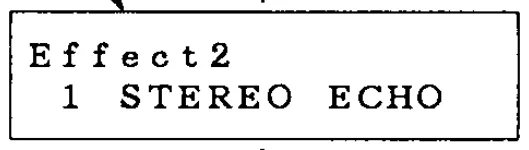
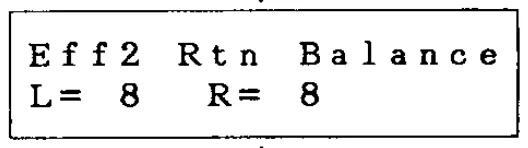
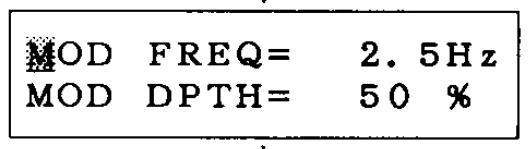
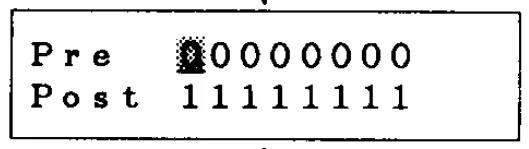
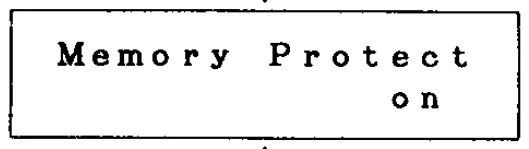


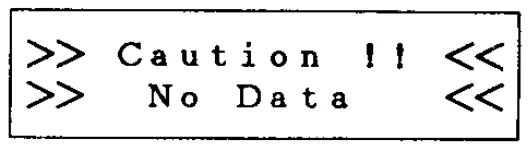
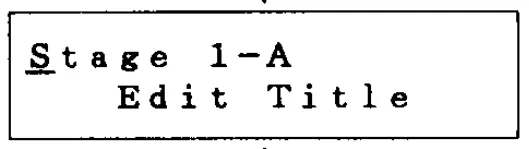
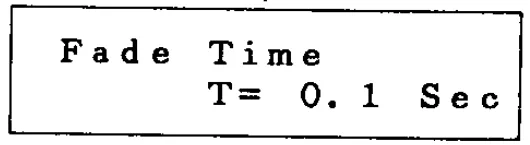
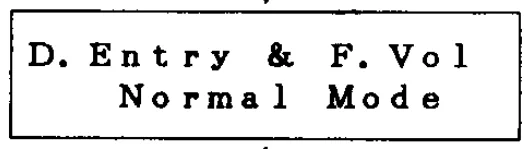
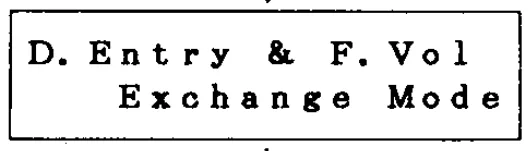
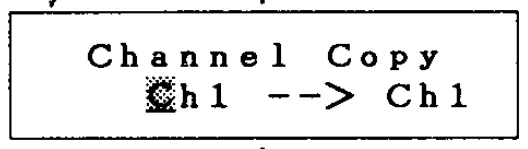
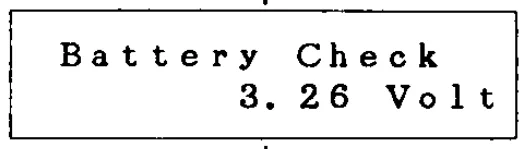
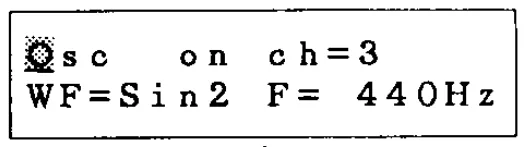
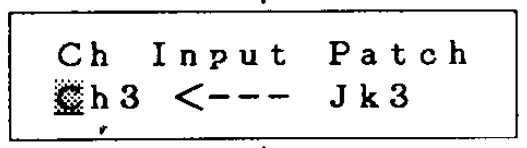

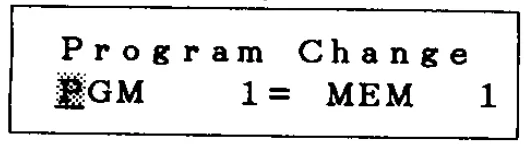
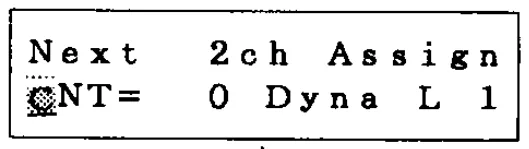
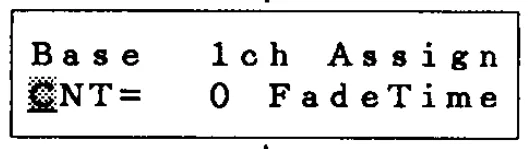
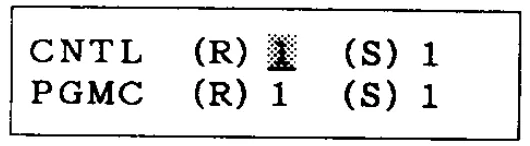
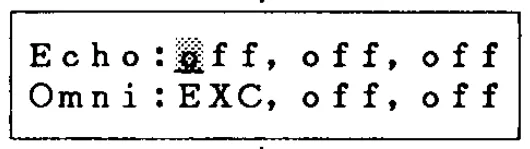

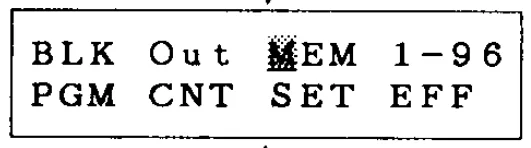
Accessories
Other
- RLC1
Optional remote controller for operating the DMP11 remotely (exact reference to be verified).
Editorial & artists
Our take
History & design
The Yamaha DMP11 is a digital mixing processor launched in August 1988, a compact and affordable derivative of the DMP7 (1987). It mixes eight mono line-level channels to a stereo bus (8×2 architecture) with fully digital processing: the signal is A/D-converted on input and stays digital until the D/A stage of the stereo outputs.
Each channel offers a two-band digital EQ (frequency, ±15 dB gain, Q from 0.1 to 5.0, peaking / shelving / dynamic modes) and access to two internal effect systems: EFFECT 1 (20 SPX-family algorithms) and EFFECT 2 (5 algorithms). All parameters, including fader positions, are stored in 96 recallable scenes, switchable via MIDI Program Change. Unlike the DMP7, the DMP11 drops motorised faders and the external send/return loop. Several units can be digitally cascaded through an 8-pin DIN connector.
Links
Related consoles
Some merchant links are affiliate links. Purchases may support Digital Mixing at no extra cost.
Documents are archived locally for preservation. Source credited. Takedown requests: [email protected]