


Description
Technical
Specifications
Inputs / Outputs
| Total inputs | 104 |
|---|---|
| Mic preamps | Plug-in-card mic preamps (including head amps derived from the analogue PM5000) |
Processing
| Mix buses | 48 |
|---|---|
| Matrices | 24 |
| DSP engine | Remote DSP1D / DSP1D-EX DSP engine; mirror mode (2 engines) and redundant cabling |
| Max sample rate | 96 kHz |
| Bit depth | 24 bits |
| Architecture | Three-block system: CS1D control surface, remote DSP1D/DSP1D-EX engine, AI8/AO8 I/O boxes |
| Channels | 96 mono + 8 stereo inputs; each channel has A and B inputs |
| Buses | 48 mix buses, stereo A and B buses, 24 matrices |
| Sample rate | 96 kHz sampling, 24-bit |
Surface
| Physical faders | 48 |
|---|---|
| Motorized faders | Yes |
| Touchscreen | No |
| Control surface | CS1D surface controlling 48 channels (expandable to 96 with converter cards) |
Recording
| Onboard recording | No |
|---|
Networking
| Networking & protocols | AES/EBU / ADAT |
|---|---|
| Redundant PSU | No |
| Redundant networking | Yes |
| Redundancy | Two-DSP mirror mode and redundant cabling for very high reliability |
Strip & details
Rotate your phone to landscape for a better view of the strip.
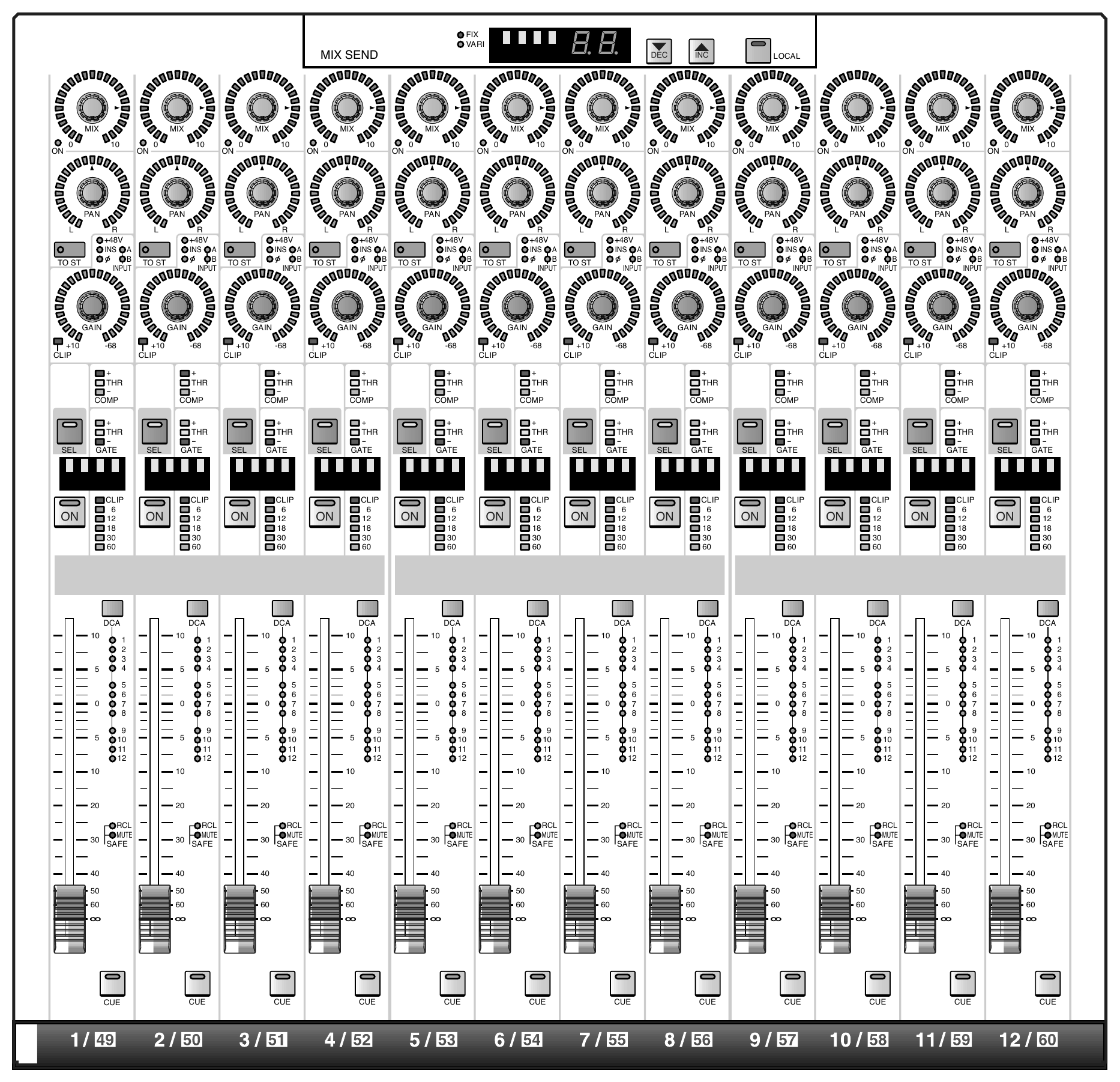
Rotate your phone to landscape for a better view of the strip.
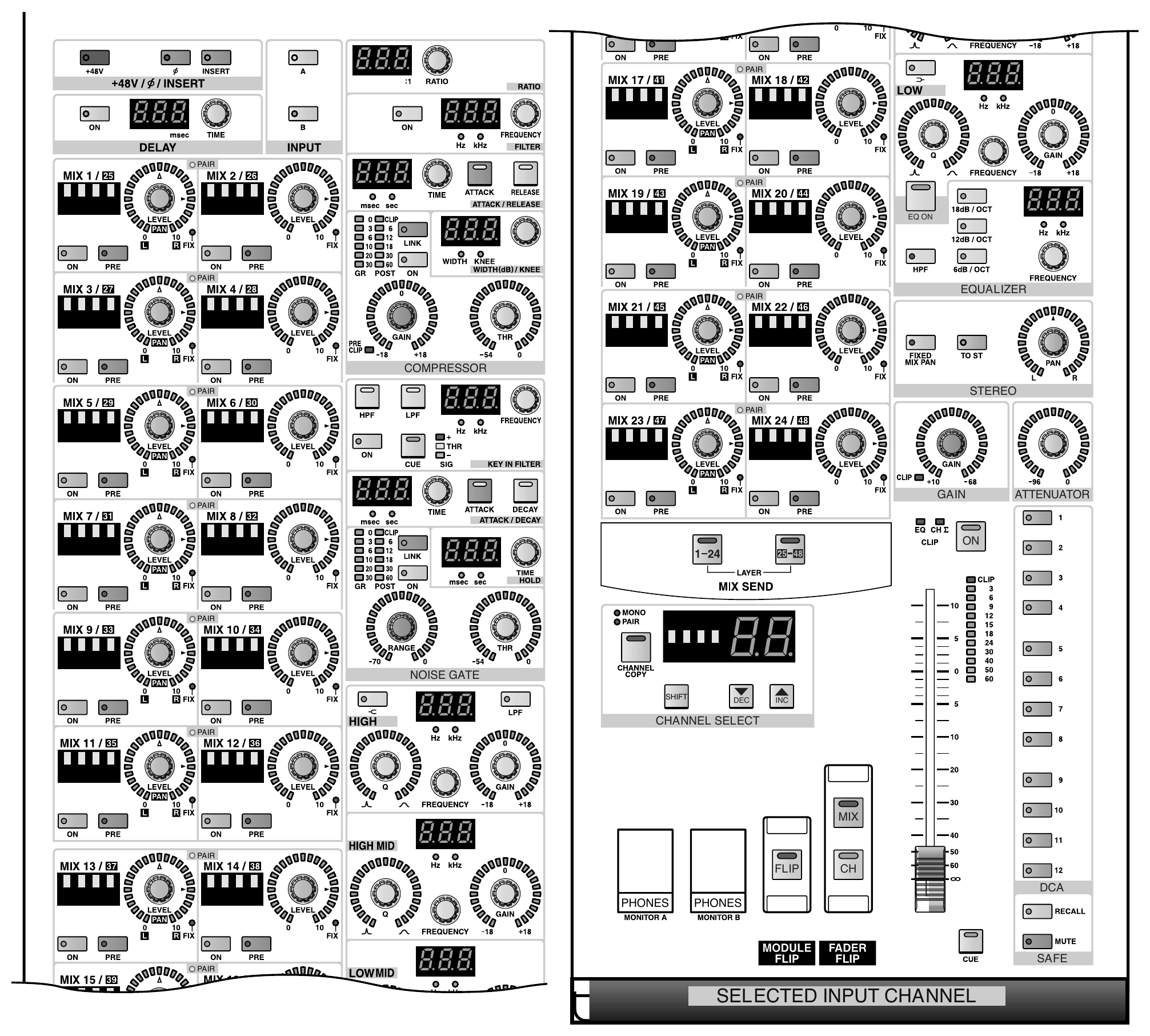
Rotate your phone to landscape for a better view of the strip.
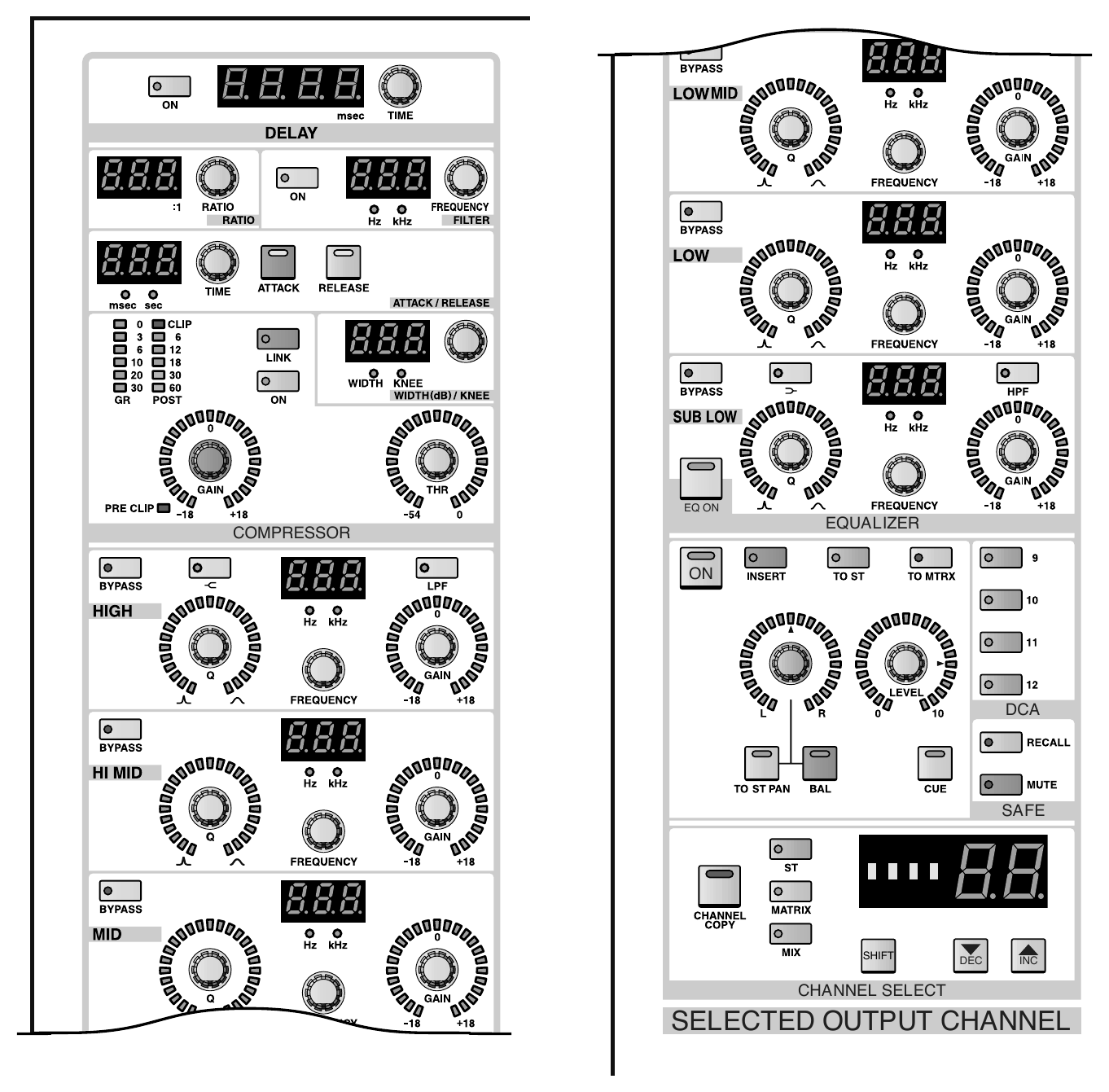
Rotate your phone to landscape for a better view of the strip.
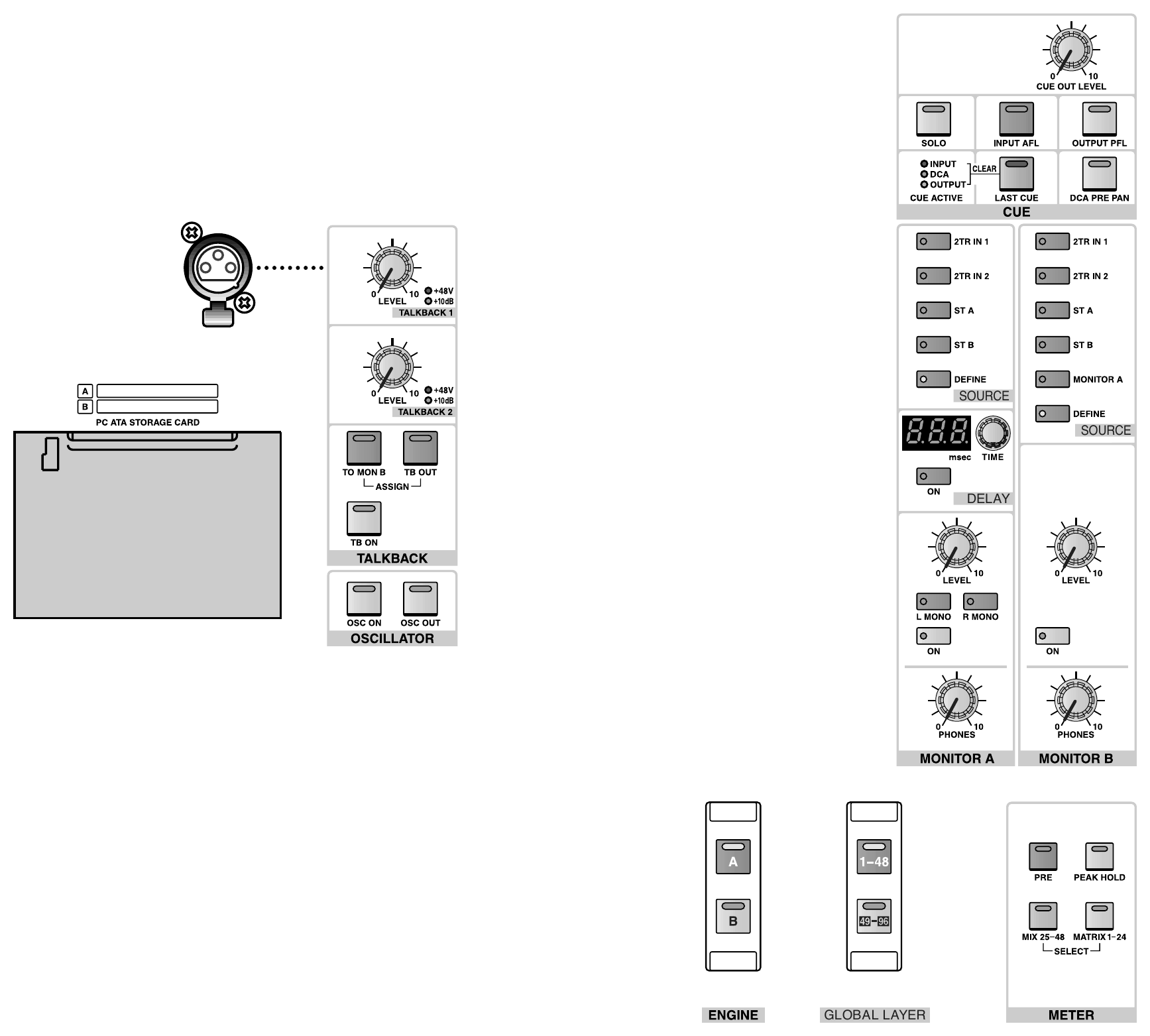
Rotate your phone to landscape for a better view of the strip.

Rotate your phone to landscape for a better view of the strip.
Software
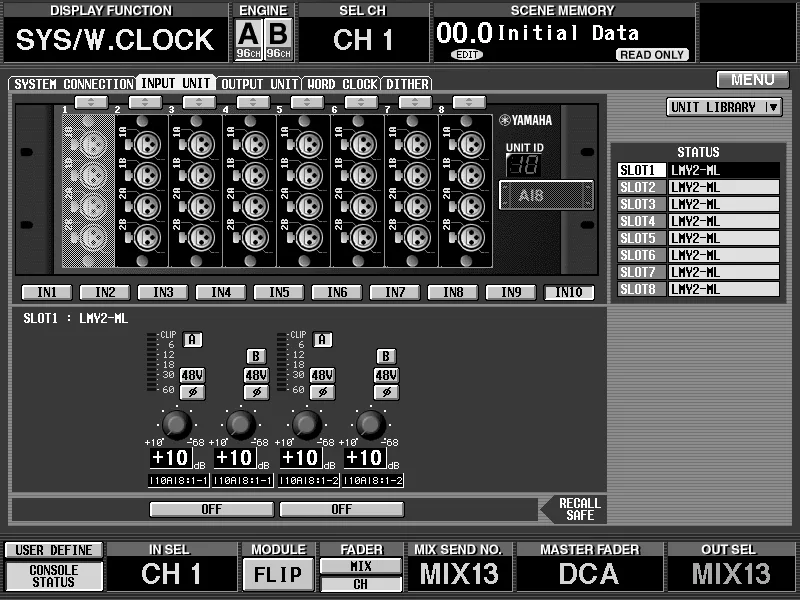
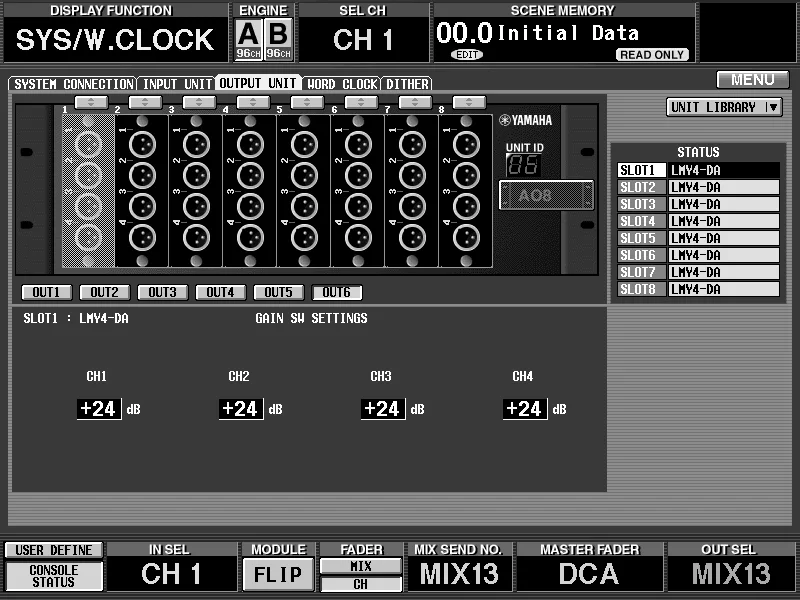
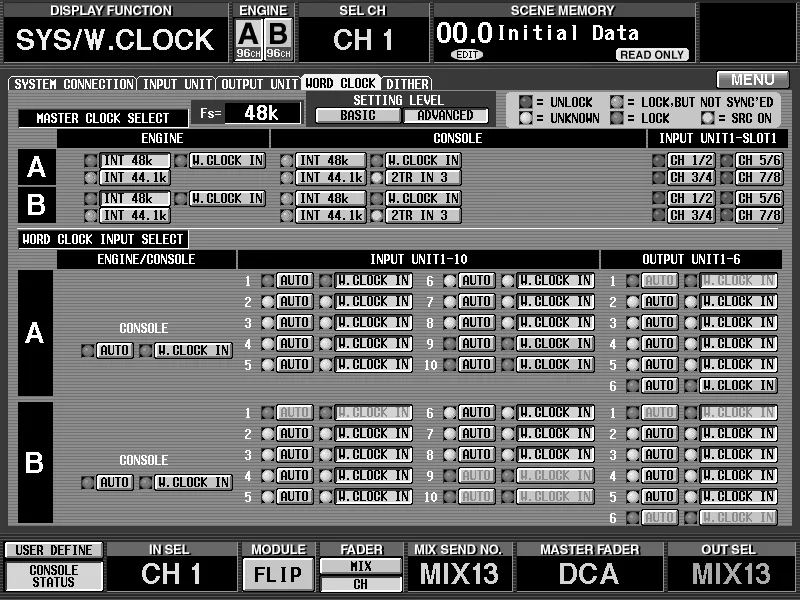
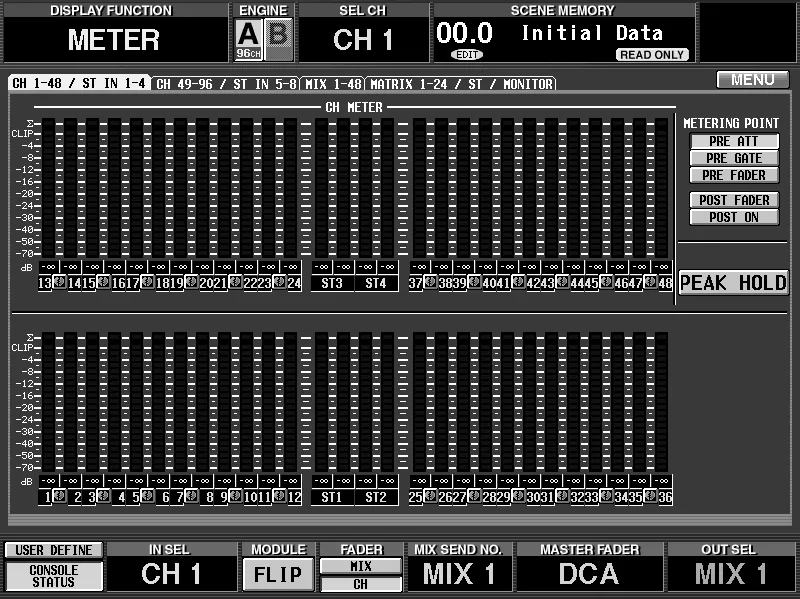
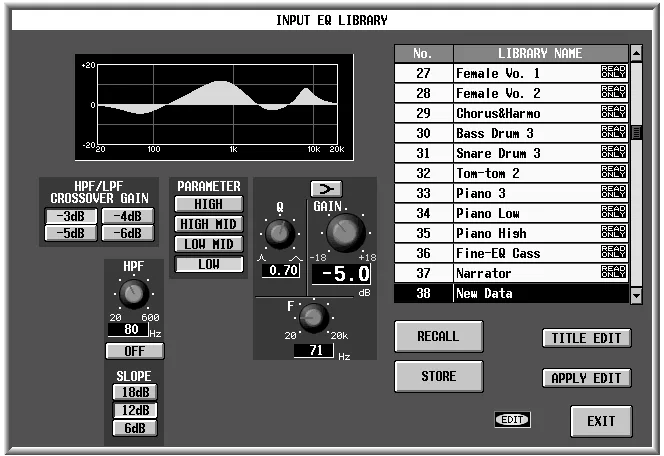
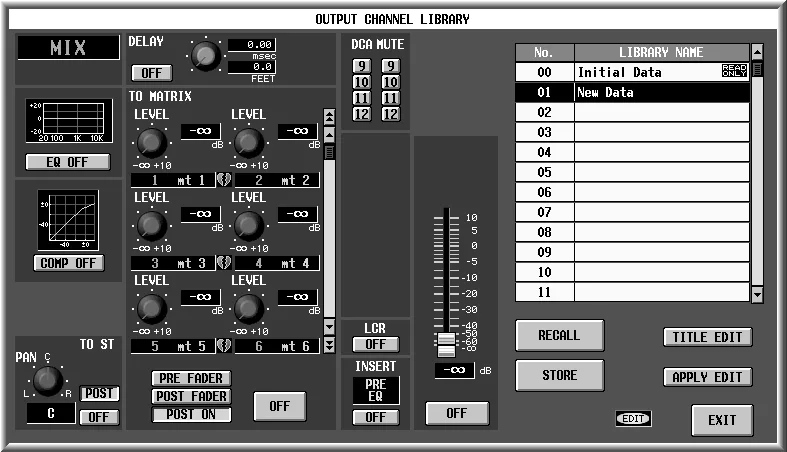
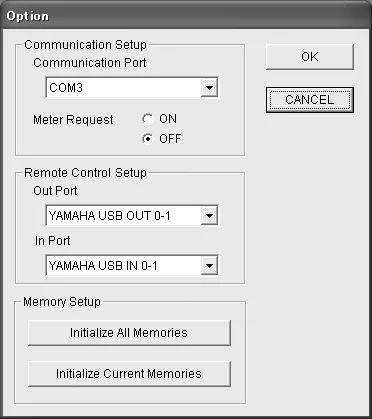
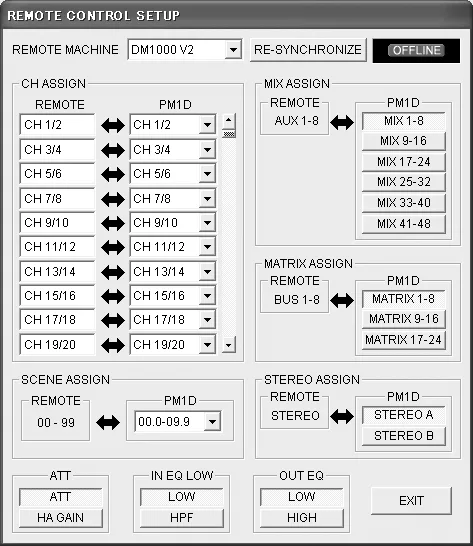
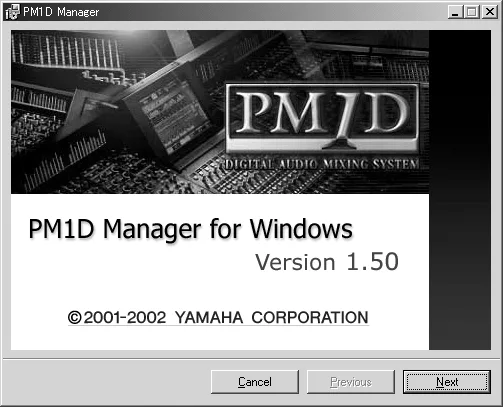
 PM1D ManagerOffline editing/preparation software for PM1D sessions on a computer.
Other screenshots
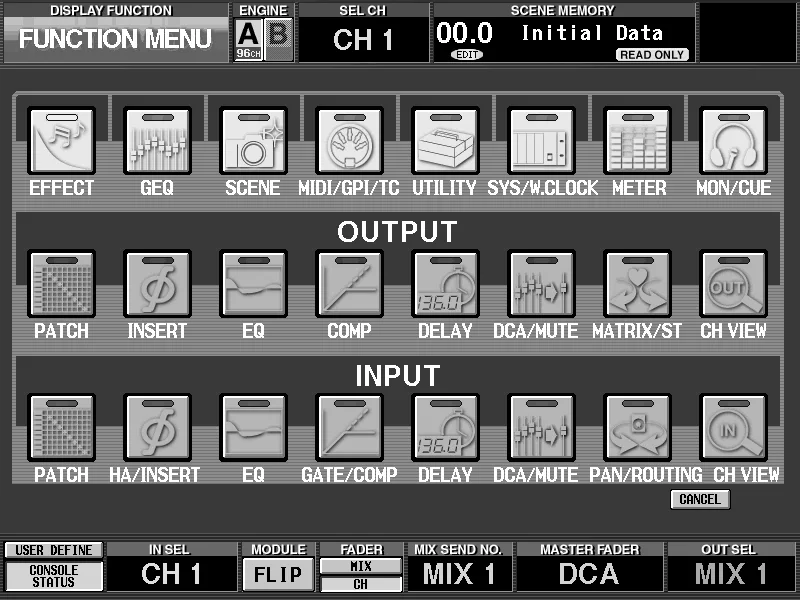
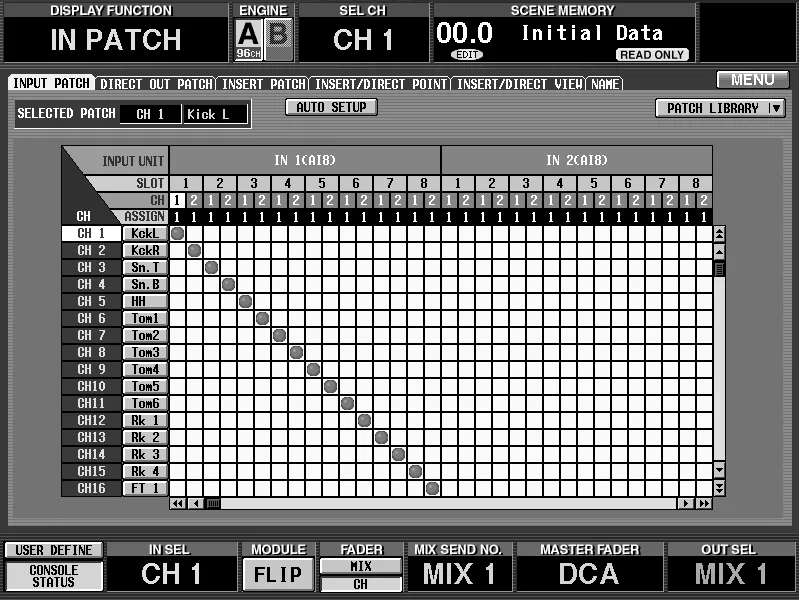
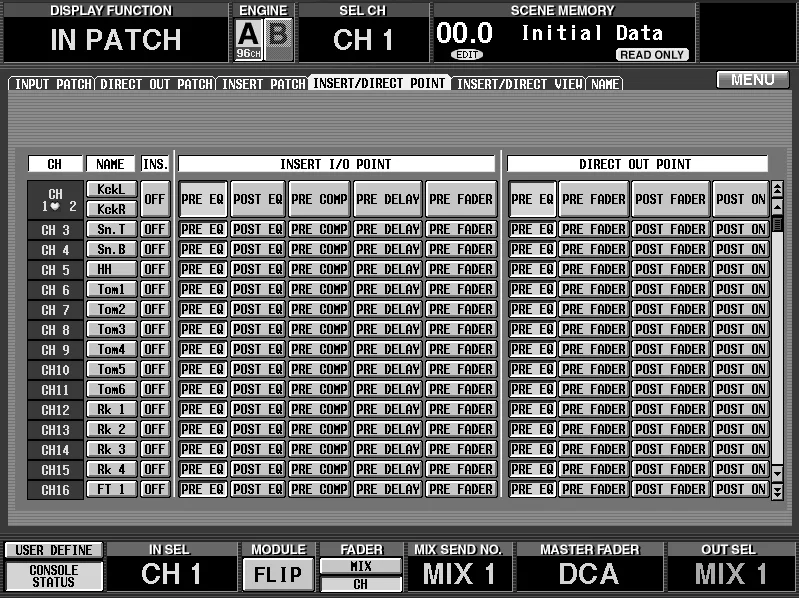
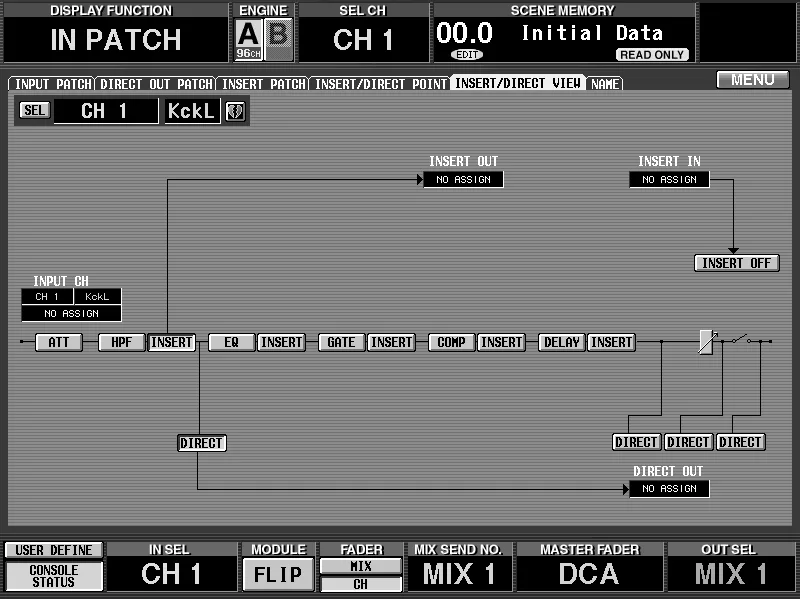
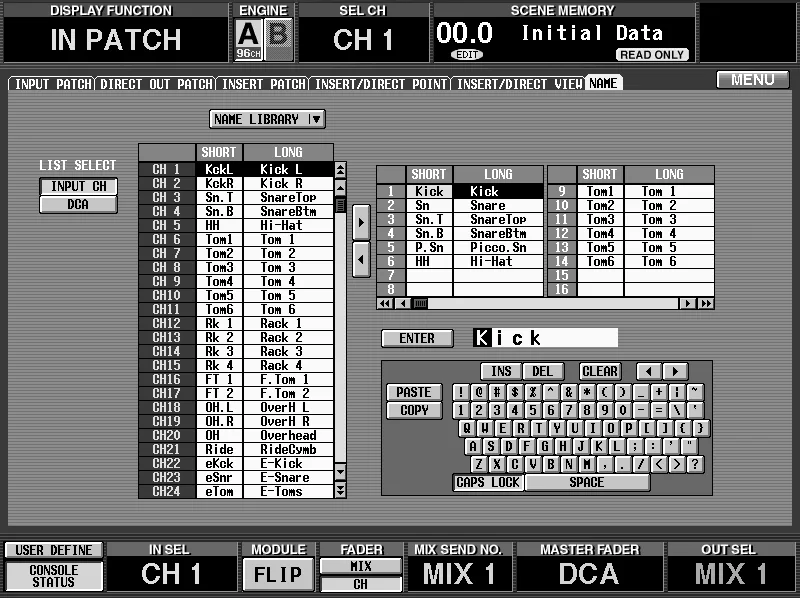
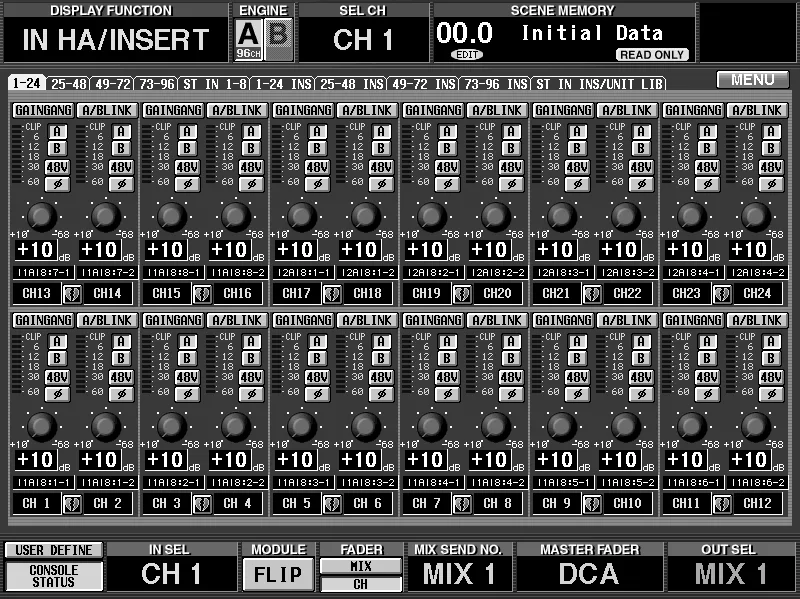
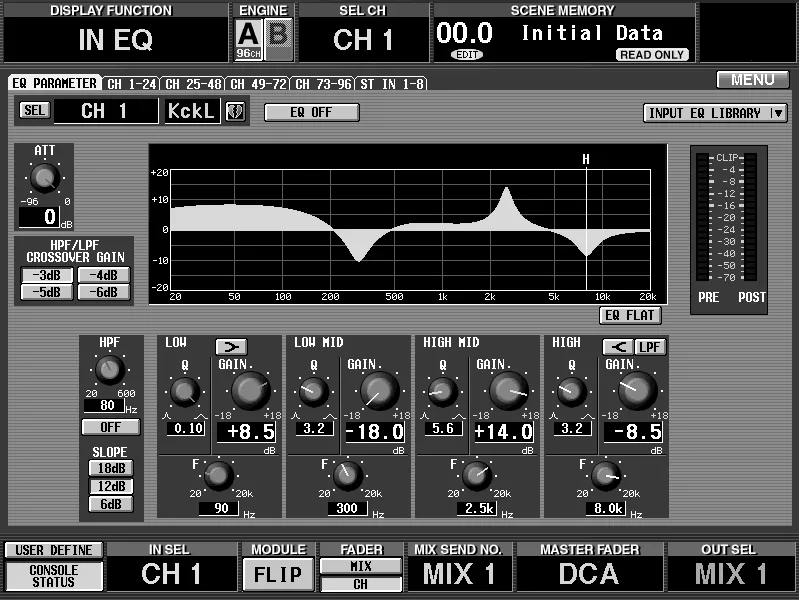
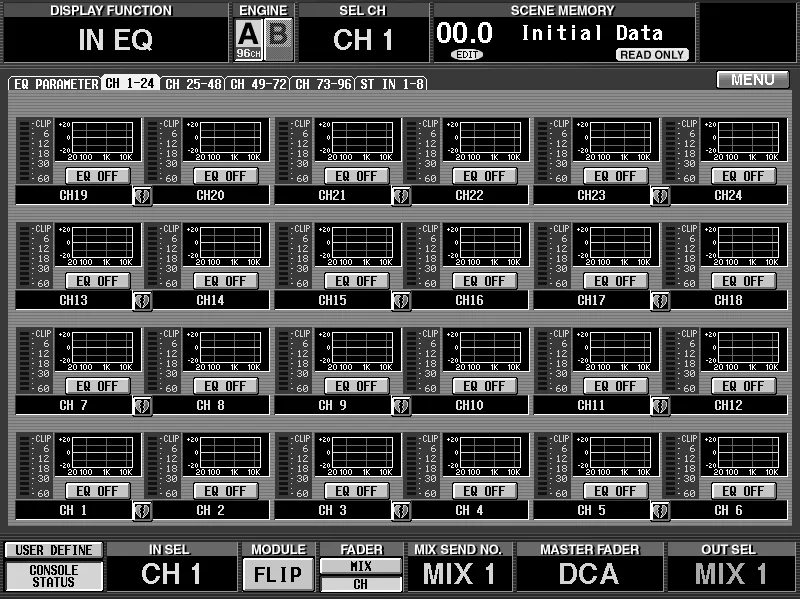
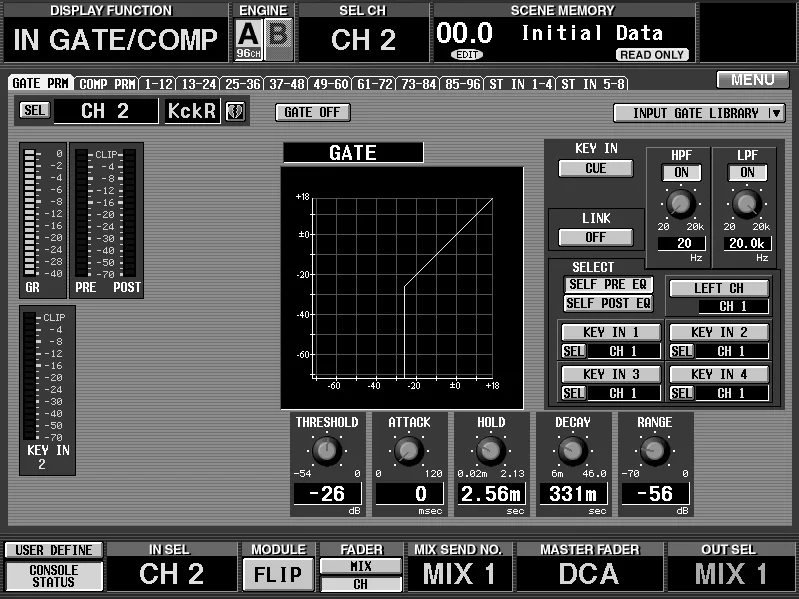
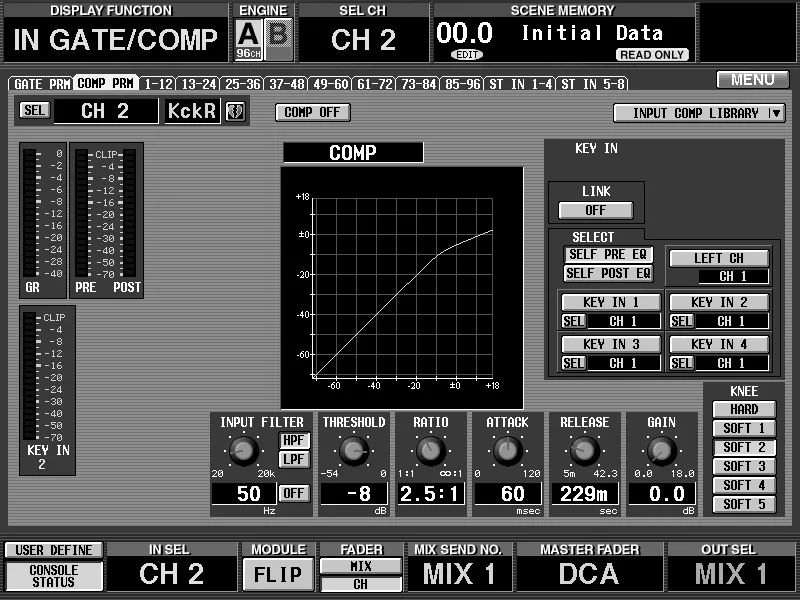
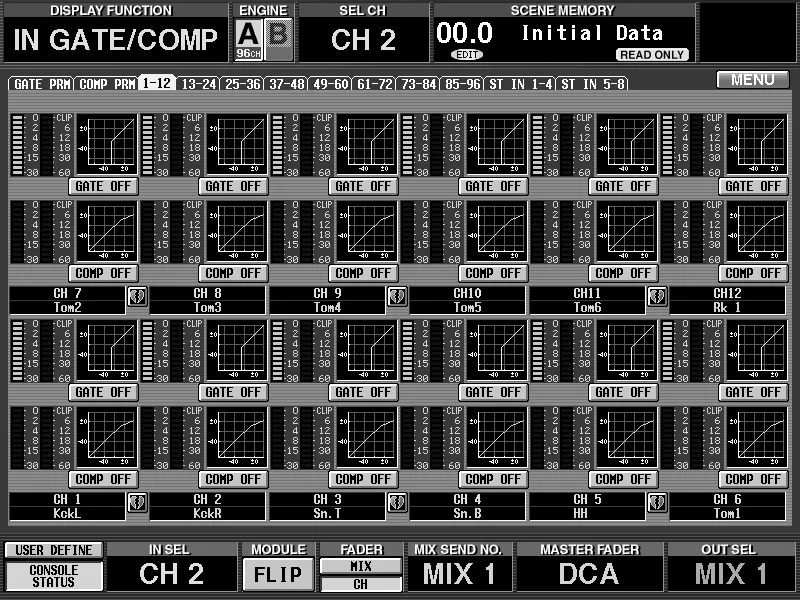
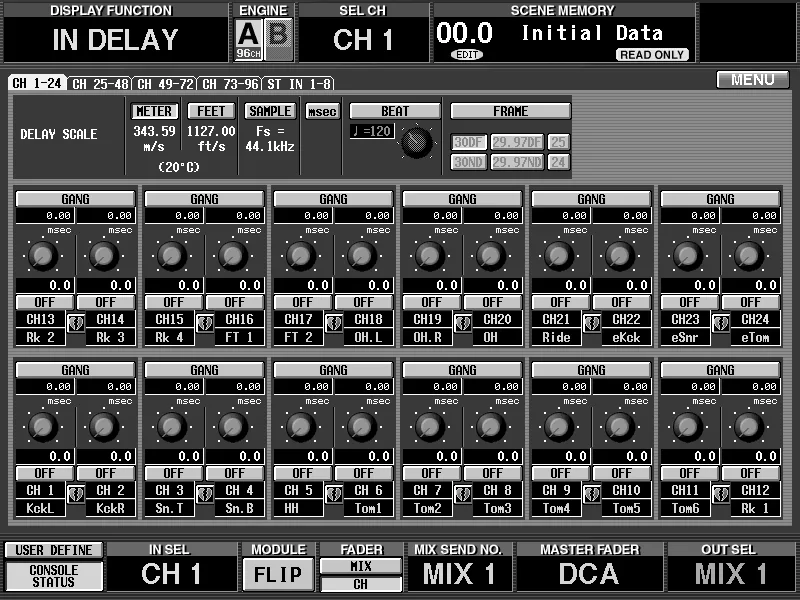
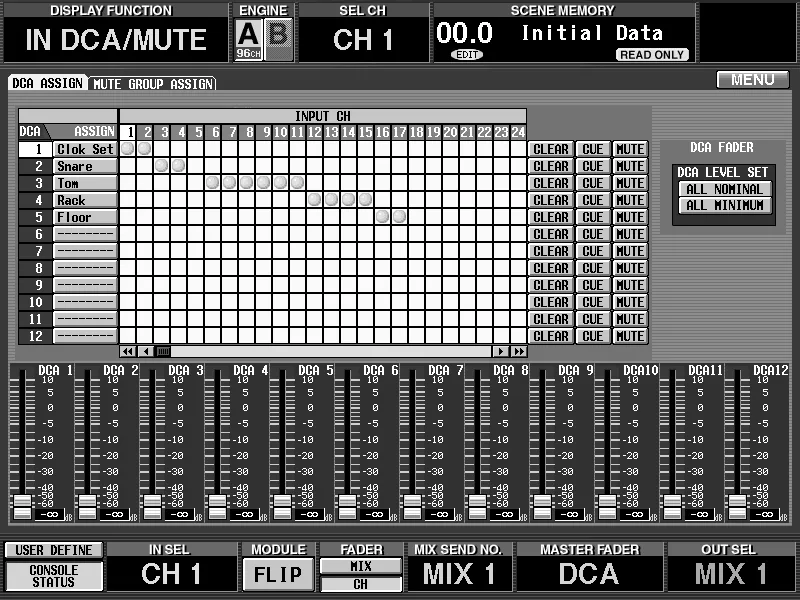
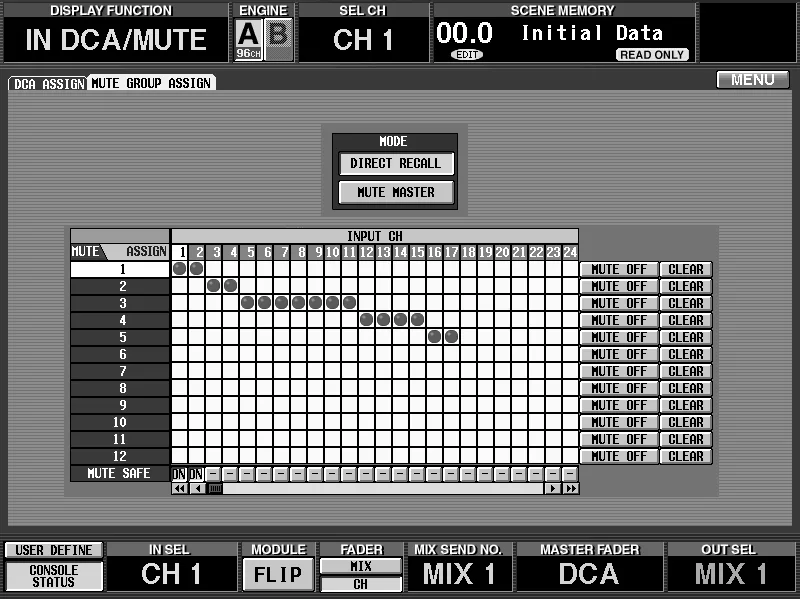
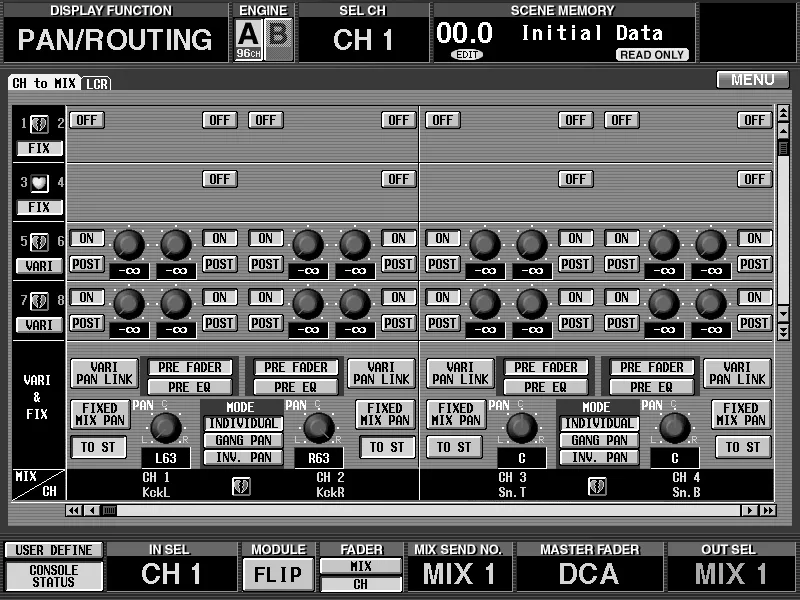
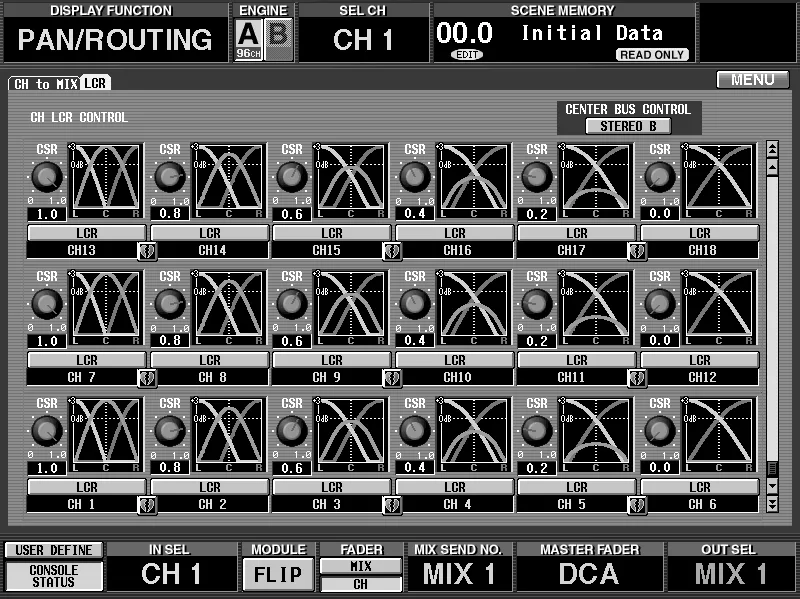
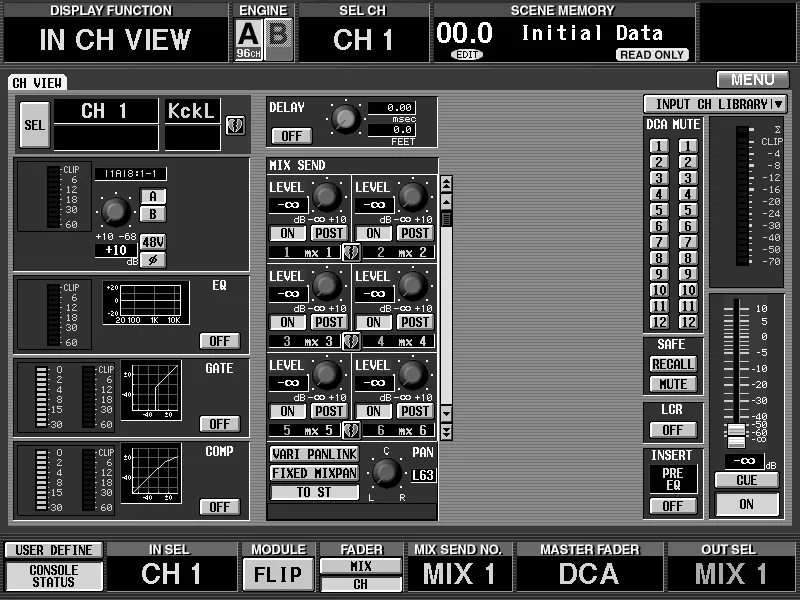
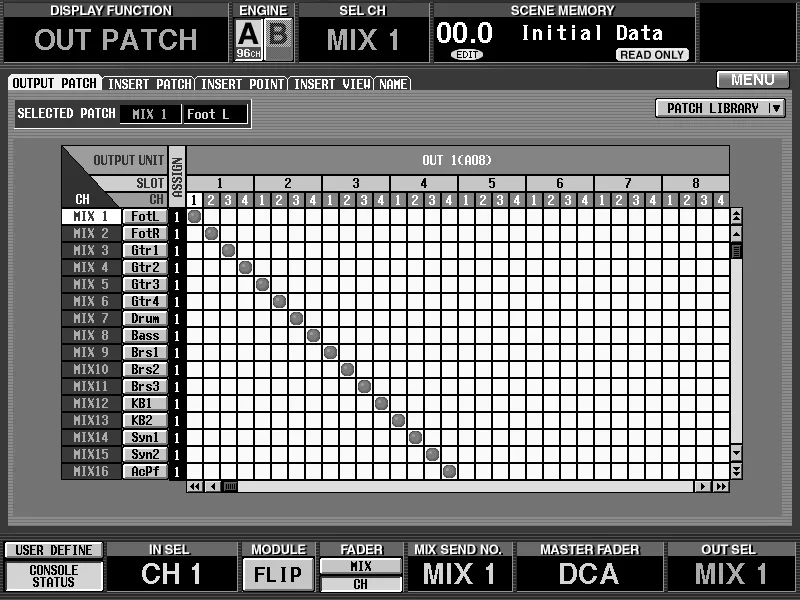
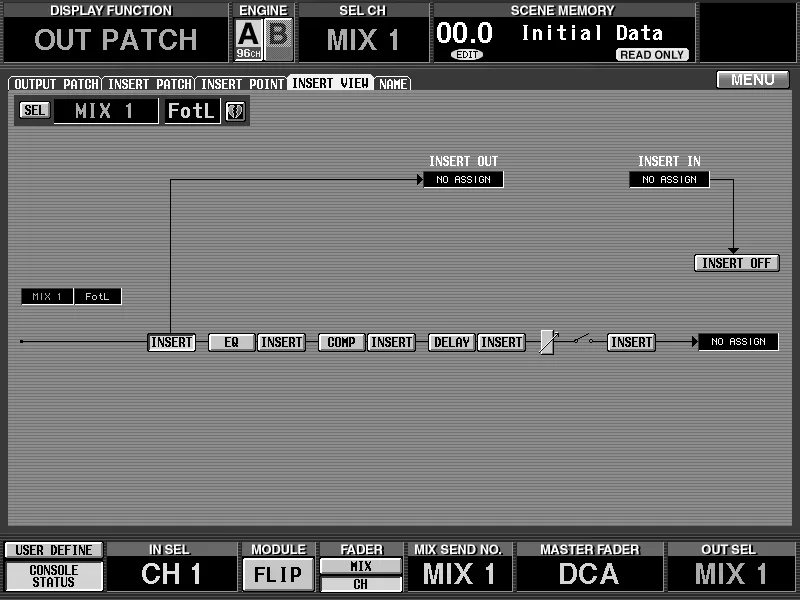
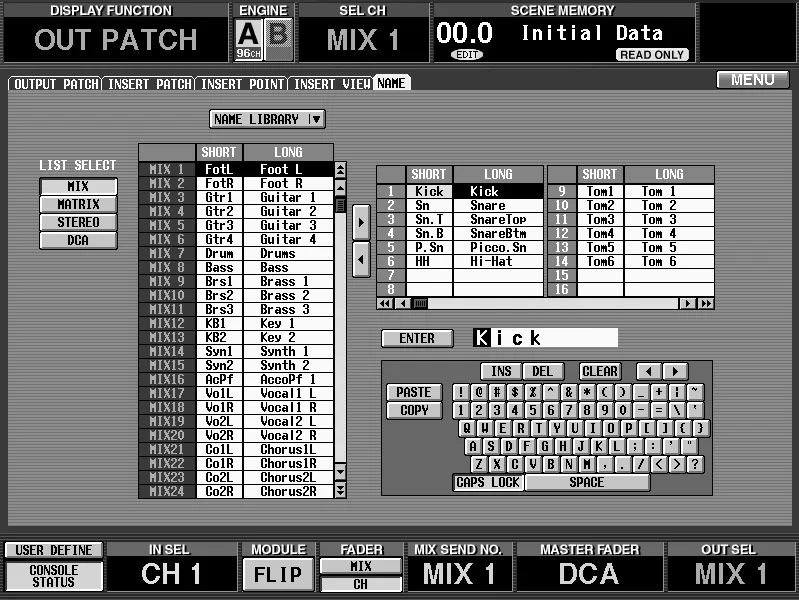
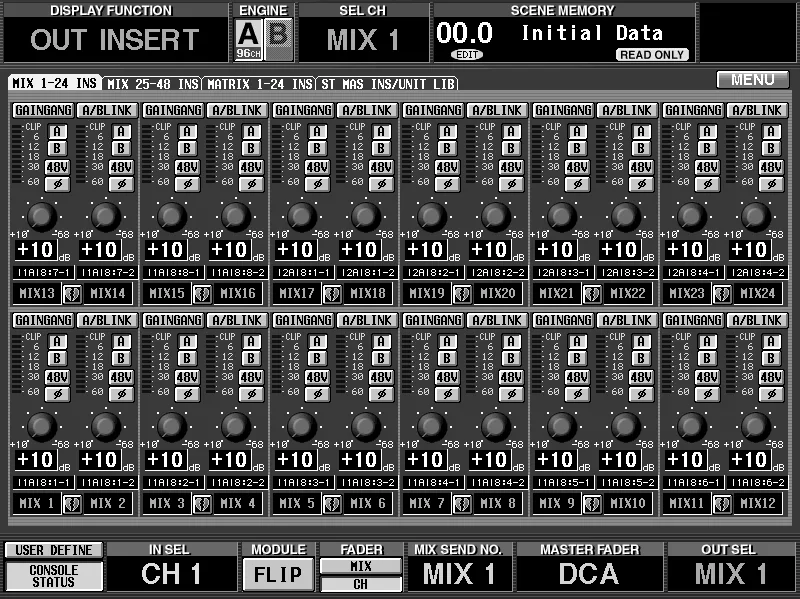
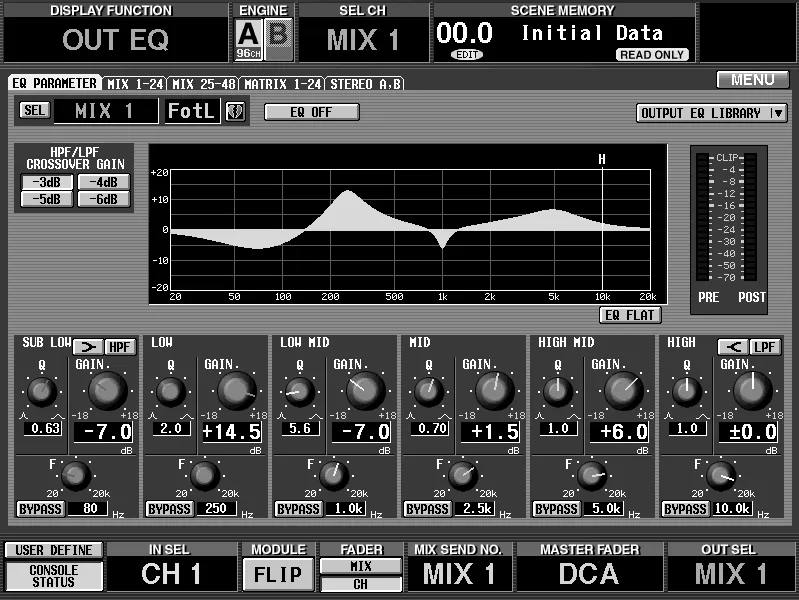
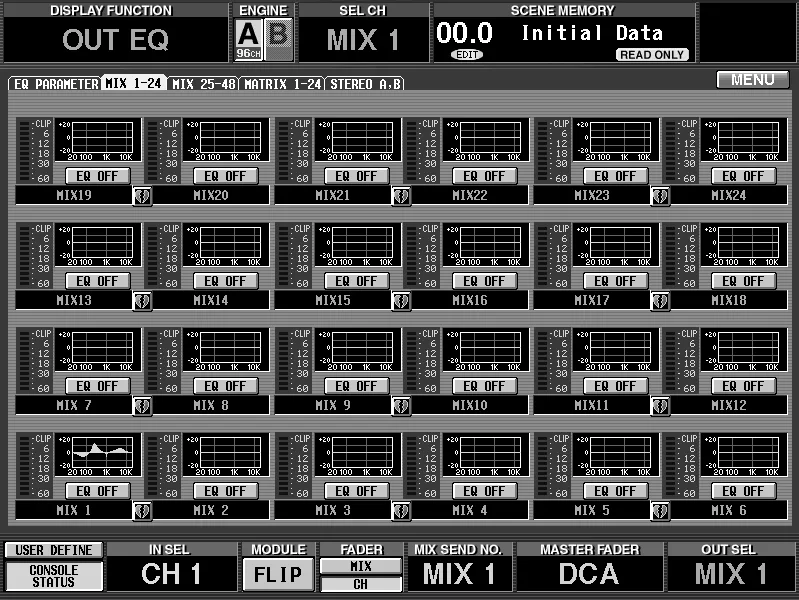
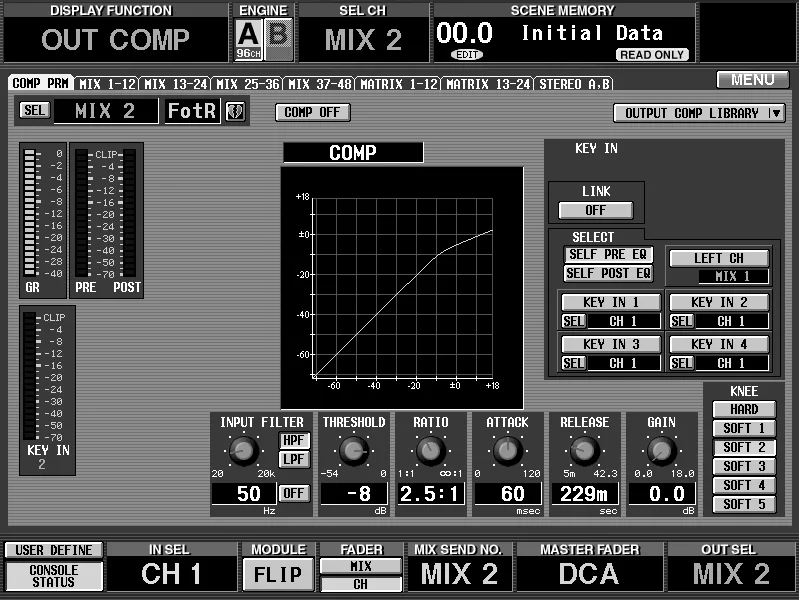
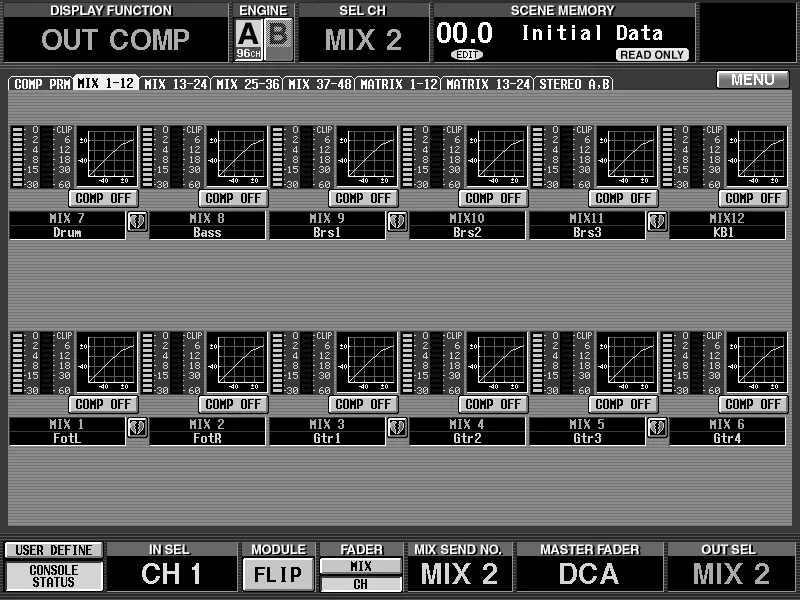
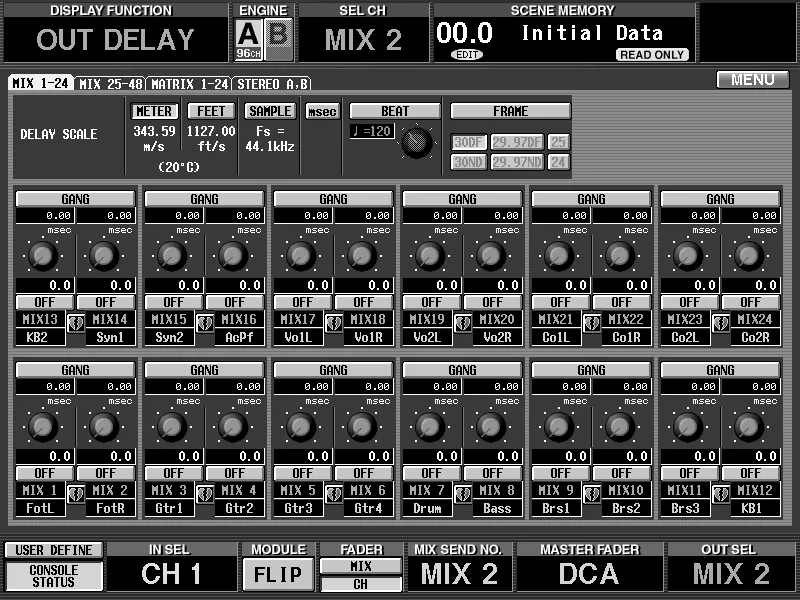
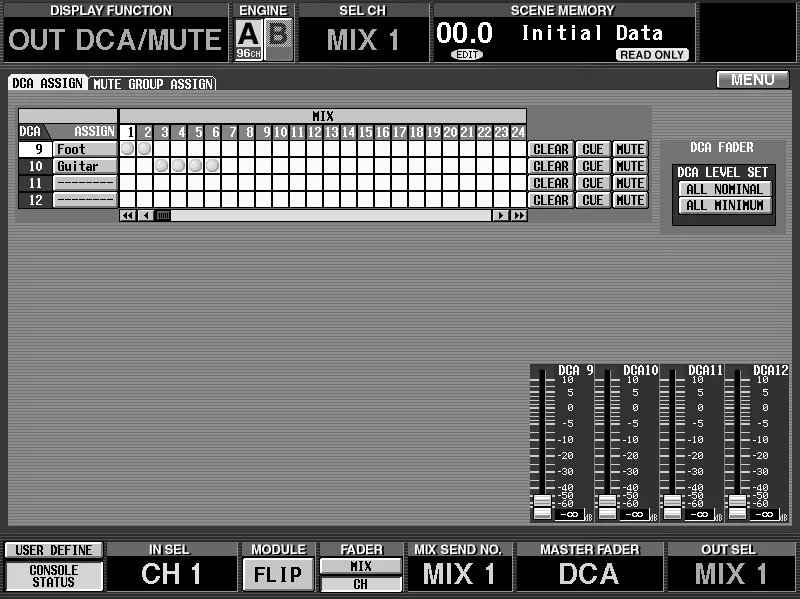
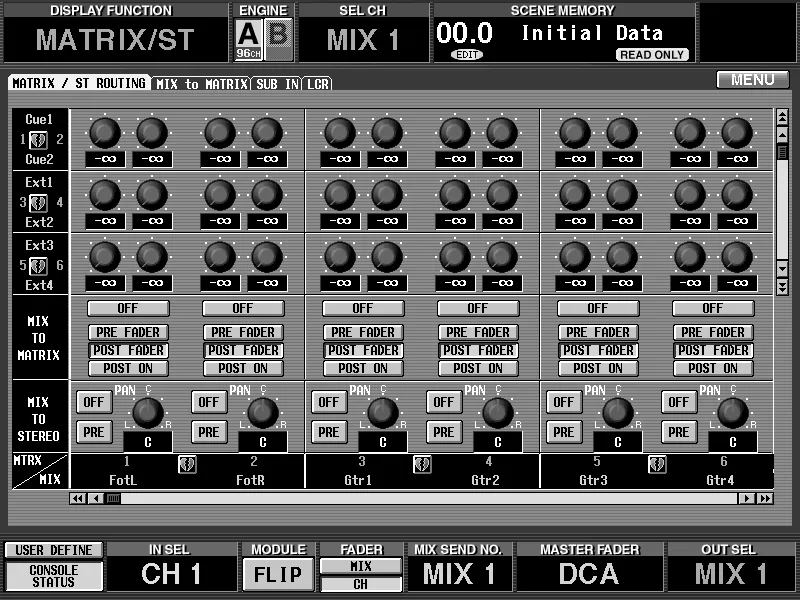
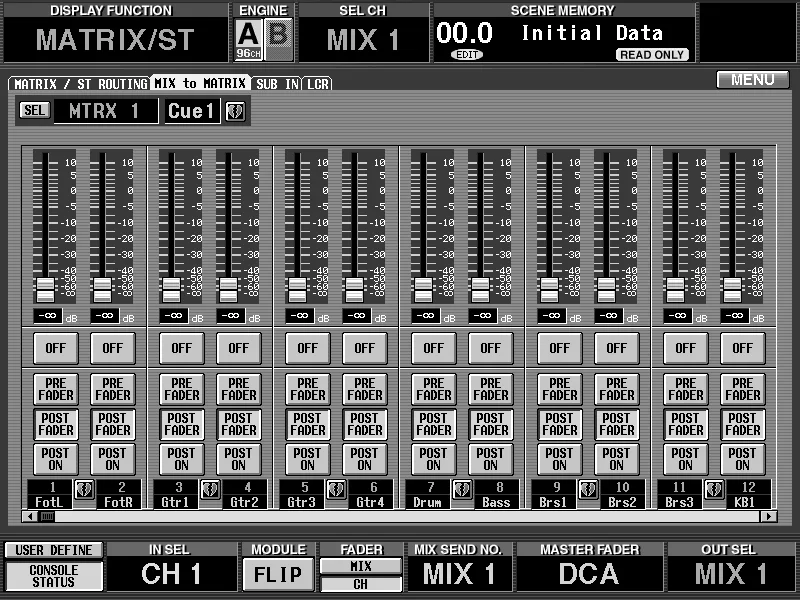
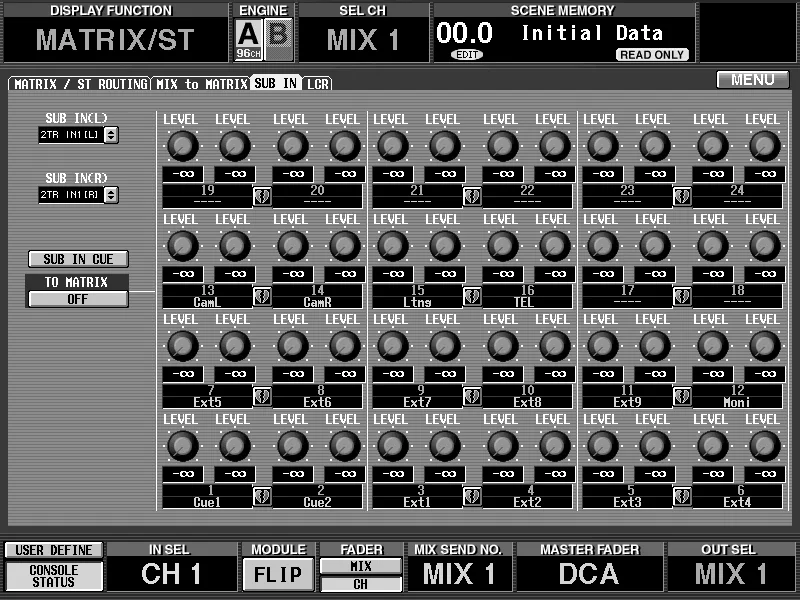
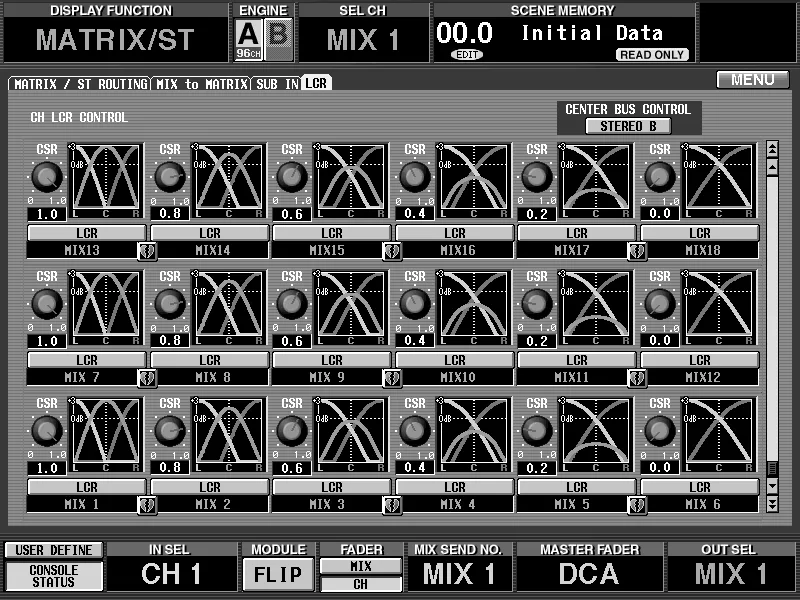
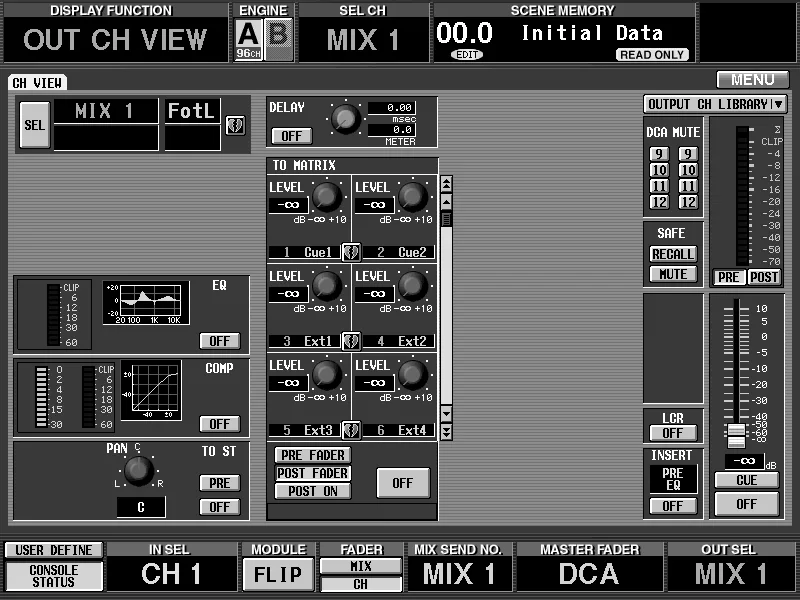
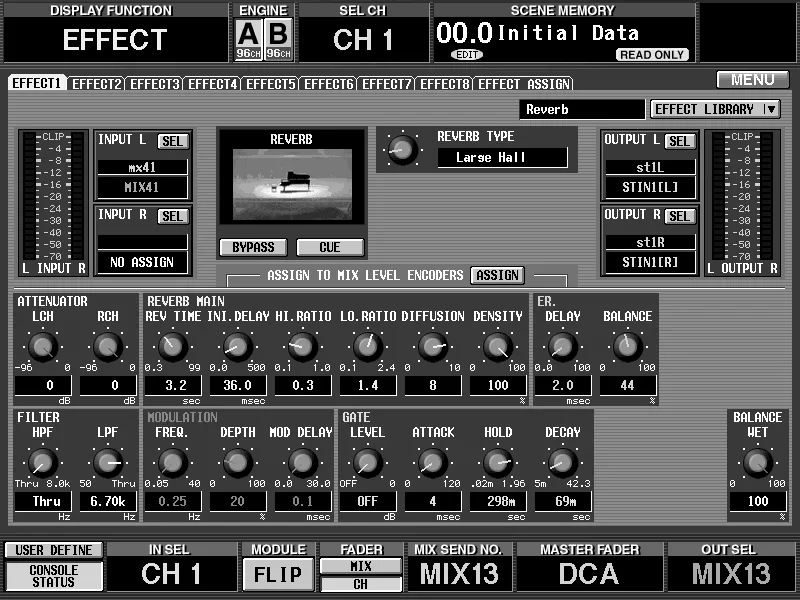
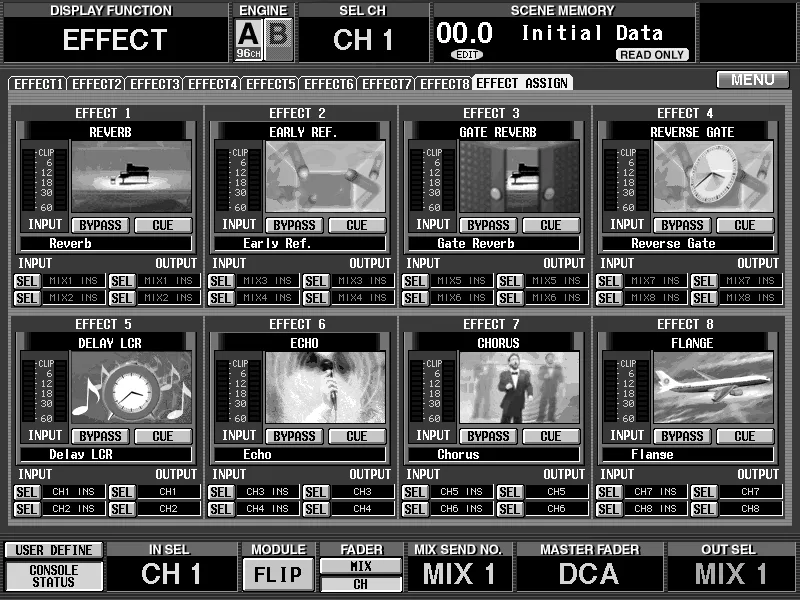
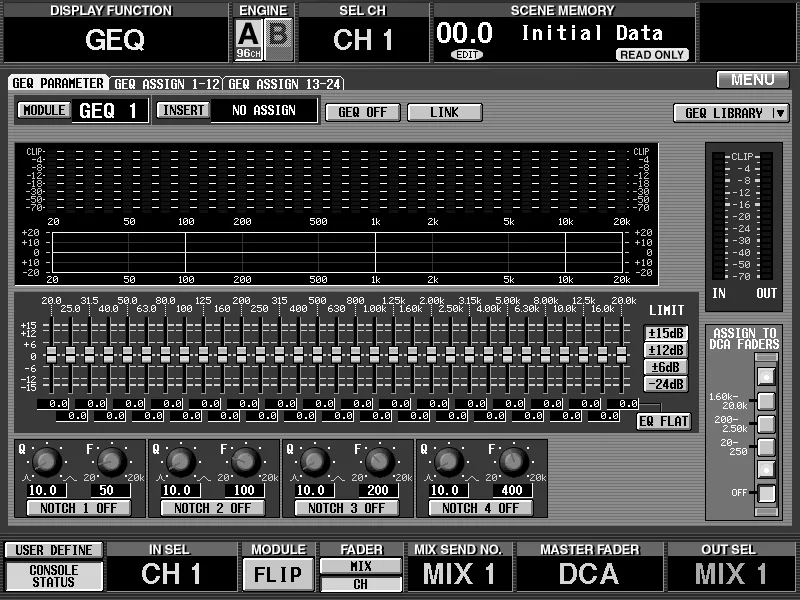
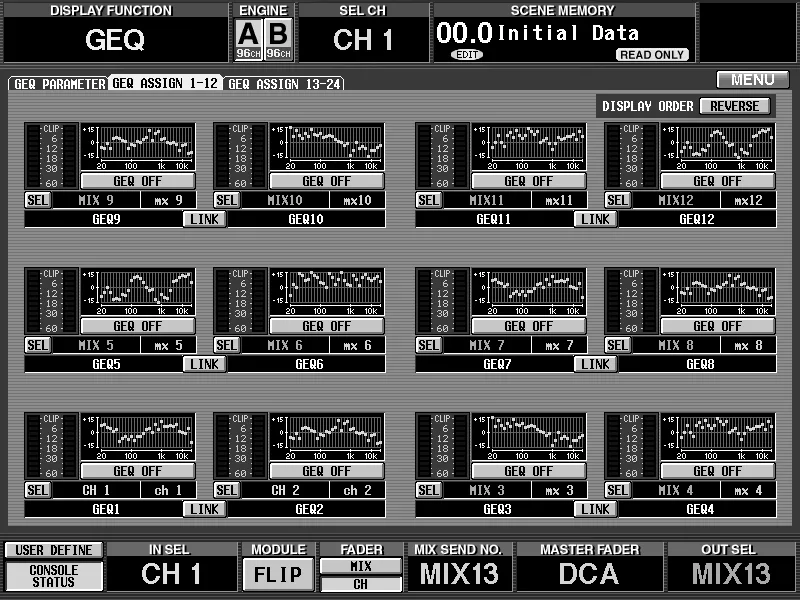
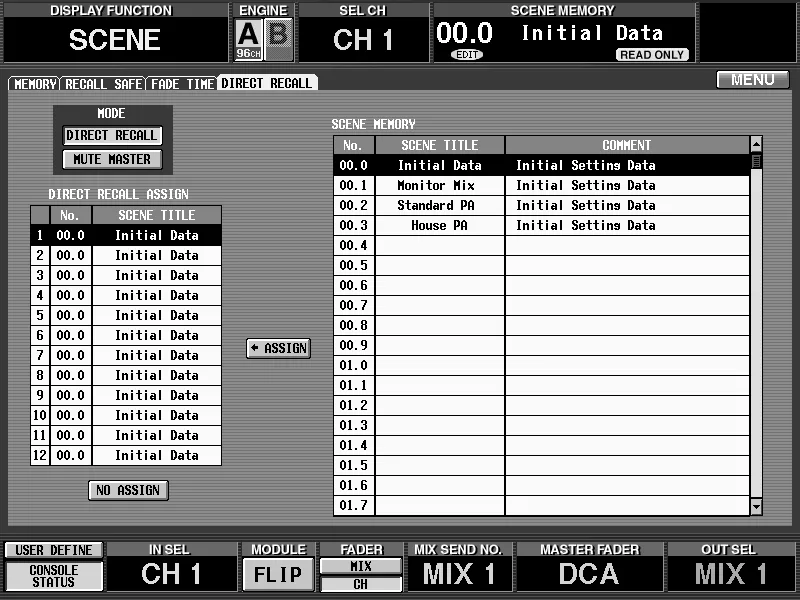
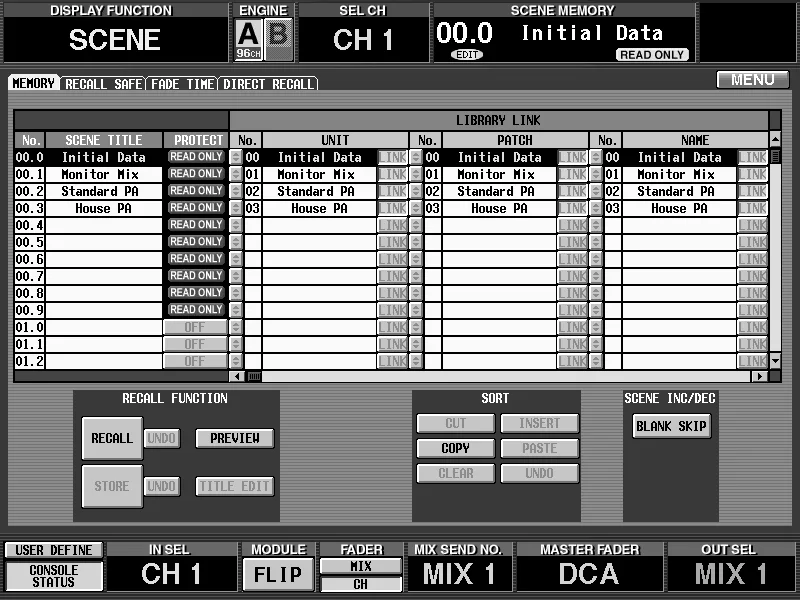
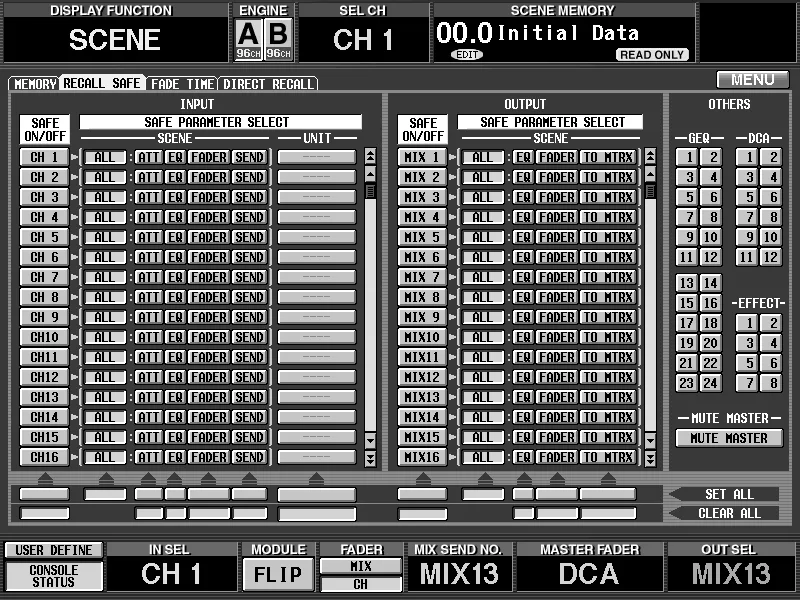
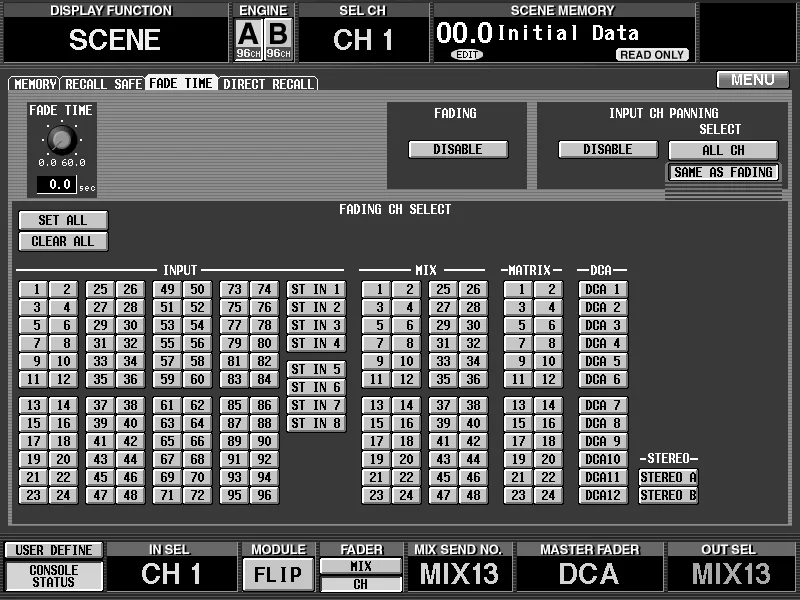
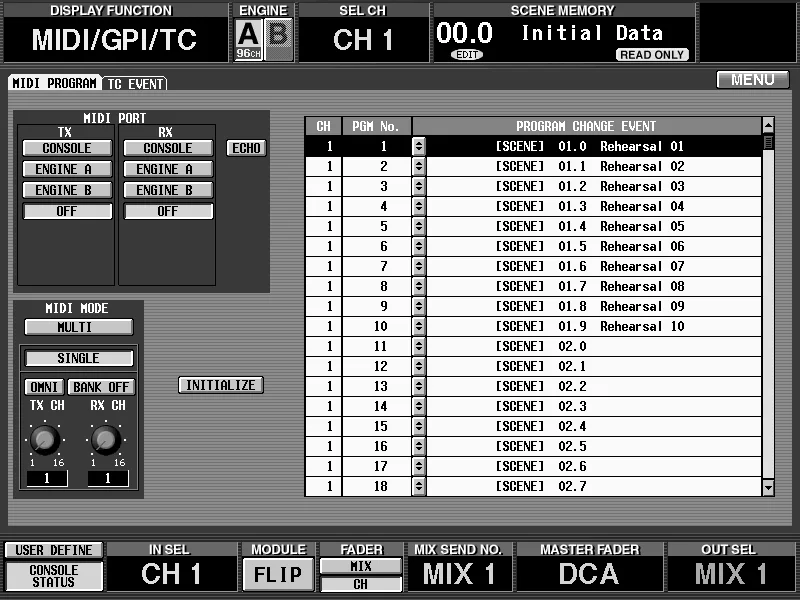
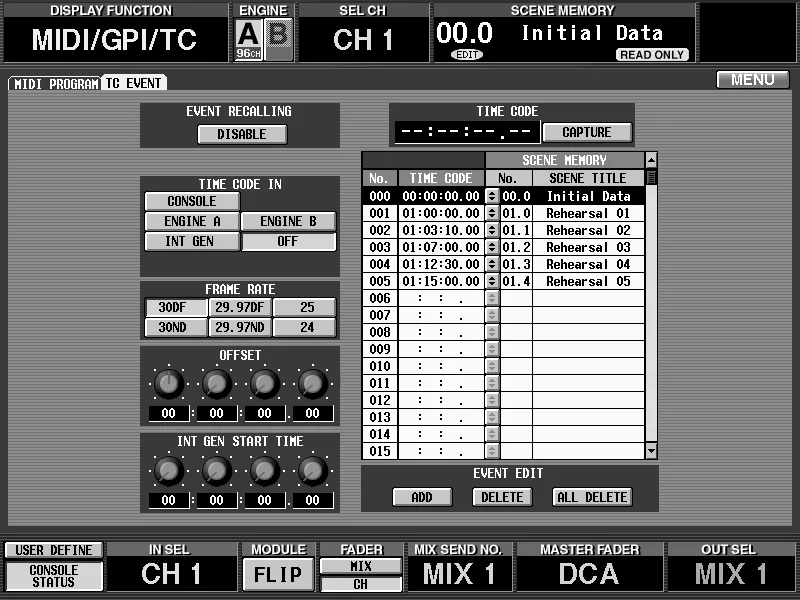
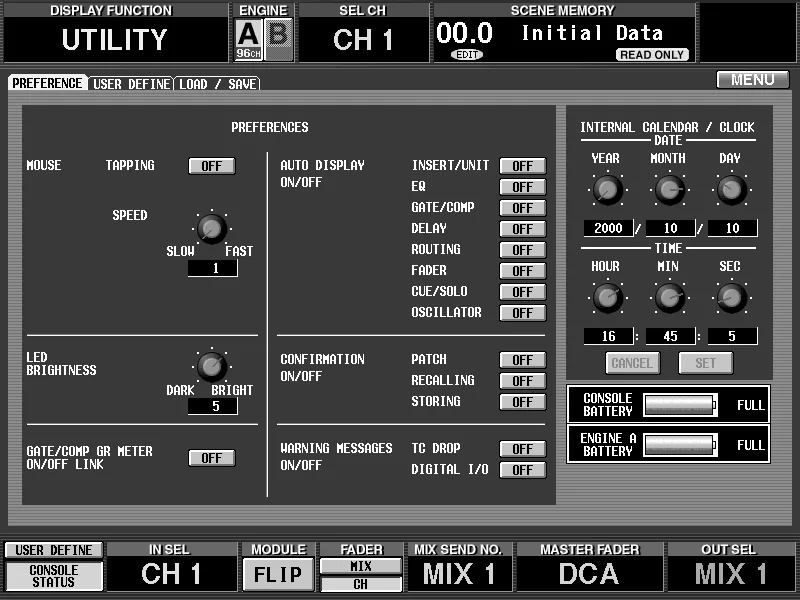
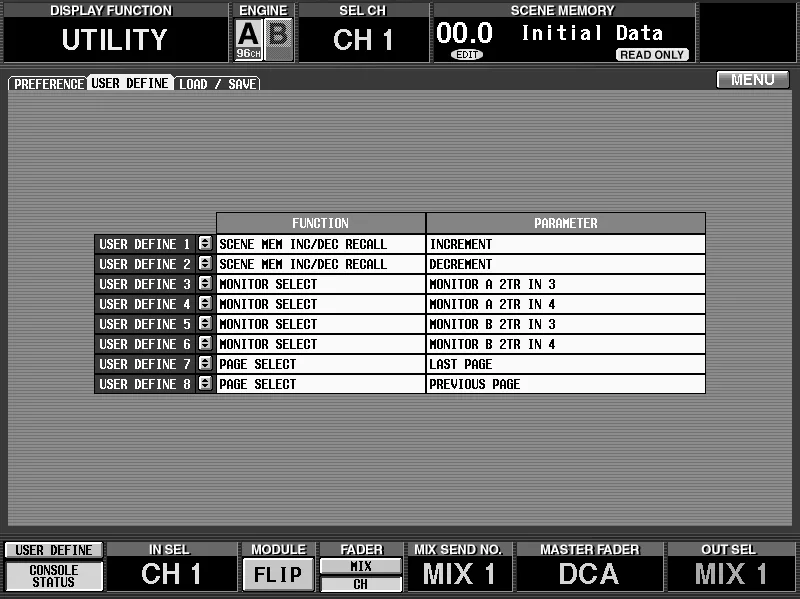
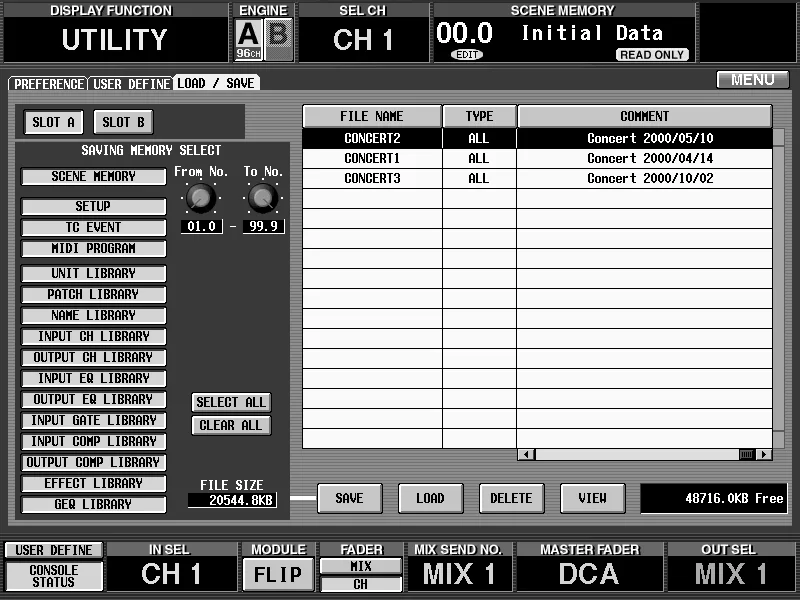
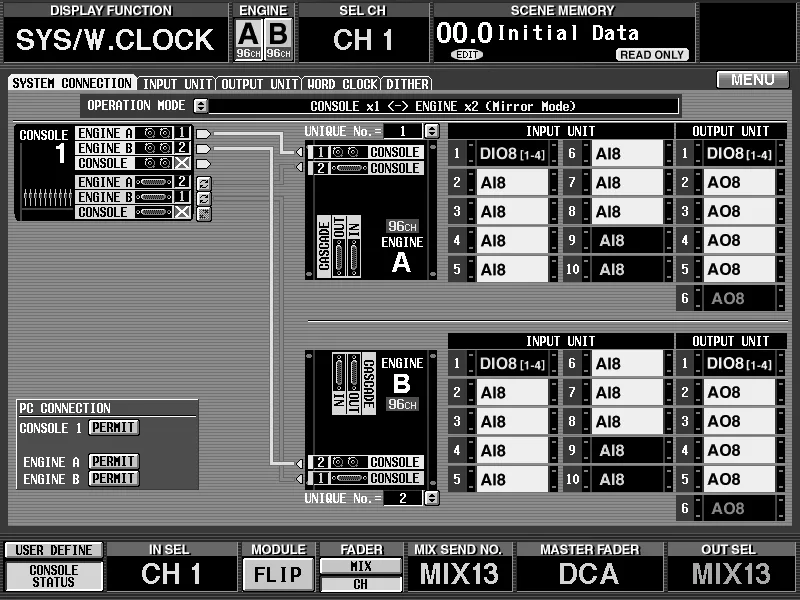
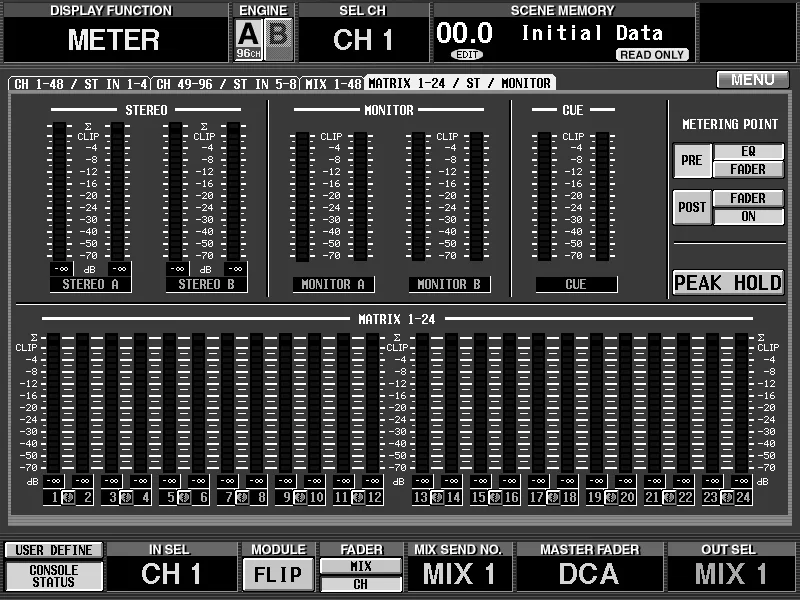
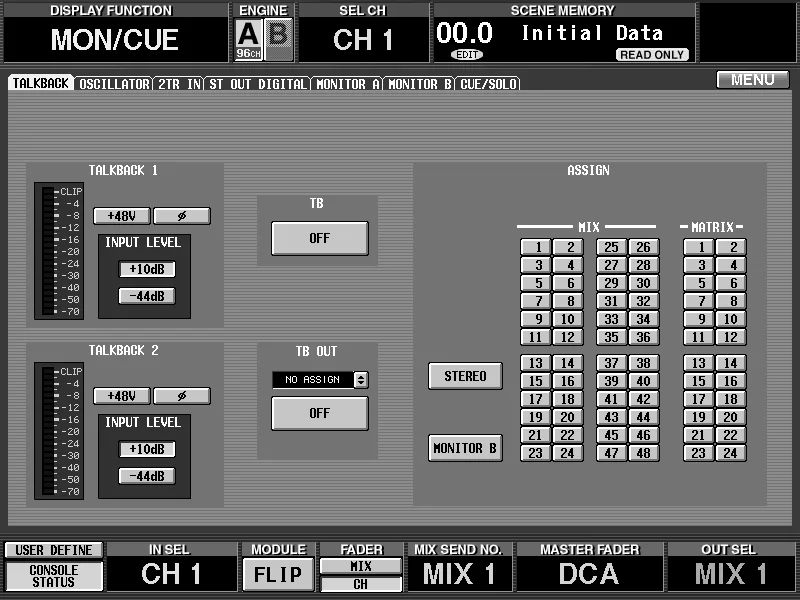
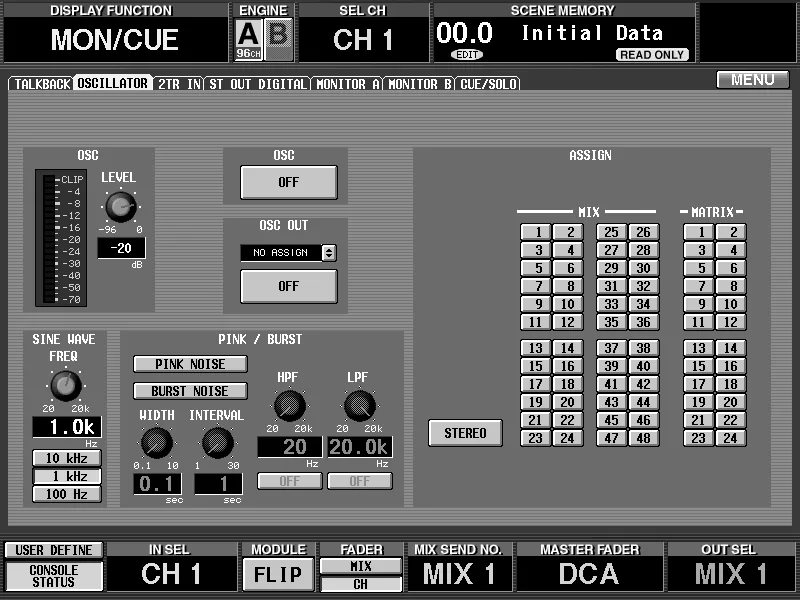
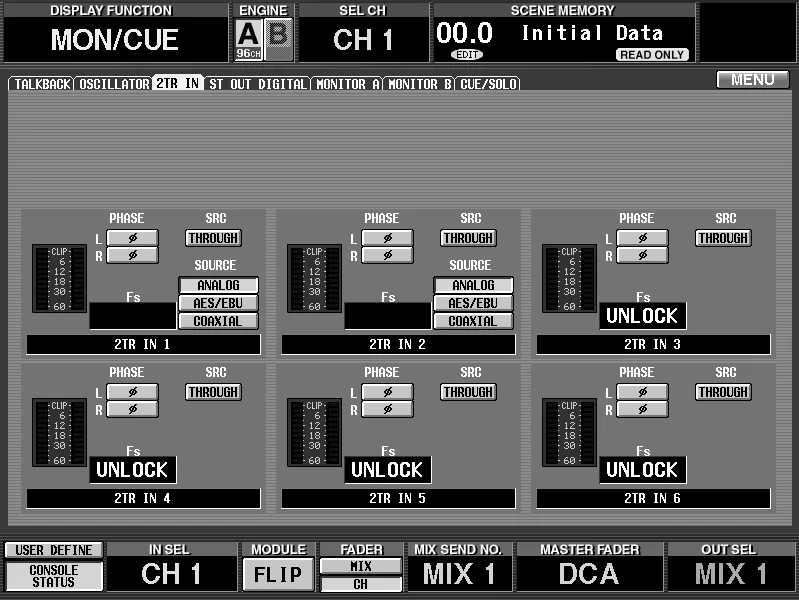
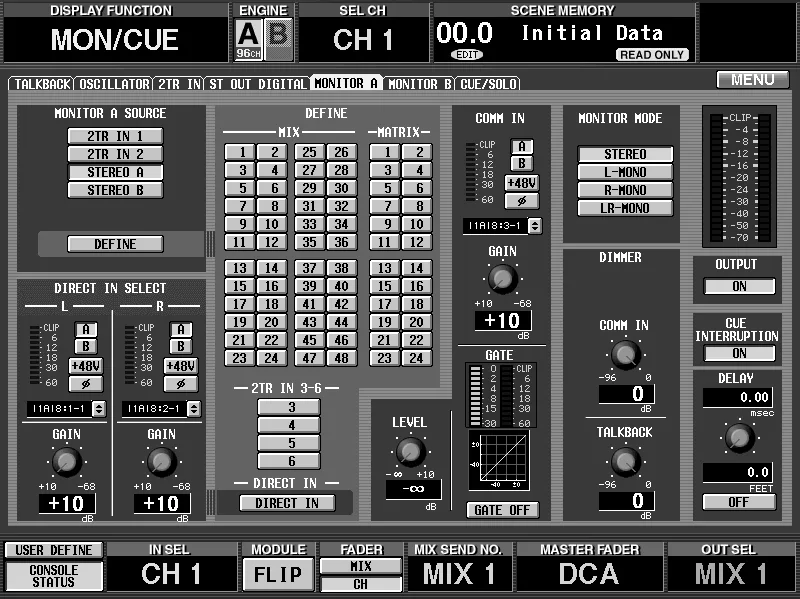
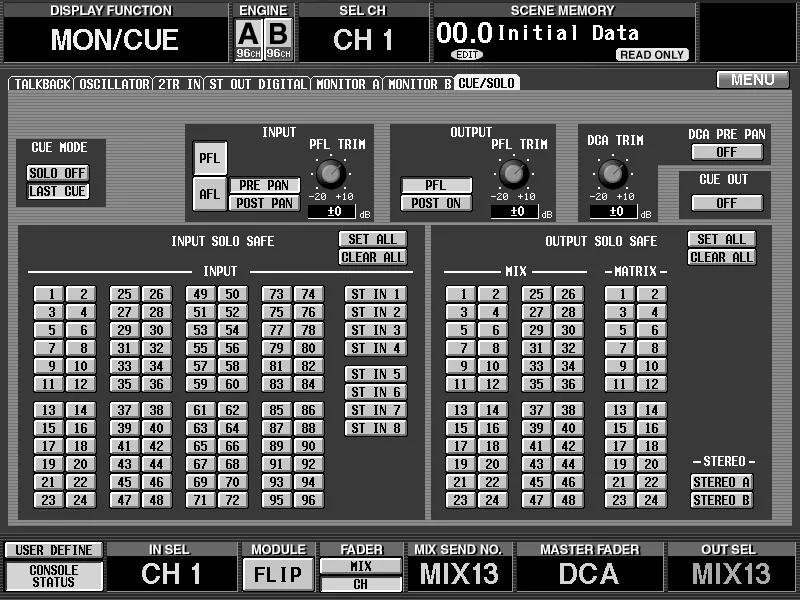
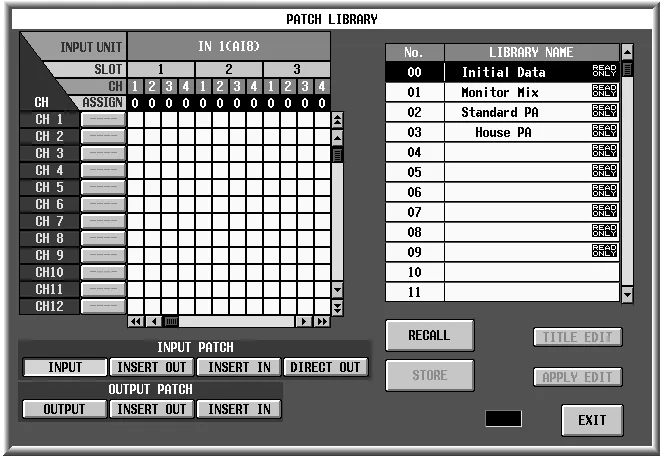
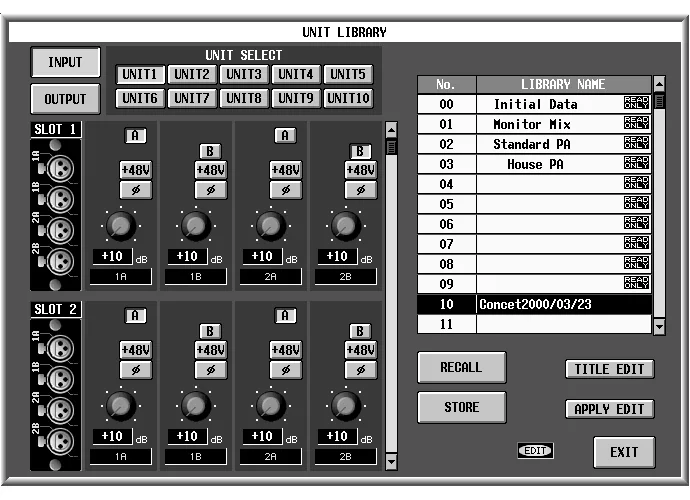

Editorial & artists
Our take
History & design
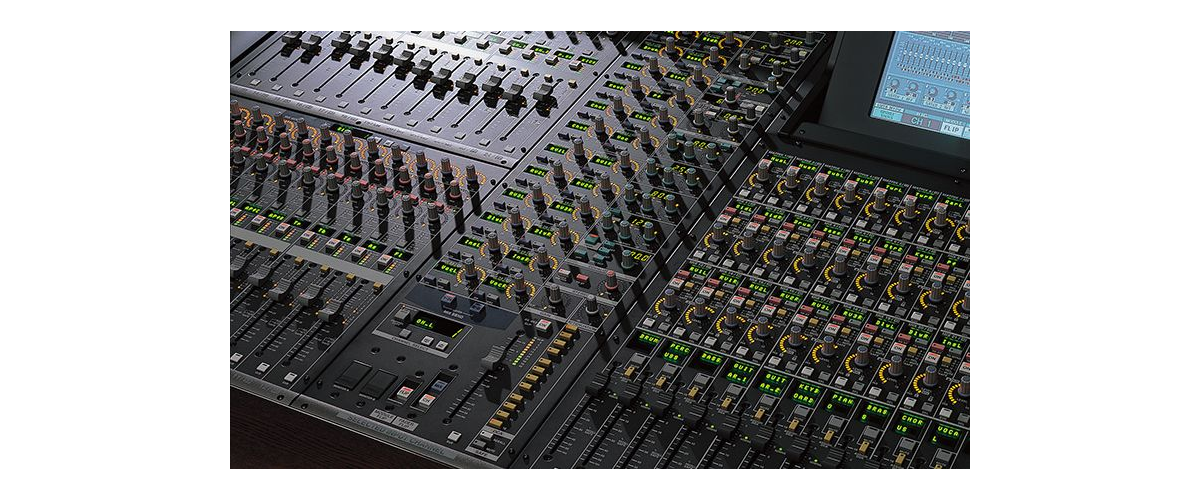
The Yamaha PM1D is the first digital console of the PM series, dedicated to live sound. Introduced in December 2000, it broke with the one-piece console in favour of a three-part system: the CS1D control surface, the rack-mounted DSP1D (or DSP1D-EX) processing engine, and remote input/output boxes (AI8, AO8) linked by cable — an architecture that was both modular and highly resistant to interference.
The system handles 96 mono and 8 stereo inputs, with two switchable A/B inputs on each channel, 48 mix buses, stereo A and B buses and 24 matrices. The CS1D surface drives 48 channels, expandable to 96 with additional converter cards. Audio is processed at 96 kHz / 24-bit.
Reliability is central: two DSP engines can be linked in 'mirror mode' and cable links can be made redundant for maximum operational safety. The analogue I/O uses plug-in cards; the arrival of head amps derived from the analogue PM5000 in card format raised sound quality further.
Used in halls, theatres, broadcast studios and tours worldwide, the PM1D laid the foundations of the PM digital line (PM5D, Rivage) that followed it.
Notable users
- David Bowie
Heathen Tour · FOH: Pablo Wheeler (Entec)
Links
Related consoles
Some merchant links are affiliate links. Purchases may support Digital Mixing at no extra cost.
Documents are archived locally for preservation. Source credited. Takedown requests: [email protected]