


Description
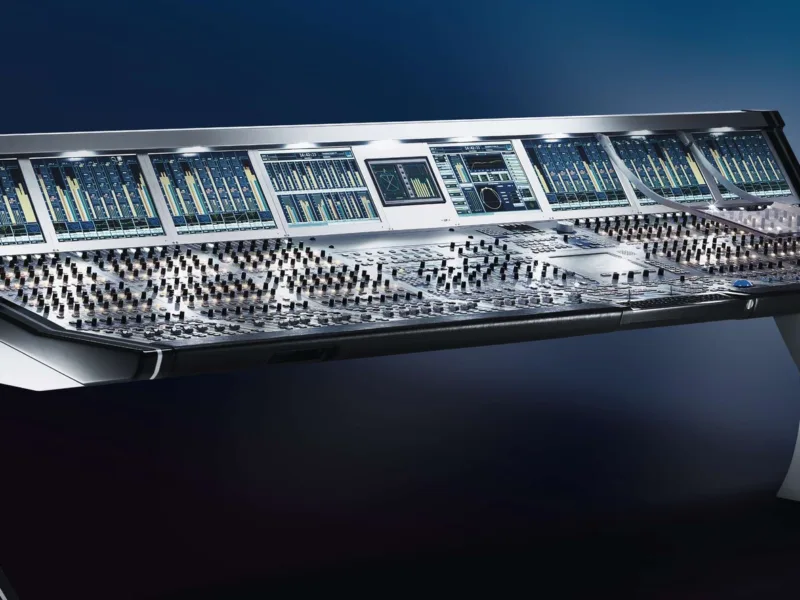
The mc²56 is Lawo's broadcast workhorse: a flexible production format (up to 112 faders), a beefy DSP core and, above all, an IP-native approach that made it ubiquitous in OB trucks and live productions. Its third generation (2018) pushed all-IP (SMPTE 2110, AES67, RAVENNA). To me it is a category reference for reliability and network integration.
Technical
Specifications
Inputs / Outputs
| Inputs / outputs | Local I/O: 16 mic/line, 16 line outputs, 8 AES3 in/out, 8 GPIO, local MADI port (SFP) |
|---|
Processing
| DCA/VCA groups | 128 |
|---|---|
| Max sample rate | 96 kHz |
| Bit depth | 24 bits |
| Processing resolution | 40 bits |
| Processing engine | 888 DSP channels, 8192 x 8192 crosspoint matrix, 144 summing buses and 128 aux buses, 44.1-96 kHz |
Surface
| Motorized faders | No |
|---|---|
| Touchscreen | No |
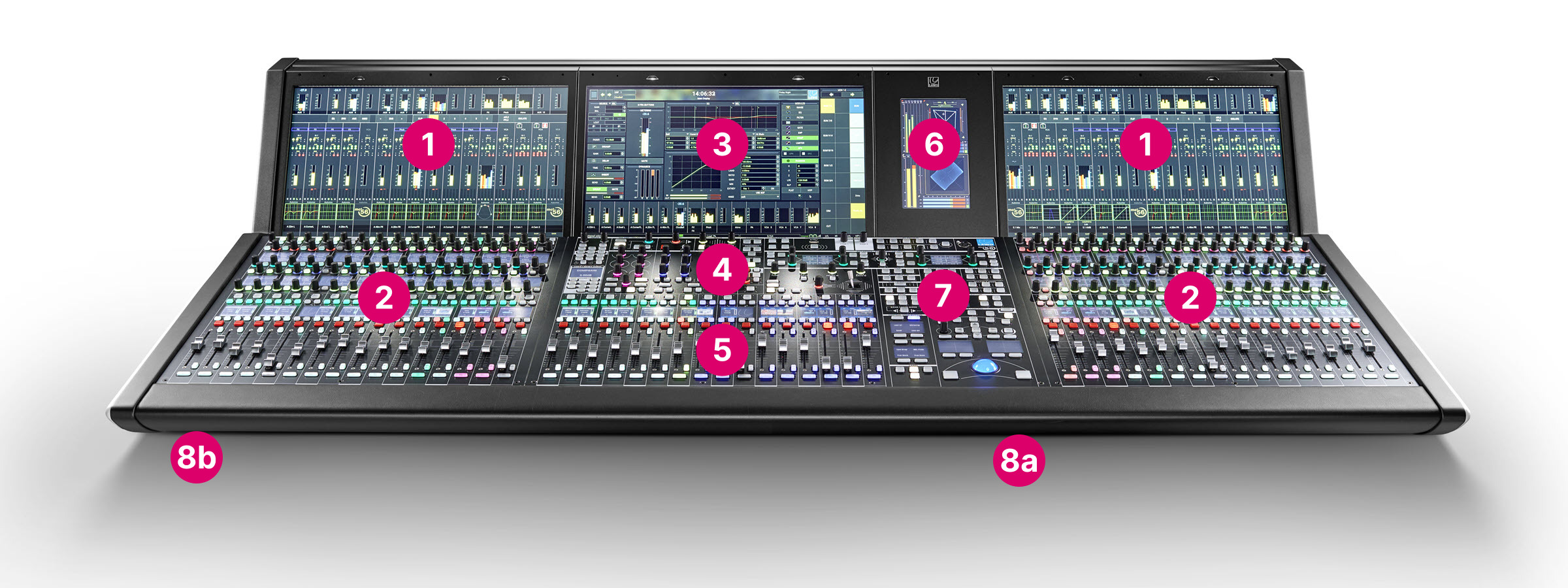
| Faders | Frames from 16 to 112 faders (64-fader surface suited to OB vehicles, optional 16-fader stand-alone extender) |
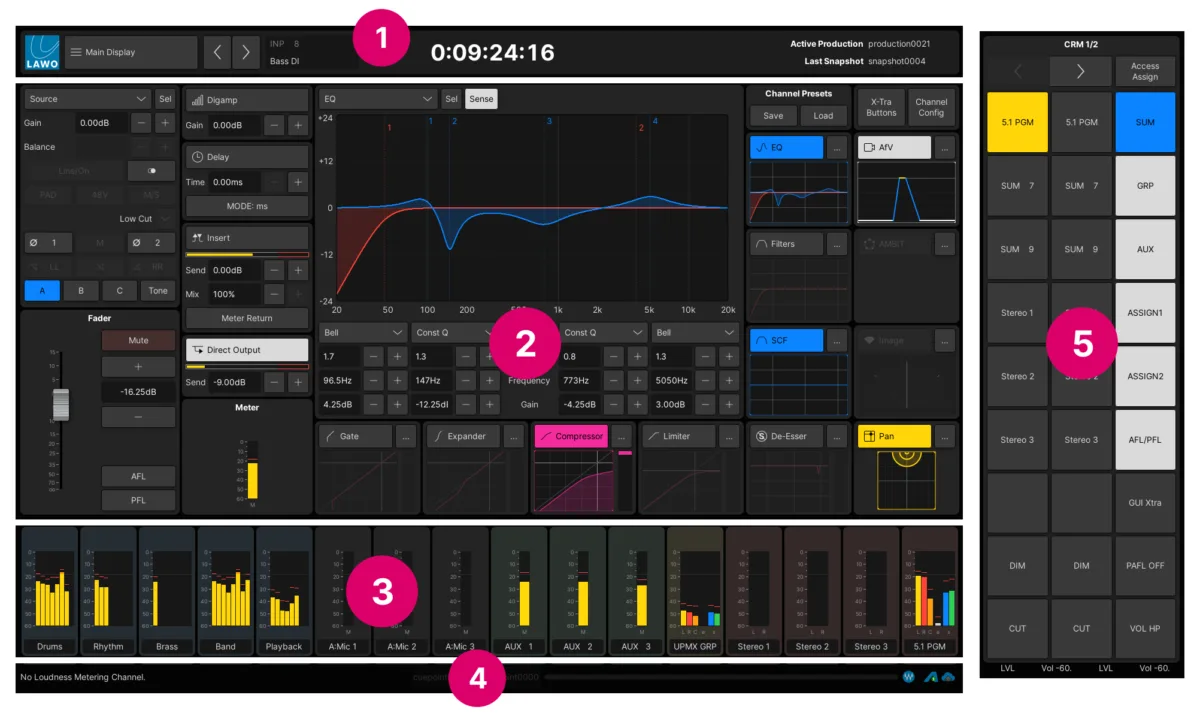
| Metering | Built-in loudness metering to ITU 1770 (EBU R128 / ATSC A85) |
Recording
| Onboard recording | No |
|---|
Networking
| Networking & protocols | MADI / Dante / Ravenna / AES/EBU / Network |
|---|---|
| Redundant PSU | No |
| Redundant networking | No |
| Audio networking | IP-native: SMPTE 2110, AES67, RAVENNA, DANTE and MADI streams; third generation (2018) |
Strip & details
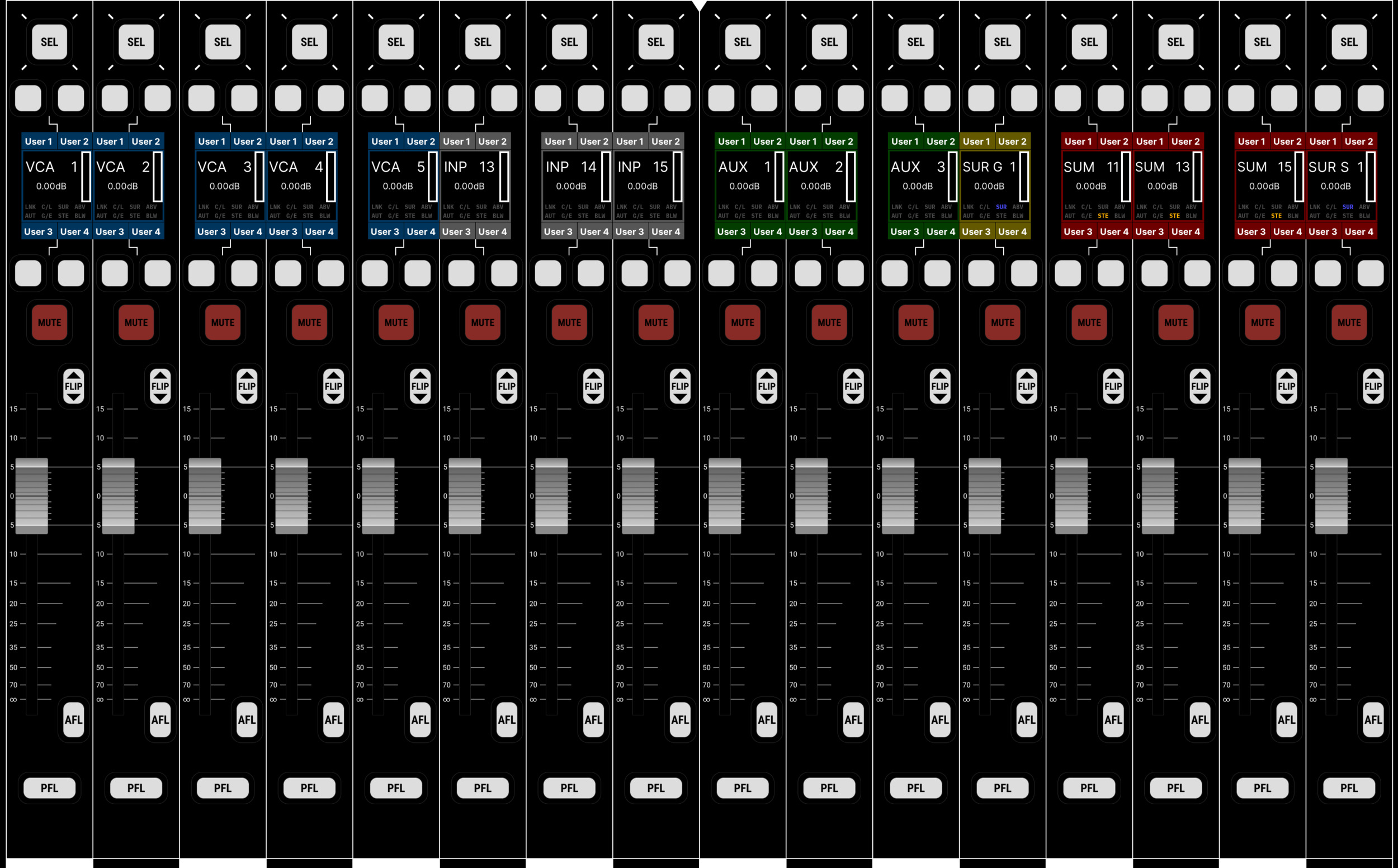
Rotate your phone to landscape for a better view of the strip.
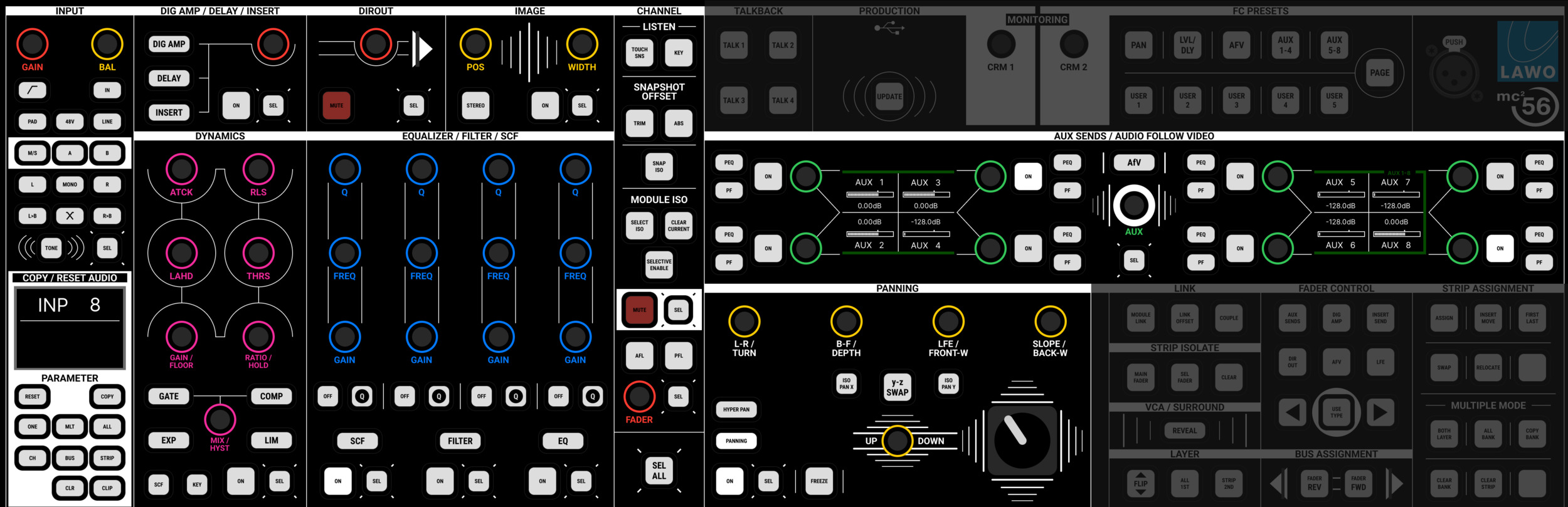
Rotate your phone to landscape for a better view of the strip.
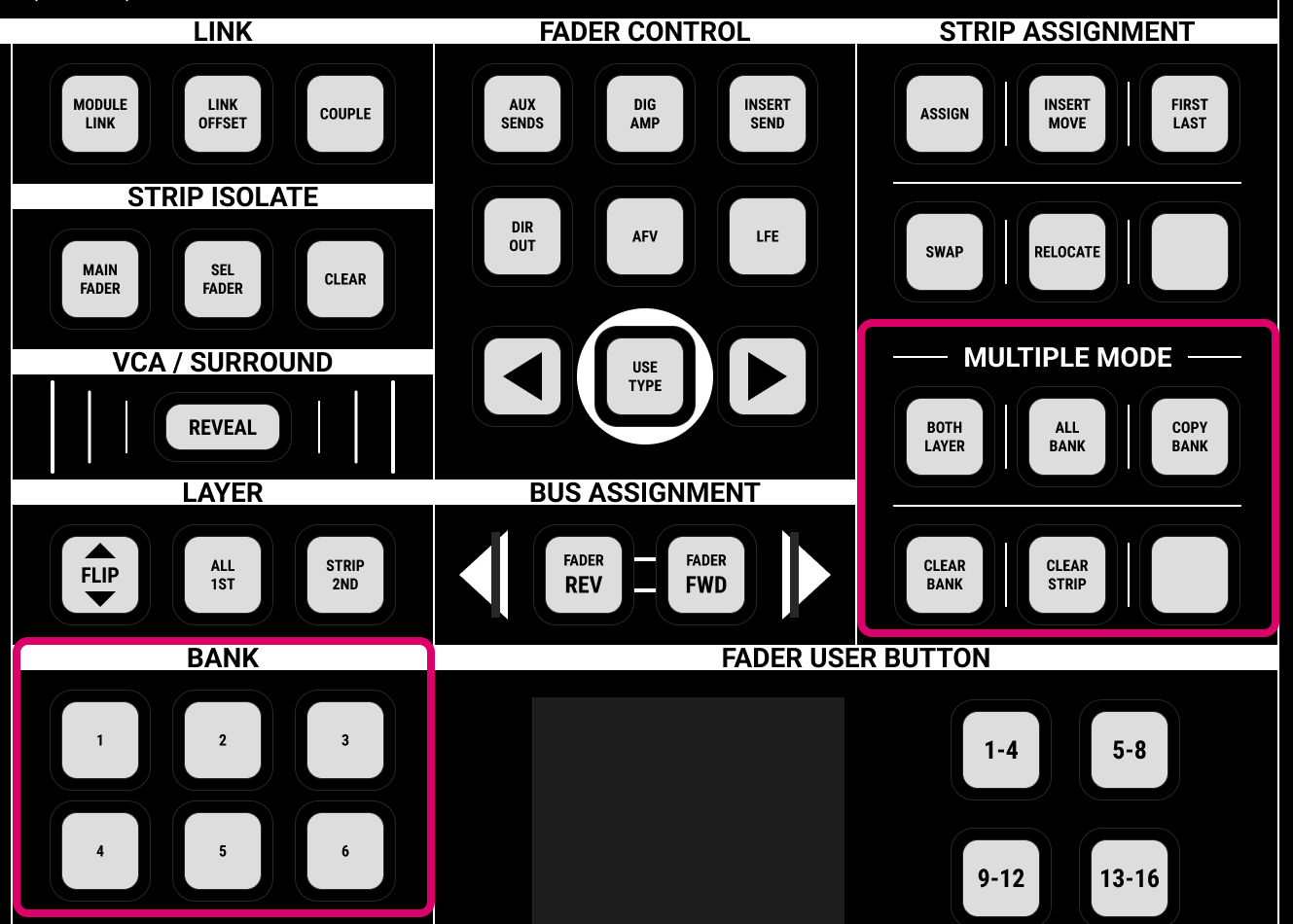
Rotate your phone to landscape for a better view of the strip.
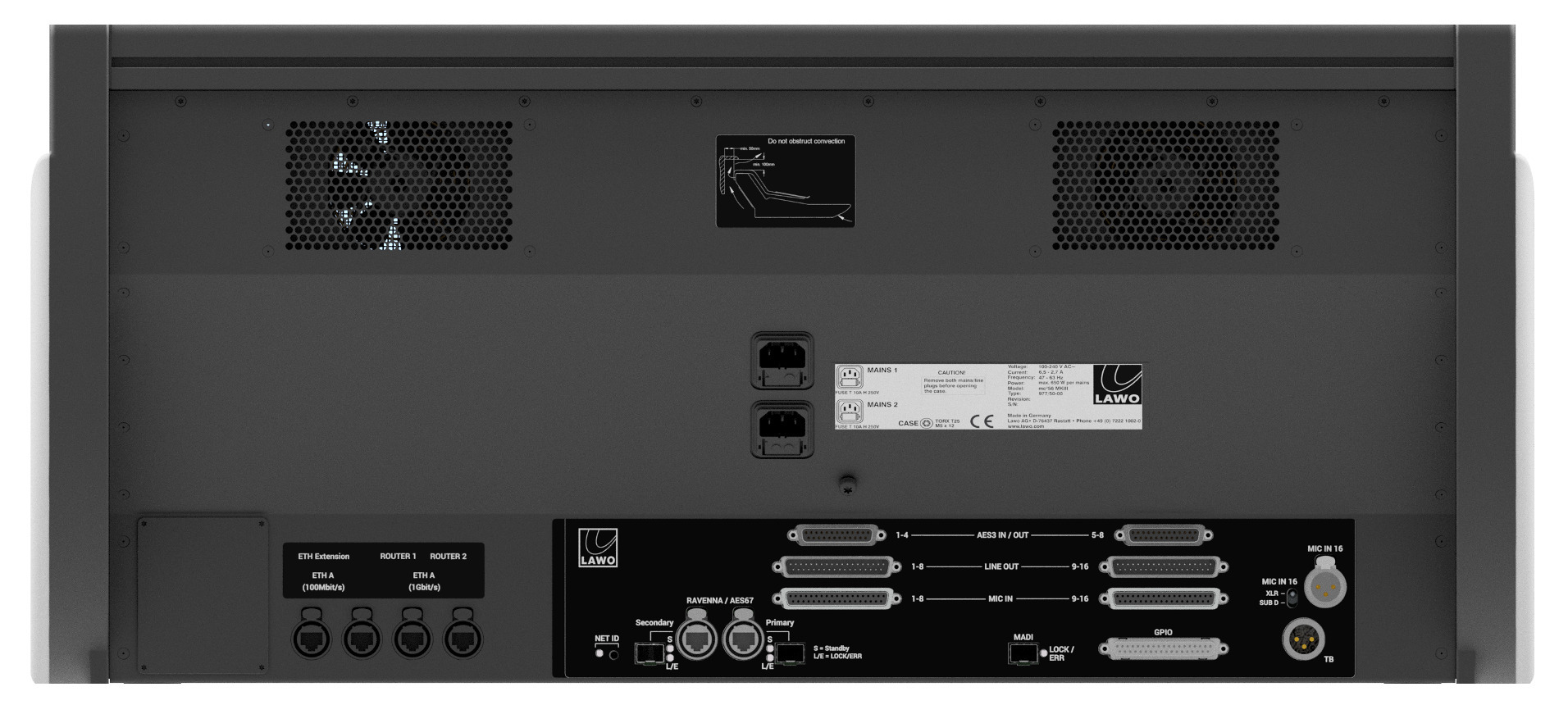
Rotate your phone to landscape for a better view of the strip.
Diagrams
Rotate your phone to landscape for a better view of the diagram.
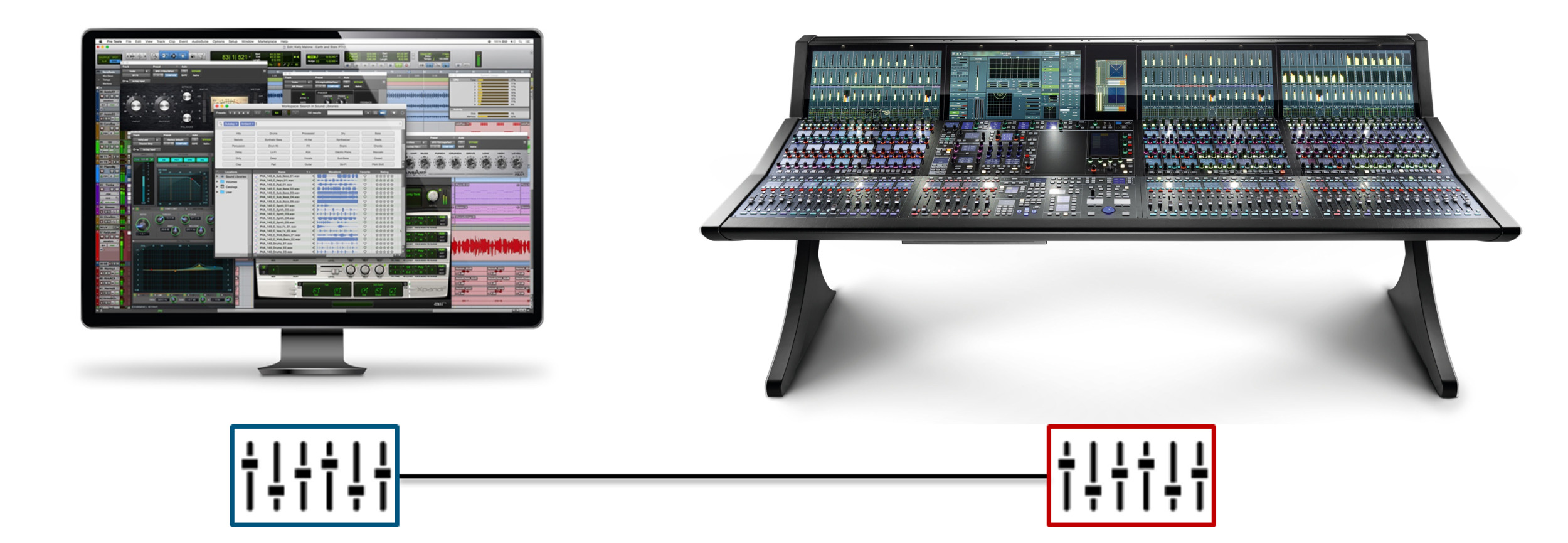
Rotate your phone to landscape for a better view of the diagram.
Software
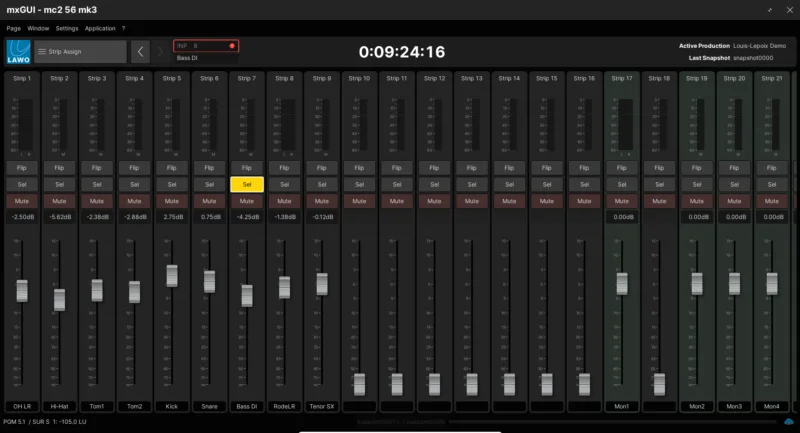
 mxGUI (contrôle à distance) v10.8
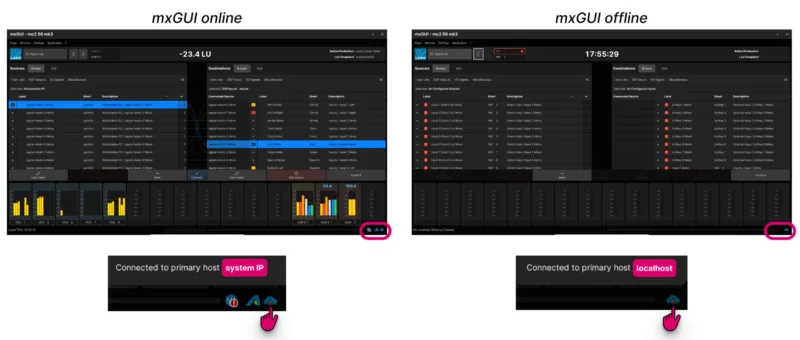 mxGUI (préparation hors ligne) v10.8
Other screenshots
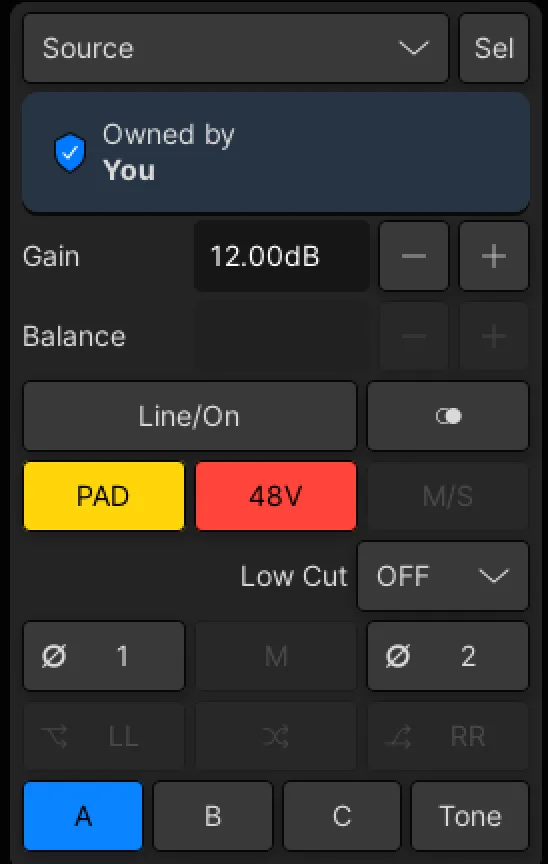
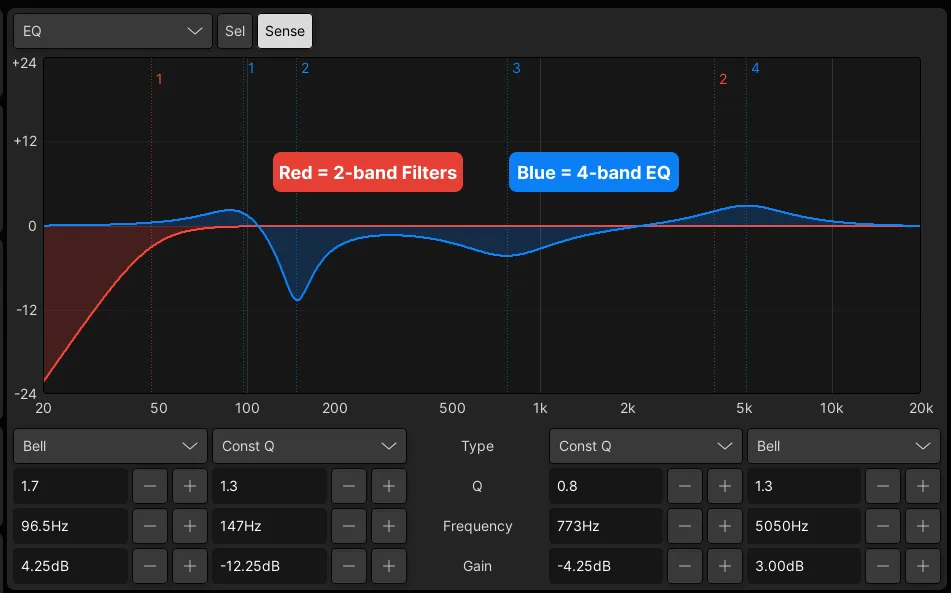
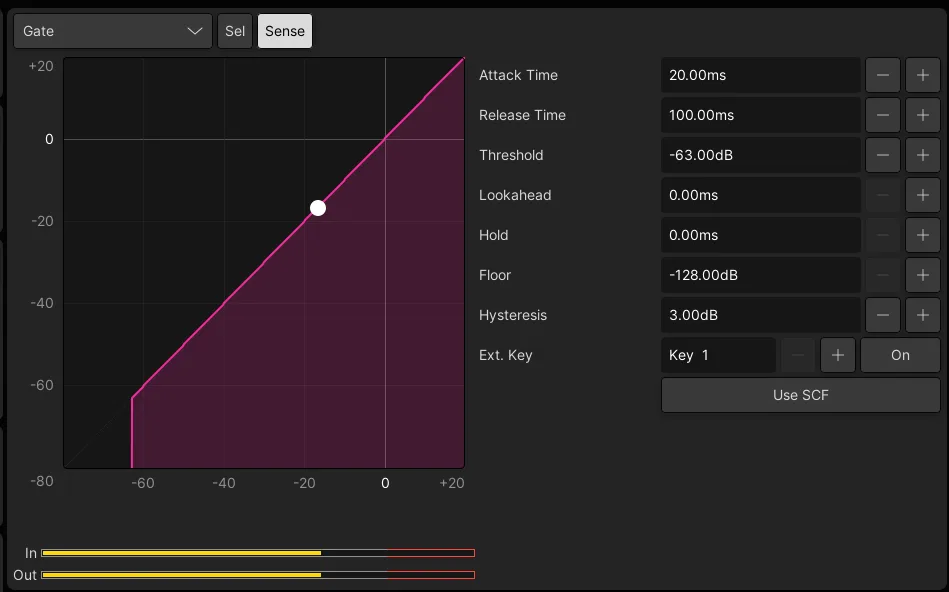
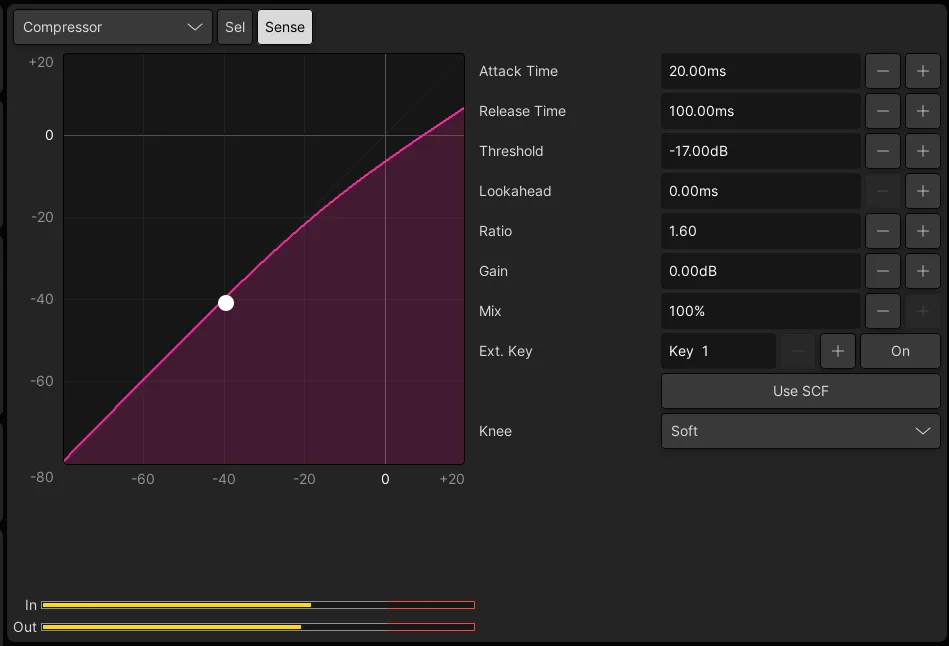
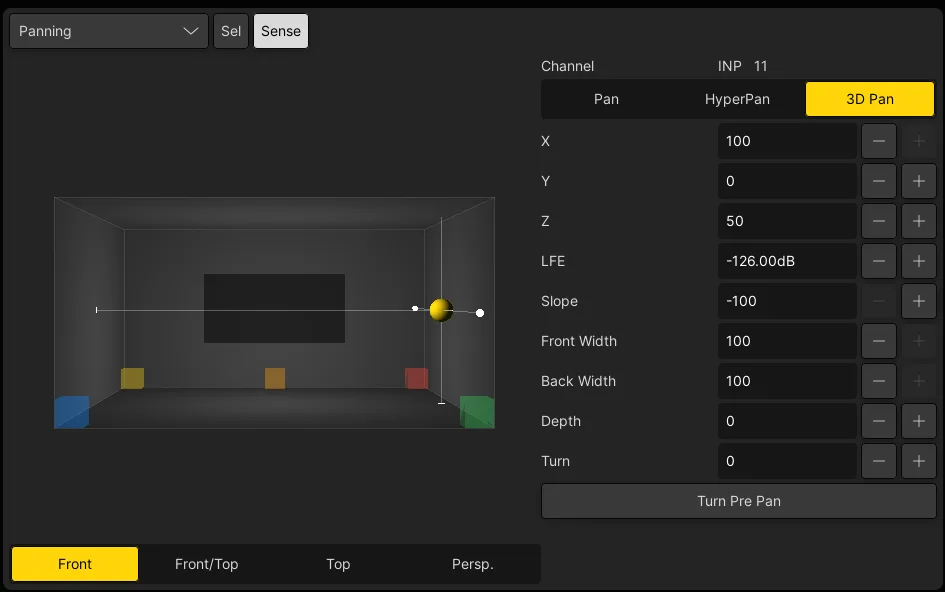
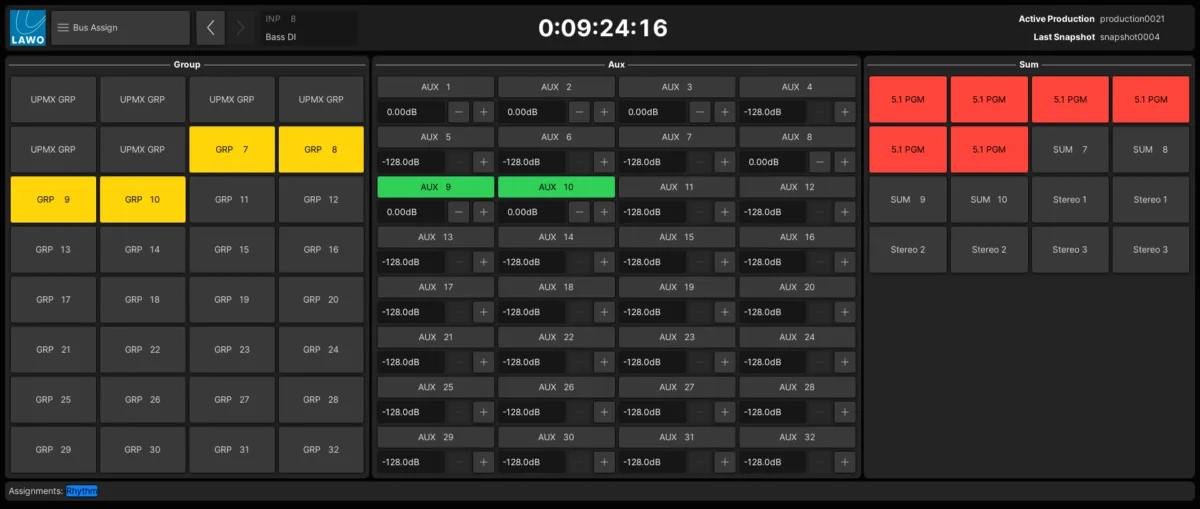
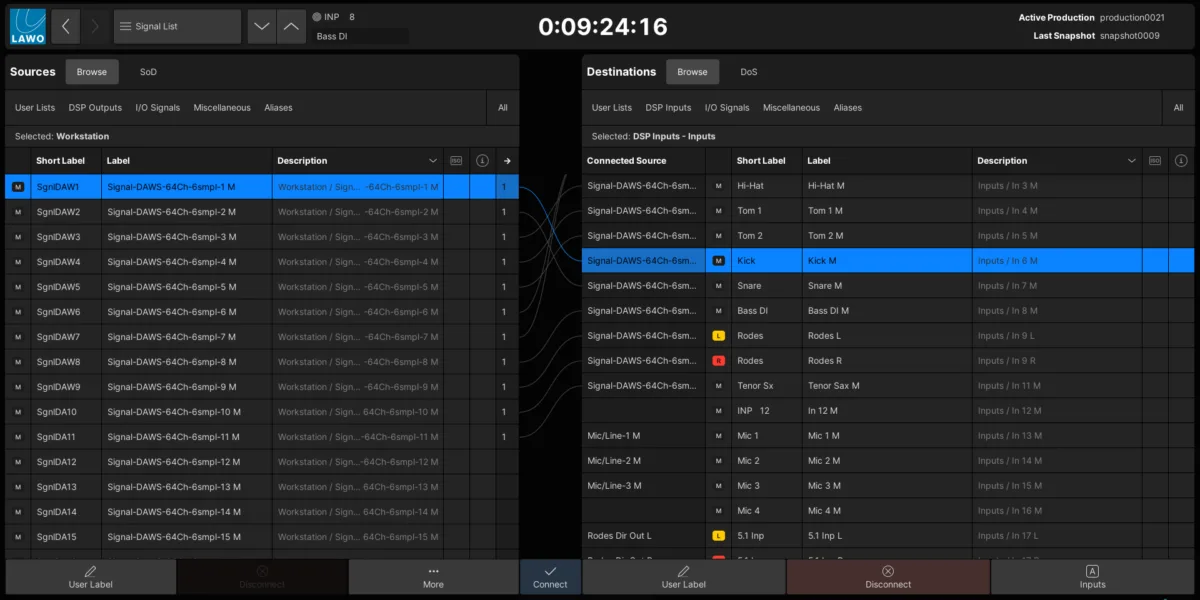
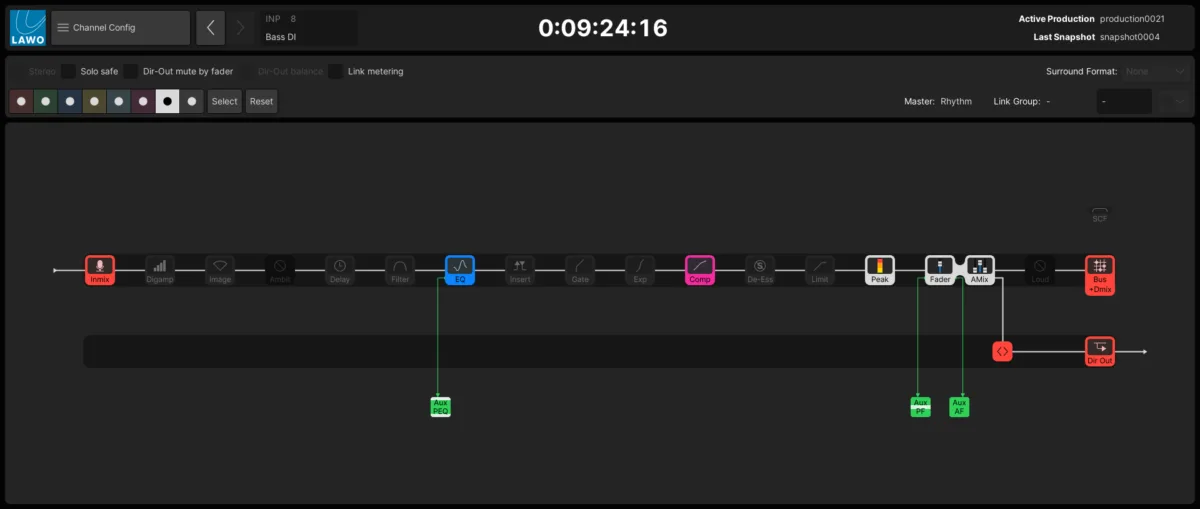
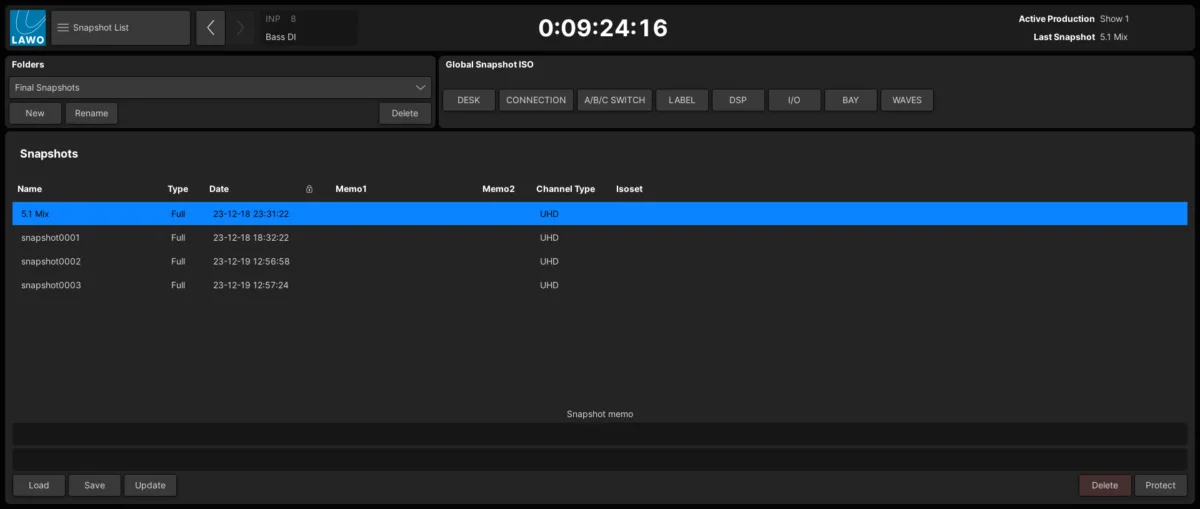
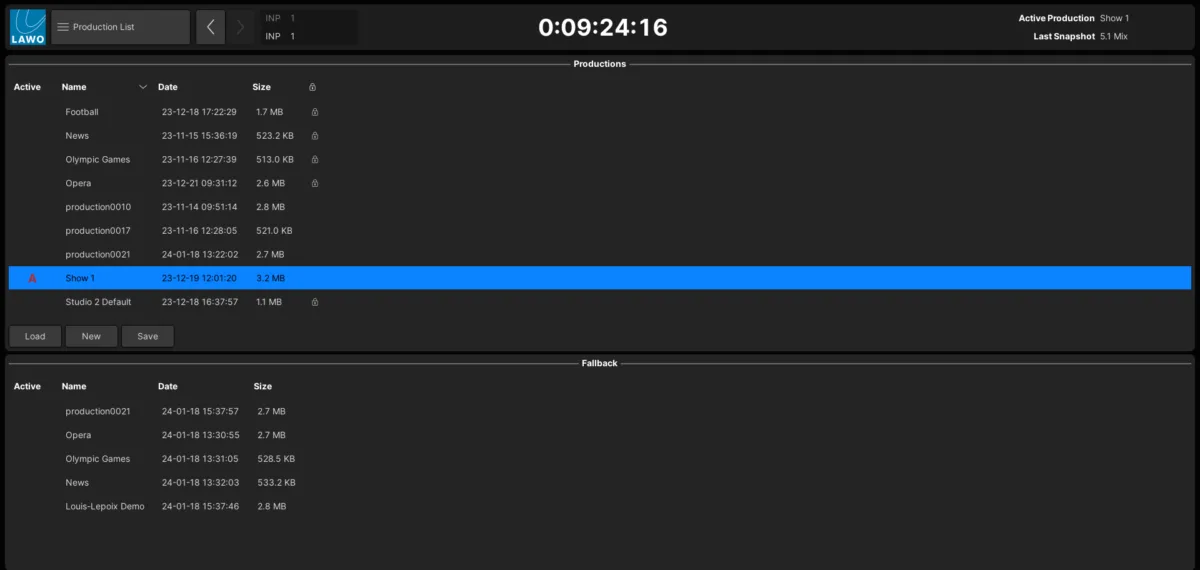
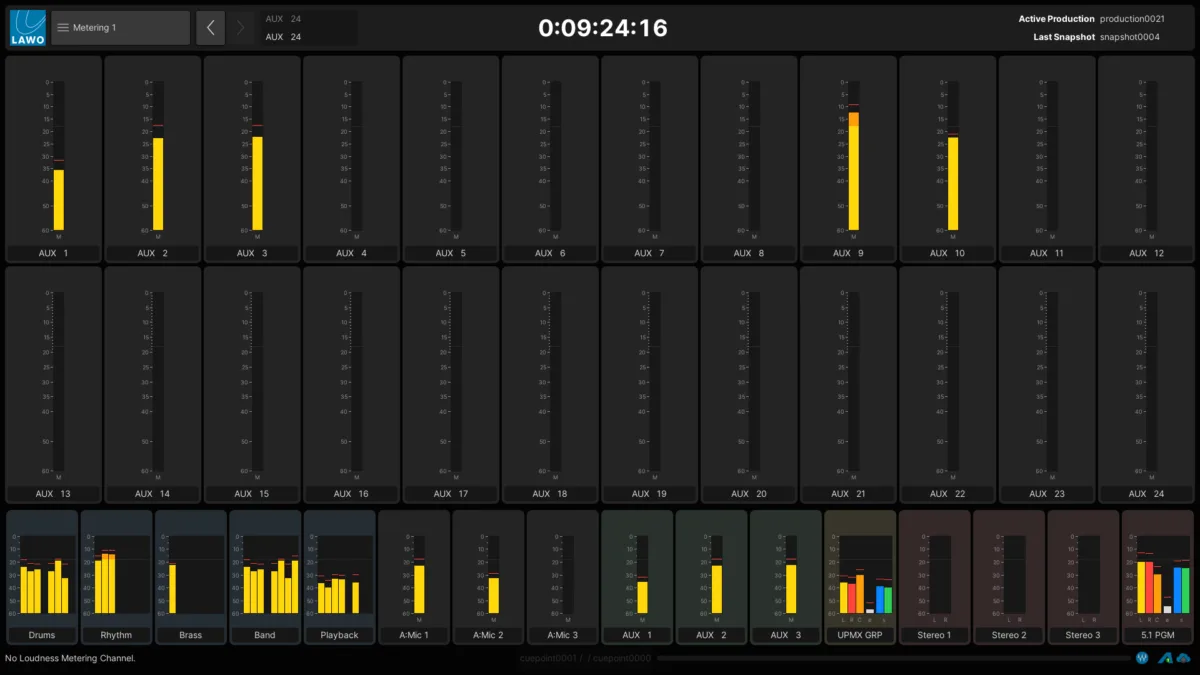
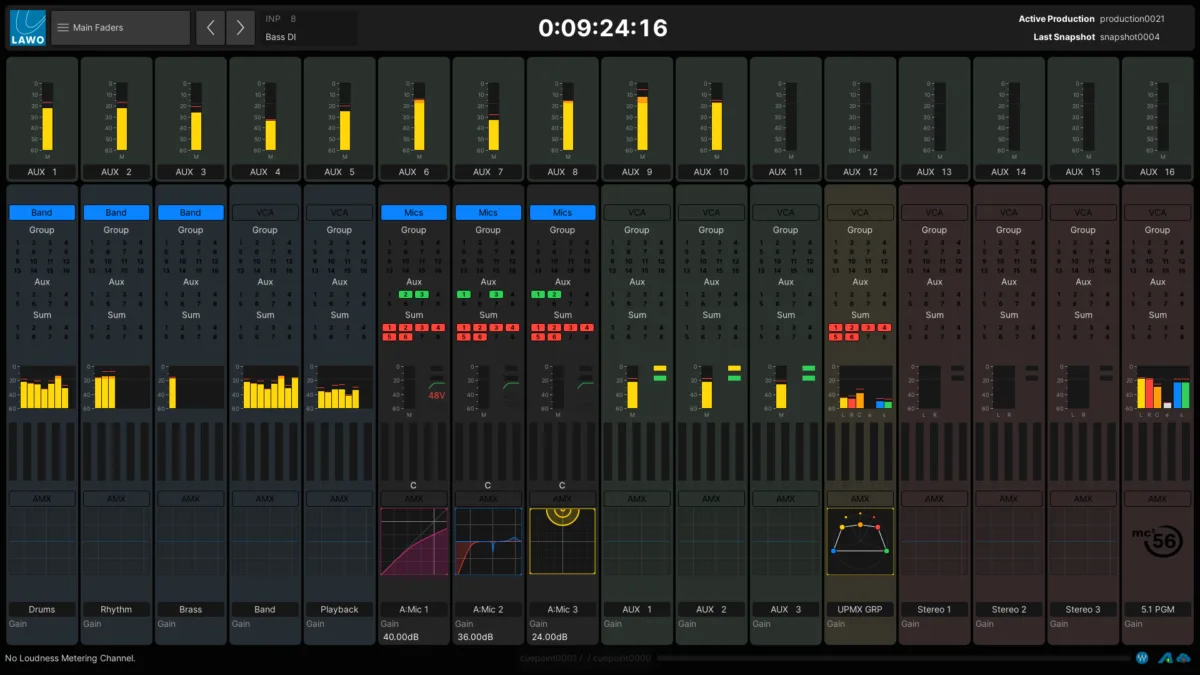
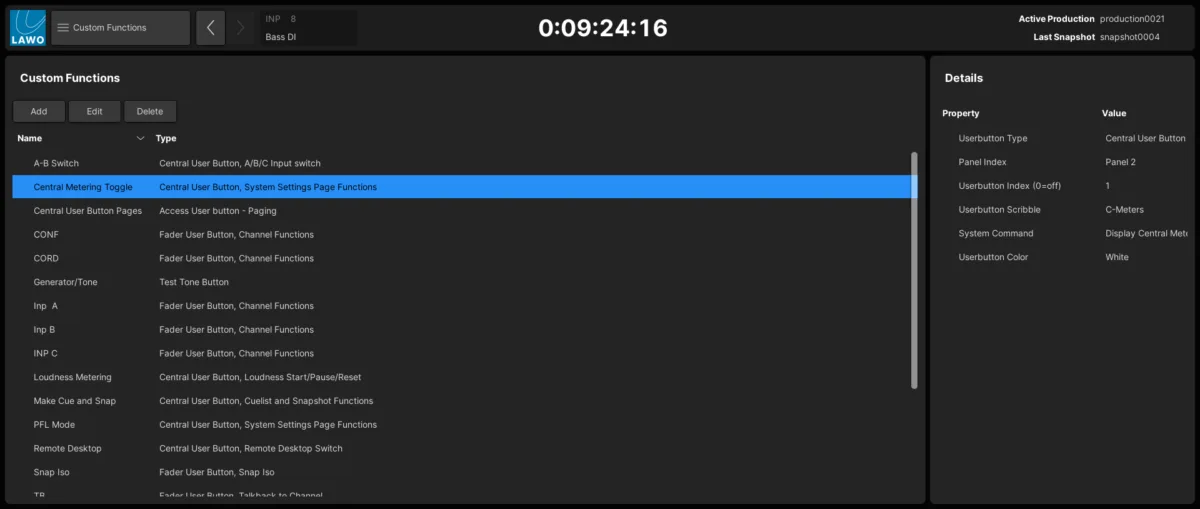
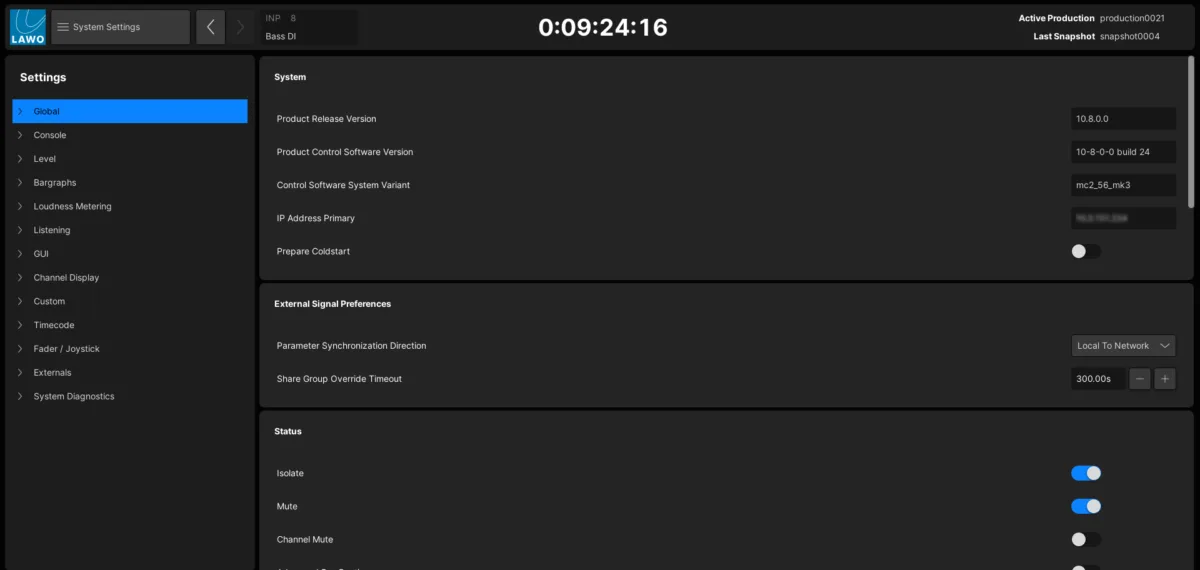
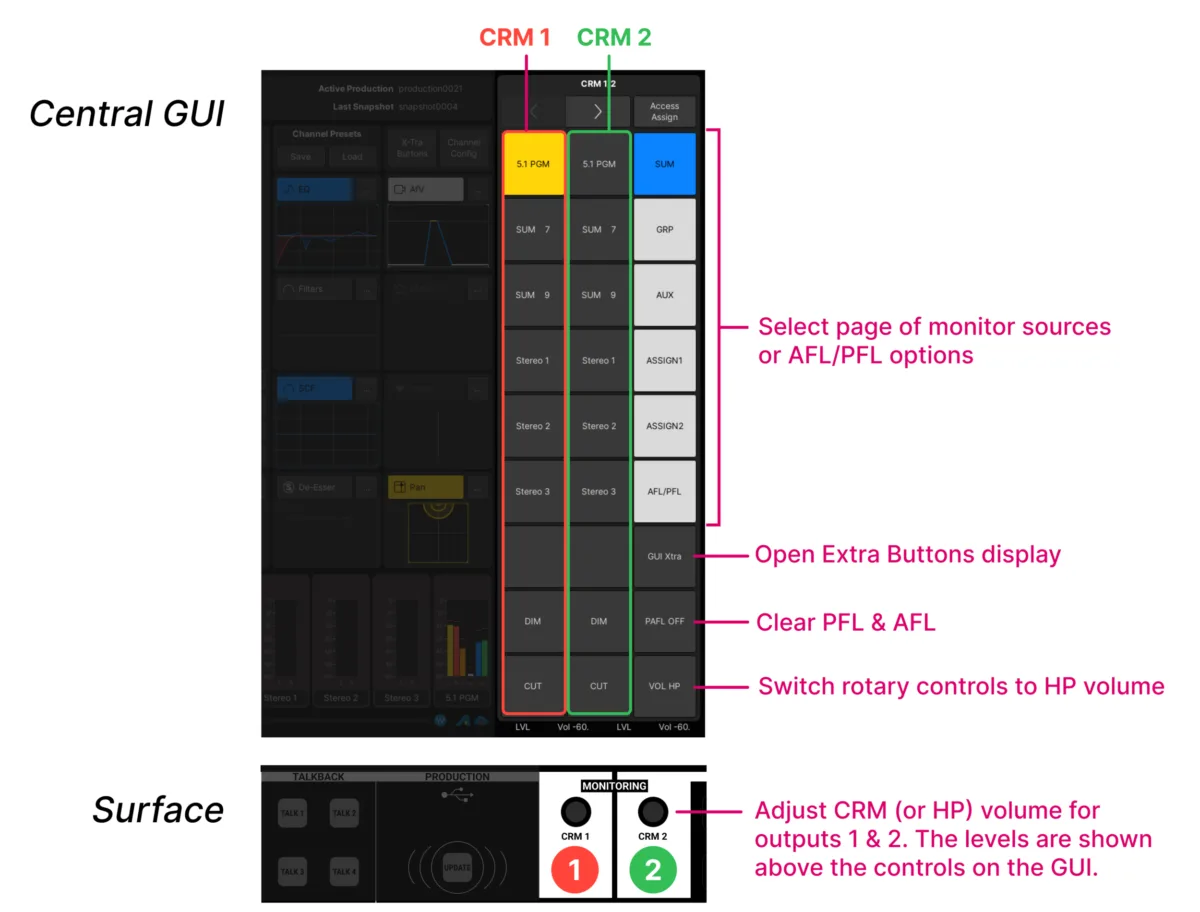
Editorial & artists
Our take
History & design
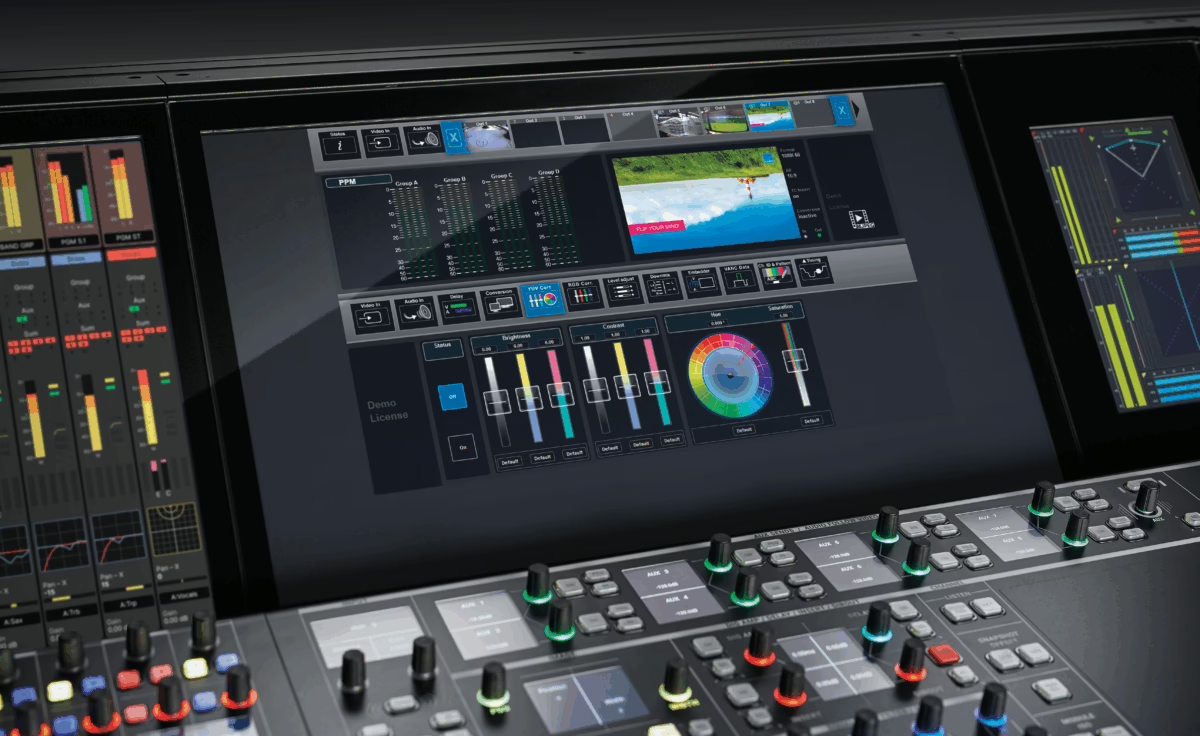
The mc²56 is a Lawo digital production console, first seen in the early 2010s and offered across several generations. It configures from 16 to 112 faders — the 64-fader surface tailored to OB-vehicle dimensions, with a stand-alone 16-fader extender addable at any time. Processing offers 888 DSP channels, an 8192 x 8192 crosspoint matrix, 144 summing buses and 128 aux buses, at 44.1 to 96 kHz. The third generation, unveiled in 2018, is IP-native and supports all relevant AoIP standards: SMPTE 2110, AES67, RAVENNA, DANTE, plus MADI streams. Local I/O includes 16 Lawo-grade mic/line inputs, 16 line outputs, 8 AES3 in/out, 8 GPIO and a local MADI port (SFP). Built-in loudness metering (ITU 1770, EBU R128 / ATSC A85) rounds out the package for broadcast, live, theatre and house of worship.
Links
Related consoles
Some merchant links are affiliate links. Purchases may support Digital Mixing at no extra cost.
Documents are archived locally for preservation. Source credited. Takedown requests: [email protected]