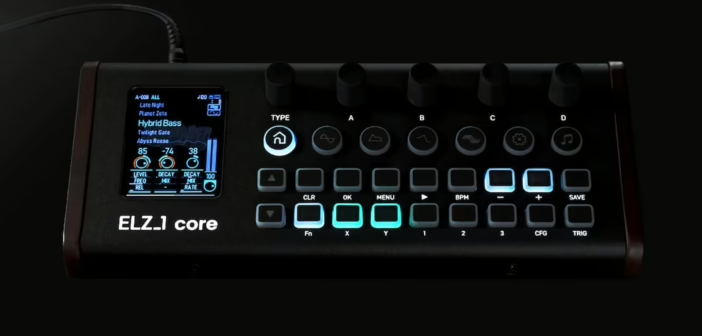
Sonicware ELZ_1 core: price, specs and the 18-engine desktop synth
Sonicware puts its multi-engine ELZ_1 into a keyboard-less desktop box: 18 synthesis types, Waldorf-licensed wavetables and a full sequencer, for $499.



Sonicware puts its multi-engine ELZ_1 into a keyboard-less desktop box: 18 synthesis types, Waldorf-licensed wavetables and a full sequencer, for $499.
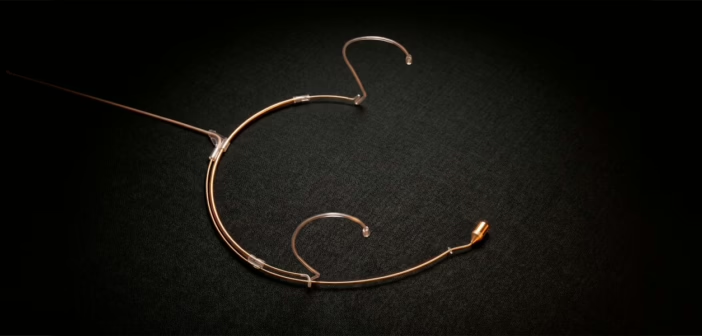
At IBC 2026, DPA unveils its most advanced directional headset. The 6388 CORE+ leans on a shifted-axis capsule that is less sensitive to placement, an IP58 rating and modular connections compatible with the major wireless systems.
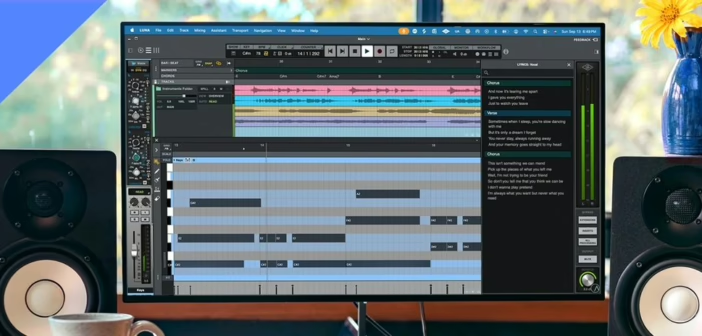
Universal Audio calls LUNA 3.0 its biggest software release yet: stem separation, audio-to-MIDI, a new LUNA Play mode and a Spark Studio subscription. The cross-platform DAW is no longer just an Apollo companion.
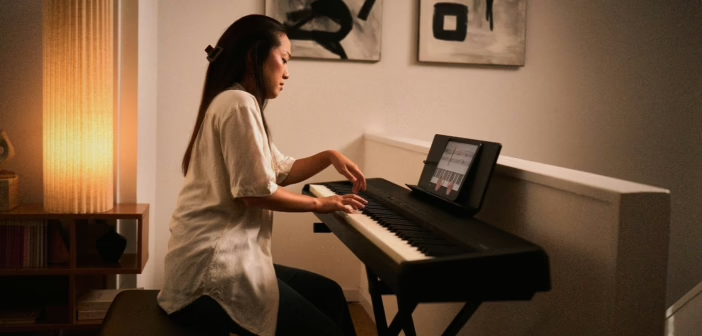
Roland brings Wi-Fi to its FP line for the first time. The FP-40 pairs the Piano Reality engine from its grands with the PHA-4 Standard keybed and the Piano Sphere app, for a portable piano built around learning.
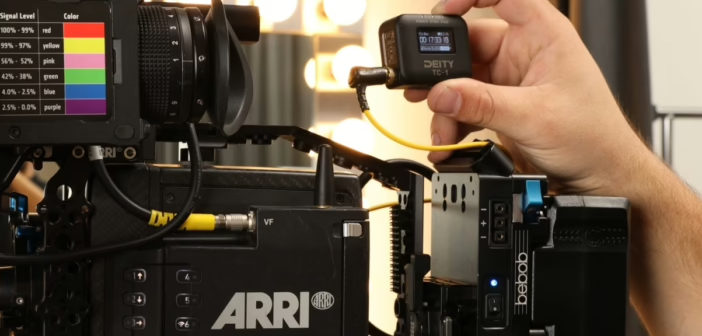
Recording sound separately from the camera, then resyncing everything in the edit: that’s double-system, the norm whenever you want clean sound on set. But you need to master timecode and jam sync to avoid the drift that throws everything off after ten minutes. Here’s the method.
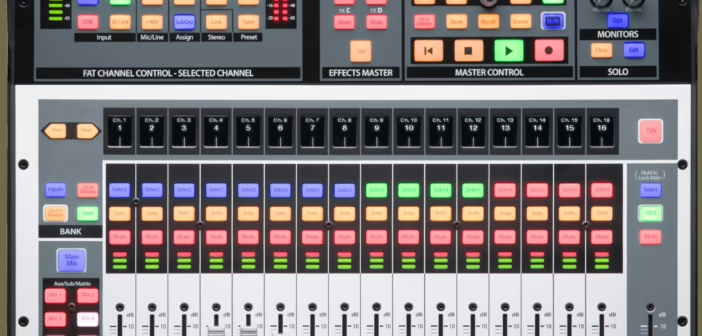
On a digital live console, the difference between an audio group and a VCA is no engineer’s detail: it is what lets you drive forty channels with ten faders, without ever losing the thread mid-show. Here is how to structure your console to mix fast and well.
Dolby Atmos has moved out of the cinema and into the music studio. Behind the marketing term sits a clear logic: a bed of channels, objects placed in space, and a renderer that adapts it all to your listening setup. Here is how it works, without the needless jargon.
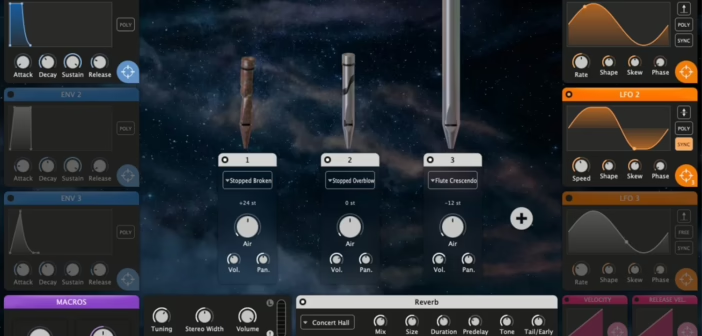
Modartt, the French developer behind Pianoteq and Organteq, has launched Airteq, a software instrument that uses neither samples nor classic oscillators: it models air flowing through virtual pipes in real time. At $99, it targets composers and sound designers after living, evolving textures.
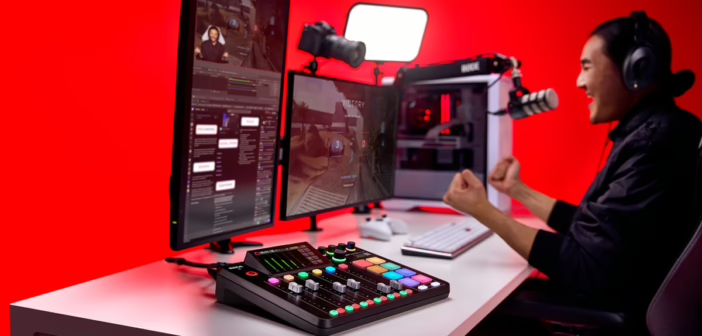
Microphone, distance, room acoustics, multitrack capture, editing, processing chain and LUFS calibration: the complete method for a podcast voice that stays comfortable to listen to.
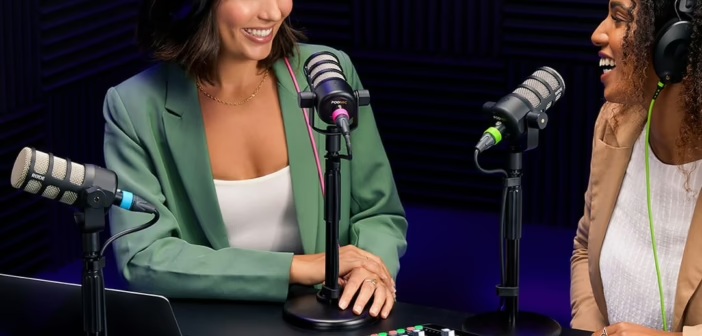
Interviewing a guest across the country without sacrificing sound is possible: the key is the double-ender. Each voice is recorded locally in high quality, rather than capturing the compressed call feed. Here is the method, the tools and the pitfalls to avoid.