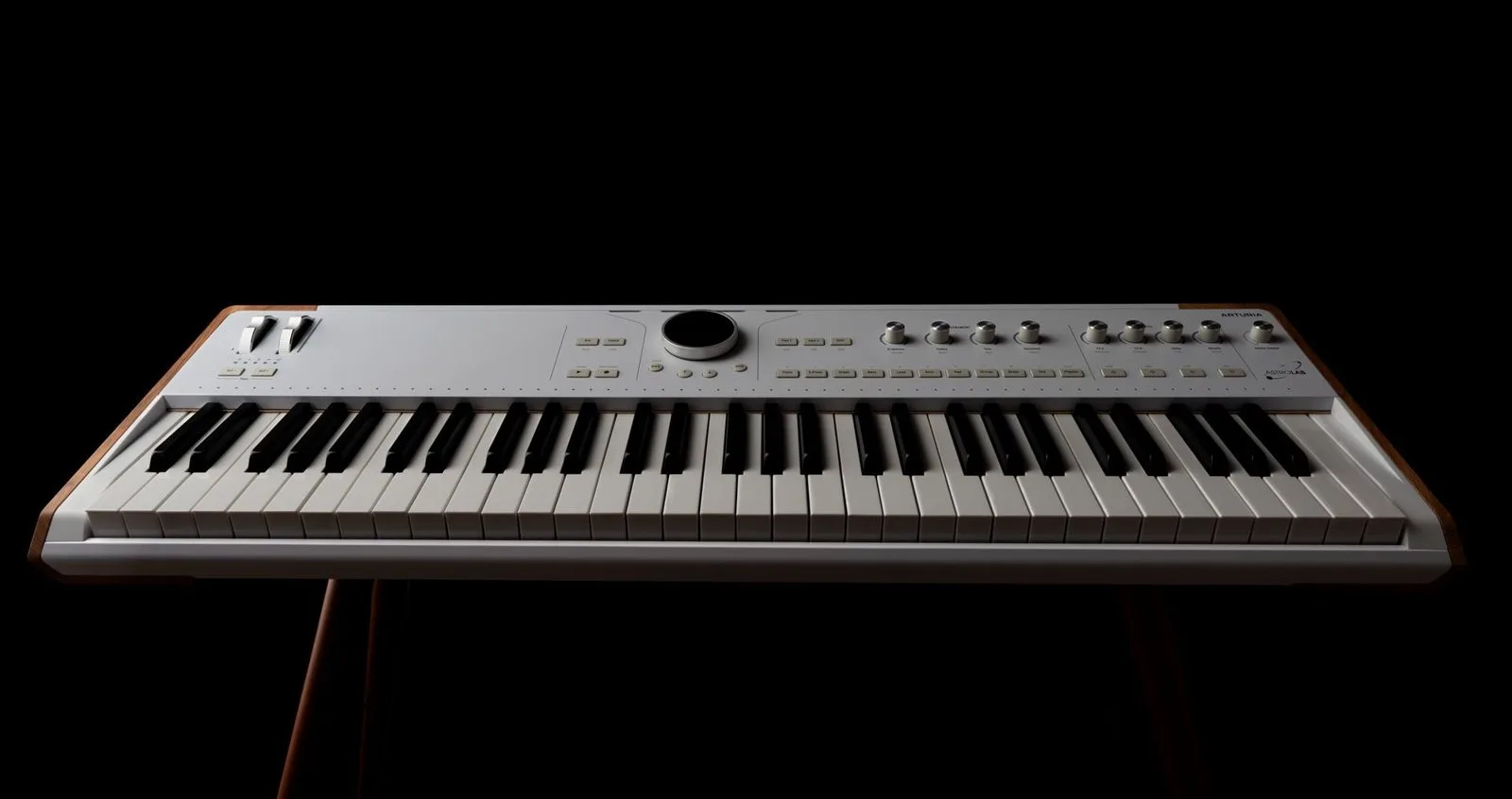
At launch, the Arturia AstroLab carried one recurring complaint: a gorgeous sound player on stage, but closed the moment you wanted to tweak a patch, forcing you back to the Analog Lab software and a computer. Version 2.0, free and billed as the keyboard’s biggest update yet, goes straight at that criticism by bringing sound editing to the front panel. It covers the whole range: AstroLab 37, 61 and 88.
Sound Edit: editing without a computer
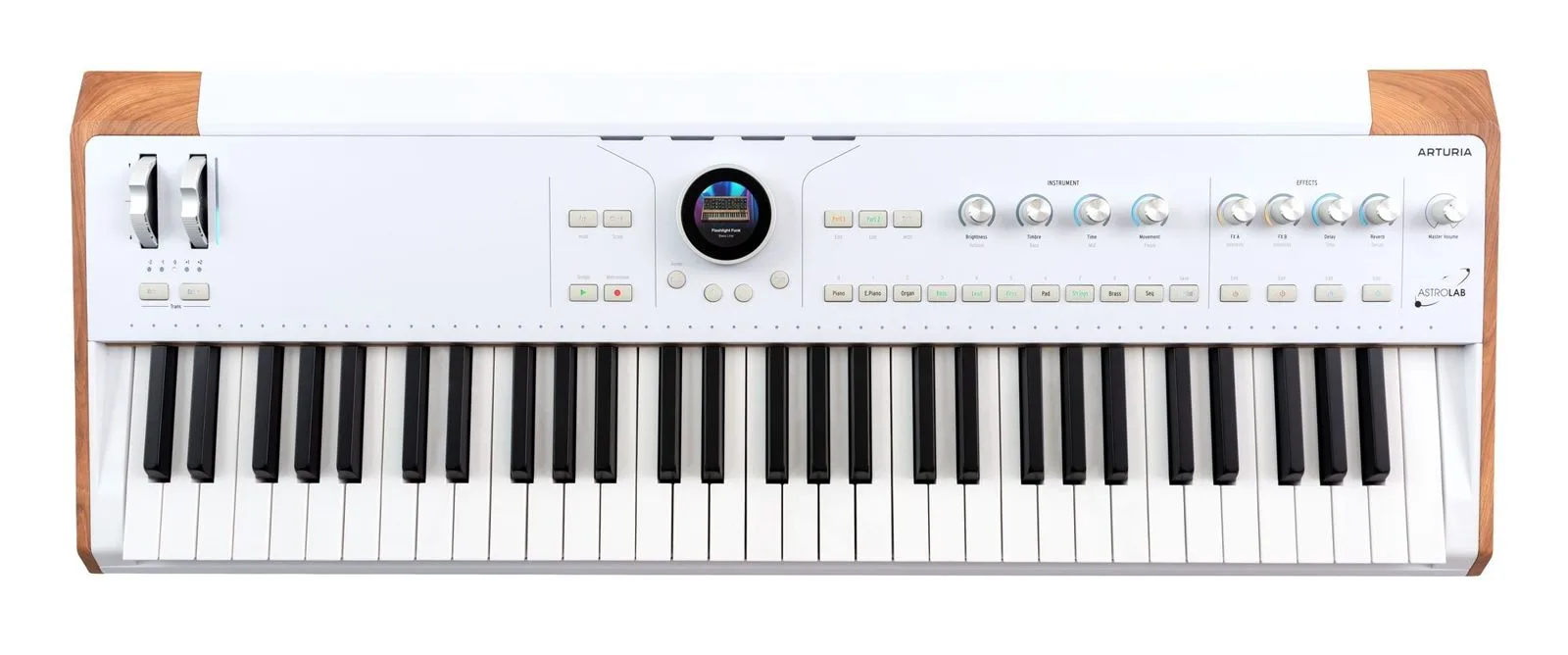
The core of the update is Sound Edit. This new view brings each instrument’s key parameters straight to the panel, under the four macro knobs. Every instrument has its own parameter pages — envelopes, filter, glide — and each page maps onto the four encoders. In other words, you grab a sound, open the filter, lengthen the attack, dial in the glide, all from the machine, with nothing plugged in.
The shift runs deeper than it looks. A stage keyboard that cannot edit on the panel forces you to prepare every sound in advance, in the studio, then hope nothing needs to move on the night. With Sound Edit, the AstroLab moves from player to an instrument you shape in the moment.
Sixty-plus sounds, a grand piano up front
Version 2.0 also adds more than sixty sounds. The centerpiece is Pure Grand Clean, an acoustic grand piano sampled across eight velocity layers, for a believable dynamic range from pianissimo to fortissimo on a stage rig. Around it, Arturia fills the gaps that were missing: funk and orchestral brass, pop strings, upright and electric basses. It is exactly the versatile bank a covers keyboard needs, where you jump from a soul standard to a ballad without switching instruments.
What else changed under the hood
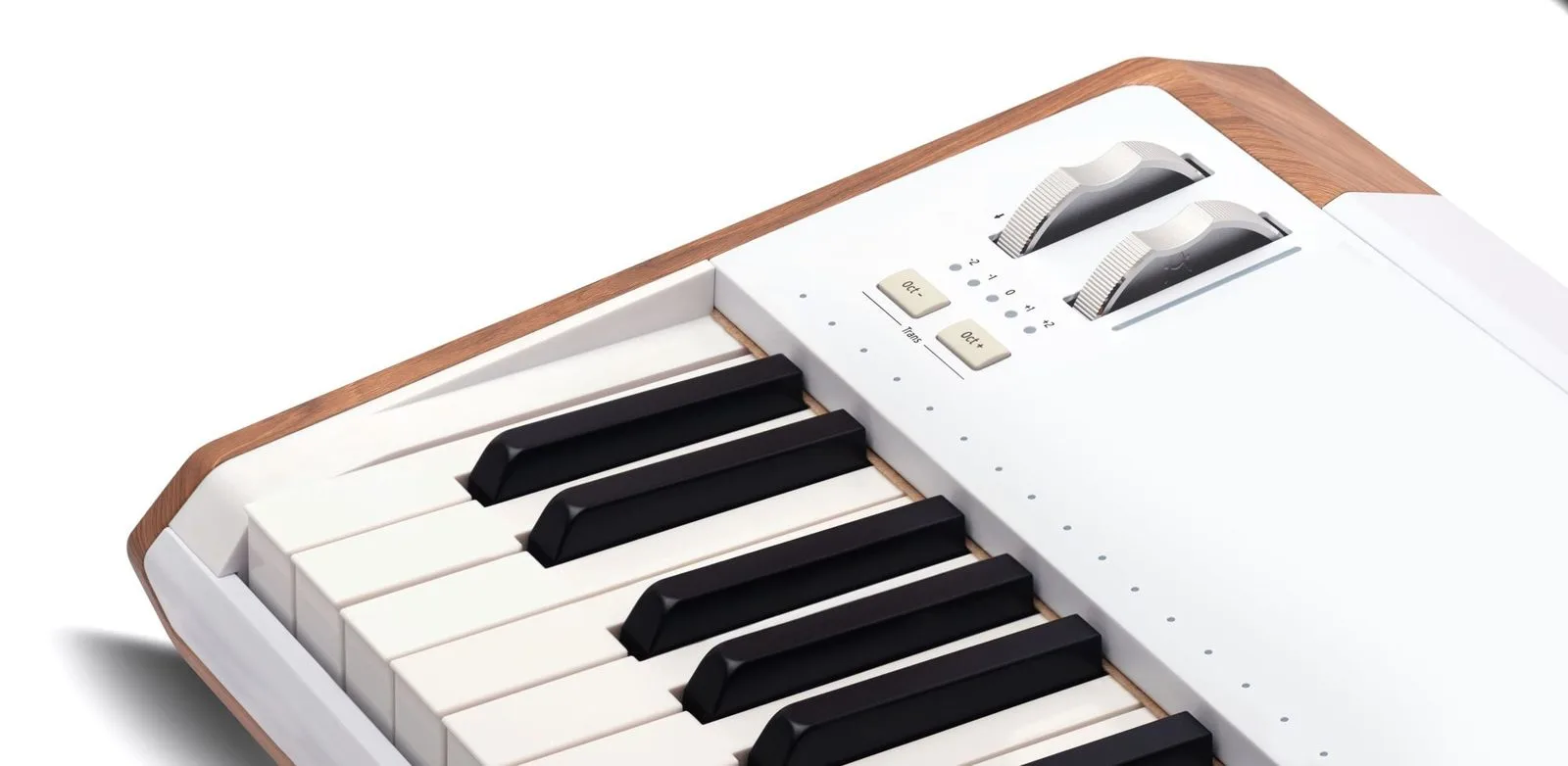
Beyond sounds and editing, Arturia claims improved sample polyphony — a sore point as soon as you stack held pads and a rich piano — along with refined playing feel and visual feedback. Preset browsing is easier, and the link to Analog Lab, the companion software that feeds the instrument, has been reworked for transfers and updates. Nothing loud, but the sum of these details makes for a firmware maturing in the right direction.
Reshaping an instrument through a simple update is not unusual lately: we saw it recently with community firmware changing the nature of the little M-VAVE FM-1. On the engine side, the AstroLab draws on Arturia’s whole legacy — including sounds built on FM synthesis — and it now sits more firmly among hybrid stage keyboards, next to proposals like UDO Audio’s hybrid synth.
My take
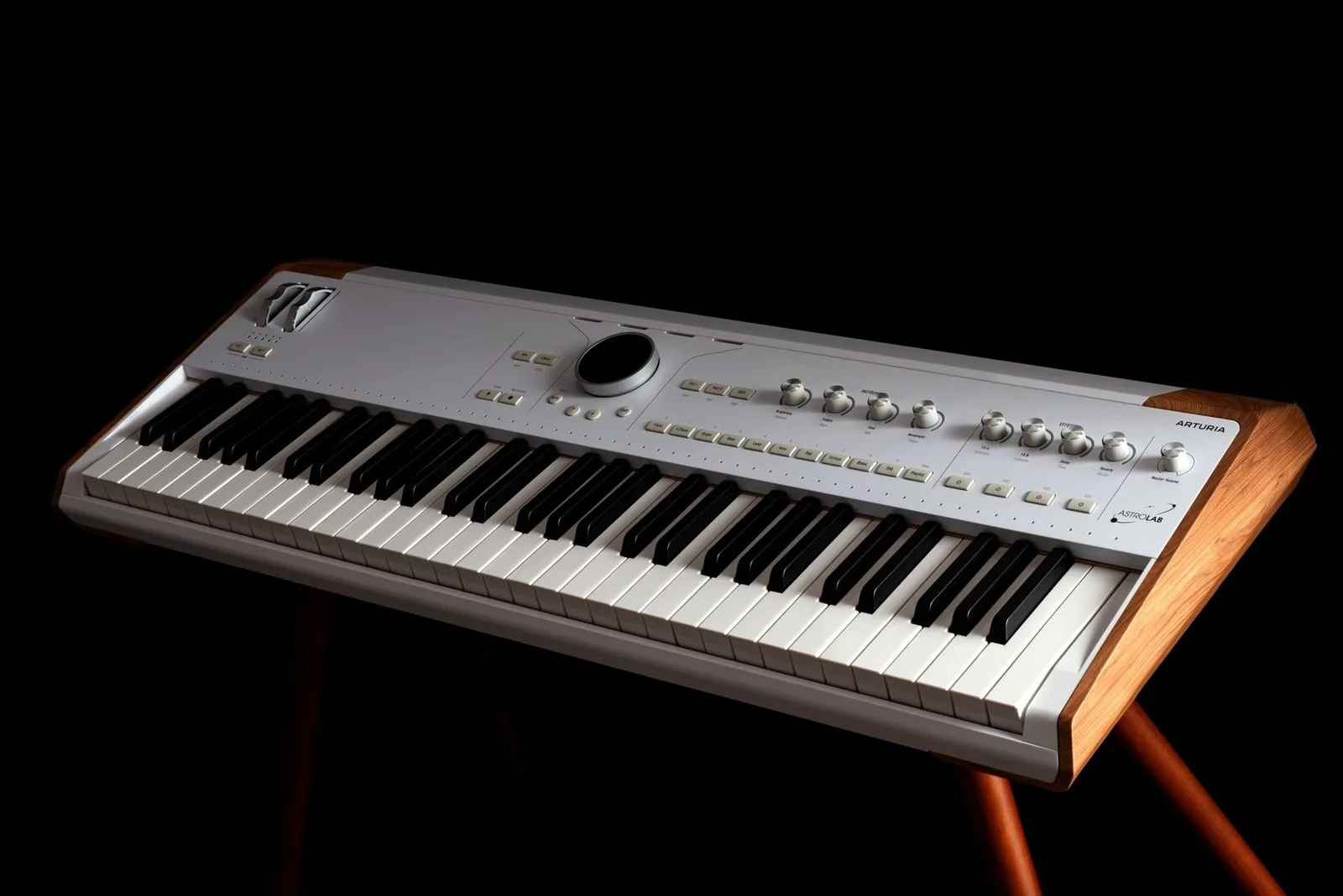
This is the update that fixes the AstroLab’s birth defect. Adding front-panel editing, for free, is no cosmetic bonus: it is what separates a keyboard you put up with from one you play. The eight-layer piano and the brass fill the loudest holes in the factory bank, and the higher sample polyphony lands right on time for anyone stacking pads over a piano. The real good news is the signal it sends: Arturia keeps enriching a machine already sold rather than saving the best for the next generation. The open question is how far Sound Edit lets programming go before it hits its limits.