A year after launching the DMNO, British maker UDO Audio has turned it into a desktop module: the DMNO ON. The goal isn’t to reinvent the instrument but to fit its hybrid engine into a compact box for the desk or a studio rack, while keeping the sonic depth that built the Bristol company’s reputation. If you’ve read our piece on the DMNO keyboard and its binaural architecture, the DMNO ON follows exactly the same two-machine logic.
The same hybrid engine, in a smaller box
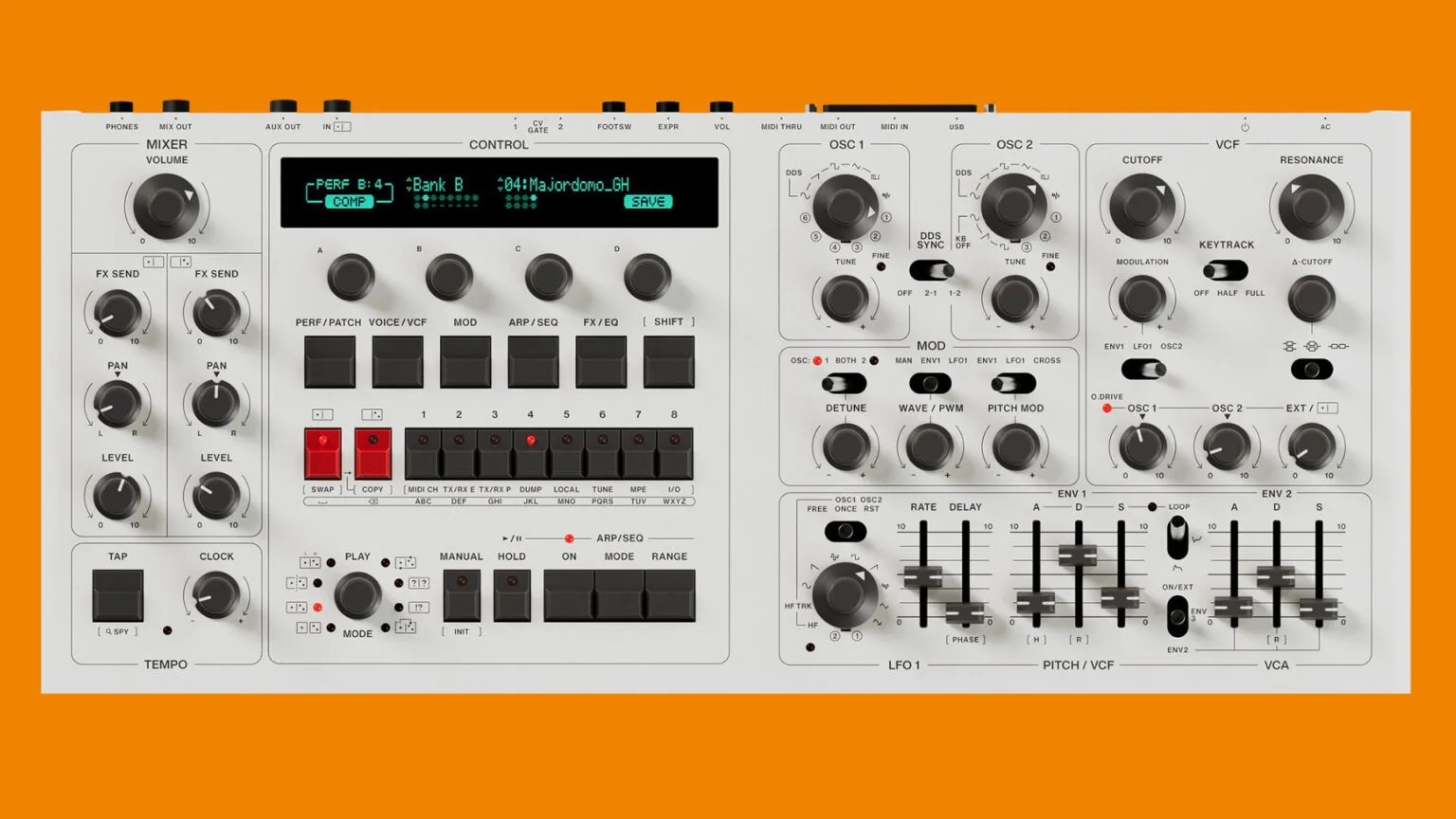
Nothing has been cut under the hood. The DMNO ON is still a bi-timbral, multi-timbral, eight-voice synth built around two independent engines. Each layer uses two FPGA-powered, high-resolution digital oscillators offering classic waveforms and DDS tables, with tuning, pulse width and sync, plus a dedicated modulation section to move detune, waveshape and pitch.
The heart of the UDO character is still that stereo analog filter with reconfigurable topology, able to run in series, in parallel or in stereo depending on the colour you’re after. Add a per-layer multi-wave LFO and a global LFO near the joystick, two loopable ADS envelopes per layer with an optional third, and a 32-bit digital effects chain that bundles delay, reverb, EQ, overdrive, distortion and chorus.
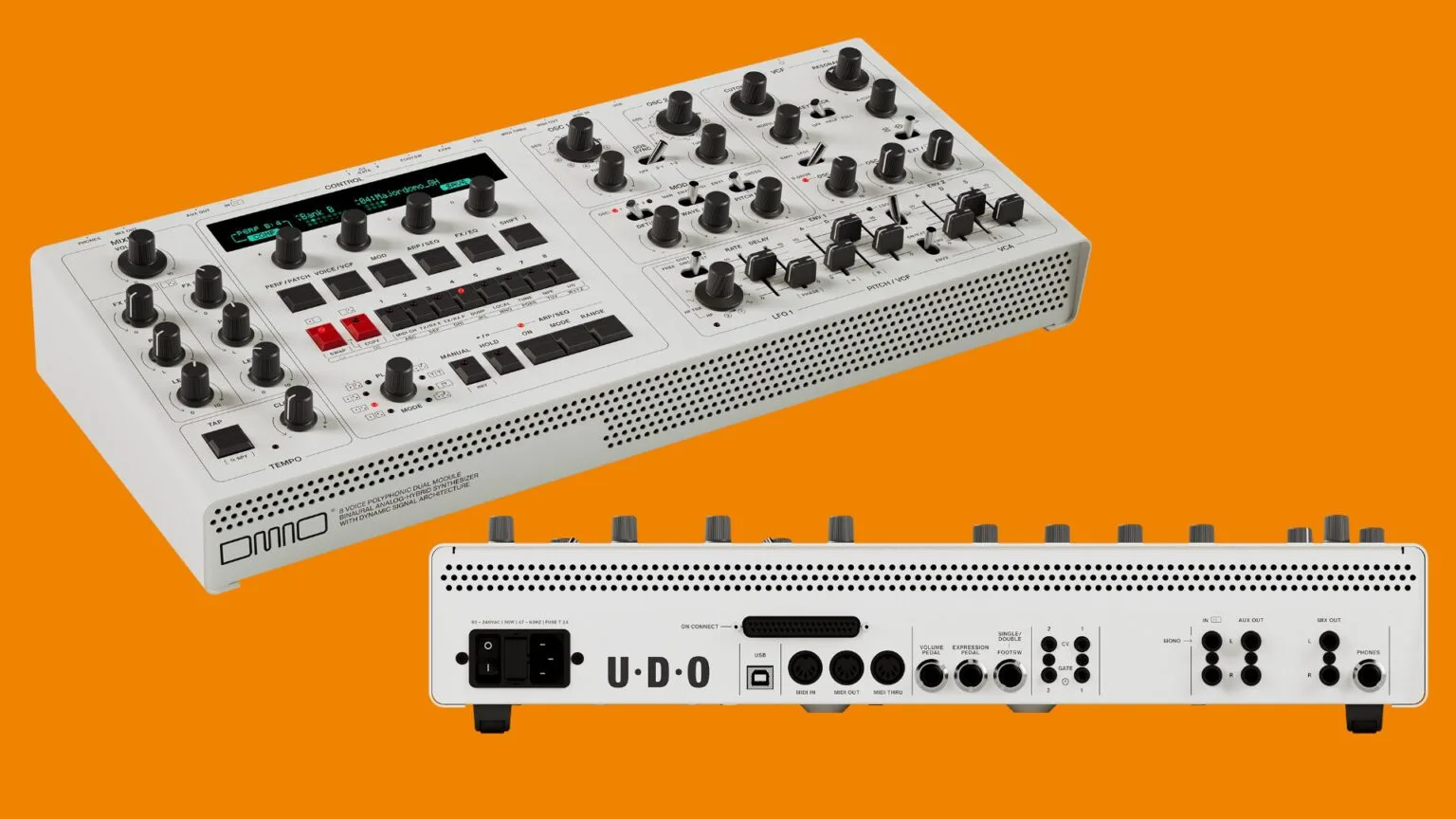
For playing and writing, there’s a 64-step sequencer, a multi-mode arpeggiator with smart hold, and above all the eight play modes that make the DMNO special: they redefine how the two timbres relate, from classic splits and layers to more unpredictable, random or outright chaotic arrangements. That’s where the instrument steps away from well-behaved polysynths.
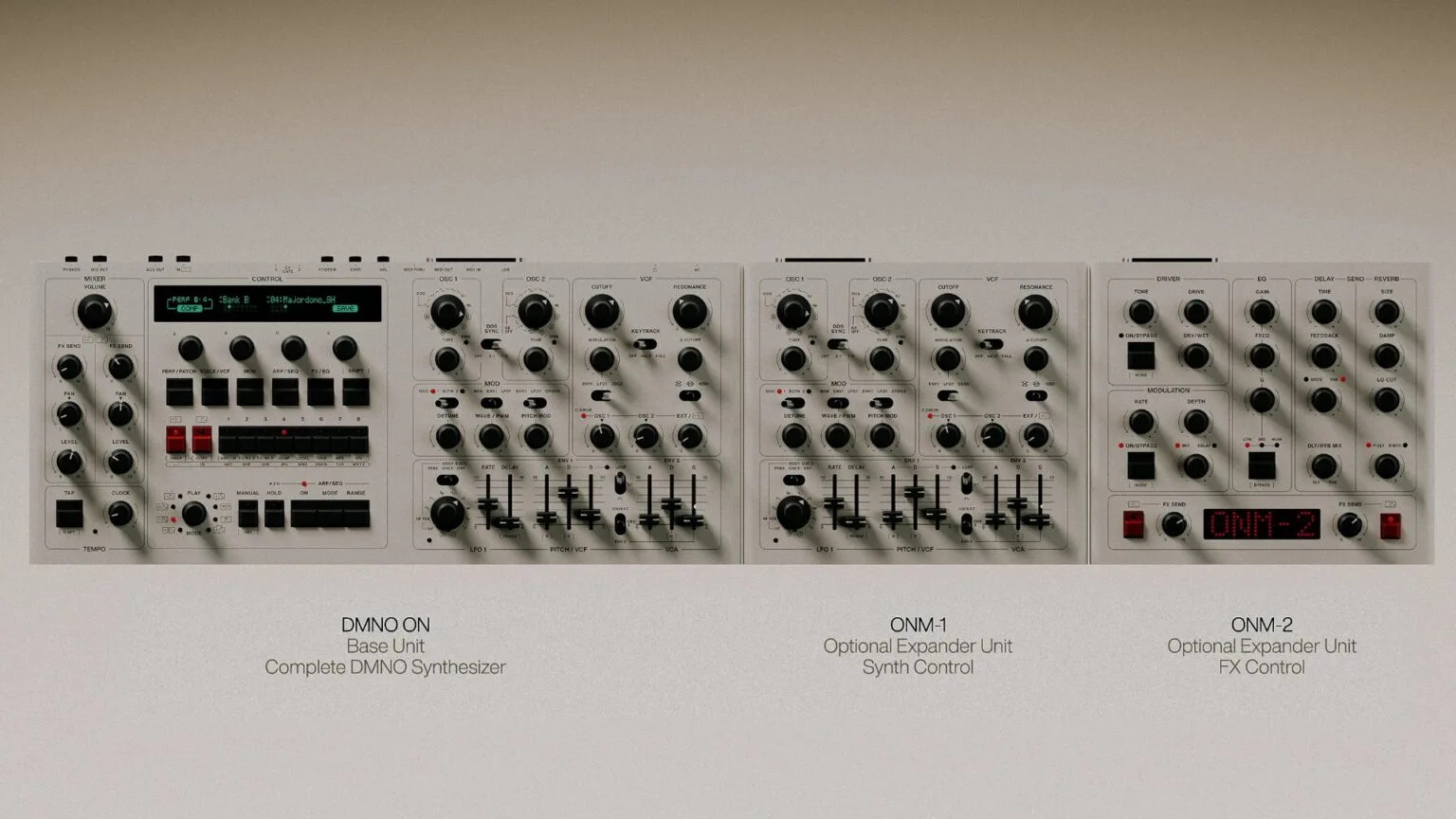
The ON System: expand the controls on demand
The trade-off of the desktop format is the front panel: it only gives direct access to one layer at a time, where the keyboard drove both at once. The display, an electroluminescent glass VFD whose spirit nods to the Oberheim SEM, keeps the essentials in view, but UDO chose a modular answer rather than piling on knobs.
That’s the whole point of the ON System. Two optional, bus-powered controllers connect over D-Sub as needed: the ONM-1 Synth Control adds hands-on control of the second layer, and the ONM-2 Effects Control exposes all the missing effects parameters, with an extra screen. You combine them to taste — one to unlock the second engine, both to get the full ergonomics of a large synth.
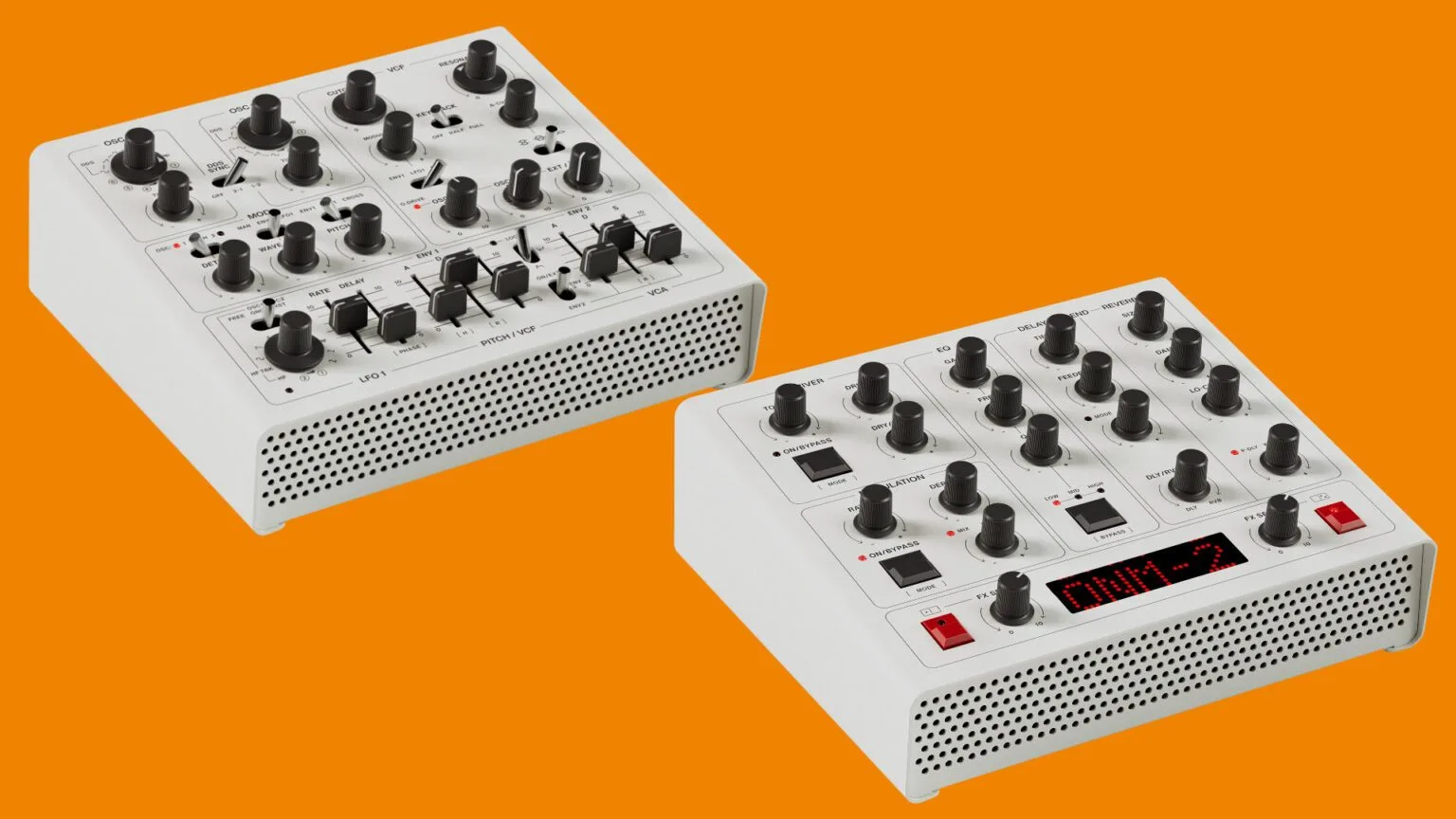
The upside is that the control surface scales with your budget and your desk space: start with the box alone, add to it later. How the D-Sub link feels day to day remains to be seen, but the intent — an instrument that grows with your needs — is appealing.
Connectivity and studio integration
The I/O set clearly targets the hybrid studio. The DMNO ON carries a USB audio and MIDI interface, full 5-pin MIDI, three expression-pedal inputs (volume, expression, single or double), CV/Gate connections, a main mix output, an auxiliary output, a headphone socket and an internal power supply. Enough to slot it into a computer setup, a modular system or a rack of analog machines alike.
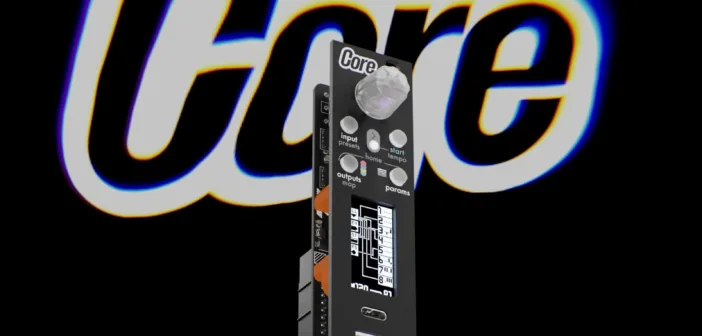
UDO hasn’t shared a price or a release date yet: both are still TBA. In the line-up, the DMNO ON sits between the brand’s stage instruments and the now-crowded field of desktop modules — where it will rub shoulders with the likes of the Squarp Core MIDI-to-CV brain and a whole generation of small studio-minded boxes.
My take
Shrinking the DMNO to desktop without gutting the engine is the right call: you keep the stereo filter and the play modes, you mostly lose floor space. The ON System bet is smarter than it looks — it turns an ergonomic limit into an optional upgrade path instead of forcing a wall of knobs on everyone. The real question is the price of the box alone, then of the modules: if the total stays sensible, the DMNO ON could be the ideal way into a sound that is anything but entry-level. One to watch the moment UDO drops the numbers.