


Yamaha DMP7
Yamaha's very first digital mixer: an 8-channel desk with motorized faders and recallable scenes (1987).
List price at launch 448,000 JPY as of 1987
Description
Technical
Specifications
Inputs / Outputs
| Total inputs | 8 |
|---|---|
| Mic inputs | 0 |
| Total outputs | 2 |
| Inputs | 8 unbalanced 1/4-inch line inputs, no mic preamps (rear-panel trims); mic inputs available via the optional external MLA7 amplifier |
| Outputs | Stereo output on 1/4-inch jack and balanced XLR, plus headphone output |
Processing
| Mix buses | 2 |
|---|---|
| Aux sends | 3 |
| DSP engine | Proprietary Yamaha digital processors (DEQ1 chips): 24-bit processing in the signal path, 32-bit in the EQ section |
| Max sample rate | 44.1 kHz |
| Bit depth | 16 bits |
| Processing resolution | 24 bits |
| Architecture | 8-into-2 (stereo bus) all-digital mixer |
| Conversion | Dedicated 16-bit / 44.1 kHz A/D and D/A converters behind each input/output (CD quality) |
| Bit depth (details) | 24-bit on the general signal path, 32-bit in the EQ section (per SoS 1992) |
| Audio performance | 88 dB originally, raised to 92 dB (about 4 dB short of CD) per SoS 1992 |
| EQ | 3-band digital parametric EQ per channel, ±15 dB, variable Q, peaking or shelving response (low/high bands) |
| Effects and plug-ins | 3 internal digital effects processors; sends 1 and 2 offer 17 effects (reverb, gate reverb, delay, echo, flange, phasing, tremolo, symphonic, early reflections...) |
| Dynamics | Built-in digital stereo compressor on the stereo bus |
| Modularity and expansion | Digital cascade bus allowing up to 2 additional units to be linked |
Surface
| Physical faders | 10 |
|---|---|
| Motorized faders | Yes |
| Screens | 1 |
| Touchscreen | No |
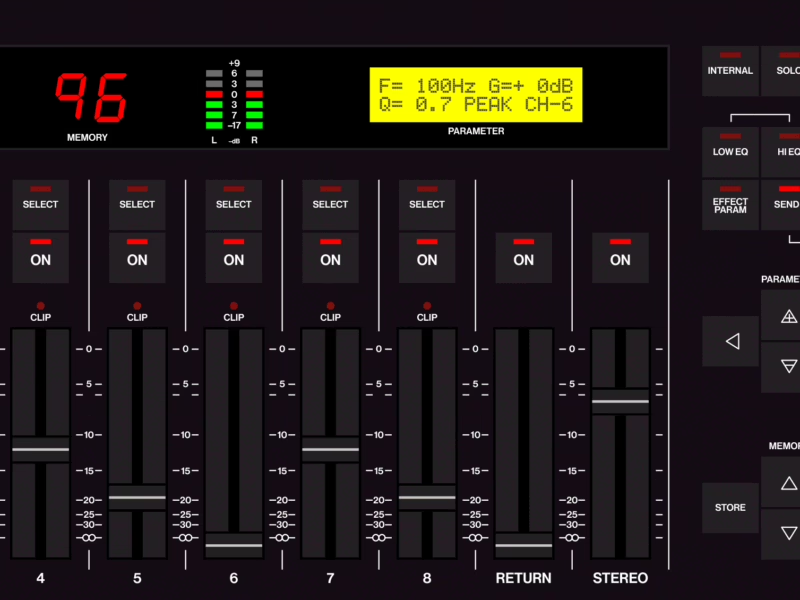
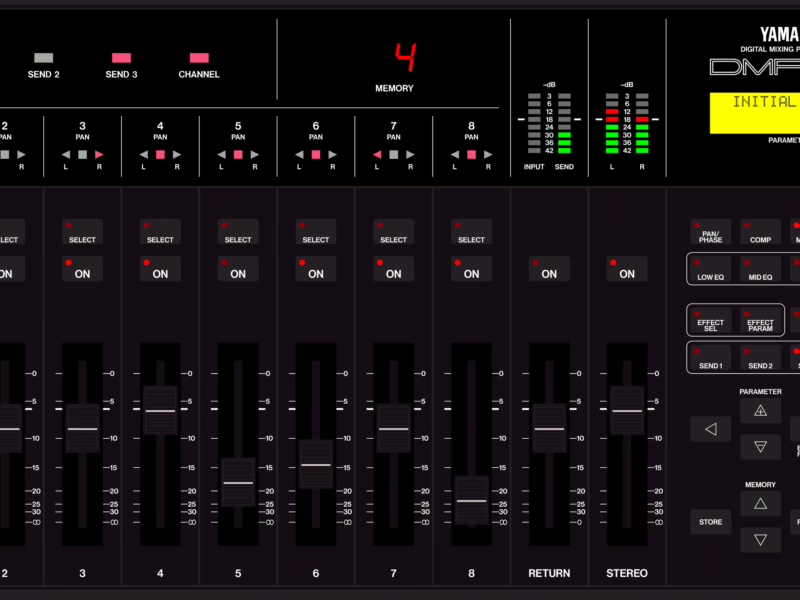
| Faders | 10 motor-driven, digitally controlled faders (8 channels + master + data entry) that physically move to the stored positions |
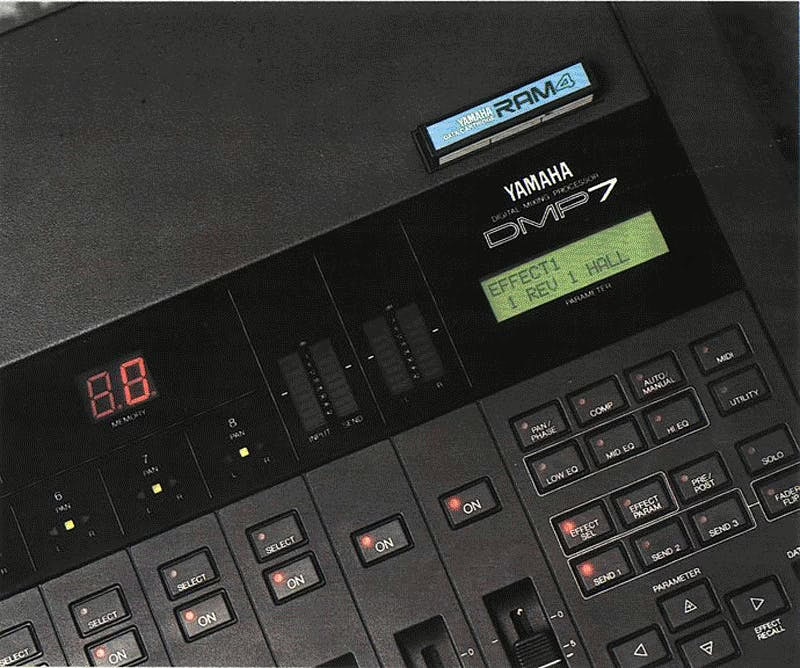
| Scenes and recall | 30 internal scenes, expandable to 97 with the optional RAM4 cartridge; scene crossfade up to 10 seconds |
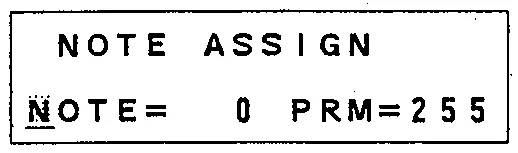
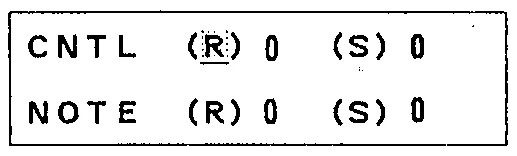
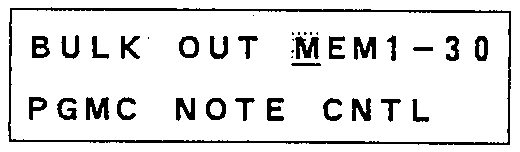
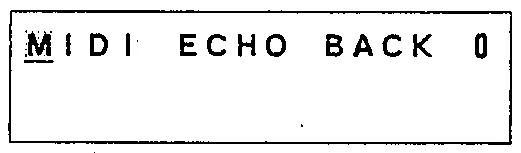
| DAW control | 3 MIDI DIN sockets; 206 controllable parameters; scene recall via program change; bulk dump; real-time automation via note-on/controllers |
| Screens (details) | 16x2-character LCD plus a 2-digit 7-segment LED memory-number display |
Recording
| Onboard recording | No |
|---|
Networking
| Redundant PSU | No |
|---|---|
| Redundant networking | No |
Other
| Variants and configurations | RTC1 remote control, MLA7 8-channel mic amplifier, FC7 foot pedal (options) |
|---|---|
| Price | £2,999 inc VAT (UK, July 1987); ¥448,000 in Japan (May 1987) |
Strip & details
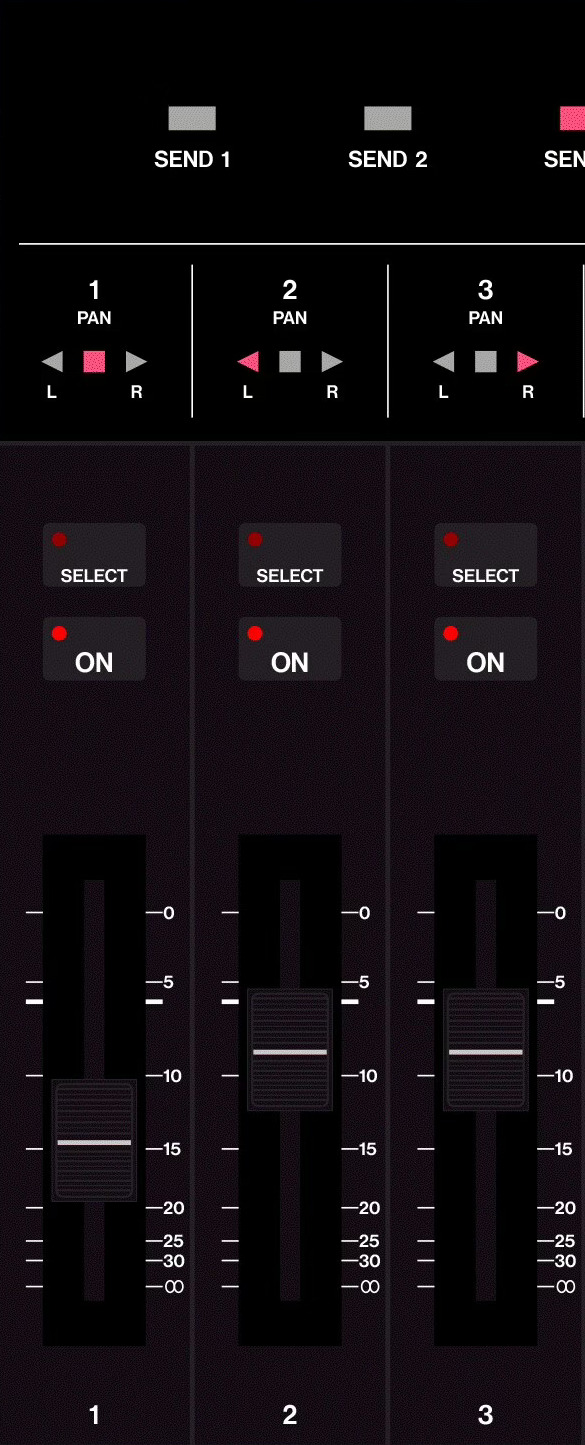
Rotate your phone to landscape for a better view of the strip.
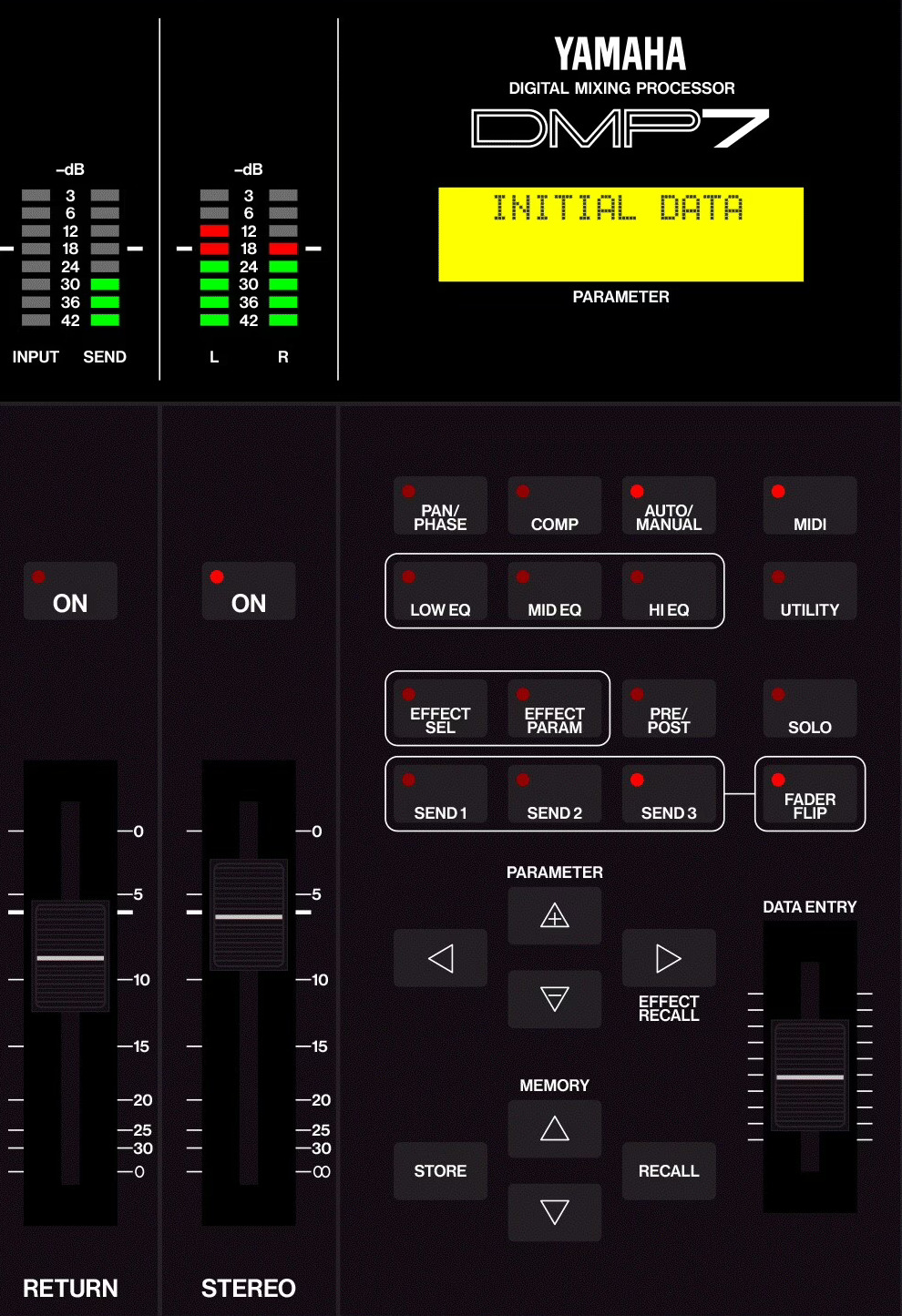
Rotate your phone to landscape for a better view of the strip.
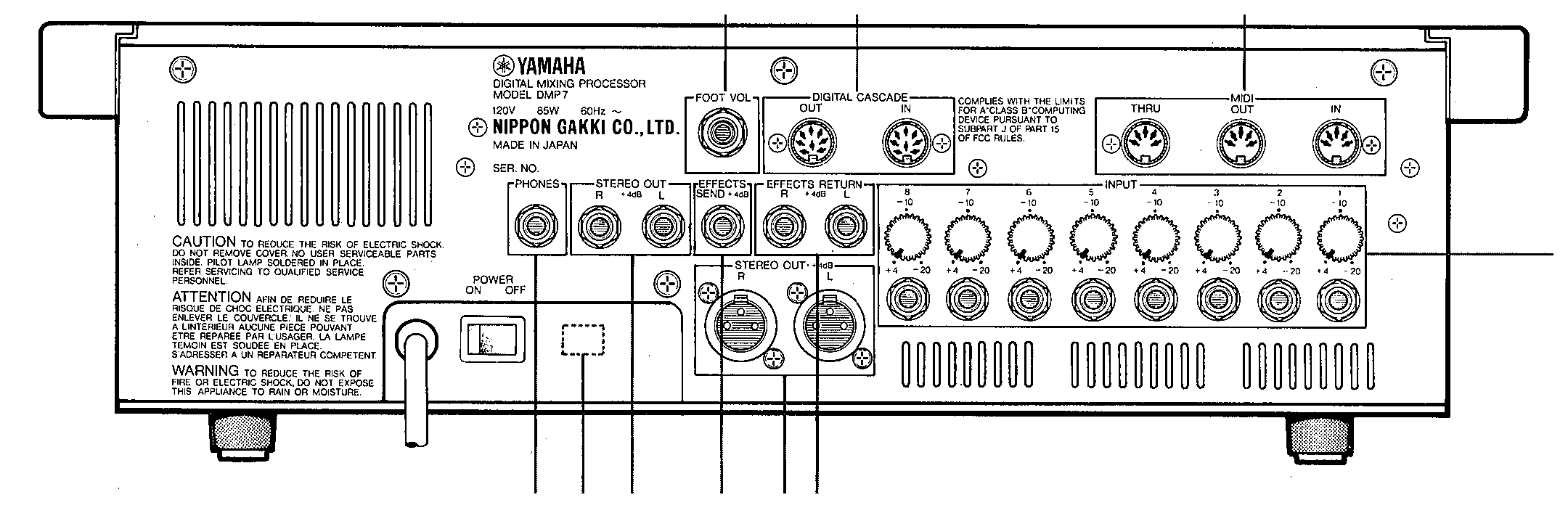
Rotate your phone to landscape for a better view of the strip.
Software
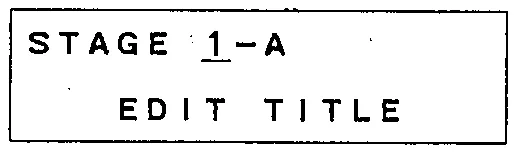
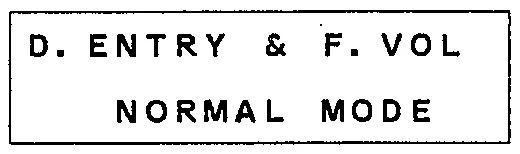
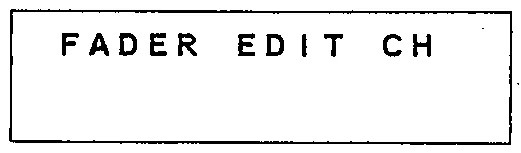
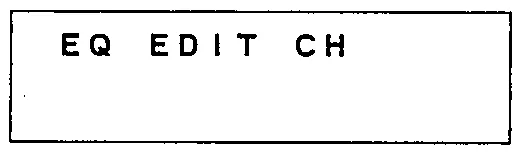
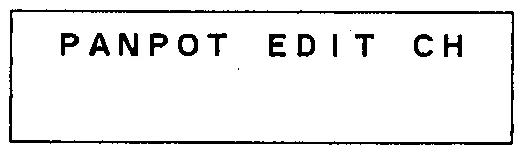
 Steinberg DMP7 Desktop Mixing
Other screenshots
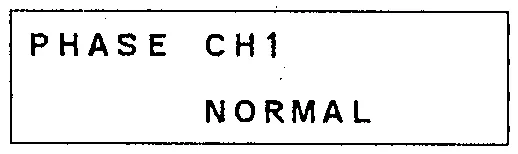
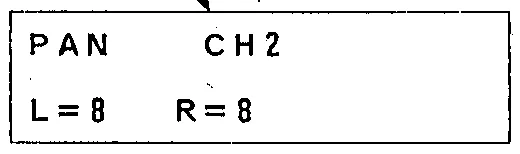
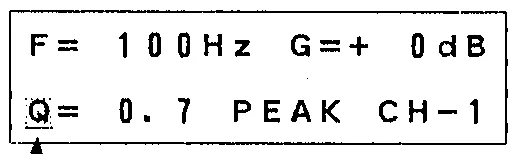
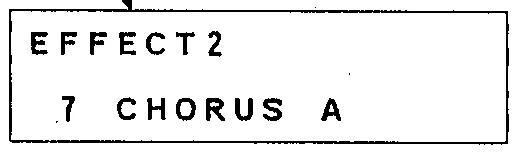
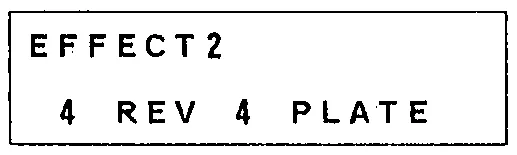
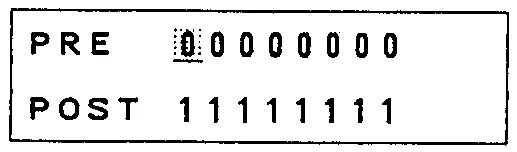
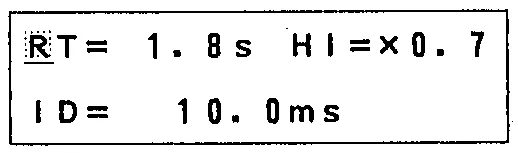
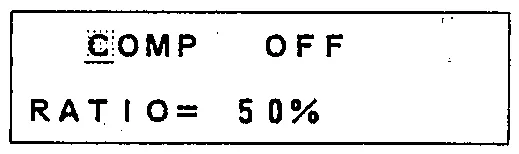





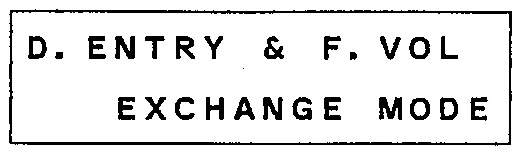
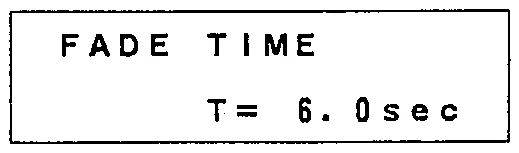
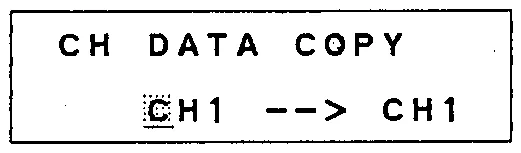

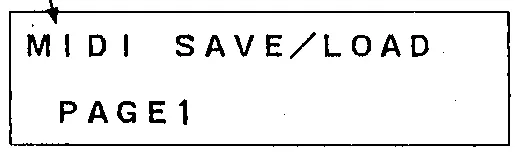
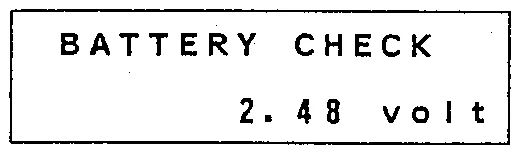
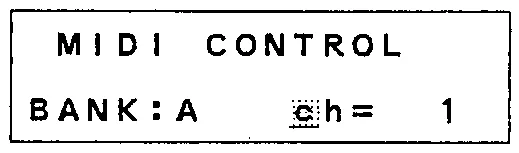
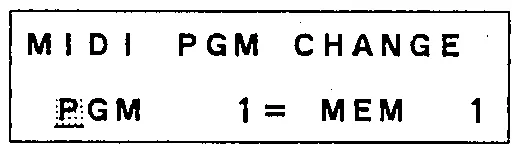
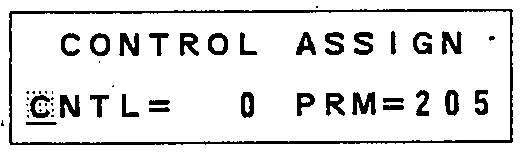
Accessories
Other
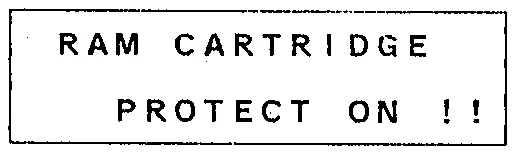
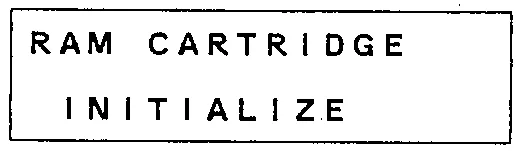
- RAM4 memory cartridge
RAM cartridge extending scene memories (up to 97).
- RTC1 remote control
Dedicated remote control for the DMP range.
- MLA7 external mic amplifier
External 8-channel mic amplifier adding mic inputs to the DMP7.
Documents
Editorial & artists
Our take
History & design
Introduced in 1987, the Yamaha DMP7 (Digital Mixing Processor) was Yamaha's first digital console and one of the first digital mixers ever sold. Originally conceived as an on-stage submixer for synthesizers and digital tone generators (such as the DX7), it was later broadened to studio and PA use through outboard mic inputs and the optional MLA7 head amp.
Technically it is an 8-channel mixer feeding a stereo bus, entirely digital: each socket has its own 16-bit / 44.1 kHz converter (CD quality), with internal processing at 24-bit (32-bit in the EQ section). Every channel offers a 3-band digital parametric EQ (±15 dB), and the unit carries three effects processors (reverb, delay, flange, gate reverb, symphonic...) plus a stereo compressor on the main bus.
Its landmark innovation was automation: ten motorized faders physically move to stored positions, and 30 scenes (expandable to 97 via a RAM cartridge) store every parameter, with crossfades of up to 10 seconds. Its 206 parameters are MIDI-controllable, delivering in 1987 a level of total dynamic automation that even SSL's Total Recall could not match at the time. Steinberg was commissioned to write an Atari ST editor. The DMP7 was followed by the digital-I/O DMP7D (1988) and the entry-level DMP11.
Notable users
Links
- Manufacturer Yamaha Innovation Road : DMP7 yamaha.com
- Archive Yamaha Black Boxes: DMP7 (heritage archive) yamahablackboxes.com
- Archive Yamaha Black Boxes: DMP7D (digital variant) yamahablackboxes.com
- Press article Sound on Sound, July 1987 (David Mellor), via mu:zines muzines.co.uk
- Press article Sound on Sound, December 1992: Rediscovering the DMP7 (mu:zines) muzines.co.uk
- Press article Music Technology, February 1987 (mu:zines) muzines.co.uk
- Press article Front of House : Yamaha Celebrates 30 Years of Digital Mixers fohonline.com
- Forum Gearspace : Yamaha DMP7 gearspace.com
Related consoles
Some merchant links are affiliate links. Purchases may support Digital Mixing at no extra cost.
Documents are archived locally for preservation. Source credited. Takedown requests: [email protected]