Multiport MIDI interfaces have long been the studio’s poor relation— utilitarian, pricey, often temperamental. Black Lion Audio, better known for its converters and preamps, takes on the topic with the MIDI Eight, an 8-in / 8-out interface built for a well-stocked synth rack.
Eight ports each way
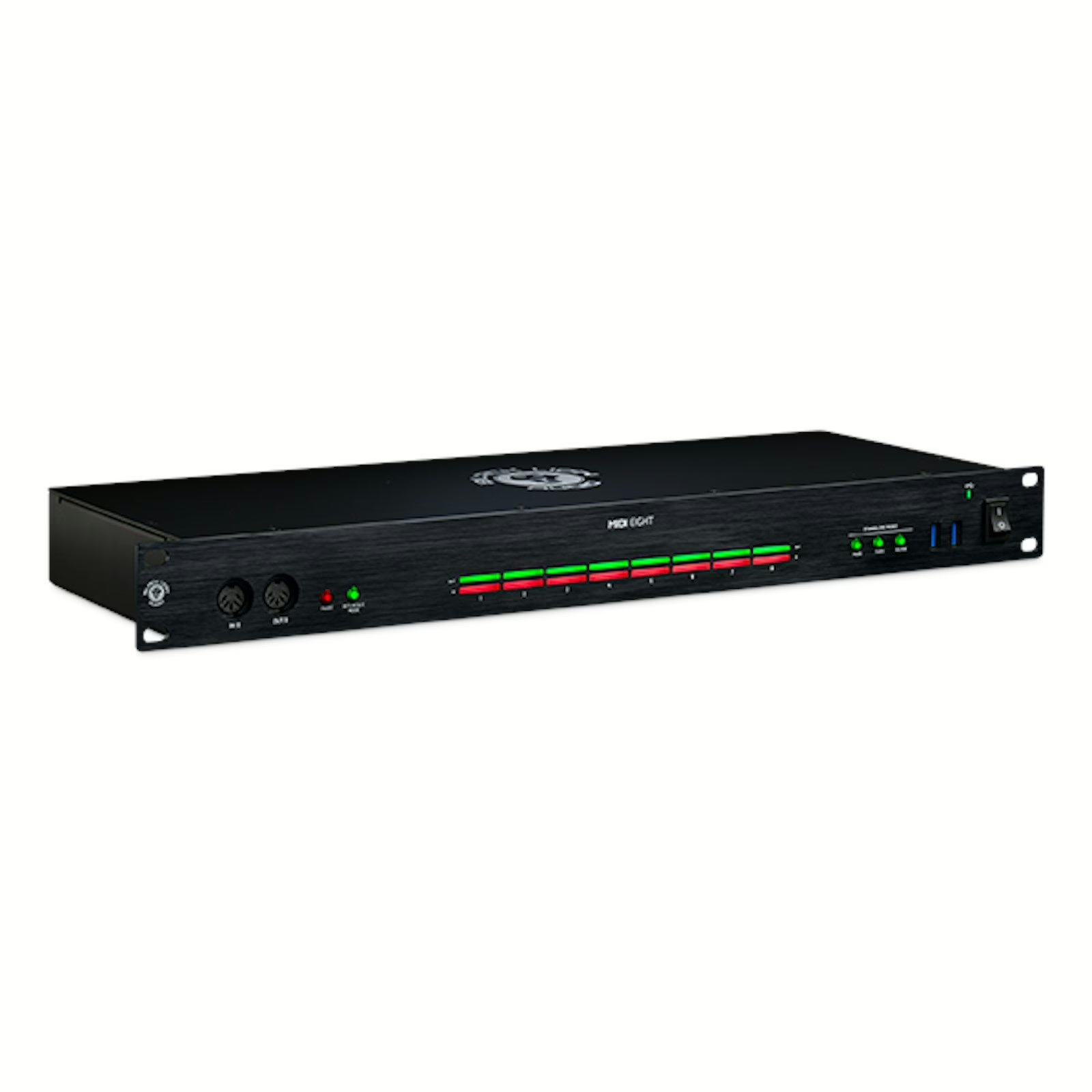
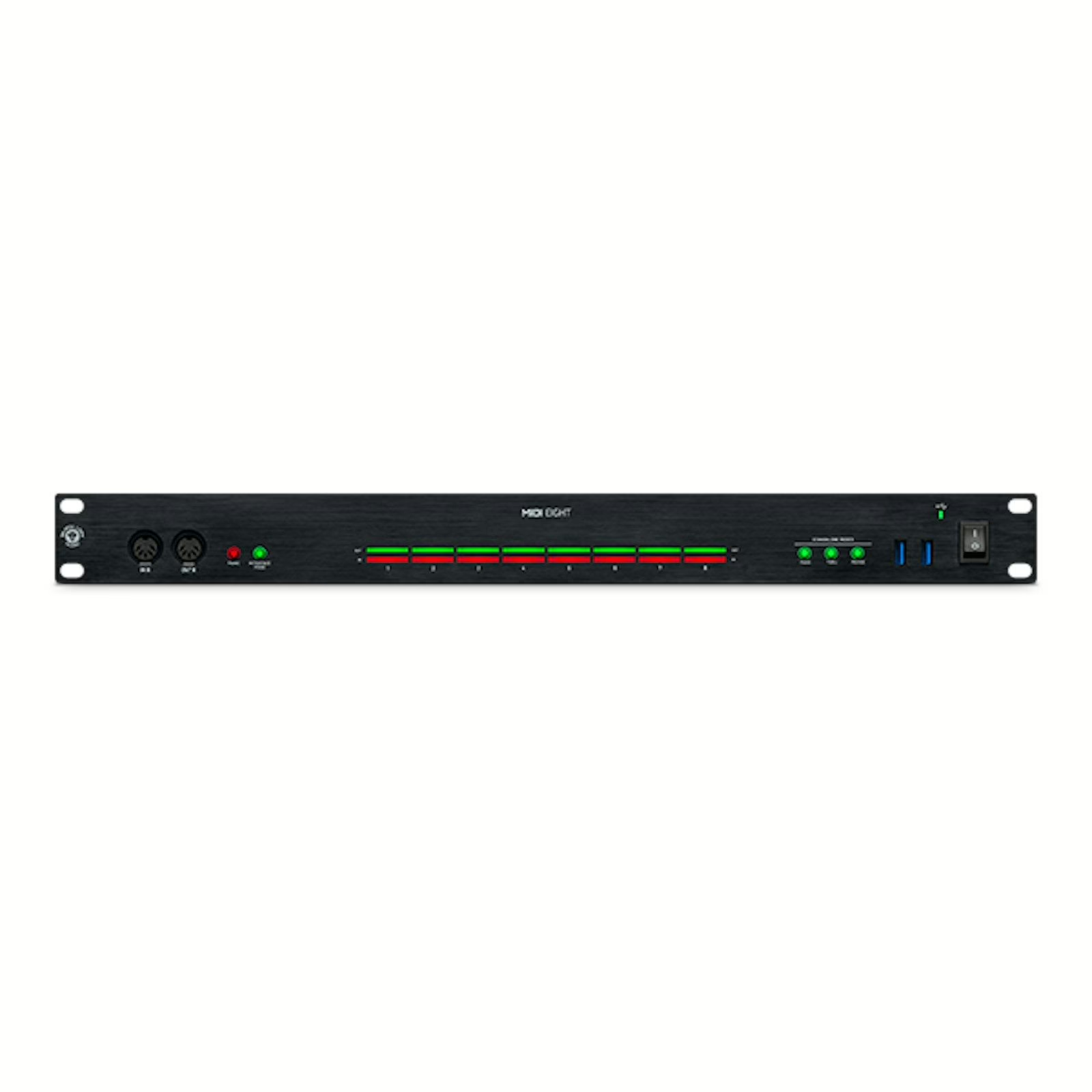
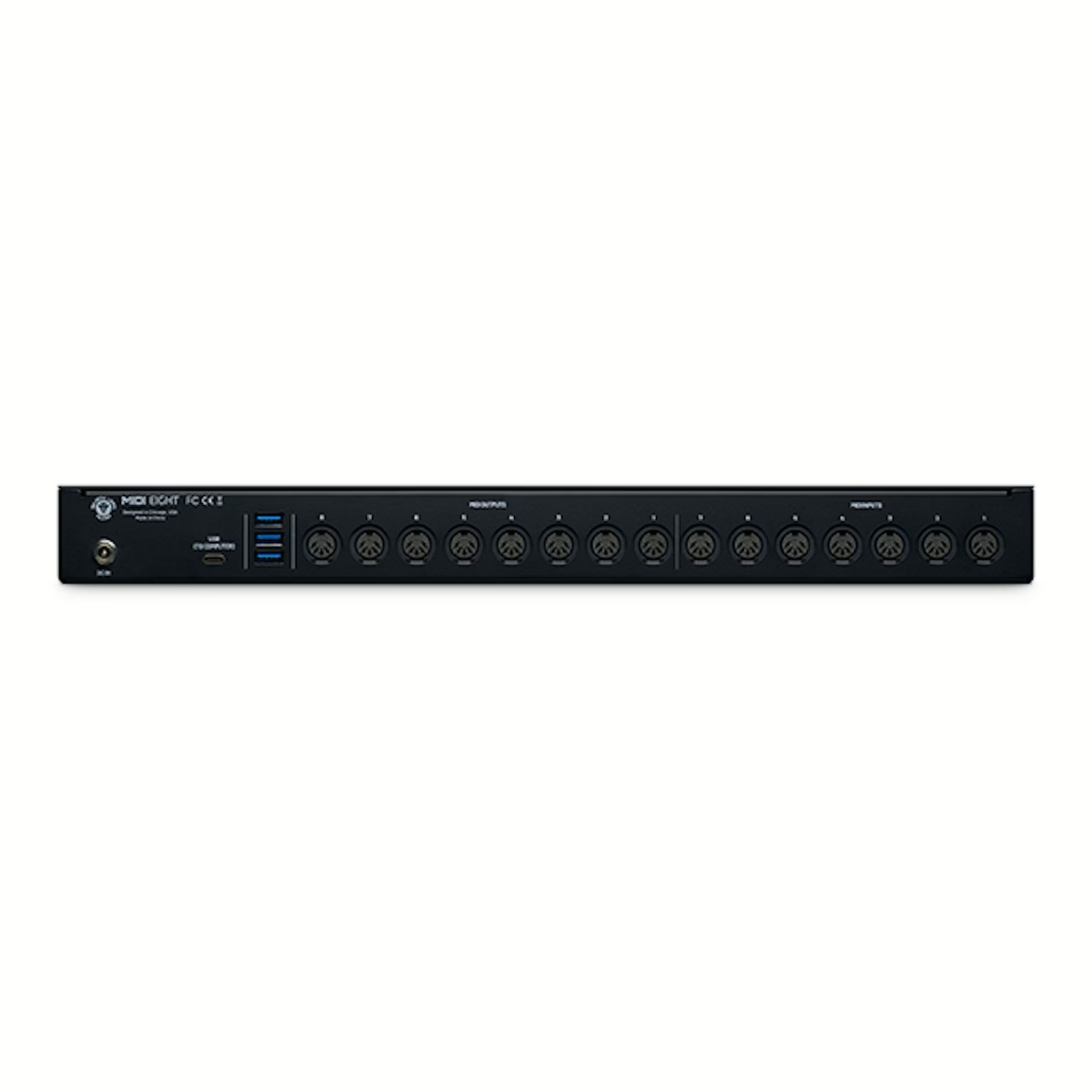
The MIDI Eight lines up eight MIDI inputs and eight outputs on 5-pin DIN, each carrying 16 channels— enough to address a large collection of machines. It connects to the computer over USB-C and is fully class-compliant: no drivers to install on macOS or Windows. On the front panel, a pair of MIDI jacks and a per-channel activity display— green and red bars worthy of a dashboard — give an instant read of traffic. A Panic button kills stuck notes in one press, the little detail that saves a live show.
Genuinely standalone
The real trick is operation without a computer, via three routing modes: Pass (each input to its matching output), Thru (all inputs broadcast to all outputs) and Merge (all inputs consolidated to Output 1). That turns the box into a MIDI splitter or merger as needed, on stage or in the studio. Power follows suit: USB bus power from the computer, or the included DC adapter for standalone use.
A built-in USB hub
A welcome bonus: the MIDI Eight carries a powered five-port USB hub, handy for plugging in drives, class-compliant controllers or dongles without piling boxes on the desk. All in a black aluminium chassis in rack format, plain and solid. To dig into synth connectivity, revisit our MIDI and CV/Gate guide and our piece on the Behringer BCR32 controller-sequencer.
| Feature | MIDI Eight |
|---|---|
| MIDI ports | 8 in + 8 out on 5-pin DIN, 16 channels each |
| Computer | USB-C, class-compliant (macOS/Windows, no drivers) |
| Standalone modes | Pass, Thru, Merge |
| USB hub | 5 powered ports |
| Power / price | USB bus or included DC, $349 |
Frequently asked questions
Does the MIDI Eight work without a computer?
Yes, thanks to three standalone routing modes (Pass, Thru, Merge) and the included DC adapter. It can act as a MIDI splitter or merger in a rack, with no host machine.
Do I need to install a driver?
No. The interface is class-compliant and connects over USB-C: it is recognised directly on macOS and Windows, with no installation.
What is the built-in USB hub for?
Its five powered ports let you plug other USB devices (drives, class-compliant controllers, dongles) straight into the box, clearing clutter from the workstation.
How many channels in total?
Each of the eight ports carries 16 MIDI channels, in each direction. The interface addresses a sizeable rig, with per-port activity indicators to watch the flow.
My take
A MIDI interface excites no one— until yours drops out mid-set. The MIDI Eight ticks the boxes that matter: eight ports each way, a real standalone mode, and an activity display that saves you guessing where the fault is. The USB hub is a smart touch for a rack. At $349 it is not cheap next to entry-level boxes, but you pay for reliability and autonomy, exactly what you want from this invisible link.