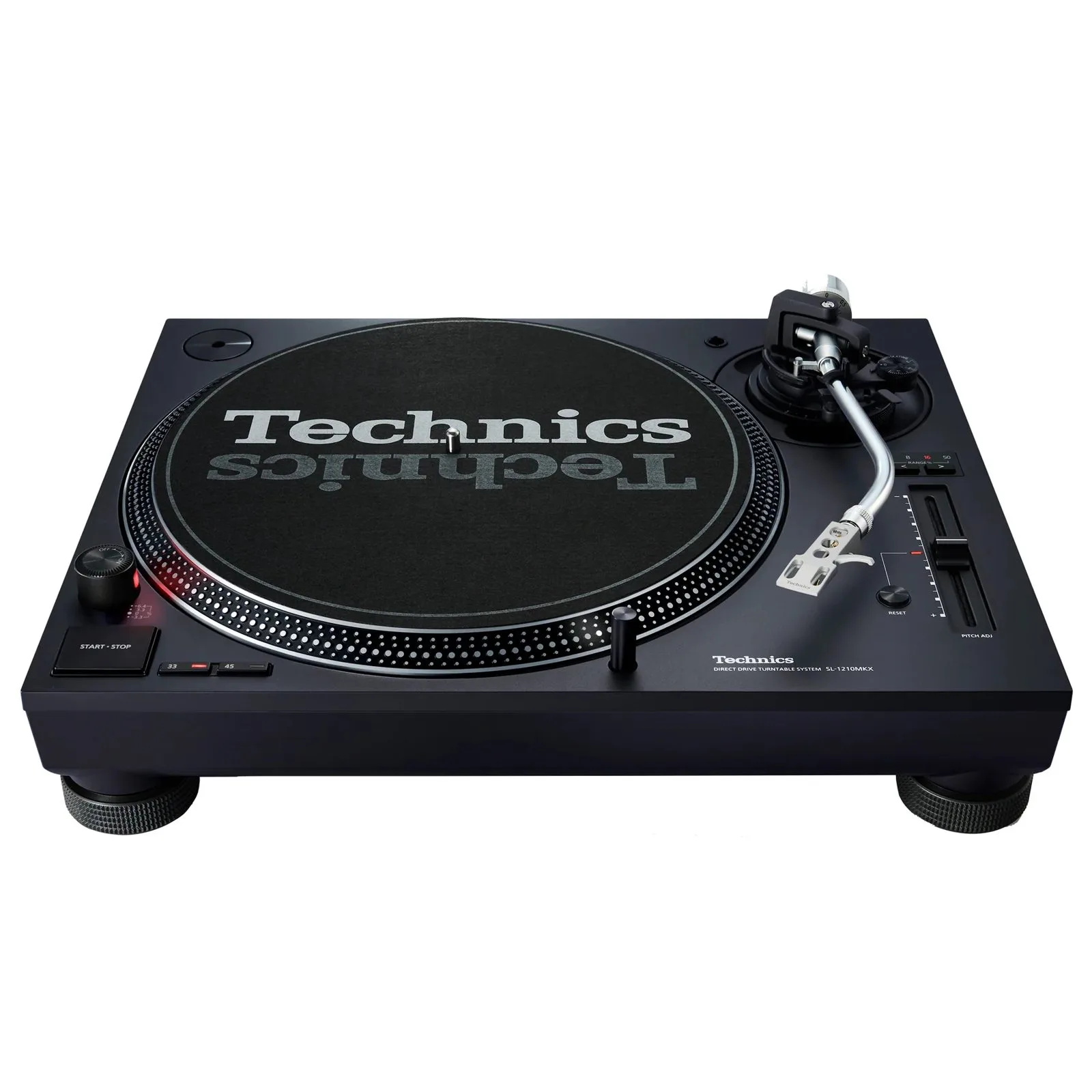
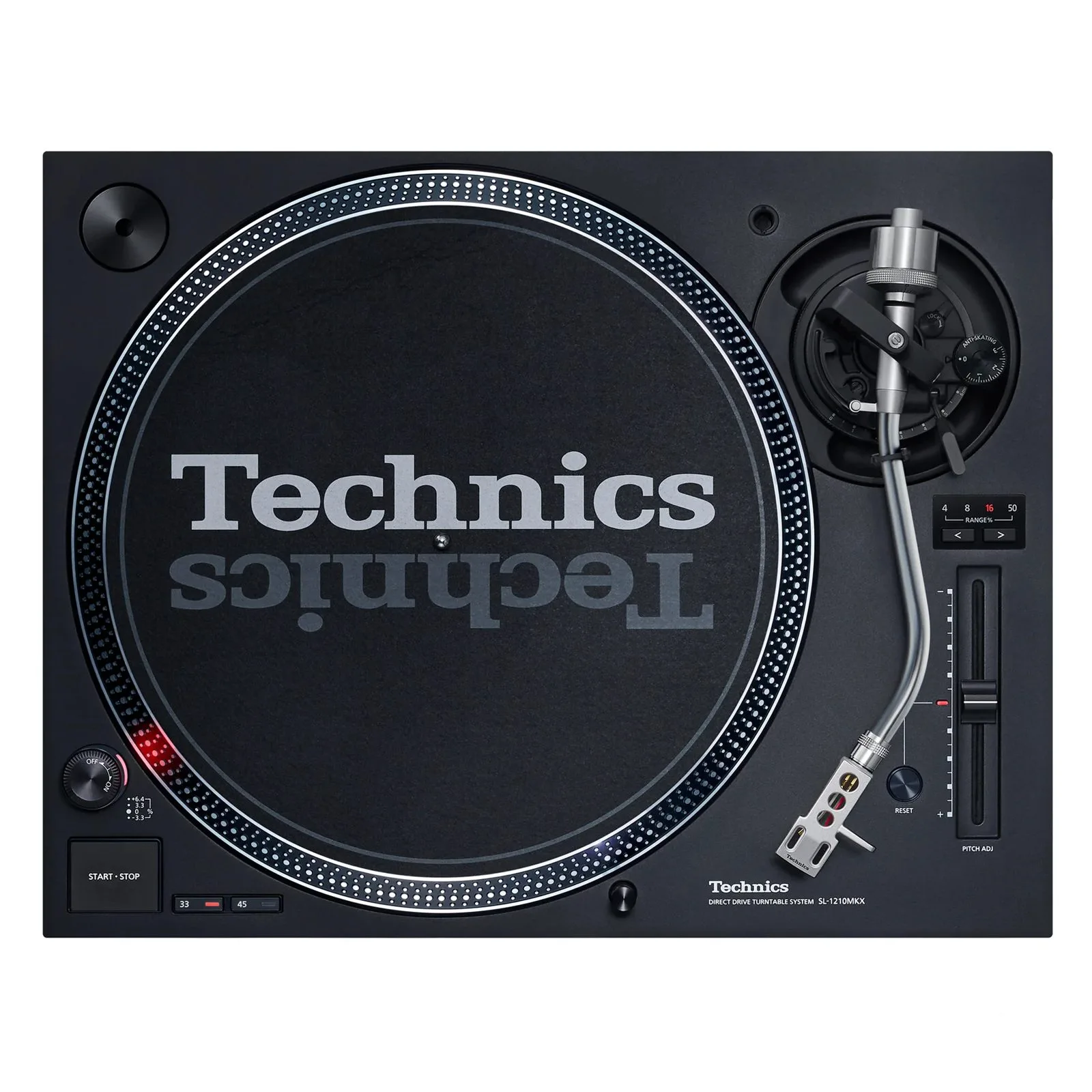
It took the 55th anniversary of the SL-1200 series for Technics to crown its DJ range with a new flagship. Unveiled at Amsterdam Dance Event on 21 October 2026, the SL-1210MKX slots in above the SL-1210MK7 with a single goal: to hold up in the most demanding environments, from the club to the touring circuit. Heavier chassis, redesigned feet, rethought pitch range. The most copied turntable in history is not chasing reinvention here, it is locking down the fundamentals.
A heavier chassis to kill feedback
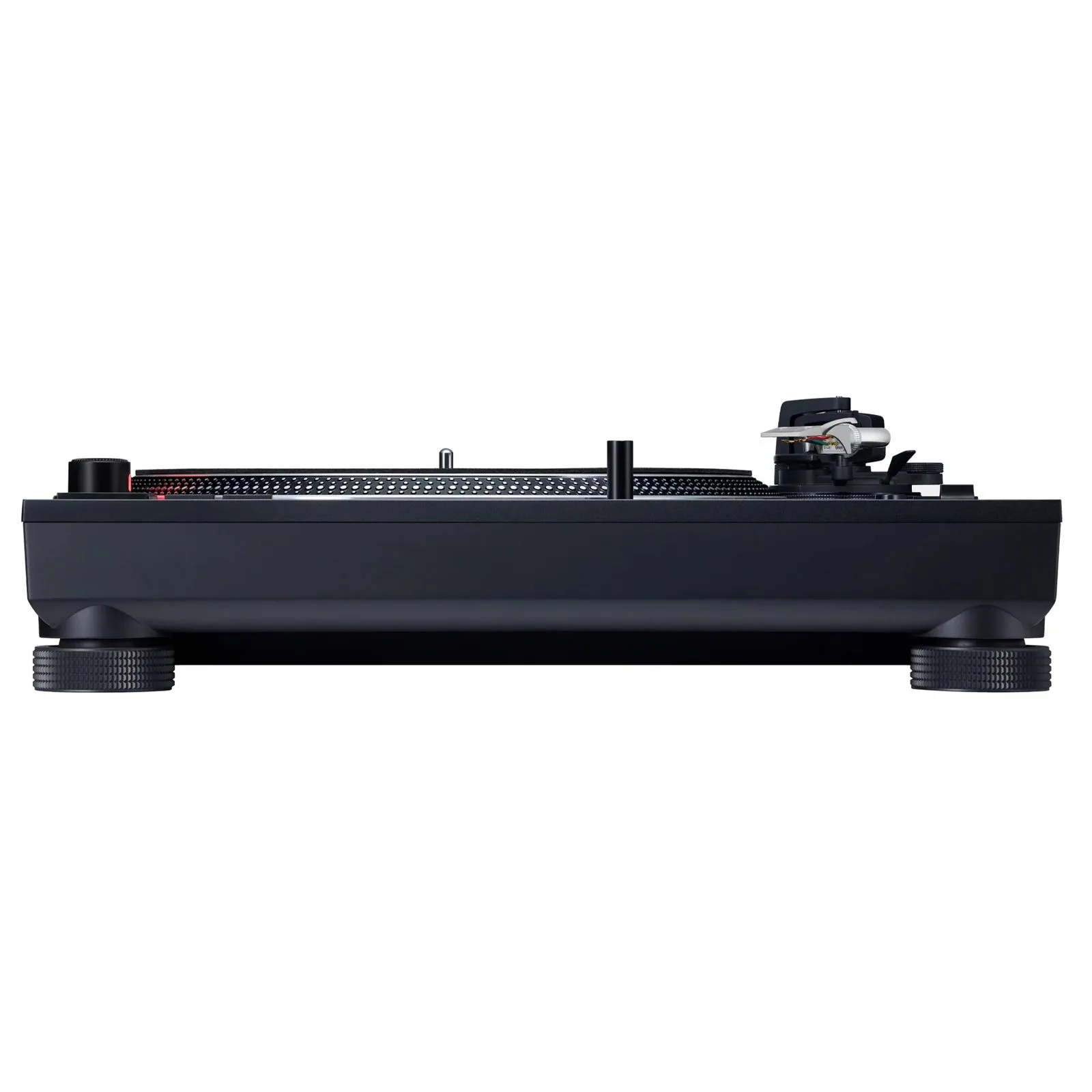
The first change is one you feel the moment you lift it: the MKX weighs around 11.9 kg with the dust cover, against 9.6 kg for the MK7. That extra mass earns its keep. Technics rebalanced the chassis and, above all, redesigned the isolation feet that soak up platter vibration and keep acoustic feedback in check. In a club where the subs rattle the booth, that is exactly where the gap shows between a deck that stays locked and a tonearm that skips. The company says it developed the unit with pro DJs and sound engineers, and the brief shows.
A pitch range built for both schools
On speed control, the MKX introduces a dedicated plus/minus 4% range, a first for the SL-1200 line. It sits alongside the familiar 8, 16 and 50% settings and an extended range up to plus/minus 50%. In practice, beatmatch purists finally get fine resolution to lock two records to the hundredth, while fans of radical transforms keep the full latitude of a half-speed sweep. The fader keeps its centre detent and reset button, two details the faithful will never give up.
Motor, tonearm and the details that matter
Under the platter sits the coreless direct-drive motor, with adjustable starting torque and brake speed so each user tunes the deck to their style, from nervous scratching to smooth blends. The static-balance S-shaped tonearm stays true to the house recipe, as do reverse play and 78 rpm support for crate-digging deep cuts. Technics bundles an MKX-specific slipmat and slipsheet plus a removable dust cover, but no cartridge: the stylus choice is yours.
Positioning and availability
The “X”, Technics says, stands for Extreme and Expert, and the price follows that ambition: around 1,499 euros in Europe, 1,299 pounds in the UK and 1,899.99 dollars in the US, clearly above the MK7. Availability is set for January 2027 through selected dealers. The finish stays understated, black plinth and silver tonearm, in the timeless spirit of the series.
| Spec | SL-1210MK7 | SL-1210MKX |
|---|---|---|
| Weight (with cover) | about 9.6 kg | about 11.9 kg |
| Dedicated fine pitch range | no | plus/minus 4% |
| Isolation feet | previous generation | redesigned |
| Motor | coreless direct drive | coreless direct drive |
| Availability | on sale | January 2027 |
Frequently asked questions
What actually changes versus the SL-1210MK7?
The MKX is roughly 2.3 kg heavier, has redesigned isolation feet and adds a dedicated plus/minus 4% pitch range. The aim is not to change the sound but to gain stability against vibration and to refine speed control. The coreless direct-drive motor carries over.
Is a cartridge included?
No. The MKX ships with a dedicated slipmat and slipsheet plus a removable dust cover, but no cartridge or stylus. You complete the deck with the pickup of your choice, as on most high-end DJ turntables.
When does it ship and how much is it?
It goes on sale in January 2027 through selected dealers, at a recommended 1,499 euros in Europe, 1,299 pounds in the UK and 1,899.99 dollars in the US. That is noticeably more than the MK7, which stays in the range.
Can it play 78 rpm records?
Yes. The SL-1210MKX supports 33, 45 and 78 rpm, plus reverse play. Starting torque and brake speed are adjustable, so you can match platter behaviour to your playing style.
My take
The SL-1210MKX does not reinvent the wheel, it makes it steadier, and that is exactly what you want from a deck meant to shrug off a club PA. The extra two kilos and the new feet go after the old nightmare of bass-induced feedback, while the plus/minus 4% range delights anyone who lives for hundredth-of-a-percent beatmatching. What remains is a price well above the MK7 and a launch pushed to January, enough to give pause to anyone already running MK7s that work perfectly well. For a new club or a fresh booth build, though, it is barely a question.
Weighing a more affordable direct-drive option? Compare it with the Reloop RP-2000 MK4, and for a hybrid approach take a look at the Hercules DJControl T10.