OXI Instruments’ Coral was never an ordinary module: eight polyphonic voices, multitimbral operation, around ten sound engines crammed into just 14 HP. Firmware 3.0 pushes the Spanish module into new territory. Six new engines join the roster, a six-operator FM engine that replays Yamaha DX-7 patches shows up, and OXI opens the doors for good: you can now compile your own firmware in a browser and pick exactly which engines you load. The update is free.
A quick recap: what the Coral is
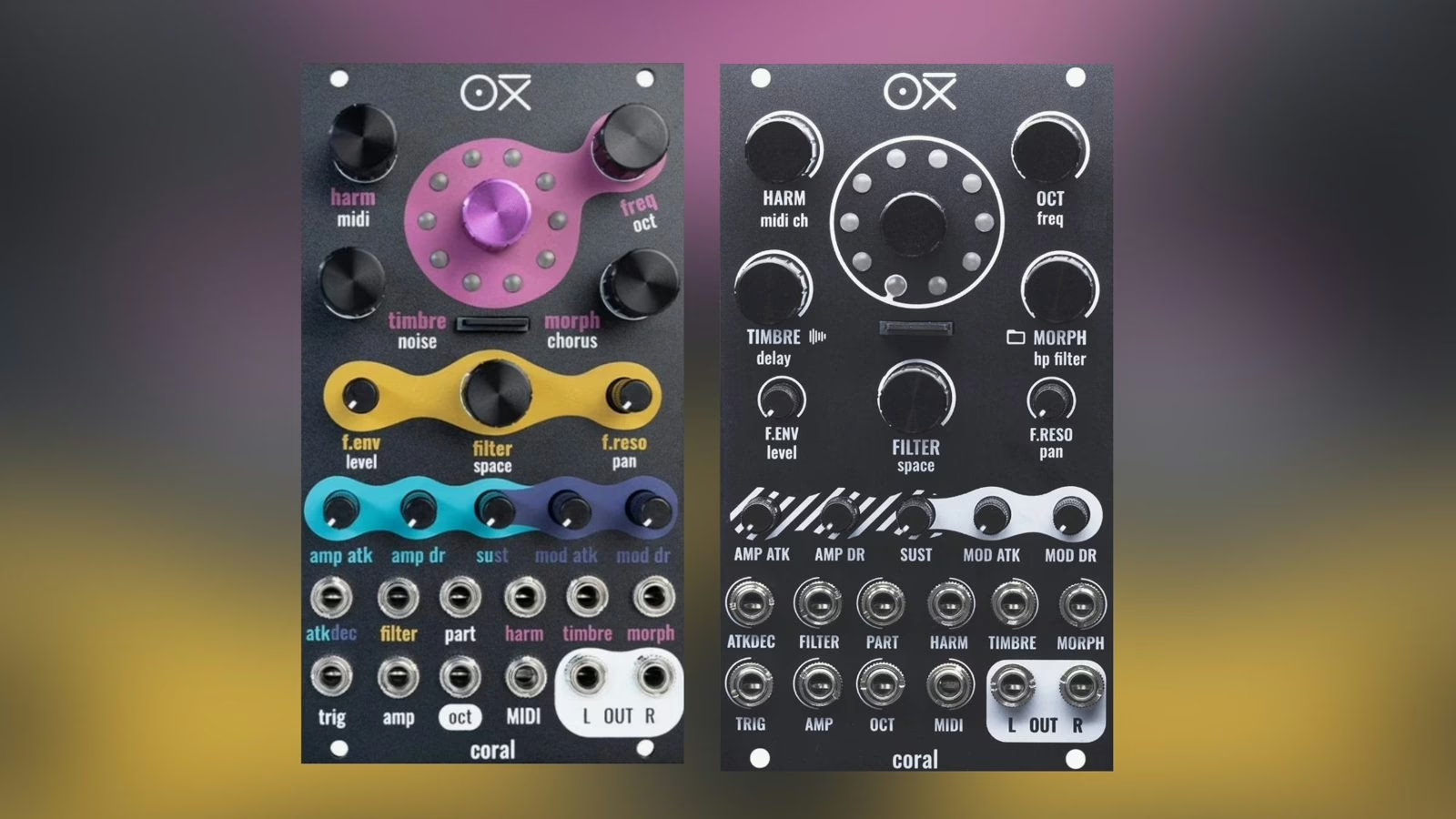
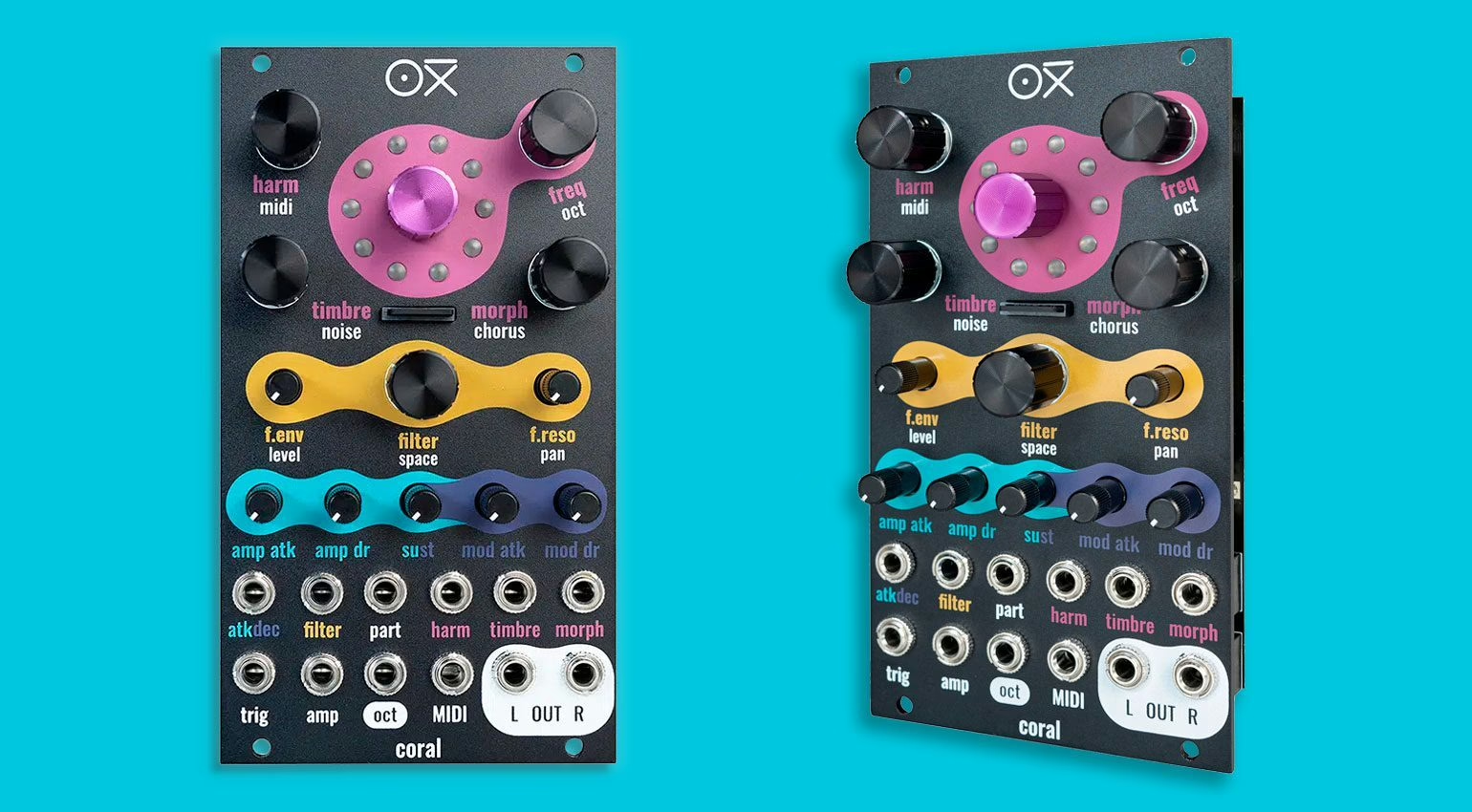
The Coral is a polyphonic synth voice for Eurorack, 14 HP wide and about 30 mm deep. Its eight voices can all run the same engine, split across up to eight MIDI-driven parts, or fold into one big CV-controlled mono synth. Each voice has its own filter and VCA, and the module carries its own reverb, delay and chorus. Several of its engines draw on the open-source spirit that made Mutable Instruments famous, expanded here to polyphony and wrapped in an interface built for fast playing.
The catch has always been memory: the Coral keeps around ten engines loaded at once, chosen from a wider library. That is exactly the limit firmware 3.0 blows open.
The six new engines
With this release, the library grows to twenty-seven available engines. The six additions cover ground owners have been asking about for a while:
- FMX7 — six-operator FM in the vein of the Yamaha DX-7, with support for original DX-7 patches. The bells, basses and electric pianos of the 1980s, right in your rack.
- OB-va — an Oberheim-flavoured voice with unison and filter options for wide pads and fat lines.
- String 2 — a Solina-style string ensemble for symphonic textures and disco.
- Pianoz — house pianos, Rhodes and organ tones.
- Acid2 — an improved Roland TB-303 emulation for lines that slide and resonate.
- Stitcher — an experimental drone generator, closer to sound design than a sustained note.
The six-operator FM engine is the headline. Loading DX-7 banks and voicing them across eight Coral voices in a Eurorack module is a direct bridge between the FM legacy and today’s modular world. If FM still feels intimidating, the principle is the same one we lay out in our guide to building a sound by stacking it up: add, shape, listen.
A firmware you assemble
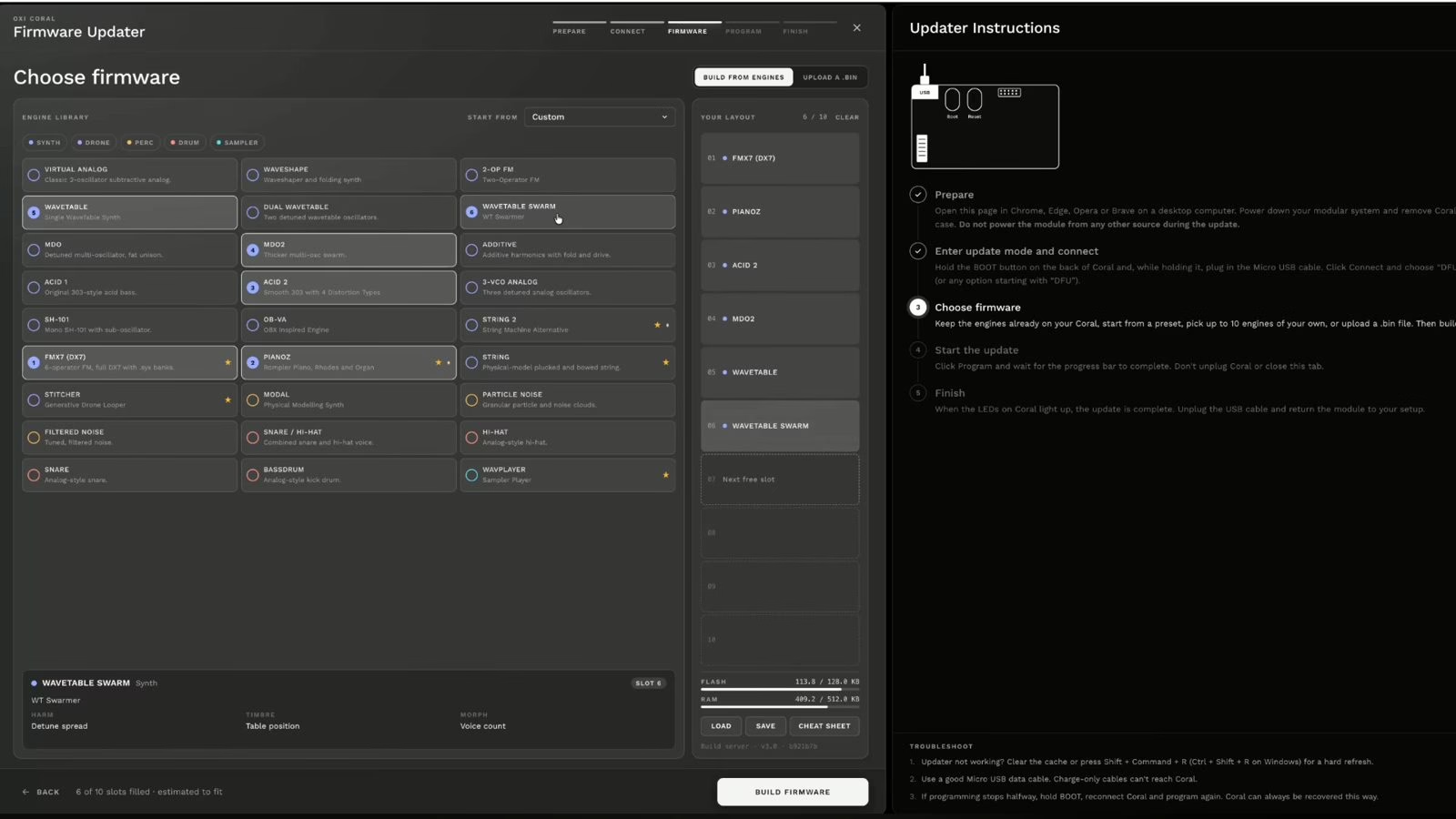
The real act of opening up lies elsewhere. OXI introduces a browser-based firmware compiler: you choose the engines you care about, stack them, and generate a custom firmware to flash onto the module. The ten slots remain the physical limit, and some memory-hungry engines won’t sit together, but the point is that you no longer live with a fixed factory selection. Someone who only wants FM and acid loads just that; a sound designer fills every slot with experimental engines.
Version 3.0 also adds a drone mode that sustains any engine under a low-pass gate, an on-module options menu (no more editing a text file on a computer), and various performance tweaks. Those real-time control hooks are a reminder of how much good modulation matters: our rundown of the LFO and its destinations is a solid starting point for getting the most out of these new engines.
Price and availability
Firmware 3.0 is free for Coral owners and available now. The module itself sells for around $399 / €389. At that price, and with this update policy, the Coral makes a strong case as the rack’s polyphonic Swiss army knife — in the same clever, frugal spirit as other modules like the Music Thing Modular Radio Music Mk2, which also bets on openness and lean hardware.
Maker’s page: OXI Instruments Coral.
My take
Opening the firmware is the move that turns the Coral from a good module into a platform. Most makers lock their machines down; OXI does the opposite and lets you decide what goes in your ten slots. The DX-7-compatible six-operator FM is the sweetener: it brings a whole chapter of sound history into a living Eurorack format rather than a museum. More than ten slots would be nice one day. Until then, a €389 polyphonic module that gains six engines and a firmware workshop for free is a rare deal — and a healthy way to think about an instrument’s lifespan.