Television sat at 5.1 for a long time. The rising wave, Next-Gen Audio, changes that: immersive sound with height, viewer-adjustable dialogue, a mix that adapts to everyone’s equipment. Behind the Dolby AC-4 and MPEG-H labels hides a genuine shift for the broadcast production chain. Here is what it is, and what it concretely changes in the control room.
From 5.1 to immersive: why now
5.1 served well for twenty years, but it’s showing its limits: a fixed channel count, no height information, and a single mix meant to suit everyone — from the living-room soundbar to the smartphone earbuds. Meanwhile, usage has exploded. Next-Gen Audio answers three needs at once: adding the vertical dimension to envelop the viewer, personalising the listen (raising dialogue, choosing a language or commentary), and delivering a single stream that scales cleanly to every device. We move from fixed sound to sound that adapts.
It’s the natural extension of our piece on surround sound for broadcast: the same channel and placement principles, with a layer of intelligence on top.
Channels, objects and scene: three ways to carry sound
To understand immersive audio, you need to tell apart three approaches, often combined:
- Channel-based: sound is assigned to specific loudspeakers, as in 5.1 or 7.1.4. Simple, predictable, but rigid.
- Object-based: each sound element (a voice, an effect, the ambience) travels with positional metadata. The decoder then places the object in space according to the loudspeakers actually present. That’s what keeps the same programme coherent on a 7.1.4 rig and on headphones.
- Scene-based: the whole sound field is encoded globally (ambisonic-style), then rendered to the playback setup.
The major shift is the object. Dialogue is no longer “glued” to the centre channel: it’s an object the viewer can raise or lower, and that the renderer places correctly whatever their living room. Same logic as Dolby Atmos mixing on the music-studio side: beds and objects.
The systems and the standards
Two big families share the field. Dolby AC-4, the next-generation codec paired with Dolby Atmos for broadcast, and MPEG-H Audio, an open standard developed notably for broadcasting. Both carry immersive audio and interactivity; the choice mostly depends on regional standards. On the transport side, these codecs sit inside next-generation broadcast standards: ATSC 3.0 (North America, Korea), DVB in Europe, and streaming platforms gradually adopting immersive audio. The common thread: you carry fewer raw channels and more metadata, which eases bandwidth while enriching the experience.
Rendering and personalisation
The real novelty for the viewer comes down to one word: choice. Dialogue enhancement lets you raise the voice relative to music and effects — a major accessibility feature, long awaited by hard-of-hearing audiences. You can offer several tracks (original version, audio description, alternate sports commentary) in the same stream, and let the decoder compose. On levels, all of this stays governed by broadcast loudness rules: the loudness target applies to the rendered programme, and metadata keeps it consistent from device to device, an issue we detail in our comparison of on-air level meters.
Producing and delivering in immersive
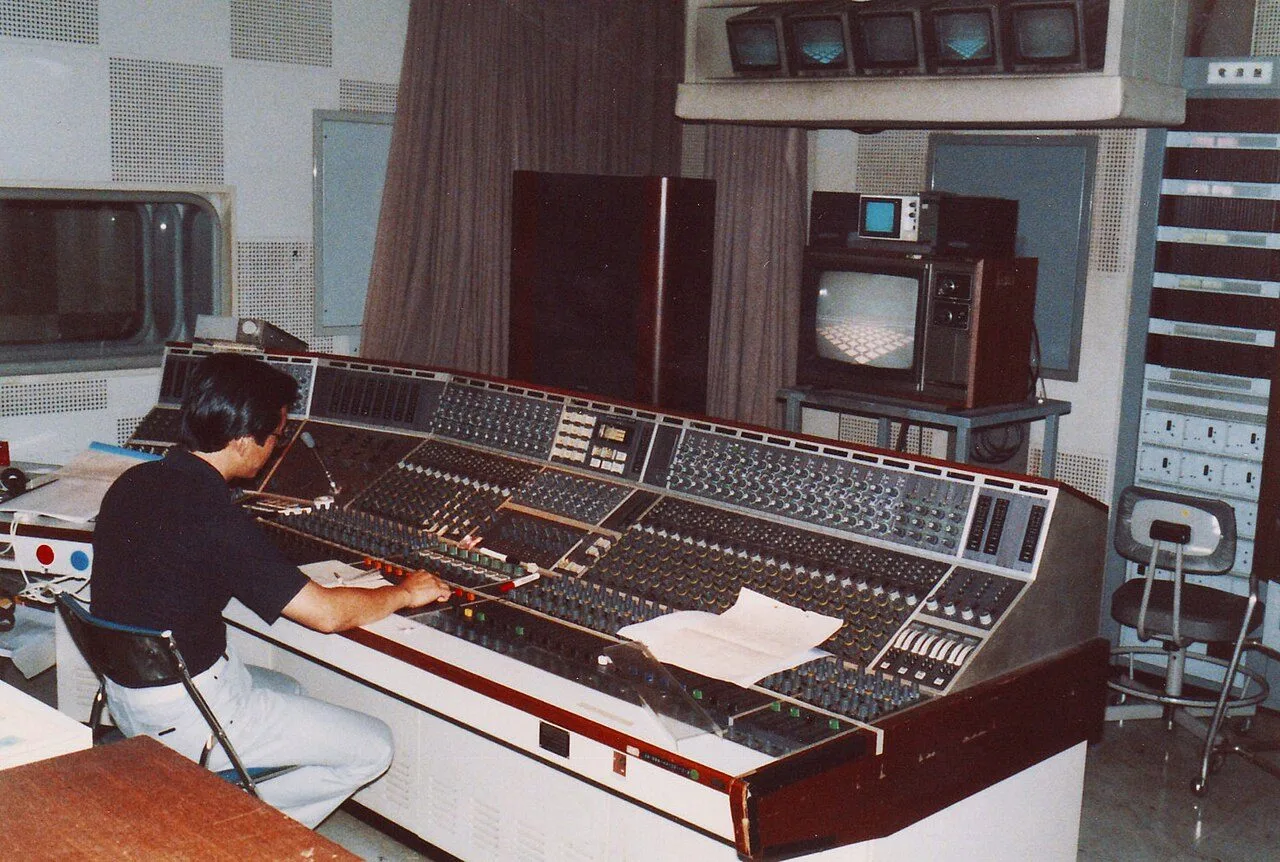
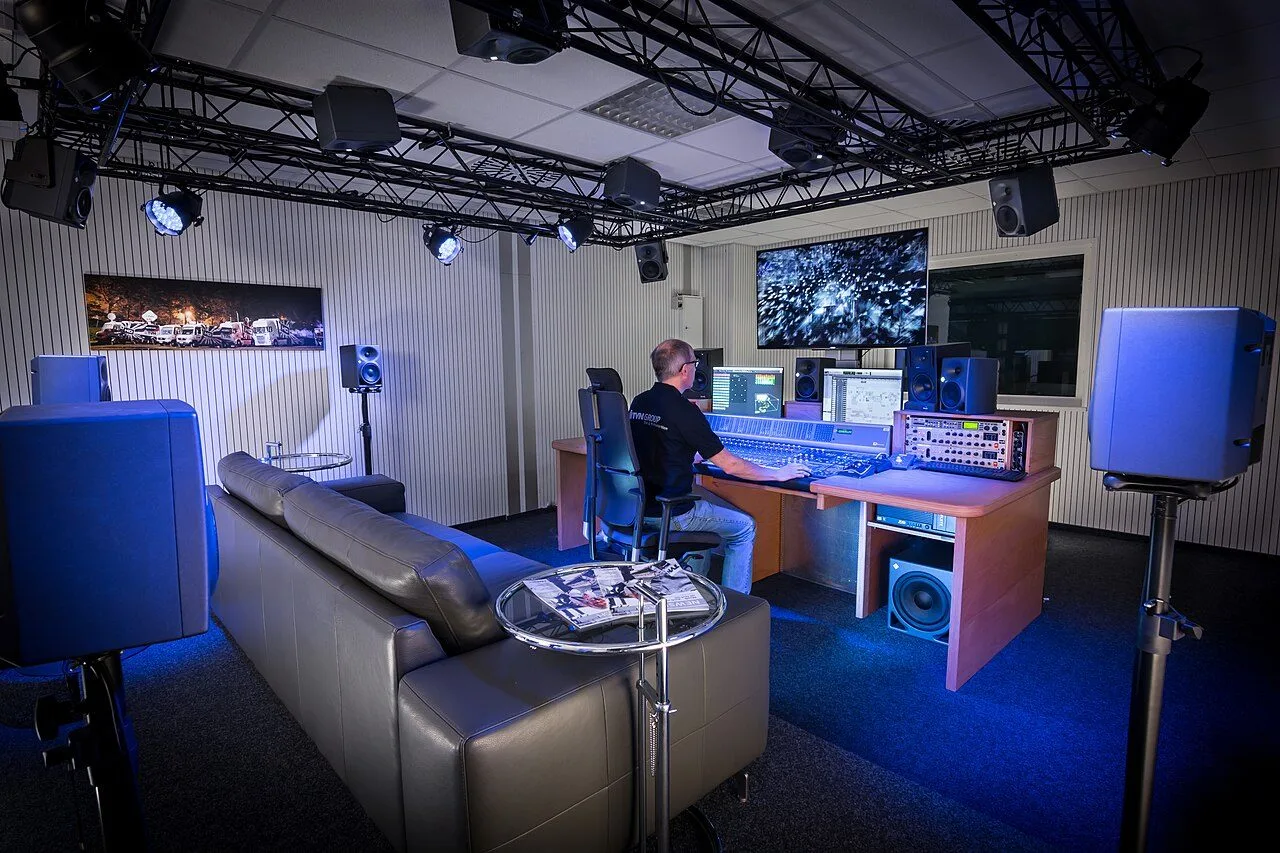
For the control room, Next-Gen Audio adds a layer of work without throwing out what exists. You need monitoring able to reproduce height (7.1.4 setups or binaural rendering on headphones), a console and workflow that handle objects and their positional metadata, and new discipline on authoring: you no longer just mix levels, you describe a scene. The internal transport stays the one teams know — audio-over-IP Dante and AES67, or SDI-embedded audio — but the payload now carries the description of the sound scene. The good news: most recent tools can already produce an immersive deliverable and its compatible stereo downmix in the same pass.
My take
With immersive broadcast, it isn’t the height that matters most — it’s the object and the dialogue control. Being able to raise a voice on your own TV is the kind of feature that seems trivial until the day a hard-of-hearing relative finally follows a film without subtitles. The challenge isn’t technical, it’s methodological: describing a scene instead of stacking channels is a real change of habit in the control room. Broadcasters who start early get ahead, because the whole chain — capture, mix, encode, deliver — takes time to bed in. For once, the technology serves the audience’s comfort first, not the spec sheet.