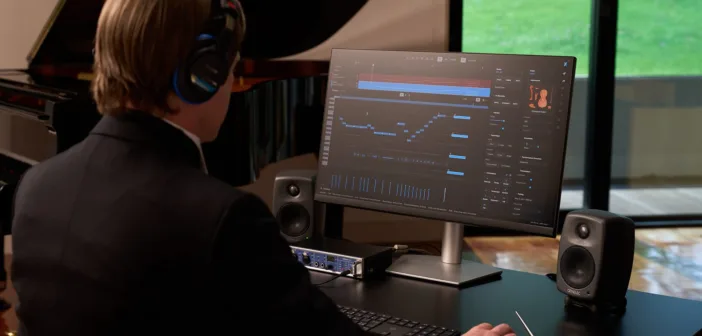
zplane makes the kind of tools you forget about because they work so quietly in the background. After Timbre, the Berlin studio has updated TONIC, its key and scale detection plugin, released on October 21, 2026. The first version simply listened to a track and worked out its key; this second generation turns into a genuine writing assistant.
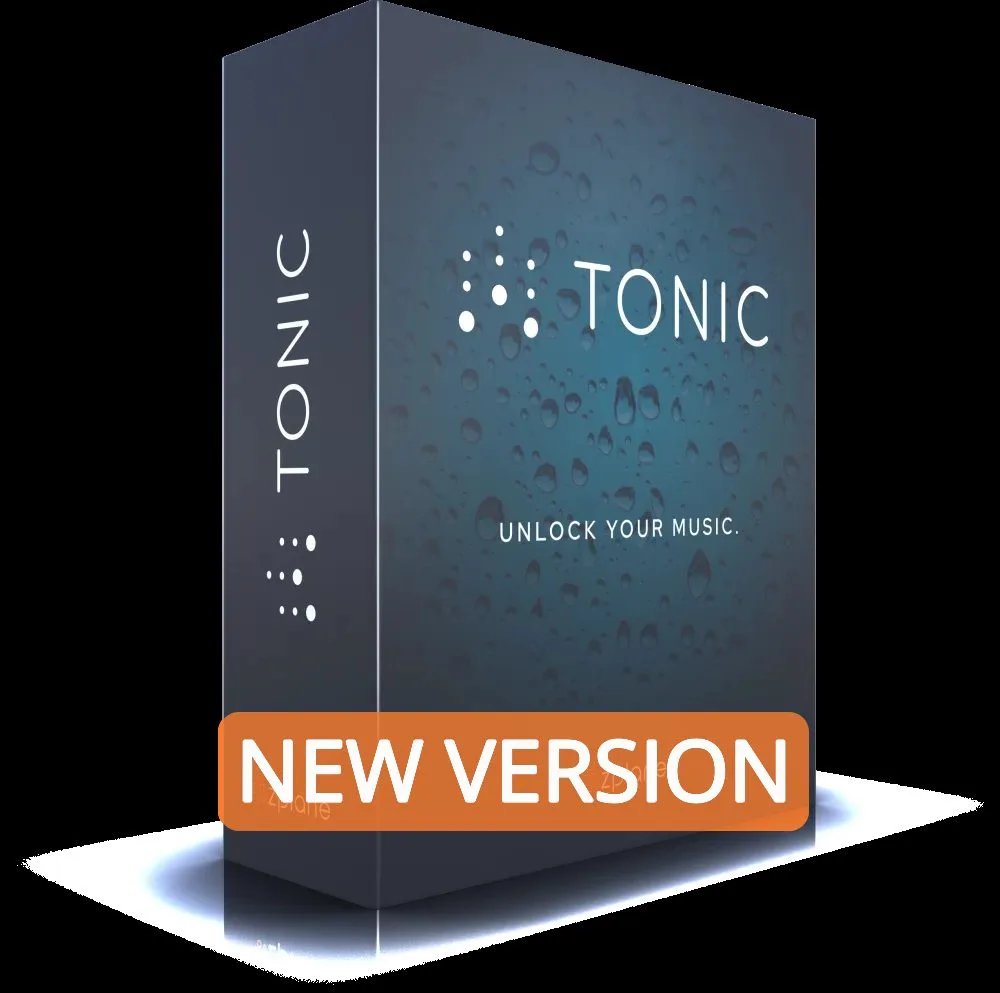
What TONIC does, a quick refresher
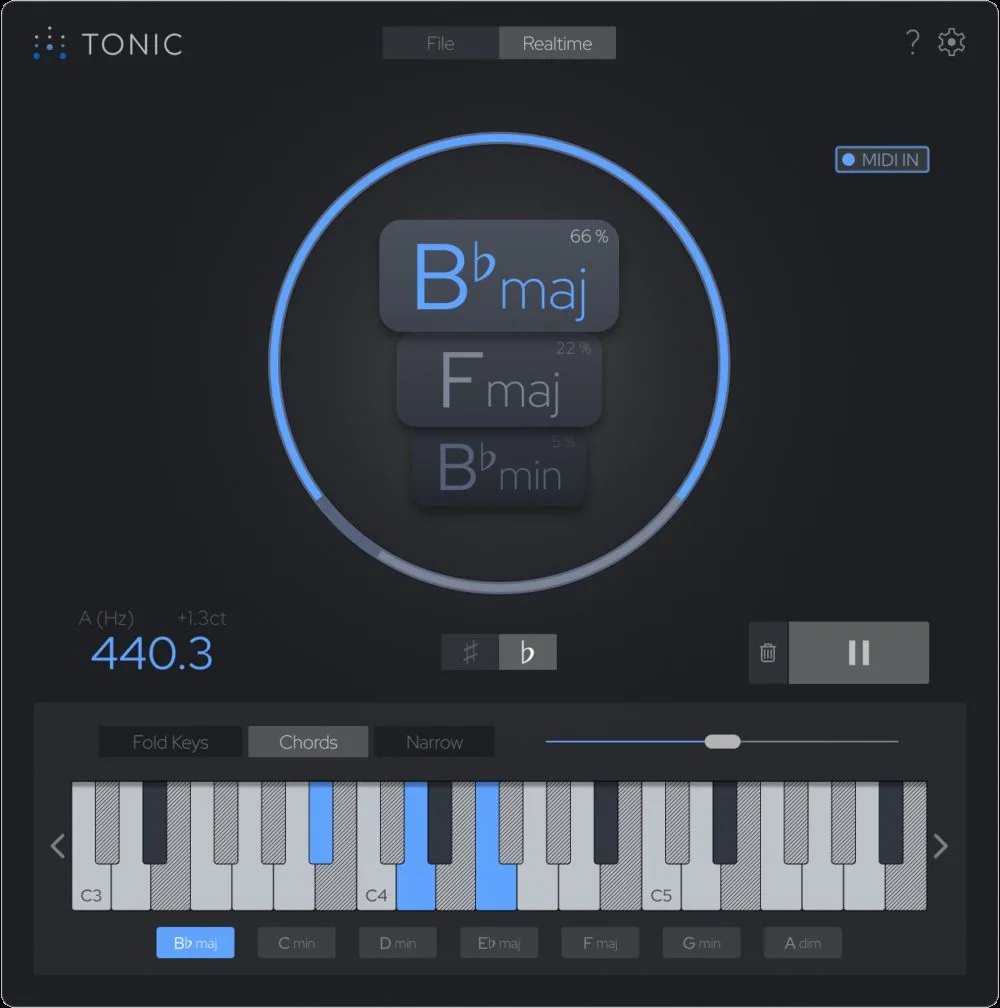
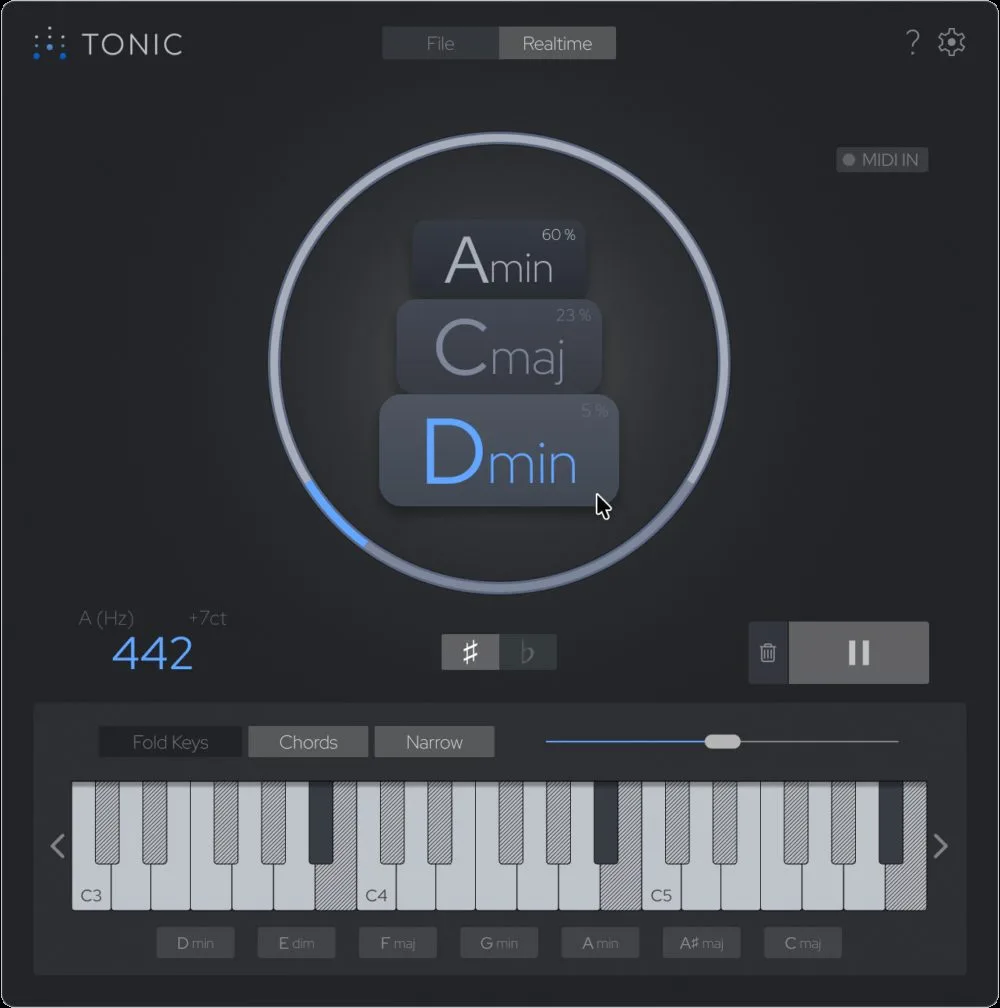
The idea is unchanged: feed audio or MIDI into the plugin, in real time or as an offline analysis, and TONIC offers up to three candidate keys, each with a probability percentage. Handy when you’re working on a sample whose key you don’t know, or when you want to check at a glance where a track sits before adding a part.
What’s actually new in version 2
zplane leads with a reworked detection algorithm. That’s the heart of the product and where the update will be judged: version 1 was reliable on most tonal tracks, less comfortable on modulating or heavily chromatic passages. Beyond detection, three additions change daily use.
- Chord drag-and-drop into the DAW: once the key and chords are detected, you drag them straight onto the timeline as MIDI, with no re-entry.
- MIDI in and out: TONIC no longer only analyzes audio, it slots into a MIDI chain, upstream and downstream.
- Fold Keys mode: it locks your keyboard’s notes to the detected scale. Every key plays in tune, which opens up improvisation for anyone shaky on theory.
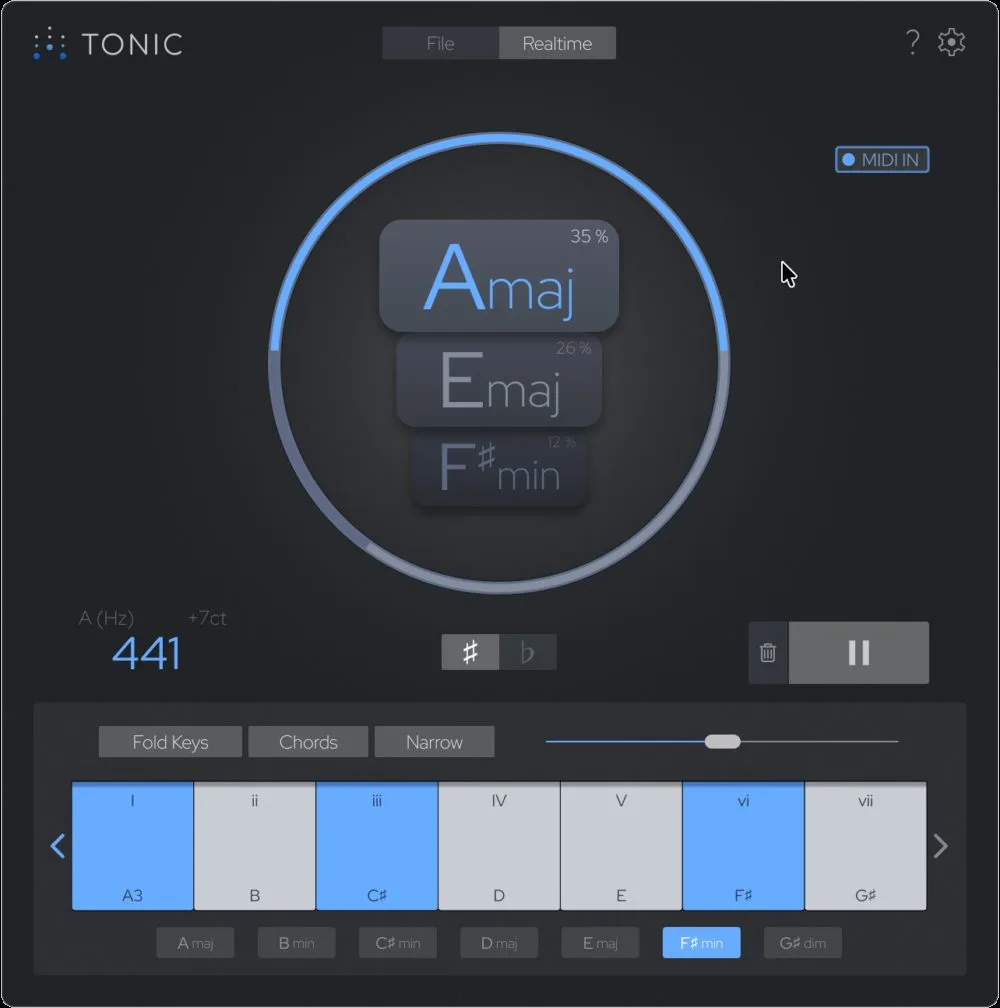
The interface is now resizable, and the plugin runs with no latency — a detail that matters when you insert it on a track while playing. Supported formats are AAX, AU and VST3, on Windows 10/11 and macOS 13 or later.
Price and upgrade
TONIC 2 lists at 39 EUR, with a launch discount bringing it to around 26 EUR until the end of October. Owners of version 1 move up to 2 for 10 EUR. It stays firmly in the category of small tools that won’t dent a plugin budget and pay for themselves in the first writing session.
My take
A key detector sounds trivial until the day you stack samples grabbed from all over and have to re-tune everything by ear. The real gain in version 2 isn’t the detection, which we’ll judge in use on the awkward tracks: it’s the chord drag-and-drop and Fold Keys mode, which turn a passive analysis tool into a writing aid. The point to check is chord detection, which zplane placed out of scope in version 1 — the launch messaging isn’t clear on that. At 39 EUR, and especially 10 EUR to upgrade, the entry ticket is low enough to try without much deliberation.
Frequently asked questions
Does TONIC 2 analyze audio or MIDI?
Both. It handles an audio signal as it does a MIDI track, in real time during playback or as an offline analysis, and offers up to three probable keys with a percentage for each.
What is Fold Keys mode for?
It forces notes played on your MIDI keyboard to stay within the detected scale. Every key then sounds in tune against the track’s key, which makes improvising and sketching ideas easier without knowing theory.
How is it different from version 1?
The detection algorithm has been reworked, and TONIC now gains chord drag-and-drop into the DAW, MIDI input and output, Fold Keys mode and a resizable interface. Version 1 mostly just displayed the key.
How much is the upgrade from TONIC 1?
Ten euros. The full price is 39 EUR, with a launch discount of around 26 EUR until the end of October 2026.
Which systems and formats does it run on?
Windows 10 and 11 and macOS 13 or later, in AAX, AU and VST3 formats. The plugin runs with no latency, so you can leave it inserted on a track while playing.