


Sony OXF-R3
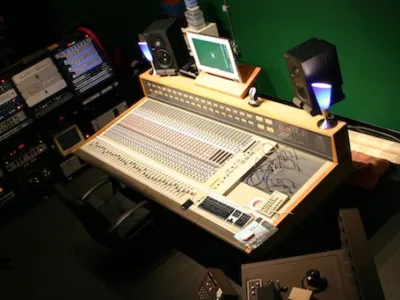
Sony Oxford's 'million-dollar' digital console, the sonic blueprint of the Sonnox plugins.
Description
Technical
Specifications
Inputs / Outputs
| Total inputs | 96 |
|---|
Processing
| Mix buses | 48 |
|---|---|
| Aux sends | 24 |
| DSP engine | Proprietary Sony/Oxford DSP, modular architecture (separate DSP rack + I/O rack) |
| Max sample rate | 48 kHz |
| Bit depth | 24 bits |
| Processing resolution | 32 bits |
| Channels | 96 full (in-line) input channels, plus return channels (up to 120 channels total in some cited configurations) |
| Buses | 48 multitrack buses accessible from all channels |
| Aux sends (details) | 24 aux/side-chain buses available at the push of a button, each with its own dedicated high- and low-pass filters |
| Conversion | Analog-to-digital conversion cited at 20-bit (Sony documentation); system documented up to 24-bit in the brochure |
| Channel processing | 32-bit fixed-point internal processing (to be confirmed against primary documentation) · Dedicated digital parametric EQ and dynamics on every channel with (for the era) cutting-edge algorithms; surround busing and panning |
| Sample rate | 44.1 kHz to 48 kHz; frequency response 20 Hz–20 kHz ±0.2 dB at 48 kHz |
Surface
| Physical faders | 48 |
|---|---|
| Motorized faders | Yes |
| Fader layers | 2 |
| Screens | 1 |
| Touchscreen | No |
| Control surface | OXF-CP3048 (48-fader) and OXF-CP3024 (24-fader) control panels; the 96 channels are reached in banks via dedicated banking buttons |
| Automation | Dynamic automation of all useful controls, saveable/recallable snapshots, near-instantaneous total recall of all console settings |
Recording
| Onboard recording | No |
|---|
Networking
| Networking & protocols | MADI |
|---|---|
| Redundant PSU | Yes |
| Redundant networking | No |
| Audio networking | 24-bit MADI interface and digital interconnection to DASH multitrack recorders (PCM-3348); multiple transport consoles |
| Redundancy | Built-in diagnostics system for maintenance and troubleshooting |
Power
| Power draw | 1,000 W |
|---|---|
| Power supply | OXF-CP3048: AC 100–240 V, 50/60 Hz, 2 × 500 W (dual PSU); OXF-CP3024: 1 × 500 W |
Strip & details
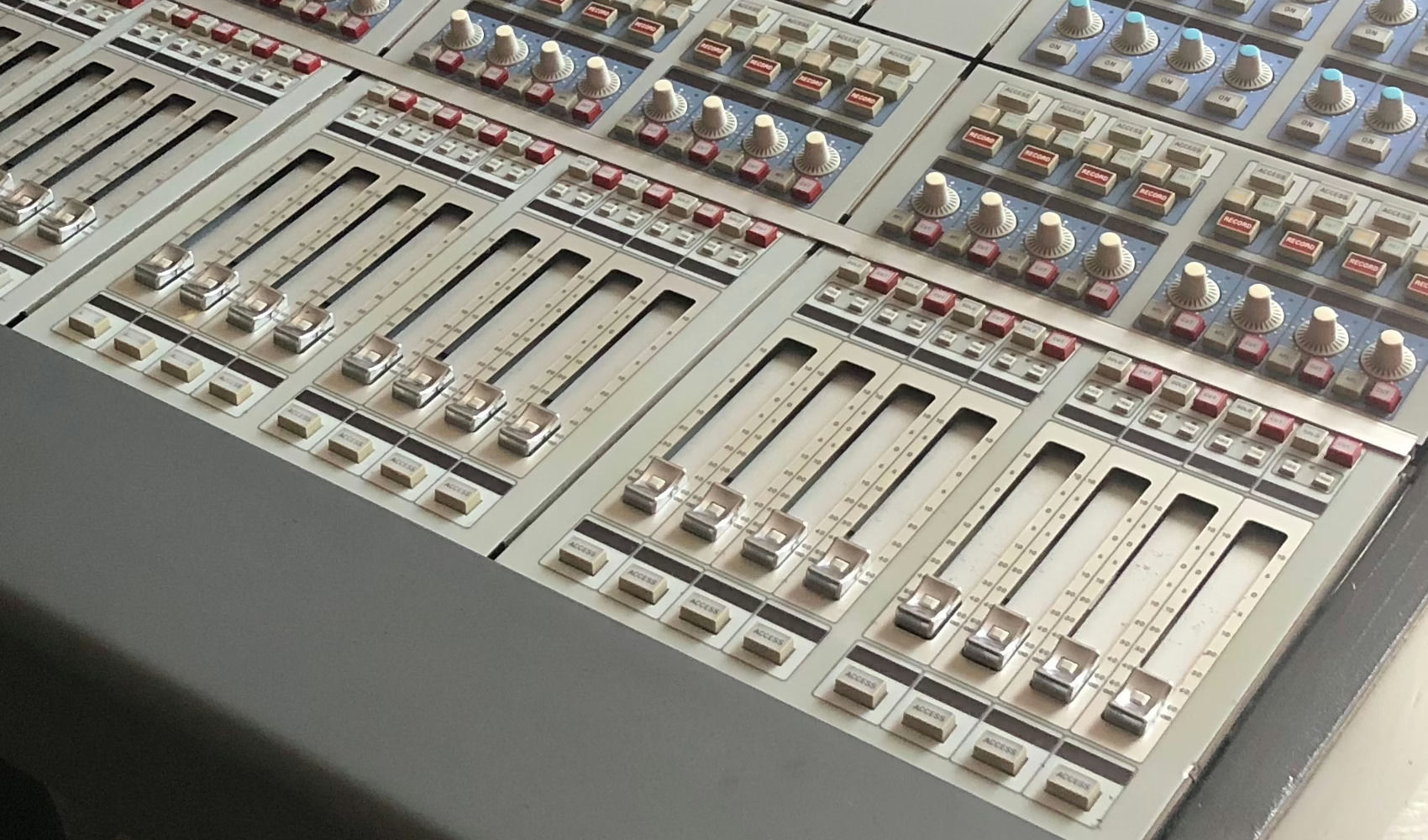
Rotate your phone to landscape for a better view of the strip.
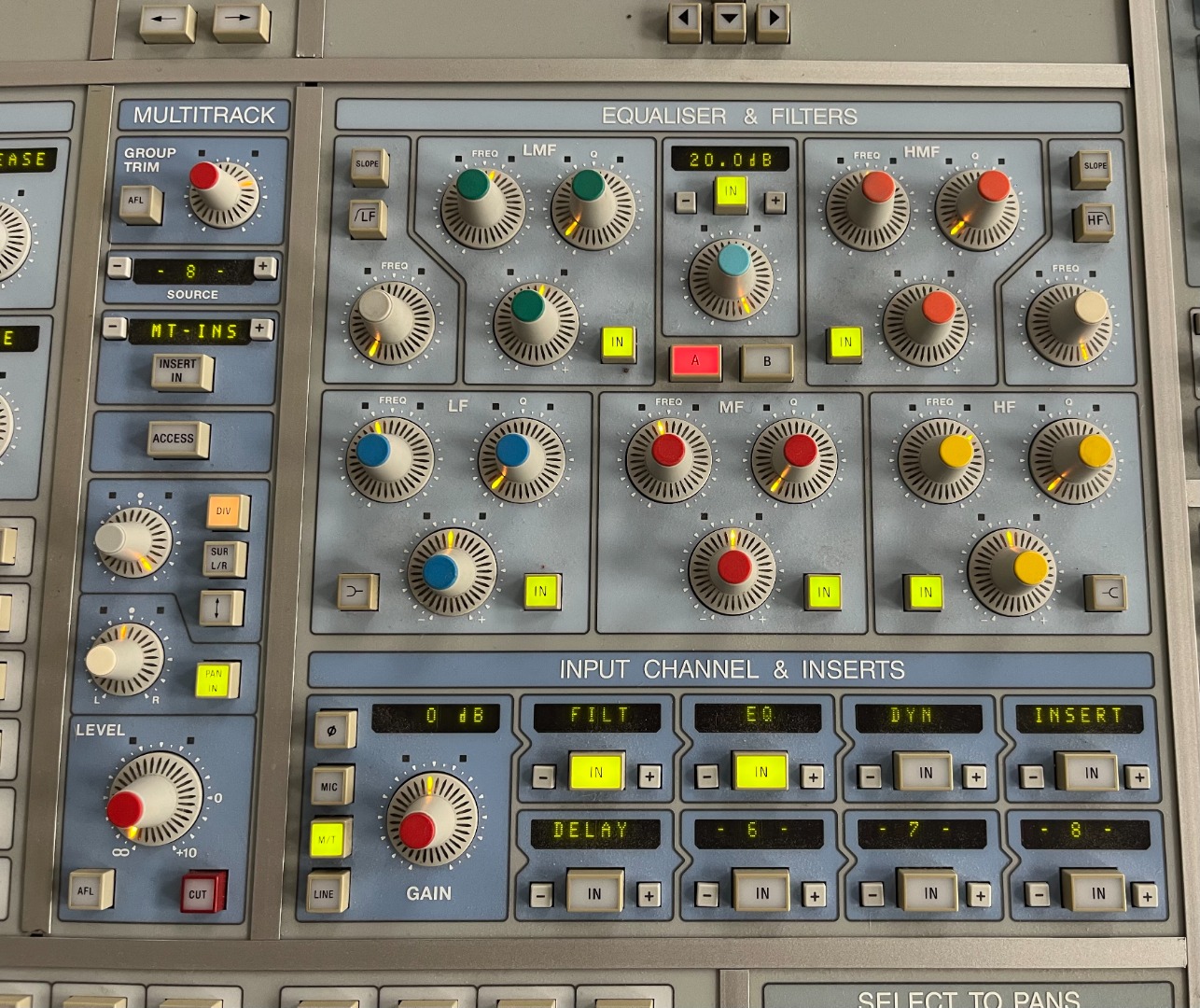
Rotate your phone to landscape for a better view of the strip.
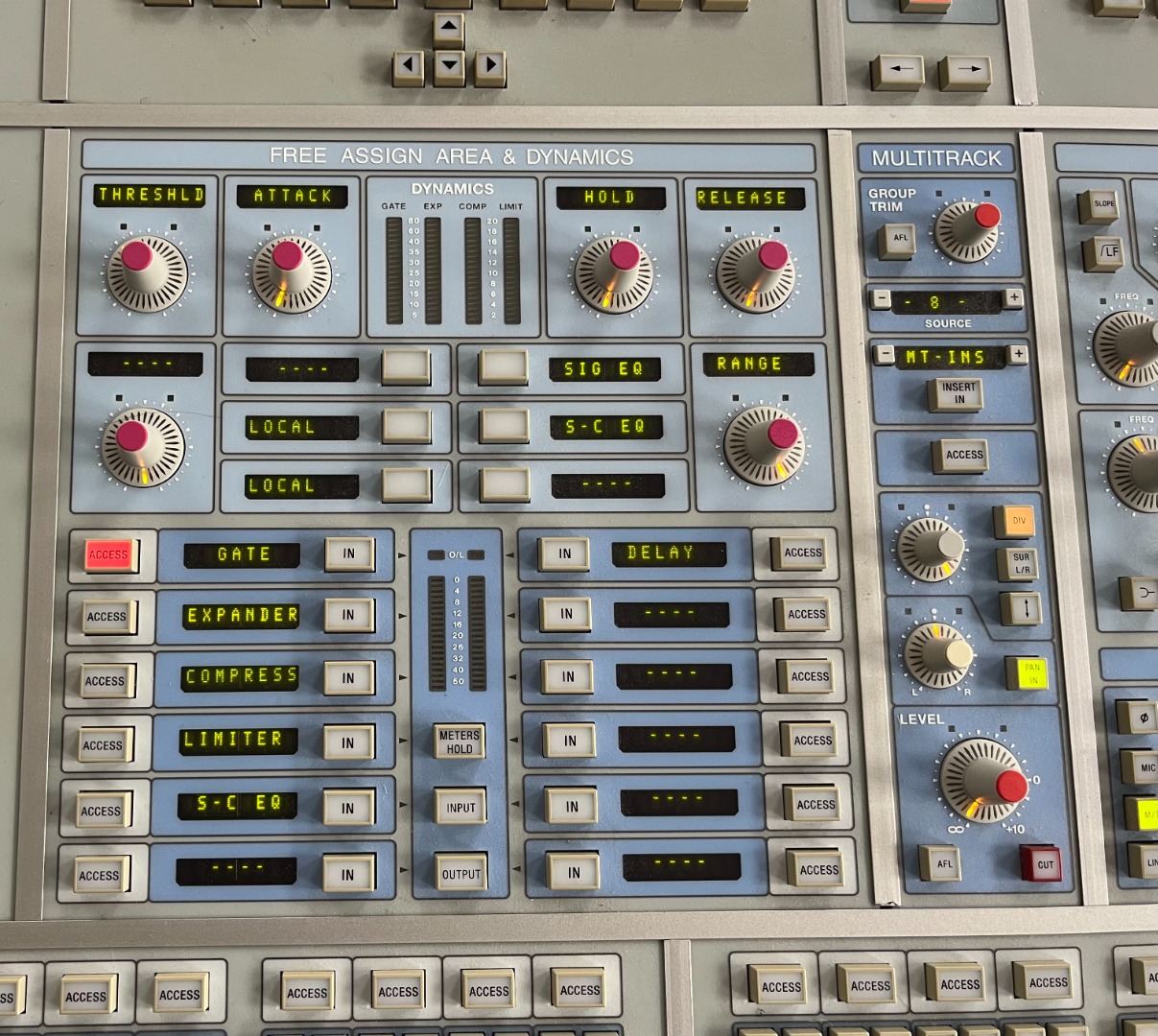
Rotate your phone to landscape for a better view of the strip.
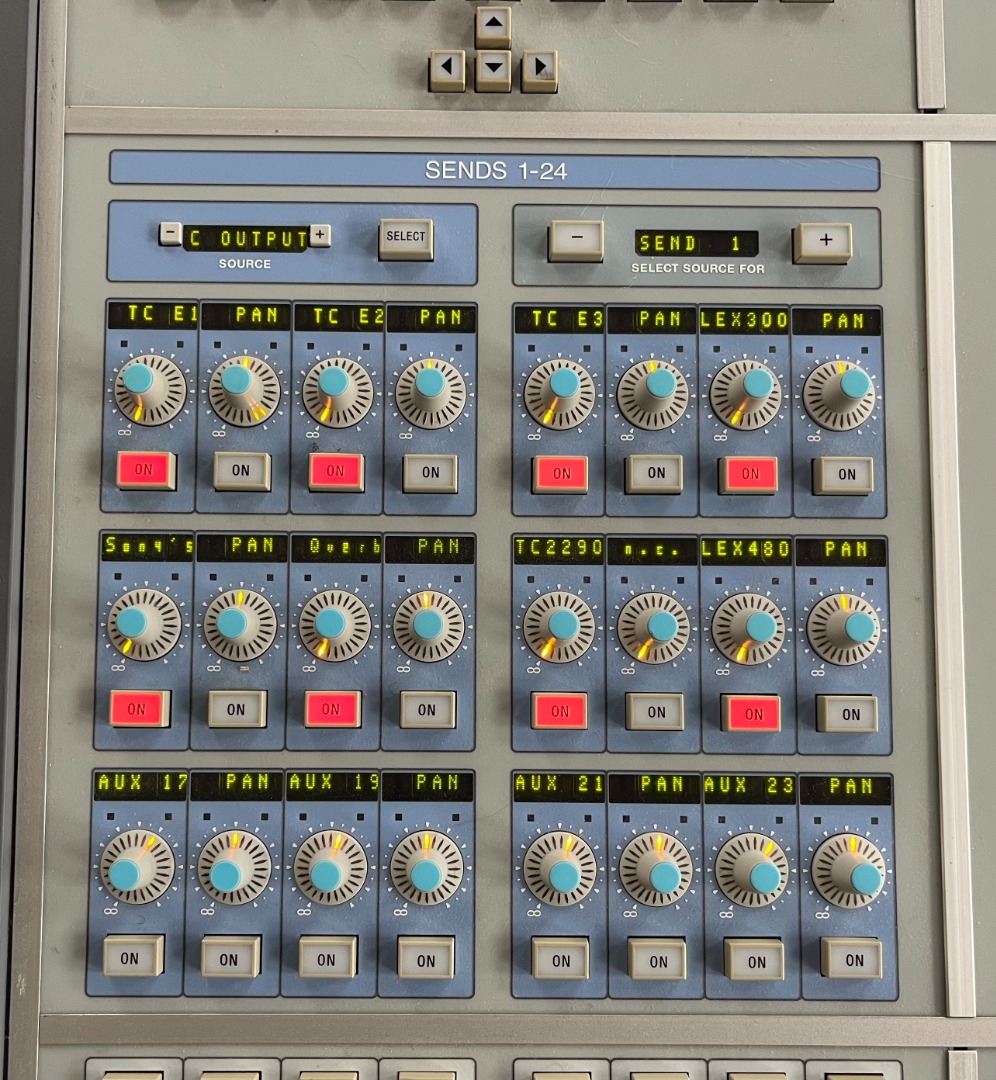
Rotate your phone to landscape for a better view of the strip.
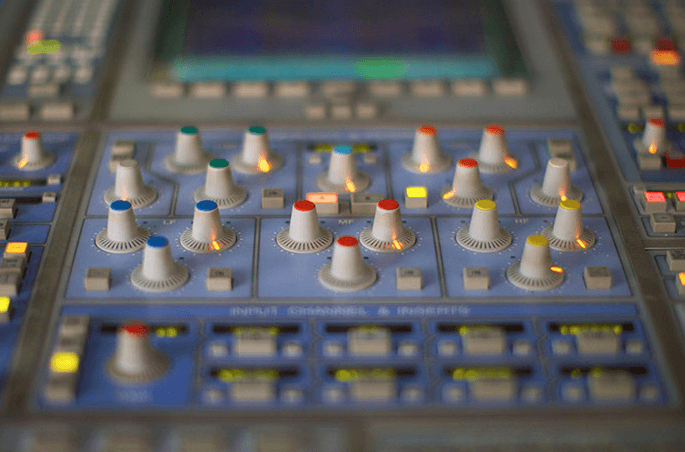
Rotate your phone to landscape for a better view of the strip.
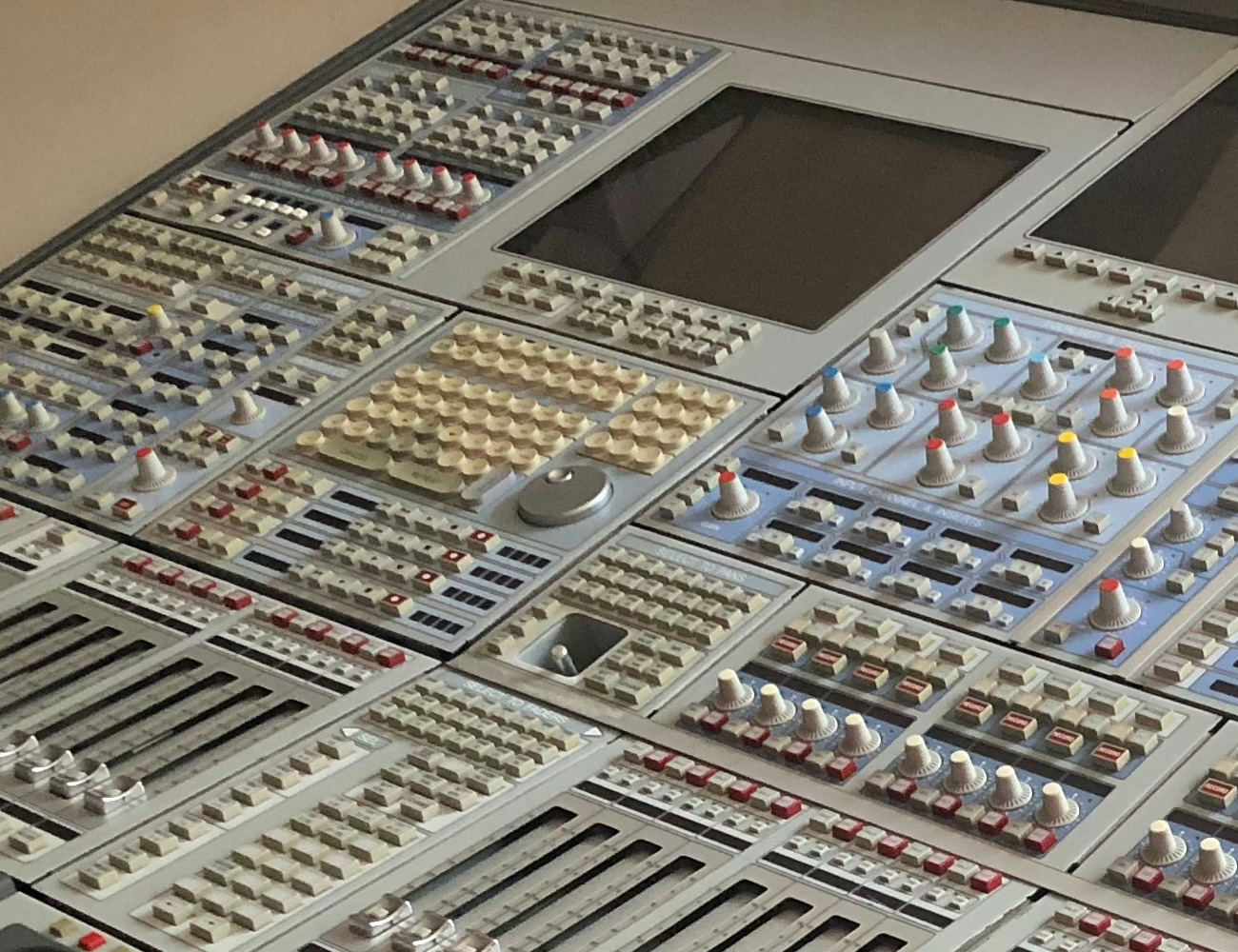
Rotate your phone to landscape for a better view of the strip.
Software
Other screenshots
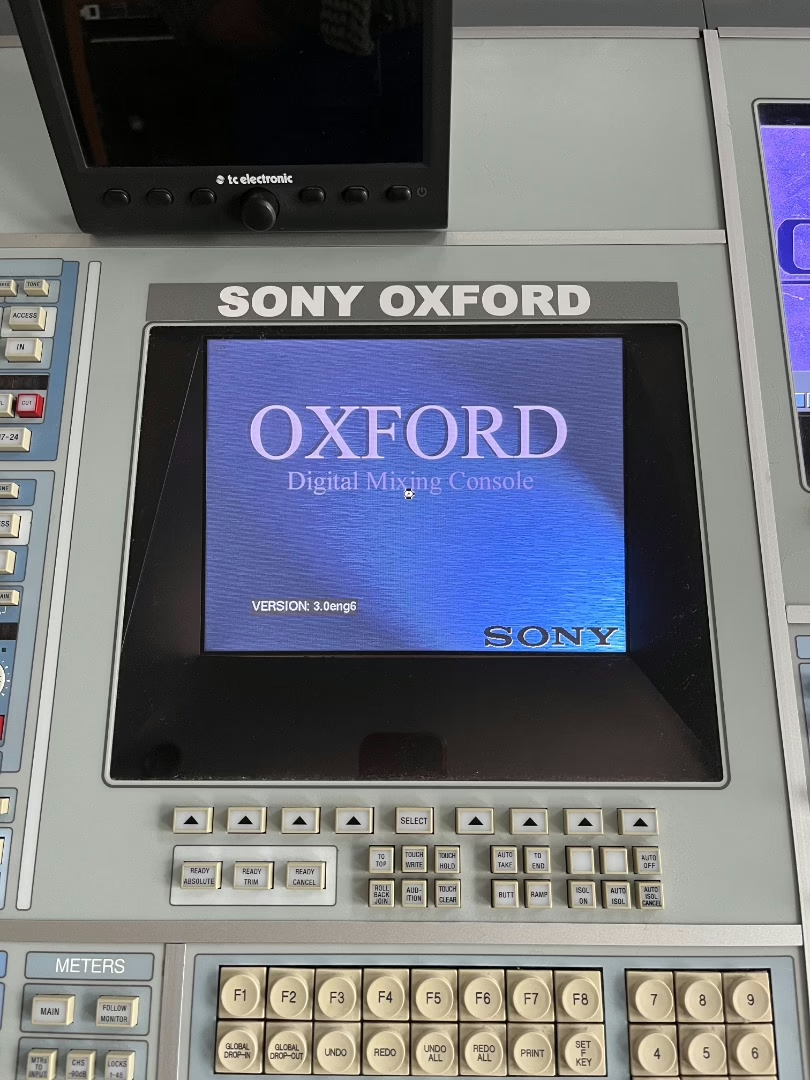
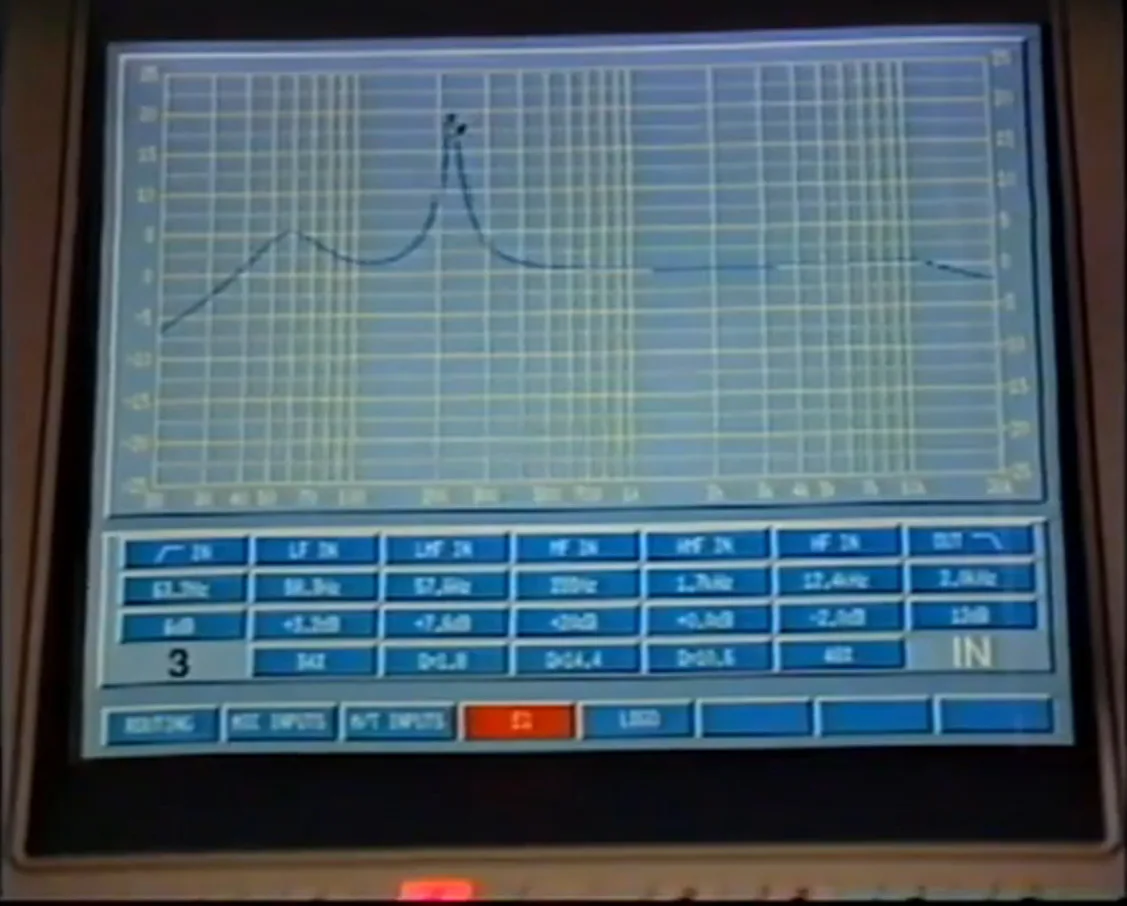
Editorial & artists
Our take
History & design
The Sony OXF-R3 'Oxford' was born of a technological gamble. In 1988, five engineers from Solid State Logic (Chris McCullough, Rod Densham, John East, Peter Eastty and Paul Frindle) founded Oxford Digital in Oxford, UK, to build a fully digital console at a time when the industry remained staunchly analogue. Paul Frindle, who had designed the SSL 4000 G-series channel strip among other things, led the project. In 1993 Sony Pro Audio Japan formalized the partnership and the entity became Sony Oxford.
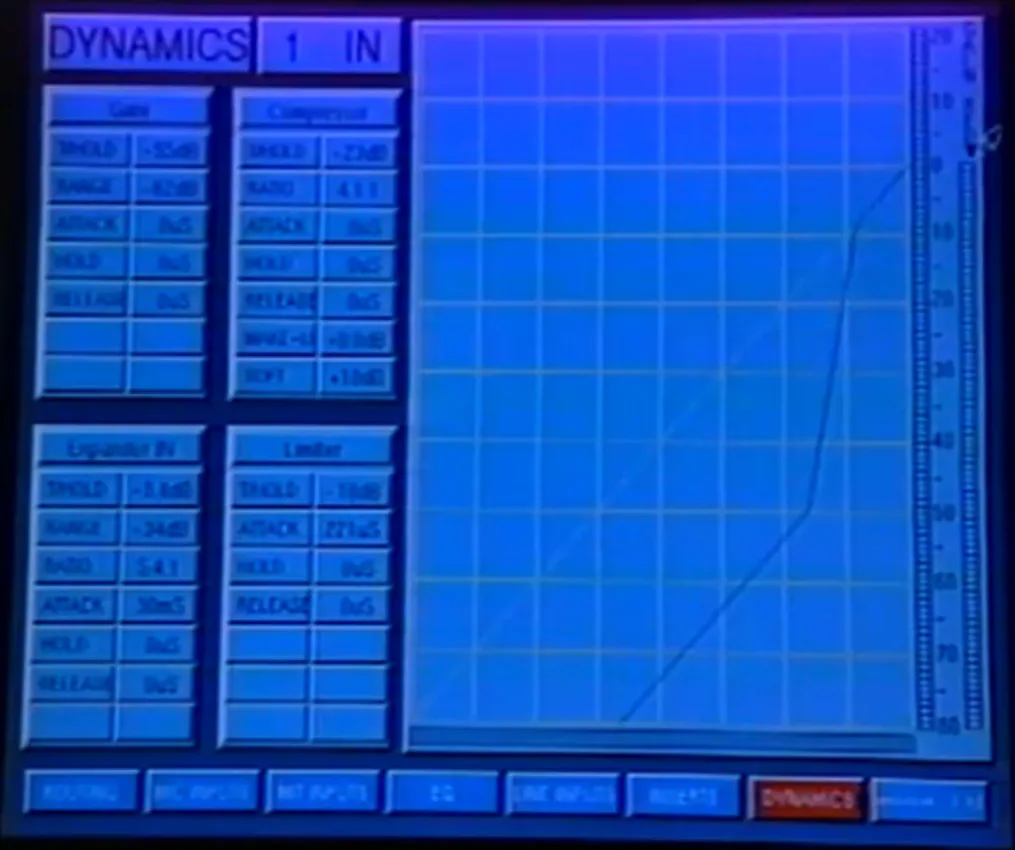
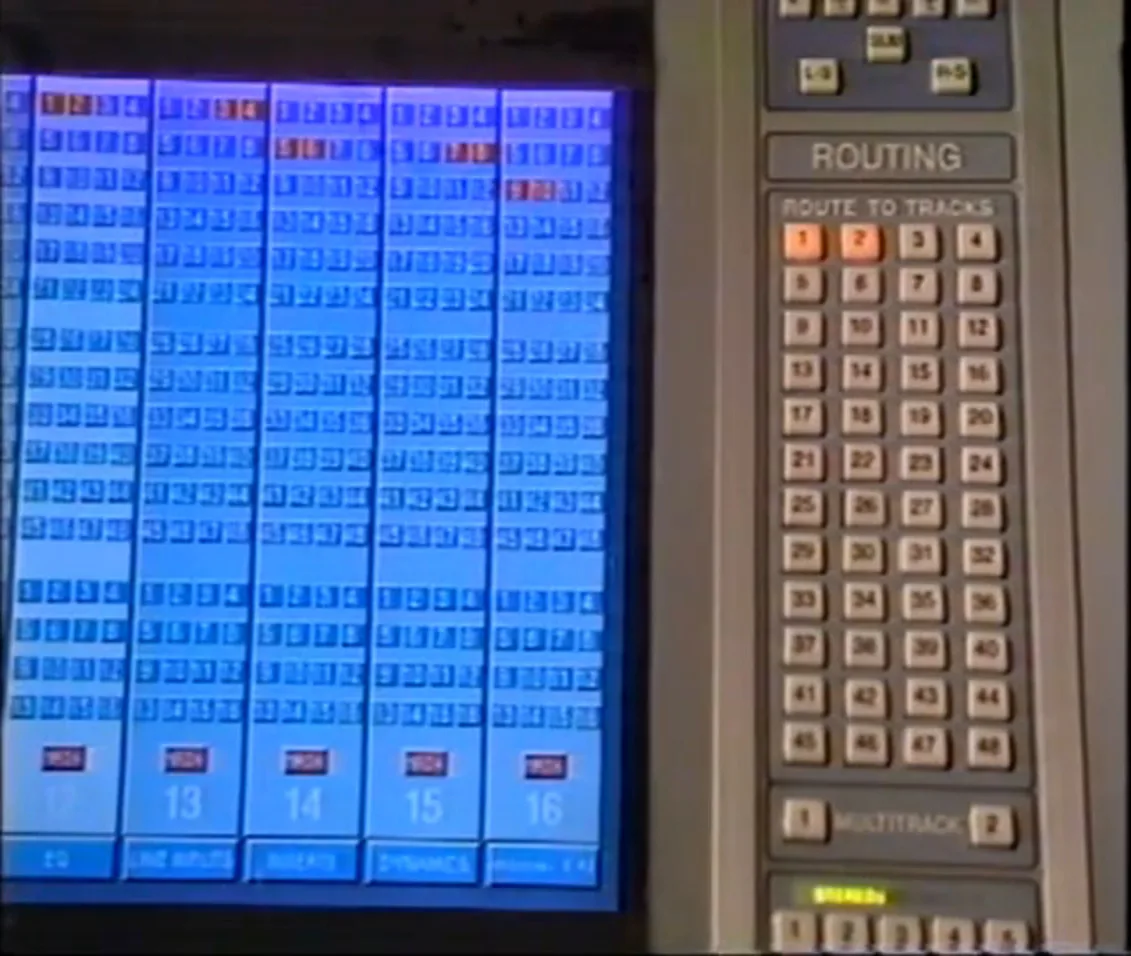
Unveiled at the 1995 AES show, the OXF-R3 was a digital behemoth: 96 full channels, 48 multitrack buses, 24 aux/side-chain buses each with dedicated filters, per-channel digital EQ and dynamics, surround busing and panning, dynamic automation and near-instant total recall. A modular architecture (I/O rack, DSP rack, and a 48- or 24-fader control surface), a MADI interface to DASH recorders, and a built-in diagnostics system all targeted the very top of studio and broadcast work.
Its price became legendary: on the order of a million dollars, making it one of the most expensive consoles ever produced and confining it to a handful of prestige studios. Frindle himself acknowledged that the pace of digital would render the machine obsolete almost at launch: the arrival of DAWs (Pro Tools) and plugins was about to shift the center of gravity of production.
That is exactly where its legacy lies. In the late 1990s, Paul Ryder, a member of the development team, ported the OXF-R3's channel processing to plugins, first sold under the Sony Oxford brand on TC Electronic and Digidesign platforms. After the Sony Oxford venture ended in 2006, Frindle and Ryder carried on, and those processors live today as Sonnox Oxford (Oxford EQ, Oxford Dynamics, etc.). The vendor explicitly claims that lineage: the Oxford EQ 'traces its heritage back to the revered, million-dollar Sony OXF-R3 digital console.'
- Paul Frindle, Co-founder of Oxford Digital, application design and audio processing
- Paul Ryder, Development team member / plugin porting
- John East, Ergonomics / operational aspects
- Peter Eastty, Co-founder and chief engineer of Oxford Digital
- Chris McCullough, Oxford Digital co-founder
- Rod Densham, Oxford Digital co-founder
Notable users
Videos
Sony Oxford Digital Audio Mixing Console : vidéo de présentation (promo Sony)
Sony OXF-R3 Digital Console : démonstration
Links
- Manufacturer Sony Professional Audio: Story chapter 4 (OXF-R3) sony.co.jp
- Press article Sound on Sound, “Richard Chappell: Recording Peter Gabriel's Up” (OXF-R3 use at Real World) soundonsound.com
- Personal site Little Devil Studios: detailed history of the OXF-R3 littledevilstudios.com.au
- Forum Gearspace : Sony OXF-R3 (Oxford) Console thoughts gearspace.com
- Archive Sony Oxford OXF-R3 (Genesis: A Gear Revelation Wiki) genesisgearrevelation.miraheze.org
- Manufacturer Sonnox Oxford EQ: legacy of the OXF-R3 sonnox.com
Related consoles
Some merchant links are affiliate links. Purchases may support Digital Mixing at no extra cost.
Documents are archived locally for preservation. Source credited. Takedown requests: [email protected]