


Description
Technical
Specifications
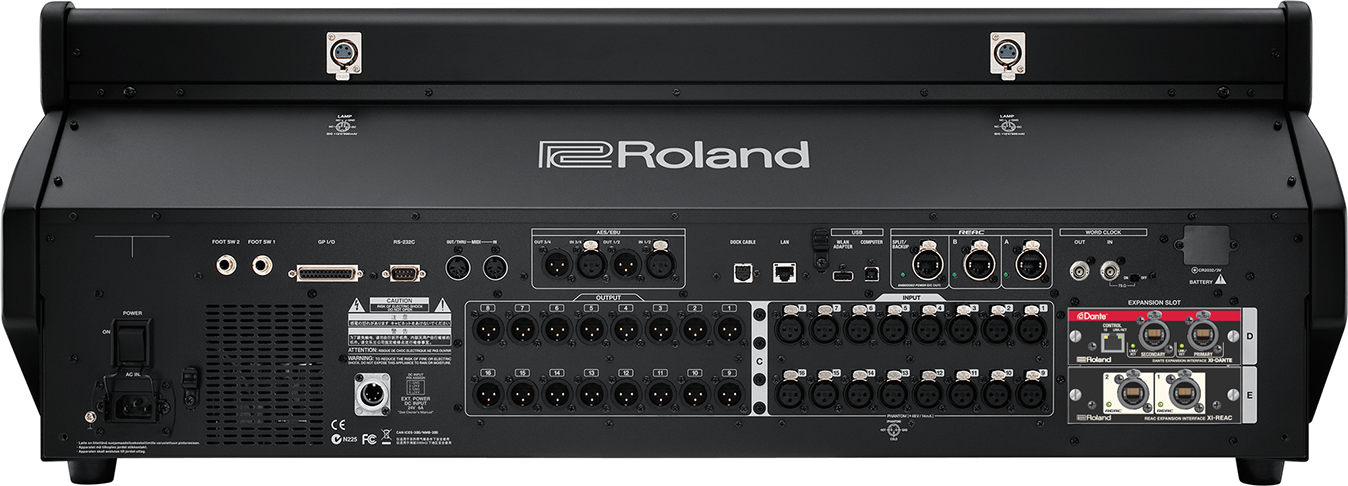
Inputs / Outputs
| Mic inputs | 16 |
|---|---|
| Total outputs | 16 |
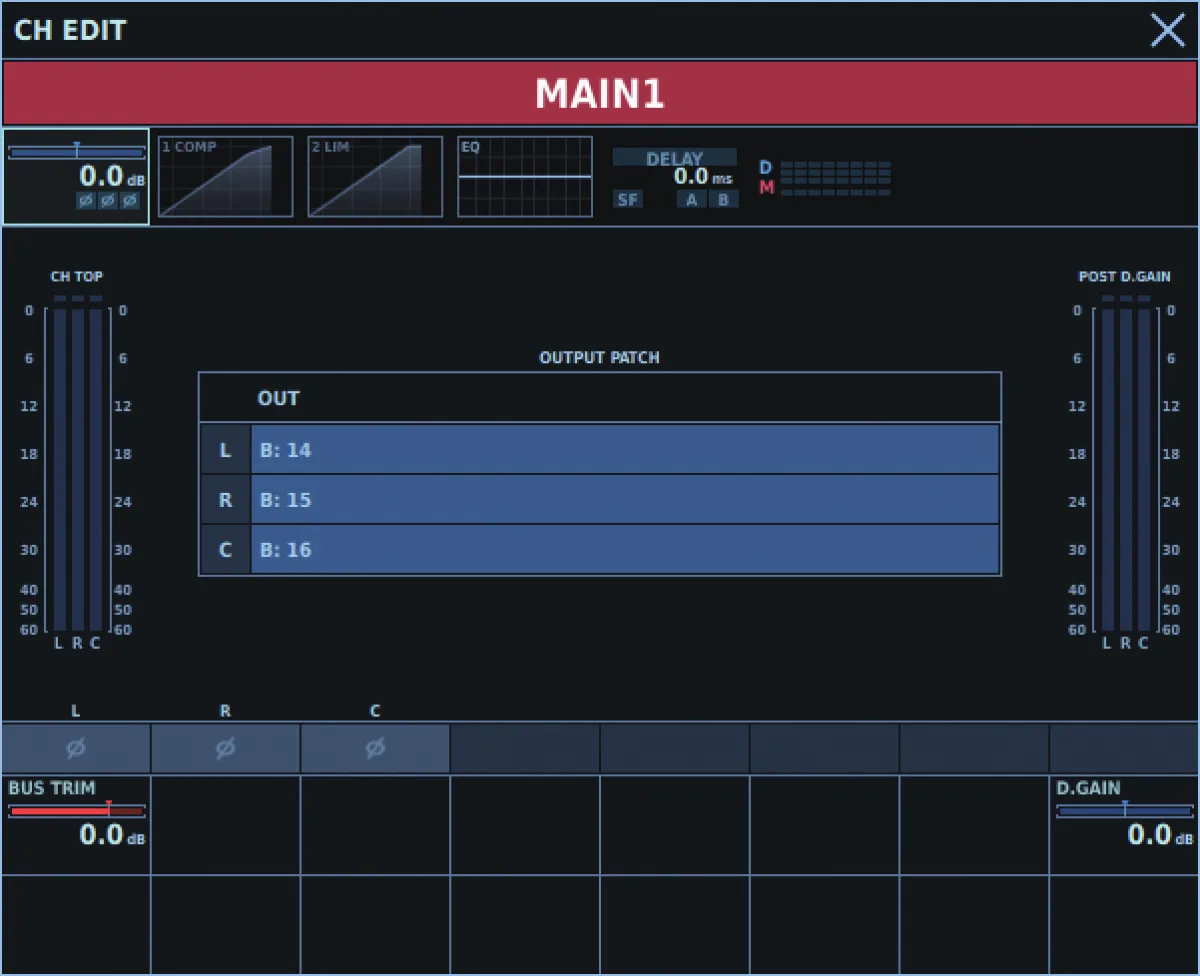
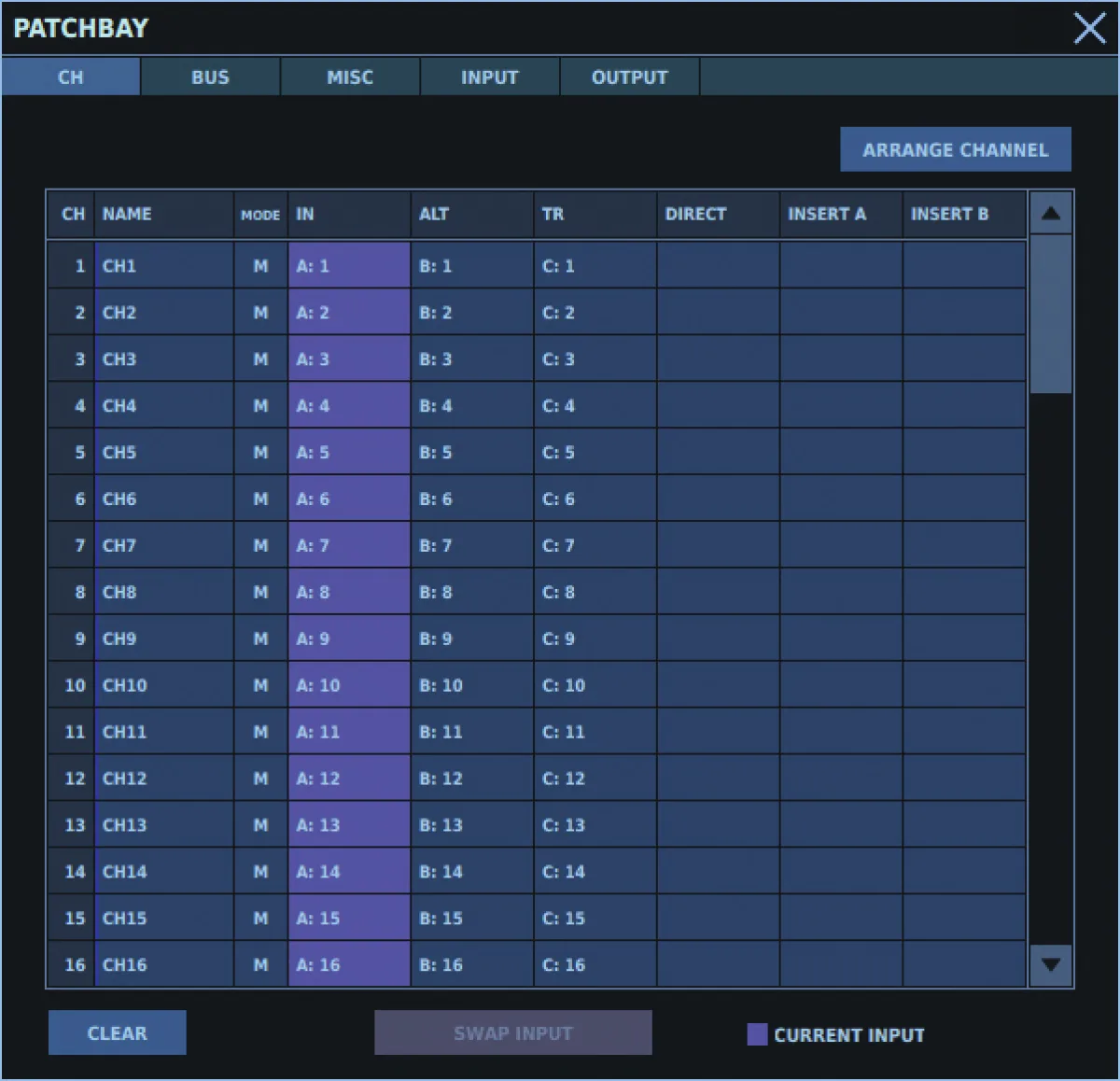
| Inputs / outputs | Up to ~300 inputs / ~296 outputs managed via patchbays depending on configuration |
Processing
| Max sample rate | 96 kHz |
|---|---|
| Bit depth | 24 bits |
| Processing resolution | 72 bits |
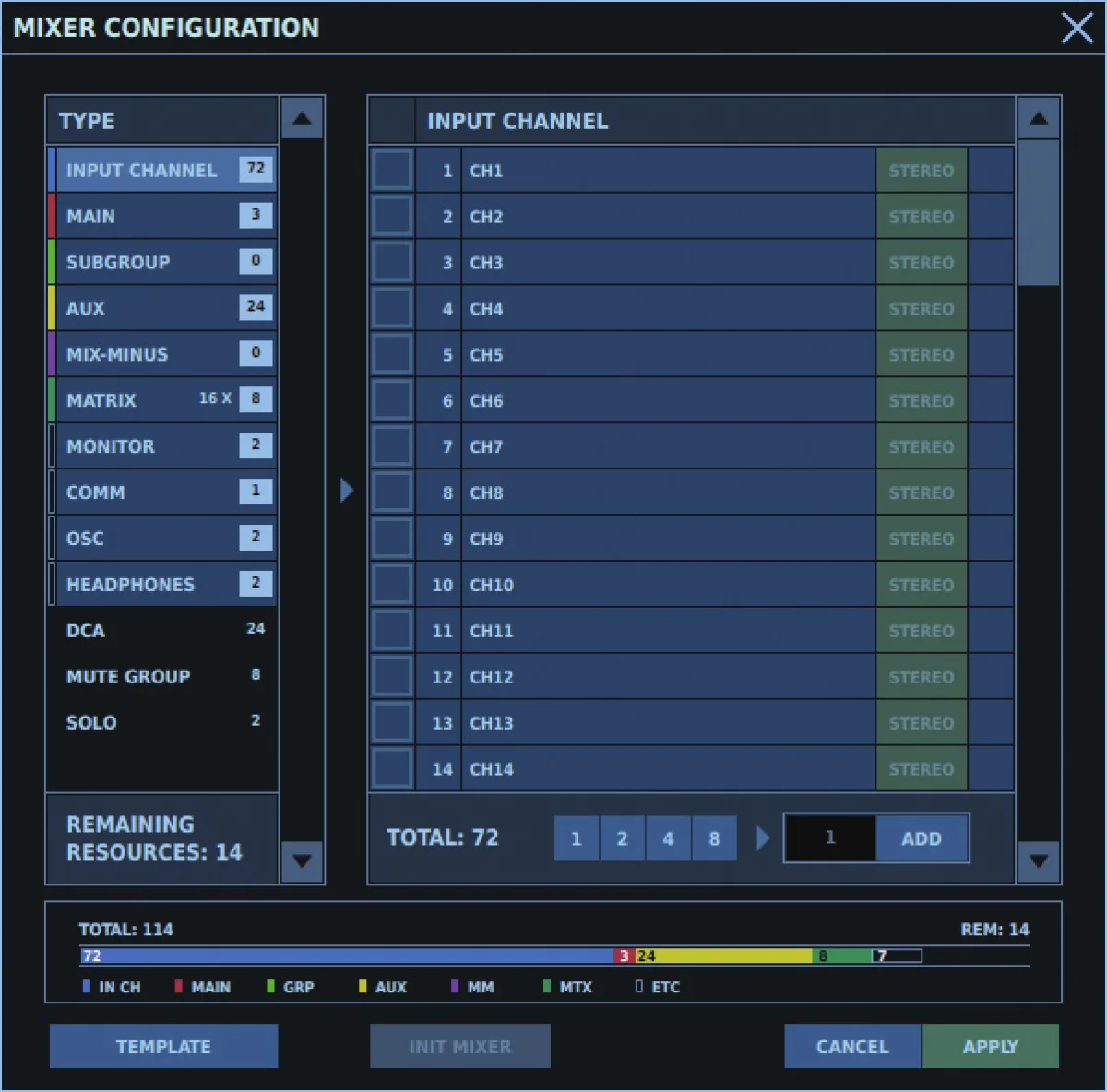
| Architecture | O.H.R.C.A. — configurable topology, up to 128 channels/buses freely allocated (input channels, mix buses, matrices, groups) |
| Sample rate | Native 96 kHz |
| Audio performance | 72-bit linear summing |
Surface
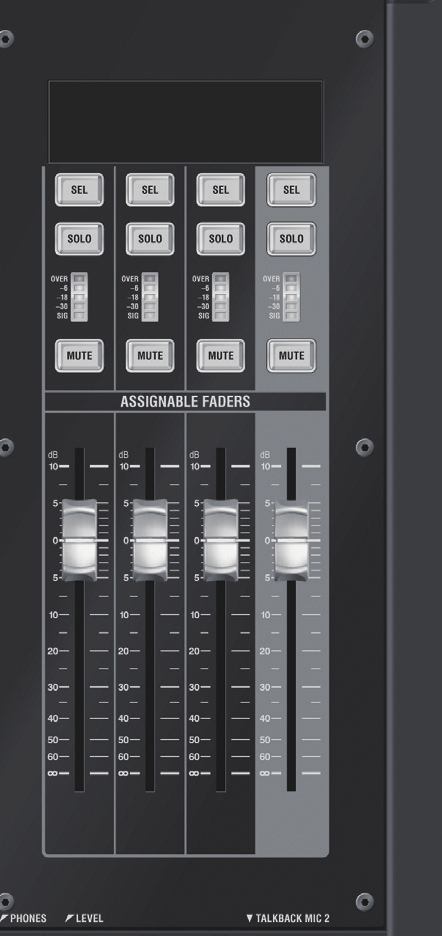
| Motorized faders | Yes |
|---|---|
| Screens | 1 |
| Touchscreen | Yes |
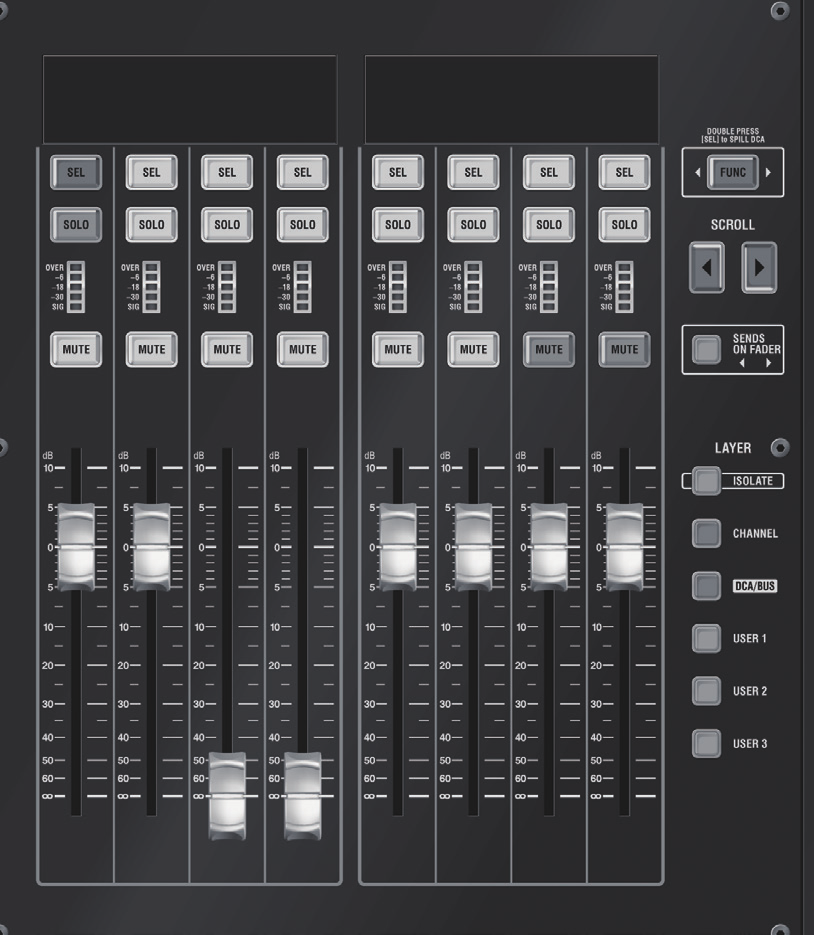
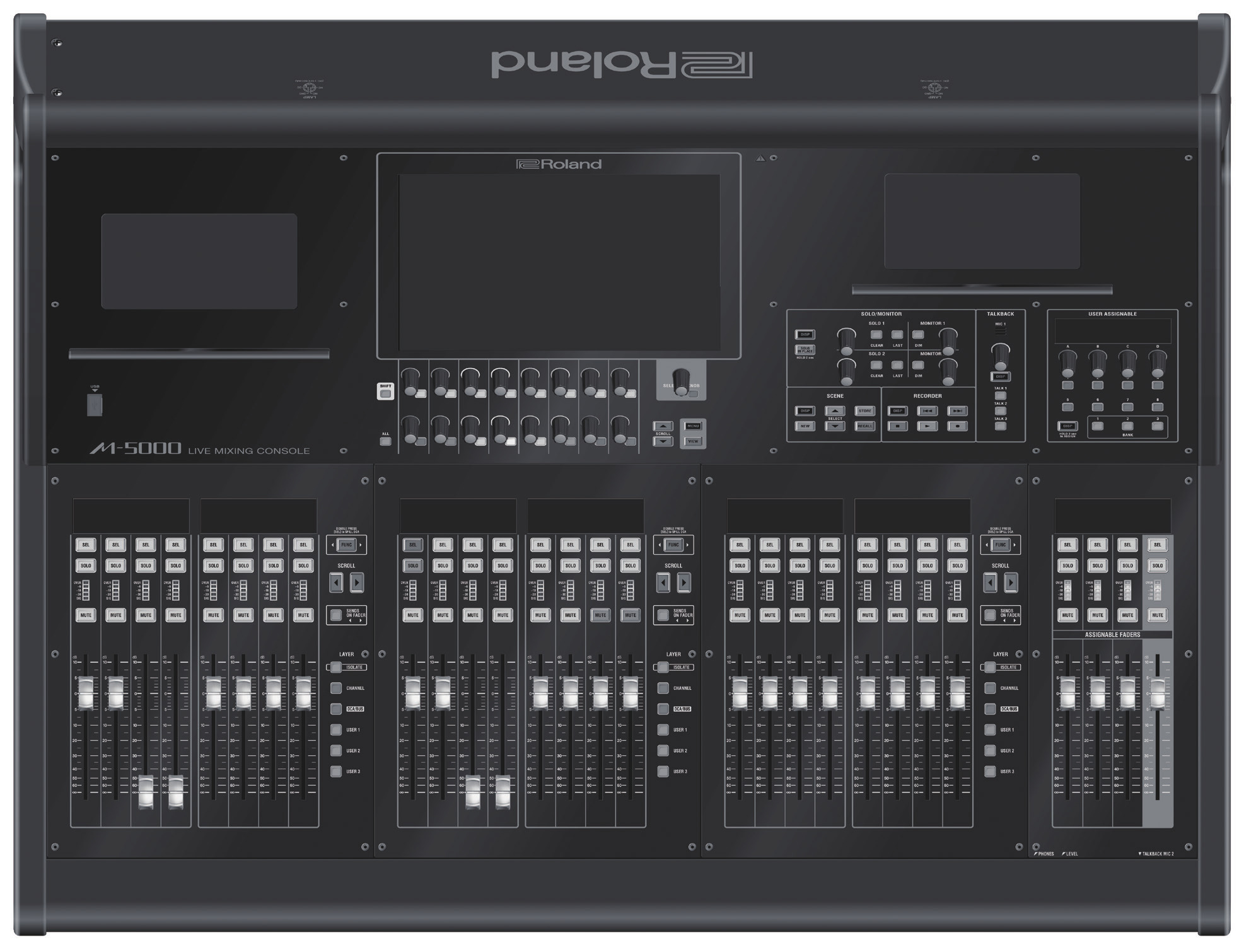
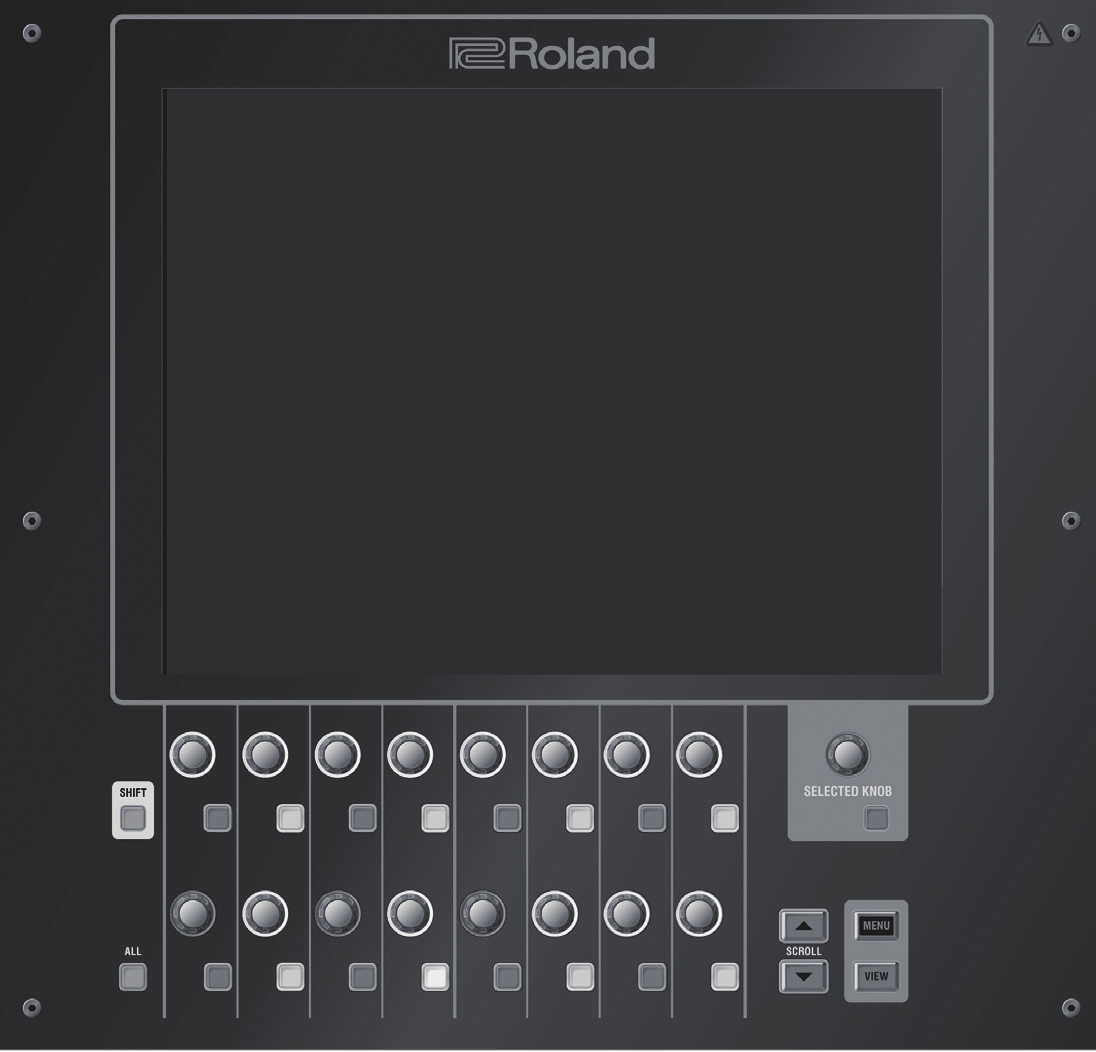
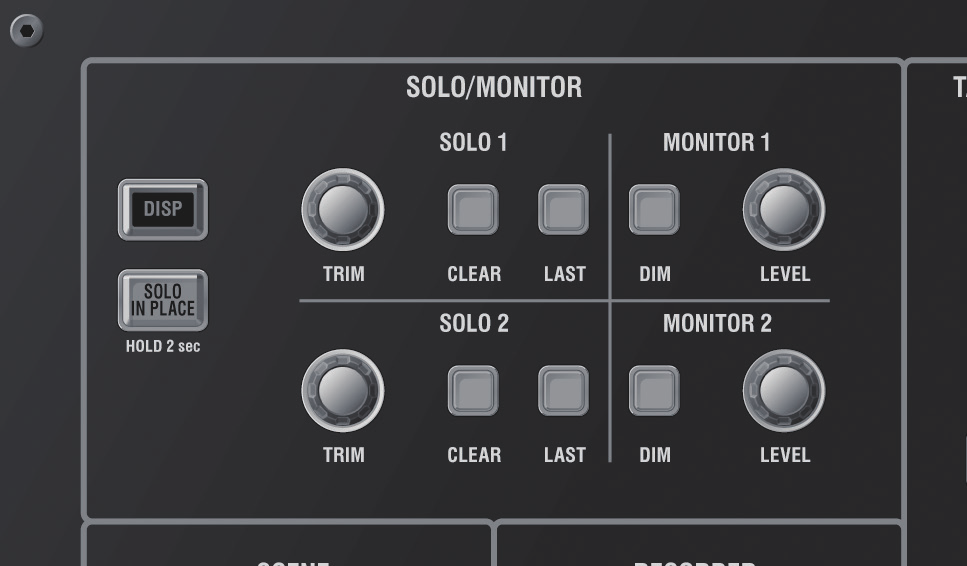
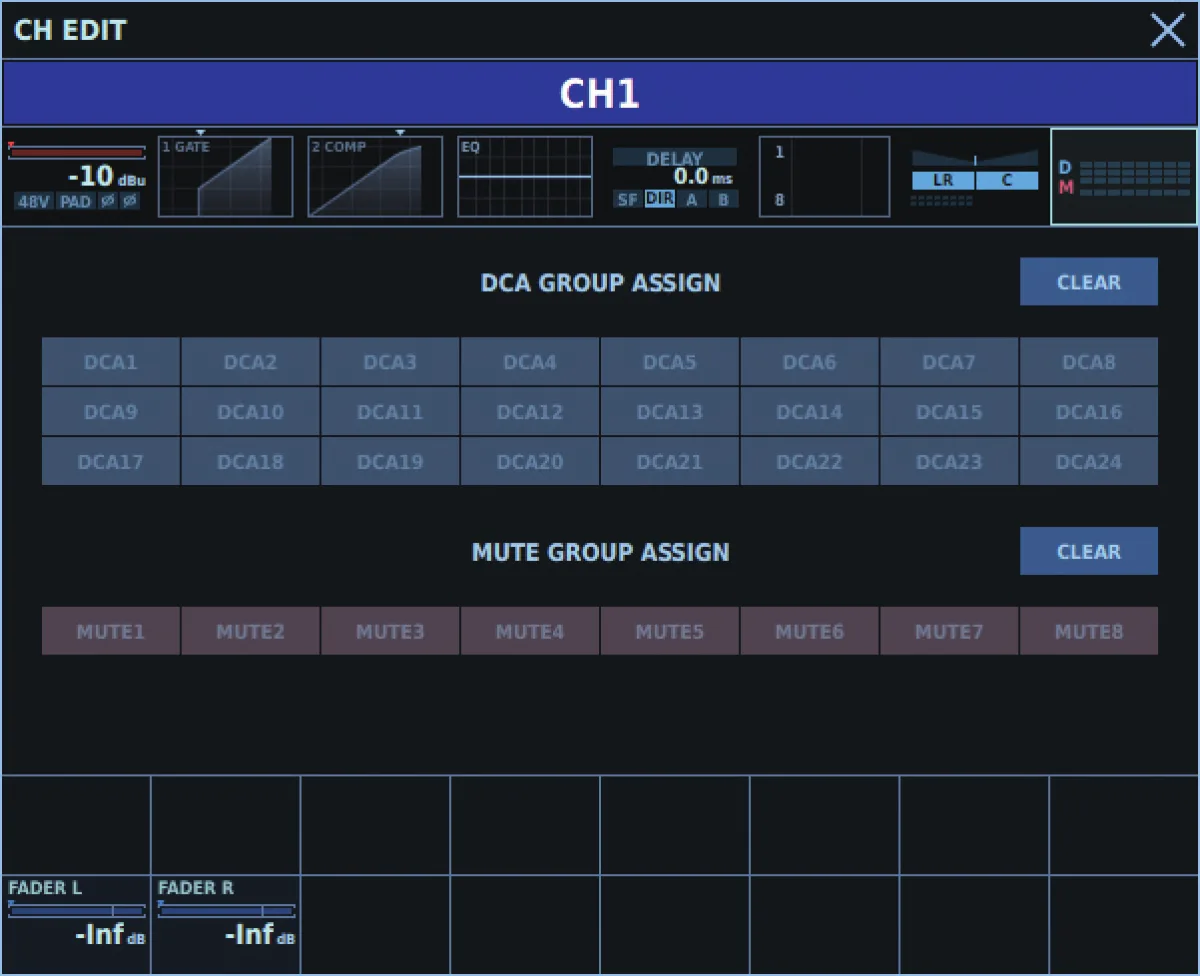
| Control surface | Large colour touchscreen, motorised faders, user-assignable area (physical fader count to be verified) |
Recording
| Onboard recording | No |
|---|
Networking
| Networking & protocols | Network / Dante / MADI / AES/EBU / SoundGrid / USB |
|---|---|
| Redundant PSU | Yes |
| Redundant networking | No |
| Audio networking | Proprietary REAC transport; Dante, MADI, Waves SoundGrid, AES/EBU, SDI, SFP, DVI expansion cards |
Physical
| Width | 934 mm |
|---|---|
| Depth | 725 mm |
| Height | 346 mm |
| Weight | 36 kg |
Power
| Power draw | 180 W |
|---|
Other
| Variants and configurations | Compact version M-5000C (2016) |
|---|
Strip & details
Rotate your phone to landscape for a better view of the strip.
Rotate your phone to landscape for a better view of the strip.
Rotate your phone to landscape for a better view of the strip.
Rotate your phone to landscape for a better view of the strip.
Rotate your phone to landscape for a better view of the strip.
Rotate your phone to landscape for a better view of the strip.
Rotate your phone to landscape for a better view of the strip.
Software
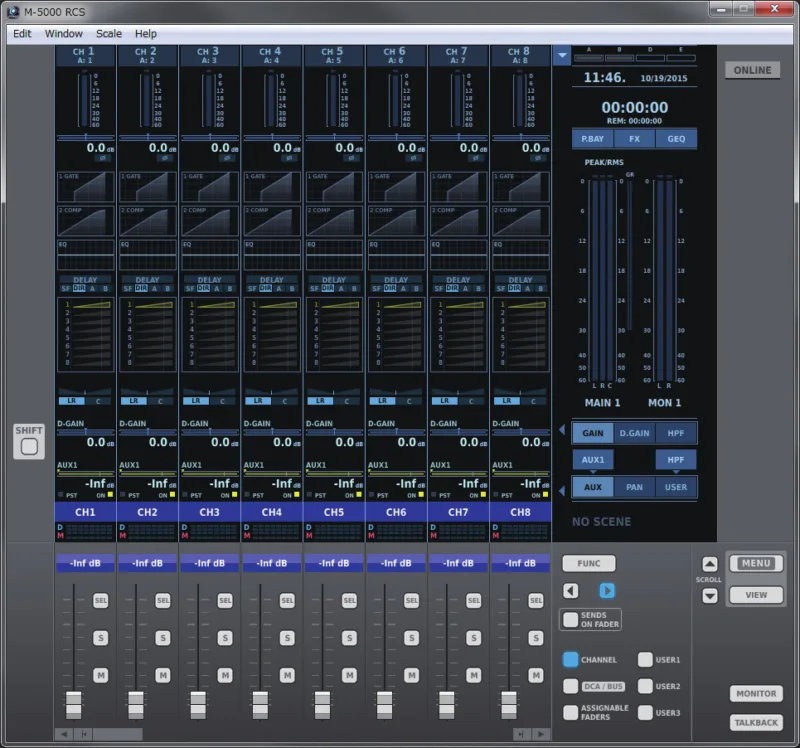
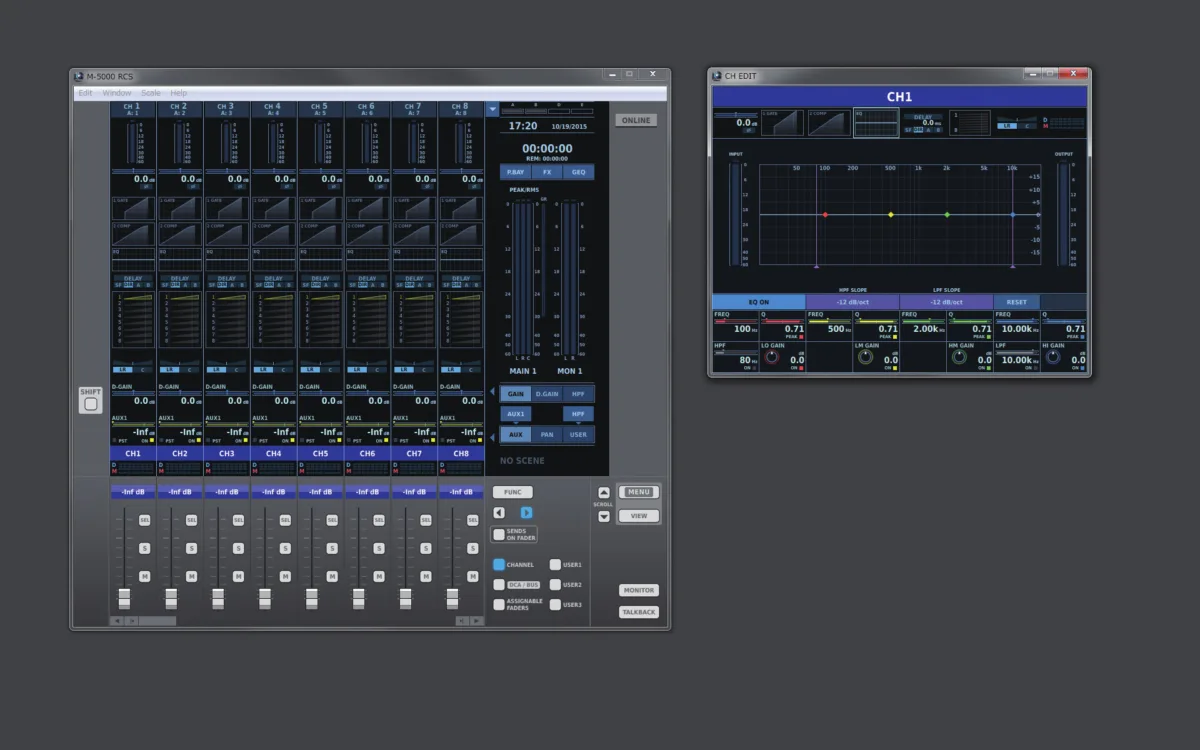
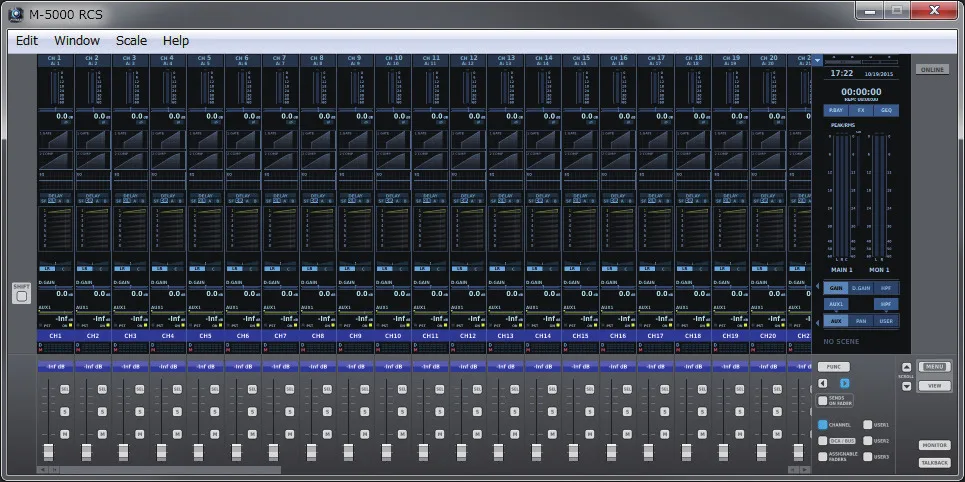
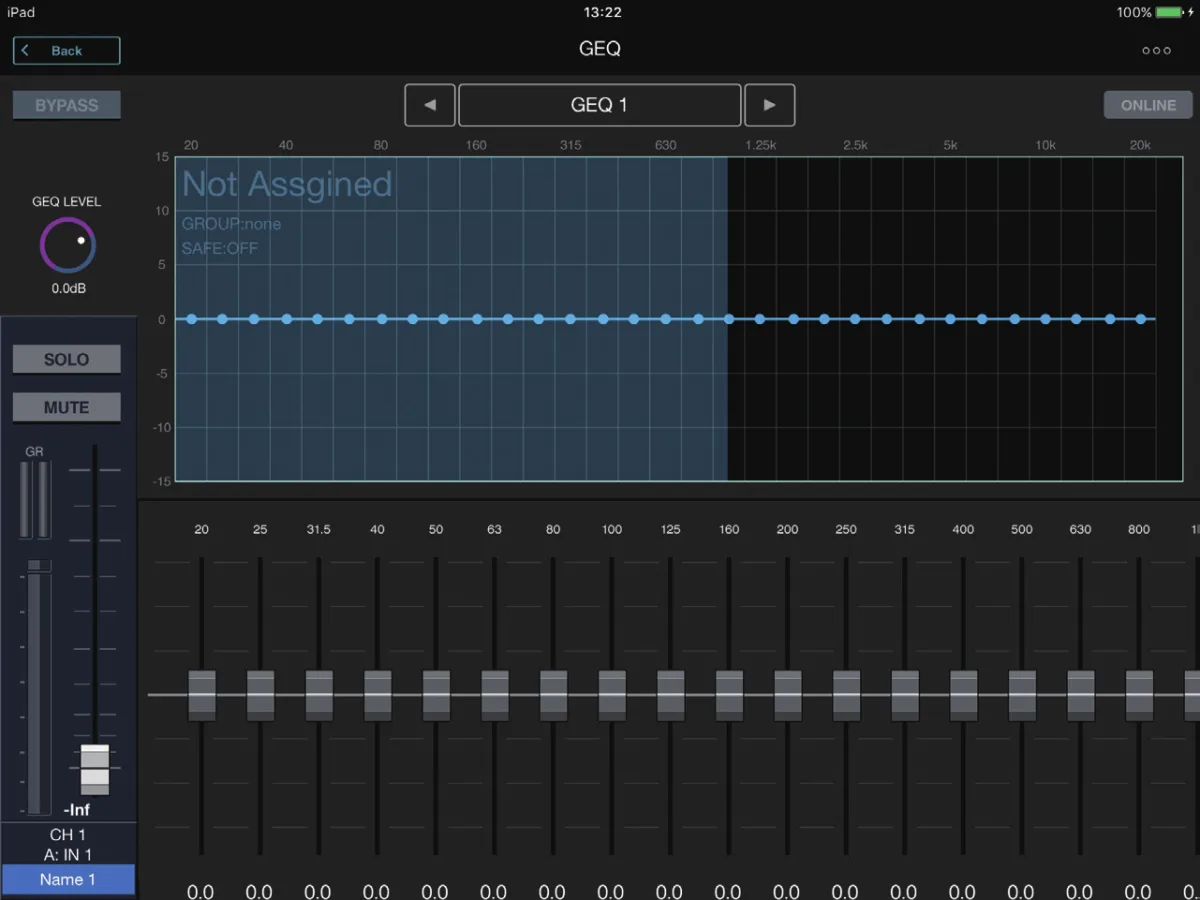
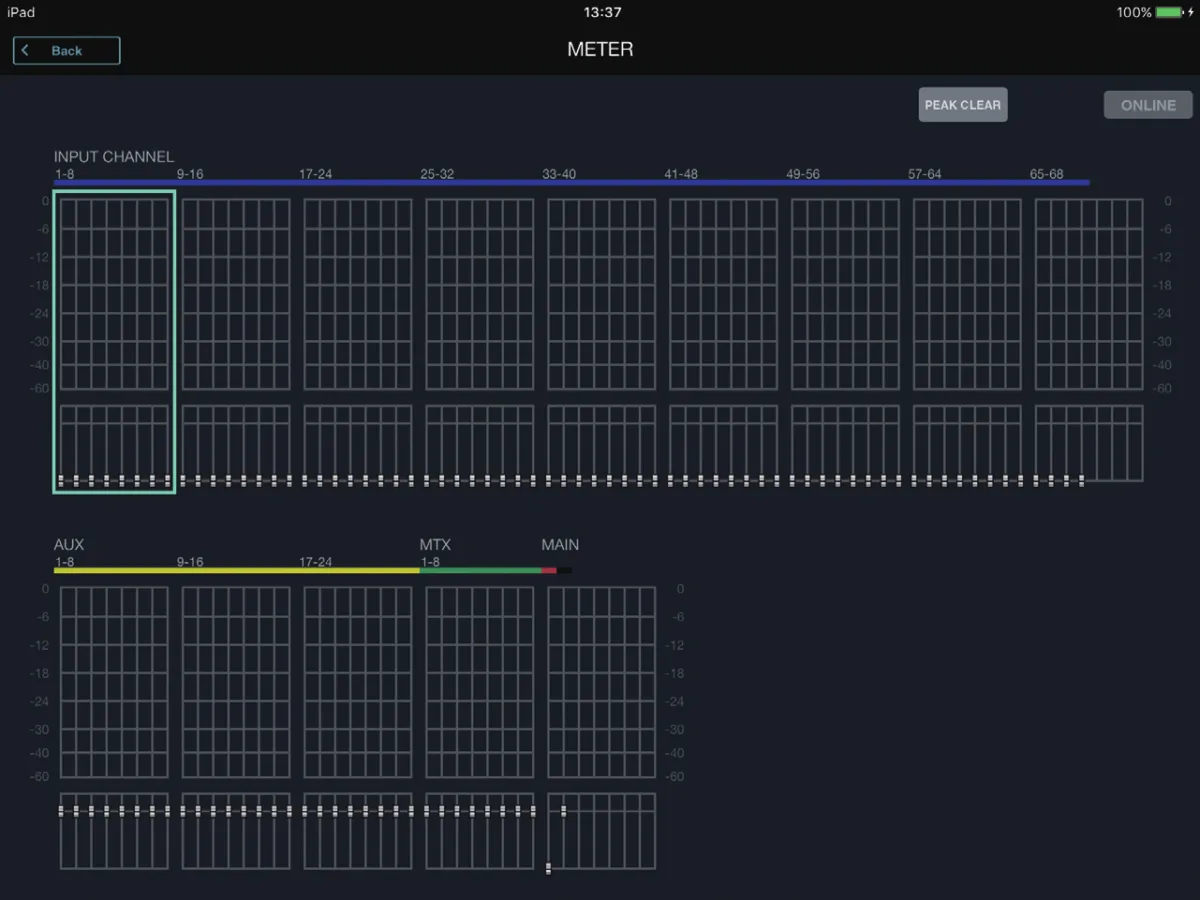
 M-5000 Remote Control (RCS)Official remote-control software for the M-5000: offline setup, control and monitoring of the console from a computer or tablet.Download
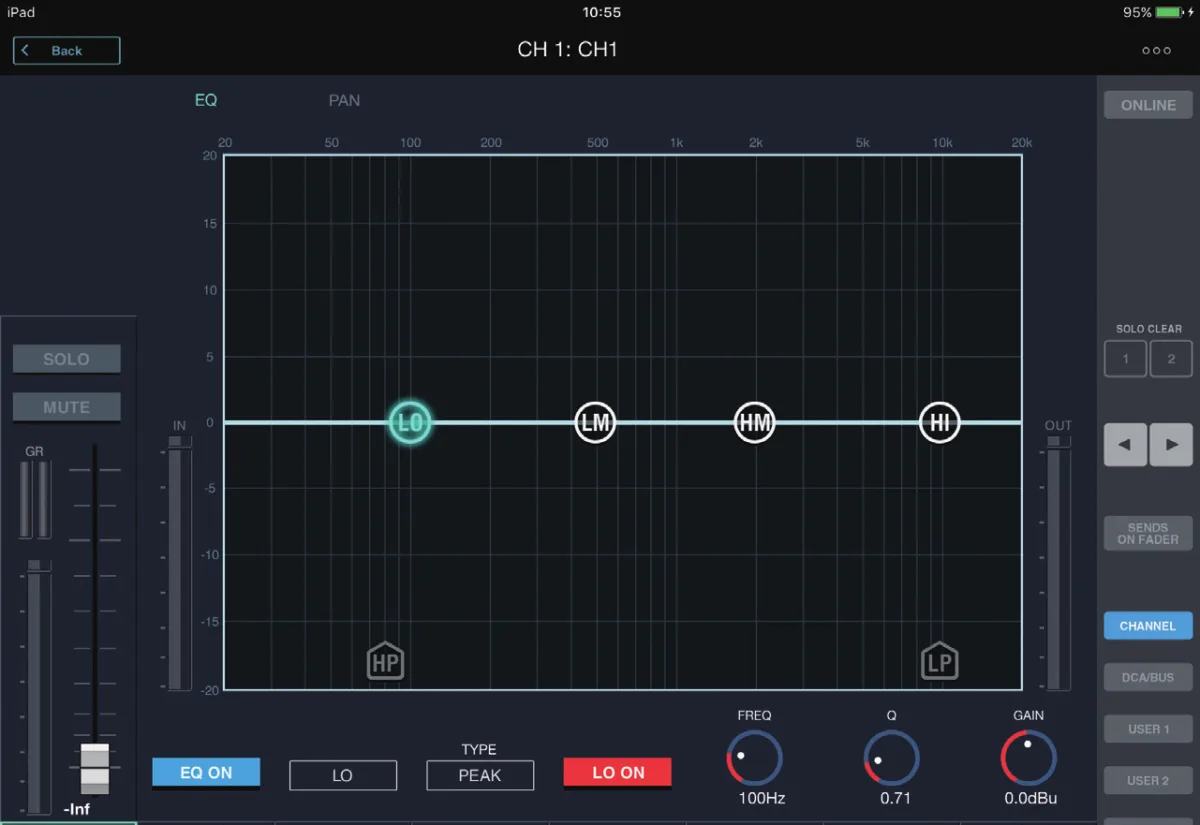
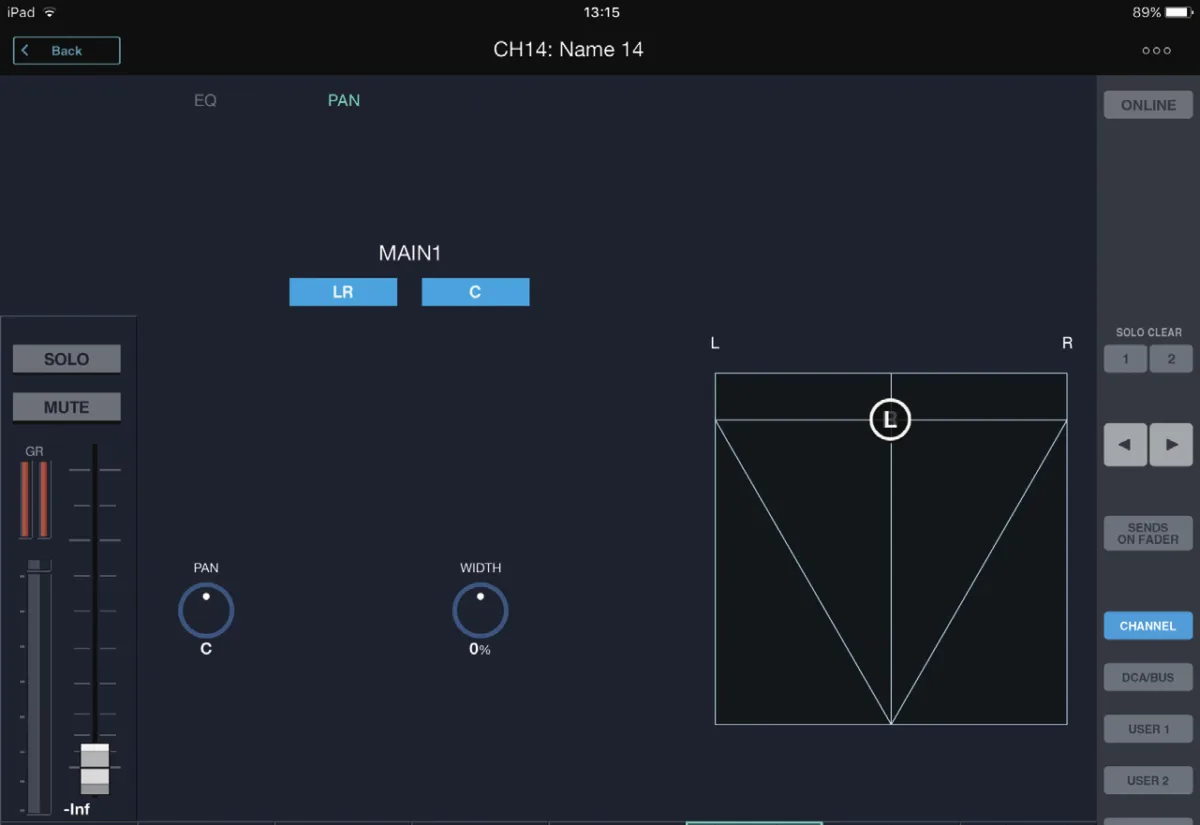
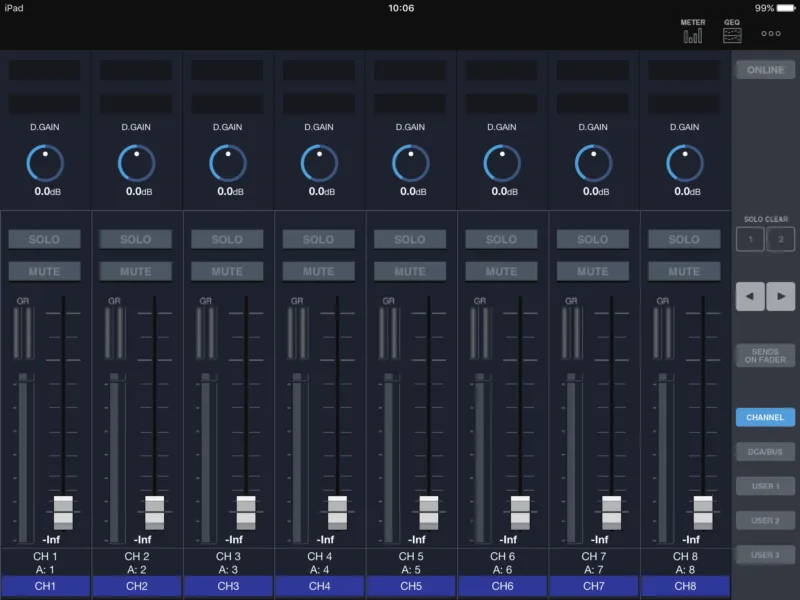 M-5000 Remote v1.0.1Download
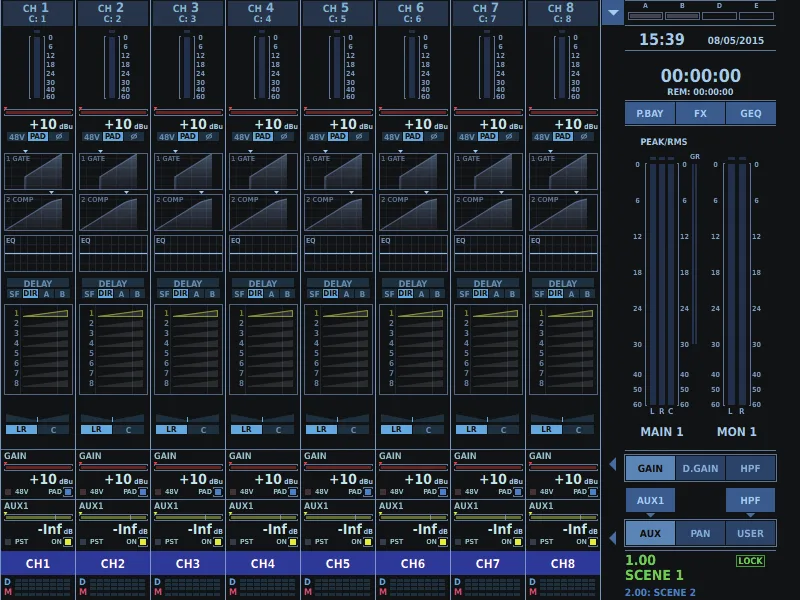
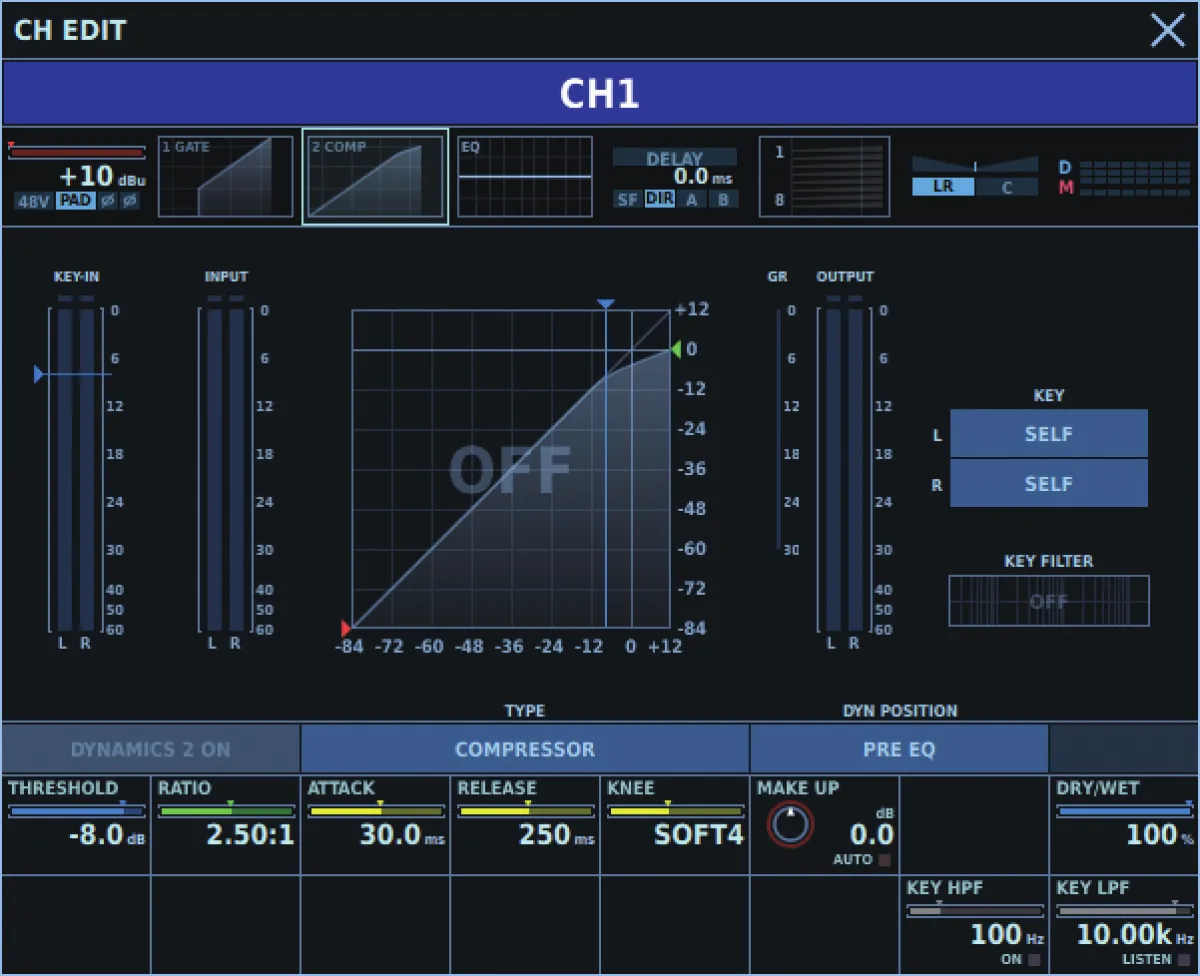
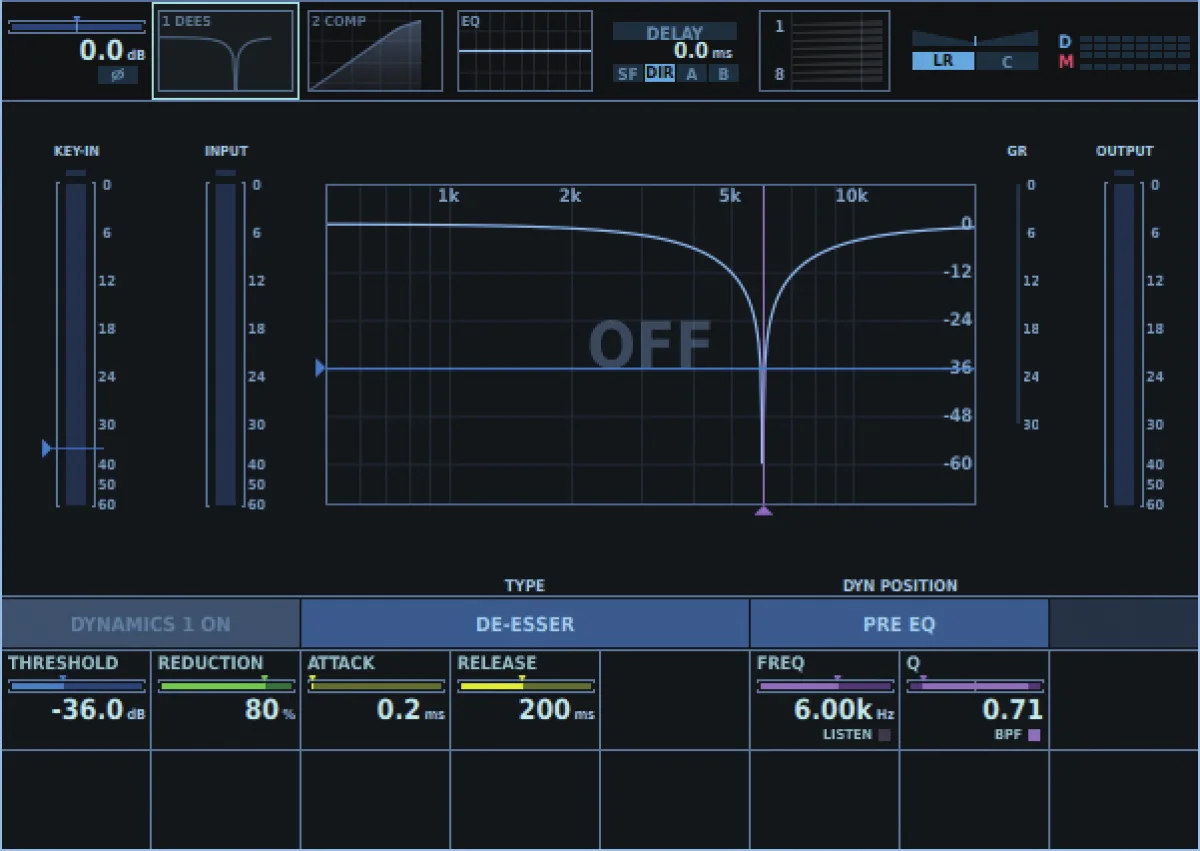
Other screenshots
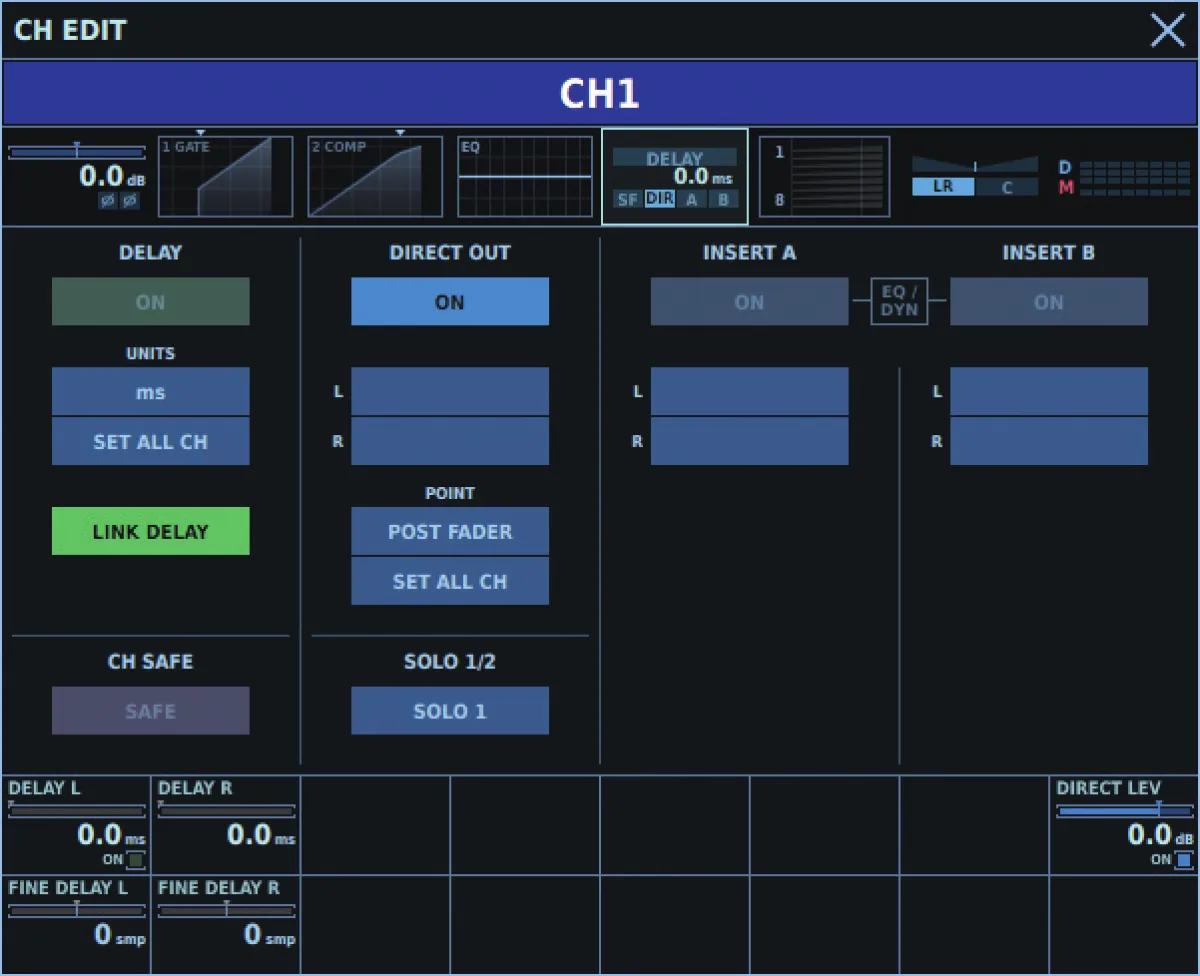
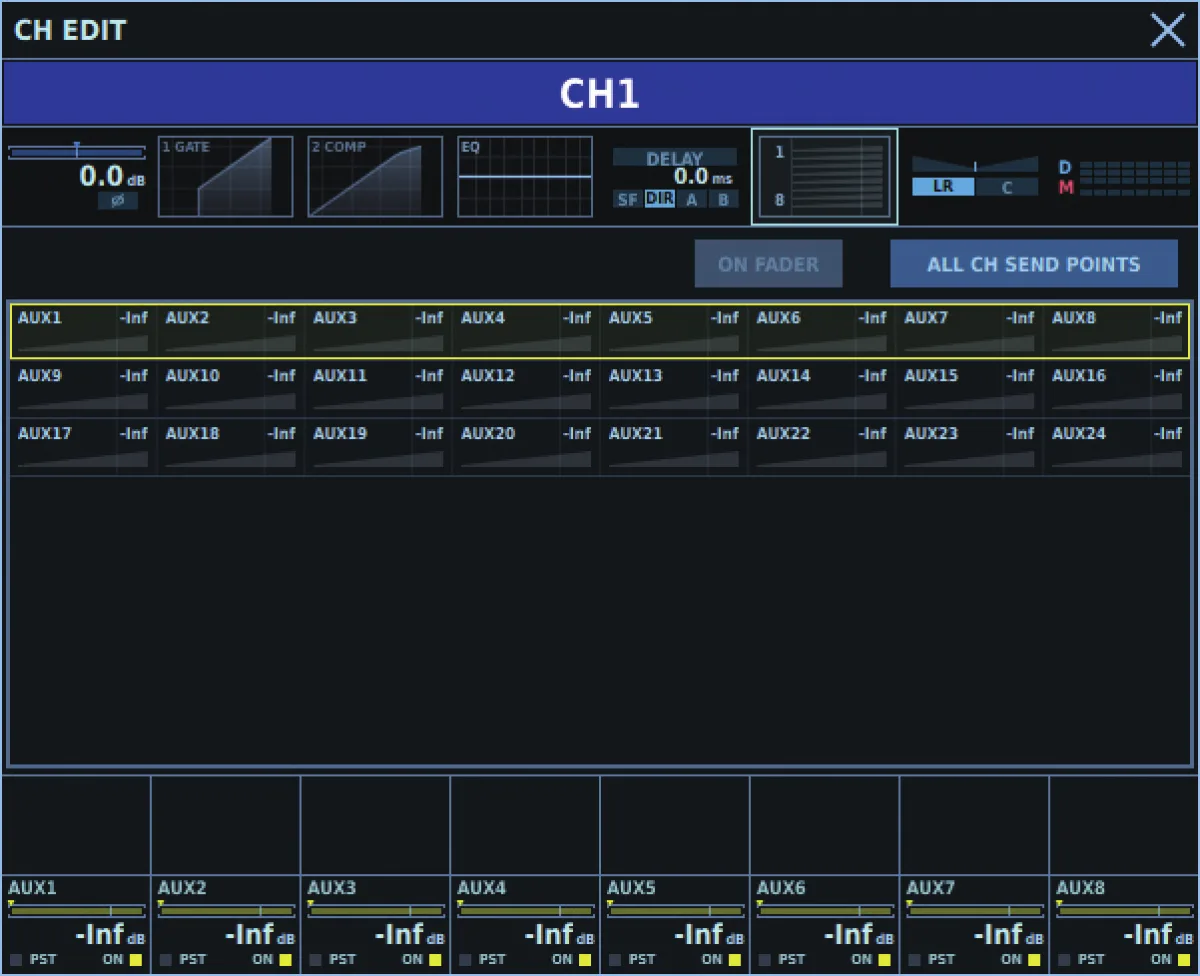
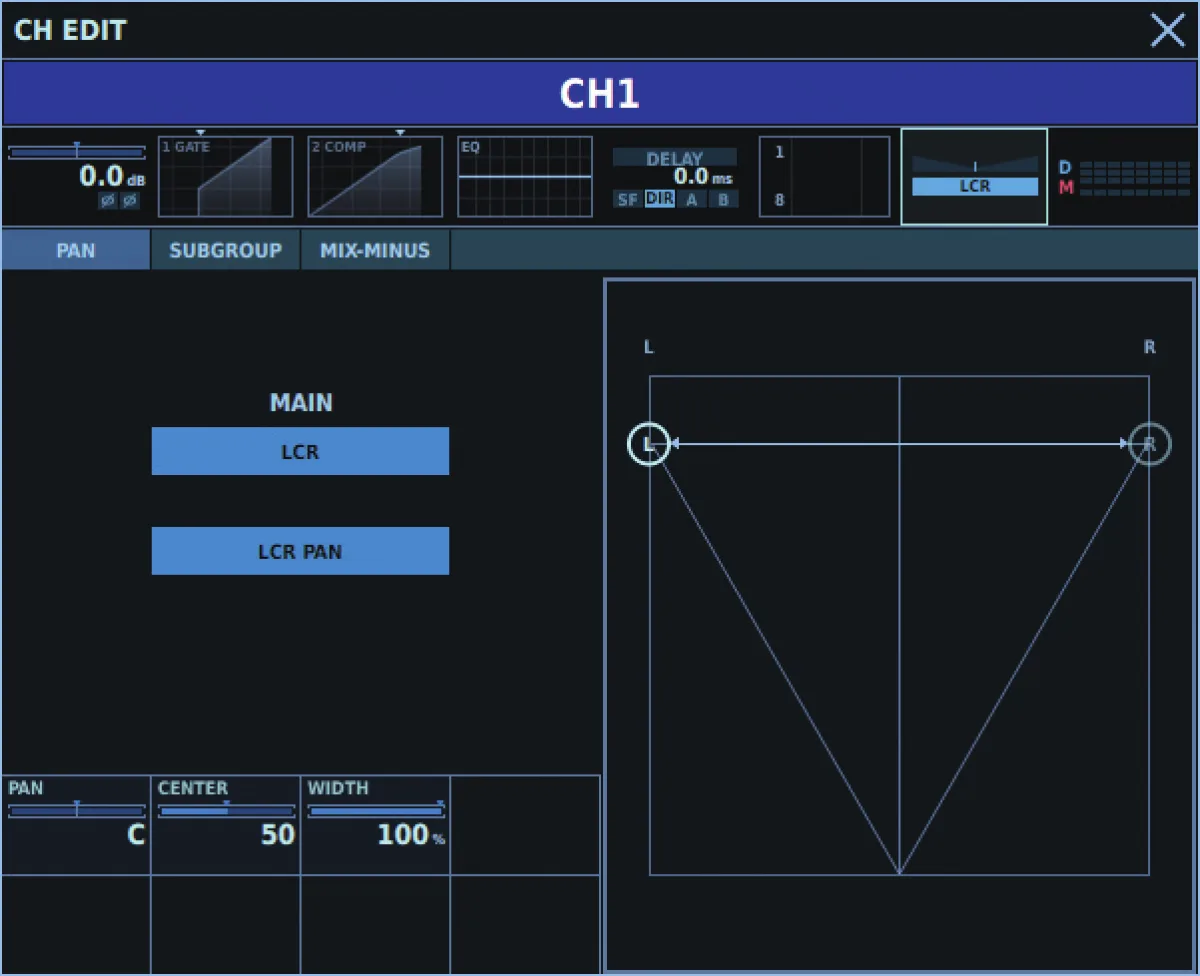
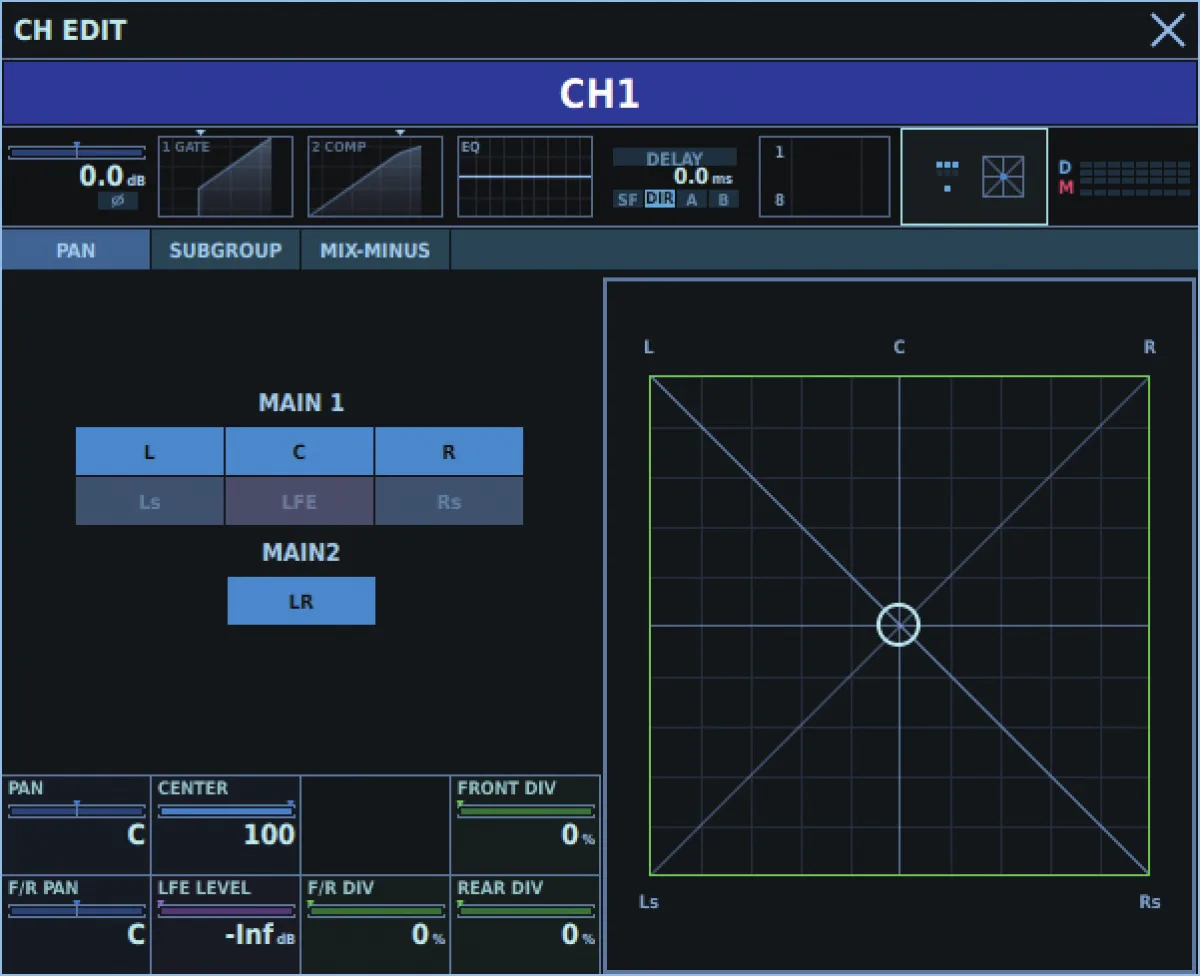
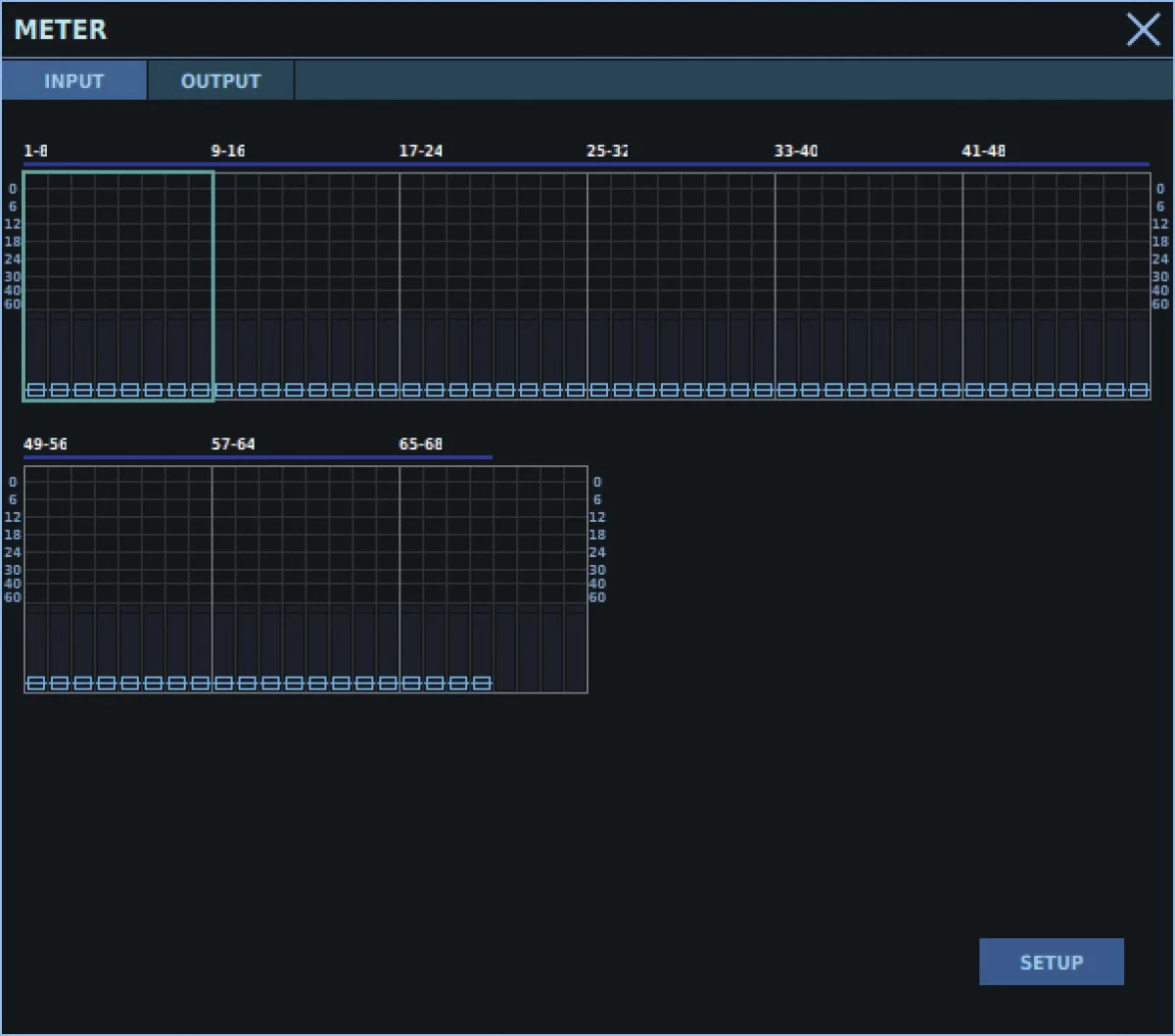
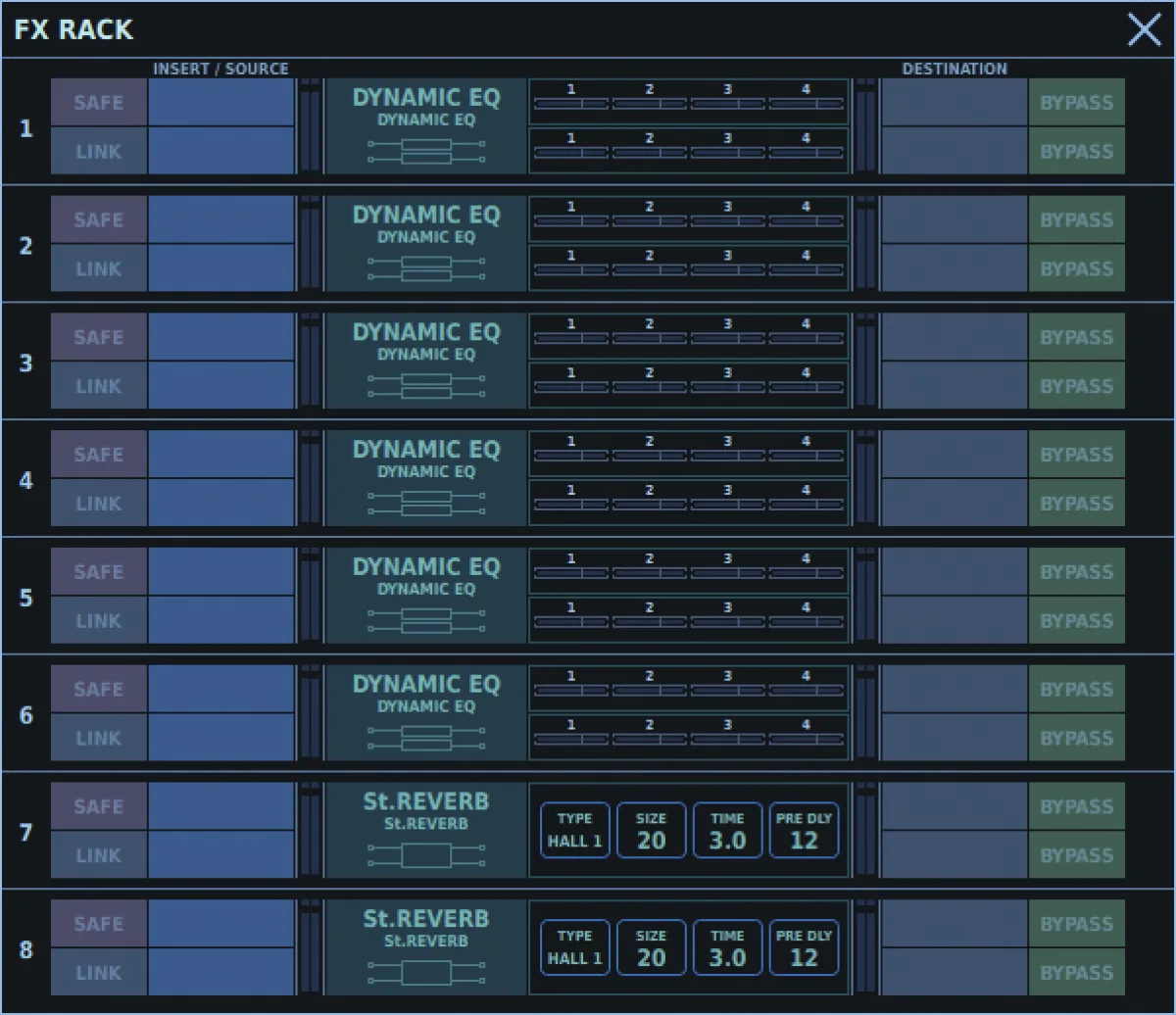
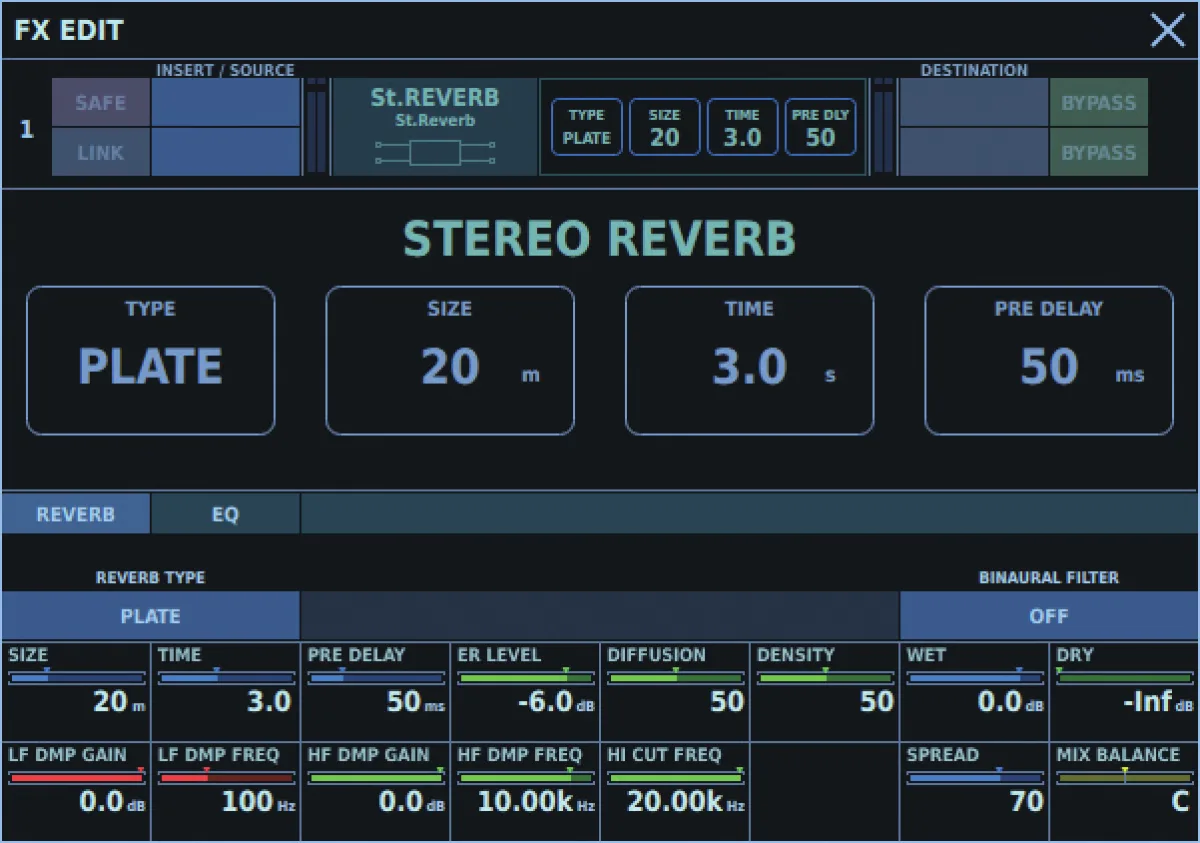
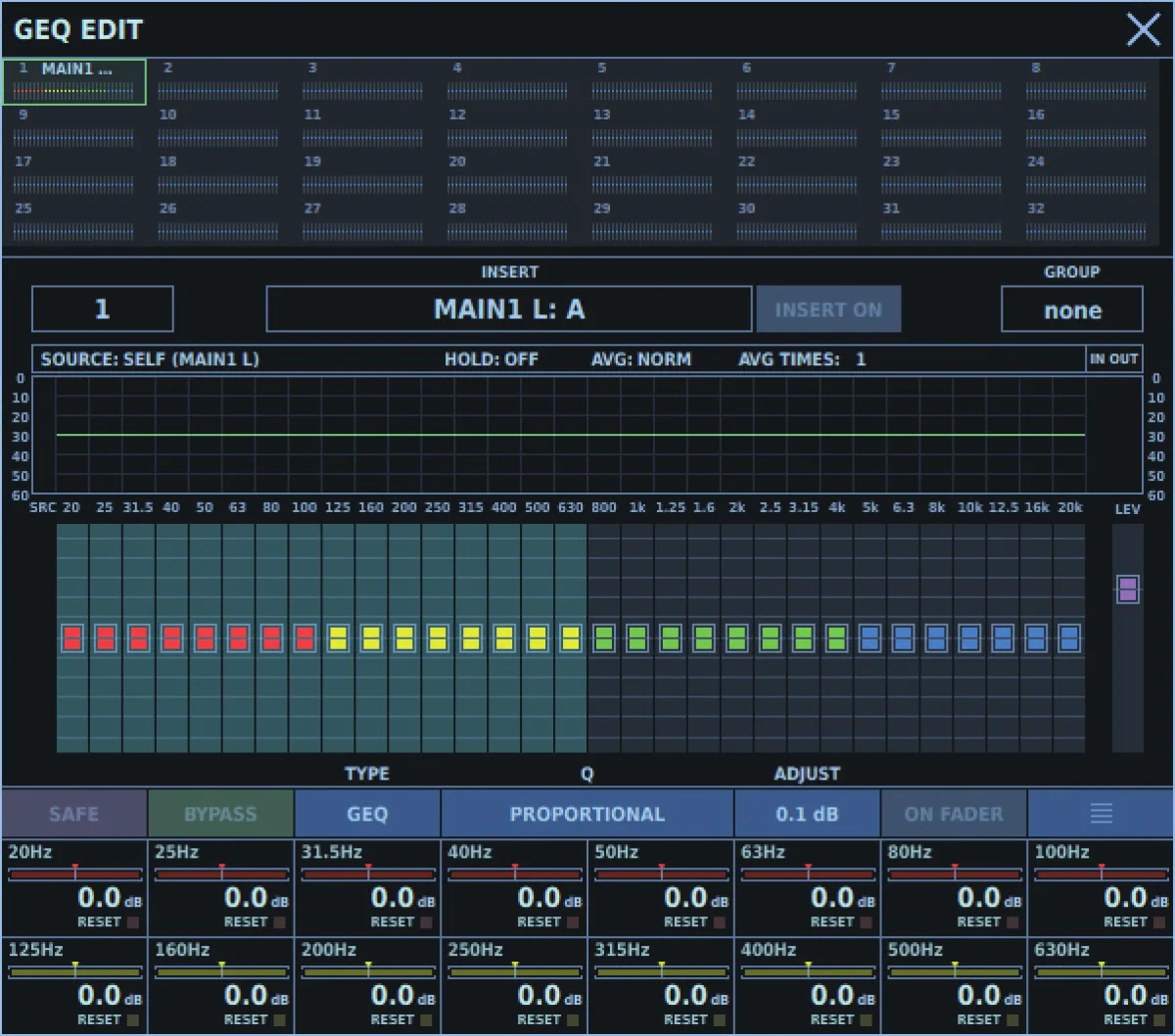
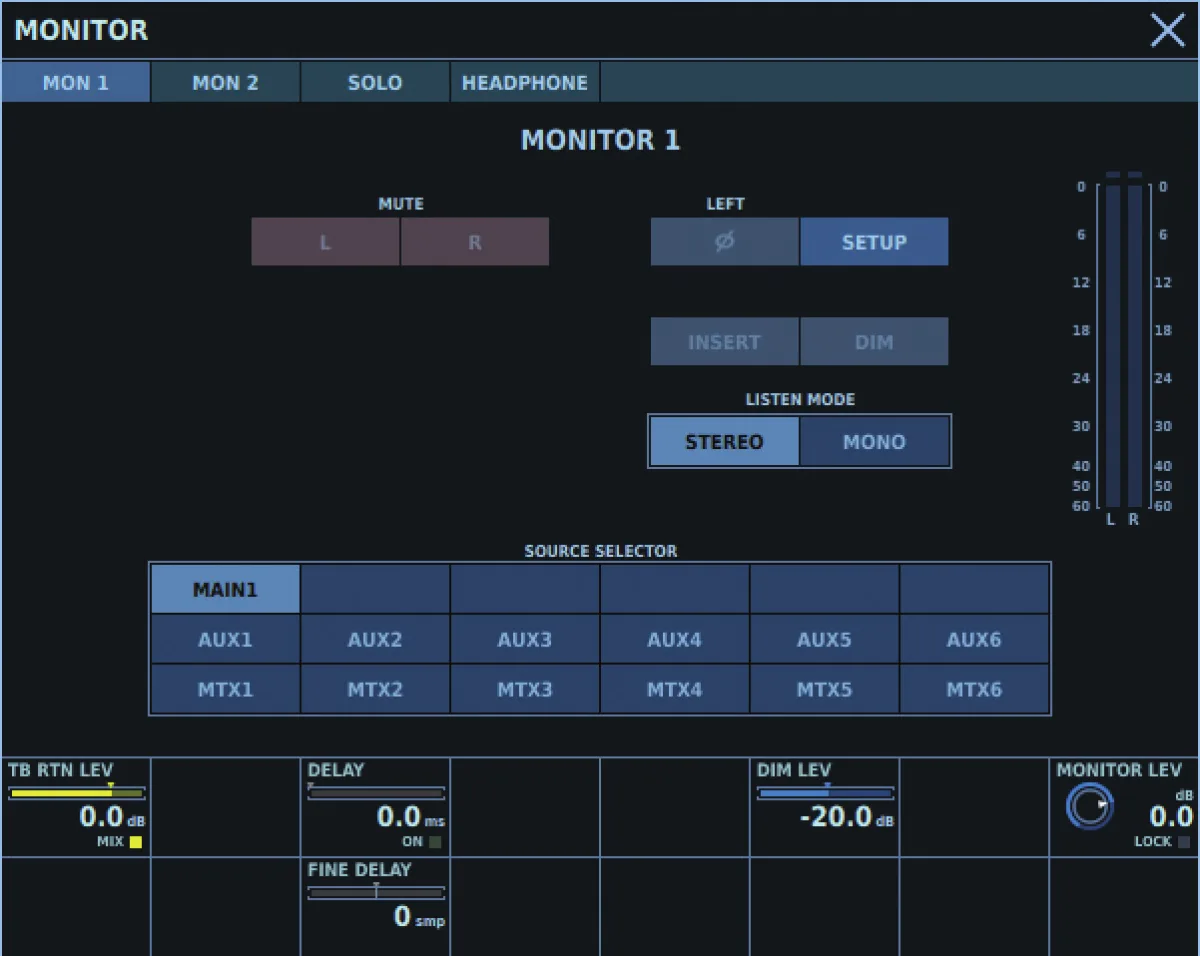
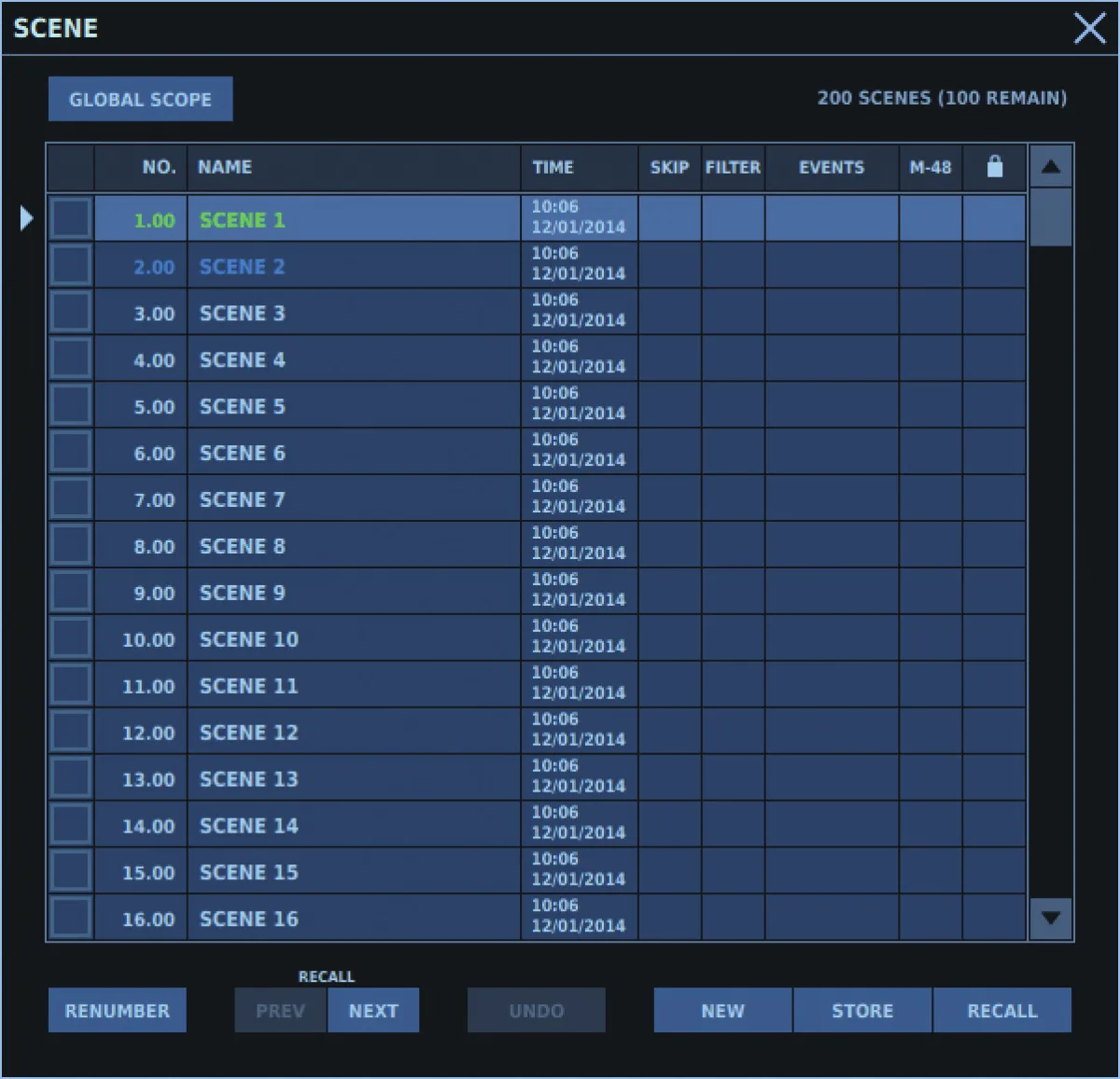
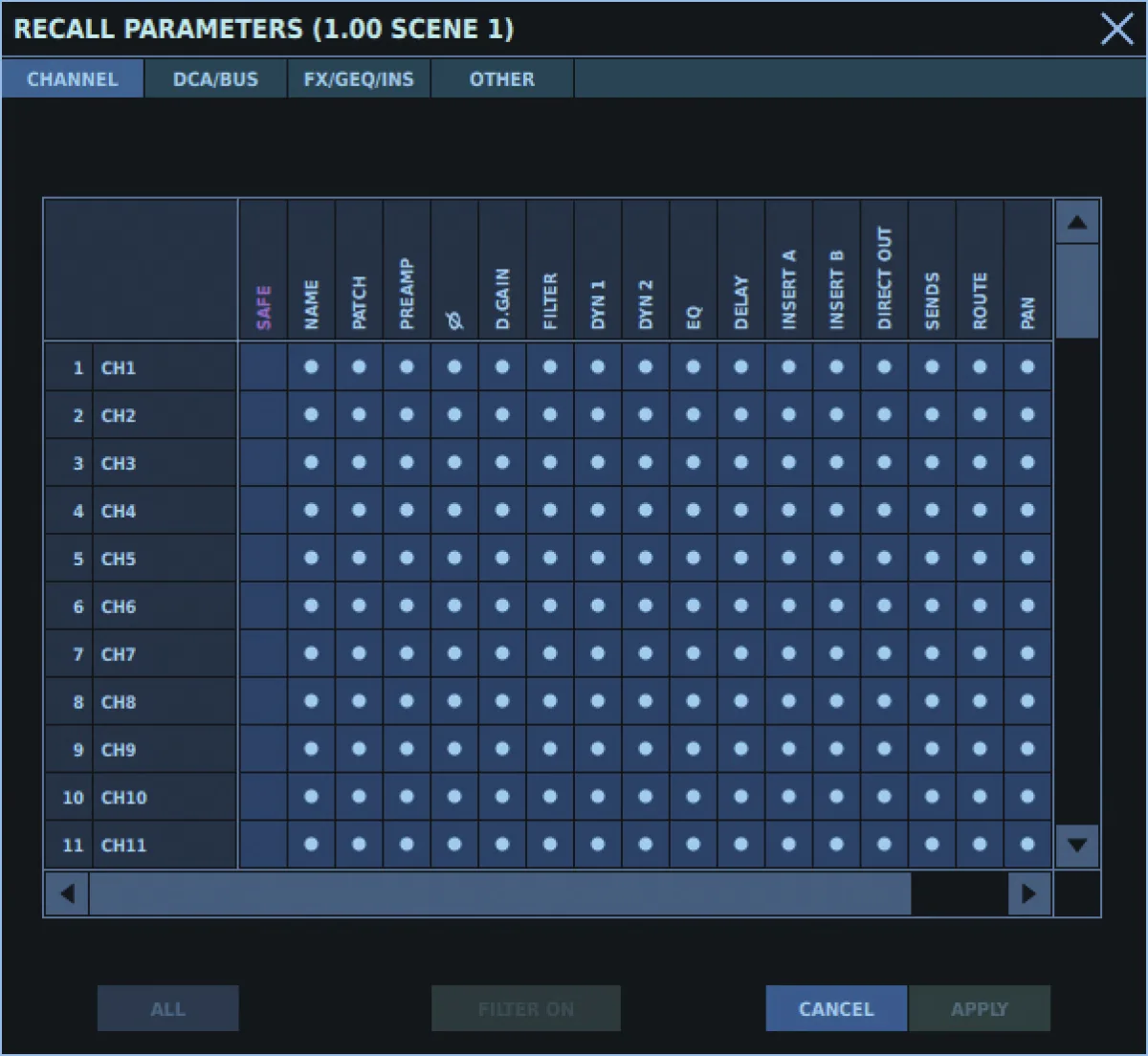
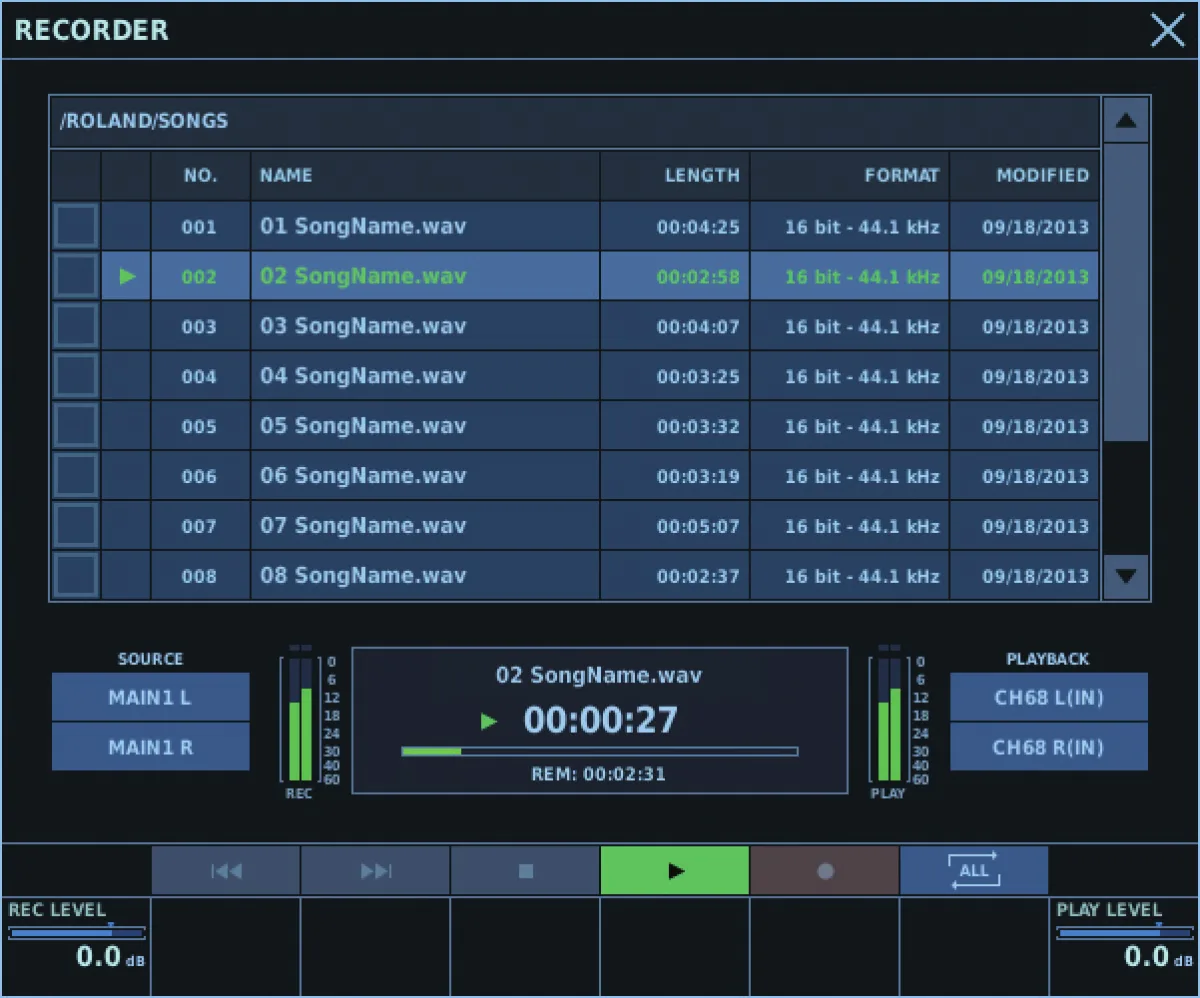
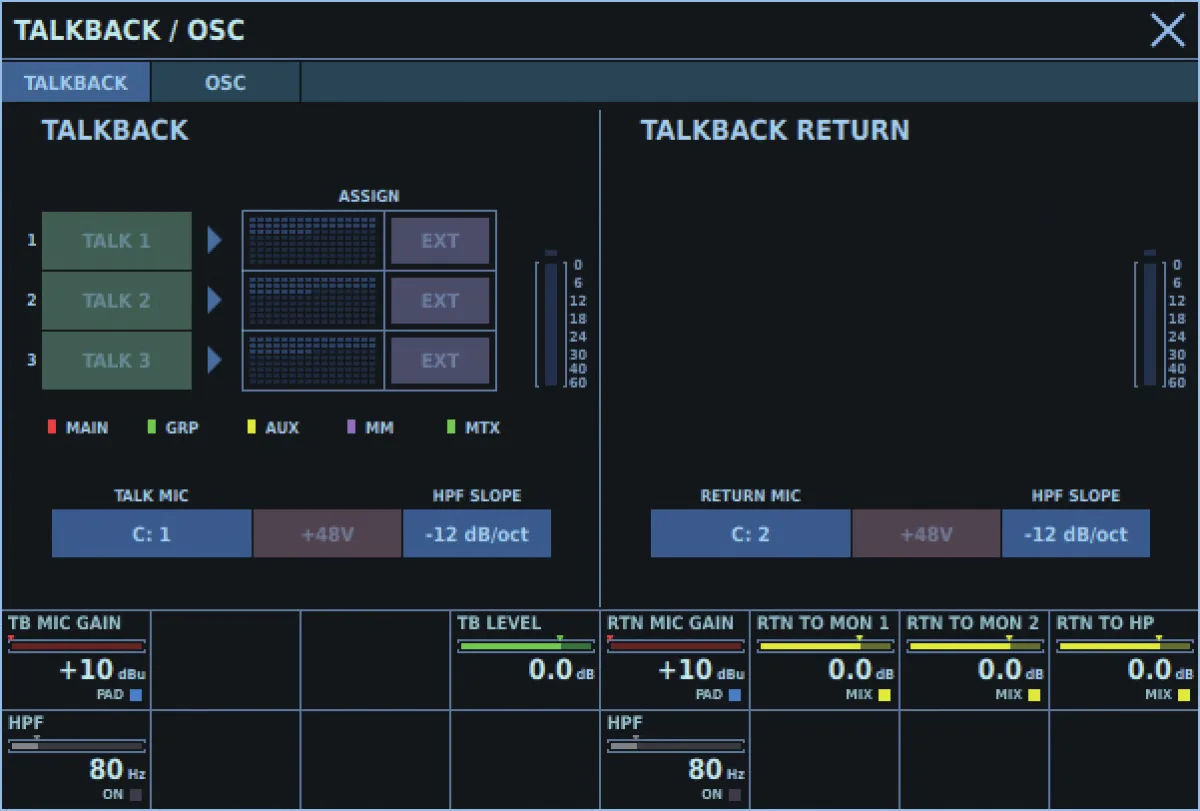
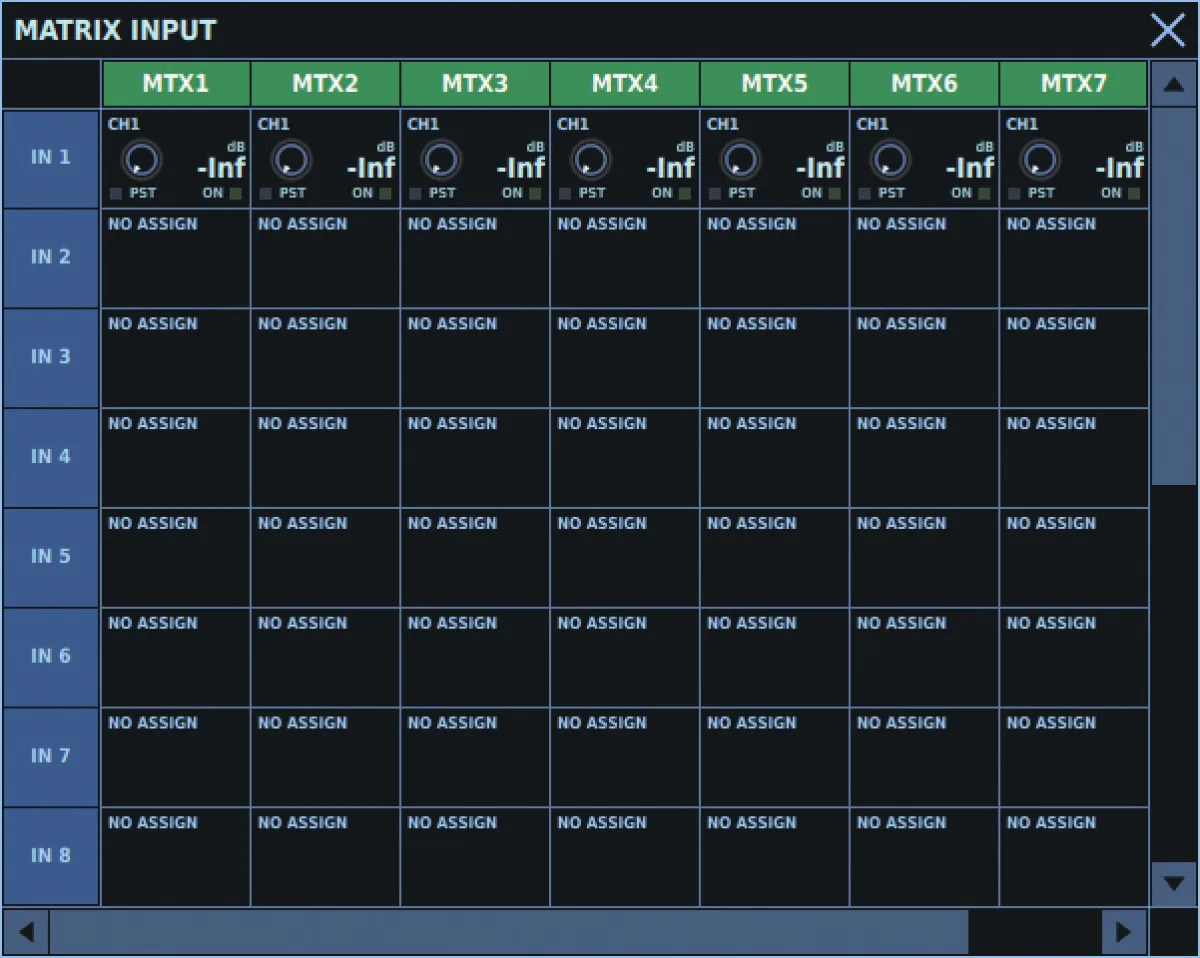
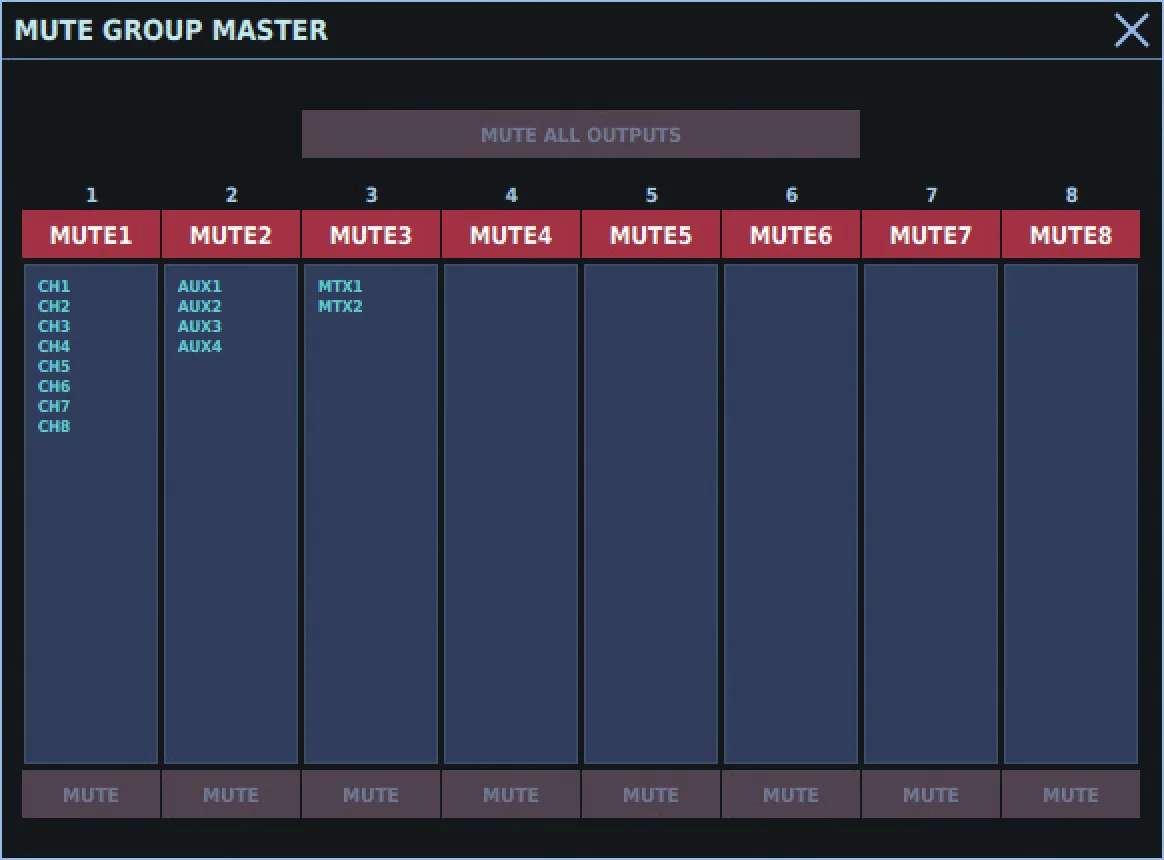
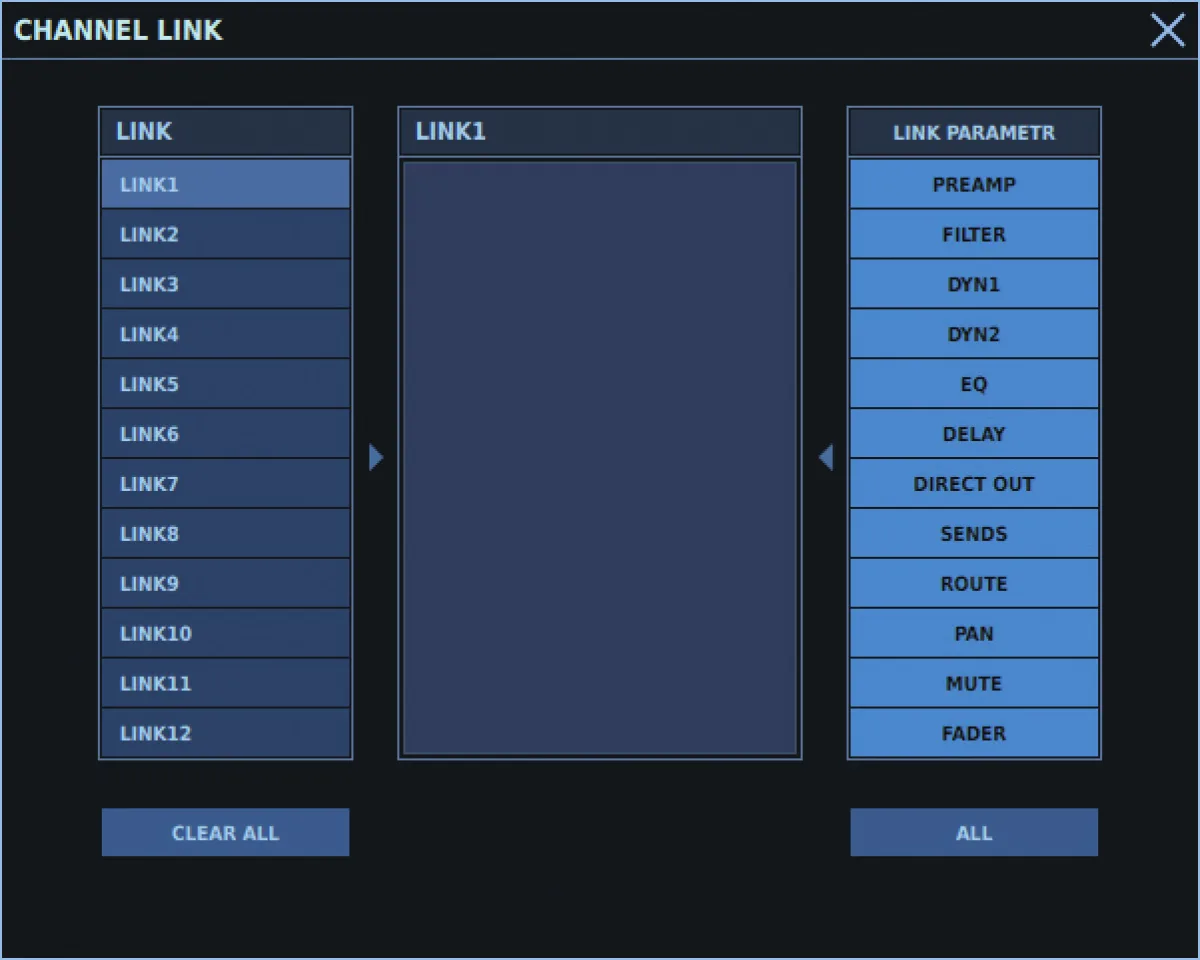
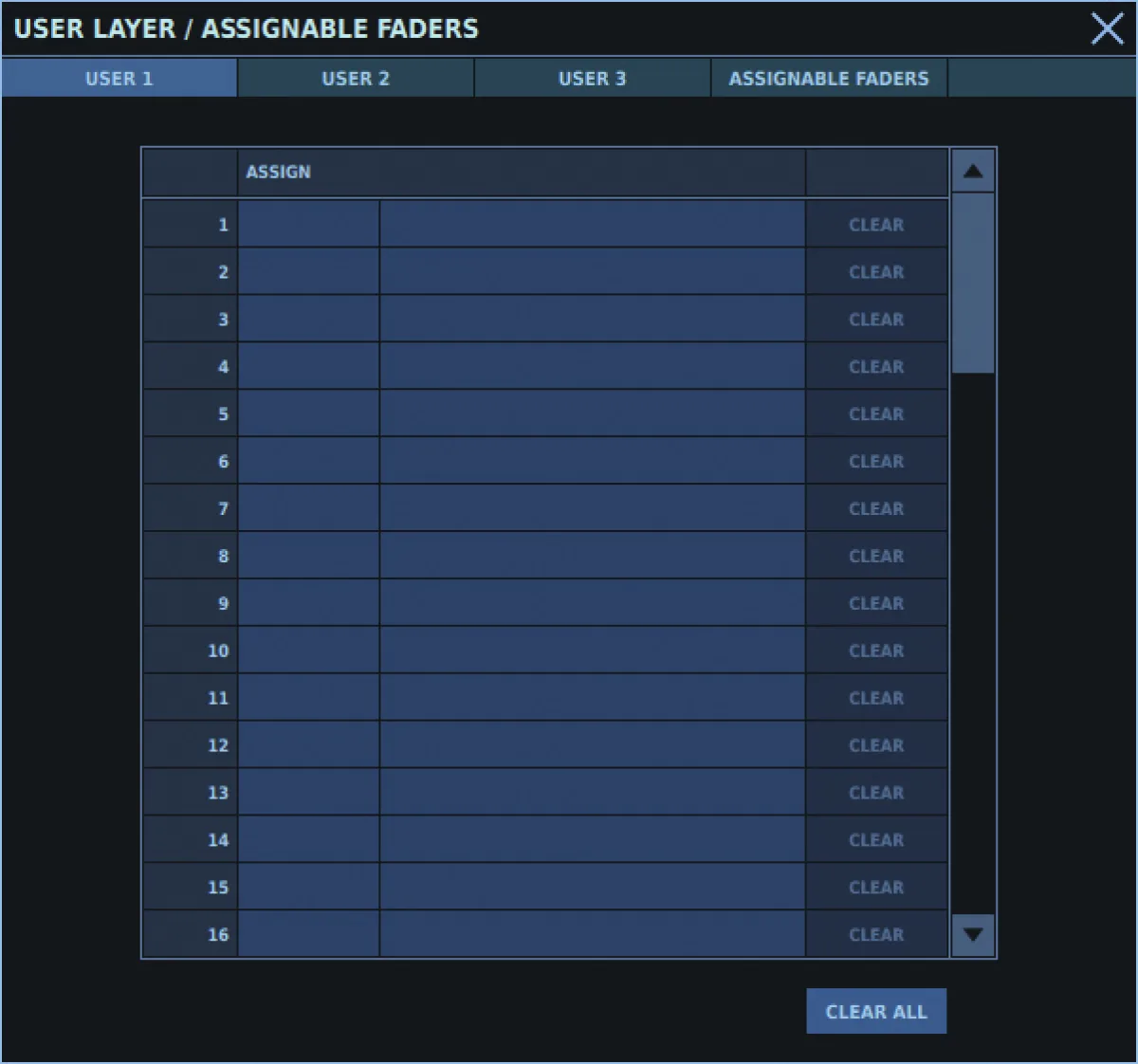
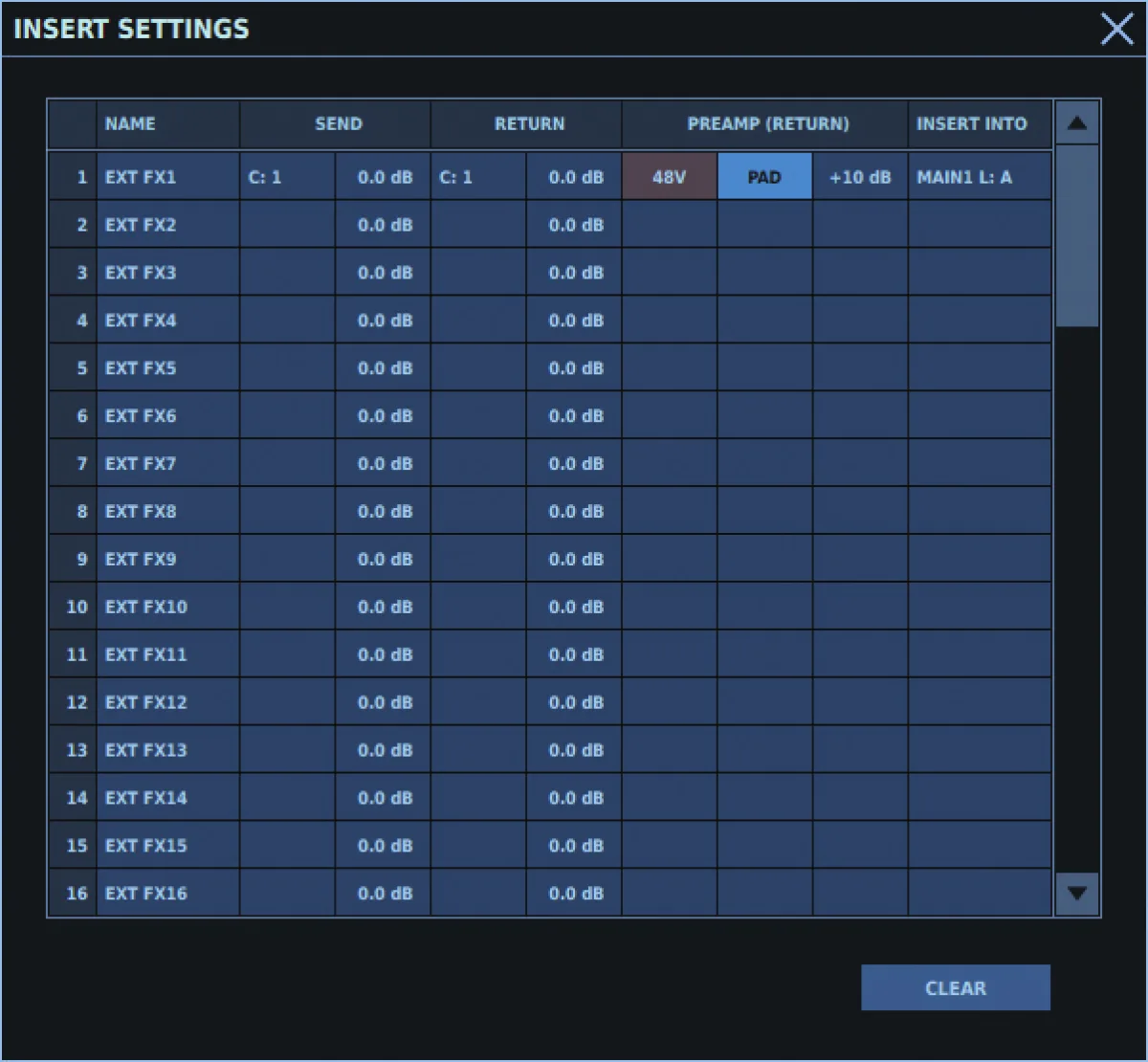
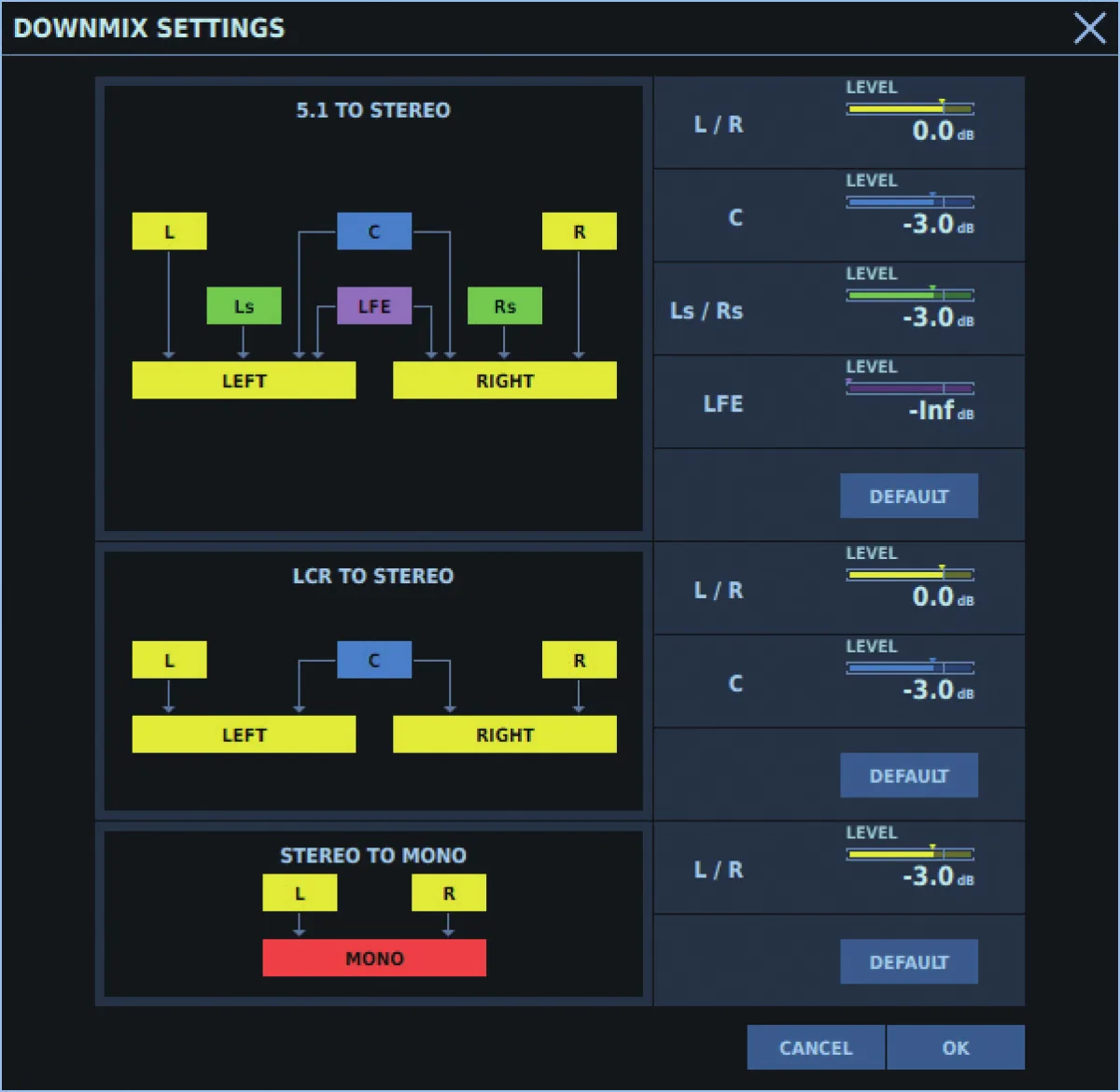
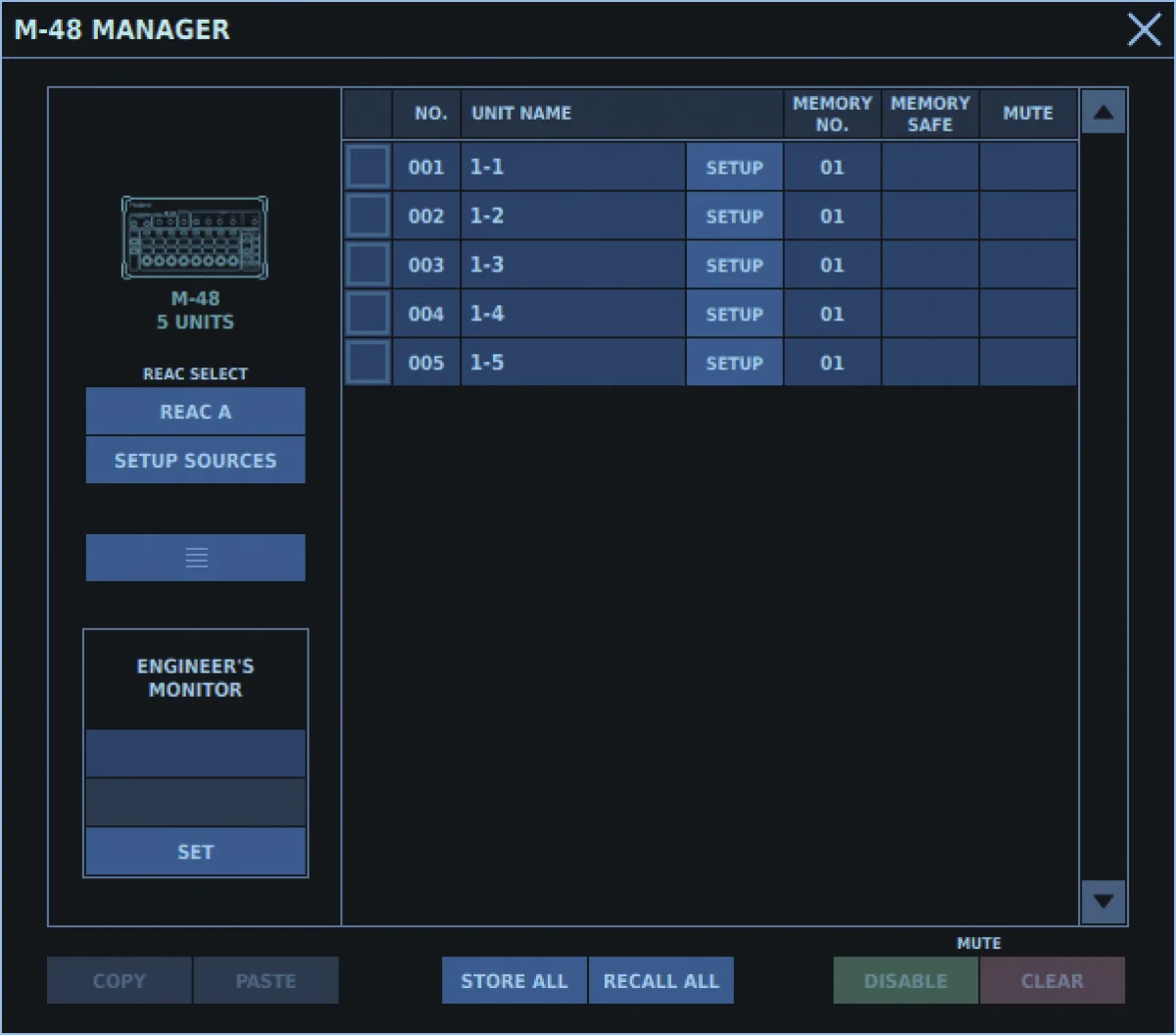
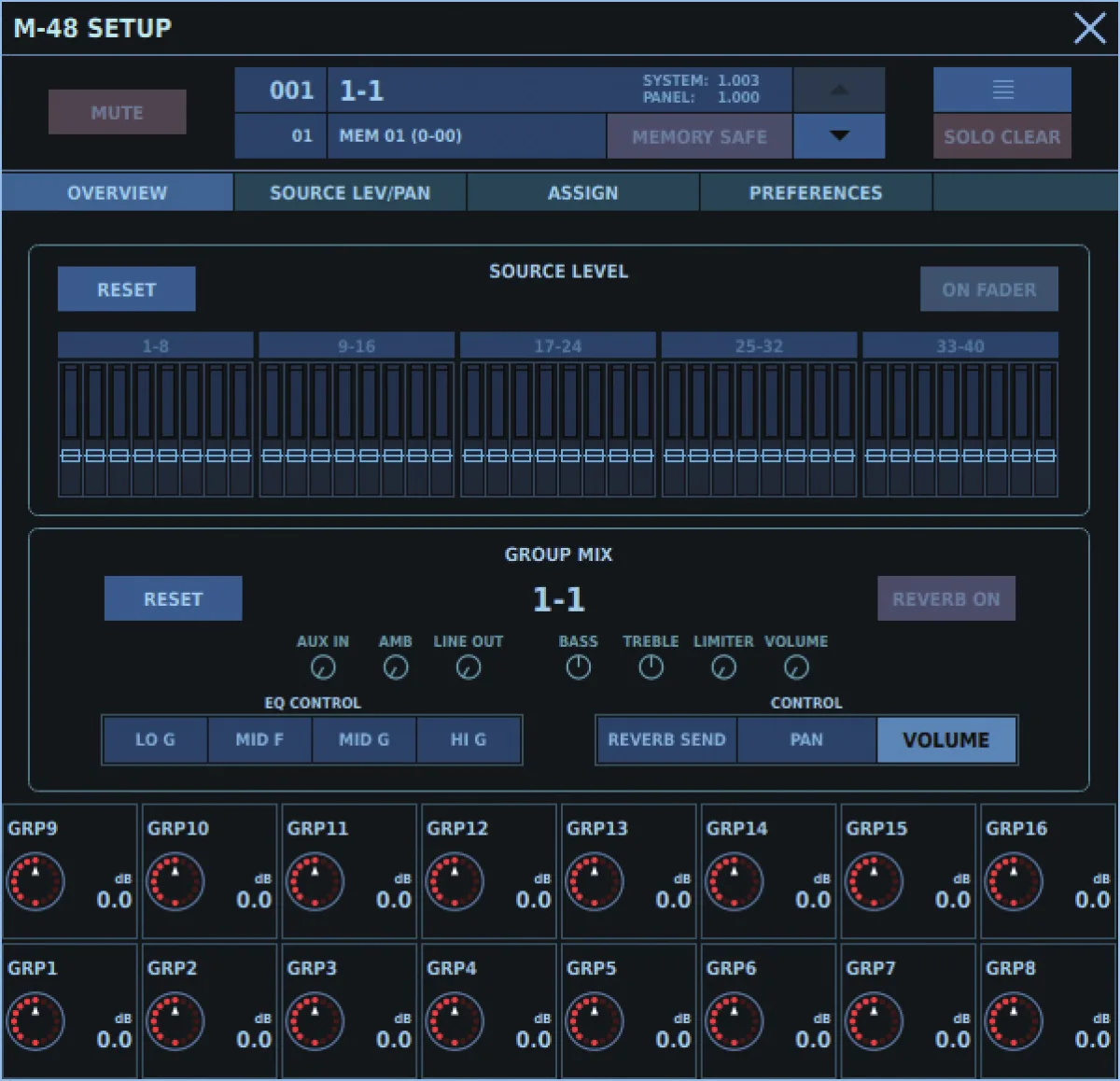
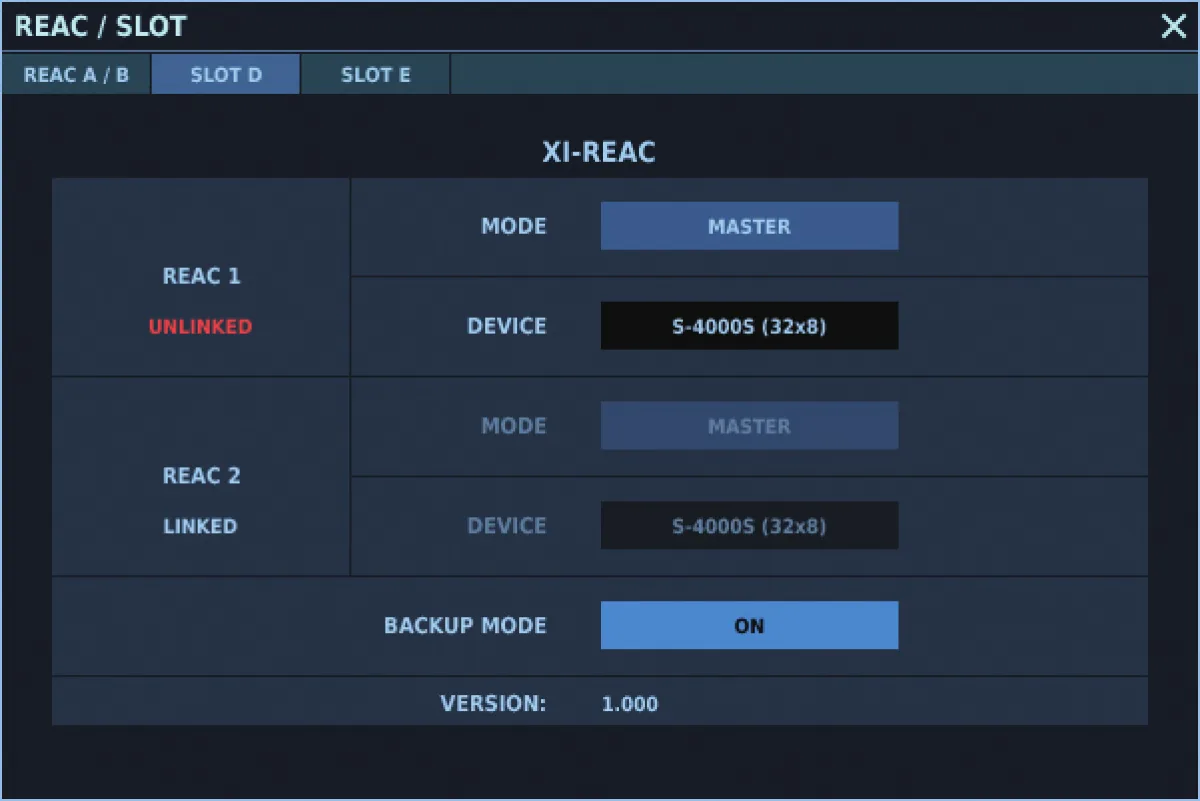
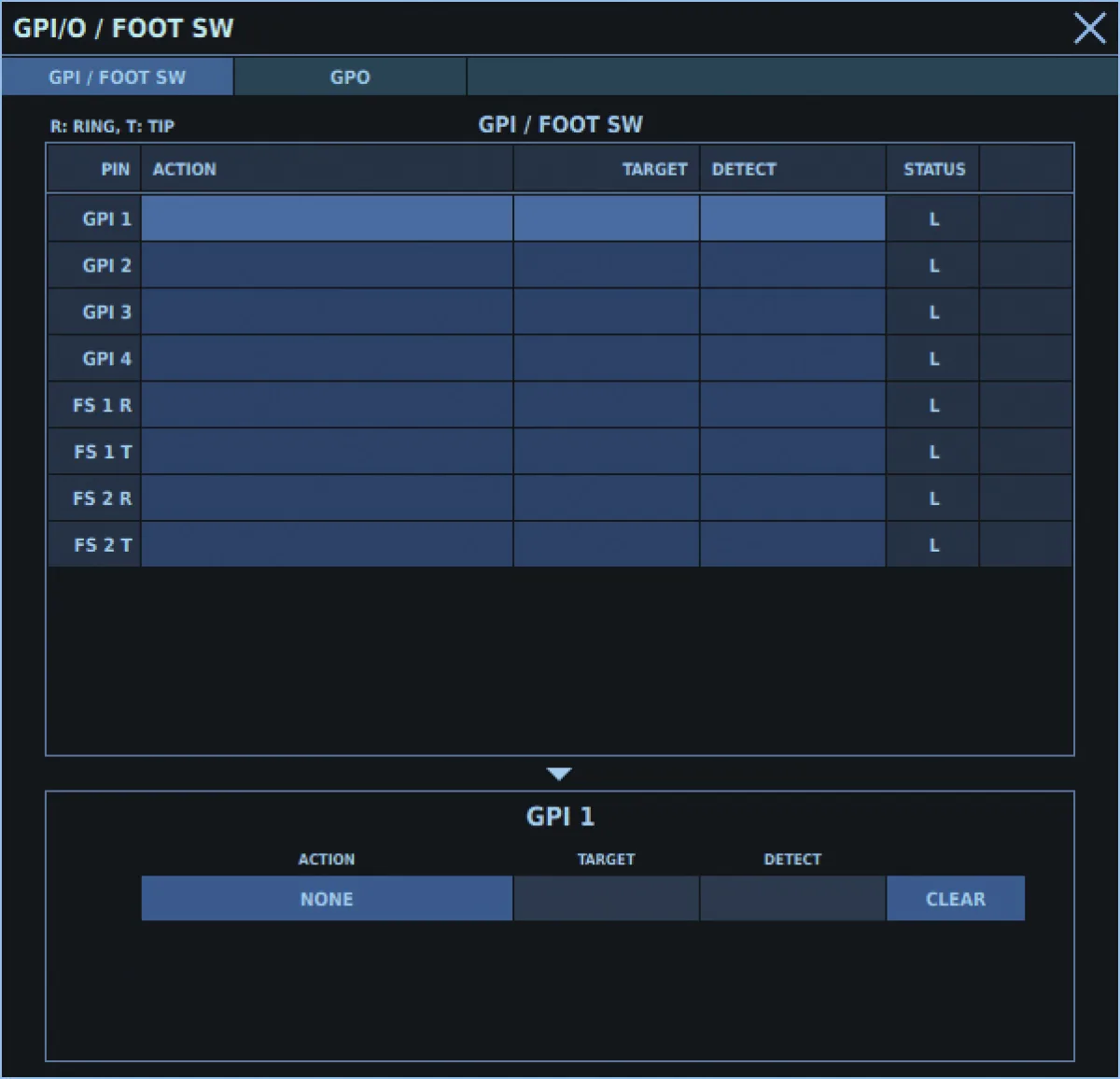
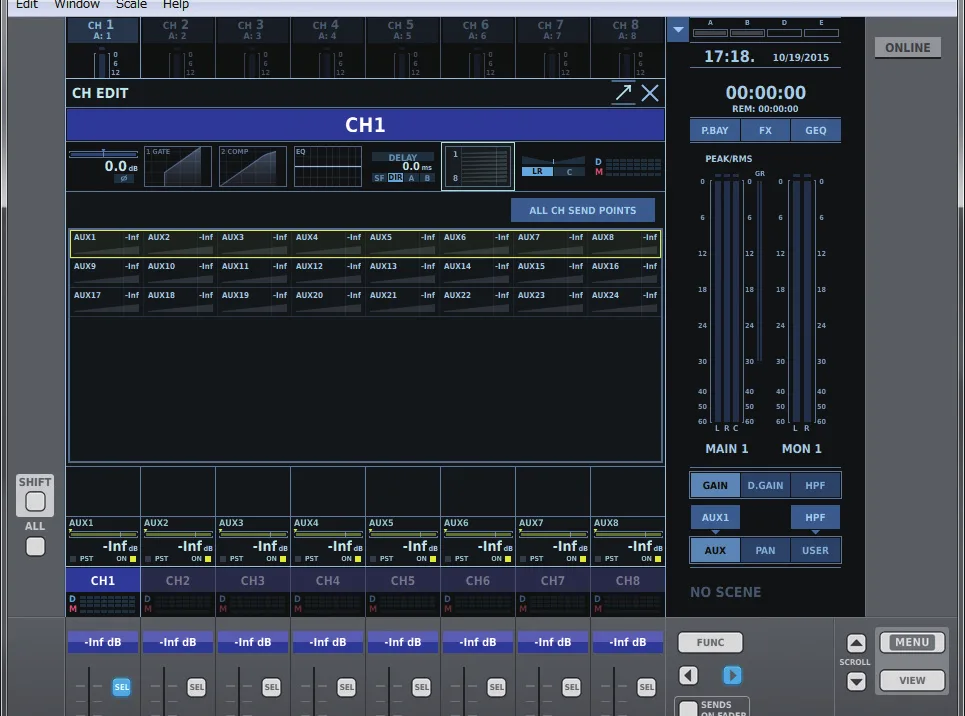
Editorial & artists
Our take
History & design
The Roland M-5000 is a live digital mixing console introduced in 2014 by Roland Professional A/V, succeeding the M-480 in the V-Mixer range. It is built on the O.H.R.C.A. ("Open High Resolution Configurable Architecture", pronounced "orca") platform, which drops the fixed channel/bus structure of traditional consoles: the user freely allocates up to 128 channels and buses (input channels, mix buses, matrices, groups) depending on the application — FOH, monitors, broadcast or theatre.
The system runs natively at 96 kHz with 72-bit linear summing and built-in mic preamps. Input/output is handled through patchbays managing up to roughly 300 inputs and 296 outputs depending on configuration. Transport between surface and stageboxes uses Roland's proprietary REAC (Roland Ethernet Audio Communication) protocol, complemented by optional expansion cards: Dante, MADI, Waves SoundGrid, AES/EBU, SDI, SFP and DVI.
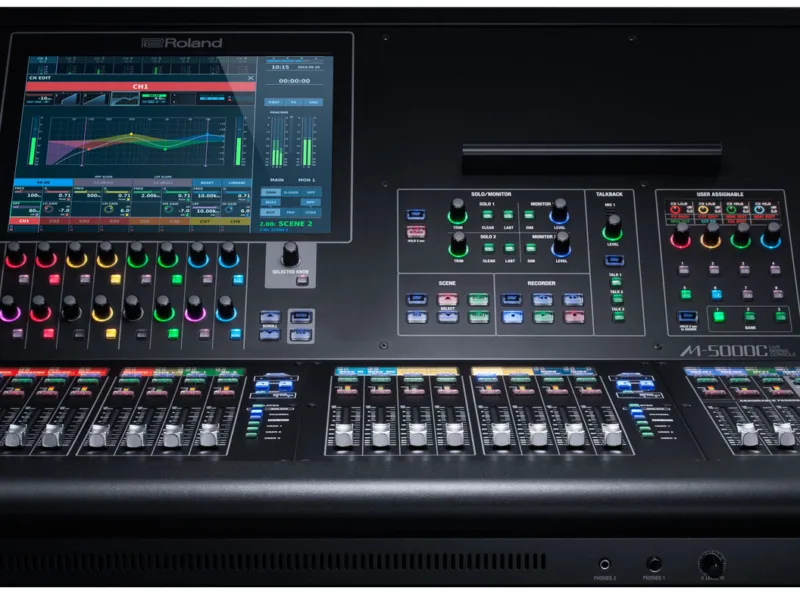
The surface combines a large colour touchscreen, motorised faders and a user-assignable area. A compact version, the M-5000C, followed in 2016.
Links
Related consoles
Some merchant links are affiliate links. Purchases may support Digital Mixing at no extra cost.
Documents are archived locally for preservation. Source credited. Takedown requests: [email protected]