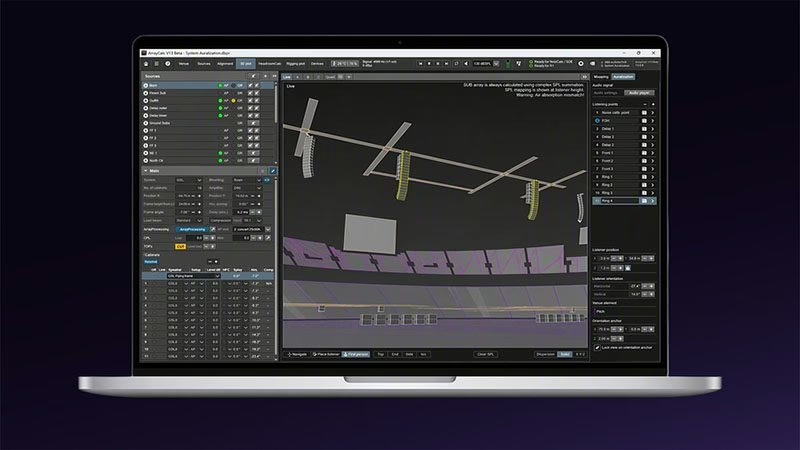
This is a genuine shift in method for system designers. d&b audiotechnik has added a feature called System Auralization to its prediction and optimisation software, ArrayCalc. The idea is simple: hear the PA before you build it, instead of relying only on graphs.
Hear the design, don’t just read it
System Auralization generates a real-time binaural rendering of the current configuration. The designer moves through a virtual venue in first-person and listens from different audience positions, judging coverage, imaging and tonal balance by ear—where you previously had to interpret level maps. It complements, rather than replaces, the work covered in our guide to live system alignment.
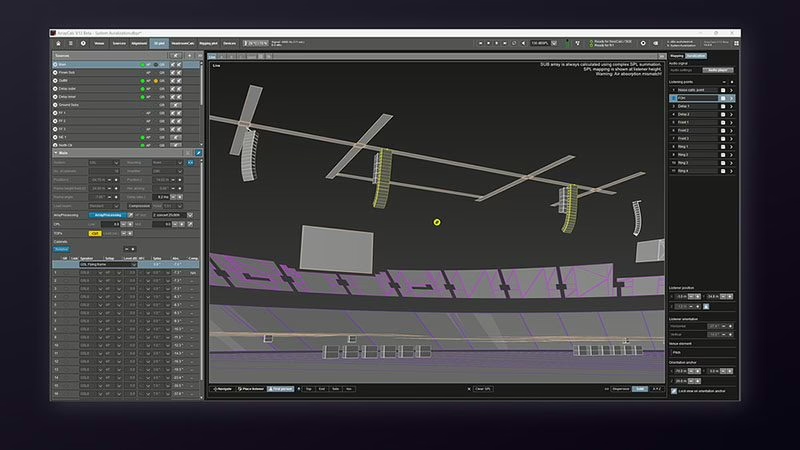
Every change is audible in real time
The strength here is immediacy. Changes to positioning, array geometry, amplifier settings, filters or ArrayProcessing configuration are heard instantly. A new snapshot recall lets you compare two configurations without interrupting playback: flip between versions and let your ears decide. For anyone designing line arrays or fine-tuning a rig, that is a serious gain in time and confidence before load-in. It pairs naturally with proper system tuning on site.
An open beta
d&b is offering a beta of ArrayCalc with System Auralization right now, as a download. The company is upfront about it: a user-feedback phase will refine the feature before general release. The product manager sums up the appeal bluntly—it is a “huge time saver, especially valuable before a show.” The beta is on the d&b audiotechnik site.
My take
Listening to a system before you hang it is the kind of idea that looks obvious once it exists. Binaural auralization will never replace ears on site or measurement, and it should be taken for what it is: an upstream decision tool, not a verdict. But being able to compare two array geometries by flipping snapshots, headphones on, the night before load-in? That can head off nasty surprises and hours of re-tuning. The fact that an industry reference is pushing this way says a lot about where system design is going.