Samplitude has never been the loudest name in the room, and that is exactly what built its reputation. A recording, editing and mastering station built for the highest quality standards, it long remained the quiet tool of engineers who care about one thing above all: the neutrality of the engine. With Samplitude 2026, the software formally changes hands and joins the Boris FX line-up, picking up a reworked video engine and a Suite edition squarely aimed at immersive audio.
A new owner, not a new philosophy
Boris FX, best known for its image-side tools — Sapphire, Mocha, Continuum — took over MAGIX’s entire former pro-audio range: first Sequoia, Samplitude and Music Studio, then Sound Forge, ACID and Vegas Pro. Samplitude now sits in an audio division stacked with heavyweight recording and mastering names. For the user, the point is simple: the software is still itself. The object-based editing is intact, with every clip carrying its own plugins, sends and automation, letting you rework the smallest section of a heavy project without freezing everything around it.
The hybrid audio engine still runs the show
Samplitude’s core is still its hybrid audio engine and its two-stage latency handling. A low-latency engine covers monitoring during tracking, with response times short enough to hear track effects in real time; a second, high-latency engine makes better use of the machine’s resources for heavier processing — object, aux and surround functions. The two run together, and that split is what lets Samplitude line up as many as 999 tracks without stability falling apart.
What’s new for 2026: VST3, CPU, GPU video and network
The 2026 build doesn’t rethink the tool so much as tighten its bolts. The VST3 engine has been reworked for low-latency recording, and CPU management is finer, which shows up as steadier sessions on large projects. The real surprise is on the video side: Samplitude 2026 ships a GPU-accelerated video engine that plays 4K at up to 60 fps and handles AVC (H.264), HEVC (H.265) and AV1, with hardware acceleration on NVIDIA, AMD and Intel. For anyone scoring to picture, that’s a genuine comfort. The software also finally gains OSC network control, letting you trigger its commands from another device on the network.
The Suite: native immersive and premium plugins
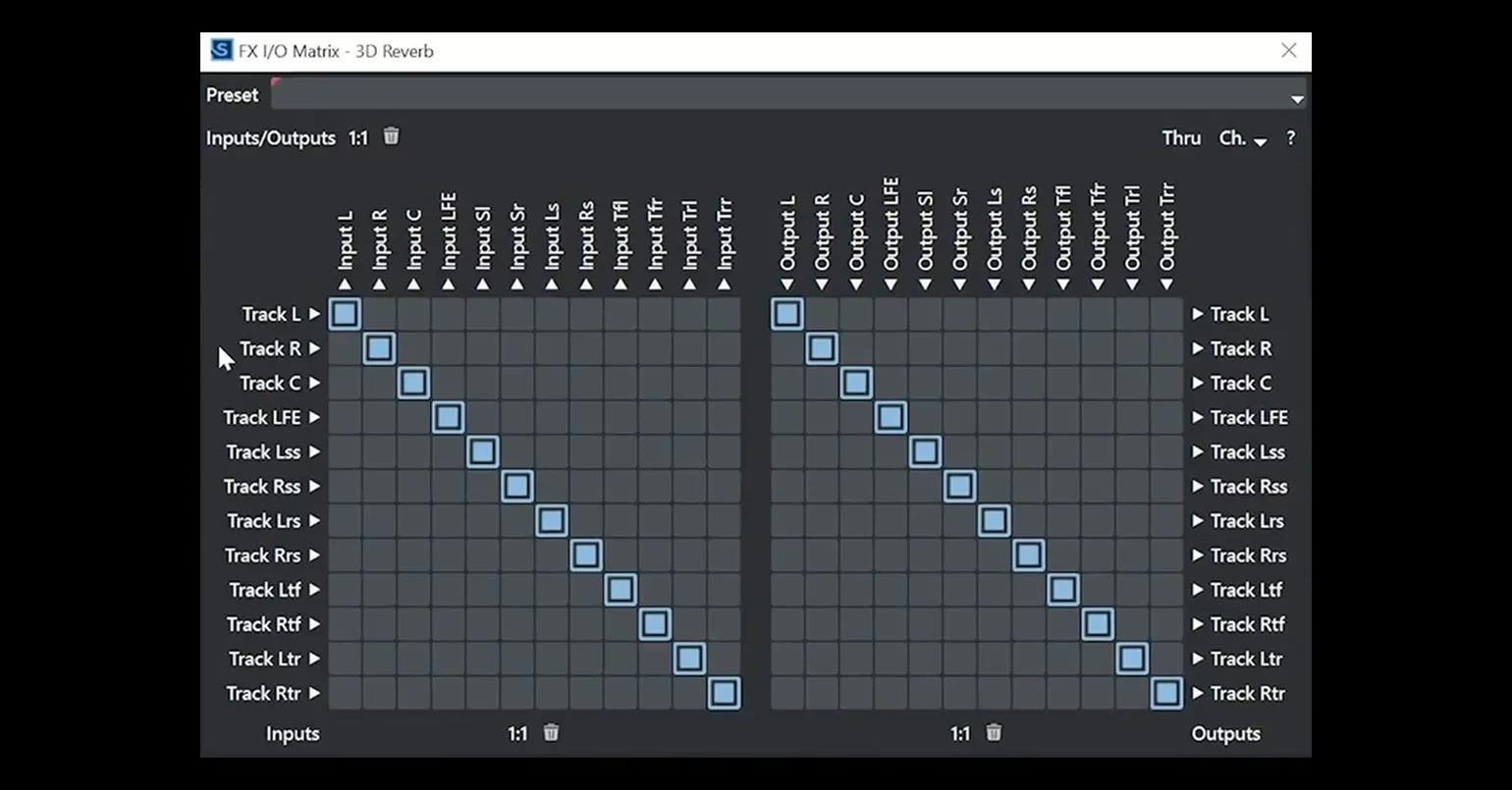
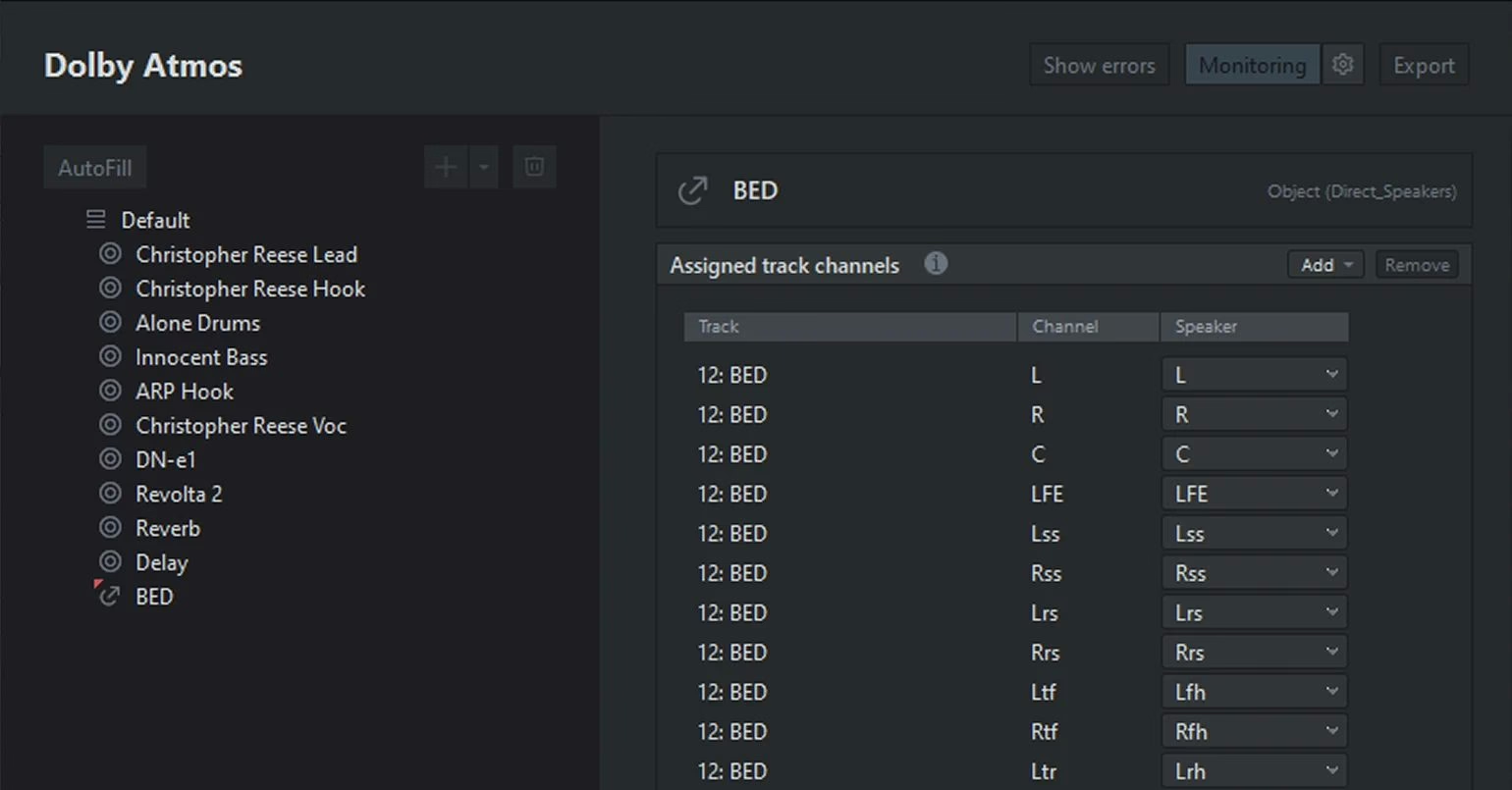
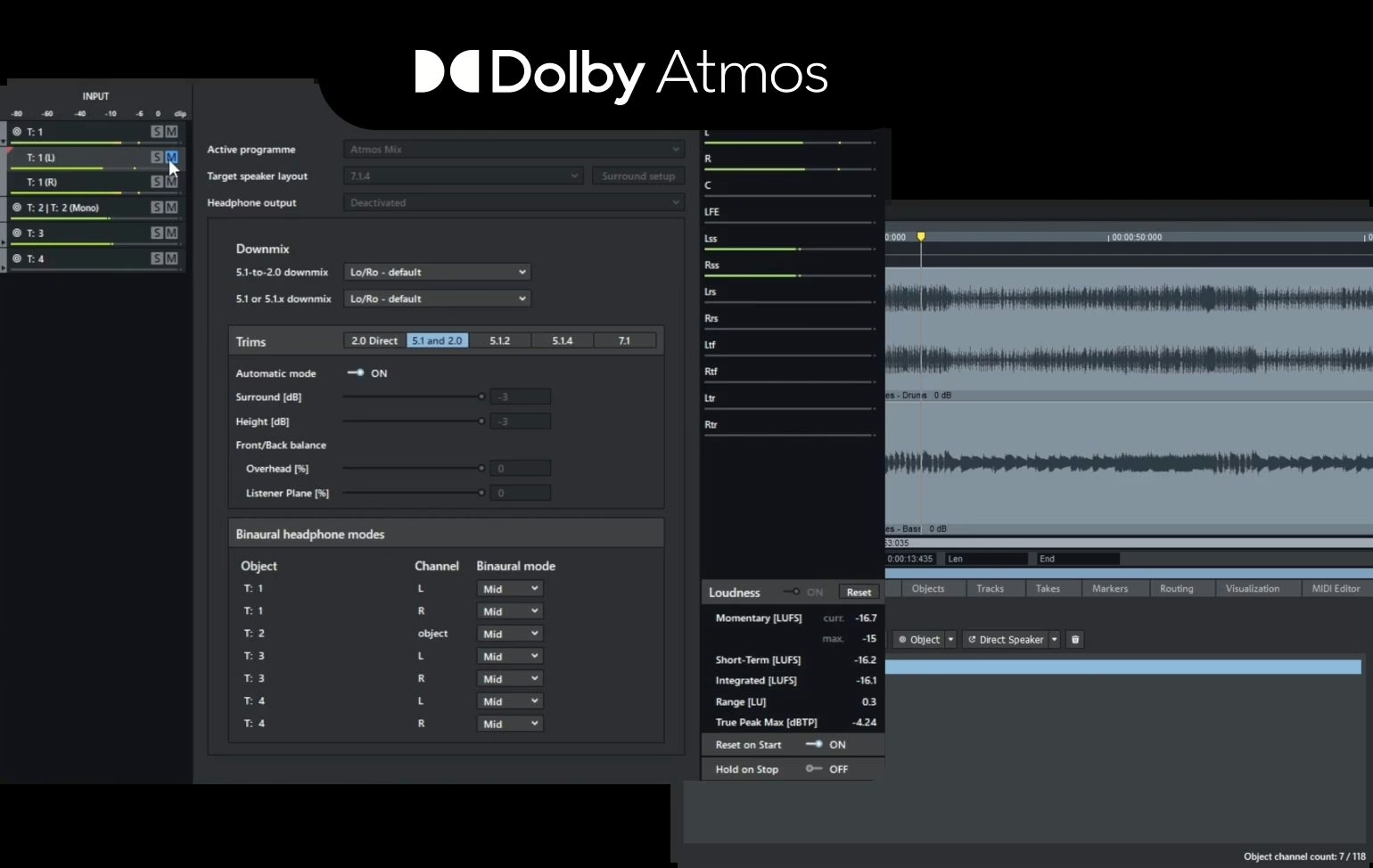
The heavy lifting lives in the Suite edition. It brings native Dolby Atmos support, an ADM editor to keep immersive metadata in order, track-level spectral editing, the FX Routing Matrix — which maps any channel to a plugin and sends outputs exactly where you want them, for complex side-chaining or running several instances of a stereo plugin inside a multichannel output — and Soundly’s sound library built right into the software.
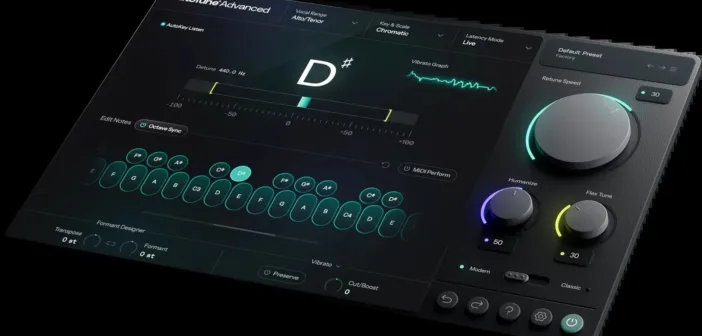
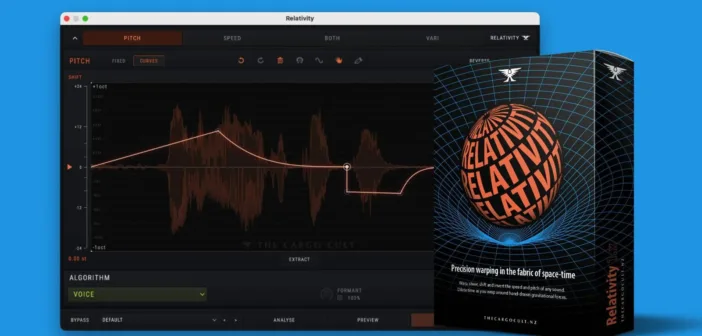
The Suite also bundles a set of plugins that would already add up on their own: the CrumplePop restoration suite, a 3D reverb, Acon Digital Acoustica 7 Premium, Celemony Melodyne 5 Essential for pitch editing, Convology XT Complete for convolution reverbs, and Sound Forge 2026, the in-house stereo editor that logically returns to the fold. For a mastering or post house, the whole thing fits in a single licence.
The bottom line
I have always filed Samplitude alongside Sequoia and Pyramix: stations you pick for the rigour of the engine, not the gloss of the interface. So the real question around this acquisition isn’t the feature list — that was already long — but whether Boris FX will preserve the neutrality that gives the house its value. On paper for 2026, the hybrid engine is untouched and the additions point the right way. That’s what matters: you don’t buy a reputation, you maintain it.
Samplitude 2026 comes in a standard version and a Suite edition, the latter gathering the immersive tools and premium plugins, and is still offered both as a perpetual licence and by subscription. Anyone used to mastering-focused, Atmos-ready stations such as WaveLab or a dedicated stereo-width processor will feel at home; newcomers should first get the fundamentals of resolution in digital audio straight before pushing the engine hard.
Frequently asked questions
Does Samplitude 2026 support Dolby Atmos?
Yes, but native Atmos support, the ADM editor and Soundly integration are exclusive to the Suite edition. The standard version covers recording, object-based editing and conventional stereo and surround mastering.
What is the difference between the two stages of the hybrid engine?
The low-latency engine shortens response times for monitoring while tracking. The high-latency engine makes better use of the machine’s resources for heavy processing — objects, auxes, surround. Both run in parallel.
Can Samplitude be controlled remotely?
Yes. The 2026 version adds OSC network control, letting you trigger the software’s commands from another device on the same network — handy for control rooms and multi-seat setups.
Is Sound Forge included with Samplitude?
Sound Forge 2026 is one of the tools bundled with the Suite edition, alongside Celemony Melodyne 5 Essential, Acon Digital Acoustica 7 Premium, Convology XT Complete and the CrumplePop suite.
How many tracks does Samplitude handle?
Up to 999 recording tracks, which puts it comfortably next to the heaviest production and post-production stations.