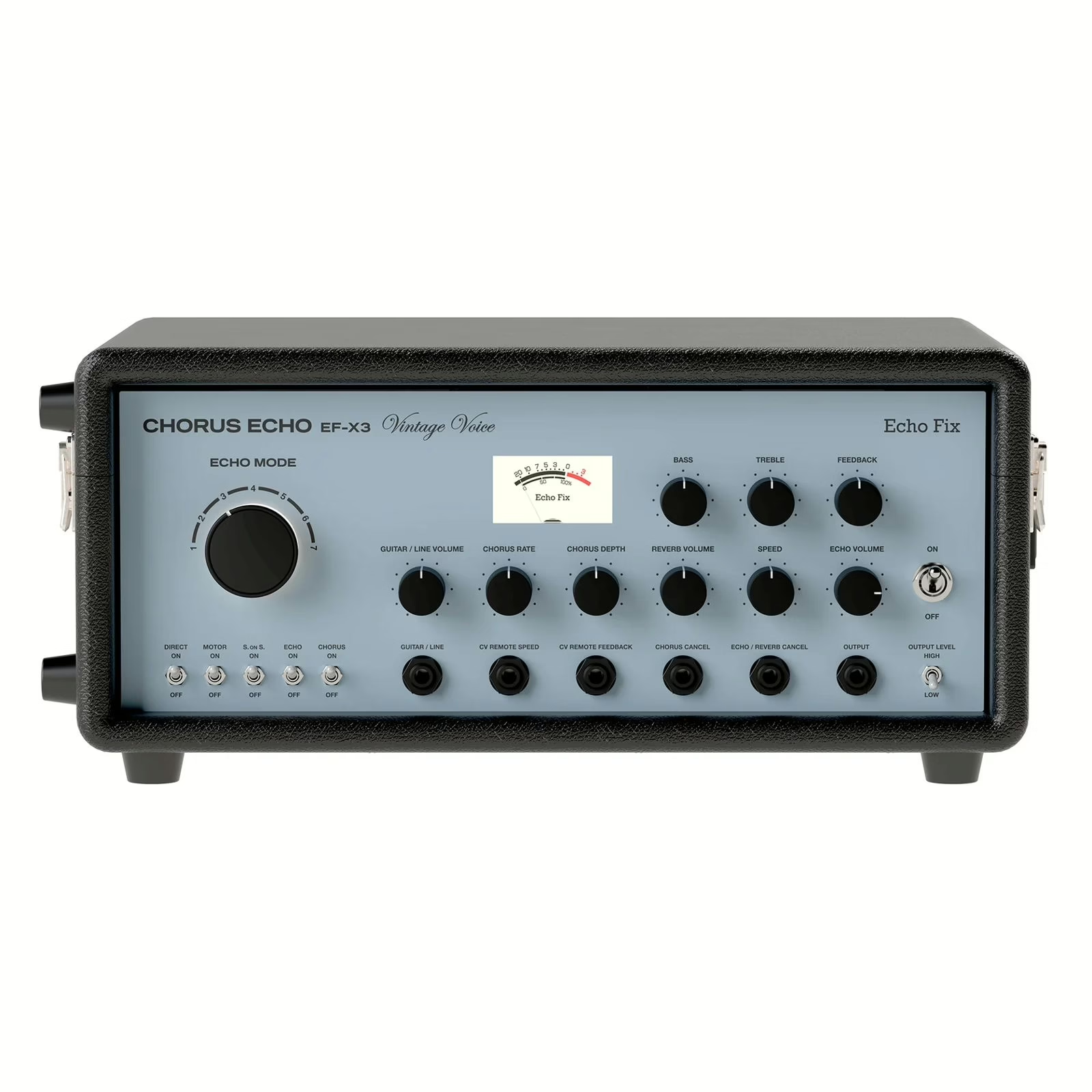
There’s a certain logic in a workshop that spent close to fifteen years repairing tape echoes finally building its own. That’s the Echo Fix story, and the EF-X3 is where it lands. The company now offers a limited-run variant, the Vintage Voice, and its whole pitch fits in one idea: recover the voice of the very first tape machines, imperfections included, while keeping a hand on every one of those imperfections.
A vintage voice, on new heads
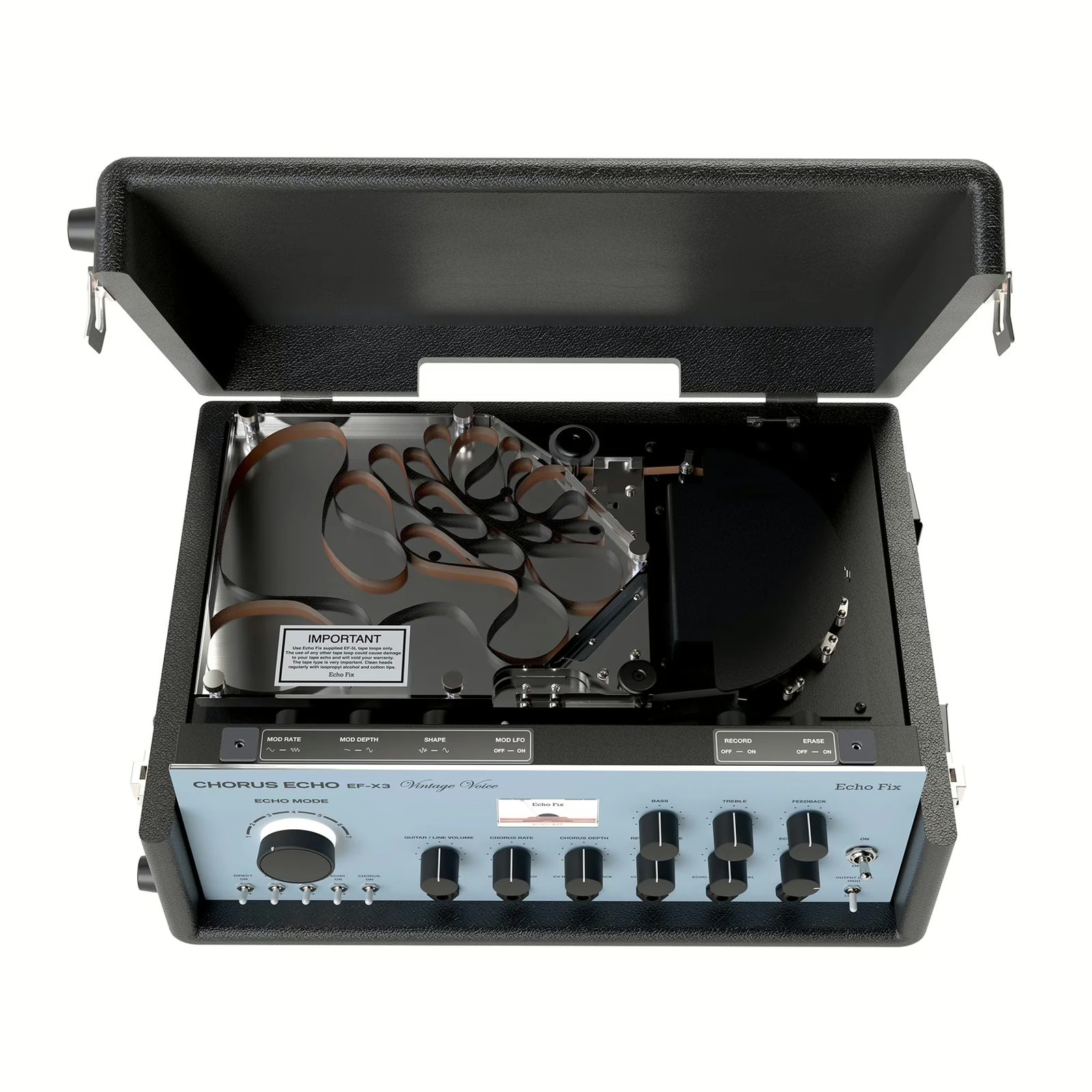
The Vintage Voice is built on the EF-X3 platform but gets new tape heads specifically voiced to capture the grain of vintage echoes. The core of the work is wow and flutter — those micro speed variations that make tape breathe. A random sample-and-hold modulation injects that organic instability, and a new LFO Mod stage adds RATE and DEPTH controls, while a SHAPE knob blends the waveform seamlessly from a sine to a sample-and-hold. That lets you dial in exactly how much entropy you want on the repeats.
Spring reverb, chorus and all-analog
The machine gains a new analog spring reverb section, voiced after beloved vintage units: turn it up and you’re deep in dub territory. Add an extended motor speed range for longer delay times and the frankly lo-fi textures of aging tape. The key point: the signal path stays fully analog. Chorus comes as a real tape-based effect as well as a classic analog BBD chorus, and the spring reverb is physical — no digital emulation anywhere in the chain.
Live tape looping and separate head outputs
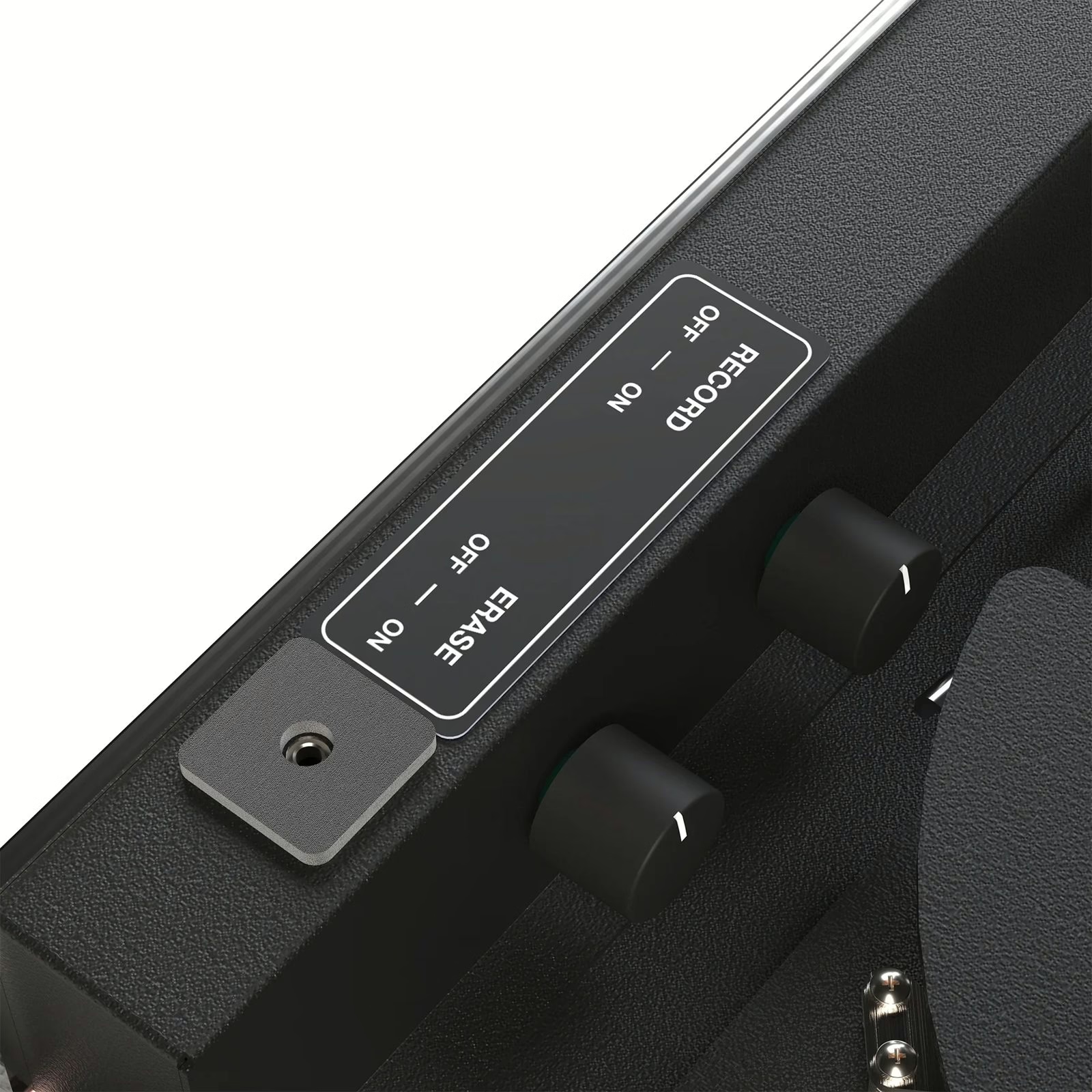
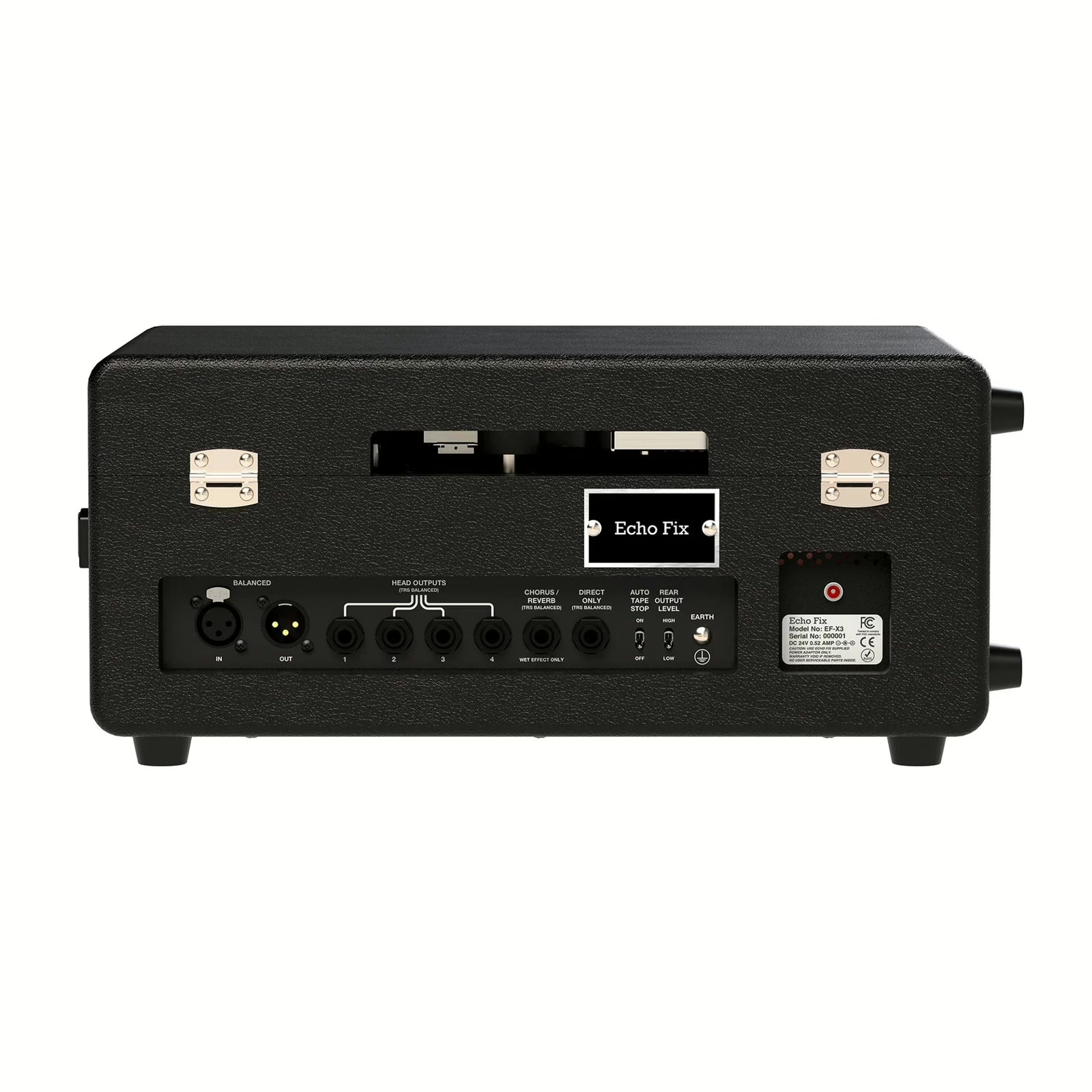
Two controls, Record Off and Erase Off, open a live tape looping mode: disable the erase head to hold a loop, then switch off the record head to layer your playing on top. It’s analog looping, the old way, with the gradual degradation that comes with it. The other find — quieter but wickedly useful — is a dedicated output for each playback head: pan those outputs on a console or in a DAW and you get a stereo ping-pong delay from a plain mono source. An auto tape-stop circuit rounds things off to extend tape life.
Those separate outputs echo a logic you’ll recognise on the software side of working delay into a mix — slapback, ping-pong, tempo sync. The difference here is that it all happens on real tape.
The bottom line
I’ve spent enough time around tape machines to know what they cost to keep running: a real headache. A workshop that’s been fixing them for fifteen years now building its own, complete with an auto tape-stop circuit to spare the tape, isn’t a marketing line — it’s operator common sense. And the idea of separate head outputs to build a stereo ping-pong from a mono source is exactly the kind of detail that gives away people who actually use the thing. This isn’t showroom nostalgia; it’s a tool.
Formats and availability
The Vintage Voice comes in Tolex, Desktop and rack (EF-X3R) formats, in blue or gold. The Blue Tolex pre-order sits at around EUR 2,900, in a limited run and with shipping quoted at roughly six weeks. Anyone who’d rather approach the Space Echo in software will find plenty with a set of tape-echo plugins or the excellent Dusk Audio Tape Echo 2 — but if you want the tape, the real thing, that’s another matter.
Frequently asked questions
Is the EF-X3 Vintage Voice truly analog?
Yes, end to end. The signal path is fully analog, including the BBD chorus and the spring reverb. There’s no digital emulation in the chain: it’s a real tape running.
Can you get a stereo delay from a mono source?
Yes. Each playback head has its own output. Pan those outputs on a console or in a DAW and you recreate a stereo ping-pong delay from a mono input — a rarity on a tape echo.
What does the live tape looping mode do?
Disable the erase head and the recorded loop is held; switch off the record head and you layer your playing over it. You get real-time analog looping, with the tape’s natural degradation on every pass.
How is the Vintage Voice different from the standard EF-X3?
It gets new vintage-voiced tape heads, an extended motor speed range for longer, lo-fi delays, a new spring reverb and richer wow-and-flutter modulation (LFO Mod with RATE, DEPTH and SHAPE). It’s a limited run, offered with a blue front panel.
Which formats exist and at what price?
The Vintage Voice comes in Tolex, Desktop and rack (EF-X3R), in blue or gold. The Blue Tolex pre-order is around EUR 2,900, with shipping quoted at roughly six weeks after purchase.