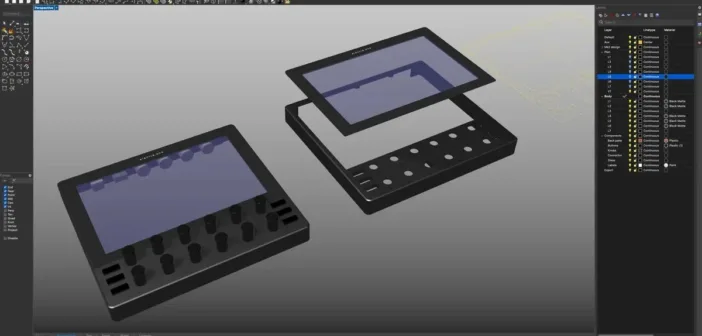
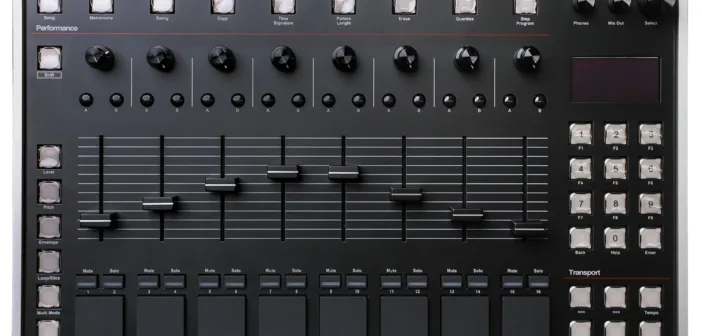
Behringer continues its run of open-code devices with the Ignite, an ambitious hardware sequencer whose details have just been published. The unit lines up 64 channels, a touchscreen, a bank of connections and, notably, an internal sound engine. All the software that runs it is posted as open source, a direction the brand has been pushing hard in recent months.
A sequencer built in four layers
The Ignite organises its sequencing across 64 channels structured as song, scene, track and pattern. A pattern holds up to 16 bars of 16 steps, a scene up to 200 bars, all at a clock resolution of 96 PPQN. Recording is done in real time, with undo, transpose and up to ten user-defined scales. This is far from a simple step sequencer: the song/scene/track hierarchy lets you build whole tracks, not just loops. To understand how these tools bring a sequence to life, our guide to groove, swing and quantization lays the groundwork.
Connectivity to drive everything
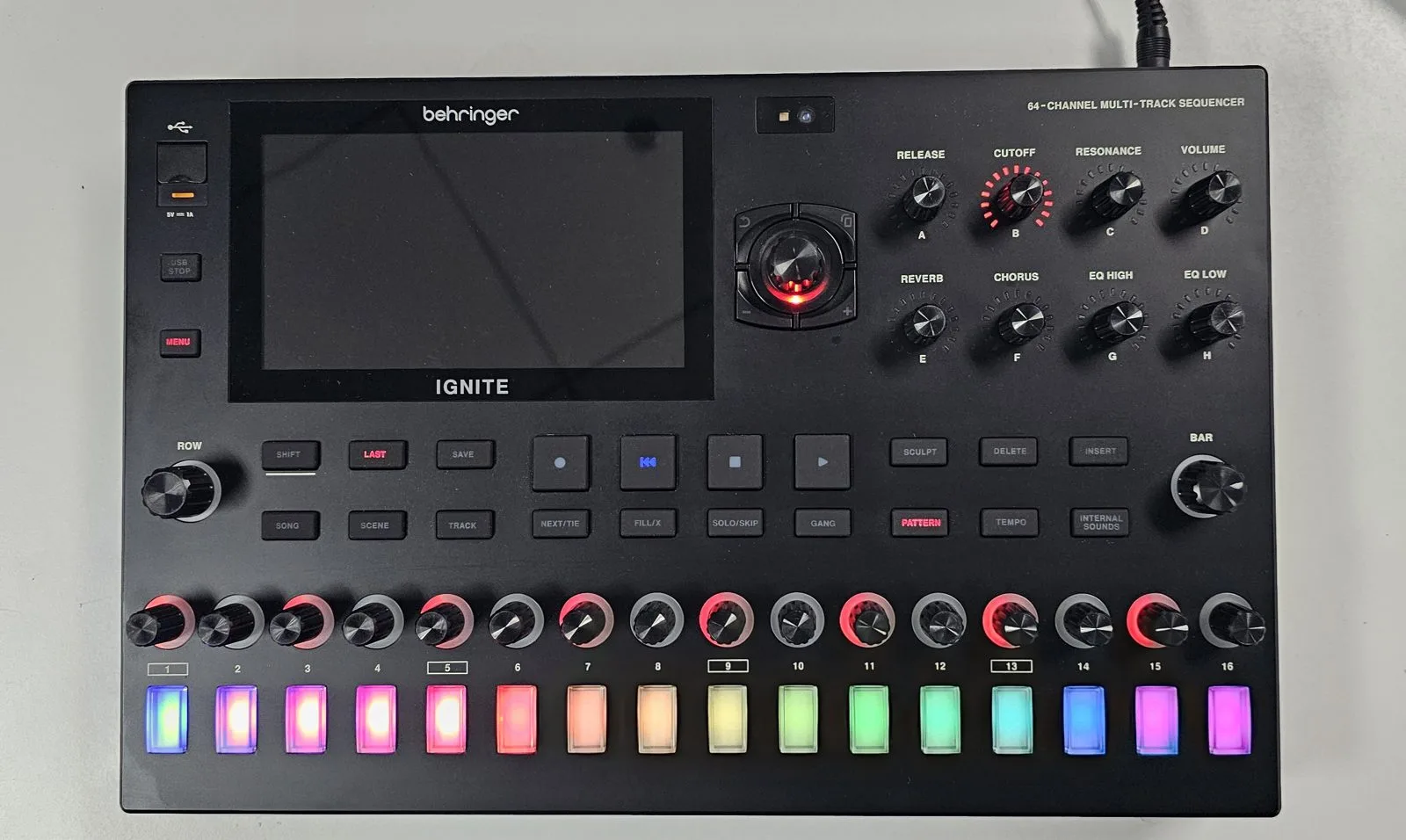
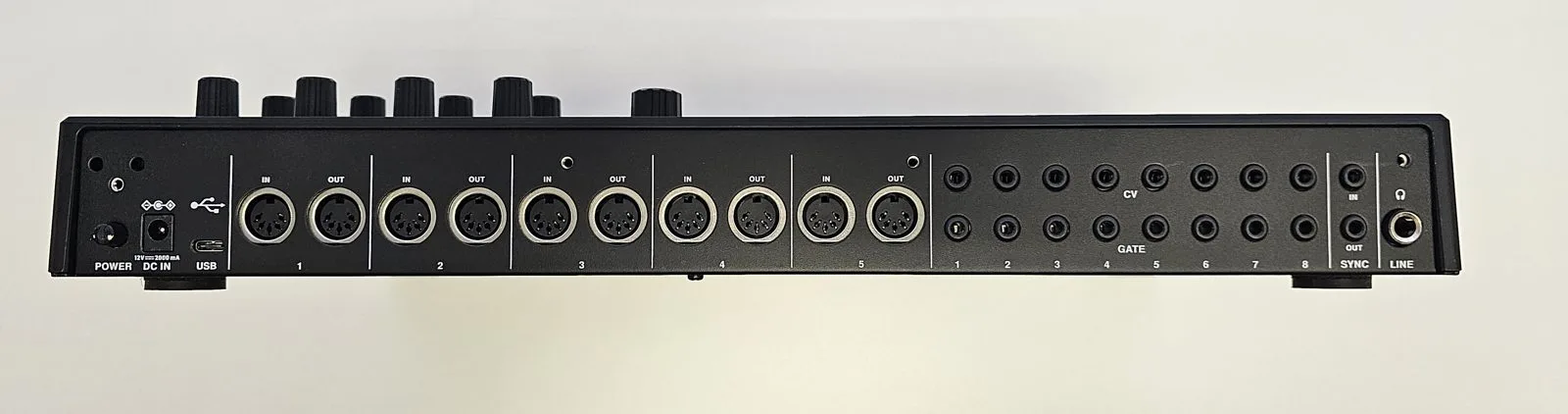
The rear panel does not hold back. The Ignite offers five pairs of MIDI DIN in and out, USB MIDI, a USB host port that handles up to five devices, plus eight CV and eight gate outputs with calibration, enough to drive a sizeable modular system. Add a sync input and output and a Wi-Fi link. On the front sit the touchscreen, sixteen RGB pads each with its own encoder, eight assignable knobs, a jog wheel and dedicated encoders for rows and bars.
A sound engine on board
One feature sets it apart from pure sequencers: the Ignite carries a General MIDI sound engine. It can make sound without relying on an external instrument, handy for sketching an idea or acting as a drum box and a backing pad. Several observers note the engine is basic at this stage, and that is exactly where opening the code makes sense.
The open-source bet
Music Tribe’s public repository holds the Ignite application, its audio engine, the hardware protocol and the Buildroot tree that builds the machine’s Linux image. In other words, a developer can recompile the firmware, add features, even write a different sound engine. It is the same logic as the SP1200X or the 1601 sequencer: Behringer ships the hardware and lets the community push the software further. The code is available on Music Tribe’s GitHub repository.
Price and availability
At this stage, Behringer has announced neither a firm price nor a release date. The Ignite was shown in late October and remains a project still being finalised, with specs that could still shift. The detailed release of the code and the feature set does suggest, though, that a launch is not far off.
My take
A 64-channel hardware sequencer with eight CV outputs and fully open code changes the game for anyone driving a large setup. The song/scene/track structure aims serious, not a living-room loop toy. The basic General MIDI engine is not the point: the appeal is that the community can replace it. The big unknown stays the same with Behringer, the real ship date, which the brand tends to promise sooner than it delivers. On paper, the tool is very tempting.