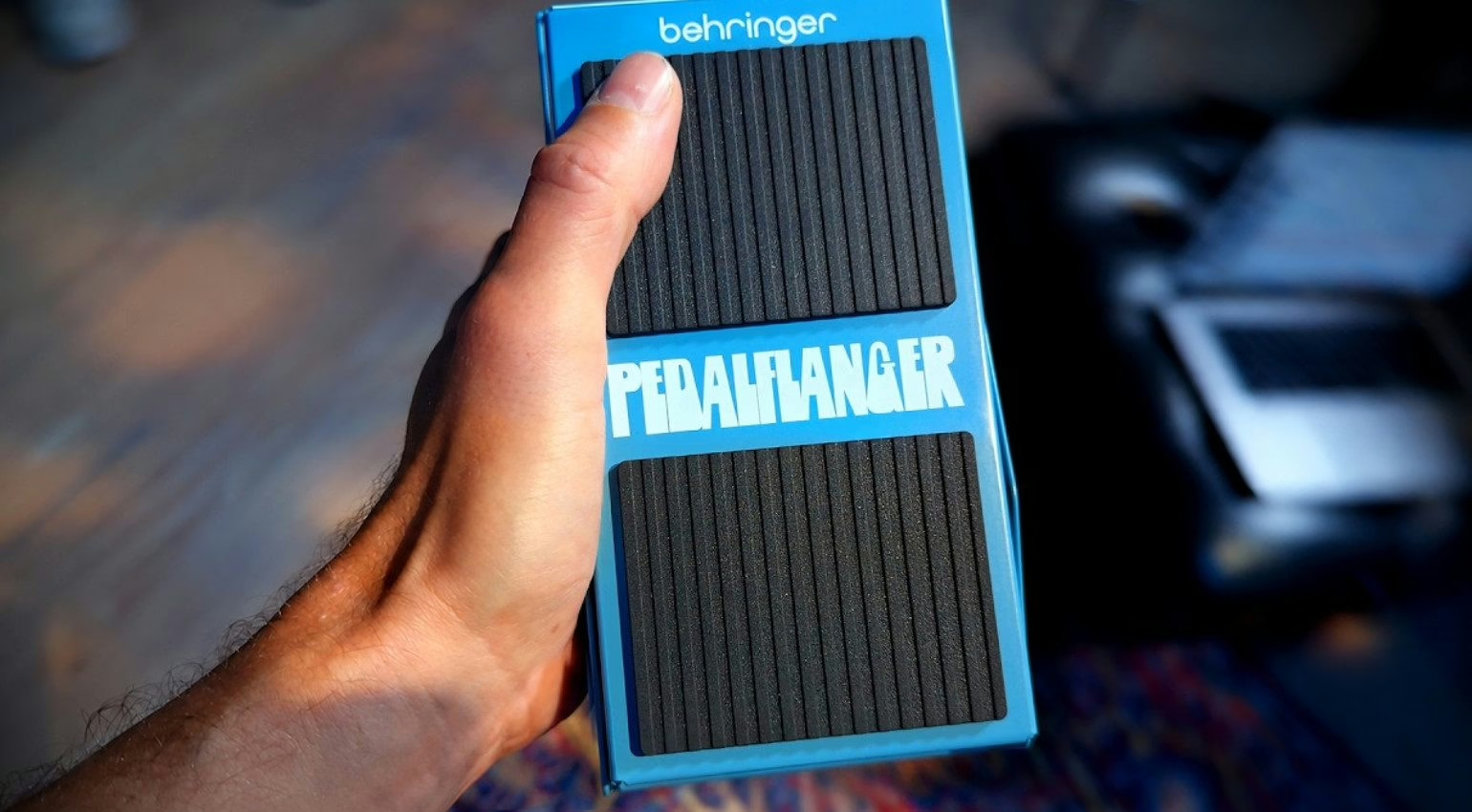
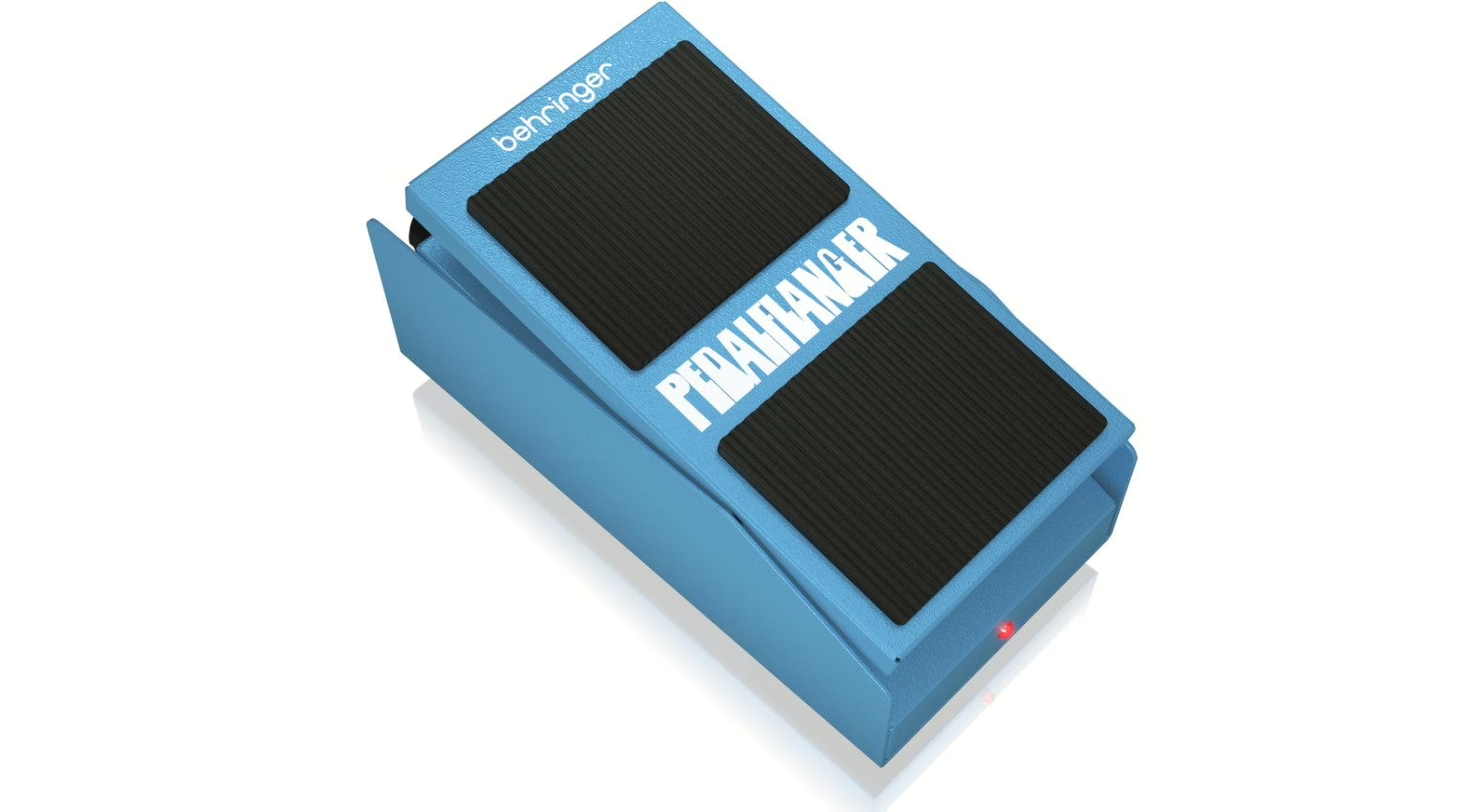
Behringer built its recent reputation on clones, and this time the target is a collector’s piece: the Tycobrahe Pedalflanger from 1976, an all-analog flanger housed in an expression-pedal chassis whose originals change hands for eye-watering sums. The company is releasing a compact reissue, the Pedal Flanger, keeping the original’s unusual idea of adjusting the effect with your foot rather than a knob.
A flanger you play with your foot
The concept throws you at first. The Pedal Flanger looks like a wah or a volume pedal, with a treadle worked by the foot. But instead of sweeping a filter, that movement drives the flanger directly: you control the effect in real time, from the floor, without taking your hands off your instrument. It is a very different gesture from a classic stompbox, and it is exactly what made the original so expressive.
The circuit is fully analog. Beyond straight flanging, it can produce chorus, vibrato and rotary-cabinet impressions depending on the settings, making it a versatile modulator rather than a one-trick box.
Auto mode, Spread and Intensity
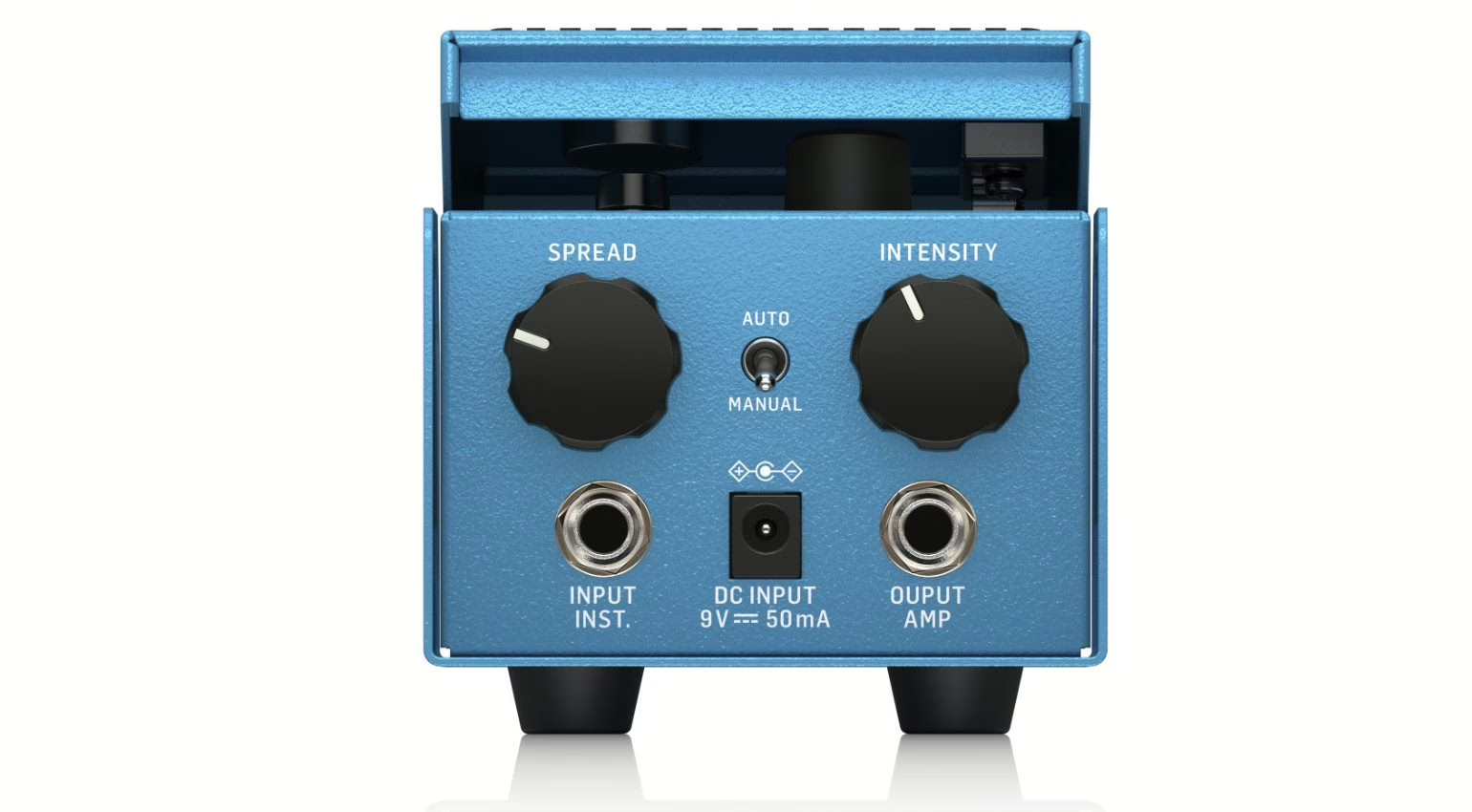
Two controls shape the sound. Spread sets the delay length, and therefore the depth of the flanger’s signature comb filter; Intensity dials in how strong the effect is. On top of that sits a clever Auto mode: tilting the pedal speeds up the LFO, making the effect more swirling and pushing it toward a chorus-like character. A single press takes you from slow, airy flanging to a dense swirl.
Key points
- Type: foot-controlled analog flanger in an expression-pedal format.
- Controls: Spread (delay length), Intensity, and an Auto mode that speeds up the LFO.
- Palette: flanger, chorus, vibrato, rotary-cabinet impressions.
- Power: 9V battery or the Behringer PSU-SB adapter.
Price and availability
The Pedal Flanger is announced at around €79 at European dealers and $96.30 on pre-order in the US. At that price, it is near-trivial access to an effect whose original sells for hundreds when you can find one at all. It fits the company’s now-familiar playbook: reissue rare classics at a price that flattens the barrier to entry, as it did on the synth side with the D Mini and on drum machines around the Mini Pops.
My take
This is the kind of reissue that makes Behringer interesting: nobody else was going to revive a foot-controlled flanger from 1976, yet the object has real playing personality. Foot control changes how you phrase a modulation effect, and the Auto mode is a good idea that did not exist in that form on the original. Whether the analog grain holds up against the classic remains to be heard, but at this price experimenting costs almost nothing. Keyboard players and guitarists after a modulation they can steer live should be well served.